Last updated November 18, 2026
Free written scope consultation - allowances, timeline, and change-order rules on paper before a single trade is scheduled
The Complete Driveway & Pavers Guide for Allen Homeowners
Allen sits on expansive clay soil that can shift up to 4 inches vertically in a single season – which is why a driveway installation that worked fine in Phoenix will buckle here within two years. Most paver guides are written for sandy Florida yards or gravel-heavy New England lots, and they skip the one thing that actually determines whether a driveway in Allen lasts: what the ground under it does when it gets wet, dries out, and freezes. This guide covers base prep for North Texas clay, which materials survive 100°F surface temps and freeze-thaw swings, how HOA rules in Twin Creeks and Watters Creek affect your design, and what Allen installations actually cost. By the end you’ll know exactly what to ask for before you sign anything.
Quick Answer
A driveway or paver installation in Allen typically costs $12 – $28 per square foot installed, with a standard two-car driveway (roughly 500 – 600 sq ft) landing between $7,500 and $16,000 depending on material and how deep the base must go through Allen’s expansive clay. The base matters more than the paver itself here: Allen’s clay-heavy soil needs deeper excavation and stronger base preparation than the national paving specs assume, and skipping that step is the single most common reason pavers settle, heave, or crack within a few years in North Texas.
Styles & brands we work with
- Kitchen remodeling
- Bathroom remodeling
- Home additions & ADU
- Roofing
- Windows & doors
- Driveway & pavers
- Fence
Table of Contents
- Why Allen’s Clay Soil Changes Everything
- Base Preparation: What Allen Driveways Actually Need
- Which Paver Materials Survive North Texas Weather
- Navigating HOA Rules in Twin Creeks and Watters Creek
- Drainage and Slope: Keeping Water Off Your Driveway
- What Paver Installation Costs in Allen
- The Installation Process, Step by Step
- Maintenance and Sealing for Allen Conditions
Why Allen’s Clay Soil Changes Everything
Collin County sits on what geotechnical engineers call highly expansive clay – a soil with a high montmorillonite content that swells substantially when it absorbs water and shrinks just as dramatically when it dries. In Allen, that cycle plays out every year: heavy spring rains saturate the ground, then a dry July pulls the moisture straight back out. We’ve watched driveways heel up two inches at the edges just from that seasonal swing, and we’ve seen older concrete pads crack clean through along the expansion lines the clay creates.
For a paver driveway, that movement is both the problem and part of the solution. Pavers are flexible – they ride the movement far better than a poured slab, which is one reason more Allen homeowners are choosing them. But “flexible” only works if the base underneath is engineered to distribute that movement rather than concentrate it. A paver laid over a shallow base on Allen clay will telegraph every bit of that seasonal shift straight into the surface, and within two or three wet-dry cycles you’ll have a washboard of uneven stones.
What this means in practice for an Allen driveway:
- Deeper excavation is non-negotiable. Where a national spec might call for 4 inches of base, North Texas clay usually needs 6 to 8 inches of properly compacted crushed stone, sometimes more on lots with poor drainage.
- Drainage matters as much as depth. Water trapped under the base keeps the clay in a swelled state year-round, which is worse than the natural cycle.
- Compaction has to be measured, not eyeballed. A plate compactor run over a loose pile of stone doesn’t accomplish what layered, machine-compacted lifts do.
- Site history affects the plan. A lot that was graded and filled during construction behaves differently from one on native soil, and a good installer checks which you have before quoting.
None of this is exotic. It’s just the opposite of the cookie-cutter approach that gets copied from national paver guides written for other climates. Getting it right starts with Driveway & Pavers in Allen built around the soil you actually have.
Base Preparation: What Allen Driveways Actually Need
The base is the part of your driveway you’ll never see, and it’s the part that determines whether you’re looking at a flat surface in ten years or a patchwork of settled stones. On Allen’s expansive clay, a proper base follows a specific sequence. Skip any step and the whole layer loses its integrity.
- Strip and excavate to the right depth. We remove the existing surface material and dig down far enough to accommodate the compacted base plus the paver thickness, accounting for the extra depth Allen’s clay requires. On a typical residential driveway that’s a 6-to-8-inch base course, deeper in spots with poor drainage or fill soil.
- Grade for drainage before you build up. The subgrade gets shaped so water moves away from the house and toward the street or a drainage solution – never toward the foundation.
- Lay a geotextile separation fabric. This stops clay fines from pumping up into the crushed stone over time, which is what turns a well-built base into a muddy, unstable one after several wet seasons.
- Place base in compacted lifts. Base is added and machine-compacted in layers of a few inches at a time. Dumping eight inches of stone and compacting once leaves loose material at the bottom, and that material settles later.
- Set the bedding layer and screed it. A thin layer of coarse sand goes over the compacted base, screeded flat and true to the final grade.
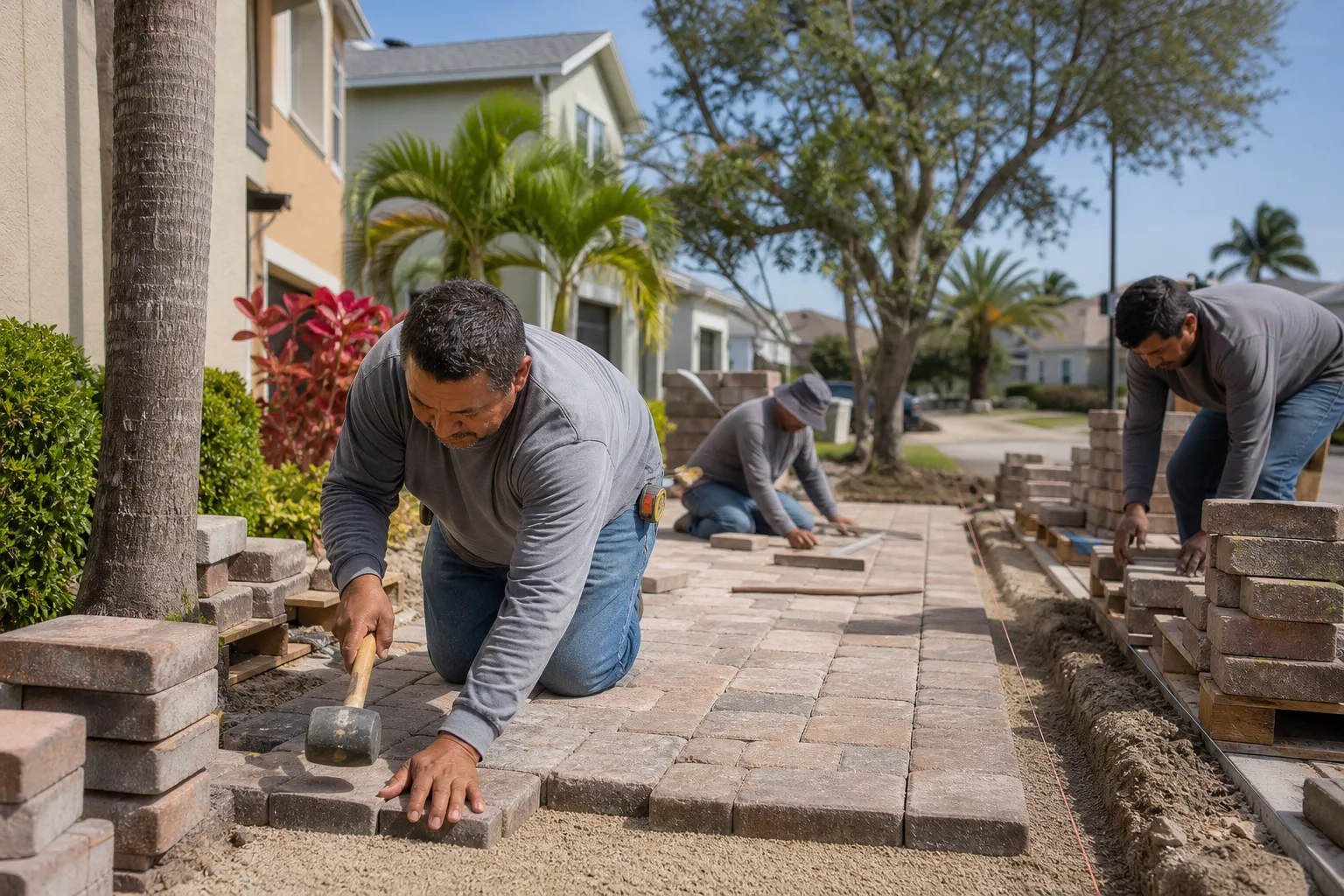
- Lay, cut, and compact the pavers. Pavers are set in the chosen pattern, edge cuts are made with a wet saw, then the whole field is compacted and joint sand is worked into the gaps.
That separation fabric and the lift-by-lift compaction are the two steps we see skipped most often on Allen jobs that were quoted low. If a bid doesn’t mention how the base will be built, that’s the question to ask before anything else. A driveway is only as good as what’s under it, and in Allen that’s a genuine engineering decision, not a formality.
Which Paver Materials Survive North Texas Weather
Allen puts pavers through a specific kind of stress that a lot of national material guides don’t account for. Surface temperatures on a dark paver in full August sun routinely reach 130°F to 140°F – hot enough to burn a bare foot and enough to test any material’s thermal stability. Then winter brings hard freezes and thaw cycles that work moisture into every seam. A paver that performs beautifully in a mild coastal climate can spall, fade, or crack under that combination.
What holds up best in Allen, in our experience:
- Clay brick pavers handle the temperature extremes and freeze-thaw cycles well, and they hold color over decades rather than years. They’re the classic choice for a reason, though they carry a higher price tag and a limited color range.
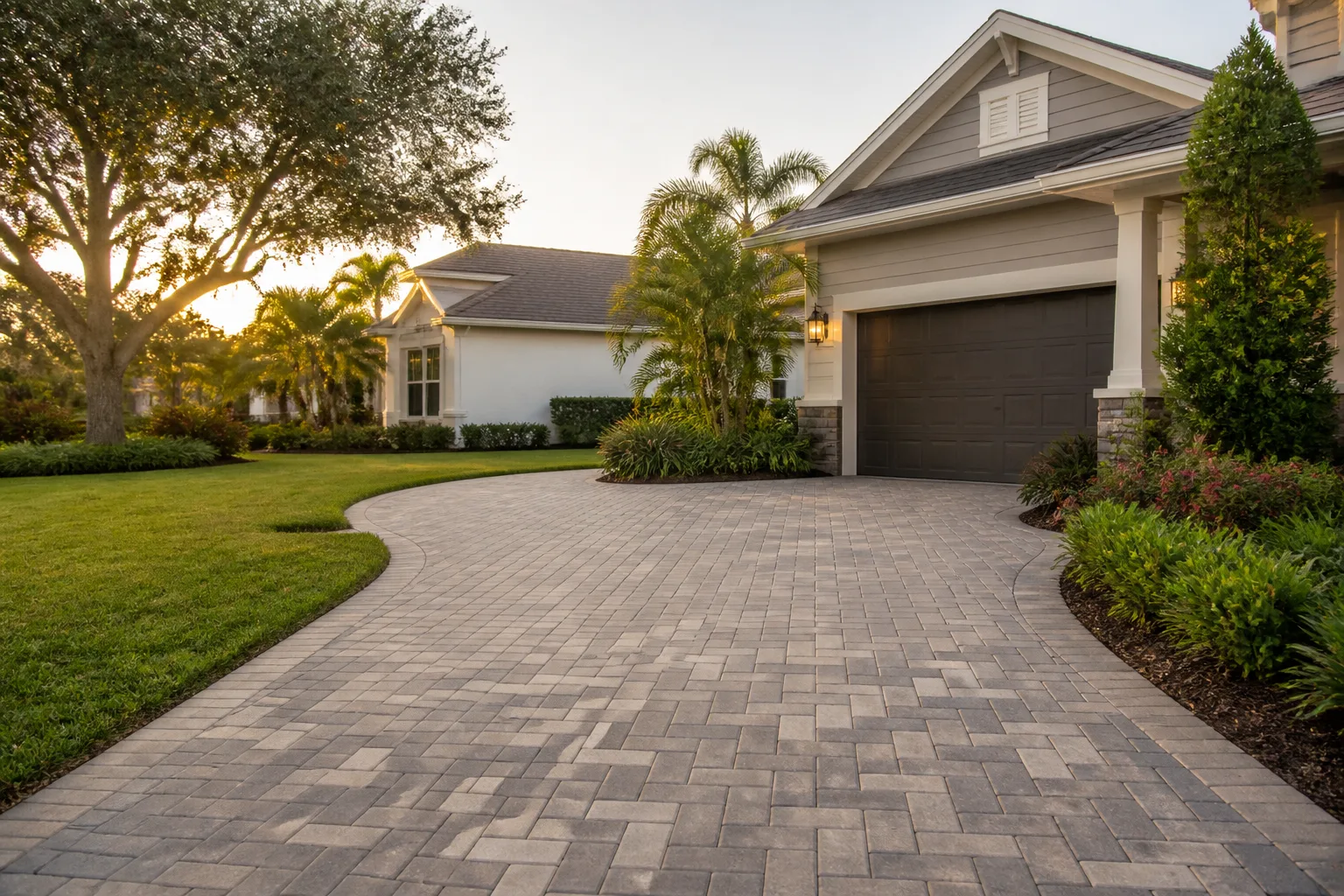
- Concrete pavers with a high-density mix – the better concrete pavers, from manufacturers like Boral, are engineered for compressive strength and freeze-thaw resistance and come in a wide range of shapes and colors, which matters for HOA matching. Cheaper, lower-density concrete pavers are where fading and surface wear show up fastest.
- Permeable pavers are worth considering on Allen lots where drainage is tight, because they let stormwater move through the surface instead of sheeting off. They need a properly designed open-graded base to function, so they aren’t a bolt-on option.
- Natural stone such as travertine or sandstone looks striking but needs more attention in North Texas – some stone types are more porous and absorb moisture that expands in a freeze. If you love stone, ask specifically about freeze-thaw rating for the type you’re considering.
Color and finish matter too. Lighter pavers stay measurably cooler underfoot in a Texas summer, and a tight, well-sanded joint pattern resists weed growth better than a wide, loose one. The material choice and the base prep have to work together – premium pavers on a shallow base still fail, and modest pavers on a properly built base often outlast the expensive ones.
Navigating HOA Rules in Twin Creeks and Watters Creek
If you live in one of Allen’s planned communities, the design of your driveway may be partly decided before you pick a single paver. Twin Creeks, Watters Creek, and many of Allen’s other HOA-governed neighborhoods have architectural review requirements that restrict paver color, pattern, and sometimes the material itself. This isn’t a hurdle to dread – it’s a step to plan for early, because a great-looking driveway that violates the community guidelines can mean tearing it out and doing it again.
What we typically see in Allen HOA communities:
- Color palettes are often restricted to earth tones, grays, and muted reds that match the neighborhood’s established look. Bright or highly variegated pavers usually need approval or get rejected outright.
- Pattern may be specified – some communities want a running bond or herringbone and disallow others. The pattern isn’t just aesthetic; it affects how the pavers interlock and perform.
- Material substitutions may be limited, so a permeable paver driveway or a natural stone option could require a formal request rather than a simple sign-off.
- Approval is a process, not a yes-or-no, and it takes time. Submitting plans early keeps your project on schedule instead of stalling mid-build.
The practical move is to pull your HOA’s architectural guidelines before you shop, then bring them to your installer so the design starts inside the rules. A contractor who works in Allen regularly will already know which communities are strict and which are flexible, and can help you assemble the submittal with material samples and a site plan. Getting the paperwork right the first time saves weeks.
Drainage and Slope: Keeping Water Off Your Driveway
Allen gets its share of flash storms, and a driveway that doesn’t drain properly turns into a shallow pond every time the sky opens up. Standing water is the enemy of a paver driveway in two ways: it saturates the base and keeps the clay beneath it in a permanently swelled state, and it works its way into the joints, loosening sand and undermining the surface over time. Slope and drainage design are as important as base depth.
The goals for an Allen driveway:
- Pitch the surface away from the house. A minimum slope of about 2% (roughly a quarter inch per foot) moving water toward the street or a drainage point keeps it from pooling against your foundation.
- Plan for where the water goes, not just that it leaves. On a lot that slopes toward the house or sits low, the driveway needs a channel drain, a swale, or another solution rather than just relying on gravity.
- Keep the joint sand topped up. Sand-filled joints are part of the drainage system. When they erode, water gets into the base faster than it should.
- Watch the edges. Edge restraints hold the whole field together and stop pavers from creeping outward under load and water pressure. A missing or weak edge restraint is a common source of spreading joints on older Allen driveways.
We always walk a property after a hard rain, or check the existing drainage pattern before we start, because the way water behaves on the finished surface is the clearest test of whether the design is right. If your current driveway has low spots that hold water for a day after a storm, that’s the first thing to fix in a replacement, not something to hope the new pavers will solve on their own.
What Paver Installation Costs in Allen
Cost is where a lot of guides get vague, so here are the ranges we see on Allen-area projects. The total depends on three main factors: the material, the square footage, and – the one people underestimate – how much base prep the soil requires. A straightforward lot on stable soil costs less than one with fill soil, poor drainage, or existing concrete that has to come out.
| Component | Typical Allen Range | Notes |
|---|---|---|
| Concrete pavers, installed | $12 – $20 per sq ft | Standard base, earth-tone color range |
| Clay brick pavers, installed | $18 – $28 per sq ft | Higher material cost, excellent longevity |
| Permeable pavers, installed | $20 – $30 per sq ft | Requires open-graded base design |
| Standard two-car driveway (500 – 600 sq ft) | $7,500 – $16,000+ | Depends on material and site conditions |
| Extra base depth for poor soil | $2 – $5 per sq ft added | Common on fill or drainage-challenged lots |
| Old concrete removal and haul-away | $1,500 – $3,500 | Varies with thickness and access |
| Sealing (optional) | $1.50 – $3 per sq ft | Recommended every few years in North Texas |
A few realities to keep in mind. A low bid that comes in well under these ranges usually means a shallower base, cheaper pavers, or both, and that’s exactly the shortcut that fails first on Allen clay. A qualified installer will walk the site, measure the driveway, and give you a line-item quote that separates material, base prep, and labor so you can see what you’re paying for. Any change in scope – a surprise layer of old concrete, a drainage fix nobody anticipated – should be agreed in writing before it happens, not tacked onto the final invoice.
The Installation Process, Step by Step
Knowing the sequence helps you evaluate a bid and understand what you’re paying for. Here’s how a properly built paver driveway comes together, in the order it happens:
- Site assessment and design. We measure the driveway, check the soil and drainage, review HOA guidelines, and choose the material and pattern. You approve the design and get a written, line-item estimate before work begins.
- Permits and HOA approval. If the project touches the right-of-way or your community has architectural review, that paperwork is handled up front so there are no surprises mid-project.
- Demolition and haul-off. The old surface is removed and cleared away, revealing the subgrade you’re actually building on.
- Subgrade prep and base build. Excavation to depth, separation fabric, then compacted crushed stone placed in lifts and graded to drain – the step that matters most on Allen’s clay.
- Bedding layer and paver install. A screeded sand bed, pavers set in the chosen pattern, edge cuts made clean, restraints installed along every exposed edge.
- Compaction, joint sand, and final walkthrough. The field is compacted, joints are filled, the surface is cleaned, and you walk the finished driveway with us. Everything is covered by our 730-Day Done Right Promise – if something isn’t right, we make it right.
Most residential driveways in Allen finish in a few days depending on size and site conditions. Larger or more complex projects, or those waiting on HOA sign-off, run longer, and a good installer tells you that schedule up front rather than promising speed that doesn’t reflect the work.
Maintenance and Sealing for Allen Conditions
A paver driveway is low-maintenance, not no-maintenance, and North Texas conditions put specific demands on the upkeep schedule. The goal is to keep the base protected, the joints tight, and the surface draining the way it was designed to.
- Top up joint sand once a year, and again after any heavy storm that washes some out. A broom swept over the surface after a rain will show you where joints have opened up.
- Seal every few years, not every year. A penetrating sealer helps block moisture absorption and resists staining on North Texas clay, which turns into mud during the wet season. In our climate, every two to three years is the realistic rhythm – more often wastes money.
- Watch for low spots and settling. If a puddle sits for more than a day after a storm, it’s a sign the base has moved or the drainage needs attention. Catch it early before it spreads.
- Keep weeds out of the joints. A well-compacted, sand-filled joint stops most of them. If you get persistent weeds, the fix is topping up the sand and compacting it, not a permanent chemical solution that wears off.
- Be careful with de-icers. The occasional icy morning in Allen is fine, but rock salt and harsh chemical de-icers can damage the surface over time. Sand or a paver-safe product does the job without the wear.
Match your maintenance to the material. Concrete pavers, clay brick, and permeable pavers each have slightly different care needs, and a good installer will tell you exactly what yours requires at the walkthrough rather than leaving you guessing.
Common Mistakes to Avoid
- Using a national base-depth spec. Guides written for milder or sandier climates often call for a base far shallower than Allen’s clay demands. Cutting the depth here is the number-one cause of settling and heaving within a couple of years.
- Skipping the separation fabric. Without it, clay fines migrate up into the crushed stone and turn a stable base into a muddy, shifting one. It’s a cheap material that protects an expensive job.
- Ignoring HOA rules until after the install. Building a beautiful driveway that violates your Twin Creeks or Watters Creek guidelines can mean tearing it out. Check the rules before you pick a paver.
- Underestimating drainage. A driveway that ponds water after every storm will fail faster than one built with proper slope and drainage, no matter how good the pavers are.
- Taking the lowest bid without asking about base prep. A quote that’s thousands below the others usually has a reason, and on Allen clay that reason is a shallow base you’ll pay to fix later.
- Skimping on edge restraints. Loose edges let the whole field spread and shift under load and water. The restraints are what keep the driveway tight.
- Sealing too often, or too soon. Sealing a brand-new driveway before the pavers have settled, or resealing every year, does more harm than good in North Texas.
See the difference
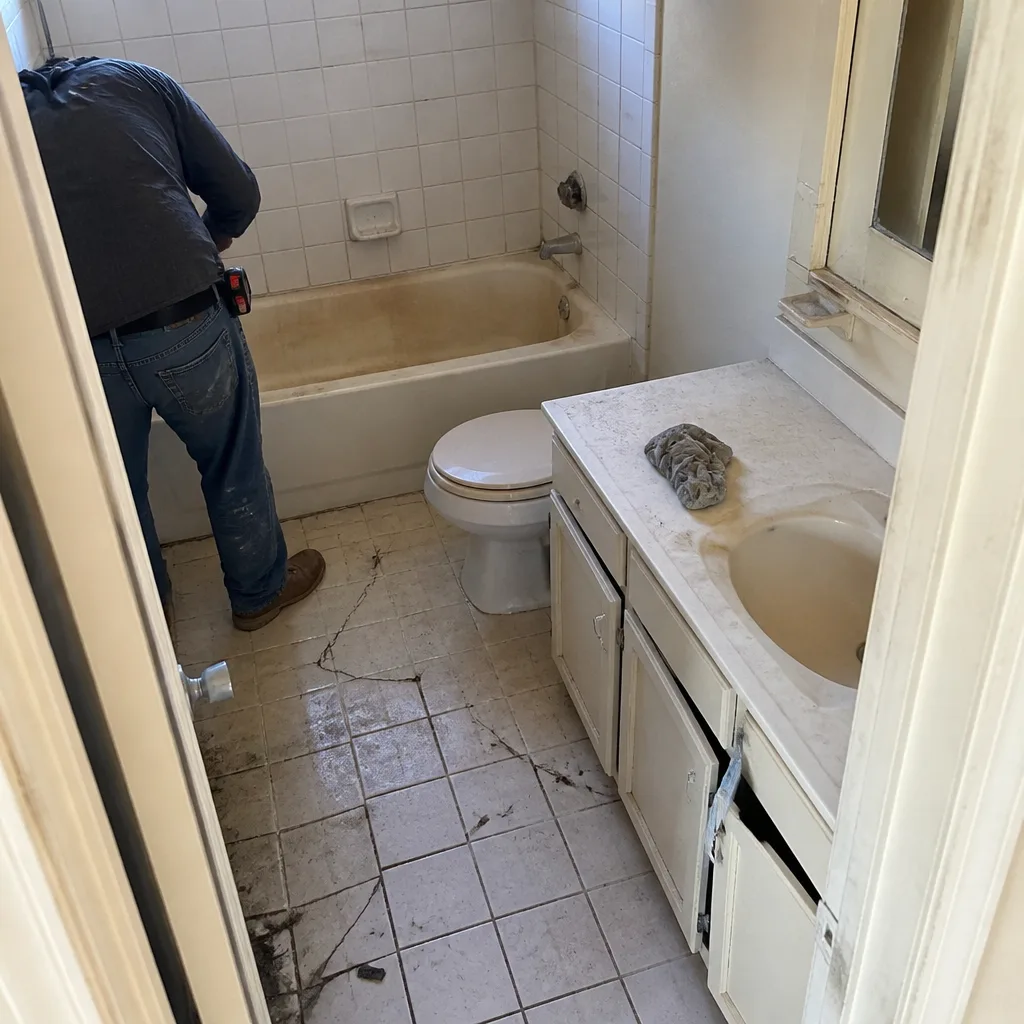 Before
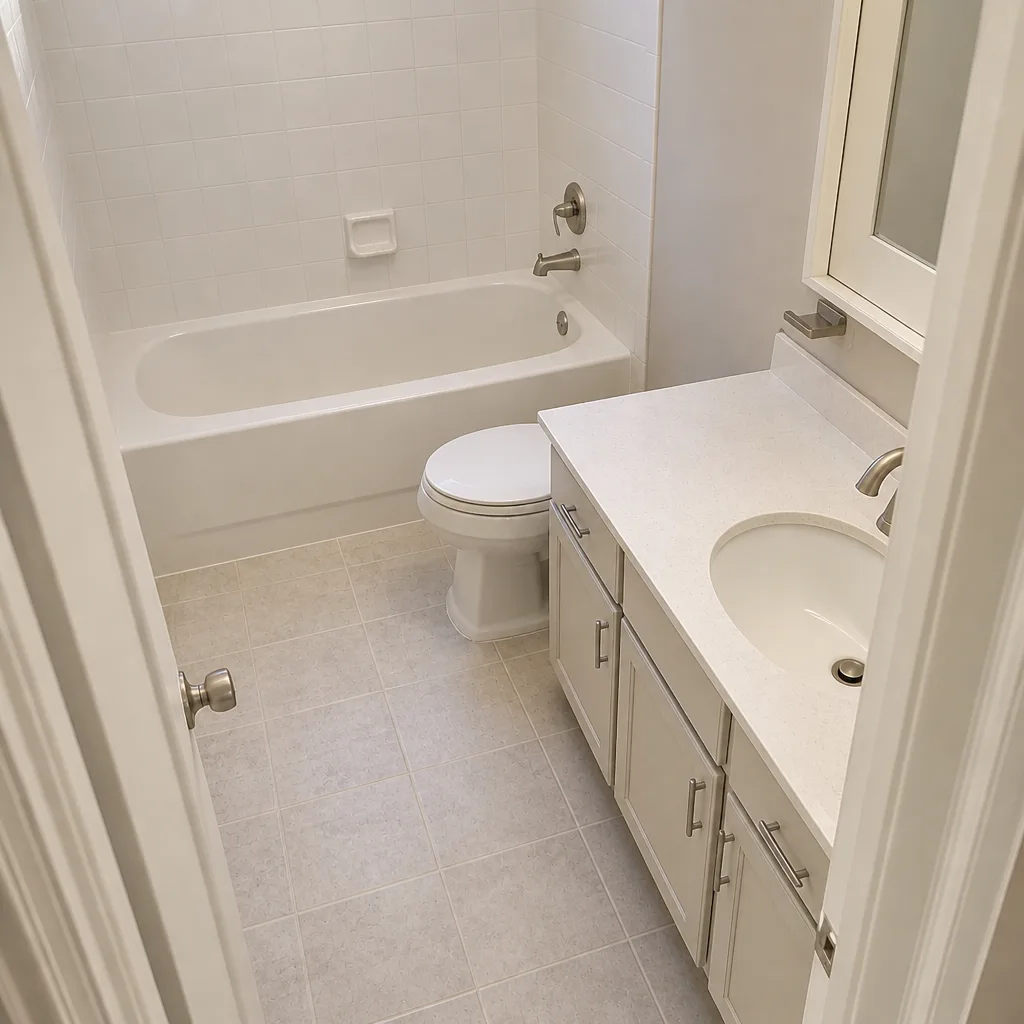 After
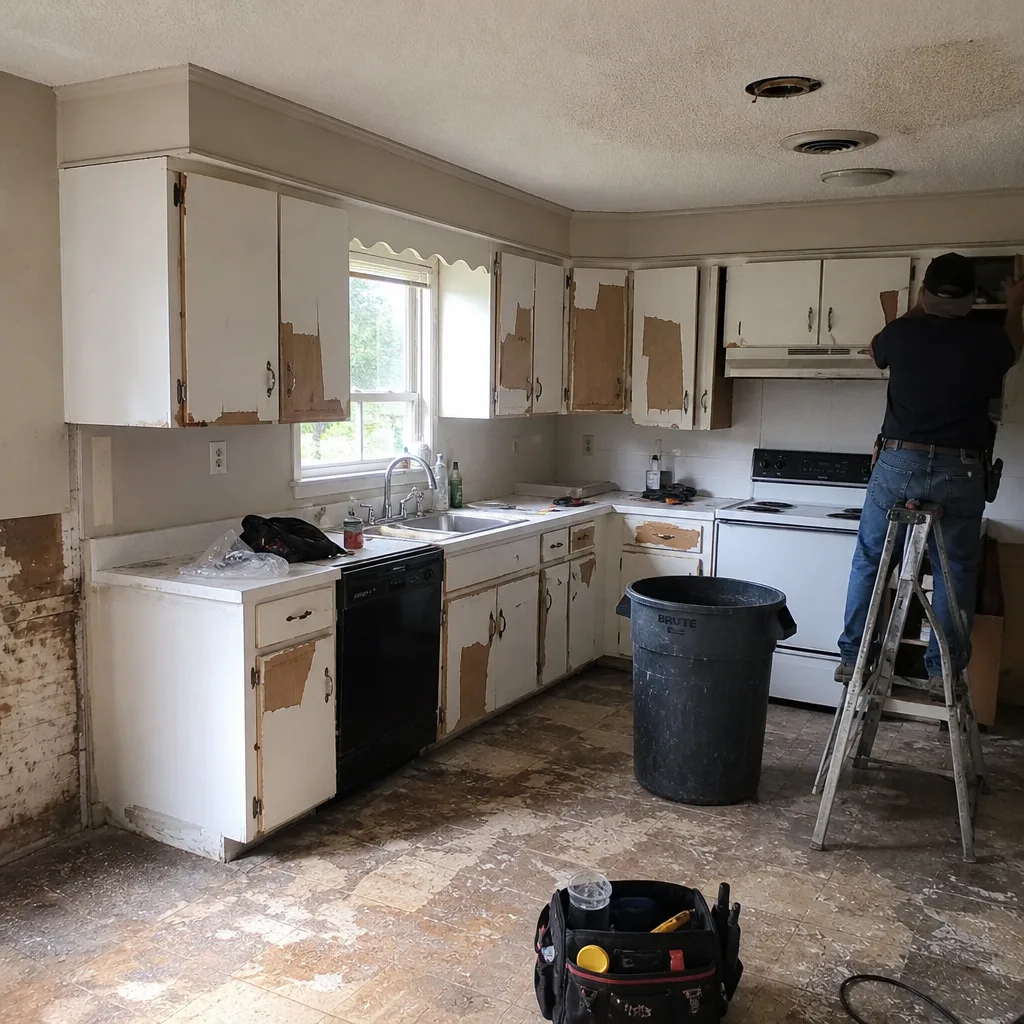 Before
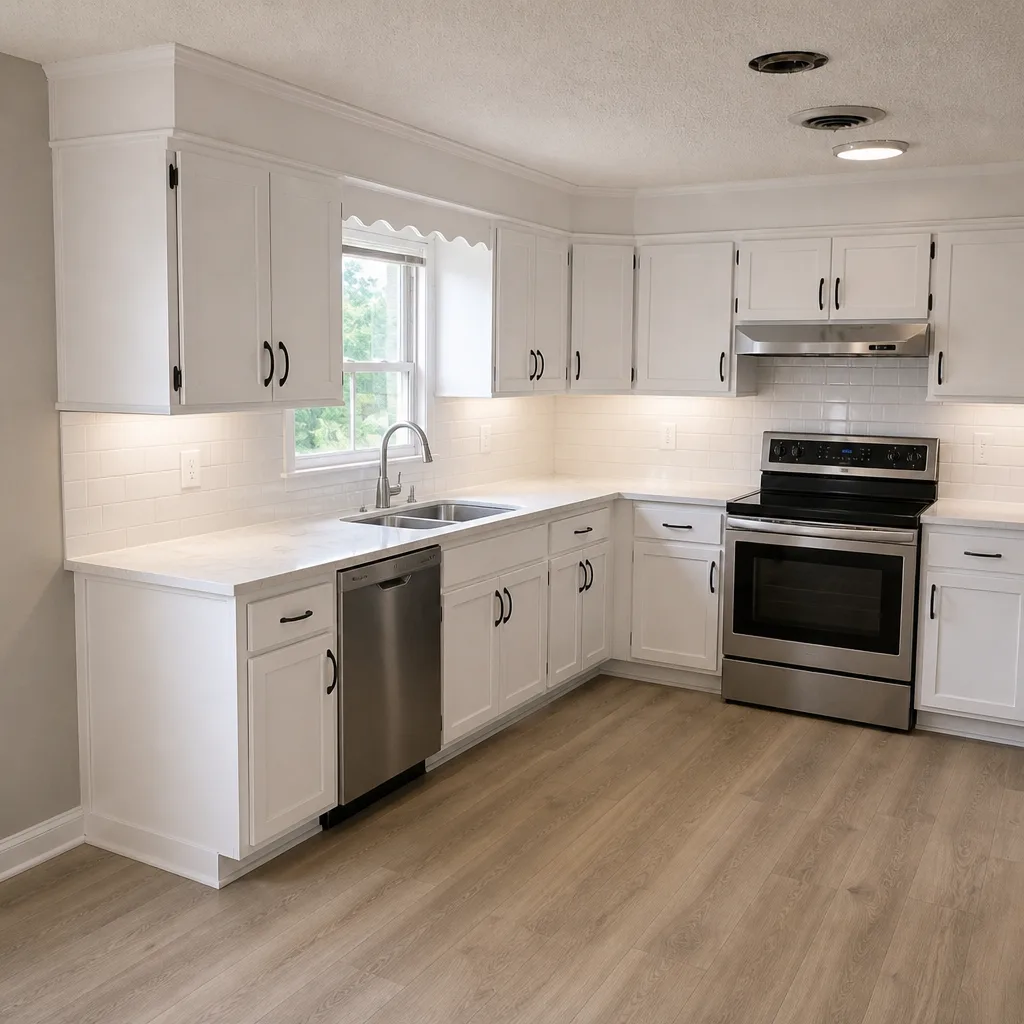 After
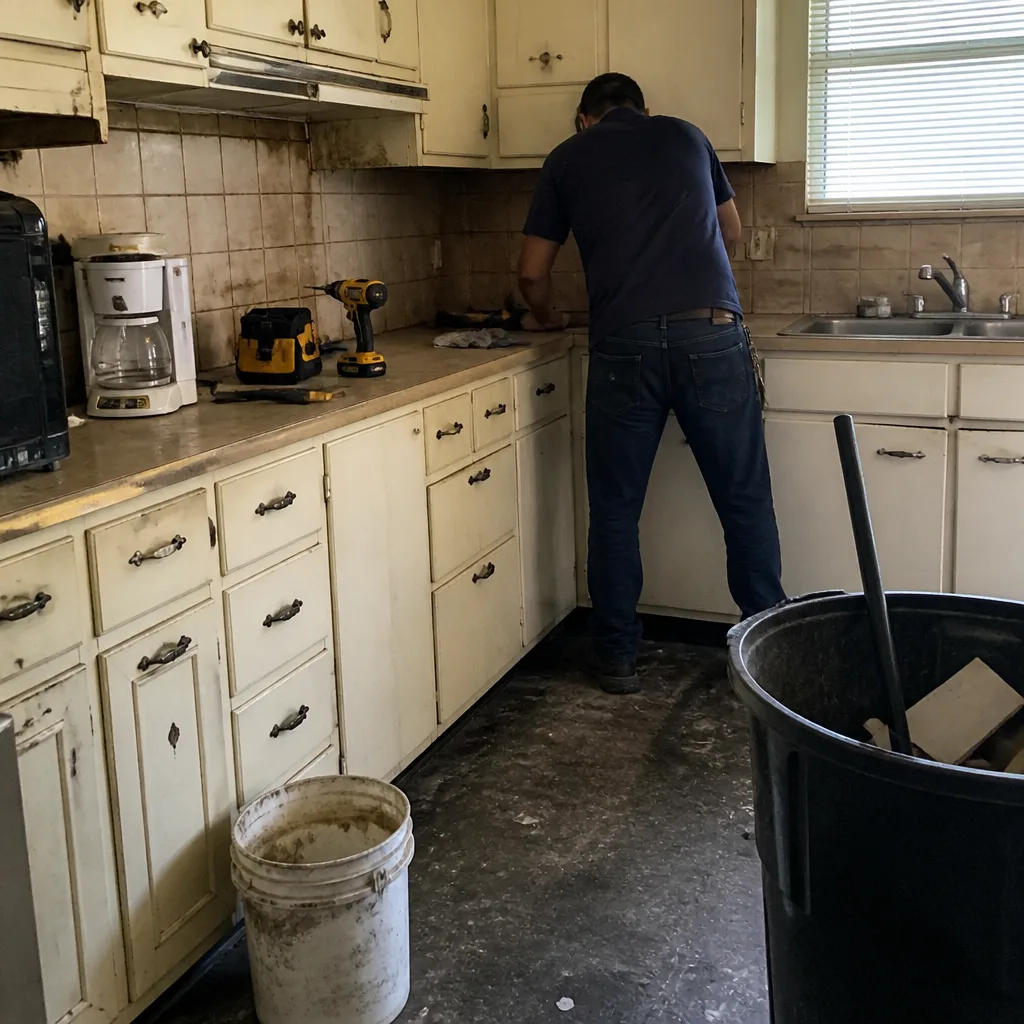 Before
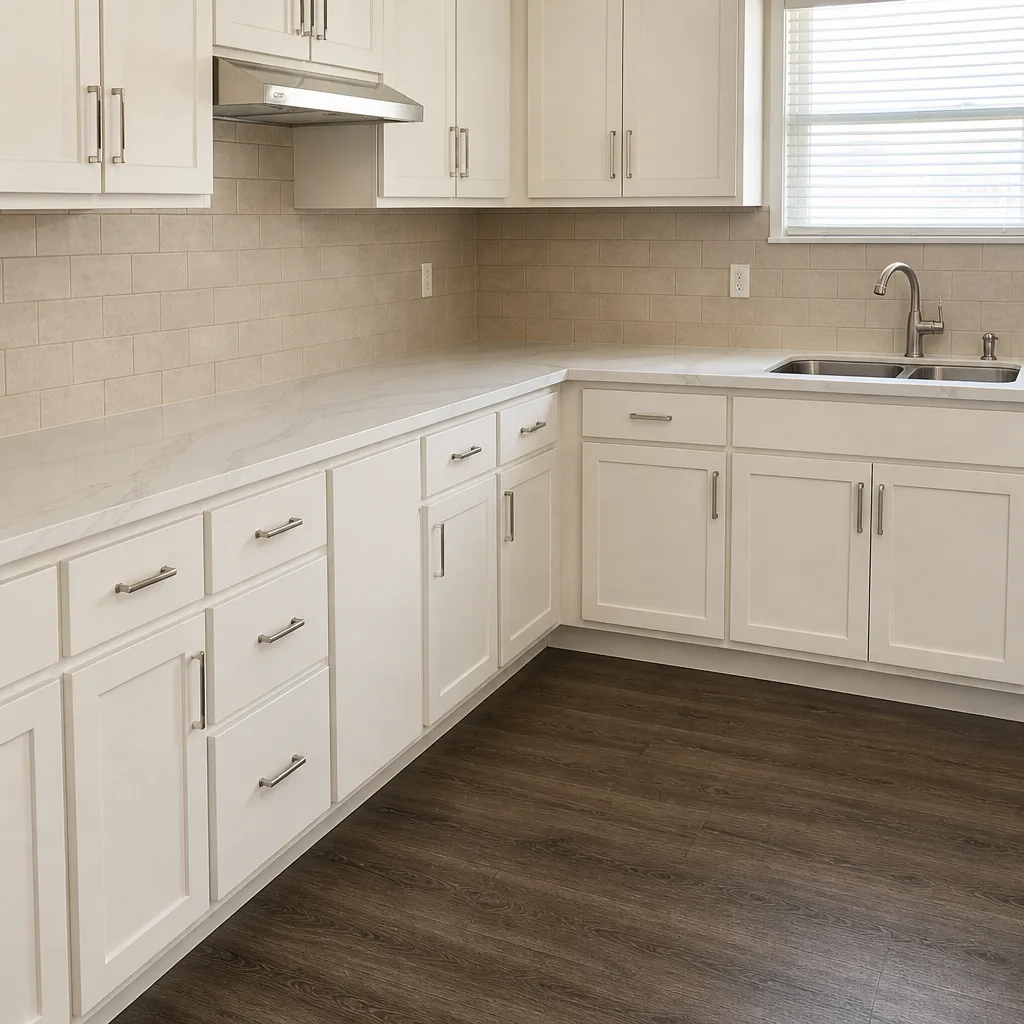 After
When to Call a Professional
Some paver work is a genuine homeowner project – pulling a weed, topping up joint sand, sweeping off after a storm. But a driveway that’s heaving at the edges, cracking along the surface, holding water after a rain, or spreading at the joints is telling you the base or the drainage has a problem, and that’s not a job for a weekend and a rented plate compactor. Rebuilding a failing base means removing the surface, digging through the clay, and rebuilding with proper compaction and drainage – the kind of work that gets worse, never better, when it’s done shallow the first time. If your HOA needs a design submittal, or you’re replacing a concrete driveway and want to know whether pavers are the right call on your lot, that’s a conversation worth having with an installer who works Allen soil regularly. Groundwork Construction Co. of Allen offers free estimates in Allen – call (888) 343-9048.
Frequently Asked Questions
A paver driveway in Allen typically costs $12 – $28 per square foot installed, putting a standard two-car driveway (500 – 600 square feet) between about $7,500 and $16,000 depending on material and base conditions. Concrete pavers sit at the lower end, clay brick and permeable pavers at the upper end, and poor soil or old concrete removal adds cost. Call (888) 343-9048 for an exact quote – estimates are free.
Not without your written agreement. A proper quote separates material, base prep, and labor, and it accounts for what’s under the surface. The one thing that can change a price is a genuine unknown uncovered during excavation – a surprise layer of concrete, a drainage issue nobody could see from the surface – and that gets discussed and agreed before anyone charges for it. Groundwork’s no-hassle upfront pricing means the number you see is the number you pay for the scope you approved.
Allen’s expansive clay soil is the main reason. It swells when wet and shrinks when dry, shifting vertically by several inches over a season, and any driveway built on a base too shallow to absorb that movement starts settling or heaving within a few years. Deeper excavation, a compacted base, and separation fabric are what make a driveway survive here.
If you live in a community like Twin Creeks or Watters Creek, likely yes. Many Allen HOAs restrict paver color, pattern, and sometimes material, and they require a design submittal before work begins. Pull your architectural guidelines first, then bring them to your installer so the design is built to pass the first time.
A well-built paver driveway handles the North Texas climate well and can last decades, because pavers flex with the seasonal soil movement instead of cracking like a poured slab. The variable is the base: build it deep enough, compact it properly, and drain it right, and the surface holds up. Skip that and the pavers fail early, regardless of how good the material is.
We handle the permit process and can help assemble your HOA architectural submittal, including material samples and a site plan. The paperwork gets sorted before construction starts, so your project doesn’t stall waiting on approval halfway through. Call (888) 343-9048 to schedule your free estimate and get the process moving.
The Bottom Line
Getting a paver driveway right in Allen comes down to respect for the ground under it. Expansive clay needs deeper excavation, a properly compacted base, separation fabric, and real drainage design – not the shallow spec used in climates with different soil. Choose a material that handles 100°F summers and freeze-thaw winters, check your HOA rules before you fall in love with a color, and demand a line-item quote that shows the base prep. A well-built Allen driveway can last decades; a cheap one starts failing within a couple of seasons. From base prep to final walkthrough, our work is built to last and backed in writing by our 730-Day Done Right Promise. Call (888) 343-9048 for a free estimate and a design consult. Our technicians have up to 12 years of experience, and every project is handled by background-checked, uniformed crews. If you’re planning other improvements while you’re at it, see our work on Fence Installation in Allen and Home Additions & ADU in Allen, and start with an overview of Groundwork Construction Co. of Allen.
Written by the team at Groundwork Construction Co. of Allen.