Last updated November 18, 2026


Free written scope consultation - allowances, timeline, and change-order rules on paper before a single trade is scheduled
The Complete Fence Installation Guide for Allen Homeowners
Allen requires a building permit for most fence installations, and the city’s setback requirements vary by zoning district – which means fences installed without that check end up getting moved at the homeowner’s expense, not the contractor’s. We’ve watched more than one Allen homeowner discover this the hard way, usually after the concrete has cured. This guide covers what actually decides whether a fence in Allen holds up: permits, property lines, HOA covenants, materials that survive clay soil and North Texas wind, and what the work really costs by footage and terrain.
Quick Answer
Fence installation in Allen, TX typically runs $28 to $75 per linear foot installed, depending on material and terrain, and most residential fence projects require a city building permit plus HOA approval before work starts. The single biggest cause of expensive rework is skipped property line verification and setback checks – get those right first, choose a material rated for Allen’s clay soil and wind exposure, and coordinate with neighbors before the first post is dug.
Styles & brands we work with
- Kitchen remodeling
- Bathroom remodeling
- Home additions & ADU
- Roofing
- Windows & doors
- Driveway & pavers
- Fence
Table of Contents
- Allen Fence Permits, Setbacks, and Property Lines
- Navigating HOA Fence Covenants in Allen
- Which Fence Materials Perform Best in Allen’s Climate
- The Good Neighbor Rule: Boundaries, Cost Sharing, and Disputes
- What Fence Installation Costs in Allen by Material and Footage
- Terrain, Slopes, and Why Allen Lots Cost More to Fence
- The Step-by-Step Fence Installation Process
- Common Mistakes to Avoid
Allen Fence Permits, Setbacks, and Property Lines
Most residential fences in Allen need a building permit, and the city will check height, location, and setback compliance before issuing one. The setback requirement depends on which zoning district your lot falls in, which is why the same six-foot privacy fence that passes on one Allen street can fail inspection two blocks over. Height limits also vary by front, side, and rear yard, and corner lots carry sight-line restrictions near intersections.
Here’s the order that keeps you out of trouble:
- Pull your plat and survey. Collin County property records give you the legal description; a current survey or a licensed surveyor’s line marking gives you the actual property corners. Never trust a “the old fence was here” assumption – old fences drift.
- Confirm your zoning district through the City of Allen planning office and note the fence height and setback rules that apply to your lot.
- Apply for the permit before material arrives. Allen inspects fence work, and an unpermitted fence can become a disclosure problem when you sell.
- Call 811 for utility locating before anyone digs. Gas, water, and fiber lines run closer to fence lines than most homeowners expect.
Property line disputes are the costliest mistake in this whole process because they’re the only one you can’t fix with money alone – a fence built 18 inches onto a neighbor’s lot gets moved, and the relocation cost lands on the homeowner. When we quote fence work in Allen, the survey is the first line item we ask about. If the plat is unclear, we recommend a surveyor before a single post is set.
Navigating HOA Fence Covenants in Allen
Allen’s master-planned communities – Twin Creeks, Watters Crossing, Bethany Ridge, and the neighborhoods off Exchange Parkway – tend to carry stricter fence covenants than the city itself enforces. An HOA can require a specific material, cap the height lower than the city allows, dictate stain color, ban chain link entirely, and require an architectural review before installation. City approval does not automatically satisfy your HOA; you need both.
The approval sequence that works:
- Request the current fence covenant from your HOA management company in writing – don’t rely on a neighbor’s recollection of the rules.
- Submit an architectural review application with a site plan, material specs, height, and color. Most Allen HOAs want this in writing before work begins.
- Wait for written approval before ordering material. Approval windows typically run a few weeks depending on the board’s meeting schedule, so build that into your timeline.
- Keep the approval on file – some HOAs inspect after completion and require proof.
In our experience, the homeowners who run into HOA problems are the ones who assumed a verbal “it should be fine” from the board president counts as approval. It doesn’t. Get it in writing, and plan the fence installation around the approval timeline rather than the other way around.
Which Fence Materials Perform Best in Allen’s Climate
Allen sits on expansive clay soil that swells when wet and shrinks in drought, and the area sees high summer UV plus straight-line wind events that will test any fence. That combination rules some materials out and makes post-setting depth the deciding factor for everything else.
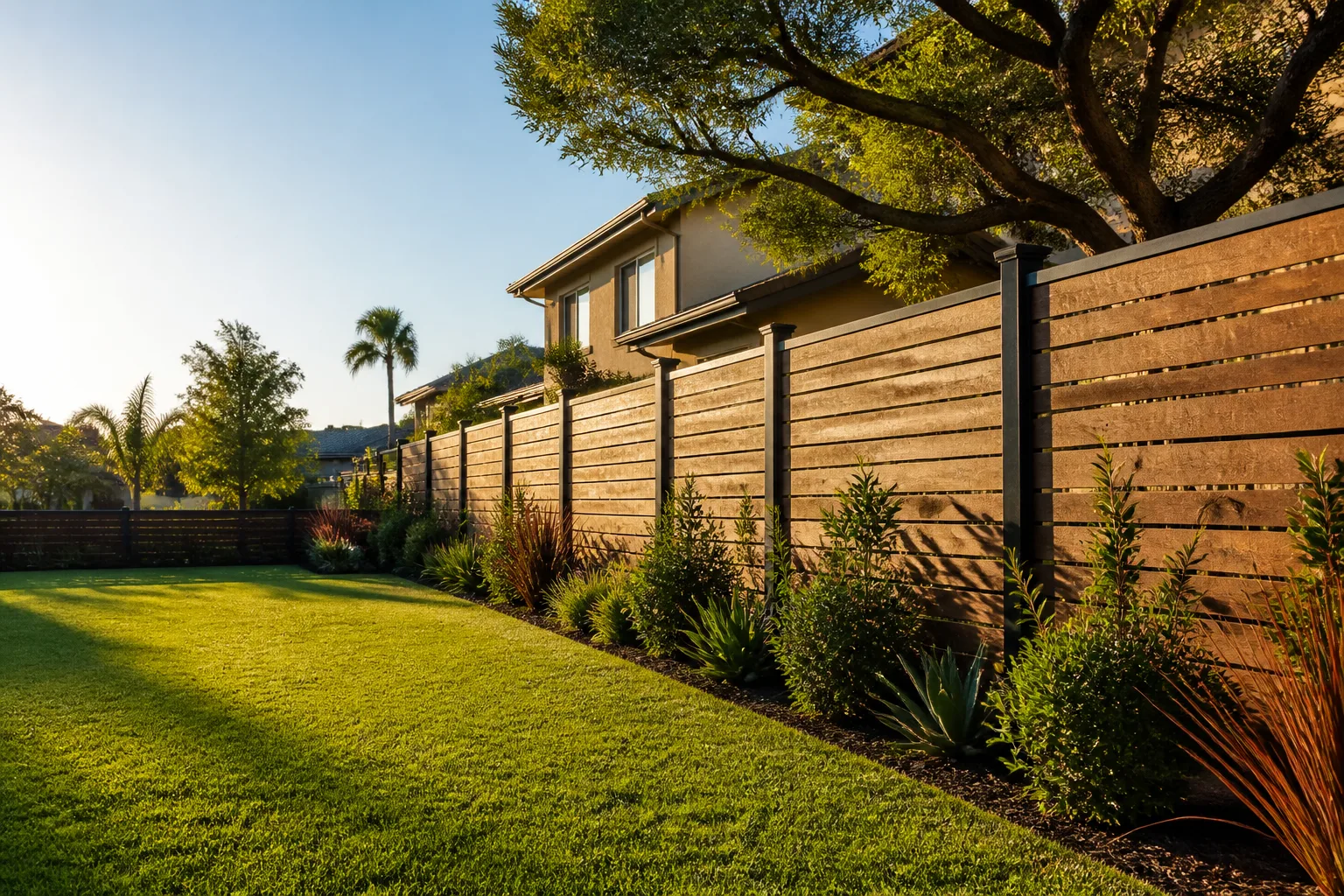
- Cedar privacy fence: The most common Allen choice. Cedar handles UV and moisture well, but it needs posts set below the clay’s active zone and stained within the first year to avoid graying and warping. Expect a 12- to 18-year lifespan with maintenance.
- Pressure-treated pine: Less expensive than cedar, but more prone to warping and checking in Allen’s heat. Fine for a budget-conscious fence, especially on side yards.
- Composite and vinyl: Excellent UV and rot resistance, minimal maintenance, and a strong choice for homeowners tired of restaining. Vinyl panels can flex in high wind if posts aren’t engineered for the exposure.
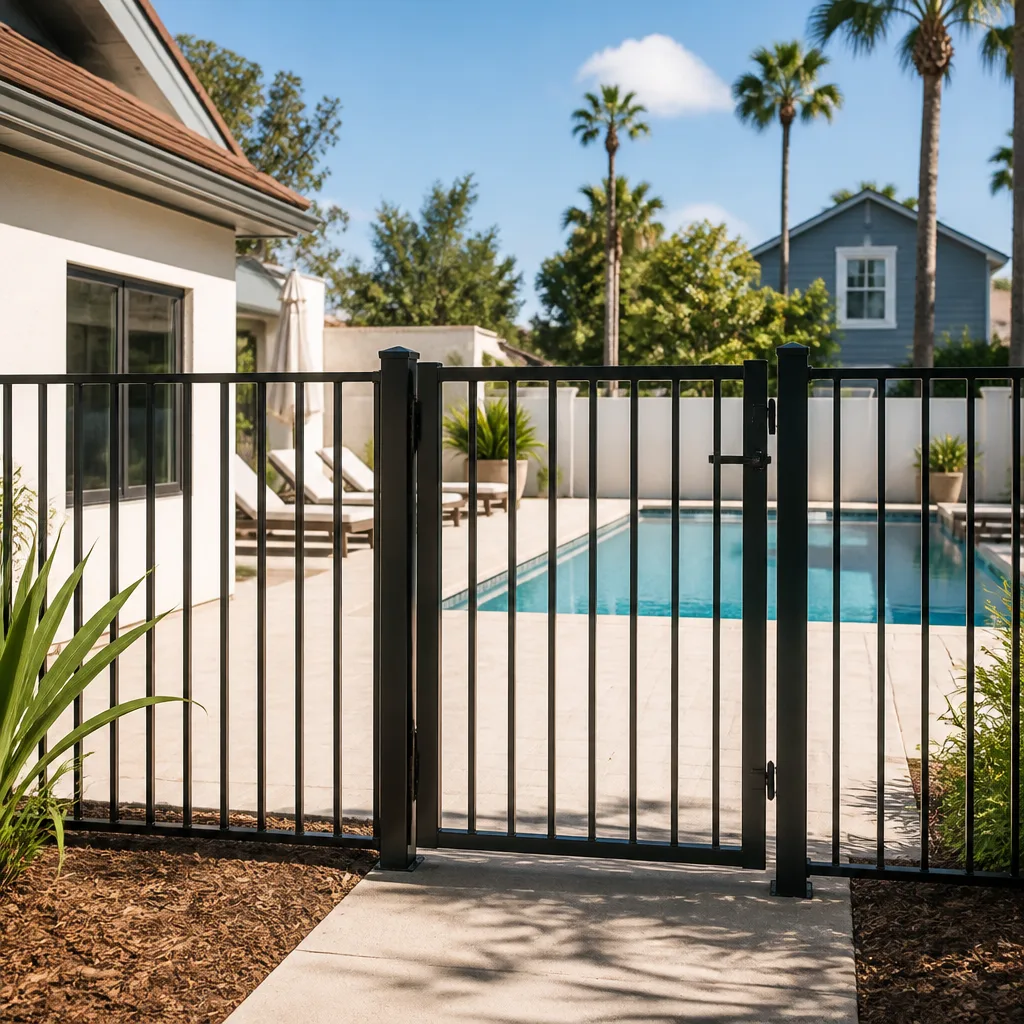
- Ornamental steel and aluminum: Popular in Allen’s front-yard and pool-area applications because they hold up to wind, don’t rot, and meet most HOA material standards. Higher upfront cost, very low lifetime maintenance.
- Masonry and brick: Often used as pillars anchoring wood or steel panels in Allen’s higher-end neighborhoods. Built to last, anchored in writing – though clay movement makes proper footing depth essential.
Whatever the material, the post footing is what decides whether a fence survives Allen’s soil. Posts set too shallow in expansive clay will heave and lean within a few seasons, and no material choice compensates for that. Ask any installer how deep they set posts and what they do about the clay layer – the answer tells you whether the fence is built for North Texas or for a milder climate.
The Good Neighbor Rule: Boundaries, Cost Sharing, and Disputes
Texas has no statewide statute requiring a neighbor to share fence costs, which is why “the good neighbor” question comes up on nearly every Allen fence project. A common arrangement is a shared privacy fence where each homeowner pays half and both benefit from the side facing their yard, but that’s a courtesy, not an obligation. Get any cost-sharing agreement in writing, even a simple signed note, so there’s no ambiguity later.
A few Allen-specific realities:
- Who owns the fence: Determine which side of the property line the fence sits on before discussing cost sharing. A fence on your lot is yours to maintain.
- Facing direction: In most Allen neighborhoods the finished side faces the neighbor, but check your HOA covenant – some specify it.
- Disputes outlast fences: A property line dispute that isn’t resolved before installation tends to carry into the next ownership, so resolve it with a survey rather than a conversation.
- Notify before you build: A short, polite heads-up to adjoining neighbors about the timeline avoids most friction, even when you’re building entirely on your own lot.
The fences we’ve seen cause the longest-running neighborhood disputes in Allen weren’t badly built – they were built in the wrong place or without warning. Handle the human side first and the construction is straightforward.
What Fence Installation Costs in Allen by Material and Footage
Fence installation in Allen runs roughly $28 to $75 per linear foot installed, with most residential projects landing between $150 and $400 per standard 150- to 200-foot yard once gates, removal, and terrain are factored in. These are Allen-market ranges that include labor, materials, and standard cleanup; permits, surveys, and old fence removal are typically separate line items.
Here’s how the materials compare by footage:
- Pressure-treated pine privacy fence: $28-$38 per linear foot installed.
- Cedar privacy fence: $35-$48 per linear foot installed, with staining recommended in the first year.
- Vinyl or composite: $42-$65 per linear foot installed.
- Ornamental steel or aluminum: $48-$75 per linear foot installed, higher for special finishes.
- Masonry pillars with wood or steel panels: priced per pillar plus panel footage; expect a premium over standard wood.
- Old fence removal and haul-away: typically $3-$6 per linear foot.
- Gate installation: $250-$900 per gate depending on width and hardware.
- City permit: varies by scope; check with the City of Allen for your specific project.
Terrain matters as much as material in Allen. A flat lot with straight runs prices predictably; a sloped lot with a retaining wall step-up, tight access through a side gate, or mature trees in the fence line adds cost per section. When we price a fence in Allen, we walk the line and measure, and we put the number in writing so it doesn’t move mid-project – upfront pricing, no surprises. That written quote also shows you exactly what’s included: posts, concrete, removal, gates, and cleanup. Any item missing from a competitor’s bid is a cost that will come back once work starts.
For homeowners comparing fence to other exterior projects, our Driveway & Pavers in Allen guide lays out how hardscape budgets stack up alongside fencing on the same lot.
Terrain, Slopes, and Why Allen Lots Cost More to Fence
Allen’s terrain is gentler than some North Texas cities, but sloped backyards, drainage swales, and the city’s drainage requirements still add real cost to a fence project. A fence line that runs along a grade change needs stepped panels or a racked design, and grading near the fence affects both stability and drainage. We’ve seen fences in Allen fail early because a run crossed a low spot that held water against the posts all year.
What drives cost on Allen lots:
- Grade changes: Stepped panels add labor, and steep sections may need additional posts.
- Drainage swales and easements: Fence placement must not block drainage the city requires, and some easements restrict where posts can go.
- Mature trees and root systems: Routing around root zones adds sections and hardware.
- Tight side-yard access: Small gates and narrow side yards slow material movement, which adds labor.
- Clay pockets: Isolated patches of deeper expansive clay need extra footing depth to prevent heave.
Walking the line first and quoting terrain honestly is the difference between a fence that lasts and one that leans by year three. It’s the same on the roof or the driveway – the site decides the spec. If you’re planning multiple exterior projects, our Groundwork Construction Co. of Allen home page covers how we scope work from foundation to finish line across every trade.
The Step-by-Step Fence Installation Process
Here’s the sequence we use for fence installation in Allen, from first call to final inspection:
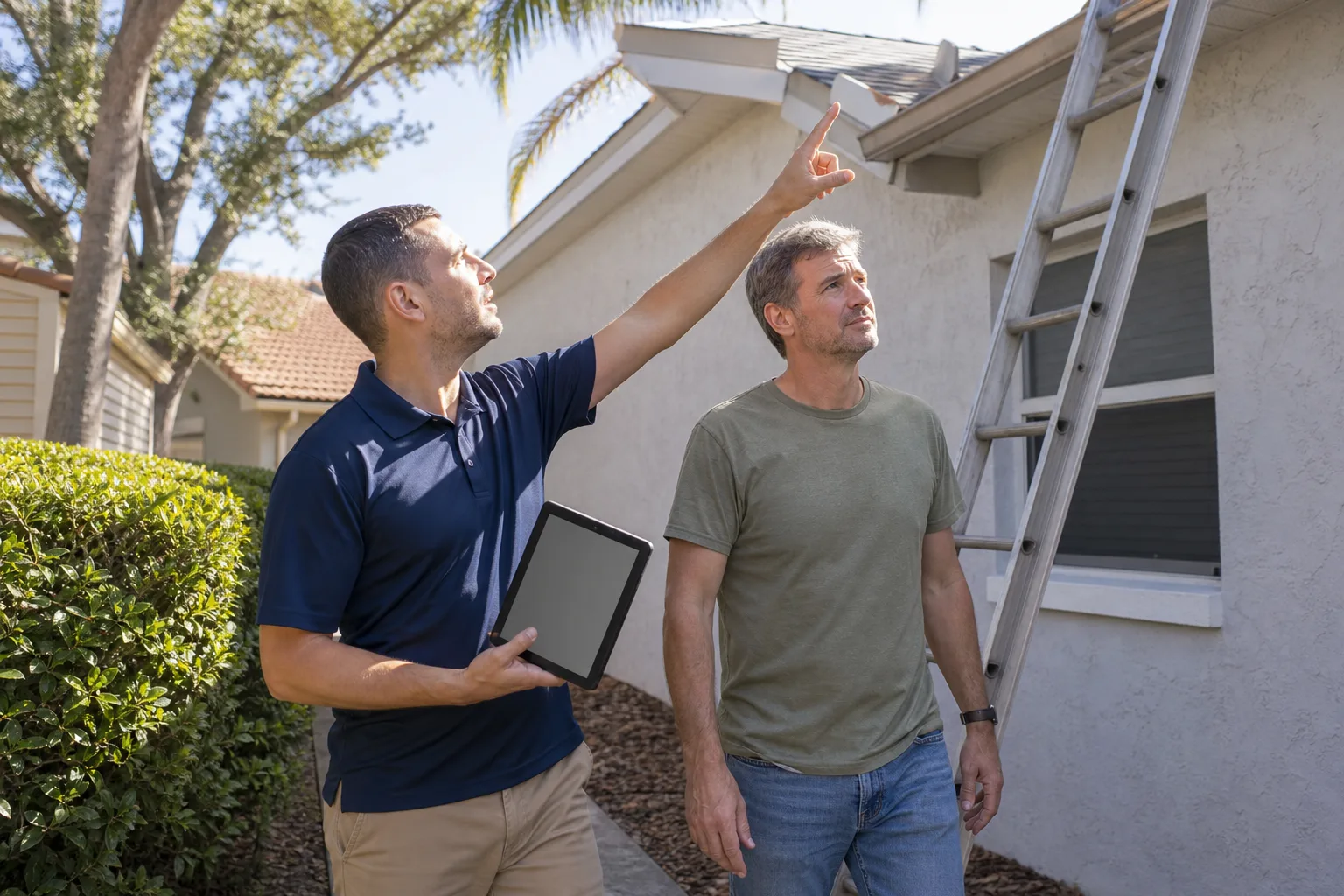
- Site walk and measurement. We walk the property line, measure linear footage, check terrain and drainage, and note access and existing utilities.
- Confirm property lines and zoning. Plat, survey, zoning district, and setback rules are settled before material is ordered.
- HOA approval. Written architectural approval in hand before work is scheduled.
- Permit application. Filed with the City of Allen and any required inspection scheduled.
- Utility locate. 811 called, flags placed, and post locations marked clear of lines.
- Removal of the old fence, if any. Hauled away before new posts go in.
- Post setting. Posts set below the clay’s active zone and set in concrete with proper footing depth for the soil condition.
- Panel and gate installation. Panels leveled and gated hardware installed with proper clearance and hinges.
- Final inspection and cleanup. City inspection passed, site cleaned, and warranty documentation handed over.
Most residential fences in Allen are completed across a few working days once material arrives, weather permitting. The timeline that stretches is the front end – HOA approval and permit review – so budget for those before you set a start date. That’s also the part where a contractor’s experience shows: technicians who’ve done this in Allen know the covenant patterns and the inspection expectations. Our technicians have up to 12 years of experience and are background-checked and arrive in uniform – which matters when they’re working along a shared property line with neighbors who are watching.
Common Mistakes to Avoid
- Skipping the survey. Assuming the old fence marked the property line is the most expensive assumption in Allen fence work – a fence built onto a neighbor’s lot gets moved at your cost.
- Ignoring zoning district specifics. Setback and height rules vary by district in Allen; what passed on a neighboring street may fail inspection on yours.
- Getting HOA approval after installation. Boards in Twin Creeks, Watters Crossing, and similar Allen communities can require removal. Get it in writing first.
- Shallow post footings in clay. Allen’s expansive clay heaves shallow posts within a few seasons; depth and concrete matter more than the panel style.
- Skipping the utility locate. Digging before 811 marks the lines risks gas, water, or fiber damage and a costly repair bill.
- Choosing material by price alone. A cheap pine fence that needs replacing in eight years costs more than a cedar or vinyl fence that lasts twice as long in Allen’s climate.
- No written cost-sharing agreement. A verbal “we’ll split it” with a neighbor has no standing when the fence goes up and the invoice arrives.
See the difference
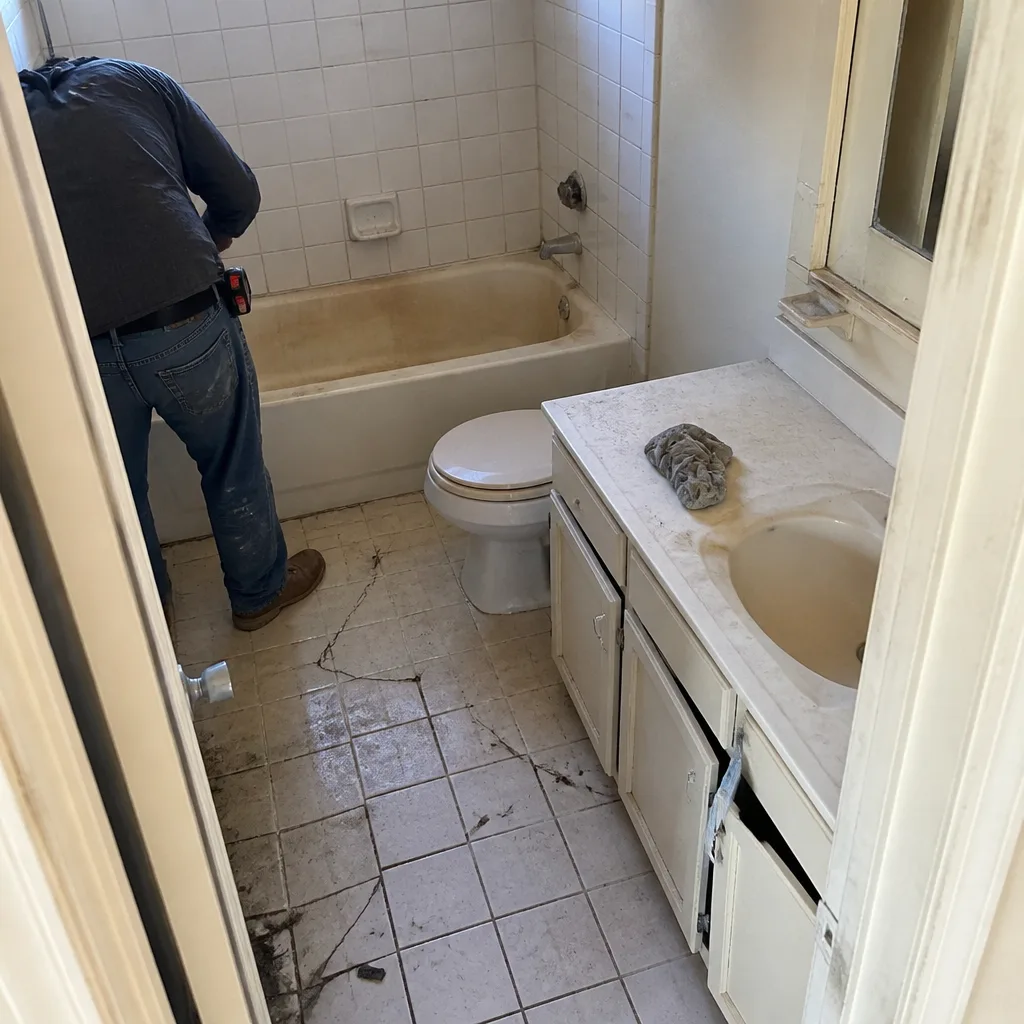 Before
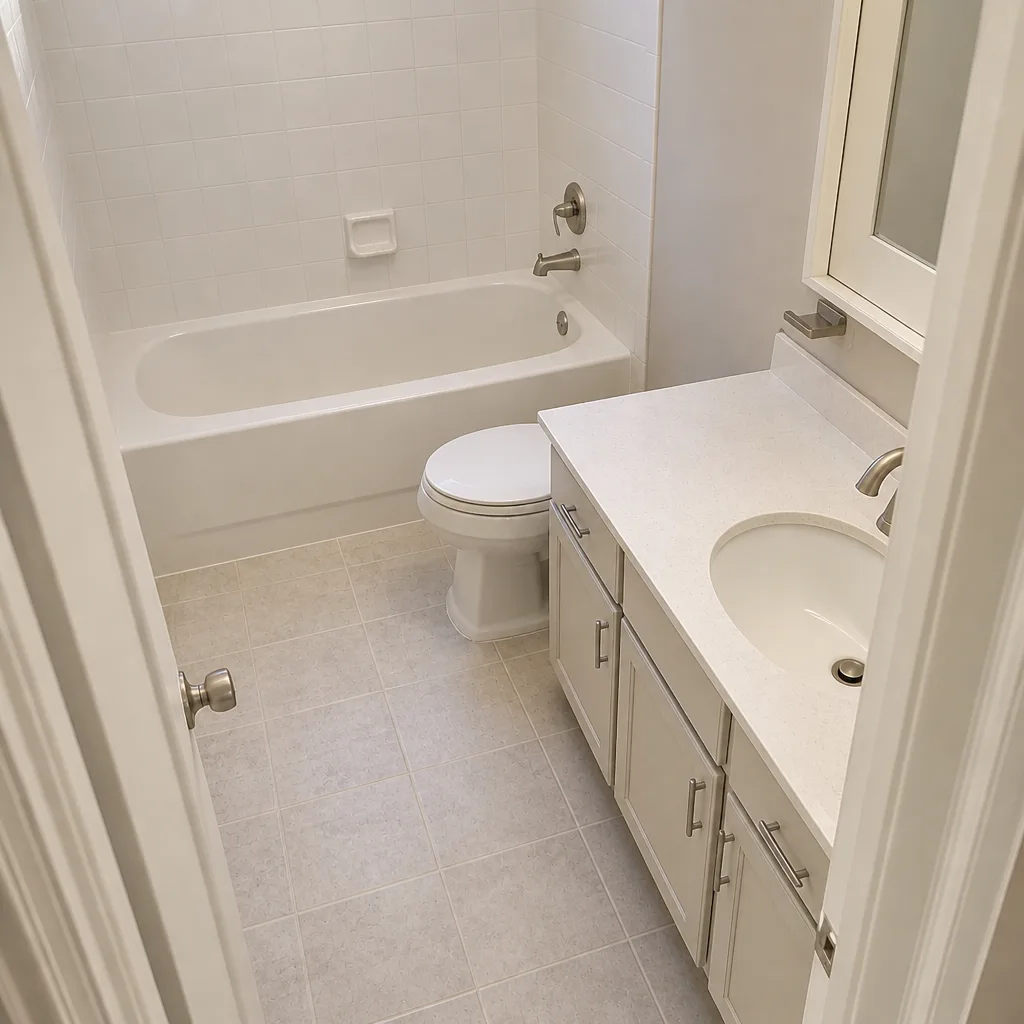 After
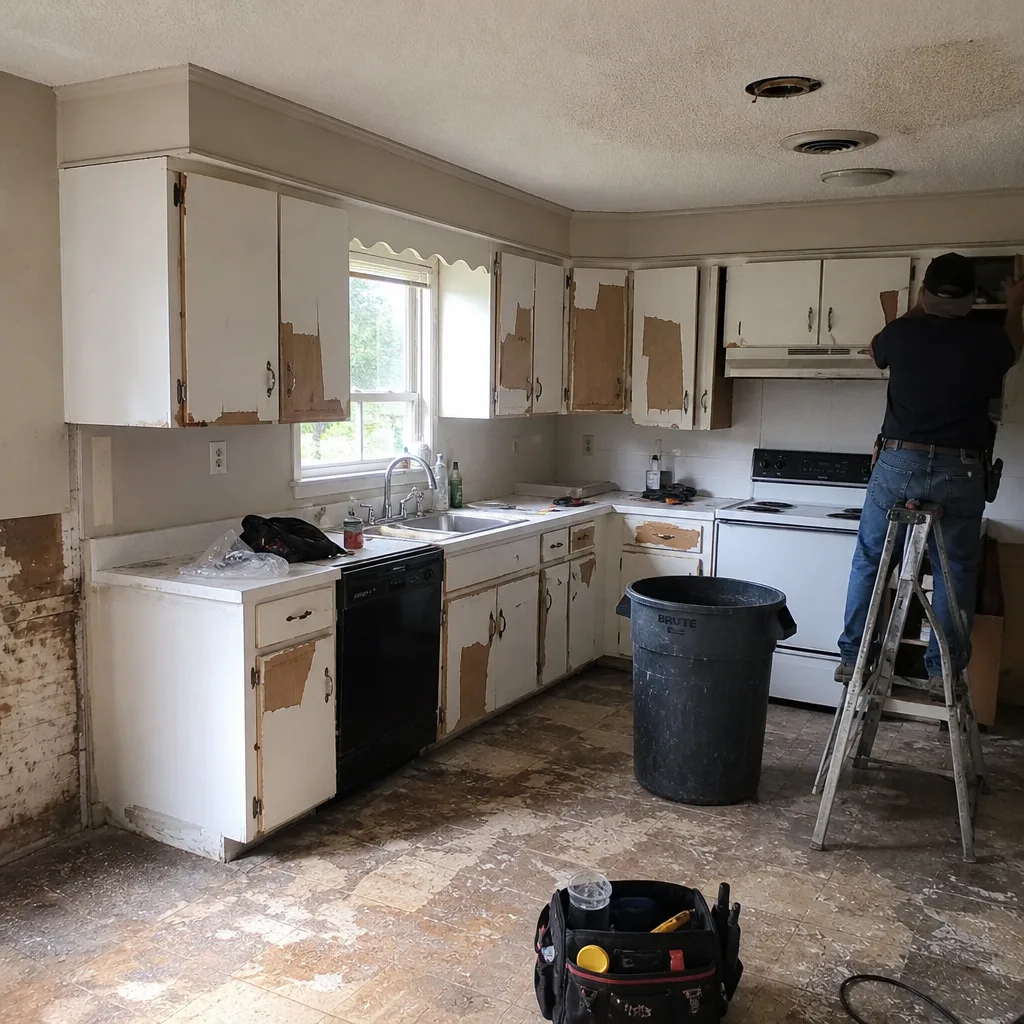 Before
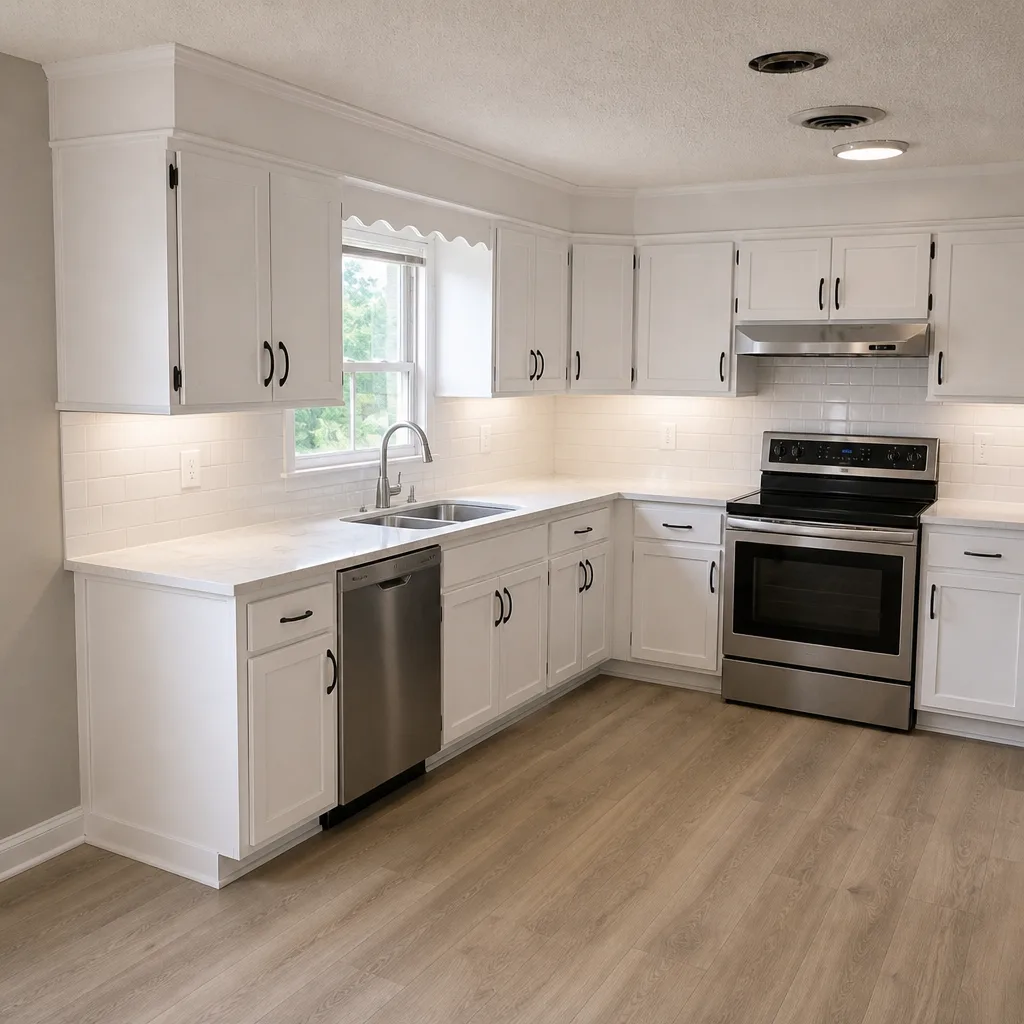 After
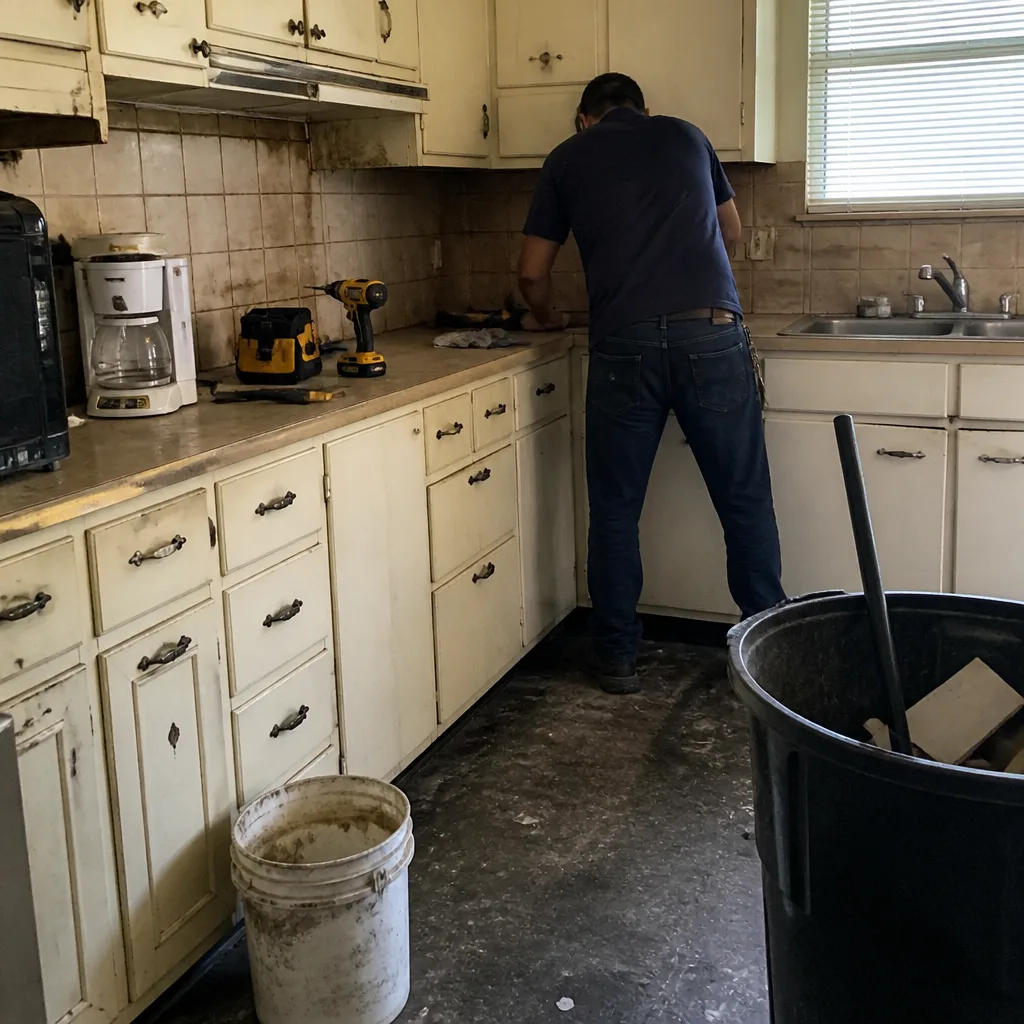 Before
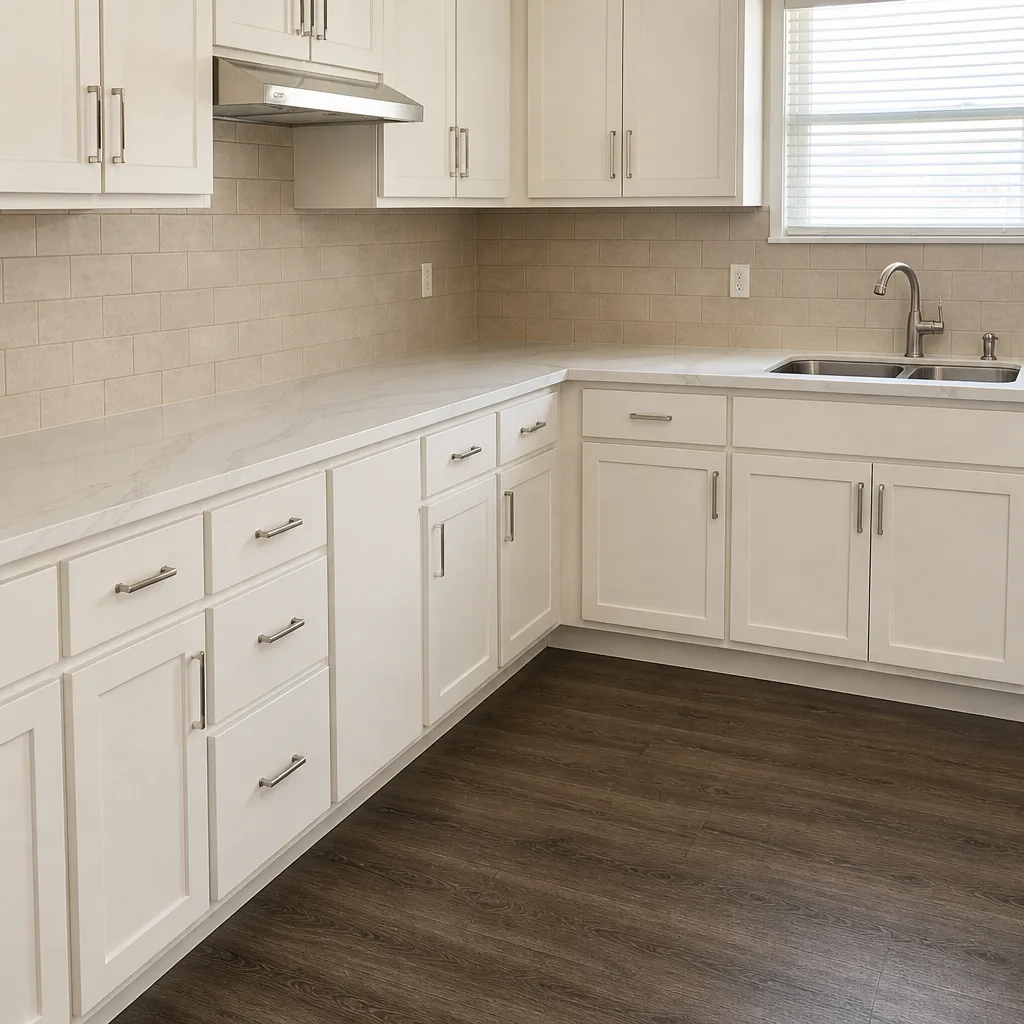 After
When to Call a Professional
Call a professional when the fence line has to satisfy a permit inspection, when your lot sits in an HOA with material and height covenants, when the grade changes along the run, or when property lines aren’t clearly marked – those are the situations where a mistake costs far more than the installation. Post footings in Allen’s clay, utility locating, and HOA submissions are all parts of the job that reward experience. Groundwork Construction Co. of Allen offers free estimates in Allen – call (888) 343-9048. We answer with a live person, 24/7, and every project is backed by our 730-Day Done Right Promise: if it’s not done right, we make it right. A written, line-item quote is standard, so you know exactly what you’re paying for before any work begins.
Frequently Asked Questions
Yes – most residential fence installations in Allen require a city building permit, and the height and setback limits depend on your zoning district. Apply before ordering material, and plan for a city inspection. Call (888) 343-9048 for a free Allen fence estimate and we’ll walk you through the permit requirements for your lot.
Fence installation in Allen typically runs $28 to $75 per linear foot installed. Pine privacy fencing lands around $28-$38 per foot, cedar $35-$48, and vinyl or composite $42-$65, with removal and gates priced separately. Call (888) 343-9048 for an exact written quote – estimates are free.
Pull your plat and survey from Collin County records, and if the corners aren’t clearly marked, hire a licensed surveyor to locate them. Don’t rely on the existing fence’s position. Getting this right before installation prevents a boundary dispute that would outlast the fence. Call (888) 343-9048 if you’d like us to review your site before you order material.
Cedar and vinyl or composite perform best in Allen’s combination of clay soil, high UV, and wind events, with ornamental steel a strong choice for front yards. Whatever the material, post footings set below the clay’s active zone decide how long the fence lasts. Call (888) 343-9048 and we’ll recommend a material for your lot and HOA.
The build itself typically takes a few working days for a standard residential fence, weather permitting. HOA approval and permit review add time up front – usually a few weeks depending on the board and city schedule. Call (888) 343-9048 for a realistic timeline for your project.
No – we provide upfront pricing, no surprises, in a written line-item quote before work begins. The number you see is the number you pay unless you change the scope. Call (888) 343-9048 for your free estimate and a written quote.
The Bottom Line
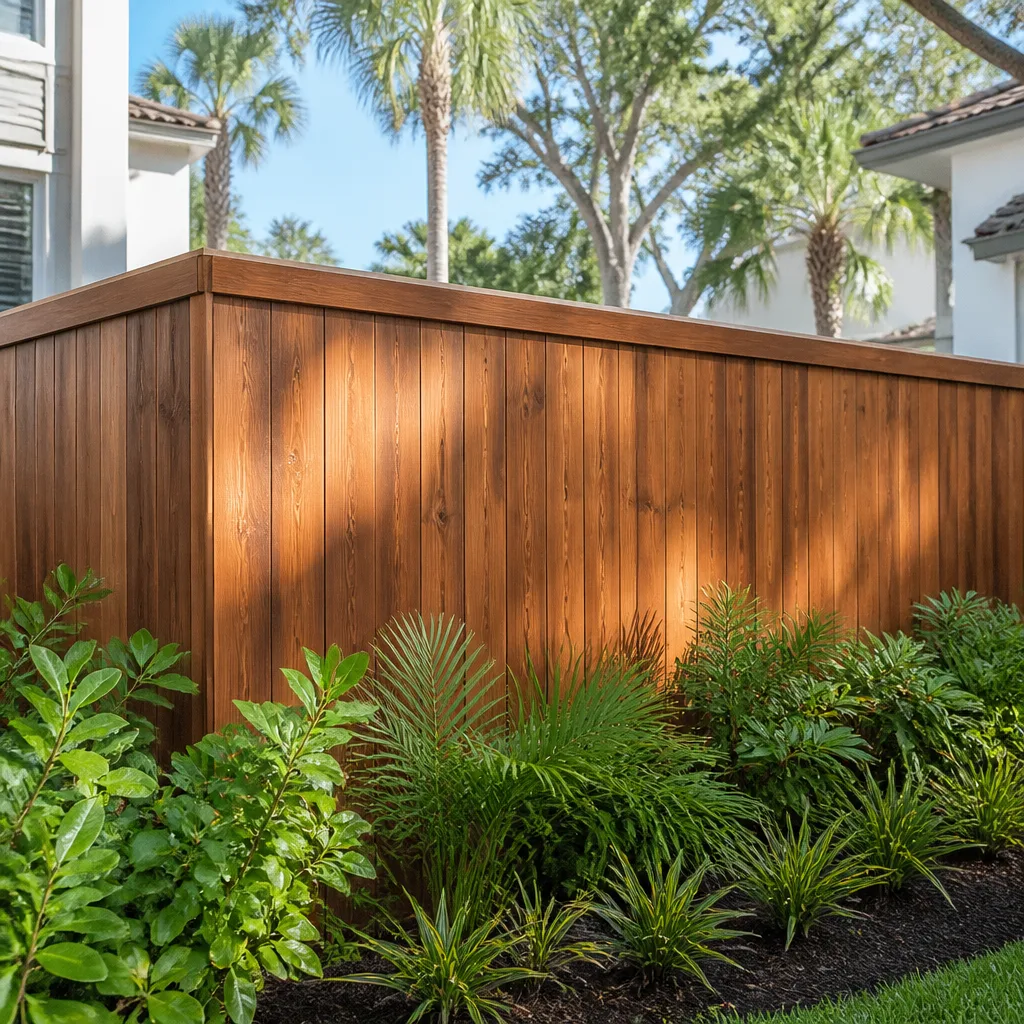
Fence installation in Allen succeeds or fails on the front end: verified property lines, confirmed zoning and setbacks, written HOA approval, and a material choice built for clay soil and North Texas wind. Build in that order, set posts deep enough for the soil, and handle the neighbor conversation before the first post is dug. Do that, and the fence is a straightforward project instead of a dispute. Get the paperwork right, choose materials rated for Allen’s climate, and put the pricing in writing. Fence Installation in Allen done right starts with the survey, not the shovel. When you’re ready to scope your project, our team can walk the line with you and quote it in writing. For related work across the property, see Home Additions & ADU in Allen and our main Fence Installation in Allen service page.
Call Groundwork Construction Co. of Allen at (888) 343-9048 for a free estimate. We answer with a live person, 24/7, provide upfront pricing with no surprises, and every project is backed by our 730-Day Done Right Promise. Promotions are standing: $1,000 off projects over $10,000, a free project estimate and design consult, and 0% financing for 18 months.
Written by the team at Groundwork Construction Co. of Allen.