

Free written scope consultation - allowances, timeline, and change-order rules on paper before a single trade is scheduled
Styles & brands we work with
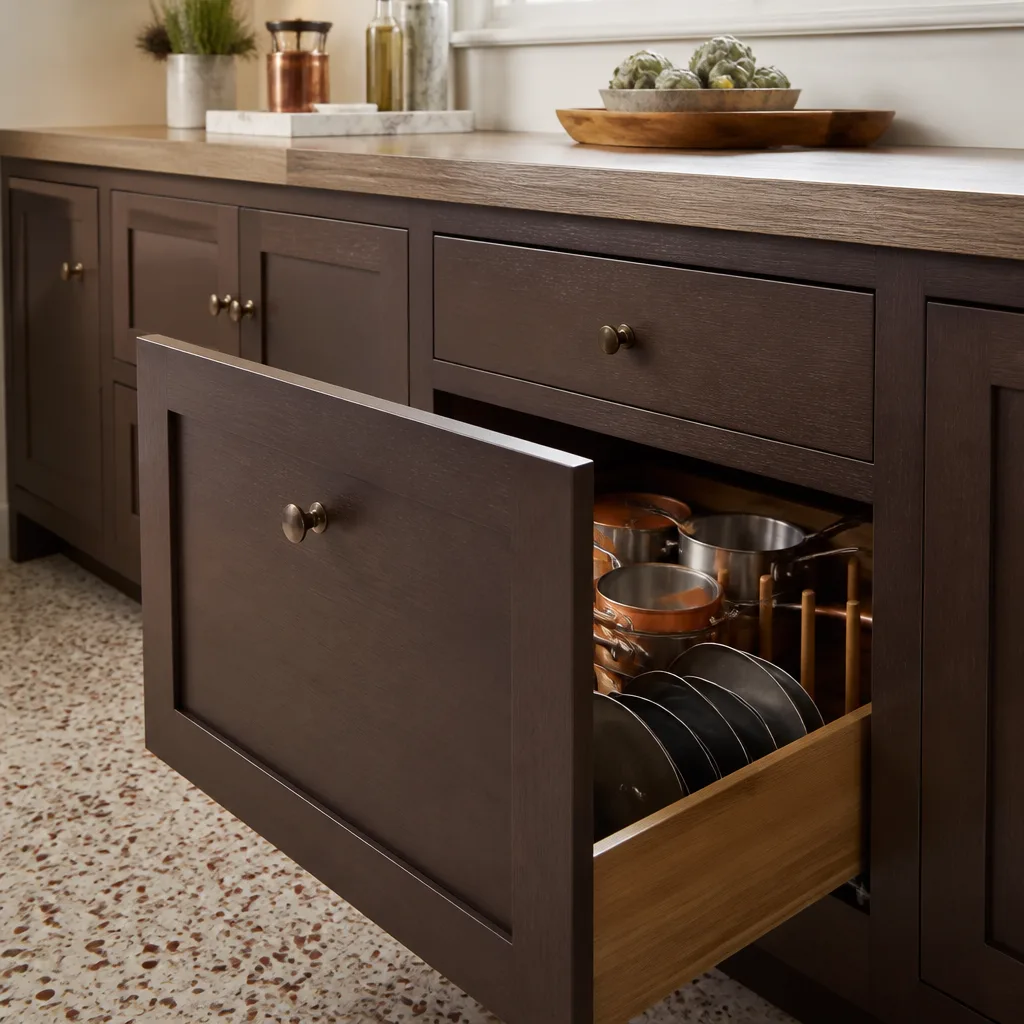
- Kitchen remodeling
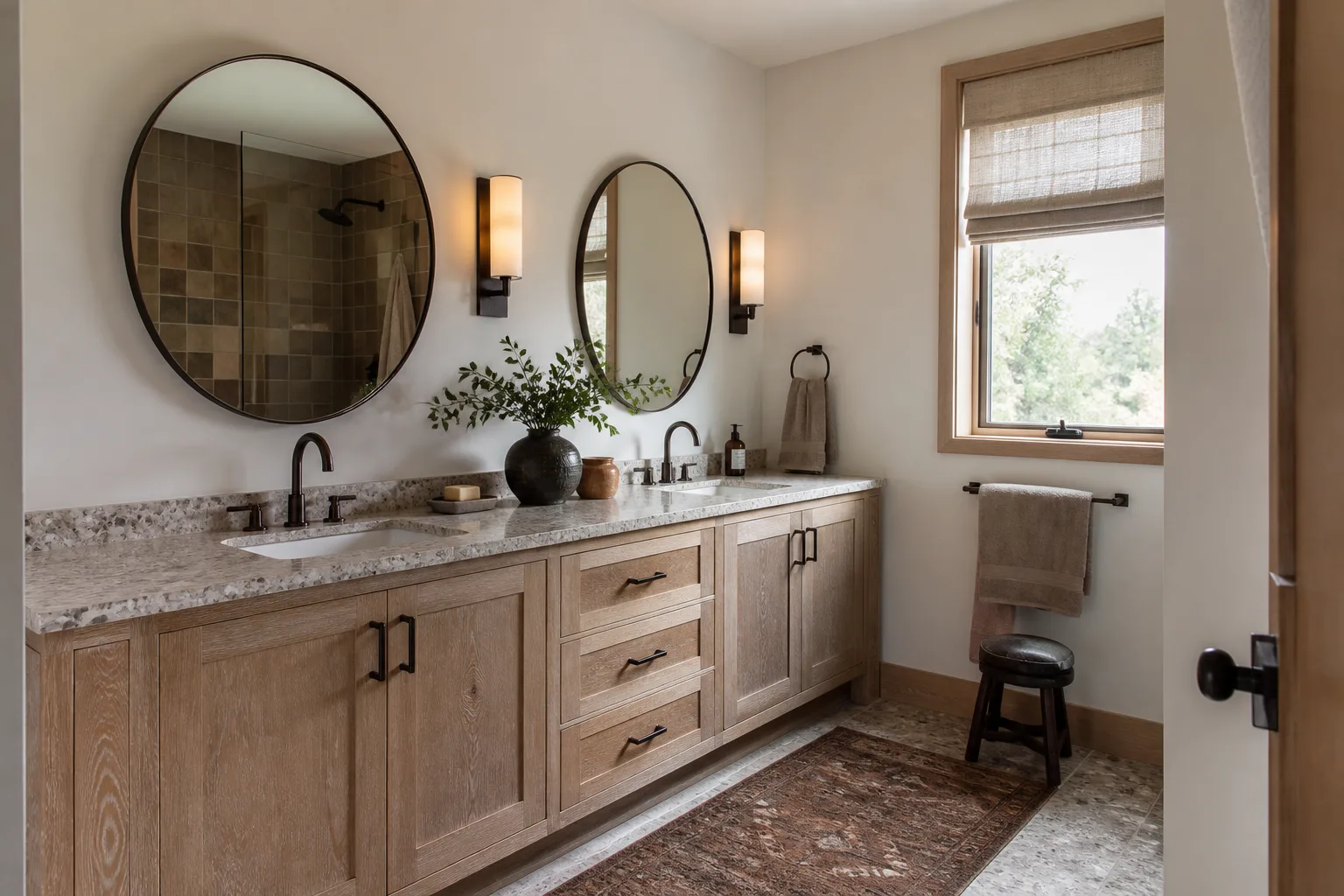
- Bathroom remodeling
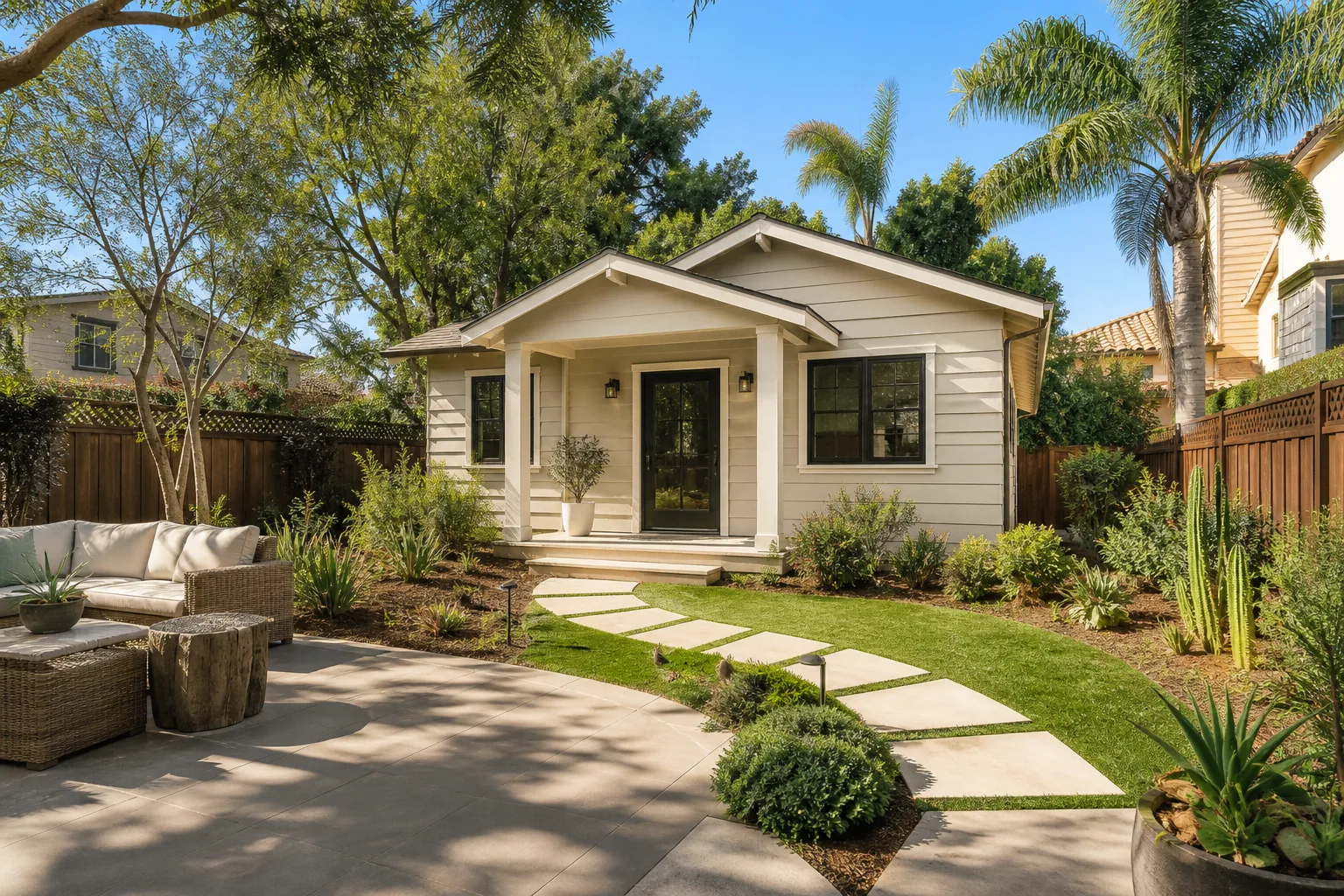
- Home additions & ADU
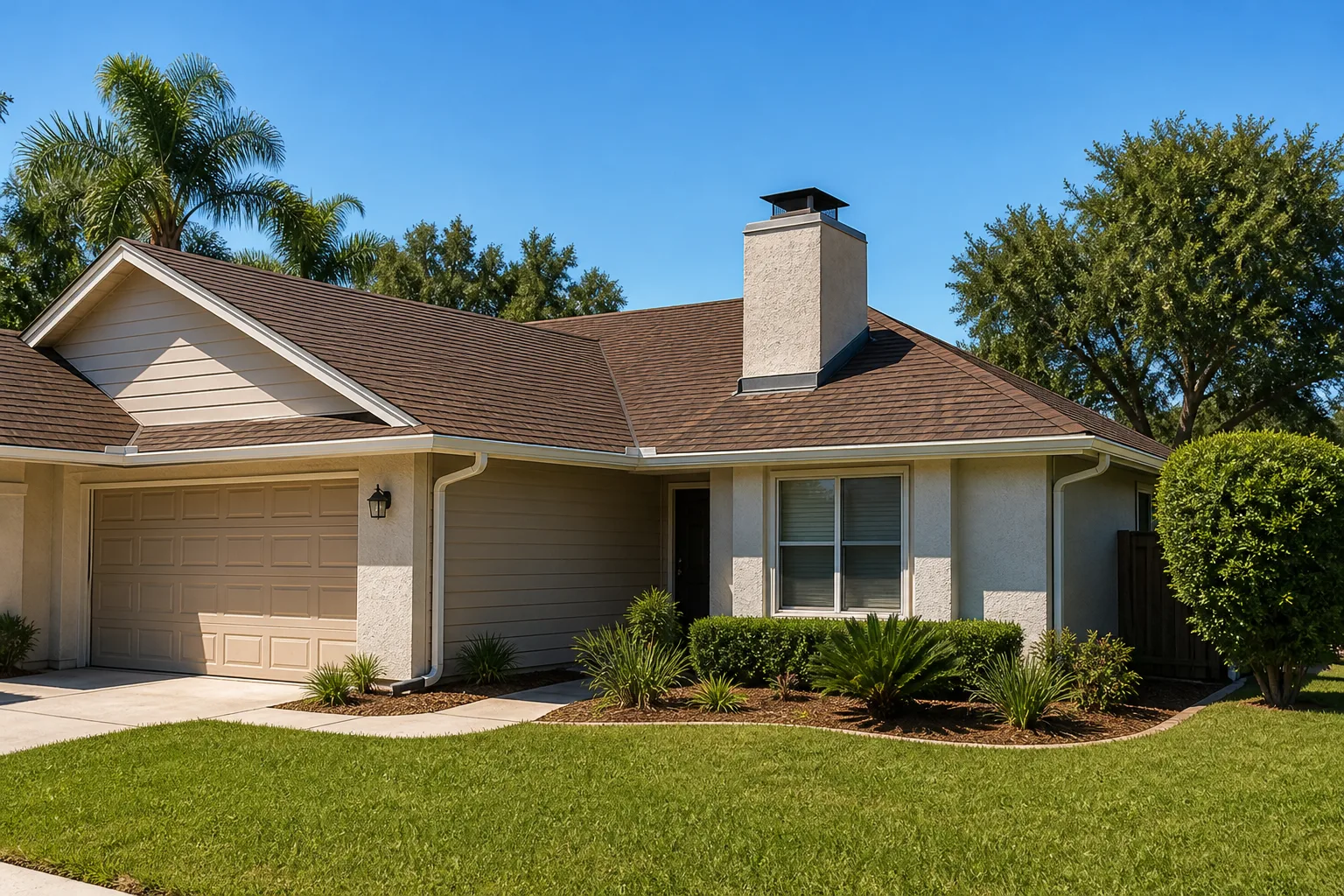
- Roofing
- Windows & doors
- Driveway & pavers
- Fence
See the difference
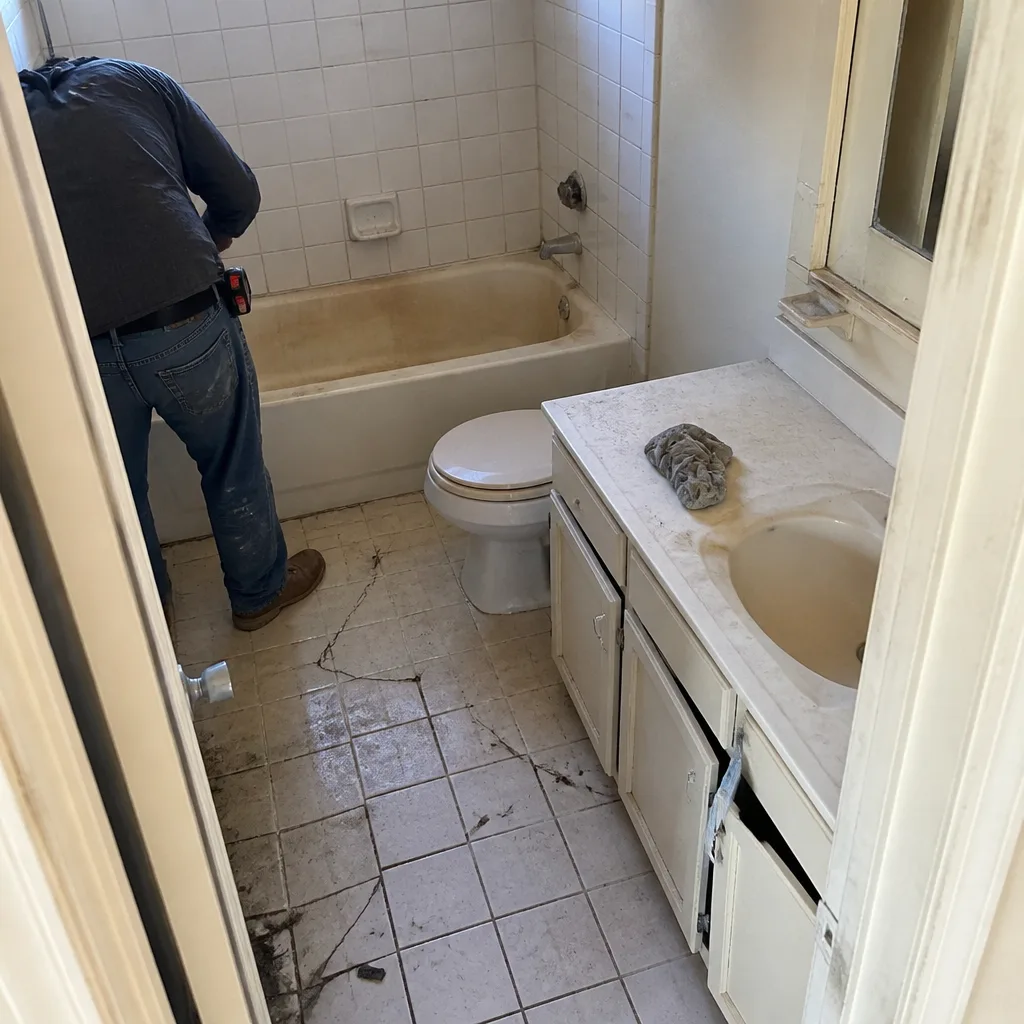 Before
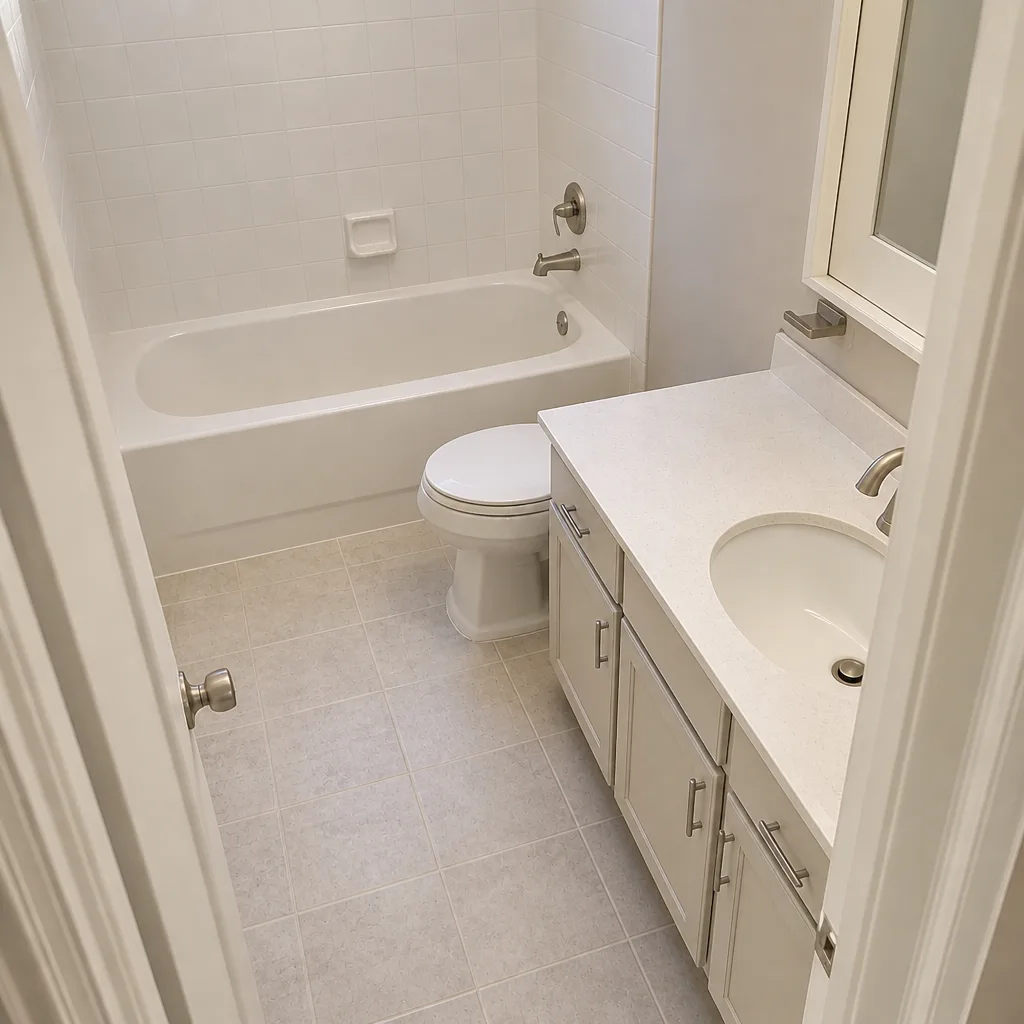 After
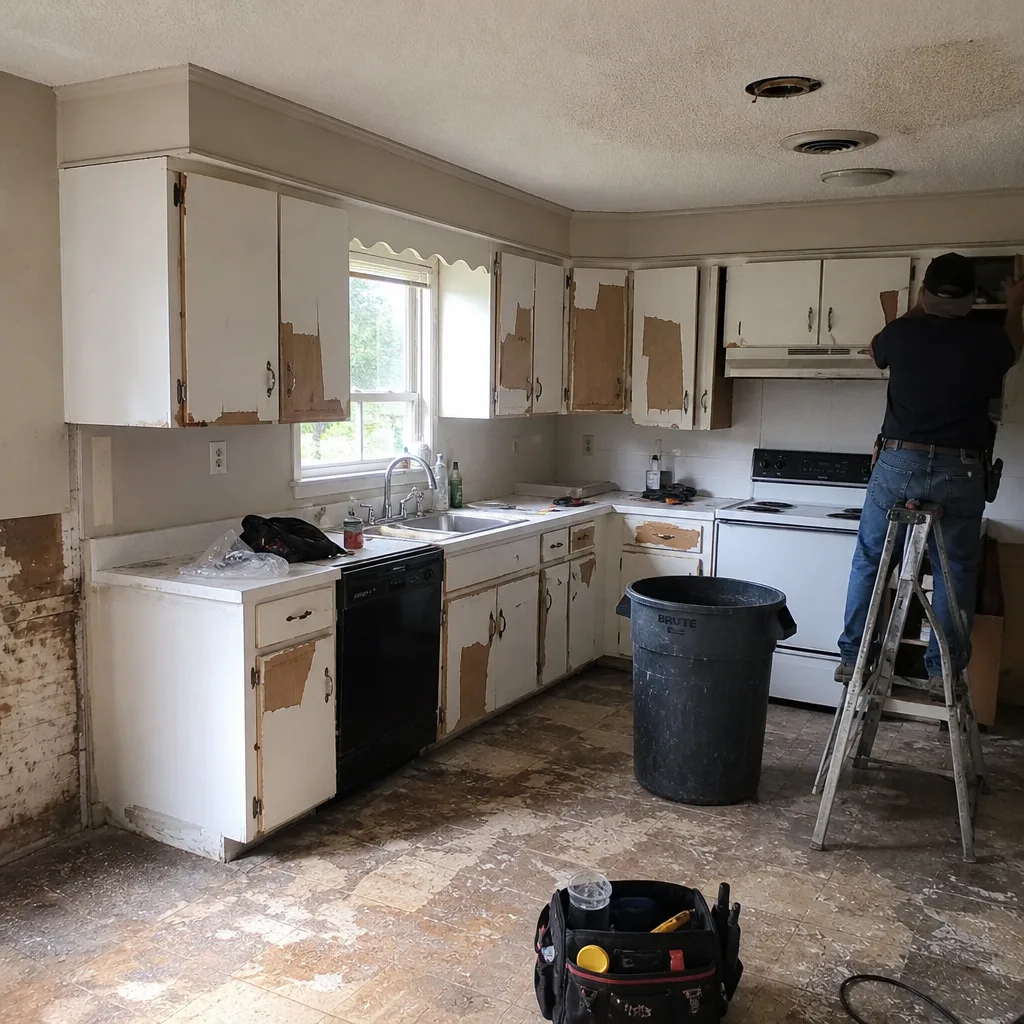 Before
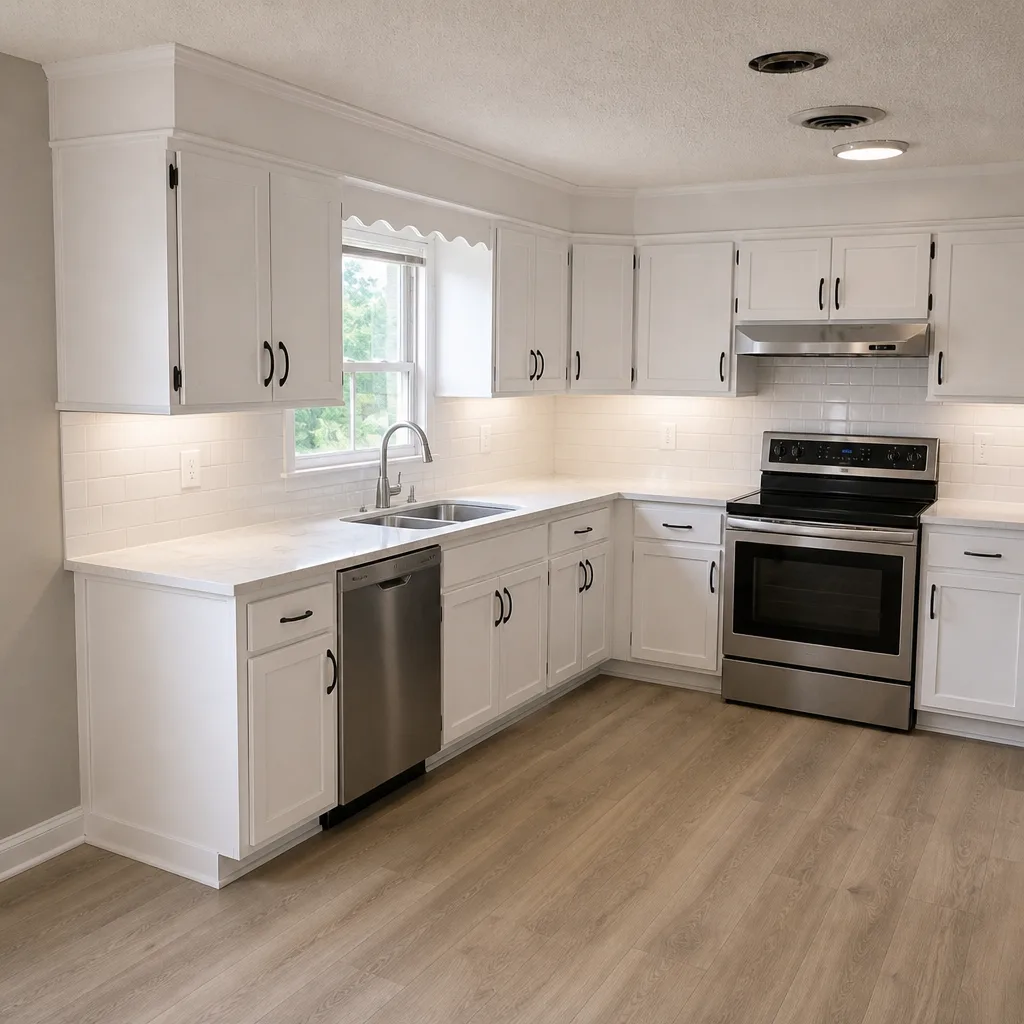 After
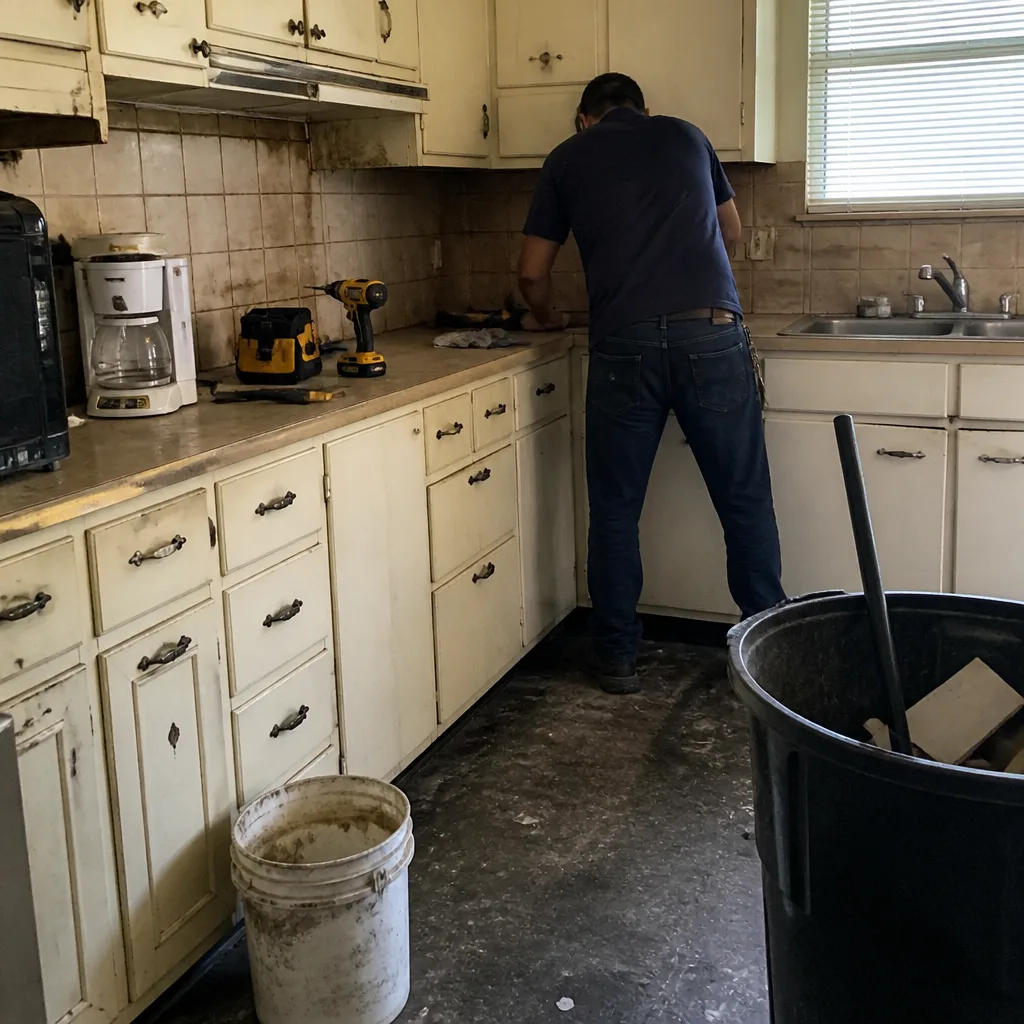 Before
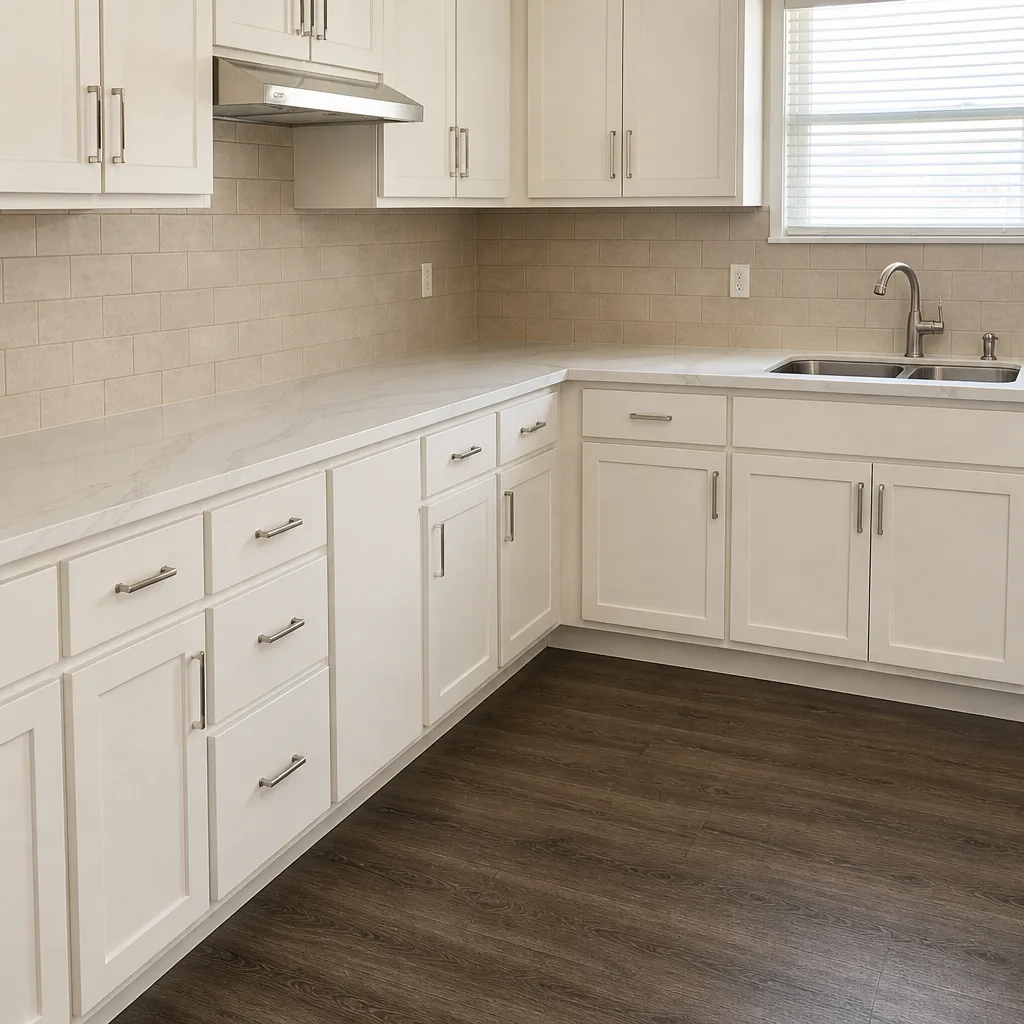 After
What Does a General Contractor Do in Allen, TX? The Two-Track Approval Job Nobody Describes
A general contractor plans the project, pulls the permits, hires and sequences the trades, manages the schedule and budget, and carries the warranty when the work is done. But in Allen, the GC’s real job starts one step earlier than the job description suggests: managing two parallel approval tracks – the HOA Architectural Review Committee and the city permit desk – so work never starts before it’s approved. Miss the ARC step and you’re not managing the project, you’re starting it without permission. Call us at (888) 343-9048 for a free estimate and we’ll walk you through both tracks before anyone swings a hammer.
Allen is a Collin County master-planned suburb built out almost entirely in one 1990s-2000s growth wave. That single fact shapes what construction work here looks like. This isn’t old-house repair territory. It’s second-generation renovation of 20- to 30-year-old subdivisions: kitchen and bath remodels, roof replacements after hail, fence rebuilds, and systems that are finally aging out. And every one of those projects runs through a city whose permitting and inspections are noticeably stricter than the newer edges of McKinney or Frisco.
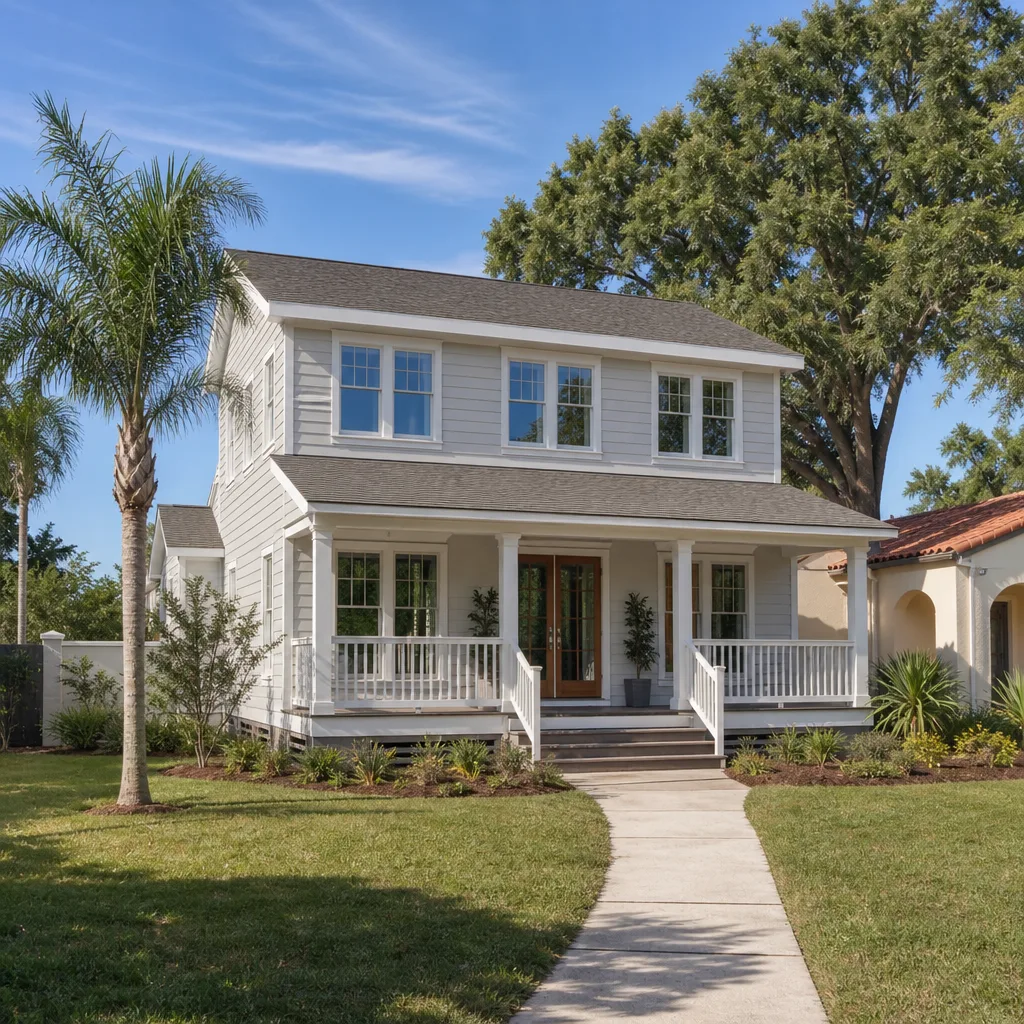
The Allen Approval Sequence: Two Tracks, Not One
Most descriptions of a GC’s job list one permit. In Allen, there are two gates, and the HOA gate comes first. Here’s the sequence as we actually run it:
- HOA Architectural Review Committee pre-submission. Subdivisions across Allen (Watters Crossing, Twin Creeks, Bethany Ridge) routinely require ARC pre-approval for roof color, fence height, and even shed placement before the city will issue a permit.
- ARC approval. The committee reviews against the subdivision’s architectural guidelines, not the building code. A GAF or CertainTeed shingle that meets code can still get bounced if the color isn’t on the approved list.
- City permit application. Filed only once ARC approval is in hand, with drawings and scope that match what was approved.
- Permit issuance. Trades can’t legally start before this lands.
- Trade scheduling. Framing, mechanical, electrical, plumbing, then finish trades sequenced so nobody blocks anybody else.
- Inspections. Rough-in and final, with the GC on site.
- Final approval and closeout. Punch list, final inspection, warranty handoff.
Crews from nearby towns skip the ARC step constantly because they’ve never had to do it. Then a homeowner gets a stop-work notice, or the roof goes on in a color the committee rejects, and the schedule collapses. Managing both tracks is the difference between a project that moves and one that stalls.
What a GC Actually Does on a 1990s Allen Home
On Allen’s builder-grade stock – brick-veneer two-story traditional and Tudor-style homes on small lots, composition shingle roofs, PEX or early CPVC plumbing, original HVAC – the GC isn’t just scheduling drywall after framing. The house makes decisions for you mid-project, and the GC’s judgment is what keeps those decisions from becoming disasters.
Open a wall in a 1990s Allen kitchen and you may find a CPVC joint that’s been weeping, or an electrical panel that’s undersized for the range and hood you’re adding. That discovery triggers a real-time call: is this a scope change, a permit amendment, or a trade call-back? Get it wrong and you’re either doing unpermitted work or paying a crew to sit idle. A GC who’s opened a few hundred of these homes knows which one it is before the inspector tells them. Kohler and Moen fixtures we spec in the bathrooms pair with plumbing that’s already been checked, not assumed.
Allen’s inspection process is stricter than neighboring cities, and that changes what “managing inspections” means. It’s not paperwork. The GC is on site as the liaison between the inspector and the trade crew – translating what the inspector flags into what the crew actually fixes, then scheduling the re-inspection. A GC who submits a form and leaves is gambling with your schedule.
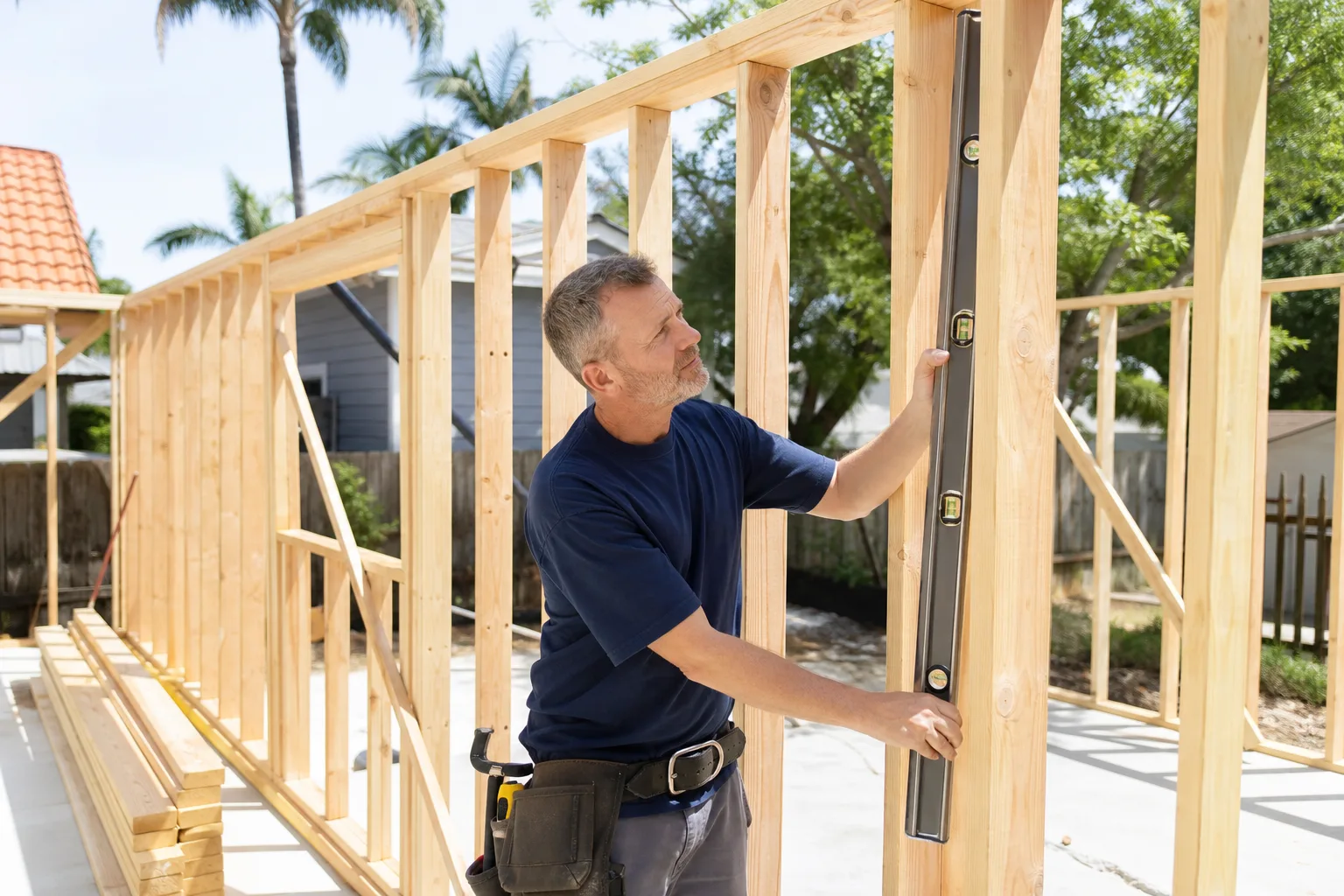
General Contractor vs. Self-GCing: What You Actually Give Up
Plenty of Allen homeowners consider hiring subs directly to save money. It’s a fair question, and the answer comes down to who carries the backstop. When you self-GC, you carry it. Here’s what changes:
- License and liability. The GC carries the license and the liability for the work. You’re managing your own subs, you own the risk.
- Schedule coordination. The GC sequences trades so the electrician isn’t waiting on the framer and the drywaller isn’t waiting on the inspector. Self-GCing means you’re the one making those calls at 7am.
- Warranty. The GC owns the warranty on the finished work. A homeowner managing their own subs has no backstop when a shower pan leaks two years later.
Groundwork Construction Co. of Allen backs every project with the 730-Day Done Right Promise – if it’s not done right, we make it right. That’s one of the longest workmanship guarantees in residential construction, and it’s only possible because we coordinate the whole build, not just pieces of it. Our technicians have up to 12 years of experience, and they’re background-checked and uniformed on every job.
Why Availability Is a Functional Requirement, Not a Perk
A GC’s job doesn’t end at 5pm. A plumber finds active water damage behind a vanity at 6:30. A concrete pour in an Allen August has to happen at dawn to beat the heat before the mix cures too fast in the blackland clay. A hail storm totals a roof on a Tuesday night and the homeowner needs a tarp and a plan by Wednesday morning.
That’s why our calls are answered by a live person, 24 hours a day, 7 days a week. No voicemail, no waiting until Monday. Availability is part of the coordination function, because a project doesn’t pause just because the office closed. Whoever answers that call needs to know the job well enough to make a real decision.
We also run no-hassle upfront pricing, so the number you see is the number you pay, plus 0% financing for 18 months and $1,000 off projects over $10,000. For the full scope of what we build, see our home remodeling and construction services.
What Does a General Contractor Charge in Allen?
Pricing depends on scope, but here are the ranges we work within across Allen’s most common projects. These are market-calibrated for Collin County, not national averages:
| Project | Typical Allen Range |
|---|---|
| Kitchen Remodel | $14,000-$45,000 |
| Bathroom Remodel | $9,000-$28,000 |
| Roof Replacement | $8,000-$20,000 |
| Window Replacement | $4,500-$15,000 |
| Vinyl Fence Installation | $3,500-$9,000 |
| Paver Driveway Installation | $7,000-$18,000 |
| Home Addition | $45,000-$130,000 |
| ADU Construction | $90,000-$220,000 |
Those numbers include the coordination layer – permitting, ARC submittals, trade scheduling, inspections – which is the part an out-of-town crew often leaves out of the bid and leaves to you. Call (888) 343-9048 for an exact quote; estimates are free.
FAQs
A general contractor carries the license and liability, coordinates the schedule across every trade, and owns the warranty on the finished work – a subcontractor does none of those. The sub does their piece; the GC is responsible for the whole build from foundation to finish line, including the approval sequence and the punch list.
Yes, for most Allen kitchen remodels, because the project touches plumbing, electrical, and often structural work, each of which needs a permit and inspection – and the HOA architectural review has to clear before the city permit issues. A standalone cabinet swap may skip that, but anything that opens a wall or moves a fixture runs both tracks. Call (888) 343-9048 and we’ll tell you which track your project lands on.
Plan for the ARC step plus the city permit to add weeks to your timeline, with the ARC review often being the longer of the two. The exact window depends on your subdivision’s committee meeting schedule and the scope of the permit. We walk you through both tracks at the estimate so you know the timeline before you commit.
Call us and we’ll tell you honestly what today’s schedule looks like – same-day estimates are often possible, and calls are answered by a live person 24/7 regardless. The free project estimate and design consult includes a walkthrough of the ARC and permitting steps for your specific Allen subdivision.
If you’d rather have it looked at, Groundwork Construction Co. of Allen offers a no-pressure assessment in Allen – call (888) 343-9048. We’ll map out both approval tracks, put real numbers in front of you, and back the work in writing.
Written by the team at Groundwork Construction Co. of Allen, serving Allen, TX.