Free written scope consultation - allowances, timeline, and change-order rules on paper before a single trade is scheduled
Styles & brands we work with
- Kitchen remodeling
- Bathroom remodeling
- Home additions & ADU
- Roofing
- Windows & doors
- Driveway & pavers
- Fence
See the difference
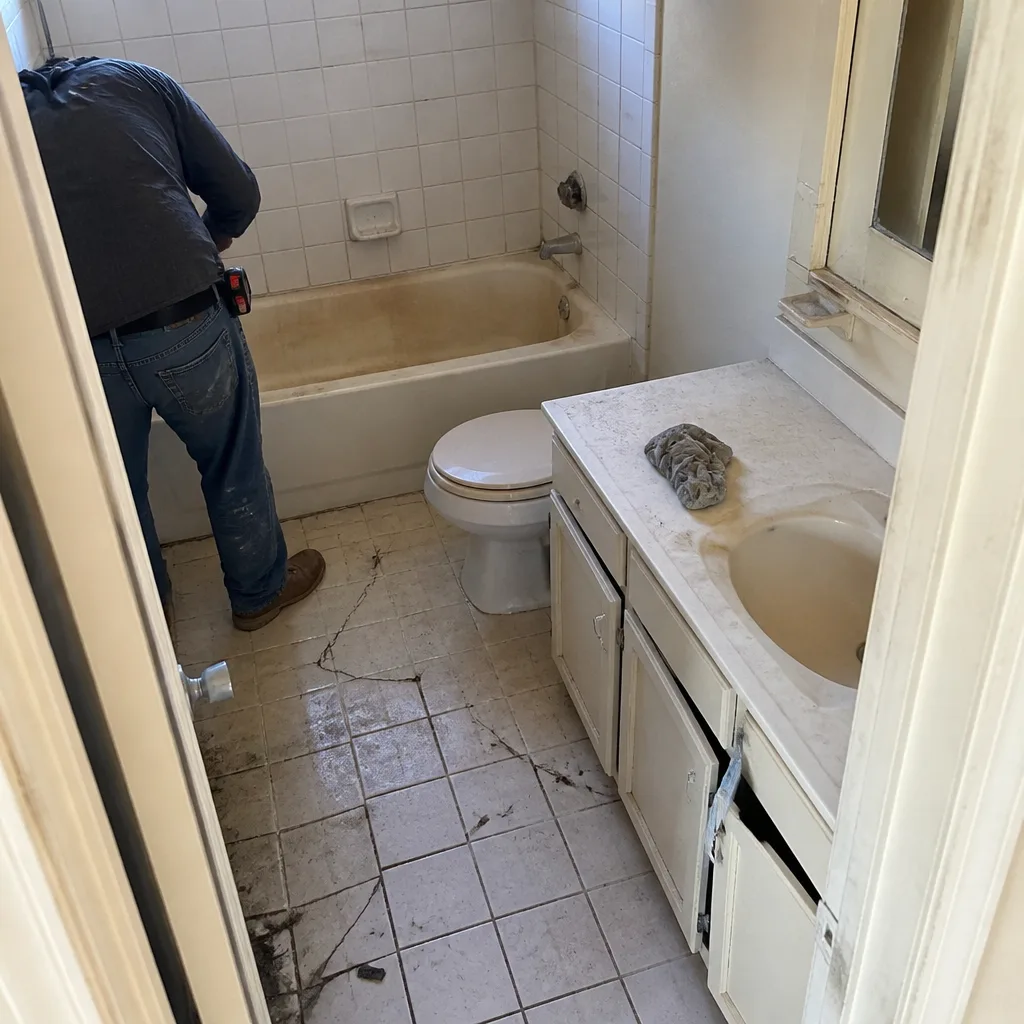 Before
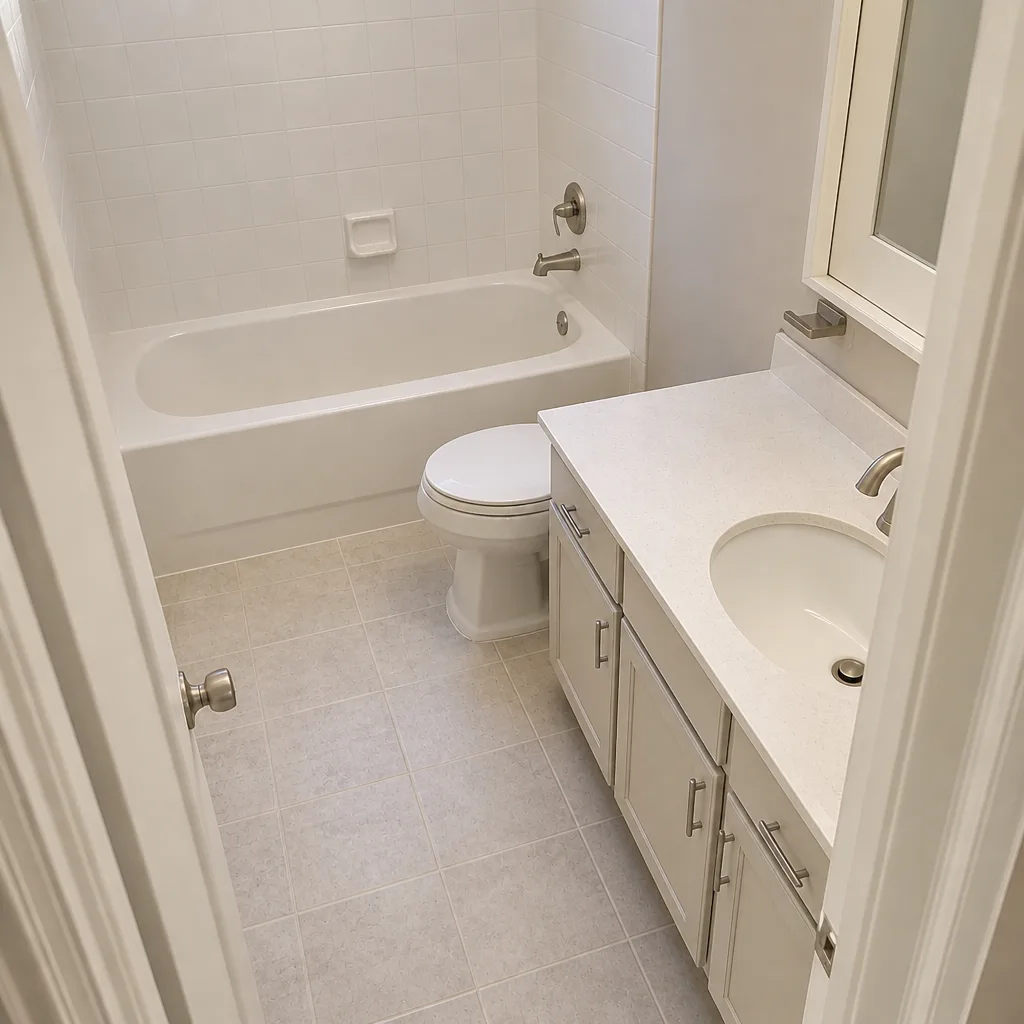 After
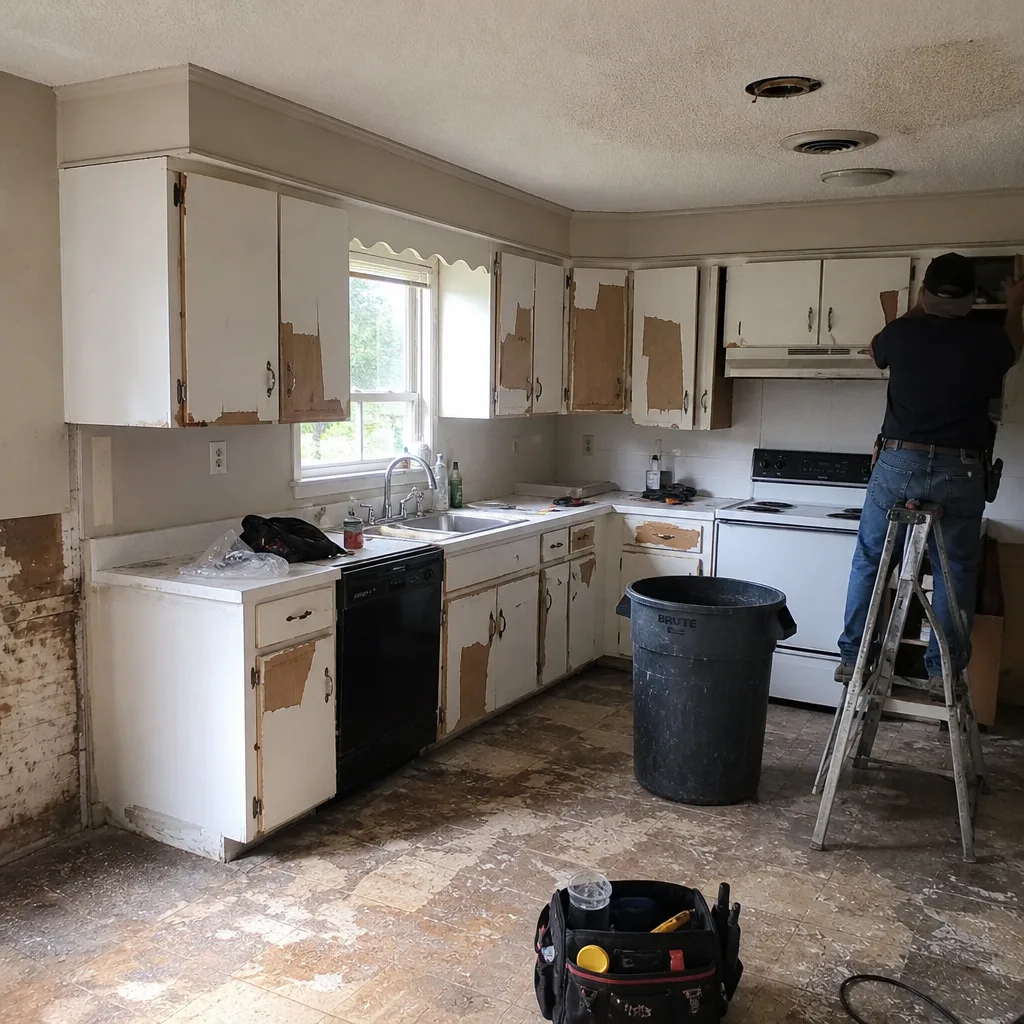 Before
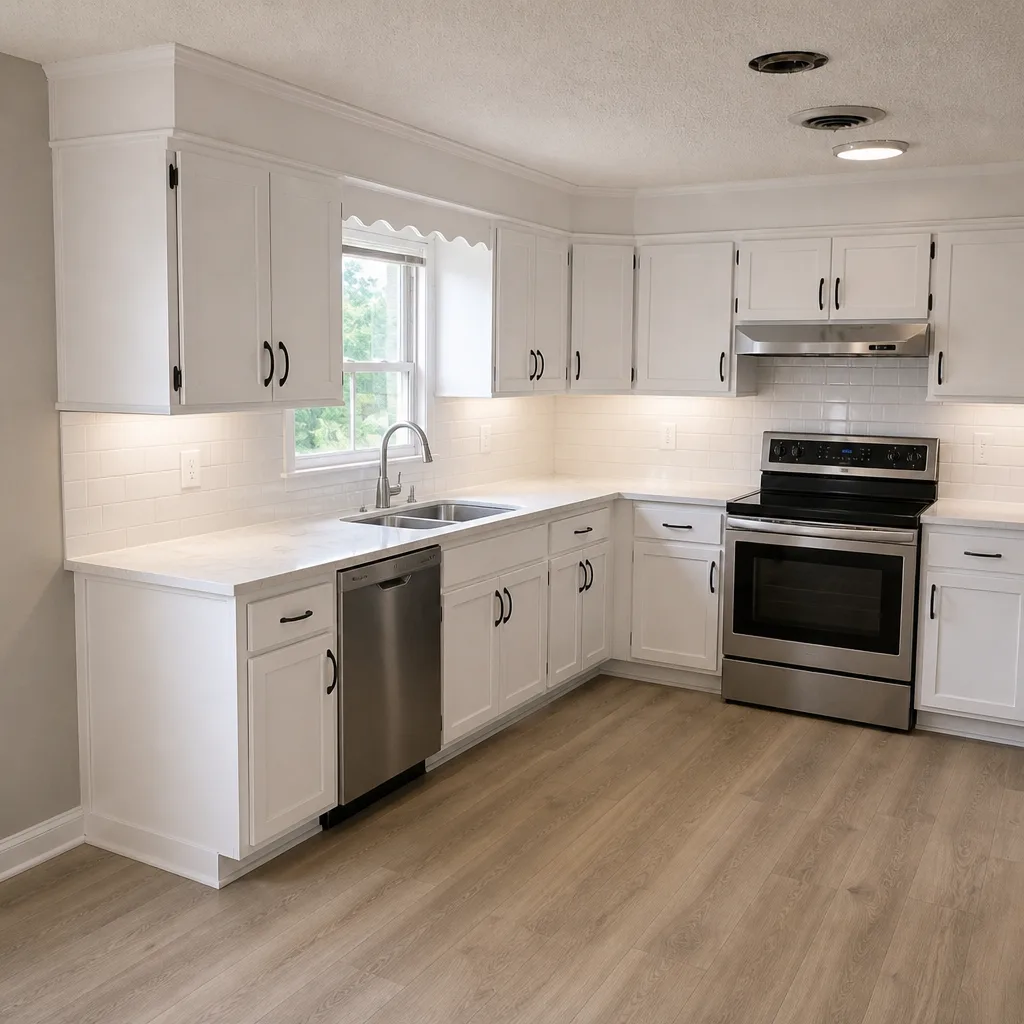 After
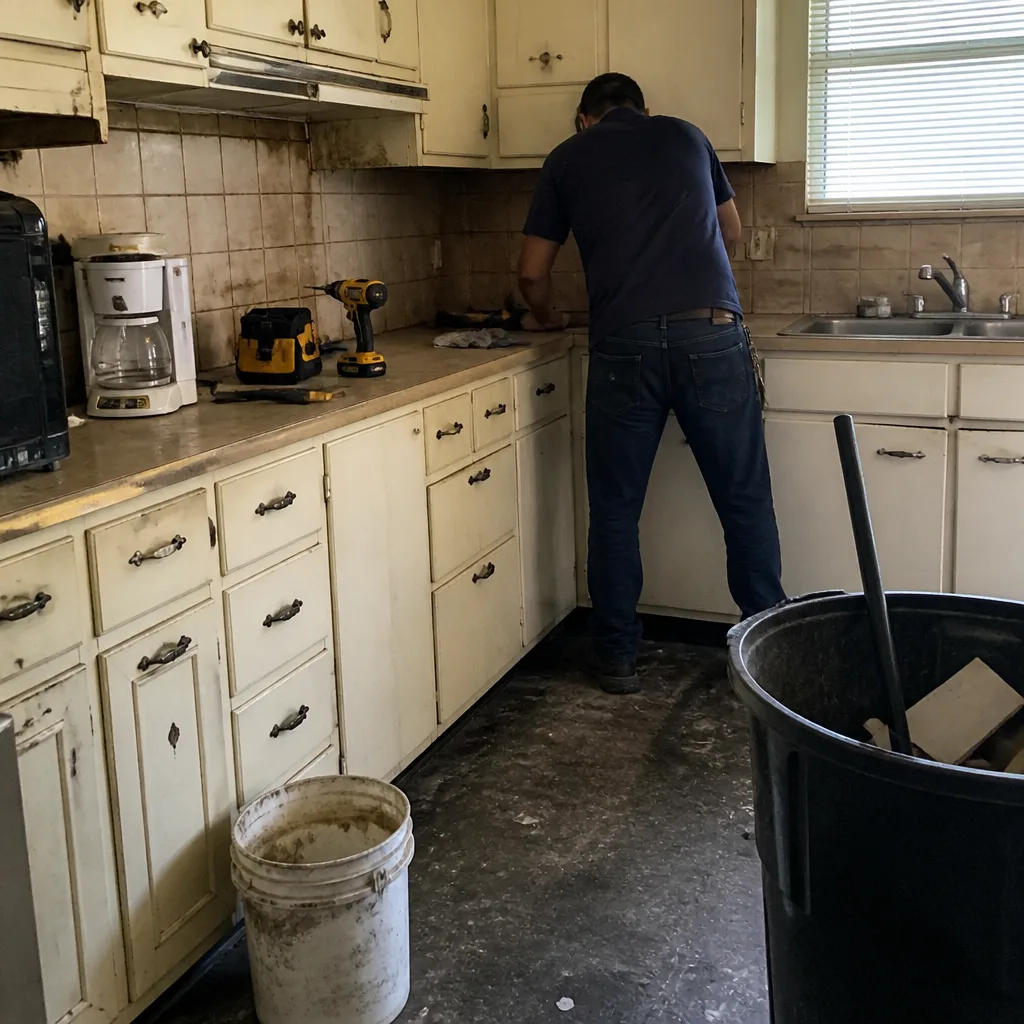 Before
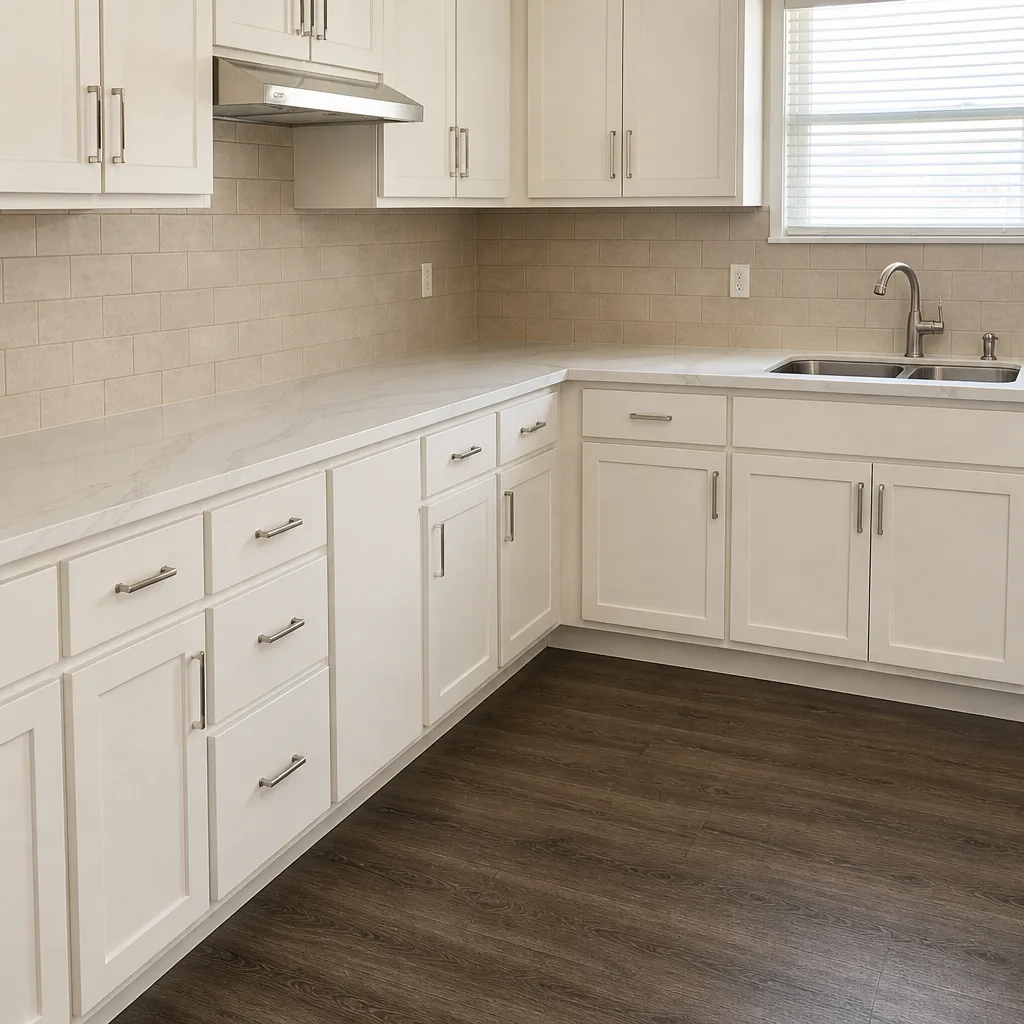 After
Home Addition vs ADU in Allen, TX: Choose a Connected Addition Unless Your Deed Restrictions Clearly Allow a Detached Unit
For most Allen homeowners, a connected home addition is the answer – and a detached ADU is the exception you should only chase after your subdivision’s deed restrictions say yes in writing. The short reason: Allen’s 1990s subdivision lots are small, setback-heavy, and locked under HOAs written before Texas ADU legislation meant anything, so a legal detached unit often has no code-compliant place to sit. Connected additions typically run $45,000-$130,000 here, ADUs $90,000-$220,000. Call (888) 343-9048 and we’ll map your goal to the option your subdivision actually allows.
Key Takeaways
- In Allen, deed restrictions can forbid what the city would approve. Read the HOA covenants first.
- Small lots plus 6-foot side setbacks and impervious cover limits often leave no legal footprint for a detached ADU.
- A connected addition ties into a 1990s slab that may need a structural assessment before framing.
- Groundwork Construction Co. of Allen gives you a real number for both options before you commit.
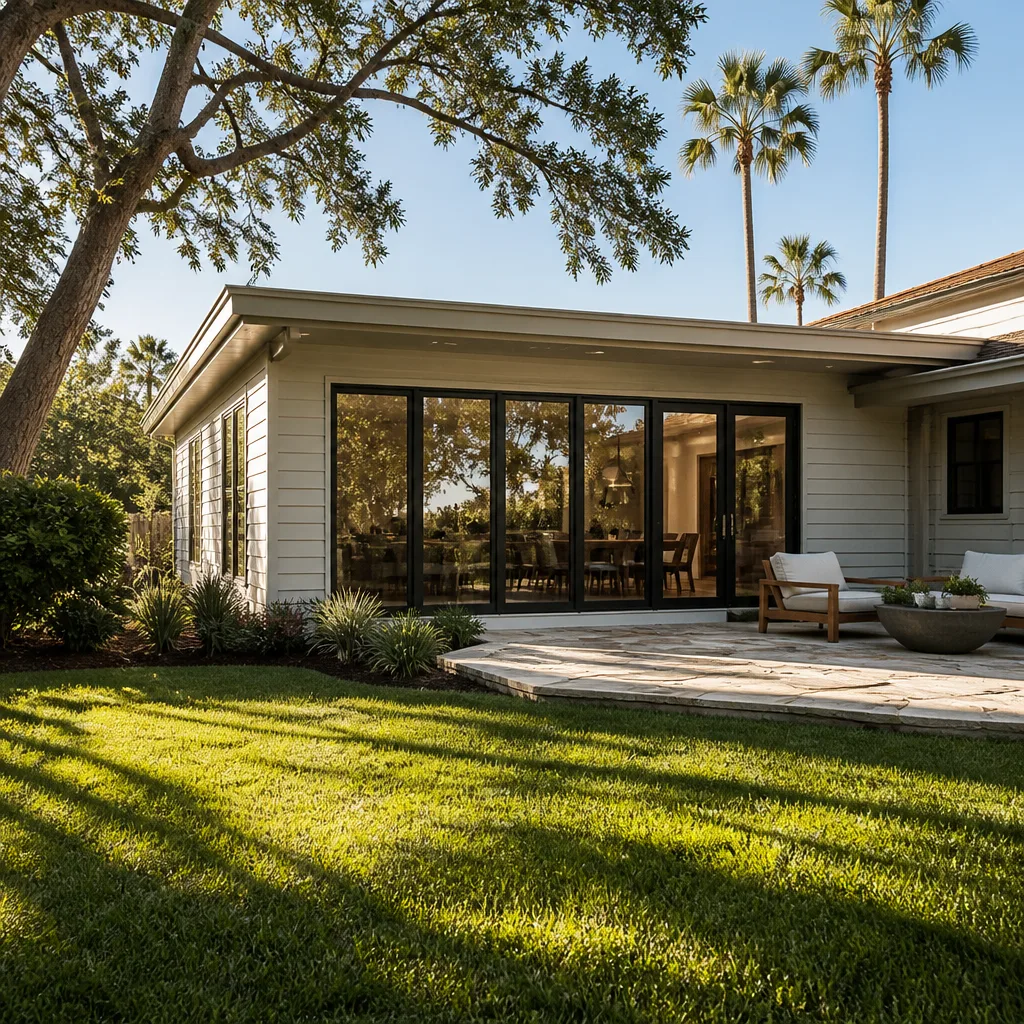
The Allen lot geometry problem nobody mentions online
On a standard Allen subdivision lot – about 7,500 square feet, with roughly 6-foot side setbacks and a rear setback the city enforces tightly – your “detached ADU” idea may have exactly zero legal space to land. Stack the existing house, the driveway, the required rear setback, and Collin County’s impervious cover limits on top of each other and the buildable rear yard shrinks fast. An ADU needs its own footprint, its own utility trench, its own foundation, and enough separation from the main house to pass inspection. Many Allen backyards simply don’t have that land to give.
That reality is why the national “ADU vs. addition” debate doesn’t translate cleanly here. Most of Allen was built out in a single 1990s-2000s growth wave, so the housing stock is brick-veneer two-story traditional and Tudor-style homes on deliberately small lots. The lots were never designed to hold a second dwelling. Where a buyer from Austin or California pictures a backyard casita, an Allen homeowner is usually looking at a strip of grass too narrow to build on legally.
Your HOA deed restrictions can overrule the city
This is the part that gets skipped, and it’s the part that sinks more ADU plans than any permit fee. In Allen’s master-planned communities, HOA deed restrictions frequently prohibit rental units, secondary kitchens, or detached structures above a certain height outright. If the deed restriction says no, city approval is irrelevant – you still can’t build it. Watters Crossing, Twin Creeks, and Bethany Ridge each carry their own architectural-review rules, and those rules were typically written before Texas ADU legislation existed, so they rarely carve out a friendly path.
Here’s the operator detail worth knowing: architectural-review pre-approval for roof color, fence height, and even shed placement is required in these subdivisions before a city permit is even issued. Crews from nearby towns routinely skip that step and stall the whole job. Before you spend a dollar on design, request your subdivision’s covenants and read the section on accessory structures and rental use. If it’s ambiguous, ask the HOA board in writing. That one email saves months.
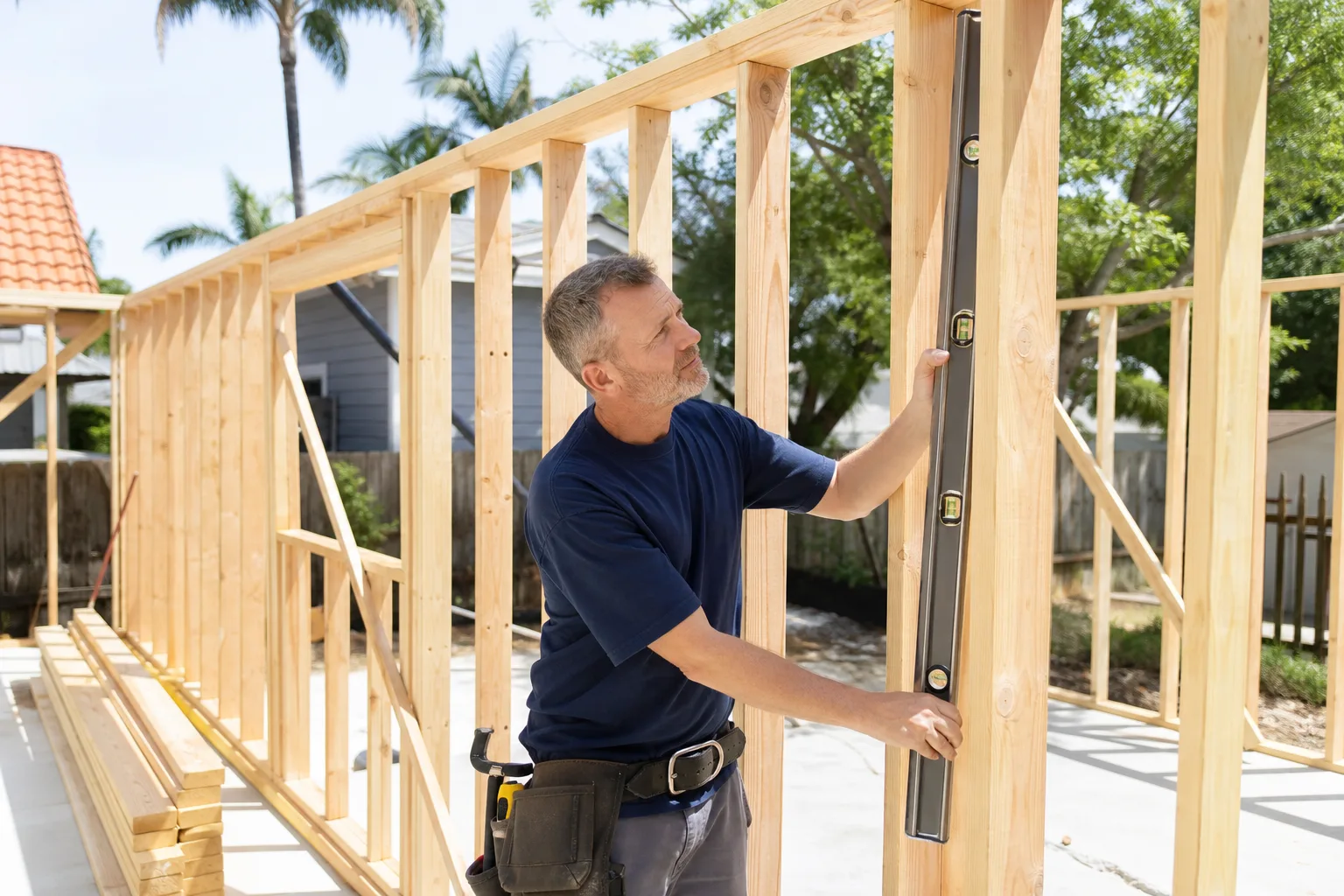
Why a connected addition in Allen is a structural job, not just a framing job
A home addition in Allen connects to an existing 1990s slab, and that changes the budget in ways ADU comparisons never surface. We assess load capacity before framing begins – the new roofline, walls, and floor have to transfer into a foundation that was poured for the original footprint, not for extra square footage. On North Texas blackland clay, that’s the crux of it. The expansive clay shifts with every wet and dry cycle, and a slab that has moved over 25-plus years may need reinforcement before it carries an addition. Skipping that assessment is how homeowners end up with cracks at the connection joint two years later.
An ADU sidesteps the tie-in question because it sits on its own foundation – but it introduces its own cost: a separate slab, separate utilities, separate roof, separate HVAC, and a second set of everything. That’s the structural reason ADU pricing lands at $90,000-$220,000 while a connected addition runs $45,000-$130,000 in this market. The ADU buys independence; the addition buys shared infrastructure. Both are legitimate; they just solve different problems.
Match the build to what you actually need it to do
The functional use case decides this more often than budget. Ask who lives in the space and for how long:
- Multigenerational living – aging parents, adult children staying a few years, a live-in caregiver. A connected addition wins. Shared utilities, interior access, one roofline, and no second mortgage-style utility bill.
- Rental income or a true separate dwelling – long-term tenant, an independent household. An ADU is the right structure, but only where the deed restrictions and lot allow it. Confirm that first.
- Home office or guest suite – a connected addition or a home garage conversion ($30,000-$80,000) usually beats both on cost and permitting speed.
If your goal is genuinely a separate dwelling and your covenants allow it, we’ll tell you so. If they don’t, we’ll show you how a connected addition with its own entrance and bath gets you most of the privacy at lower cost and far less regulatory risk. Honest guidance, not pressure, is how we work.
Side-by-side: addition vs. ADU in Allen
| Factor | Connected Home Addition | Detached ADU |
|---|---|---|
| Typical Allen cost | $45,000-$130,000 | $90,000-$220,000 |
| Lot footprint needed | Ties into existing structure | Separate footprint + setbacks + impervious cover headroom |
| Deed-restriction risk | Lower – matches existing use | High – many Allen HOAs prohibit rental units or secondary kitchens |
| Structural work | Load assessment on 1990s slab; possible foundation reinforcement on clay | New foundation, utilities, roof, HVAC |
| Best for | Multigenerational living, shared utilities, interior access | Rental income, a truly separate household |
Our full breakdown of how we scope both builds lives on the Home Additions & ADU in Allen page. Every project carries the 730-Day Done Right Promise – if it’s not done right, we make it right – and the same brand discipline we bring to a kitchen remodel with KraftMaid and Cambria or exterior doors from Therma-Tru carries into the structural work of an addition. Built to last, backed in writing.
Get a real number for both options before you decide
We give you a no-surprises estimate for the viable option in your specific subdivision, not a bait-and-switch on the cheaper one. Upfront pricing means the number you see is the number you pay. Calls are answered by a live person 24/7, our technicians have up to 12 years of experience and arrive background-checked and in uniform, and a free project estimate and design consult lets you compare apples to apples. If the larger connected addition makes more financial sense, 0% financing for 18 months and $1,000 off projects over $10,000 keep it accessible without the ADU’s regulatory uncertainty.
FAQs
Often not, even if the city would approve it, because your subdivision’s deed restrictions can flatly prohibit rental units or secondary structures, and Allen’s small 1990s lots frequently lack the setback and impervious-cover room for a code-compliant detached footprint. Read your HOA covenants first, then call (888) 343-9048 and we’ll help you sort viable from wishful – estimates are free.
Yes, typically. A connected addition in Allen runs $45,000-$130,000 while a detached ADU runs $90,000-$220,000, mainly because the ADU needs its own foundation, utilities, roof, and HVAC. A connected addition still needs a structural assessment for your 1990s slab, so the gap isn’t as wide as it looks – call (888) 343-9048 for an exact comparison for your house.
Frequently yes. Watters Crossing, Twin Creeks, and Bethany Ridge and similar Allen subdivisions require architectural-review pre-approval – sometimes for roof color and even shed placement – before a city permit is issued, and detached structures get extra scrutiny. Get the board’s sign-off in writing first. We’ll walk you through what your HOA will likely ask for; call (888) 343-9048.
Usually, but it has to be checked, not assumed. Allen’s blackland clay shifts foundations over time, so we assess load capacity before framing and may recommend reinforcement on the existing slab. That step is why a connected addition here is a structural job, not just framing – call (888) 343-9048 and we’ll tell you what your slab needs.
If you’d rather have it looked at, Groundwork Construction Co. of Allen offers a no-pressure assessment in Allen – call (888) 343-9048 for a free estimate and we’ll help you weigh the addition against the ADU for your specific subdivision.
Written by the team at Groundwork Construction Co. of Allen, serving Allen, TX.