Free written scope consultation - allowances, timeline, and change-order rules on paper before a single trade is scheduled
Styles & brands we work with
- Kitchen remodeling
- Bathroom remodeling
- Home additions & ADU
- Roofing
- Windows & doors
- Driveway & pavers
- Fence
See the difference
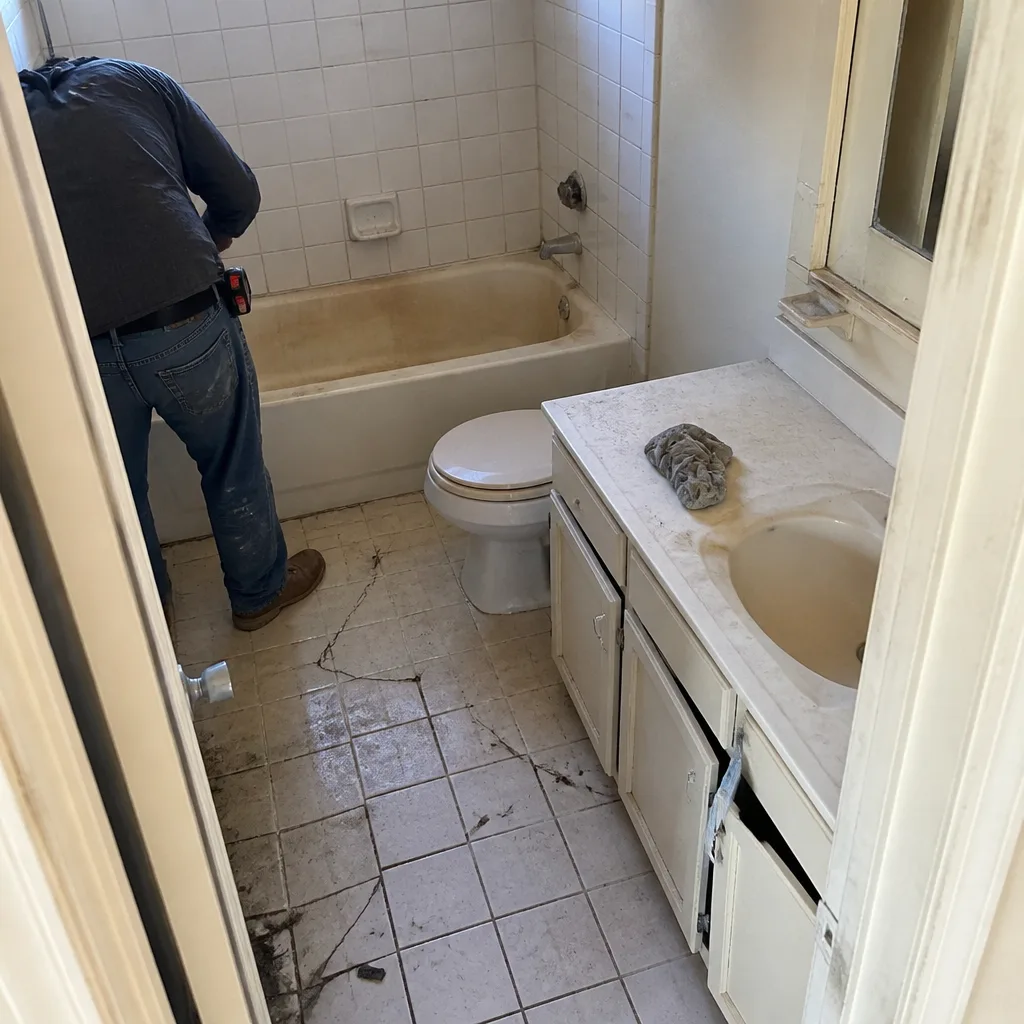 Before
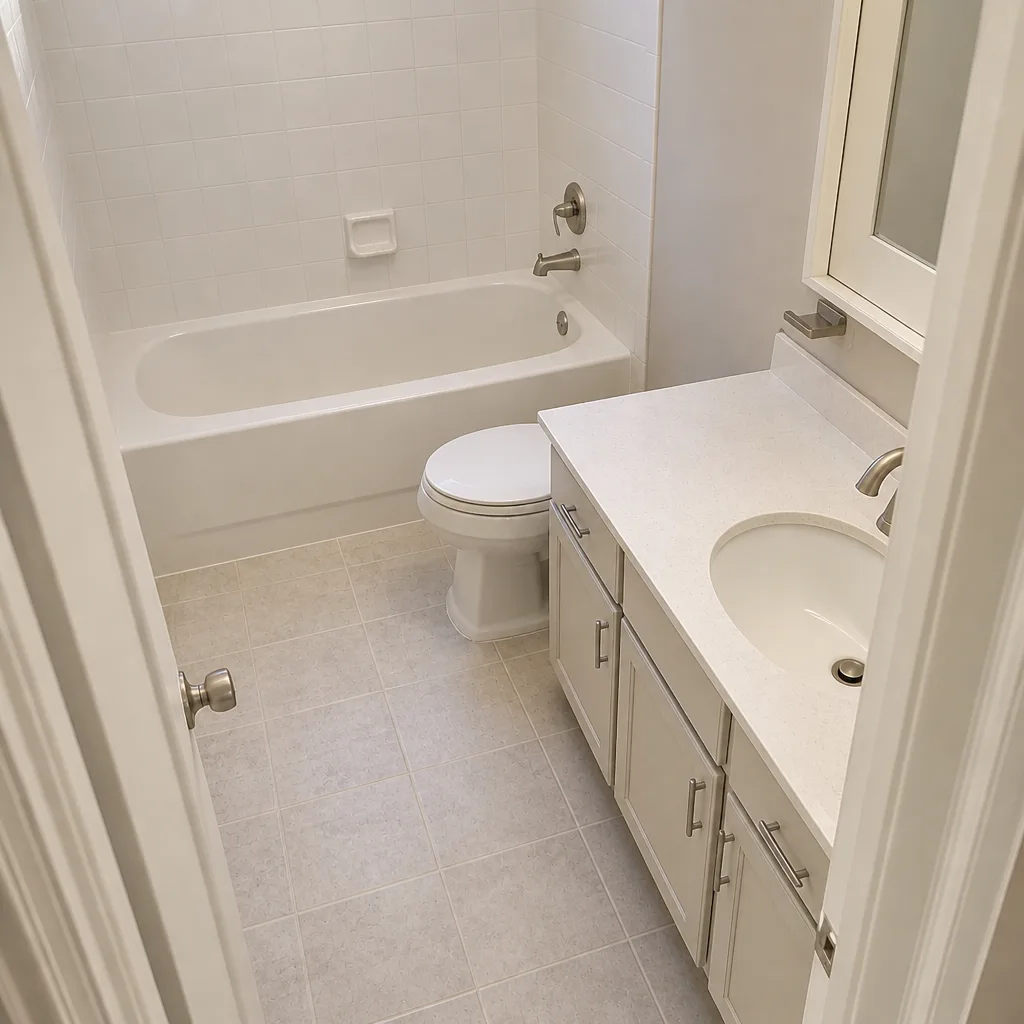 After
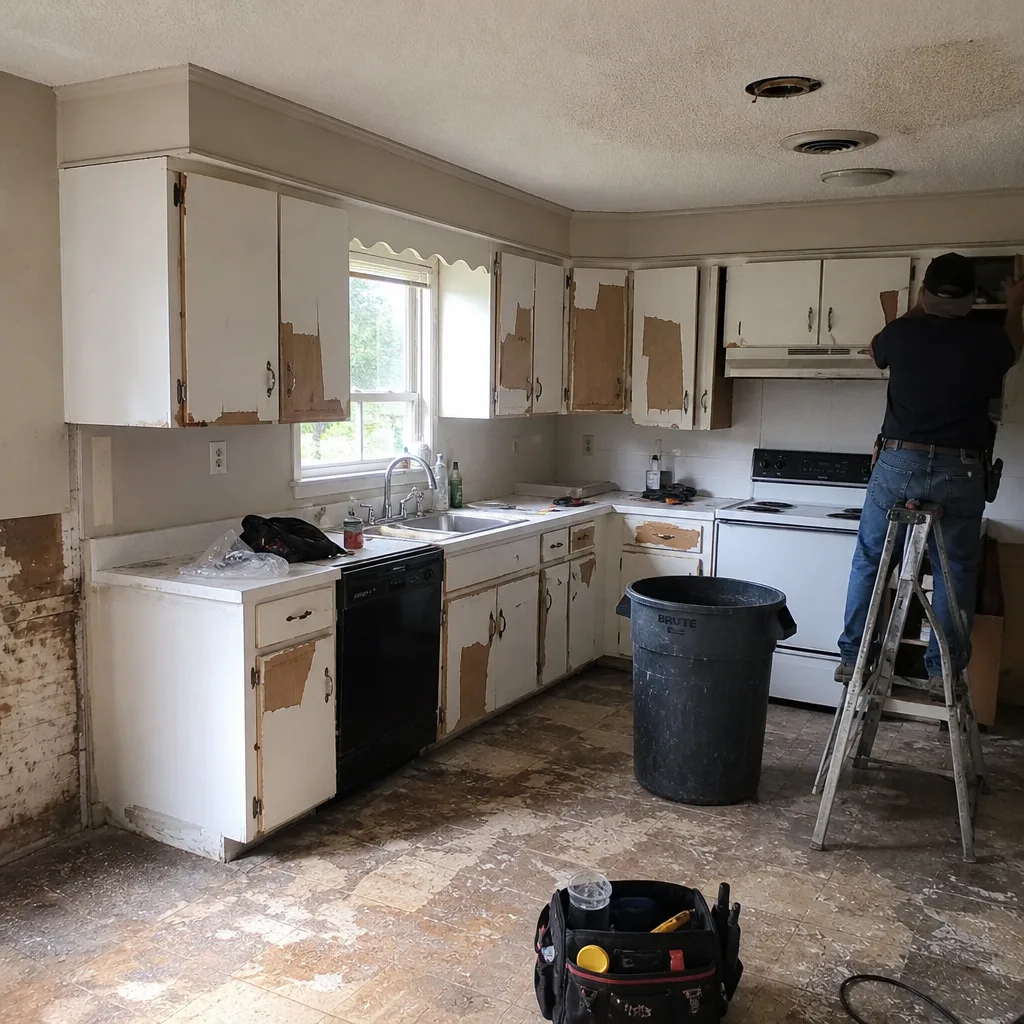 Before
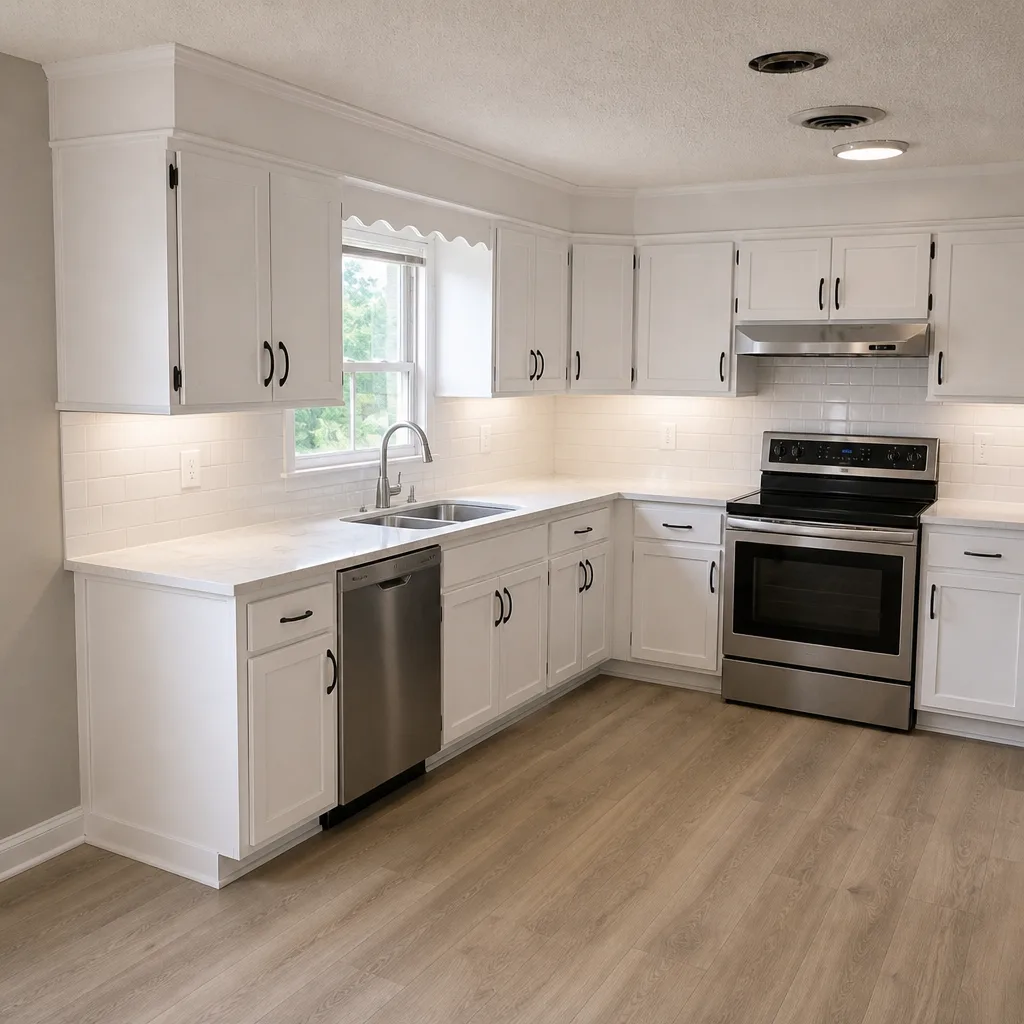 After
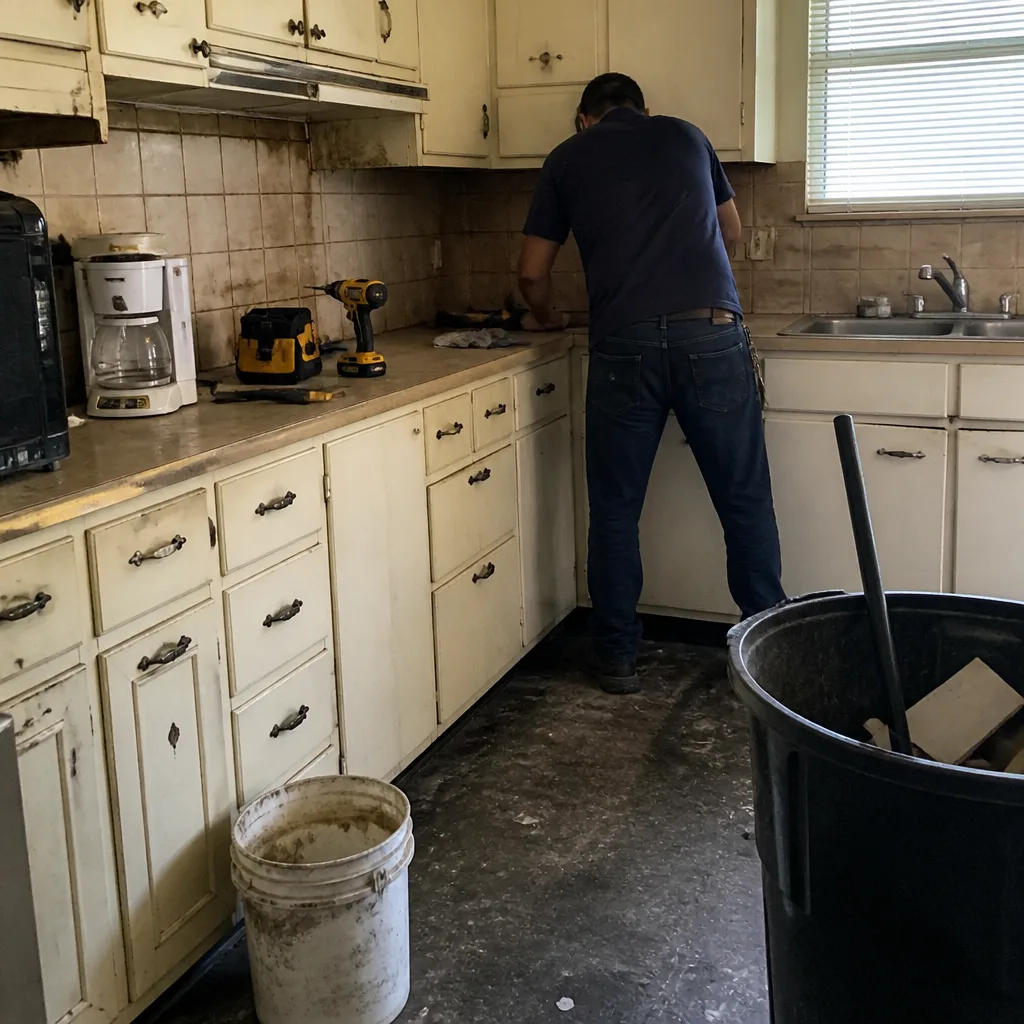 Before
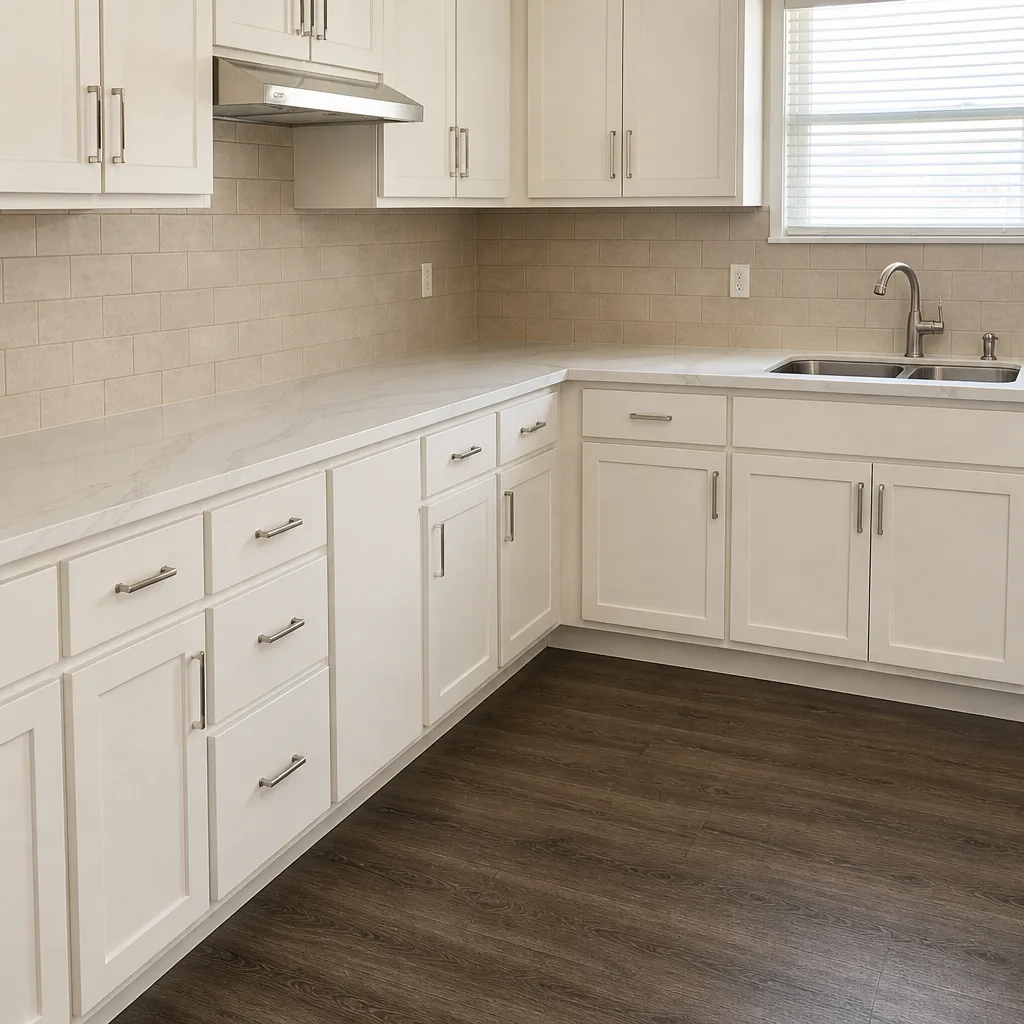 After
Quartz vs Granite Countertops in Allen, TX: The Honest Answer for Local Kitchens
For most Allen kitchens, choose quartz unless you’re committed to annual sealing and prize natural stone above all else. Quartz (especially Cambria) wins on maintenance consistency, warranty coverage, and resale in the HOA subdivisions that dominate this city. Granite only makes sense if you love the one-of-a-kind look of natural stone and will actually reseal it every 1-3 years. Call (888) 343-9048 for a free estimate and we’ll help you weigh it against your specific kitchen, not a generic chart.
Here’s the part most countertop articles skip: in North Texas, this comparison has a climate dimension you won’t find elsewhere.
Why Allen’s Soil and Heat Change the Calculation
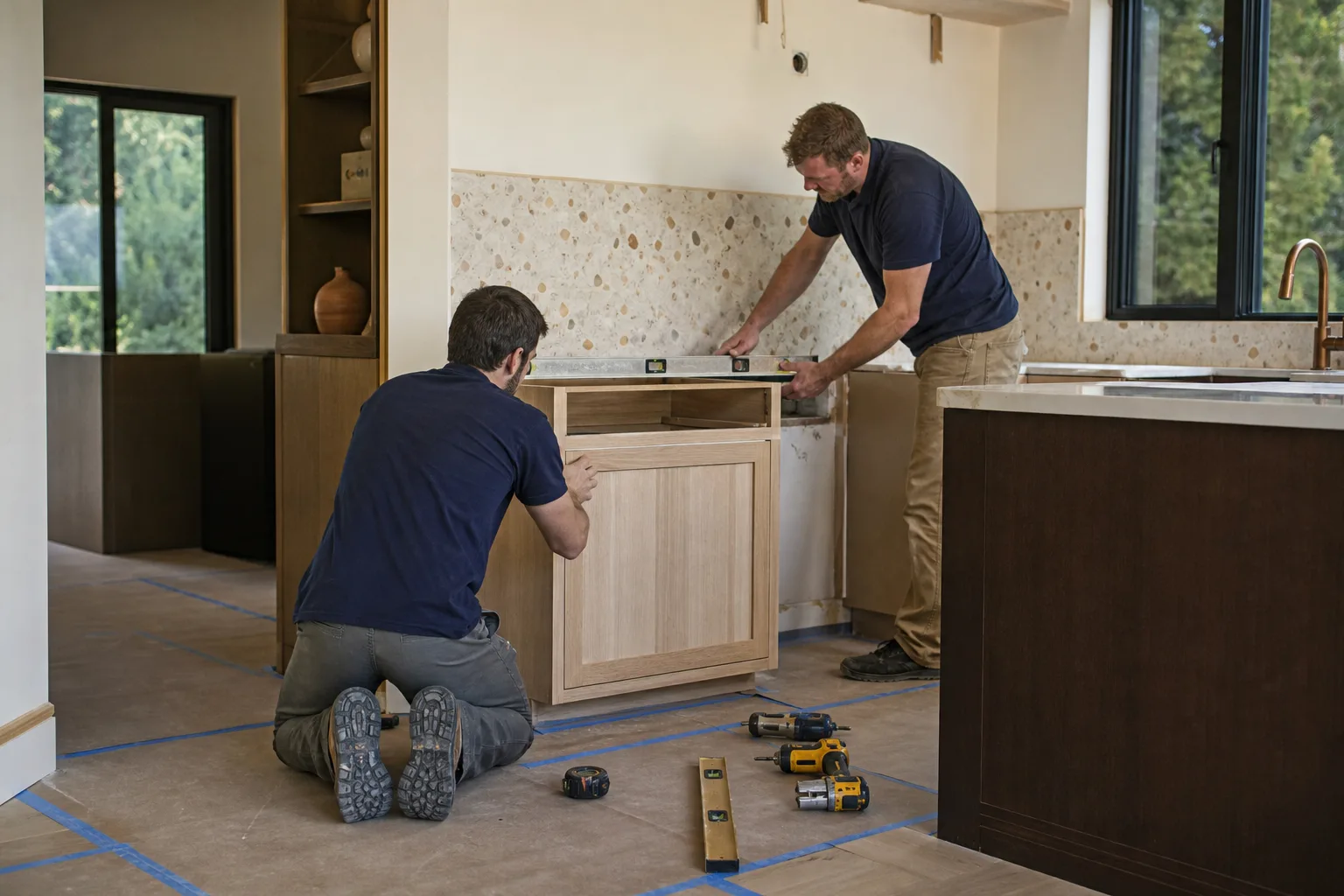
Allen sits on expansive blackland clay that swells and shrinks with the seasons. That movement rarely cracks a countertop directly. But it does stress the cabinet base beneath it. Over a 20- or 30-year span, foundation shift can leave a cabinet run needing shims. And that’s where the materials diverge at the substrate level.
Quartz is roughly 93% ground stone bound in resin, which gives it slightly more flexibility under point stress than granite. In a kitchen where the cabinets may need leveling in 10 or 15 years, that small difference matters more than any showroom comparison. Granite is stiffer and less forgiving of a base that’s moved.
This is a genuinely local problem. Much of Allen’s housing stock was built in a single 1990s-2000s growth wave, so we’re not repairing old homes here; we’re renovating 20-30 year old subdivisions where the original builder-grade cabinets are already a generation old. That age is exactly when foundation movement starts showing up in the countertop plane.
Thermal Performance in a Texas Summer
Heat is the other climate factor, and it cuts differently for each material.
Quartz resin binders can discolor under sustained direct heat above roughly 300°F. In an Allen summer, that’s a real risk: a hot pan set down on a surface that’s already warm from solar gain through a south-facing window is a double hit. Granite handles a hot pan better. If you routinely move cast iron straight from the stove to the counter without a trivet, granite is more forgiving.
The honest caveat: neither material is a cutting board or a landing pad for a hot pot. Trivets are cheap, and they protect both surfaces. But if your household habits are hard on counters, granite gives you more margin.
Maintenance Reality Check for Allen Households
Granite is porous. To stay stain-resistant in a cooking kitchen, it needs sealing every 1-3 years. That’s easy to forget, and skipping it leads to staining from cooking oils, wine, and anything acidic. A busy household with kids and a full meal-prep routine will feel that maintenance load.
Quartz is non-porous and needs no sealing. Wipe it down and you’re done. For families running a kitchen hard, that consistency is worth real money over a decade.
And here’s where a specific brand matters more than a generic “quartz is durable” claim. Cambria quartz carries a lifetime manufacturer warranty and is NSF-certified for food safety. Those are manufacturer commitments, not vague marketing. Combined with our 730-Day Done Right Promise on the installation itself, you’re covered on both the material and the workmanship.
Cost in Allen: What You’ll Actually Pay
For a typical Allen kitchen with 45-65 square feet of counter, here’s the installed range:
| Material | Installed Cost (45-65 sq ft) |
|---|---|
| Granite slab | $2,800-$5,500 |
| Cambria quartz | $4,200-$7,800 |
| Typical countertop installation (any material) | $2,000-$6,500 |
| Full kitchen remodel (for context) | $14,000-$45,000 |
Quartz runs higher up front, but the gap narrows once you factor in granite sealing over 10 years and the resale edge quartz carries in Allen’s HOA subdivisions. And for full kitchen scopes over $10,000, our $1,000 off promotion applies, closing much of the difference.
Upfront pricing means the number you see is the number you pay. No surprise line items at the end. If you’re still deciding on the wider project, our guide to Kitchen Remodeling walks through how countertop choice fits into a full renovation.
Quartz vs Granite Side by Side
- Heat resistance: Granite handles direct heat better. Quartz can discolor above 300°F.
- Maintenance: Quartz is non-porous, no sealing. Granite needs resealing every 1-3 years.
- Flex under foundation movement: Quartz has slightly more give under point stress.
- Warranty: Cambria quartz carries a lifetime manufacturer warranty; granite warranties vary by installer.
- Aesthetics: Granite is one-of-a-kind natural stone. Quartz is consistent and predictable.
- Resale: Quartz is a stronger selling point in Allen’s high-turnover HOA subdivisions.
Our Recommendation for Allen Families
For the high-use family kitchens in Allen’s master-planned subdivisions, where resale value is a real concern and maintenance attention is spread thin, quartz wins on consistency and warranty coverage. Cambria is what we stock and stand behind. Granite only wins if you’re genuinely committed to annual sealing and prioritize the natural stone look.
Whichever you choose, most jobs are completed in a single visit. Our technicians have up to 12 years of experience, and every project is handled through our home remodeling services with a live person answering your call 24/7. Our curated brand partners - Cambria in quartz, alongside KraftMaid and Kohler for the surrounding kitchen work - mean you’re choosing quality, not just availability. See how it fits a larger project with our guide to Kitchen Remodeling in Allen.
Common Local Scenarios
- A 1998 Watters Crossing kitchen with original builder-grade cabinets. We check the cabinet plane first; if the base needs shimming, quartz’s flexibility is the safer bet.
- A south-facing kitchen with a big window over the sink. Solar gain plus a hot pan is a quartz discoloration risk. Trivets and quartz still work; granite gives margin if you’re a cast-iron household.
- A busy family of five that entertains. Non-porous quartz with no resealing to forget is the easier long-haul choice.
- A homeowner who loves natural stone and will maintain it. Granite, sealed on schedule, is a beautiful and defensible pick.
FAQs
Quartz is better for most Allen kitchens because it needs no sealing, handles the summer heat risk with simple trivet habits, and carries a manufacturer warranty through Cambria. Granite is the better pick only if you’ll reseal it every 1-3 years and want natural stone. Call (888) 343-9048 for a free estimate on either.
For a typical Allen kitchen with 45-65 square feet of counter, granite runs $2,800-$5,500 installed and Cambria quartz runs $4,200-$7,800. A full countertop installation lands in the $2,000-$6,500 range before material upgrades. Call (888) 343-9048 for an exact quote; estimates are free.
Yes. Quartz resin binders can discolor under sustained direct heat above about 300°F, and a warm south-facing counter makes that easier to hit. Always use a trivet. Granite handles direct heat better but still isn’t a landing pad for a hot pot. Call (888) 343-9048 to talk through your cooking habits.
No. Quartz is non-porous and never needs sealing, unlike granite, which needs resealing every 1-3 years to resist staining from oils and wine. That’s the main maintenance difference for busy households. Call (888) 343-9048 with questions.
If you’d rather have it looked at, Groundwork Construction Co. of Allen offers a no-pressure assessment in Allen - call (888) 343-9048. We’ll walk your kitchen, check the cabinet base, and give you an upfront number you can trust. No surprises, backed in writing.
Written by the team at Groundwork Construction Co. of Allen, serving Allen, TX.