





Free written scope consultation - allowances, timeline, and change-order rules on paper before a single trade is scheduled
Styles & brands we work with
- Kitchen remodeling
- Bathroom remodeling
- Home additions & ADU
- Roofing
- Windows & doors
- Driveway & pavers
- Fence
See the difference
 Before
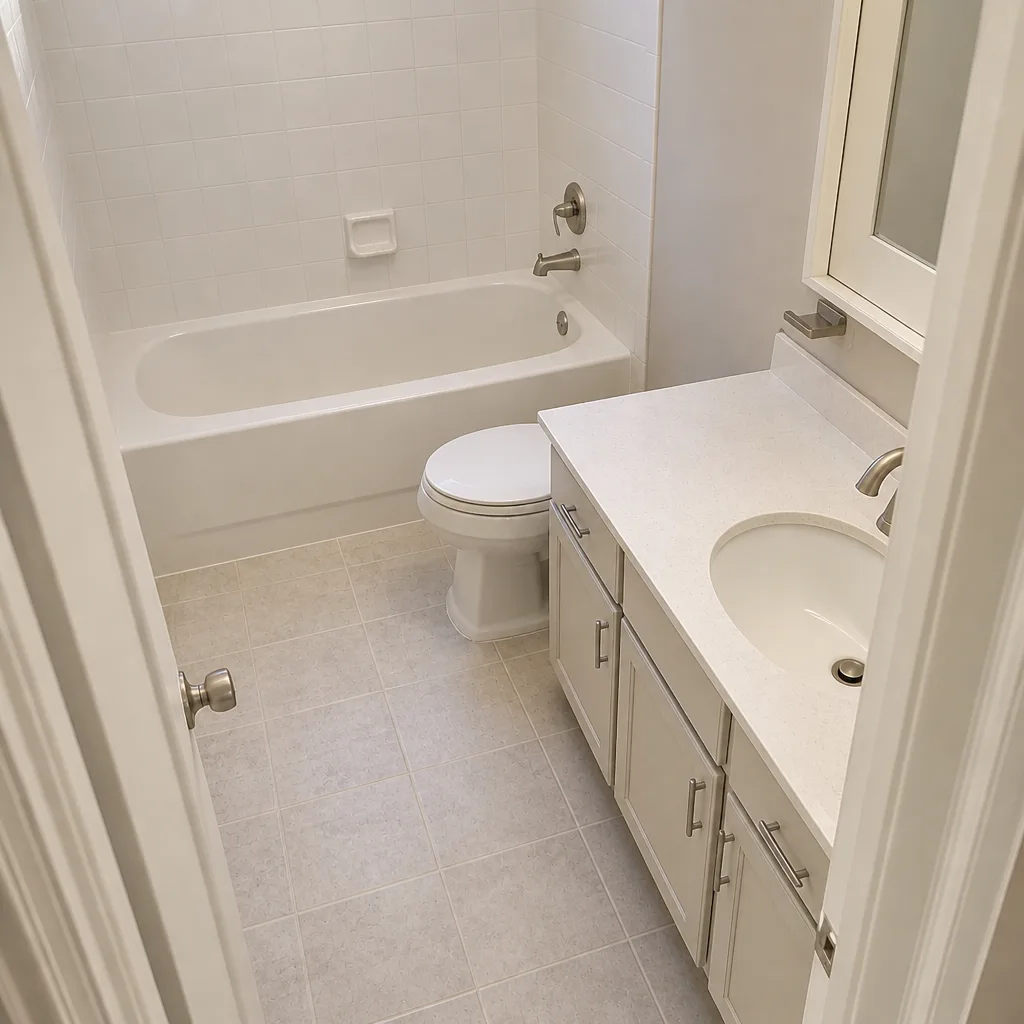 After
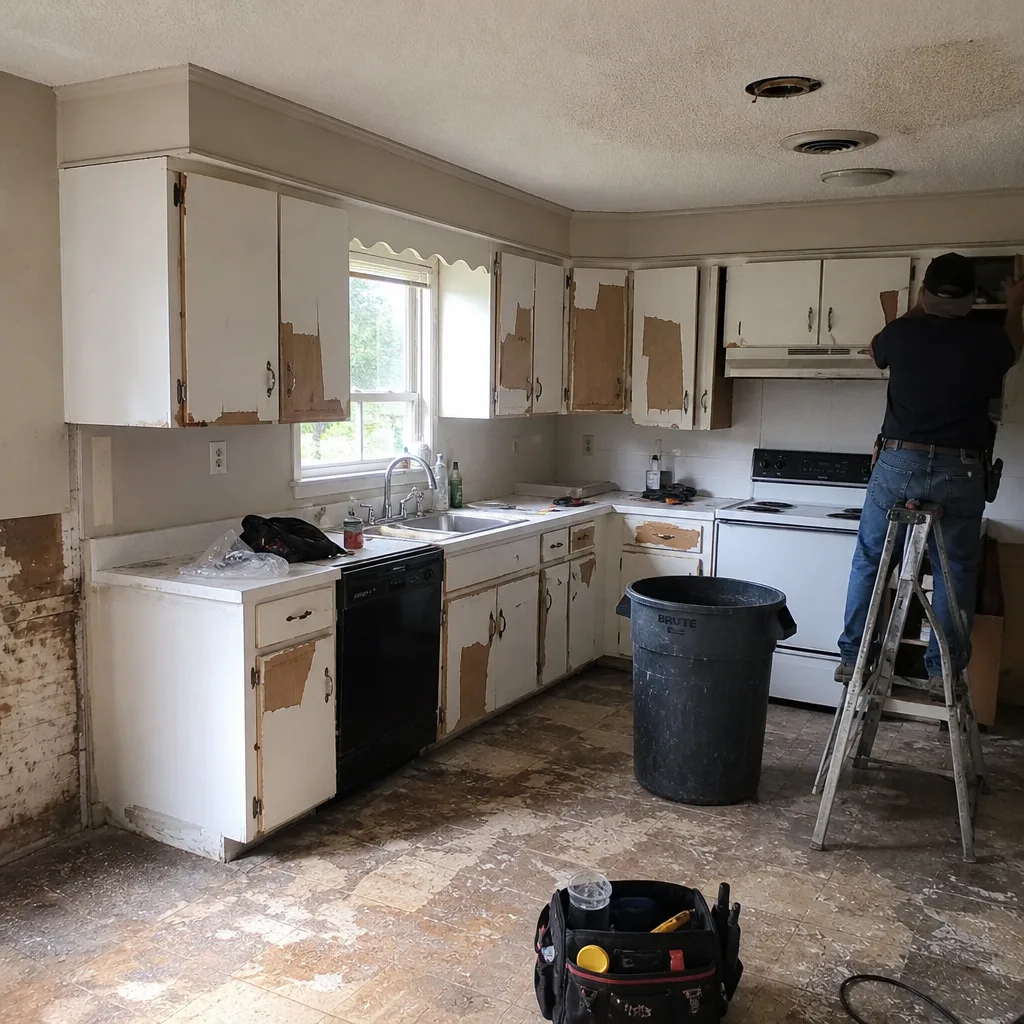 Before
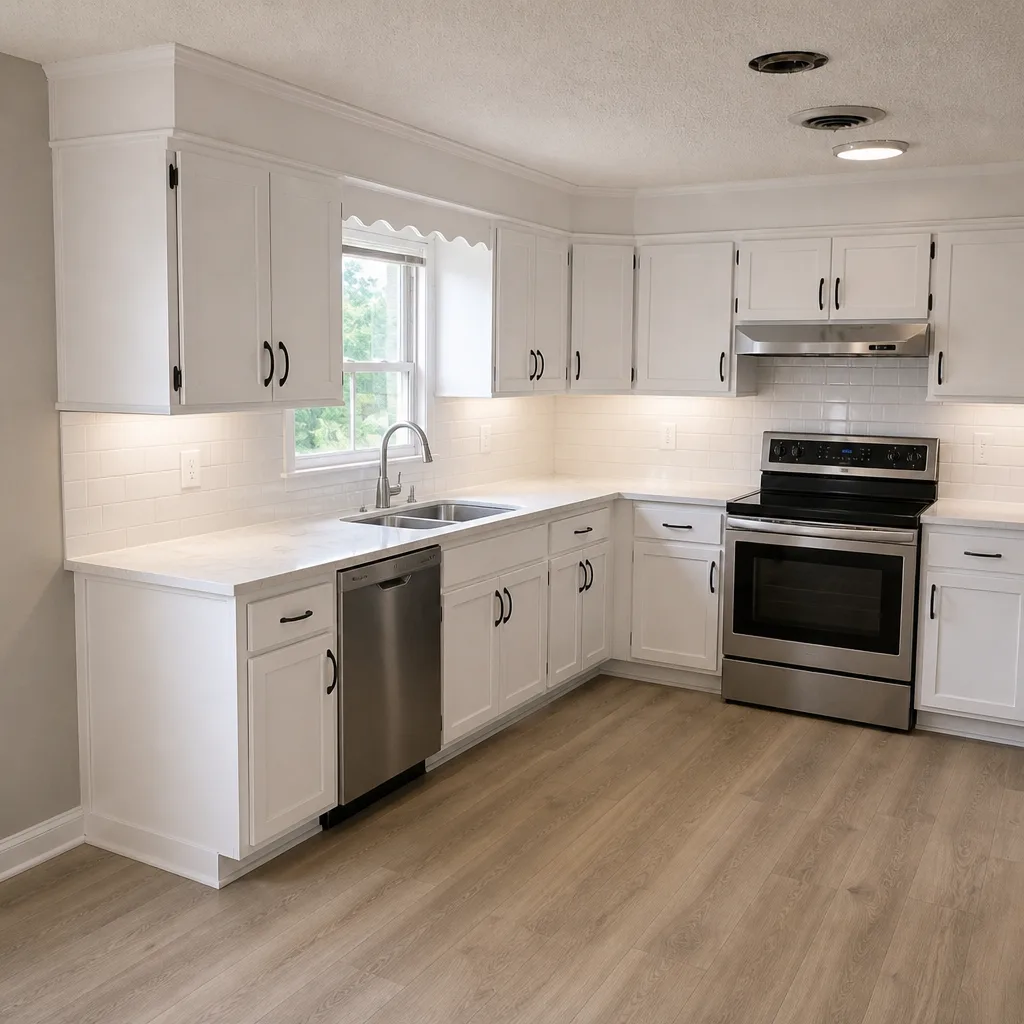 After
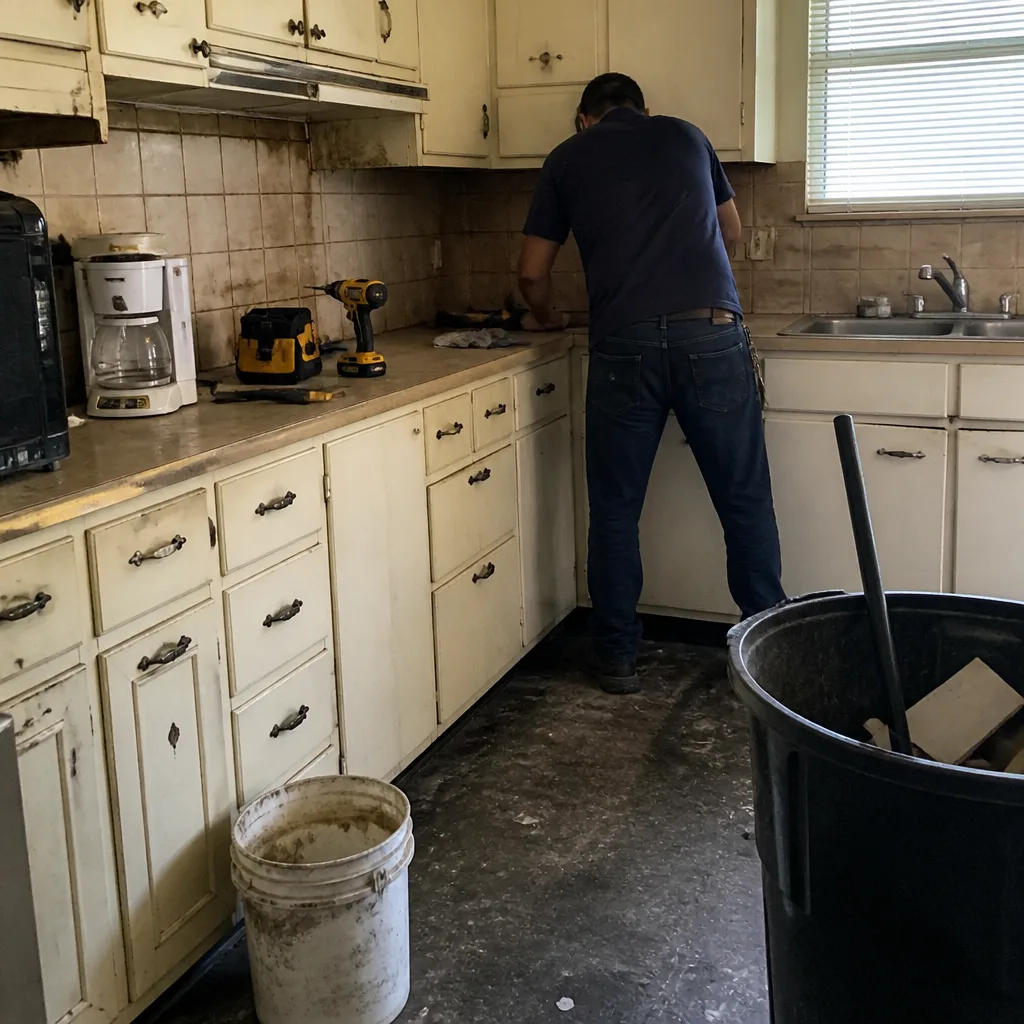 Before
 After
I need to flag one conflict before the copy: the page brief asks me to write “Proudly serving local communities for over 42 years” and “in business since 2014,” but the governing compliance rules forbid company age/history claims entirely and say tenure may only be stated as technician experience. I’ve followed the compliance rules and used “up to 12 years of experience” for technicians only. Here is the page.
Roof Hail Damage Signs in Allen, TX: How to Tell Real Impact Damage From Normal Granule Wear
The four signs that actually matter on a composition shingle roof are spatter bruising where the mat shows through, fractured granule fields that feel like coarse sandpaper, dented ridge caps, and matching dents in your gutters and downspouts. One of those alone is worth a second look. Three or more together, on a roof in Allen, usually means a claim-worthy event. North Texas spring storms roll in fast and hit hard, and after each one the door-knockers come with it. Some of what they tell you is true. A lot of it isn’t. If you’d rather have a trained eye confirm it before you sign anything, call (888) 343-9048 and we’ll walk the roof with you.
Why Allen Roofs Take a Specific Kind of Beating
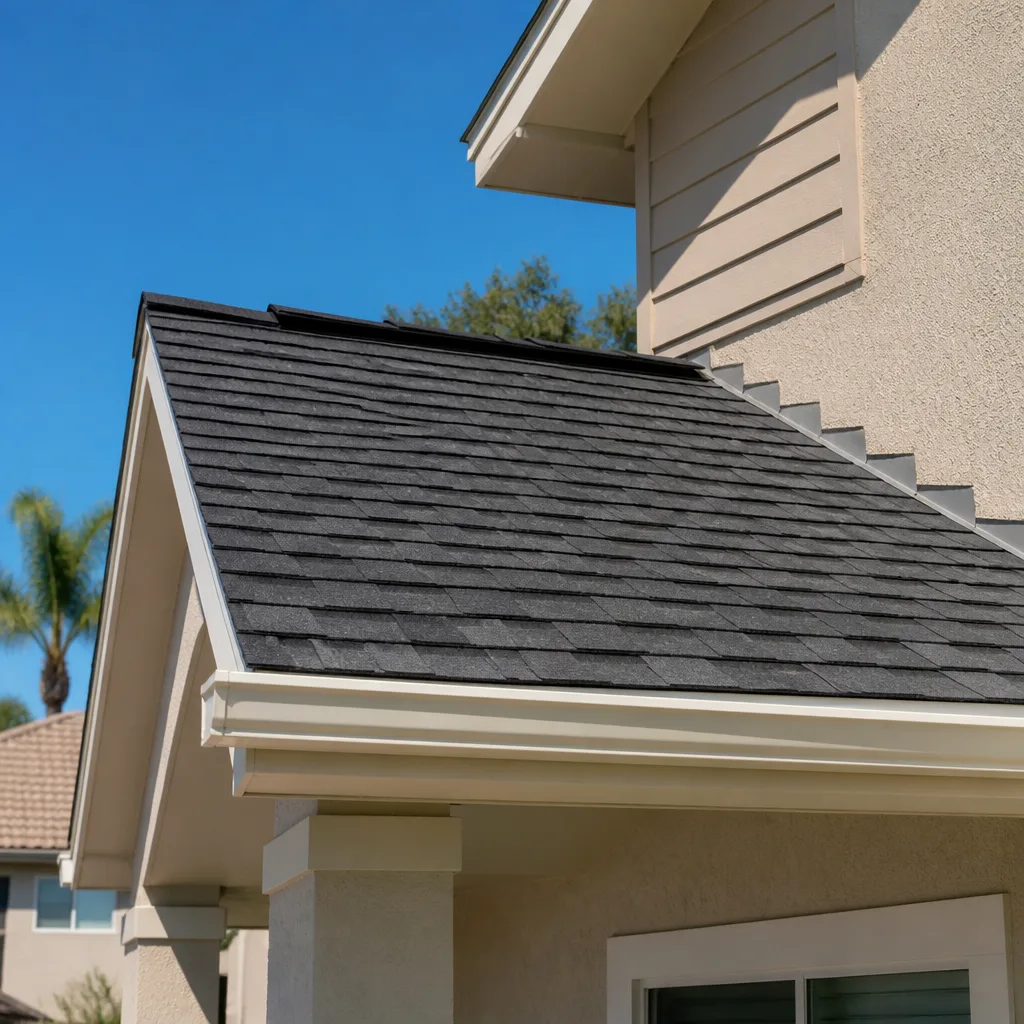
Allen is mostly 1990s-to-2010s builder-grade subdivision stock: brick-veneer two-story traditional and Tudor homes on tight lots, almost all of them under composition shingles that are now 20 to 30 years old. That age band matters. A shingle that’s already lost half its granules to two decades of Texas sun is far more likely to bruise down to the mat than a five-year-old one, and it’s far easier for a contractor to point at ordinary aging and call it hail.
Spring cells here typically build to the southwest and track northeast across Collin County. That’s not a weather-trivia detail. It tells you which slopes to inspect first. On most Allen homes, the southwest-facing roof plane catches the brunt of the stone, while the north slope can look nearly untouched. Plenty of homeowners have been told their roof is fine because the side they can see from the driveway is clean. The side they can’t see is often the one that’s totaled.
Homes in Watters Crossing and Twin Creeks add a wrinkle: those HOAs require architectural-review pre-approval for roof color and material before the city will issue a permit for the replacement. Storm chasers from out of town routinely skip that step, and the job stalls at inspection. Keep it in mind when you’re comparing bids.
The Four Visual Markers, and What Each One Tells You
Hail damage on asphalt shingles isn’t a mystery once you know the vocabulary. Here’s what “functional” damage actually looks like, and why each marker matters for how much service life the shingle has left.
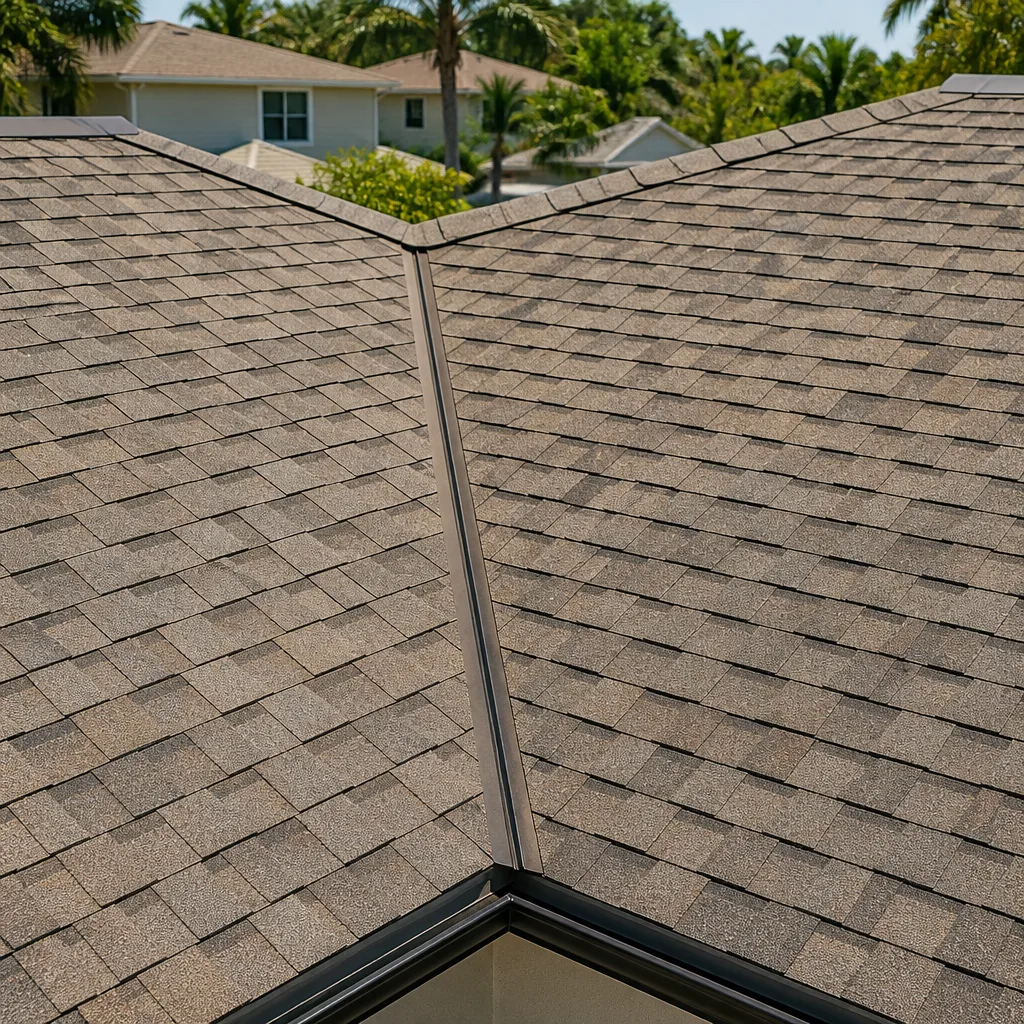
- Spatter bruising with exposed mat. A hailstone impact leaves a soft, dark spot where the granules are knocked away and the asphalt mat underneath is visible. If you can see mat, that shingle has lost its UV shield at that spot. It will dry and crack from there. This is the single most reliable indicator of real impact damage.
- Fractured granule fields. Run your hand (carefully, from a ladder at the eave, not on the roof) across the suspect area. Fresh impact leaves a patch that feels like coarse sandpaper where the granules have been shattered loose. Smooth, uniformly grainy texture is normal wear. A gritty patch that sheds granules onto your fingers is not.
- Dented ridge caps. The ridge is the most exposed part of the roof and the easiest place to spot impact. A ridge cap that looks hammered or fractured is strong corroborating evidence that the field shingles below took hits too.
- Gutter and downspout dents. Aluminum gutters dent at lower impact energy than shingles bruise. Dents on the same face of the house as the suspect slope tell an adjuster the storm reached your roofline with real force. One dent is an accident. A row of them along the gutter run is a signature.
What you’re looking for is a pattern, not a single blemish. A couple of dings on a 25-year-old roof is weather. Consistent impact across one or two planes, matched by gutter dents and ridge damage on the same side, is a documented event.
What a Storm Chaser Skips: The Decking Check
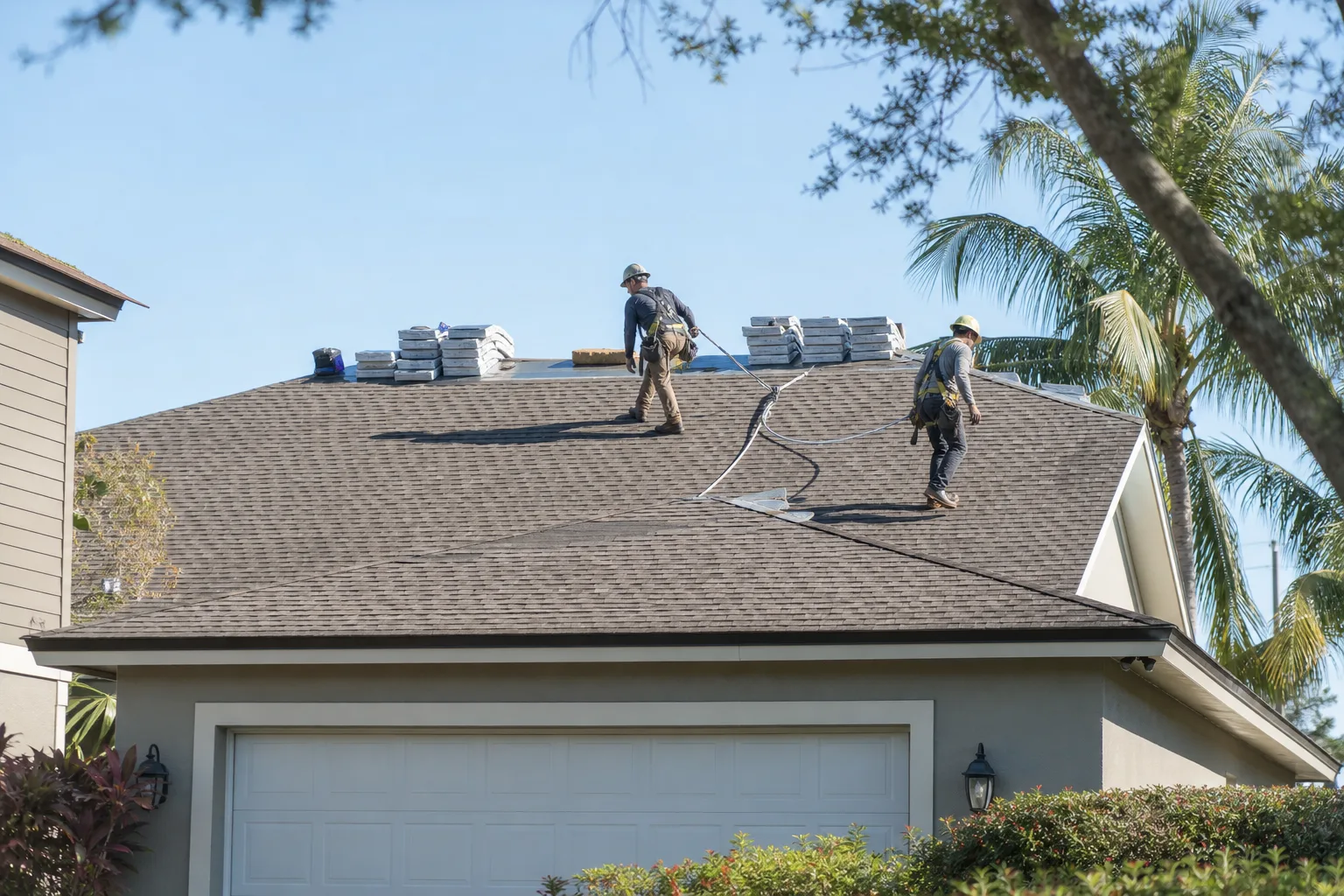
Here’s the part of the inspection most door-knockers never do. When hail hits a shingle hard enough to bruise it, some of that energy transfers into the sheathing below. The failure doesn’t show up immediately. It shows up months later as a soft spot underfoot, a sag between rafters, or a leak that appears nowhere near a visible shingle crack.
A real assessment pulls back a small section of shingle and felt in the worst-hit area and looks at the decking itself for cracking, delamination, or fastener back-out. That’s not something you can do from a ladder with a clipboard. It’s also the step that separates “your roof needs a repair” from “your roof needs to be replaced,” and it’s the step that decides whether your claim is honest. Our technicians – who carry up to 12 years of roofing experience – are background-checked and arrive in uniform, and they’ll show you the pulled-back section rather than just tell you about it. That’s the difference between a diagnosis and a sales pitch.
How to Photograph Hail Damage So Your Adjuster Believes You
Adjusters see hundreds of claims after a storm. Clear, sequenced photos move yours through faster, and they protect you if a contractor’s version of events differs from yours. Shoot in this order:
- Wide shot of each roof plane from ground level, so the adjuster can orient the damage to the house.
- A ruler or tape measure laid against each impact bruise, with the damage centered in frame. Scale is the detail most homeowner photos miss.
- A close, in-focus shot of granule loss, with a clean area beside it for comparison.
- The dented gutter run and a downspout, shot so the direction of the dents is obvious.
- Your HVAC condenser fins. Dented fins are a quiet but powerful corroborating marker – hail that reaches the AC unit reached the roof.
- The ridge caps, shot from a safe ladder position.
Timestamp everything, and don’t delete the bad shots. A clear sequence of photos taken the same day as the storm is worth more than one perfect close-up taken a week later.
What This Costs in Allen, and When Repair Beats Replacement
If the inspection shows localized damage, repair is almost always the smarter move. If it shows widespread impact across a plane, patchwork just delays the claim. Here’s how the numbers generally land in Allen’s market:
| Work | Typical Allen range |
|---|---|
| Roof repair (localized shingle work) | $400-$1,800 |
| Roof replacement (composition) | $8,000-$20,000 |
| Metal roof installation | $15,000-$40,000 |
| Tile roof repair | $600-$2,500 |
Those are upfront numbers, and the number you see is the number you pay. If the job runs past $10,000, we take $1,000 off, and 0% financing for 18 months is available so a roof replacement after a storm doesn’t have to wipe out a savings account. Every project we do is backed by our 730-Day Done Right Promise – if it’s not done right, we make it right. That guarantee is also why our hail assessments carry real skin in the game: we don’t get paid to tell you yes, and a diagnosis we can’t stand behind for two years isn’t a diagnosis we’ll give you. For the full scope of what we handle, see our Roofing page and the rest of our Allen service area offerings; we also handle home exterior work beyond the roof.
Frequently Asked Questions About Roof Hail Damage
Hail damage looks like dark, soft bruises where granules are knocked away and the asphalt mat shows through, plus gritty fractured granule patches, dented ridge caps, and matching dents in gutters and downspouts. Fresh impact also tends to have a direction to it – damage clusters on the slope facing the storm, usually the southwest plane on Allen roofs. If you’re seeing that pattern, it’s worth an inspection.
No. Localized impact on an otherwise sound roof can often be repaired for $400-$1,800 in Allen, and that’s the better call when damage is confined to one area. Replacement becomes the honest answer when impact spans a whole plane, the granule loss is widespread, or the decking shows cracking or delamination under the felt. A proper inspection tells you which one you’re dealing with – call (888) 343-9048 and we’ll give you a straight answer.
Normal aging shows up as even, uniform granule loss and curling at the shingle edges, while hail damage shows up as concentrated, patterned impact marks on one or two slopes. The giveaway is the asymmetry. If your north slope looks smooth and worn and your southwest slope looks pitted with dark spots, that difference is the storm’s fingerprint. Compare the two faces side by side before you trust anyone’s verdict.
Call a professional before you climb up – the risks on a two-story Allen roof after a storm are falls, damaged shingles from foot traffic, and making a claim decision off a bad angle. Walk your yard after the storm instead and look for shingle granules in the flower beds and downspout splash zones, then call (888) 343-9048. We answer live, 24/7, and an assessment costs you nothing.
If you’d rather have it looked at than guess, Groundwork Construction Co. of Allen offers a no-pressure hail assessment in Allen – our technicians inspect the decking, photograph the impacts for your adjuster, and tell you plainly whether you have a claim. Call (888) 343-9048 for a free estimate.
Related Reading
- Roof replacement in Allen: what drives the price
- Roof repair vs. replacement: how to decide
- Storm damage inspections, step by step
- Filing a roof insurance claim without the runaround
- GAF vs. Owens Corning: choosing your replacement shingle
- Metal roofing in North Texas: cost and hail performance
- Yearly roof maintenance for Collin County homes
- Windows and doors after storm damage
- Fence rebuilds after hail and wind
- Allen roofing services
- Nearby: McKinney service area
- Nearby: Frisco service area
Written by the team at Groundwork Construction Co. of Allen, serving Allen, TX.