Free written scope consultation - allowances, timeline, and change-order rules on paper before a single trade is scheduled
Styles & brands we work with
- Kitchen remodeling
- Bathroom remodeling
- Home additions & ADU
- Roofing
- Windows & doors
- Driveway & pavers
- Fence
See the difference
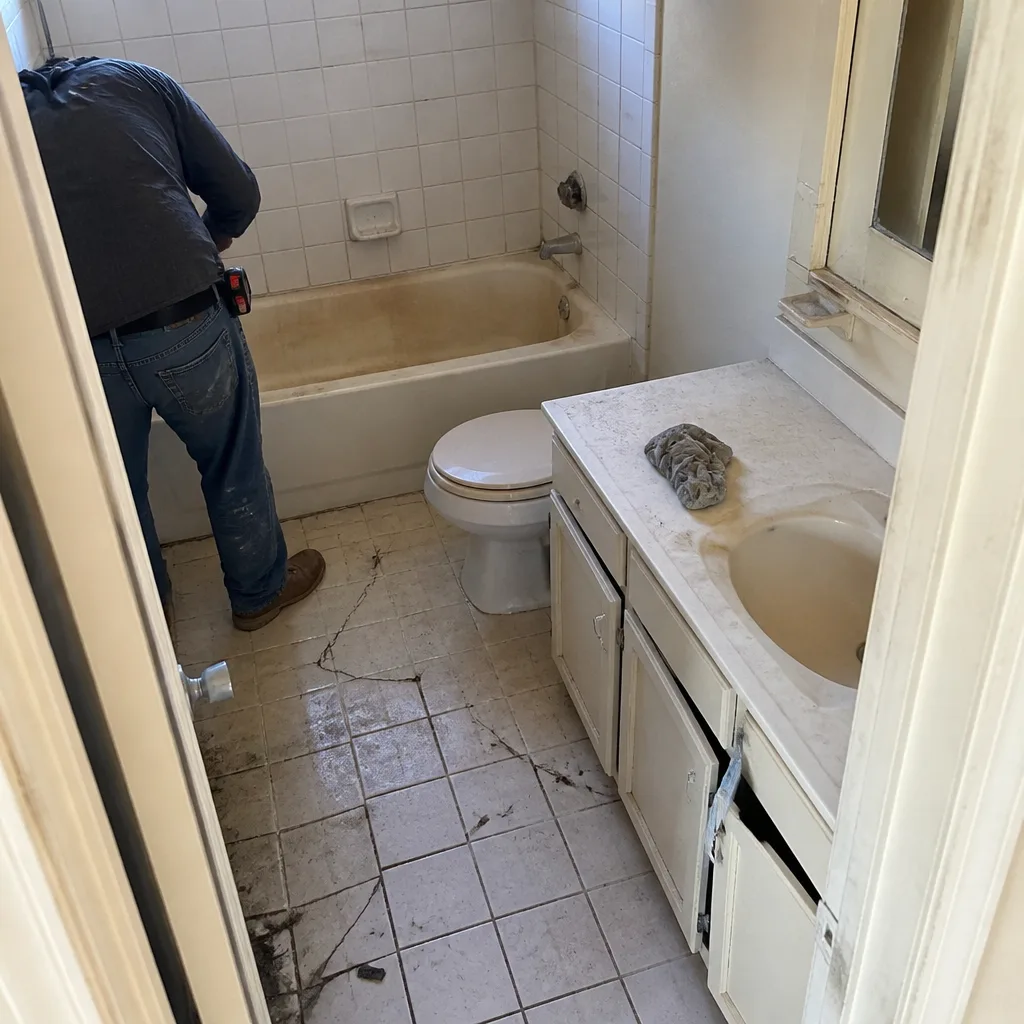 Before
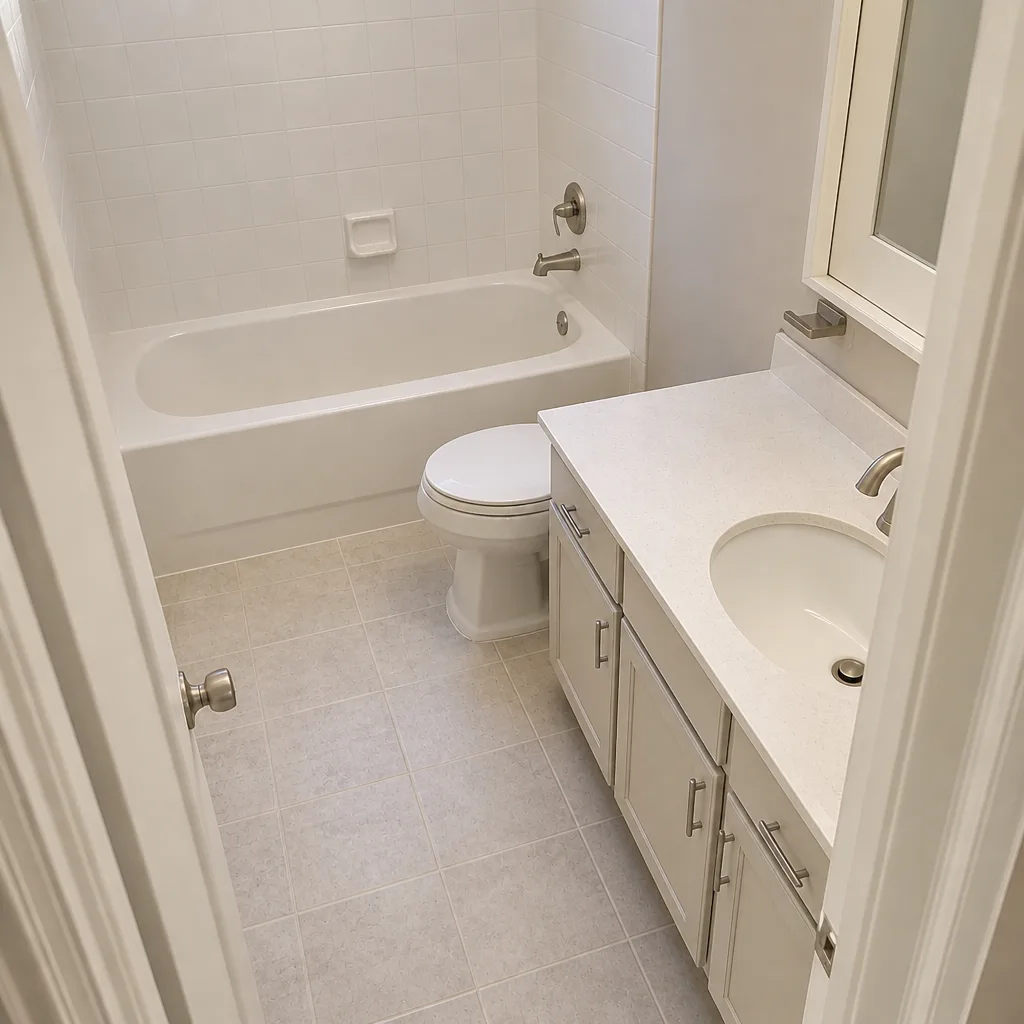 After
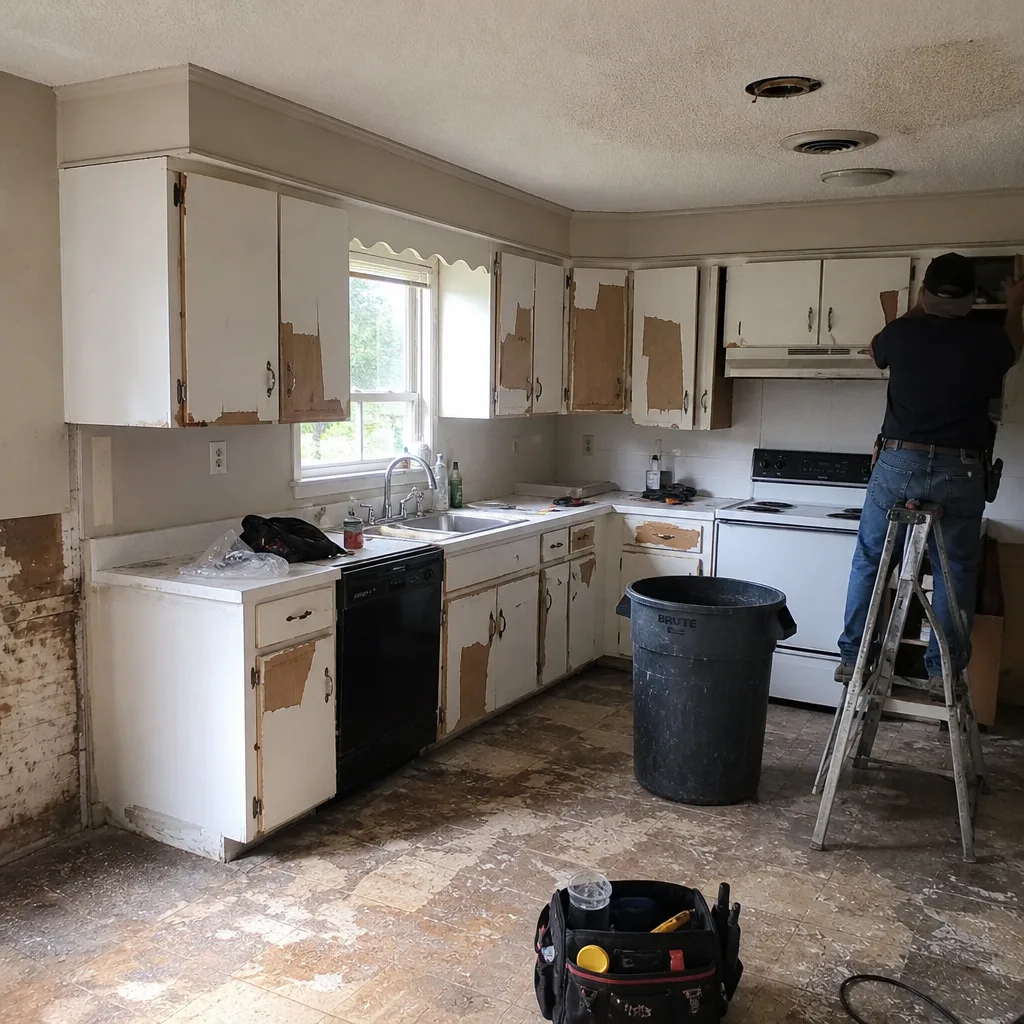 Before
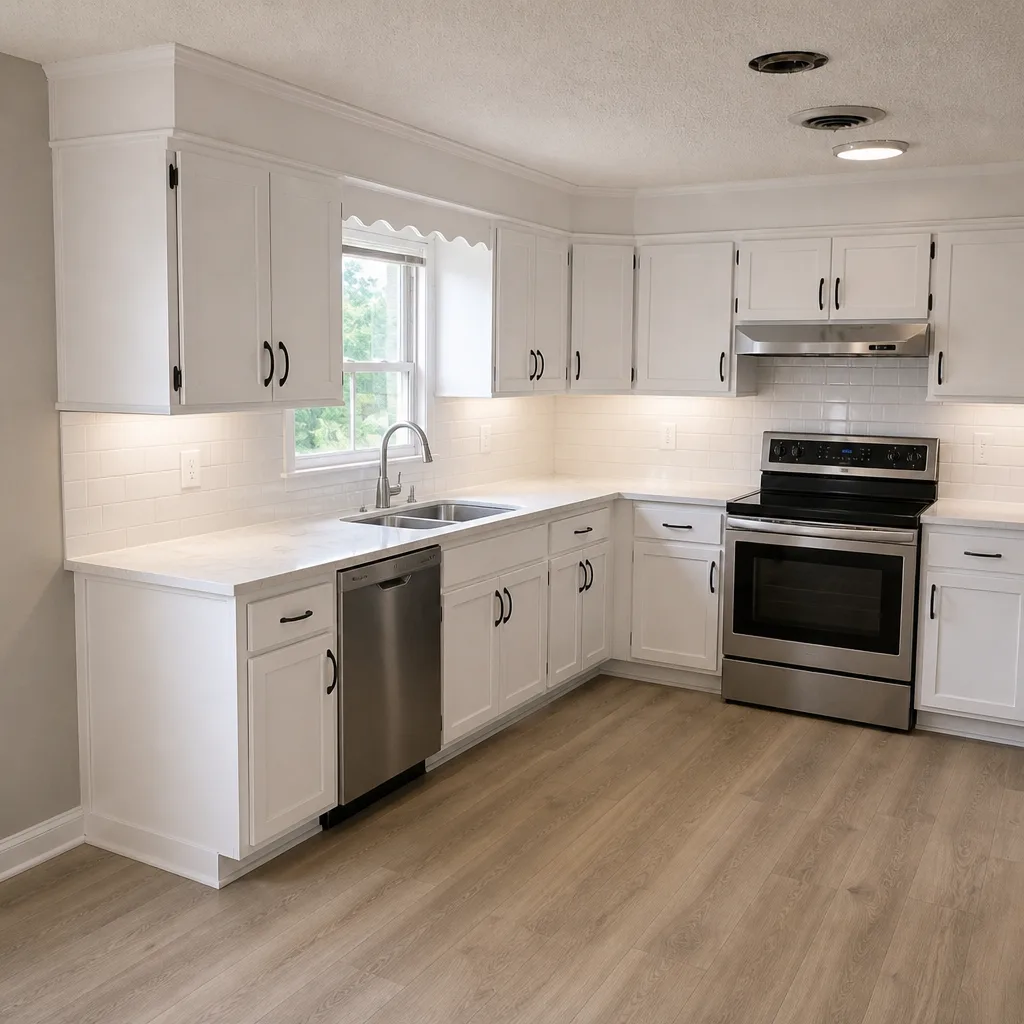 After
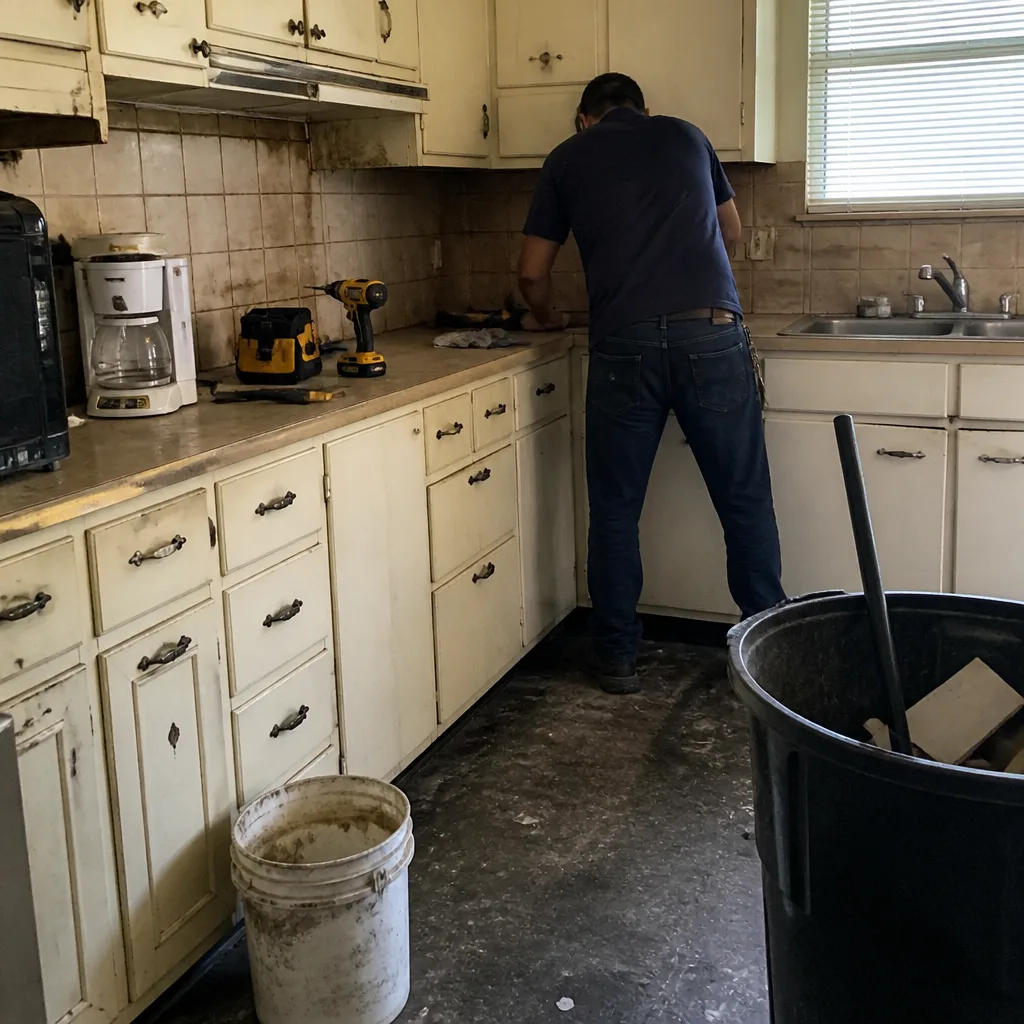 Before
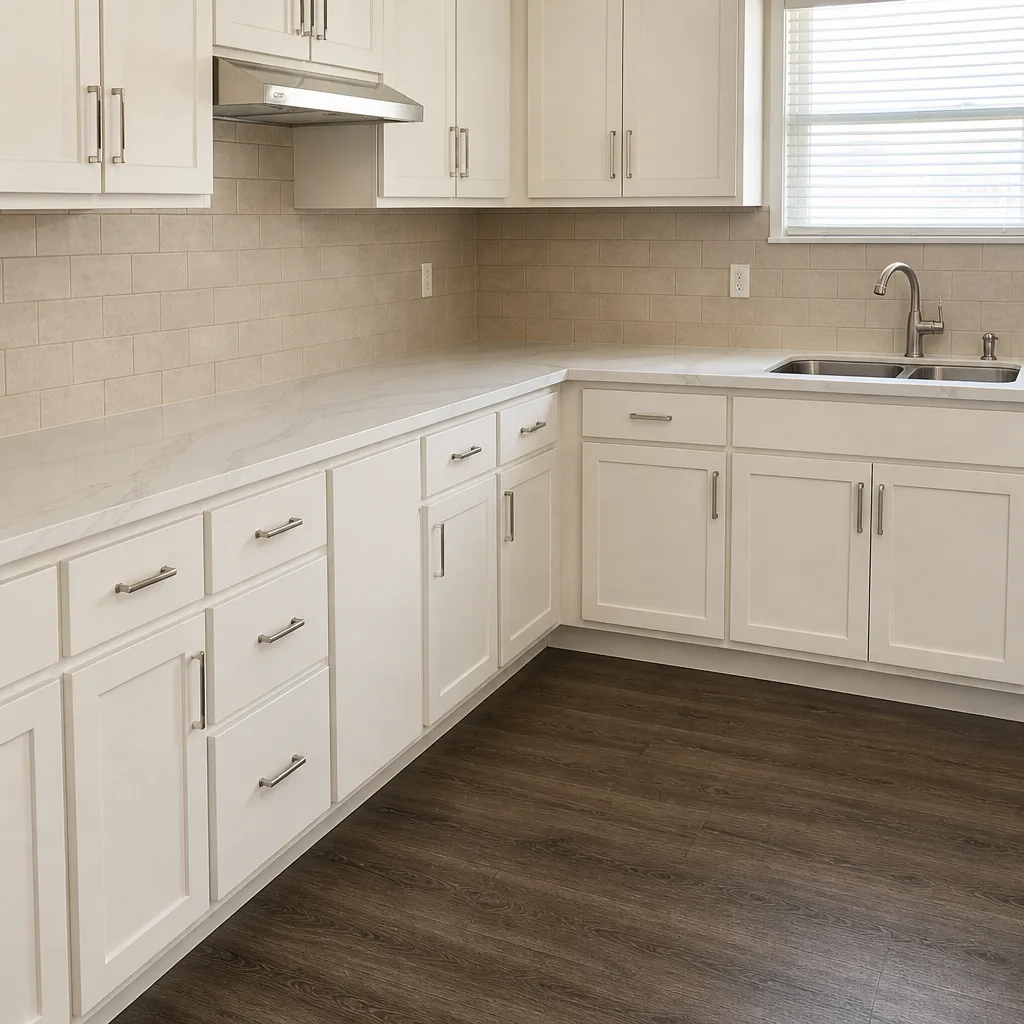 After
Double Hung vs Casement Windows in Allen, TX: Which Should You Choose?
Choose casement windows for any opening where air infiltration and long-term stability matter most, and stay with double hung where your Allen HOA or front elevation calls for it. In Allen’s 1990s brick-veneer subdivisions, that usually means a hybrid: matching double hung on the street-facing side and casements on the sides and rear. A single latch pulls a casement sash tight against its frame, so it leaks less air than a double hung, and it tolerates the seasonal foundation movement common to North Texas blackland clay far better than a sliding sash. Call (888) 343-9048 and we’ll walk your elevations with you.
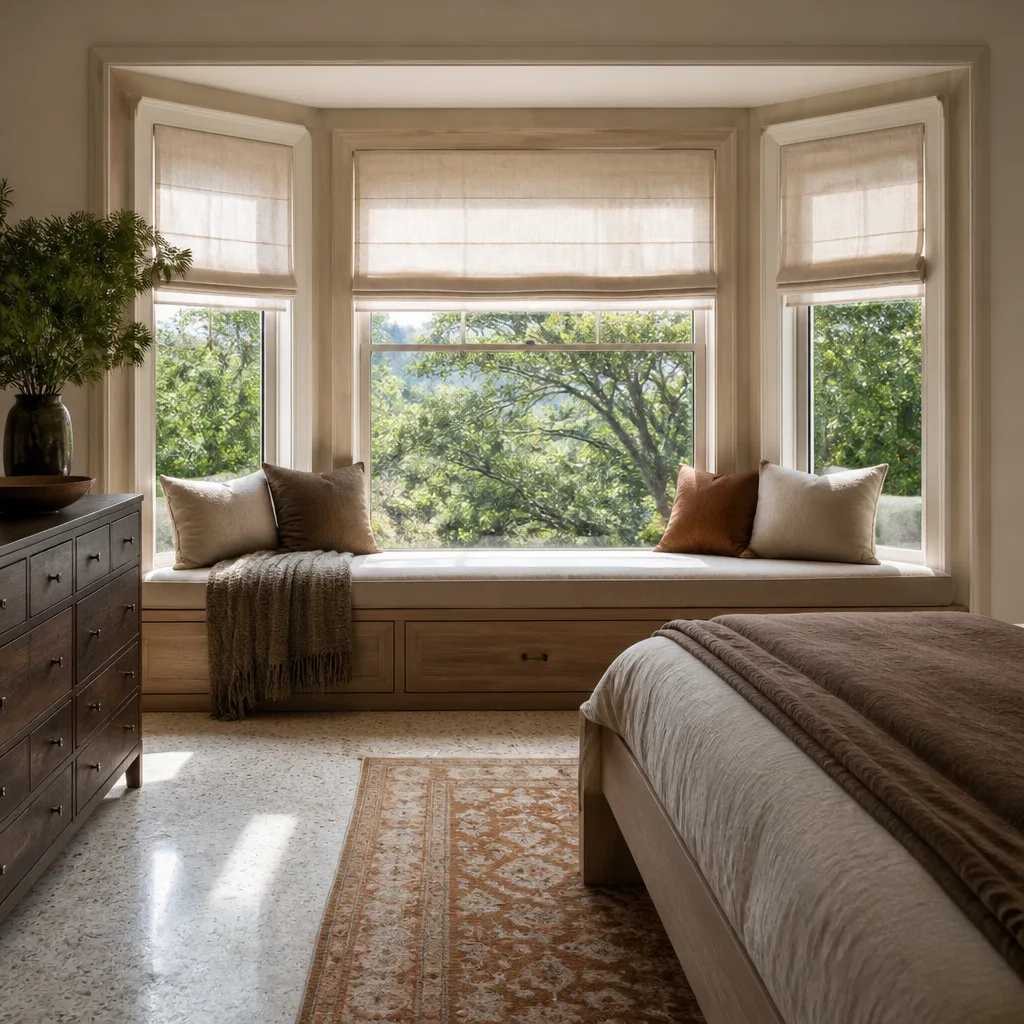
Why Allen Homes Got Double Hungs in the First Place
If your home sits in Bethany Ridge, Watters Crossing, or Twin Creeks, there’s a good chance the original windows went in around the same time the subdivision did, in the late 1990s and early 2000s. Builder-grade double hungs were the default because they matched the Tudor and traditional brick-veneer vocabulary of that era. They also went in cheap and fast, which is why so many of them are now fogged, drafty, or hard to open.
Allen was built out almost entirely in a single growth wave, so most of this city isn’t dealing with century-old houses. It’s dealing with second-generation renovation, and windows are right at the top of that list alongside rooflines and fences. That matters for one big reason: the original architectural guidelines in many Allen master-planned subdivisions are still on the books and still being enforced.
Casements Outperform Double Hungs on Air Infiltration
Here’s the honest engineering answer behind “double hung vs casement windows.” A casement closes like a door. The sash compresses a gasket against the frame at a single latch point, and that compression seals the entire perimeter. A double hung has to slide, which means it needs clearance in its tracks, and clearance means air can move. On air-leakage ratings, a well-built casement consistently beats a comparably built double hung.
In an Allen summer, when the AC runs ten or more hours a day for months, that gap has a real utility cost. It isn’t dramatic on one window. Spread across a full second-story replacement in a two-story traditional, it adds up to money on every electric bill.
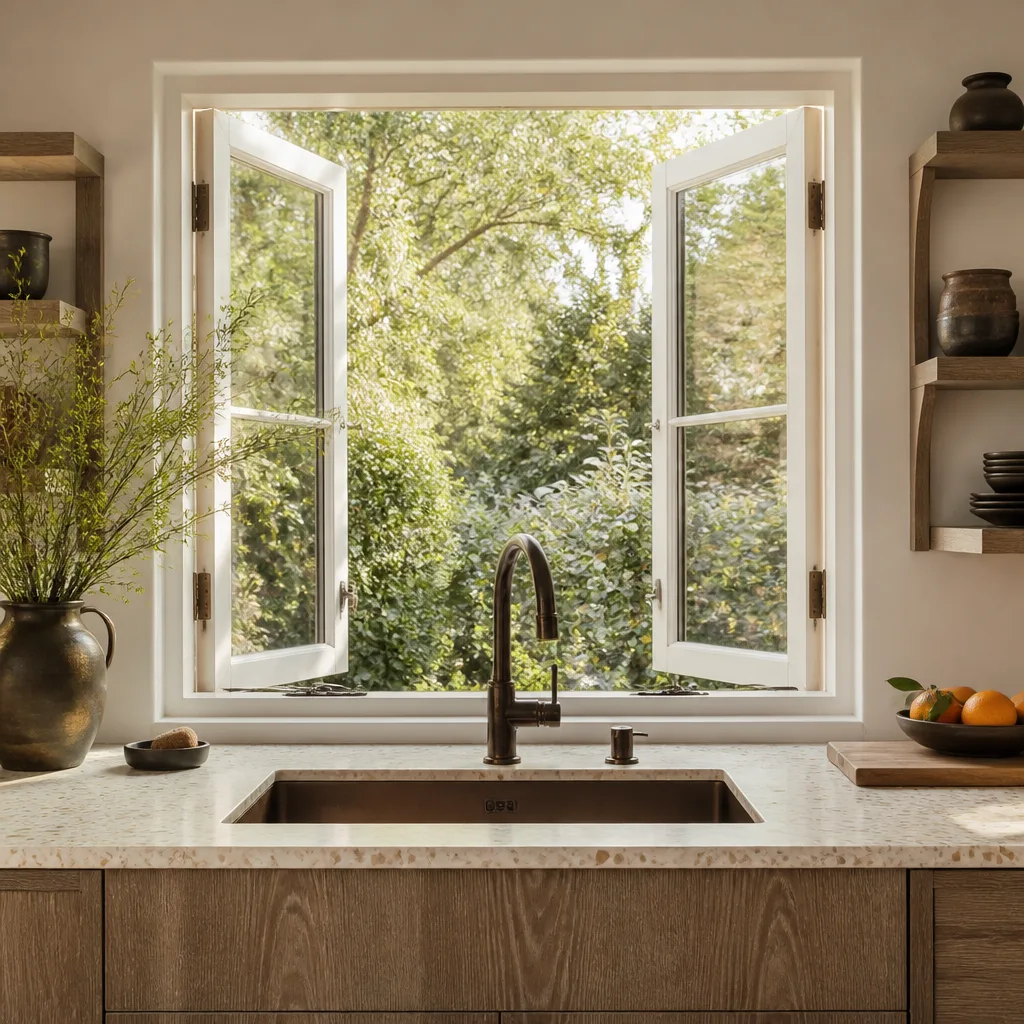
Where double hungs win: ventilation control and HOA fit. You can drop the top sash and pull cool air in from outside while the bottom sash vents warm air, without a screen blocking the flow. Casements swing out on a crank and catch cross breezes nicely, but they can’t be opened to a half-position the same way. That’s a genuine trade-off, and it’s why the right answer is often a mix.
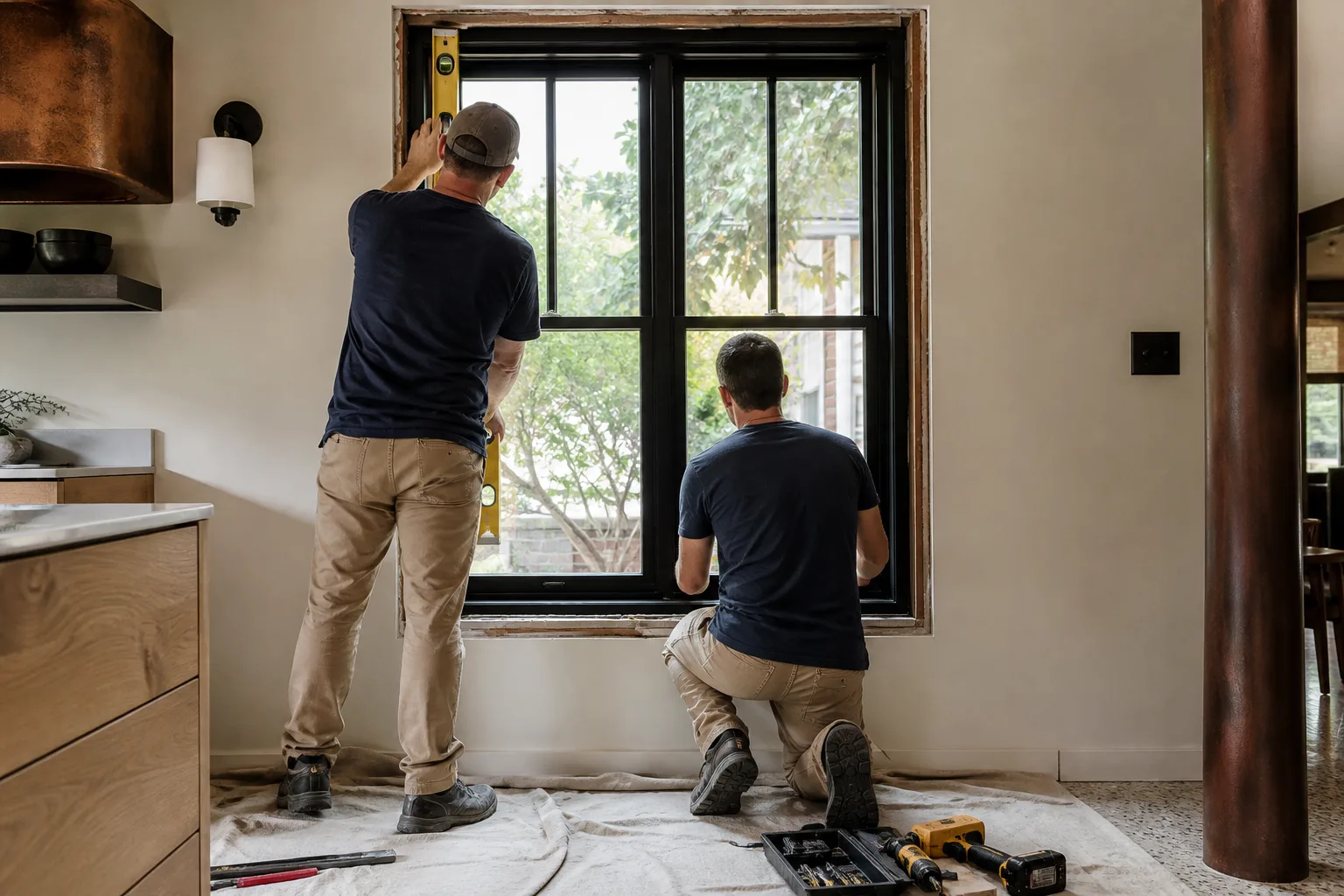
Clay Soil, Foundation Movement, and Why Sash Windows Fail
North Texas sits on expansive blackland clay, and Allen foundations move with the seasons. Wet springs and dry summers push and pull on the slab and the framing above it. A double hung window is a sliding assembly that depends on square tracks; when a frame racks even slightly, the sashes bind, stick, or stop sealing at the meeting rail. That’s the single most common reason older double hungs in Allen stop working before the glass ever fails.
A casement doesn’t care nearly as much. Its single-point latch system tolerates minor frame distortion, and there’s no track to get out of square. If your home has already shown foundation movement, this is one of the strongest arguments for casements on the sides and rear of the house.
The HOA Review Most Allen Homeowners Don’t See Coming
This is the part that surprises people. In many Allen subdivisions, switching a window’s style on the front or street-visible side of the home is a reviewable change under the community’s architectural guidelines. Those guidelines often call for “window style consistent with the original elevation.” A change you think is just a window upgrade can get denied at architectural review, and if a crew installs it without submitting, the violation notice shows up after the fact.
Two things have to happen before work starts in most of these communities: the HOA architectural review committee (ARC) sign-off and the city permit. Groundwork’s background-checked, uniformed crews pull the city permit and handle the ARC submission as part of the project, so you aren’t left chasing a denial or a violation on your own. An out-of-town crew that skips the ARC step is how homeowners end up in that mess.
The Practical Hybrid: Match the Front, Upgrade the Rest
Andersen 400 Series offers both configurations in matching exterior profiles, which solves the HOA problem neatly. Replace the front-elevation double hungs with like-for-like in the same profile, and spec casements on the side and rear windows where the exterior doesn’t need to read the same from the street. The home’s curb appearance stays consistent, and you capture the airtight performance where it counts most on long summer afternoons.
Double Hung vs Casement Windows at a Glance
| Factor | Double Hung | Casement |
|---|---|---|
| Air infiltration | Higher; sashes slide in tracks | Lower; sash compresses a gasket at the frame |
| Foundation movement tolerance | Poor; racked frames cause binding | Good; single-point latch tolerates minor distortion |
| HOA elevation match | Matches original Allen builder-grade elevation | May need ARC review on front/street side |
| Ventilation control | Both sashes open; flexible control | Crank-operated; catches cross breezes |
| Best placement in Allen | Front and street-visible side | Sides, rear, and any sticking-sash locations |
What Window Replacement Costs in Allen
Allen window replacement in this housing stock typically runs $4,500-$15,000 depending on count and glass package. Casements are often modestly more per unit than double hungs because of the hardware and crank mechanism. Impact-rated glass, if you want it for the hail-prone spring season, pushes that to the $8,000-$25,000 range.
- Standard window replacement: $4,500-$15,000
- Impact window installation: $8,000-$25,000
- Hybrid re-glaze (match front, upgrade rear/sides): comparison quote to a full like-for-like spec
Here’s why Groundwork gives you a number and sticks to it: upfront pricing, no surprises. Pricing is set before the crew arrives, and the project carries the 730-Day Done Right Promise. If it’s not done right, we make it right. If you’re curious how window replacement fits alongside roofing on the same home, see our roofing services, and for how it interacts with a budget remodel, the kitchen remodeling page shows the same scope planning.
How to Make Your Decision
- Walk the front elevation first. If it’s street-visible and the HOA has an architectural standard, assume it needs a review before you swap styles.
- Notice which windows stick. Any double hung that binds is signaling frame racking, and casement is the better long-term call at that opening.
- Figure out where the sun lands. The long afternoon exposure in Allen drives the infiltration argument more than any other spot in the house.
- Decide whether the look has to stay uniform. If your HOA notes a strict elevation, match the profile; if not, mix freely.
We build to your elevation and your budget, not to a sales target. If you’re considering windows as part of a larger opening-up project, our Windows & Doors team can spec the whole scope, and the Allen service area page has the background on how we work this market. For homeowners in neighboring communities, our McKinney, Frisco, and Plano pages show the same approach in each market.
FAQs
Casement windows are better where air leakage and foundation movement are the concerns, which they are in most of Allen’s clay-soil neighborhoods, but double hung windows should stay on the front elevation if your HOA architectural guidelines call for a consistent look. The hybrid approach solves both: match the street side, upgrade the rear and sides to casements. Call (888) 343-9048 for a free estimate that spells out both.
In many of Allen’s master-planned subdivisions, yes: switching window styles on the front or street-visible side is a reviewable architectural change and can be denied. That’s why we submit the ARC paperwork and pull the city permit before the first window comes out. Call (888) 343-9048 to have your elevation reviewed.
Yes, because a casement compresses a gasket against the frame at a single latch point while a double hung has to slide in tracks with clearance. In Allen’s long summer, that gap shows up on the electric bill. Call (888) 343-9048 if you want a comparison quote for both configurations on the same openings.
Often yes: a racked frame binds a double hung sash, while a casement’s single-point latch tolerates minor distortion and keeps sealing. That’s one of the strongest reasons we recommend casements on the sides and rear. Call (888) 343-9048 and we’ll look at the sticking windows with you.
If you’d rather have it looked at, Groundwork Construction Co. of Allen offers a no-pressure assessment in Allen. We’ll review your elevations, flag any HOA review, and quote both the like-for-like and hybrid approach. Financing at 0% for 18 months and $1,000 off projects over $10,000 are available. Call (888) 343-9048.
Written by the team at Groundwork Construction Co. of Allen, serving Allen, TX.