Free written scope consultation - allowances, timeline, and change-order rules on paper before a single trade is scheduled
Styles & brands we work with
- Kitchen remodeling
- Bathroom remodeling
- Home additions & ADU
- Roofing
- Windows & doors
- Driveway & pavers
- Fence
See the difference
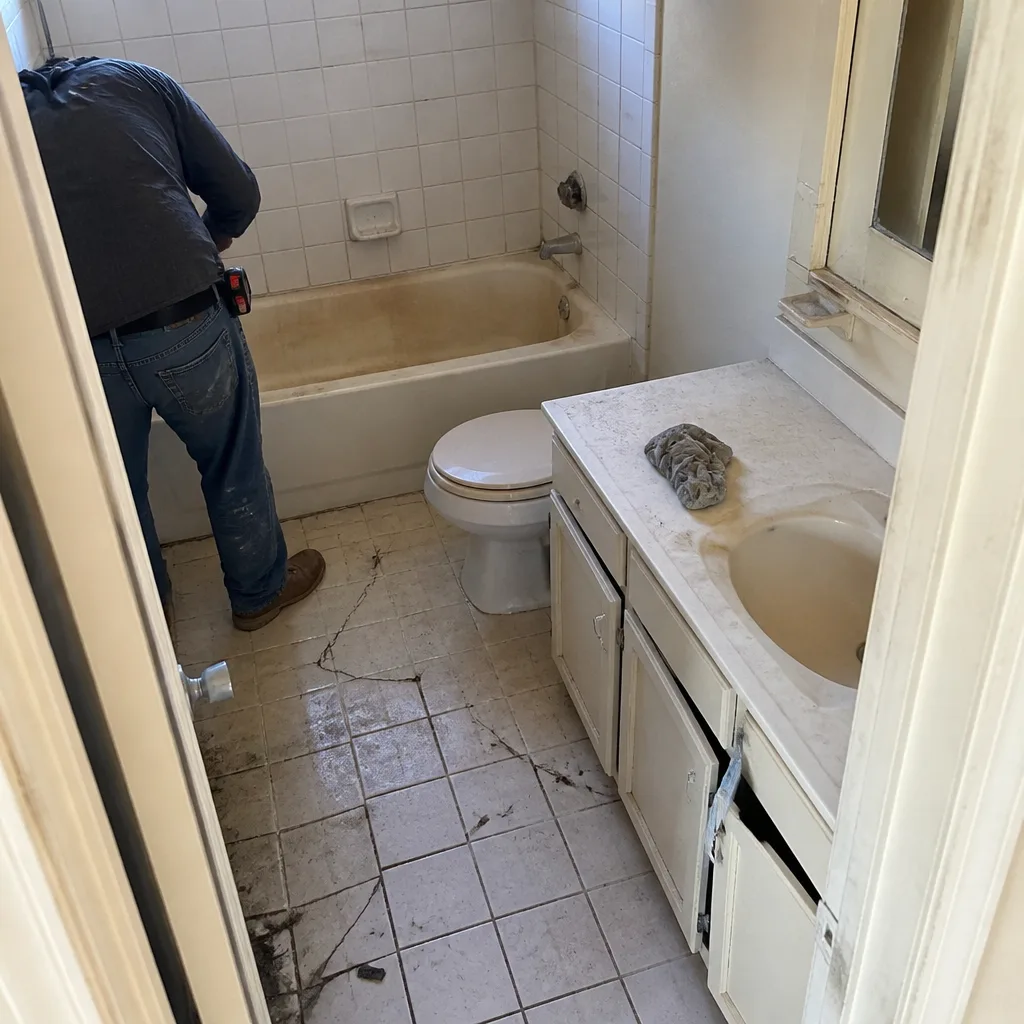 Before
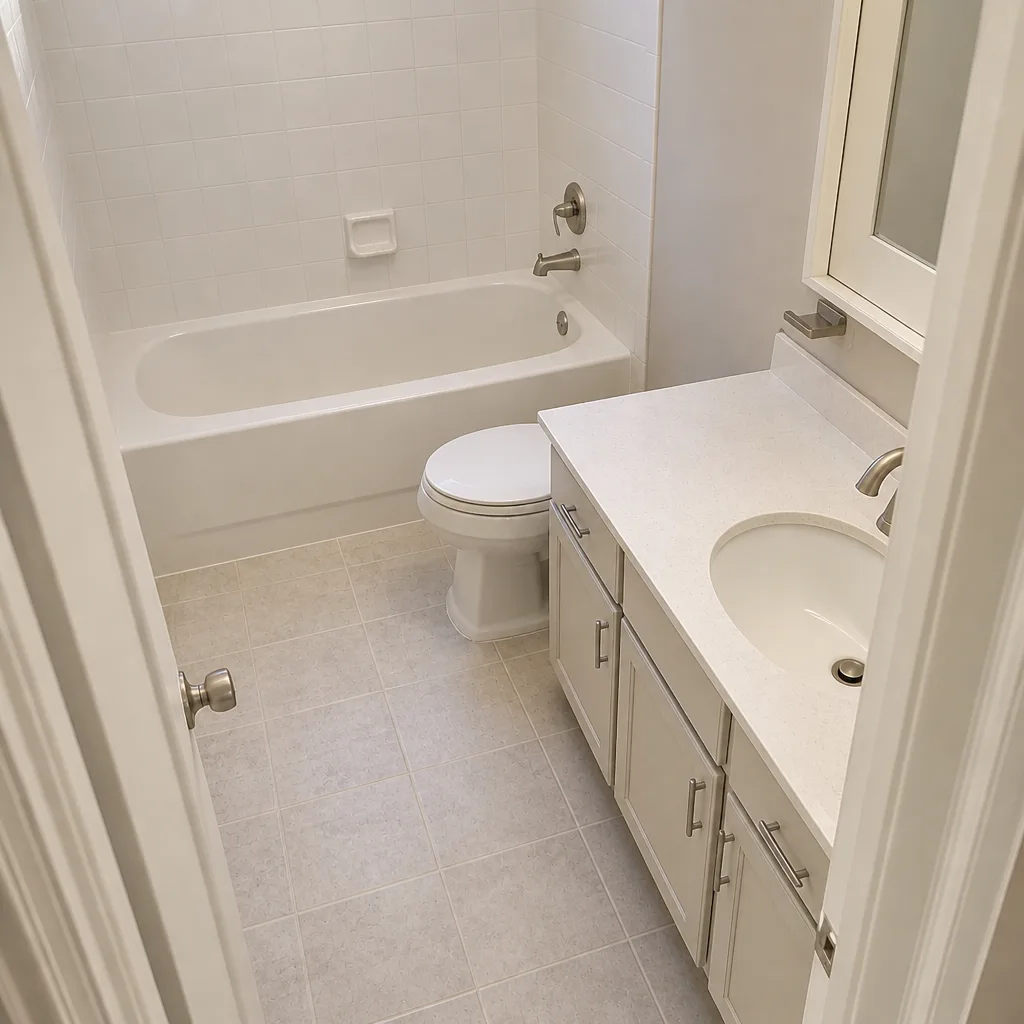 After
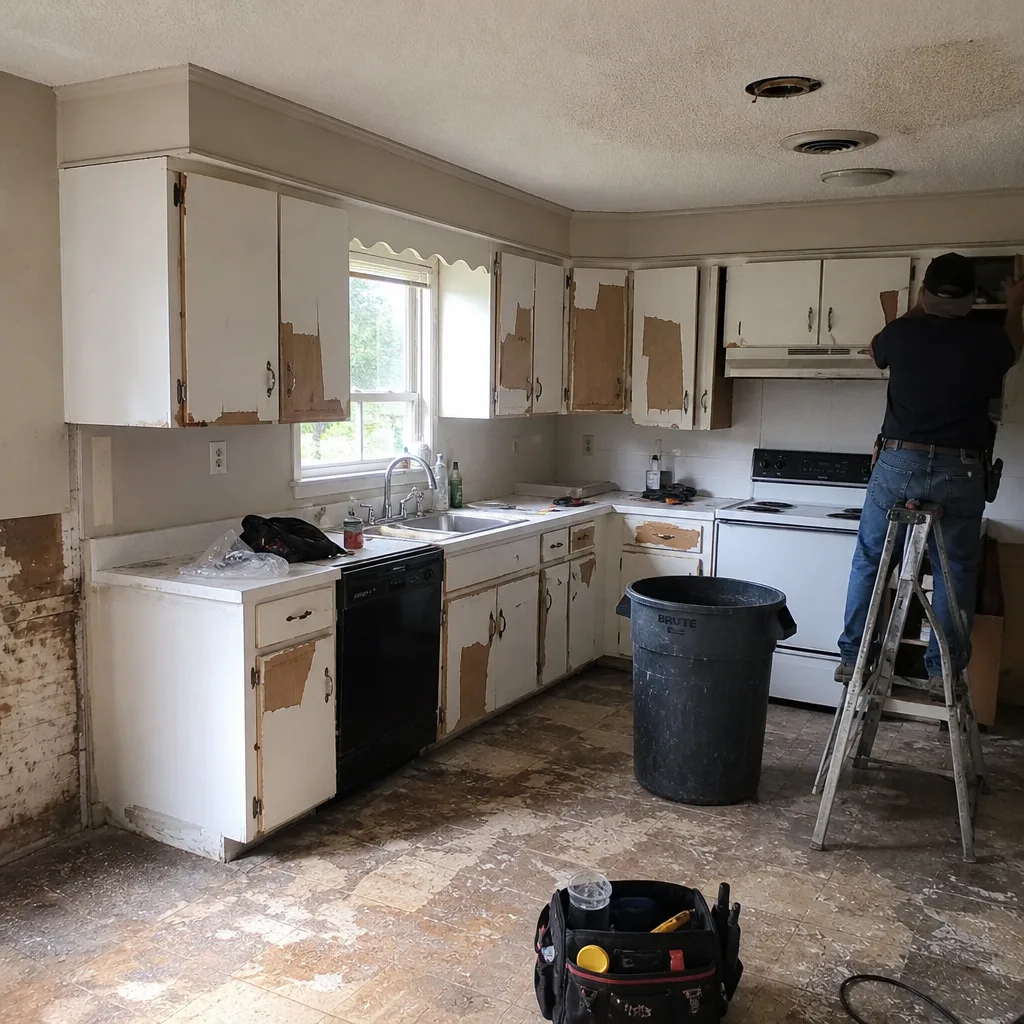 Before
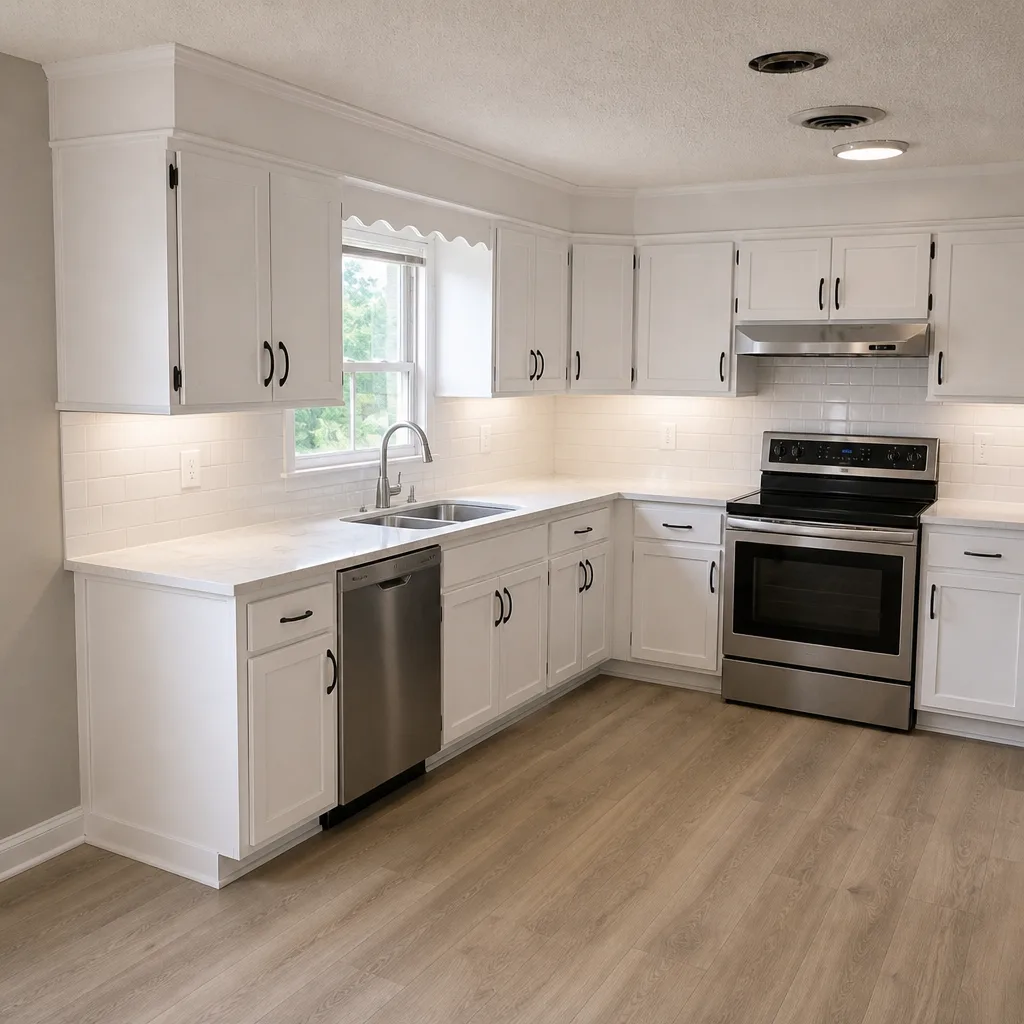 After
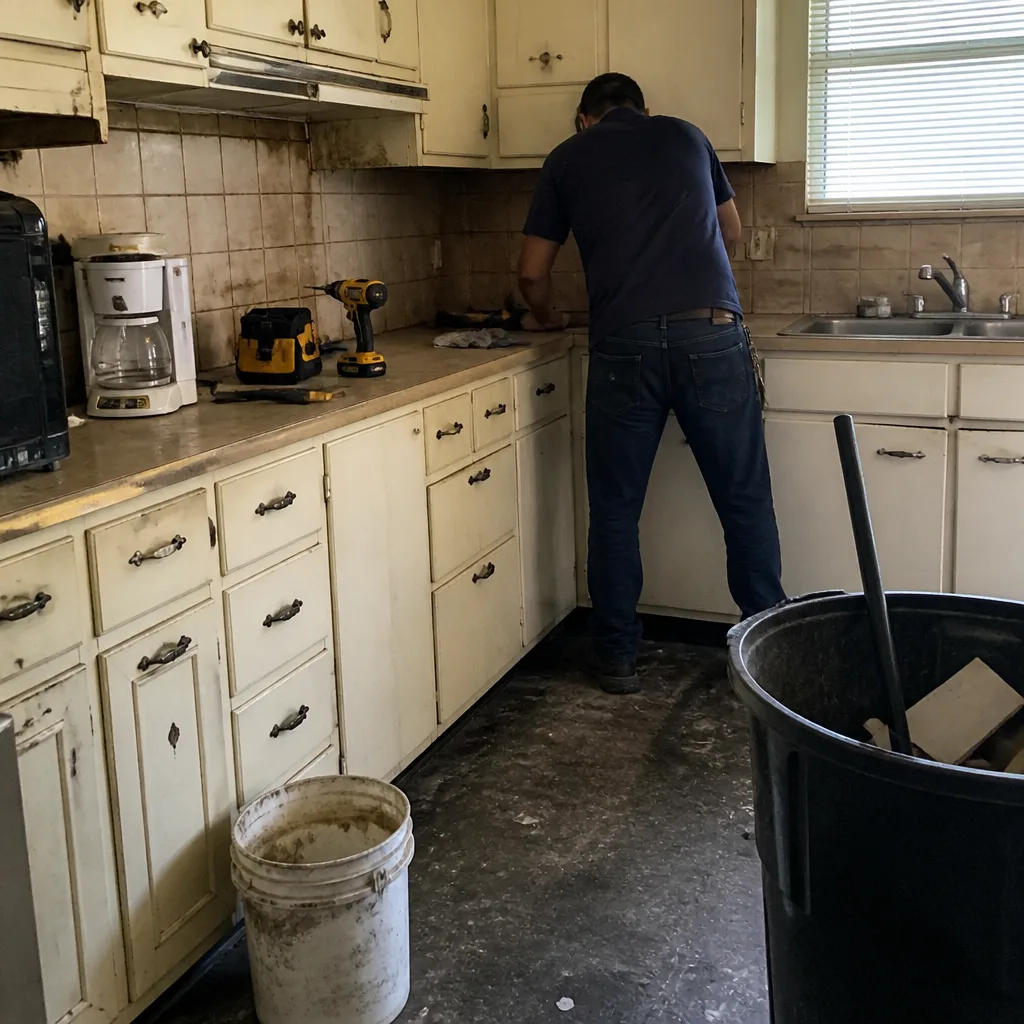 Before
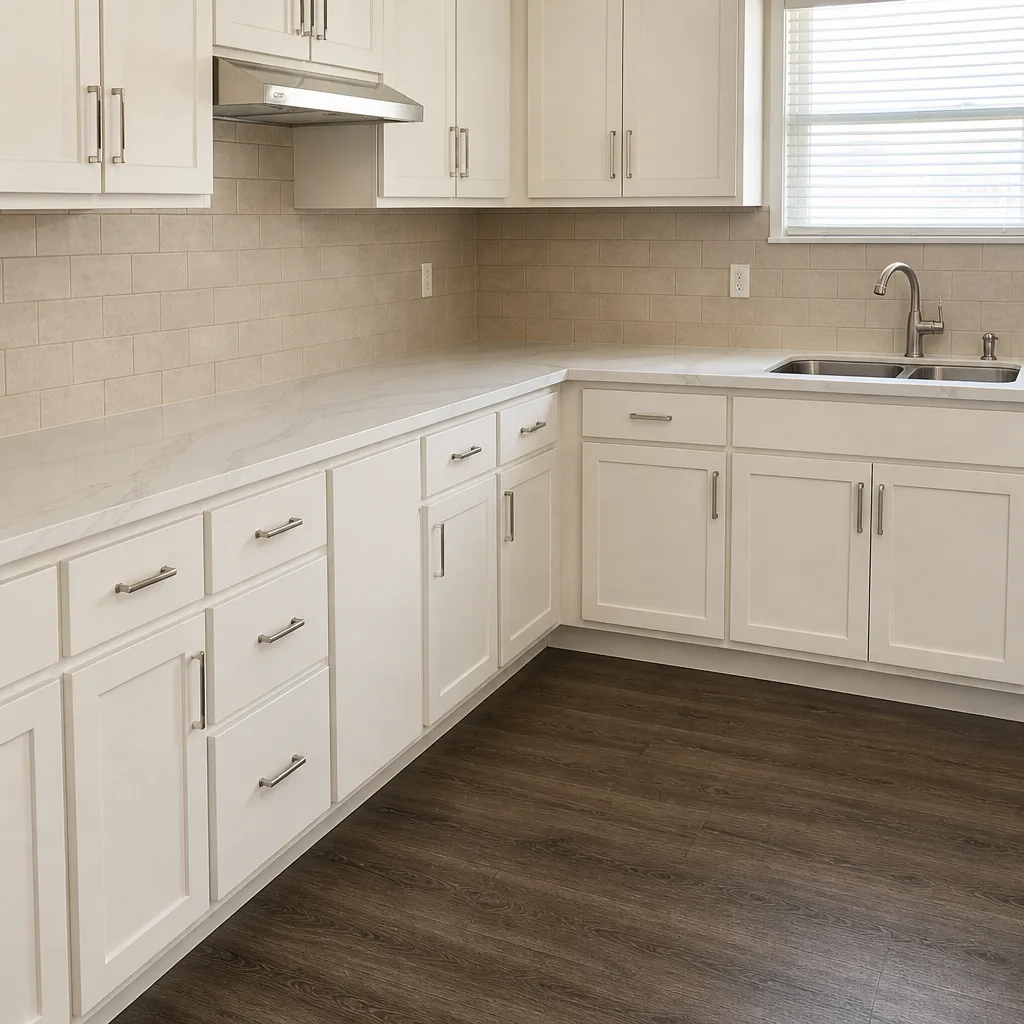 After
What Is Low-E Glass? A Straight Answer for Allen, TX Homeowners
Low-E glass is ordinary window glass with an invisible, microscopically thin metallic oxide coating that reflects heat energy while letting visible light pass through. That coating is what keeps summer heat outside and winter warmth inside. But here’s the part most window pages skip: not all low-E is built for Texas. The coating type matters as much as whether the glass has it at all, and the wrong low-E on an Allen south- or west-facing window can actually work against you. If you’re weighing a window swap, our Windows & Doors team can walk you through the right spec for your house. Call (888) 343-9048 for a free estimate.
Key Takeaways
- Low-E is a reflective coating on glass, not a tint or a film.
- Two kinds exist: passive low-E (admits solar heat) and solar-control low-E (blocks it). Allen needs solar-control.
- Allen sits in IECC Climate Zone 2, which is a cooling-dominated climate. Most big-box window inventory is set up for Zones 4 and 5.
- Your first number to check is SHGC, not U-factor.
- Homes built here in the 1990s and 2000s often have no low-E or a degraded first-generation hard coat.
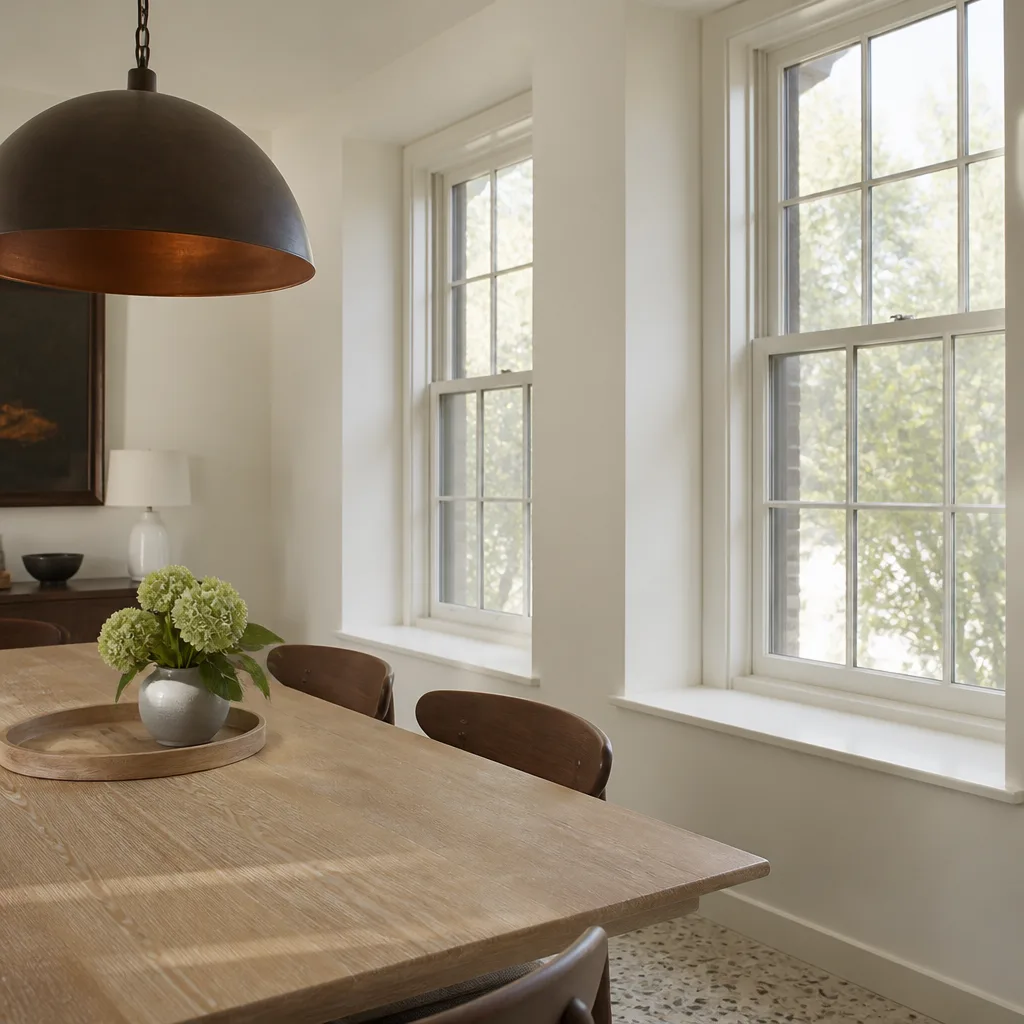
There Are Two Kinds of Low-E, and Only One Belongs on an Allen Window
This is where the conversation usually goes sideways. A homeowner walks into a showroom, sees “low-E” on the sticker, and assumes the job is done. It isn’t. Low-E coatings split into two families, and they do opposite things.
Passive low-E has a high solar heat gain coefficient (SHGC), meaning it lets solar heat through on purpose. That’s a feature in Minneapolis. In Allen it’s a liability. It’s designed to capture free winter sun in a heating-dominated climate, so your furnace runs less. In North Texas, where cooling season runs from April into October, you’re paying to remove heat that passive glass just let in.
Solar-control low-E carries a low SHGC. It reflects solar heat back outside before it becomes an air-conditioning load. This is the coating specified for Climate Zone 2, which is where Allen sits under the International Energy Conservation Code. Manufacturers set their default glass packages for the middle of the country and the north, not for Collin County. That’s the mismatch.
The practical result: a passive low-E window on the west wall of a Twin Creeks two-story will run hot in August, and it barely helps your winter bill because North Texas winters are short and mild. You paid for a coating that’s working against the climate it’s installed in.
Where the Coating Sits Inside the Glass, and Why It Matters Here
An insulating glass unit is two panes with a sealed argon or krypton gap between them. The four glass surfaces are numbered from the outside in: surface 1 is the exterior face of the outer pane, surface 4 is the interior face of the inner pane. Low-E goes on surface 2 or surface 3.
- Surface 2 (inside face of the outer pane) is the standard position for solar-control low-E in hot climates. The coating intercepts solar energy before it crosses the gap, and the sealed cavity absorbs the rest. This is what you want facing south and west in Allen.
- Surface 3 (room-side face of the inner pane) is common for passive low-E and for cold-climate assemblies where the goal is keeping interior heat from escaping. It’s also used in some solar-control builds with a different coating chemistry.
You won’t see this on a sticker at a big-box store, and that’s the point. The position changes how the unit performs in a Texas summer. Ask the question. A window professional who can’t tell you which surface the coating is on probably doesn’t know which climate zone the glass was tuned for.
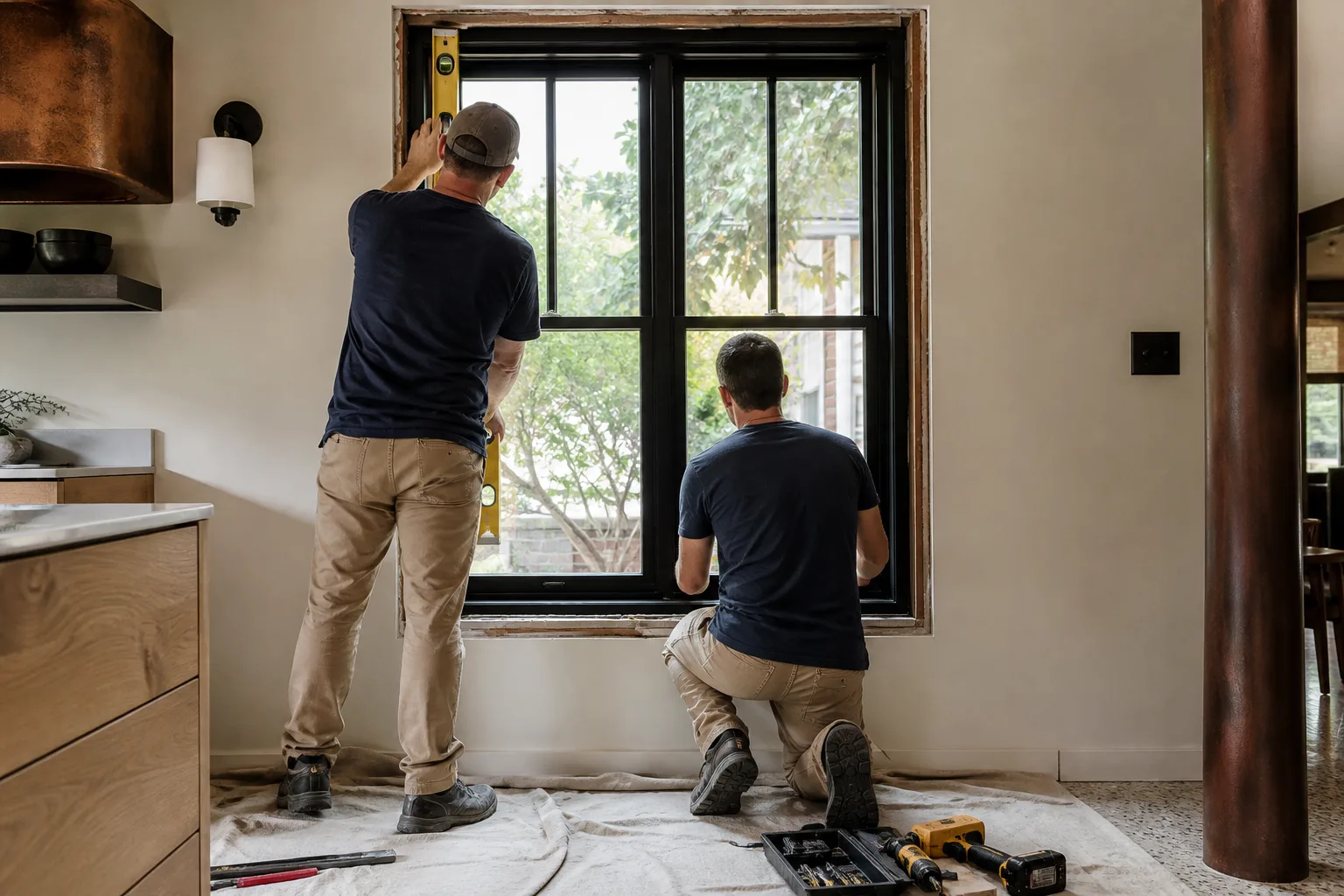
Andersen and Marvin Low-E Options We Specify for Allen Homes
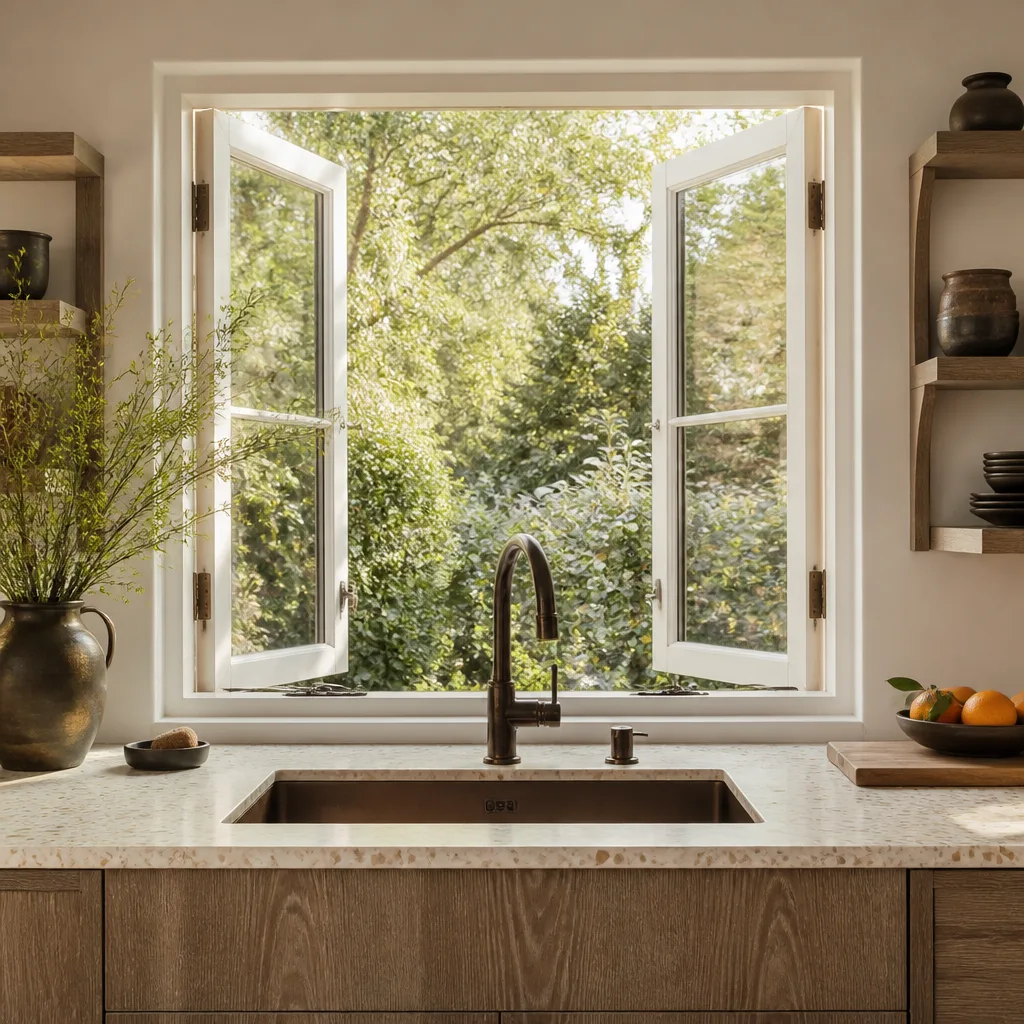
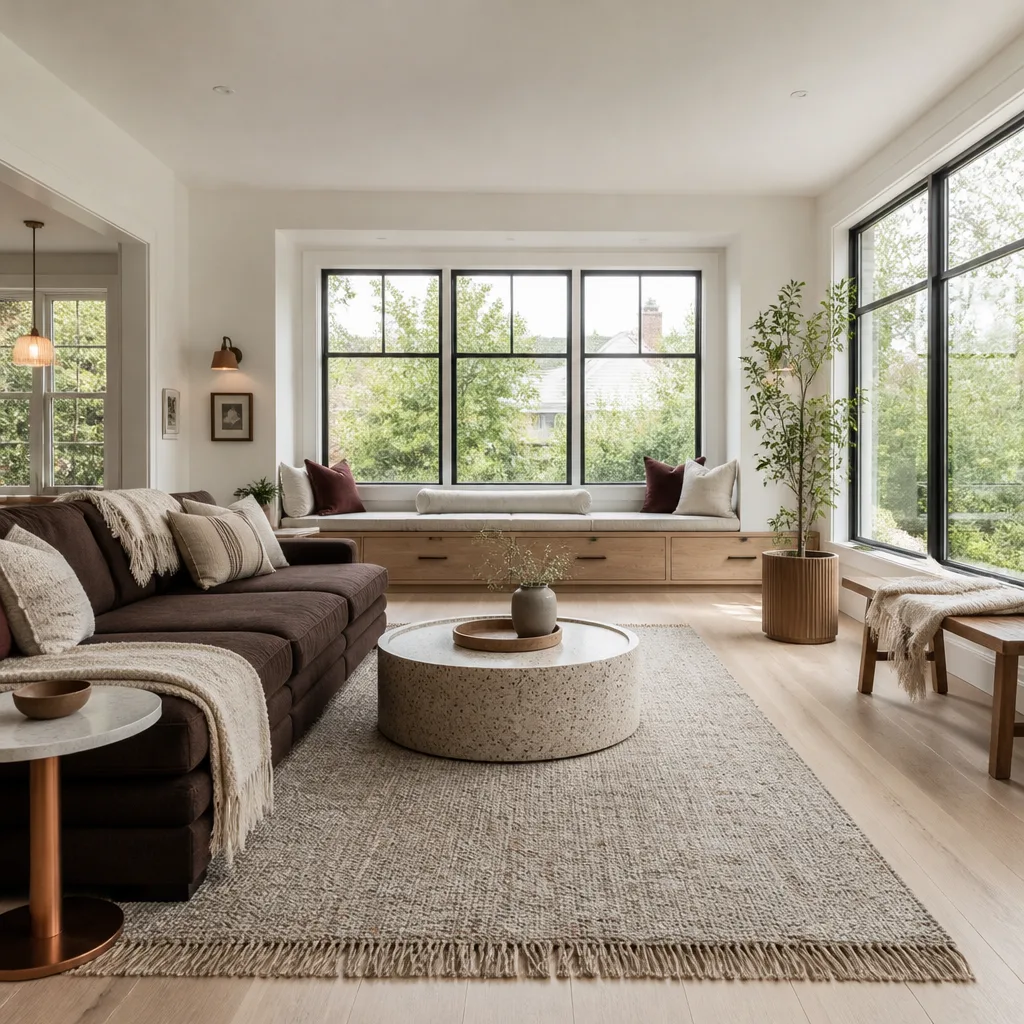
Groundwork Construction Co. of Allen works with a curated set of window and door brands, and the low-E product lines differ enough that the choice matters. Andersen’s standard Low-E and Low-E SmartSun glass are two very different animals: SmartSun is the solar-control option, with a meaningfully lower SHGC than standard Low-E, and it’s the one we lean toward for Allen’s sun-facing exposures. Marvin offers a comparable split between its standard and solar-control coatings. Neither brand labels a box “Zone 2,” so the work is reading the spec sheet and matching it to the elevation. If your west-facing great room is the hot spot, that’s where solar-control glass earns its cost.
| Window Project in Allen | Typical Range |
|---|---|
| Window replacement (whole home) | $4,500-$15,000 |
| Impact window installation | $8,000-$25,000 |
| Roof replacement (often paired with window work) | $8,000-$20,000 |
Builder-Grade Reality: What’s Actually in Allen’s 1990s-Era Windows
Allen grew up fast. Watters Crossing, Bethany Ridge, and the neighborhoods around them were largely built out in one 1990s-to-2000s wave, which means the original windows in those homes are now 25 to 30 years old. A lot of them shipped with no low-E at all. Others got first-generation hard-coat low-E, which was applied to the glass at the factory and has spent three decades in Texas sun, hail, and temperature swings. Hard coats don’t fail all at once. They degrade, seal failures creep in, and the fogging between panes becomes the visible symptom of a unit that stopped performing years earlier.
When an Allen homeowner replaces those windows today, they aren’t just swapping a unit. They’re jumping 25 to 30 years of glass technology in one step. A current solar-control low-E insulating unit with an argon fill outperforms a 1995 builder-grade window on every measure that matters: summer heat rejection, winter heat retention, UV fade protection, and sound. That’s the upgrade. Frame it that way and the price makes sense.
One local wrinkle worth knowing: Allen’s HOA subdivisions across the master-planned communities here frequently require architectural-review pre-approval before you change window style, grid pattern, or exterior color. That’s separate from the city permit, and it’s a step crews from other towns routinely skip. We handle it, because a redone window that violates the HOA is a problem you didn’t need.
What to Ask When You Shop Low-E Windows for an Allen Home
- Ask for the SHGC rating first. Solar heat gain coefficient is the number that determines how much summer heat the glass lets in. Lower is better in Allen. Don’t accept “it has low-E” as an answer to this question.
- Ask for the U-factor second. U-factor measures how well the unit holds interior heat in winter. It matters, but in a cooling-dominated climate it’s the secondary number, not the headline.
- Confirm the product is specified for Climate Zone 2. Not Zone 4 or 5, which is where most manufacturers set their default glass packages.
- Ask which surface the coating is on. Surface 2 is the solar-control position for hot climates.
- Ask whether the price includes HOA architectural review support. In Allen, that’s not a formality.
The good news is you don’t have to figure out the spec sheet alone. You can compare notes with a team that’s pulled hundreds of these windows out of Collin County homes and put modern ones back in. You can also read more about how we approach the broader Allen service area, or start at our home page to see the full scope of what we build and replace.
FAQs
Low-E glass has a thin reflective coating that blocks heat transfer while letting light through, and yes, it’s worth it in Allen because the cooling season here is long and the wrong glass drives up AC costs. Solar-control low-E is the right type for a cooling-dominated climate, not passive low-E.
Passive low-E has a high SHGC and lets solar heat in, which helps in cold climates, while solar-control low-E has a low SHGC and reflects heat out, which is what you want in North Texas. Allen falls in Climate Zone 2, so solar-control is the correct spec. Call (888) 343-9048 and we’ll tell you which glass your window actually needs.
Window replacement in Allen typically runs $4,500-$15,000 for a whole home, and impact window installation runs $8,000-$25,000. The low-E spec itself isn’t a surcharge line so much as a glass package choice within those ranges. Estimates are free, and we’ll break down the SHGC and U-factor on the actual units quoted.
Because the original units are now 25 to 30 years old and many shipped with no low-E or a first-generation hard coat that has degraded under Texas sun and hail. Seal failures and fogging are the visible signs, but the performance loss started years before. Most Allen homeowners are replacing builder-grade windows from one growth wave, not patching an isolated failure.
Get an Exact Quote for Your Allen Home
If you’d rather have your windows looked at than decode a spec sheet, Groundwork Construction Co. of Allen offers a no-pressure assessment in Allen. We’ll check the glass, confirm the SHGC and U-factor on the quotes, and flag any HOA review you’ll need. Call (888) 343-9048 to schedule a free estimate.
Written by the team at Groundwork Construction Co. of Allen, serving Allen, TX.