

Free written scope consultation - allowances, timeline, and change-order rules on paper before a single trade is scheduled
Styles & brands we work with
- Kitchen remodeling
- Bathroom remodeling
- Home additions & ADU
- Roofing
- Windows & doors
- Driveway & pavers
- Fence
See the difference
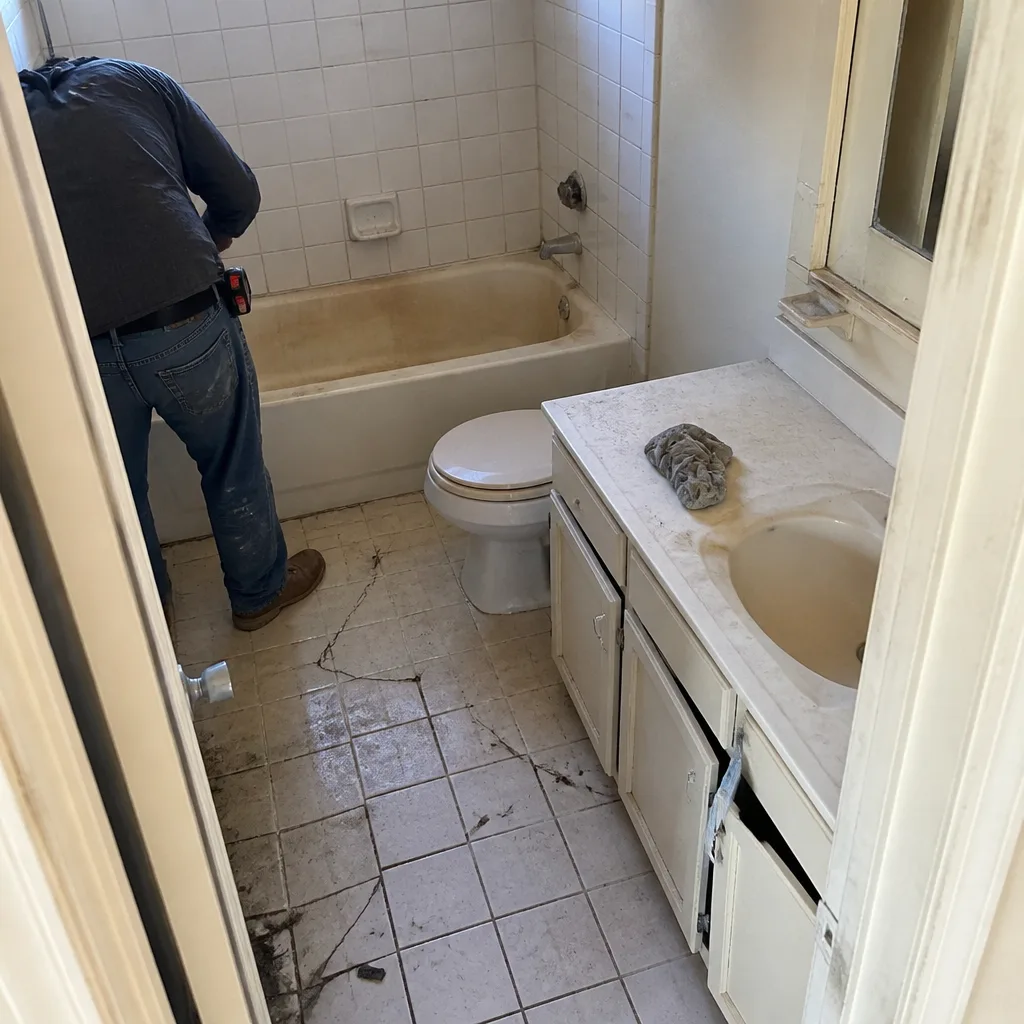 Before
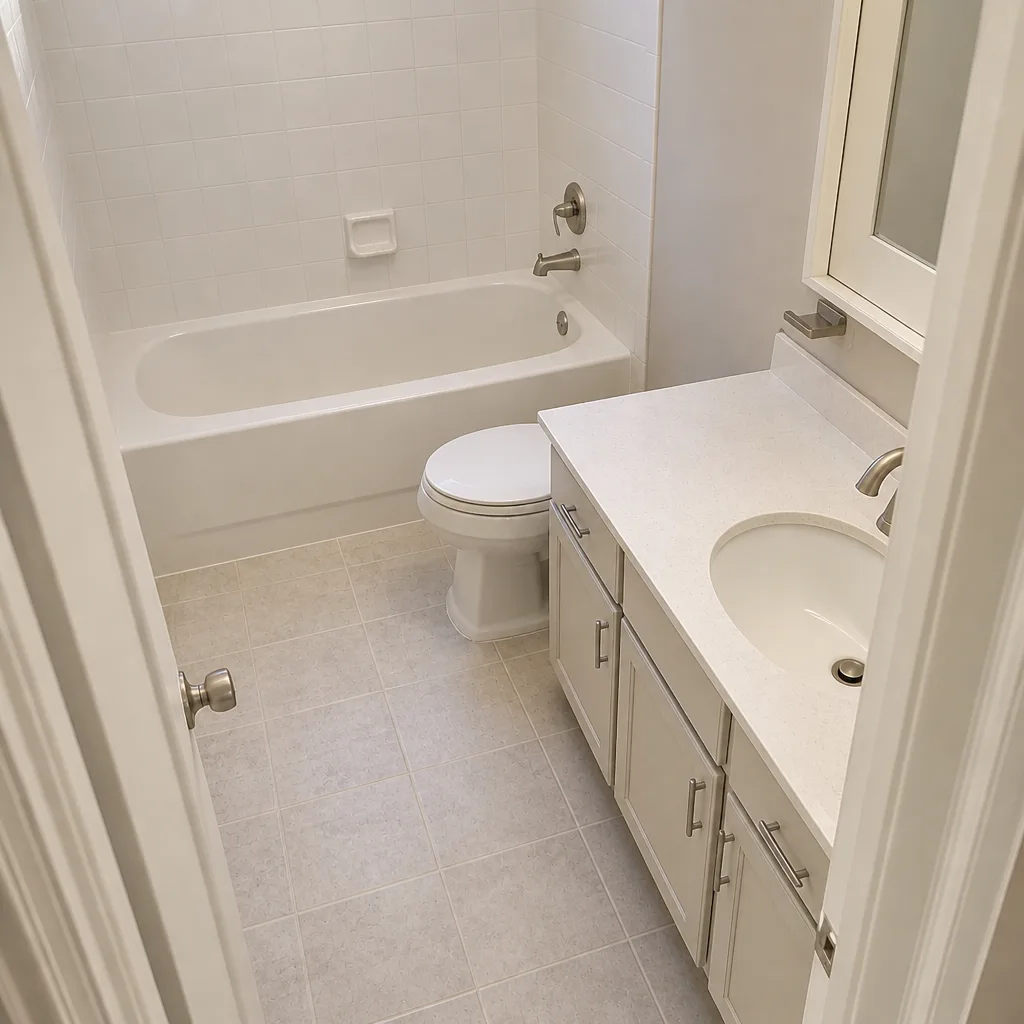 After
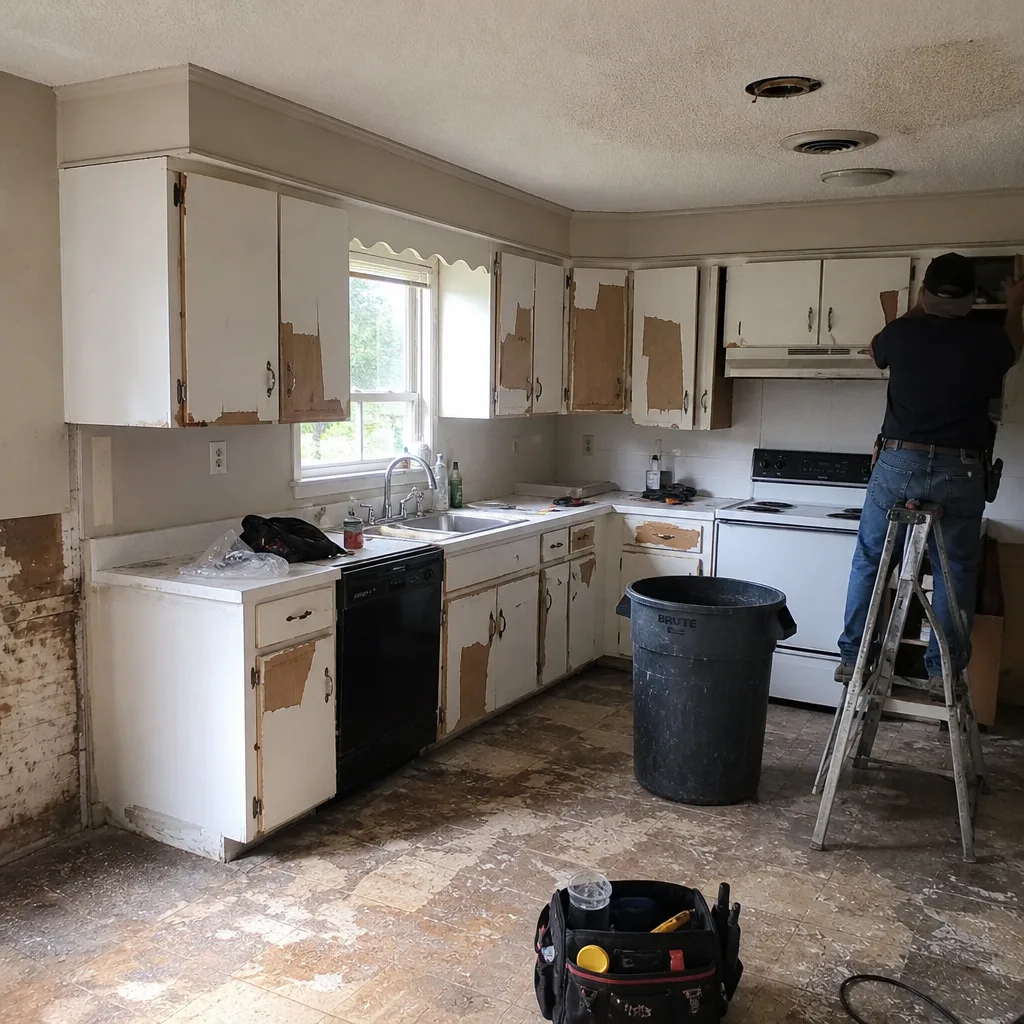 Before
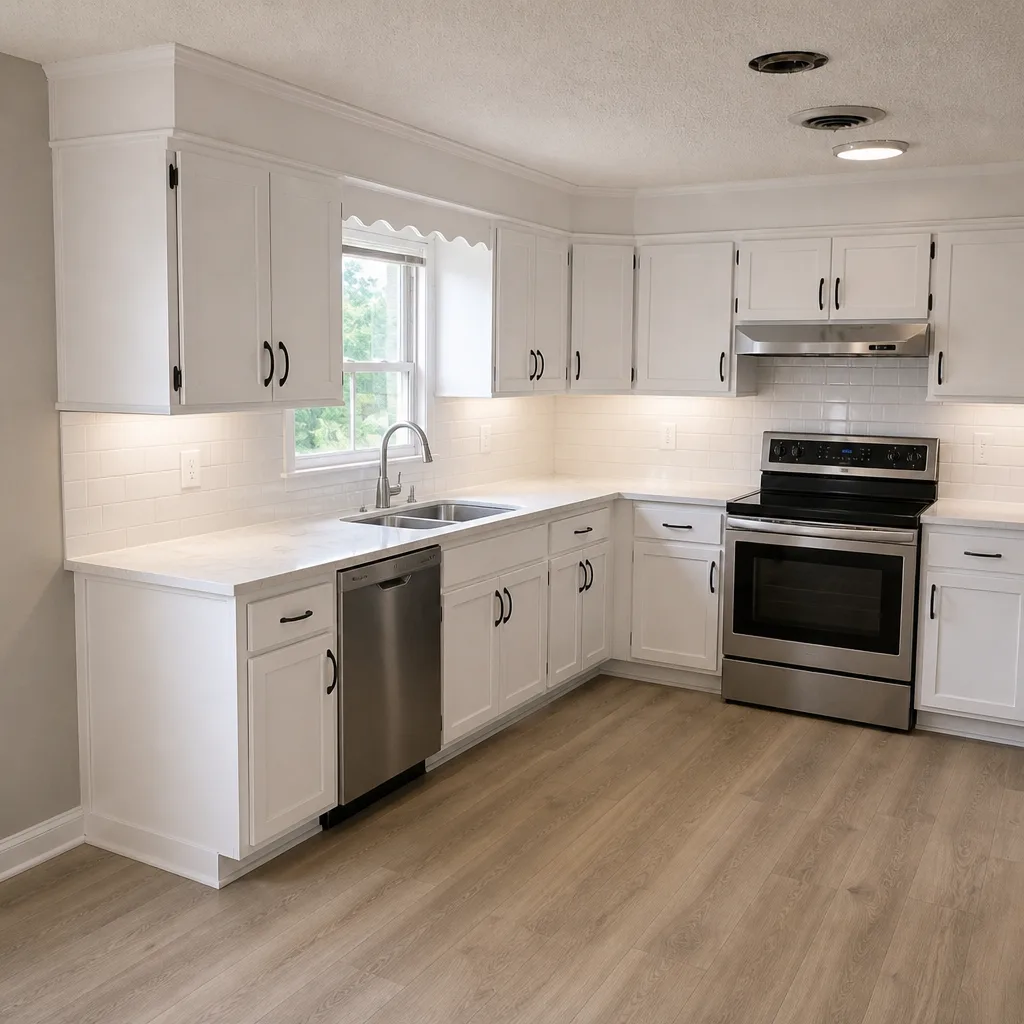 After
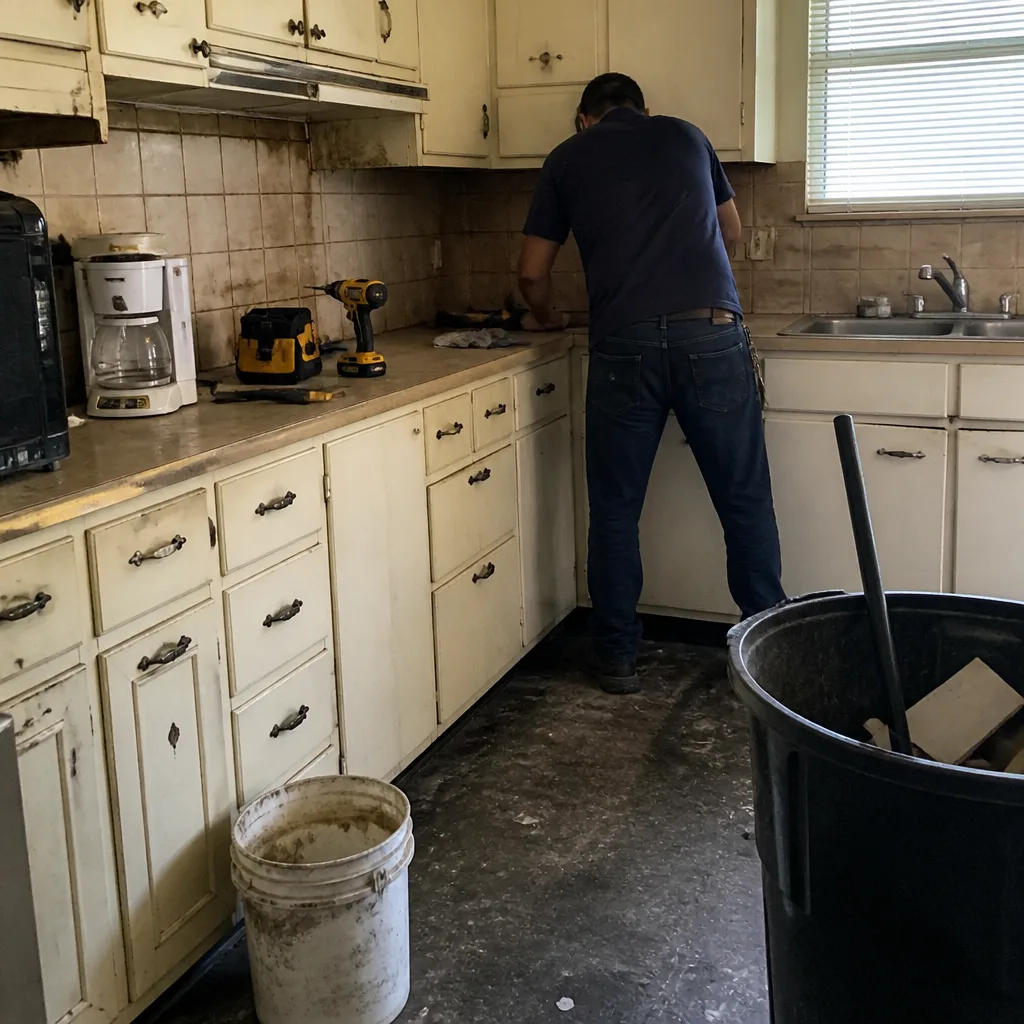 Before
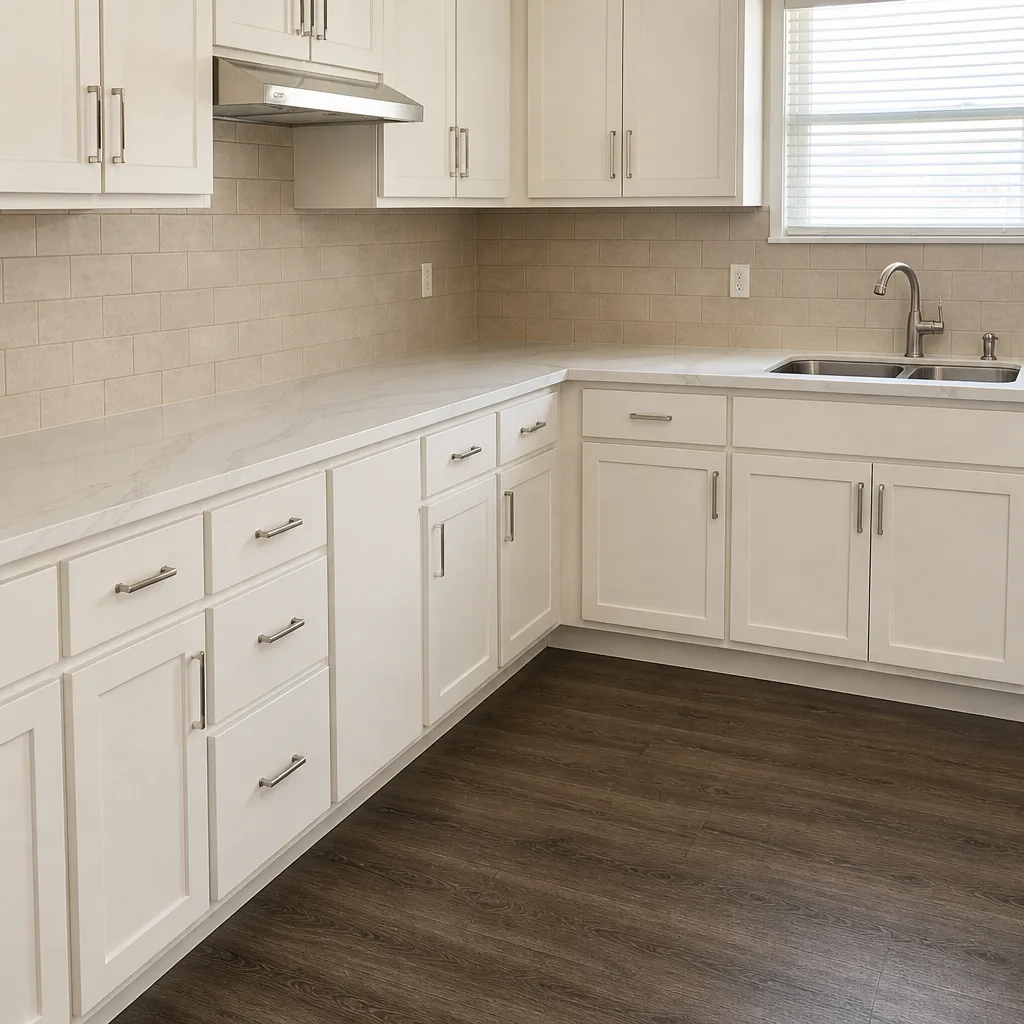 After
Impact vs. Hurricane-Proof vs. Storm-Rated Windows in Allen, TX: What the Labels Actually Mean
There’s no such thing as a hurricane-proof window because “hurricane-proof” isn’t a real certification category. The real designations are impact-resistant, storm-rated, and Miami-Dade approved, and all three were written for coastal wind events, not for what actually breaks glass in Allen: hail. For an Allen homeowner filing an insurance claim, the rating that matters is a documented large-hail impact classification, not the Florida wind approval printed on the marketing sheet. Call (888) 343-9048 if you want your current windows evaluated against the right standard.
Allen’s blackland-clay soil and spring hail cycles drive the local construction economy, and windows sit right at the intersection of both. Almost every home here is 1990s-2010s builder-grade subdivision stock: brick-veneer two-story traditionals and Tudors on tight lots, now hitting the age where glazing seals fail, frames get repainted or replaced, and the original builder windows reach the end of their useful life. That’s why the “which window rating do I buy” question comes up so often around Watters Crossing and Twin Creeks. The answer is more specific than most sales sheets admit.
Key Takeaways
- “Hurricane-proof” is not a certification. No product carries it.
- Impact-resistant means passing ASTM E1886/E1996 missile tests, a wind standard.
- “Storm-rated” is a marketing phrase with no single governing standard behind it.
- Miami-Dade NOA is a Florida High Velocity Hurricane Zone approval, not a hail rating.
- For Allen, the spec that matters is a documented FM 4473 Class 4 hail rating on a laminated low-E double-pane unit.
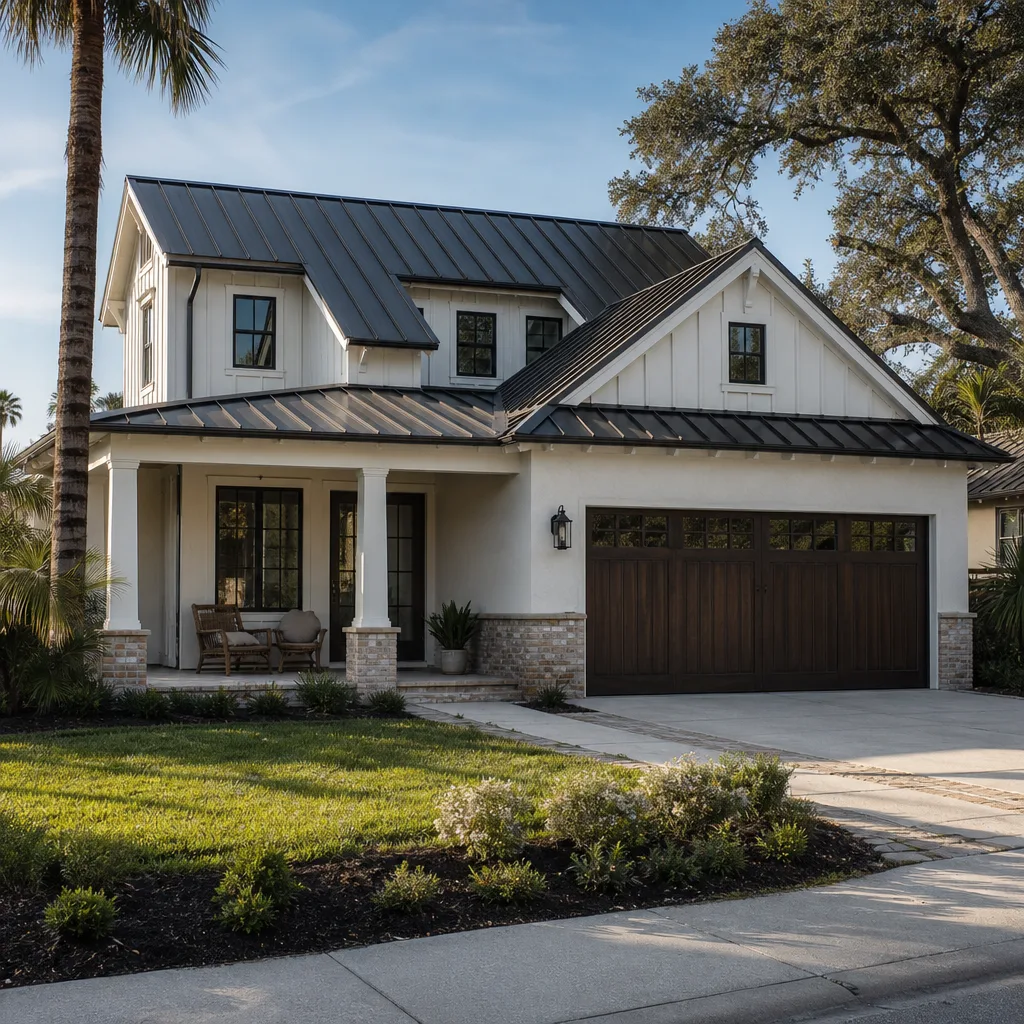
What does each window label actually certify?
Precision matters here, because three phrases get used as if they mean the same thing. They don’t. Each one traces back to a different testing body, a different protocol, and a different climate assumption.
- Impact-resistant: The product passed large-missile and small-missile impact tests under ASTM E1886 and E1996, then held its structural rating afterward. A 9-pound 2×4 fired at 50 feet per second is the classic large-missile test. It’s a wind-driven-debris standard.
- Storm-rated: A broad marketing term. There’s no single governing standard behind it, so two companies can use “storm-rated” on two very different products. Ask which standard and which class, in writing.
- Miami-Dade NOA: A specific product approval for use in Florida’s High Velocity Hurricane Zone. It’s rigorous, and it’s written for hurricane wind pressure and wind-borne debris. It says nothing about hail resistance.
Every one of those designations was built around coastal wind events. None of them was written for a Collin County hailstorm. That gap is exactly where Allen homeowners get confused, and where a generic marketing claim quietly substitutes for a standard that doesn’t apply here.
Why does hail – not wind – drive window damage in Allen?
Because the event that actually breaks the glass in Allen is a hailstorm, not a landfalling hurricane. Large hail is a stone projectile fired straight down and at an angle, and the test standard built for that is FM 4473, the large-hail impact test. Hail-resistant glass is graded to FM 4473 classes, with Class 4 being the toughest. That’s the number to hunt for on an Allen product spec sheet, and it’s rarely mentioned in Texas window marketing because so much product here is sourced from Florida-spec inventory built for wind events.
Here’s what that looks like in practice. When we assess a home in Allen, we’re looking at the same three failure points every time: pitted or cracked outer glass after a spring storm, failed seals letting moisture into the insulating cavity, and frames that have taken enough thermal cycling to loosen. In Bethany Ridge and similar 1990s subdivisions, original builder-grade glazing is now 25-plus years old, and the interlayer question becomes the deciding one.
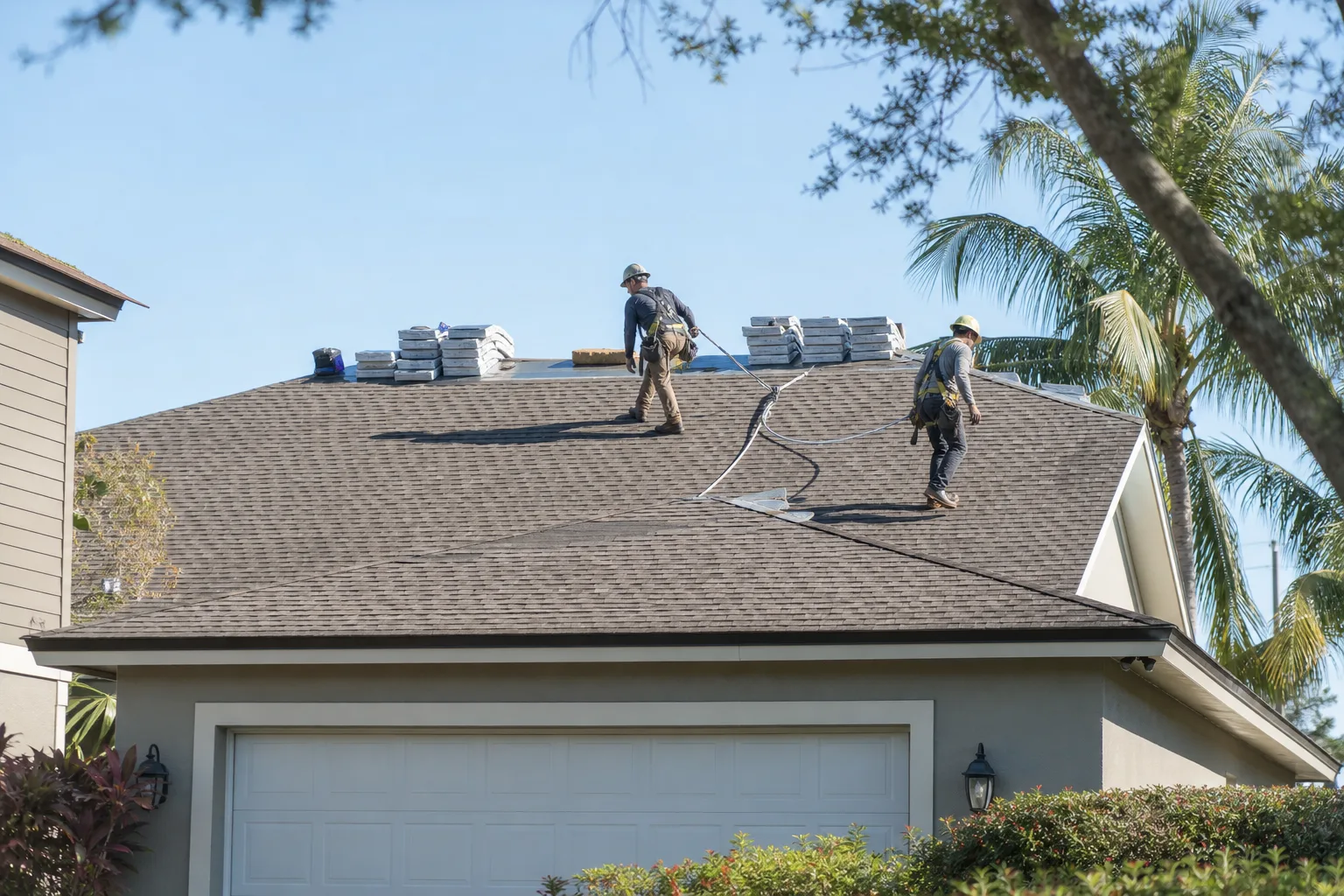
Why does the interlayer matter through an Allen temperature swing?
Laminated glass in an impact window is two panes bonded to a plastic interlayer, usually PVB or SGP. That interlayer has to stay bonded through Allen’s range, from roughly 18°F winter lows to summer glass surfaces that can run well above 100°F. PVB and SGP don’t perform identically across that spread. An interlayer that’s fine in a mild coastal climate can haze, bubble, or delaminate over a decade of North Texas cycling. It’s a fair question to put to any company: which interlayer, and what’s the documented performance across this temperature range? A company that can’t answer that is selling a label, not a window.
For Allen, the most practical specification is a laminated low-E double-pane unit with a documented FM 4473 Class 4 or better hail rating, installed under a pulled permit. That’s a product built for the weather that actually happens here, not a Miami wind certification that happens to be marketed statewide. When we quote Windows & Doors work in Allen, the product spec and the permit go together, because the documentation trail is what your insurer will ask for.
What documentation will an insurance carrier actually accept?
Collin County insurers that offer impact-resistant glazing credits typically want the product matched to a named test standard, in writing. A window labeled only “storm rated,” with no standard number and no class, will not satisfy most carrier requirements. The claim gets denied for lack of documentation, not for lack of a good window. So the sequence matters:
- Match the product to a standard. FM 4473 Class 4 (hail) is the one that fits Allen. ASTM E1886/E1996 (wind debris) is supportive but secondary here.
- Get the spec sheet and the label in writing before the unit goes in, so the documentation exists when you file.
- Pull the permit. Allen’s permitting and inspections run stricter than neighboring towns, and the inspection record backs up the installation.
- Keep the manufacturer paperwork with your closing documents, not in a drawer somewhere.
That last point connects to installation quality. The best-rated glass in the world fails young if it’s set into a frame that wasn’t flashed and shimmed correctly. Groundwork Construction Co. of Allen works with Andersen and Marvin on window products and backs the installation with the 730-Day Done Right Promise, so the workmanship is covered in writing on top of the manufacturer’s warranty.
How much do hail-rated and impact windows cost in Allen?
Impact window installation in Allen runs $8,000-$25,000, and standard window replacement runs $4,500-$15,000. The spread comes down to how many openings, which product tier, and whether frames or trim need rebuilding. Here’s how the numbers layer for a typical Allen job:
| Scope | Typical Range in Allen |
|---|---|
| Standard window replacement (whole-home scale) | $4,500-$15,000 |
| Impact (hail-rated, FM 4473 Class 4) window installation | $8,000-$25,000 |
Upfront pricing is the rule: the number you see is the number you pay. And the standing offers help on the larger jobs. There’s $1,000 off projects over $10,000, a free project estimate and design consult, and 0% financing for 18 months. On an impact window job that lands near the top of the range, that financing spreads the cost without adding interest.
How do you tell a real hail rating from a marketing label?
You ask for the standard number and the class, in writing, and see whether the answer holds up. Here’s what to listen for:
- A product whose spec sheet names FM 4473 with a specific class (Class 4 being the top).
- A company that can explain the interlayer type and its performance across Allen’s temperature swing.
- A quote that includes the pulled permit, not one that skips it.
- A written workmanship guarantee, not a verbal promise on the tailgate.
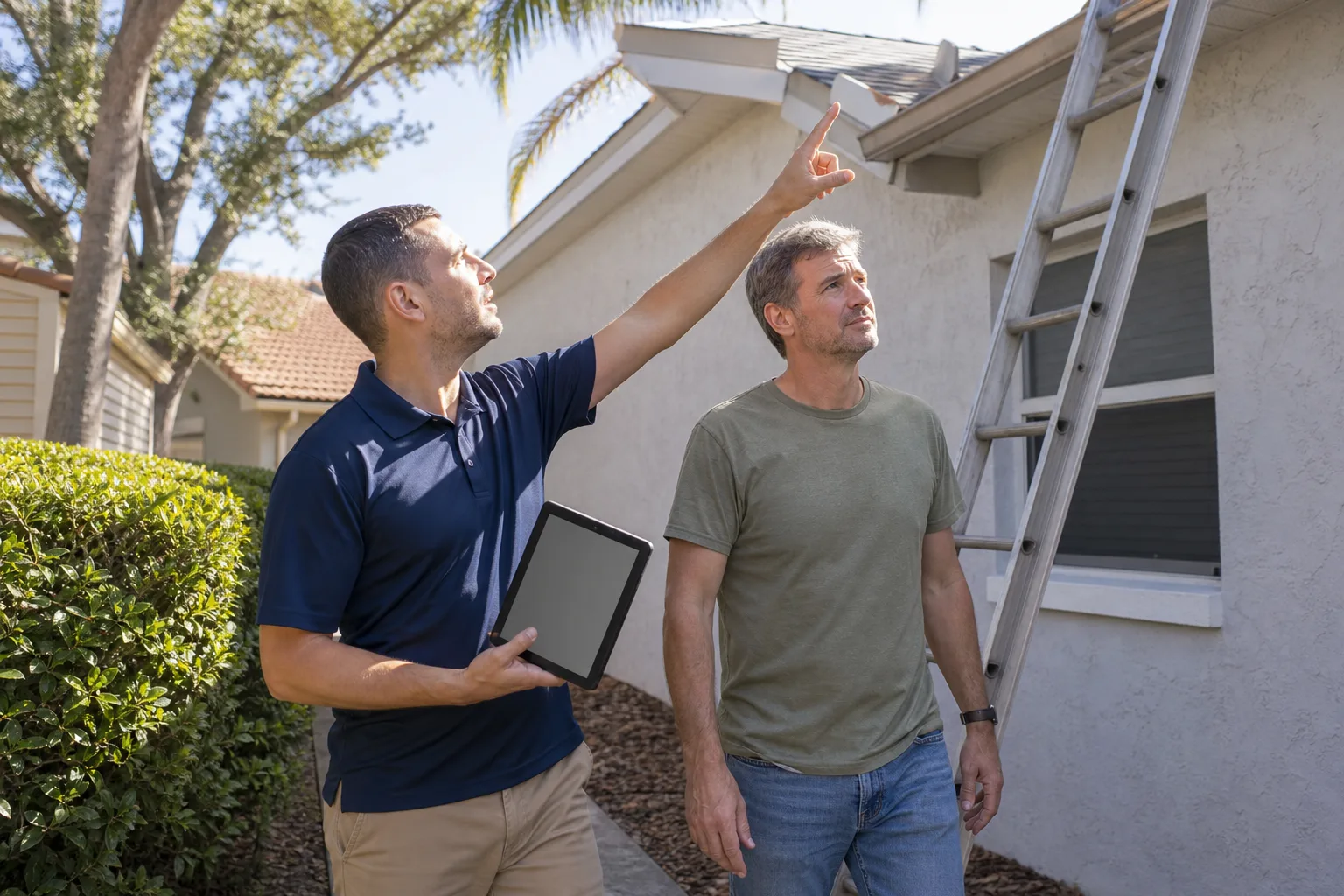
Groundwork Construction Co. of Allen brings up to 12 years of technician experience to the assessment, and every technician is background-checked and arrives in uniform. Calls are answered by a live person around the clock, so a question about a spec sheet doesn’t wait until Monday. You can see the full range of what we handle across our Allen service area, or start from the home page if you’re mapping out a broader renovation alongside the windows.
Frequently Asked Questions
No. “Hurricane-proof” is a marketing phrase, not a certification. The real designations are impact-resistant (ASTM E1886/E1996), storm-rated (a loose term with no single standard), and Miami-Dade NOA (a Florida HVHZ wind approval). None of them is a hail rating, which is what Allen homes need. For a straight read on your own windows, call (888) 343-9048 and we’ll walk the specs with you.
FM 4473 is the large-hail impact test, and Class 4 is its toughest grade. It matters in Allen because hail, not wind, is the weather event that breaks windows here. A product with a documented FM 4473 Class 4 rating is built for the actual local threat, and that’s the documentation your insurer wants to see. Call for a free estimate that specifies the rating in writing.
Usually not, because “storm rated” carries no named standard and most carriers want the product matched to a specific test standard and class. A window labeled FM 4473 Class 4 with the spec sheet in hand is the version that satisfies most carrier requirements. We’ll help you collect the paperwork before the units go in. Call (888) 343-9048 to get started.
Yes, and the HOA step is worth planning for up front. The 1990s and 2000s HOA subdivisions across Allen frequently require architectural-review pre-approval on exterior changes before a city permit is issued, which is a gate crews from nearby towns often skip. We factor the HOA review into the schedule so the install doesn’t stall. Call for a no-pressure assessment.
If you’d rather have it looked at than sort through spec sheets yourself, Groundwork Construction Co. of Allen offers a no-pressure assessment in Allen. We’ll check your current windows against the right standard for North Texas weather, put the rating and the permit requirements in writing, and quote everything upfront. Call (888) 343-9048 for a free estimate.
Written by the team at Groundwork Construction Co. of Allen, serving Allen, TX.