
Free written scope consultation - allowances, timeline, and change-order rules on paper before a single trade is scheduled
Styles & brands we work with
- Kitchen remodeling
- Bathroom remodeling
- Home additions & ADU
- Roofing
- Windows & doors
- Driveway & pavers
- Fence
See the difference
 Before
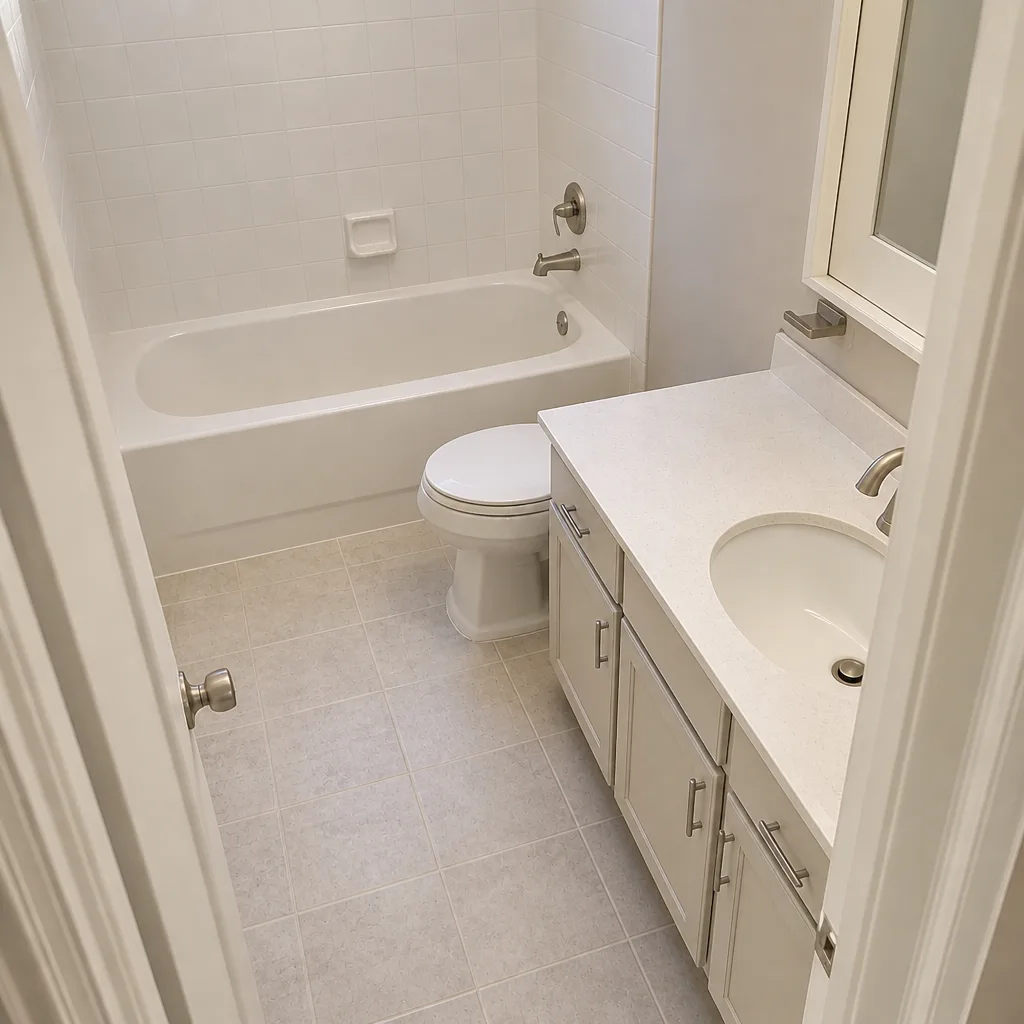 After
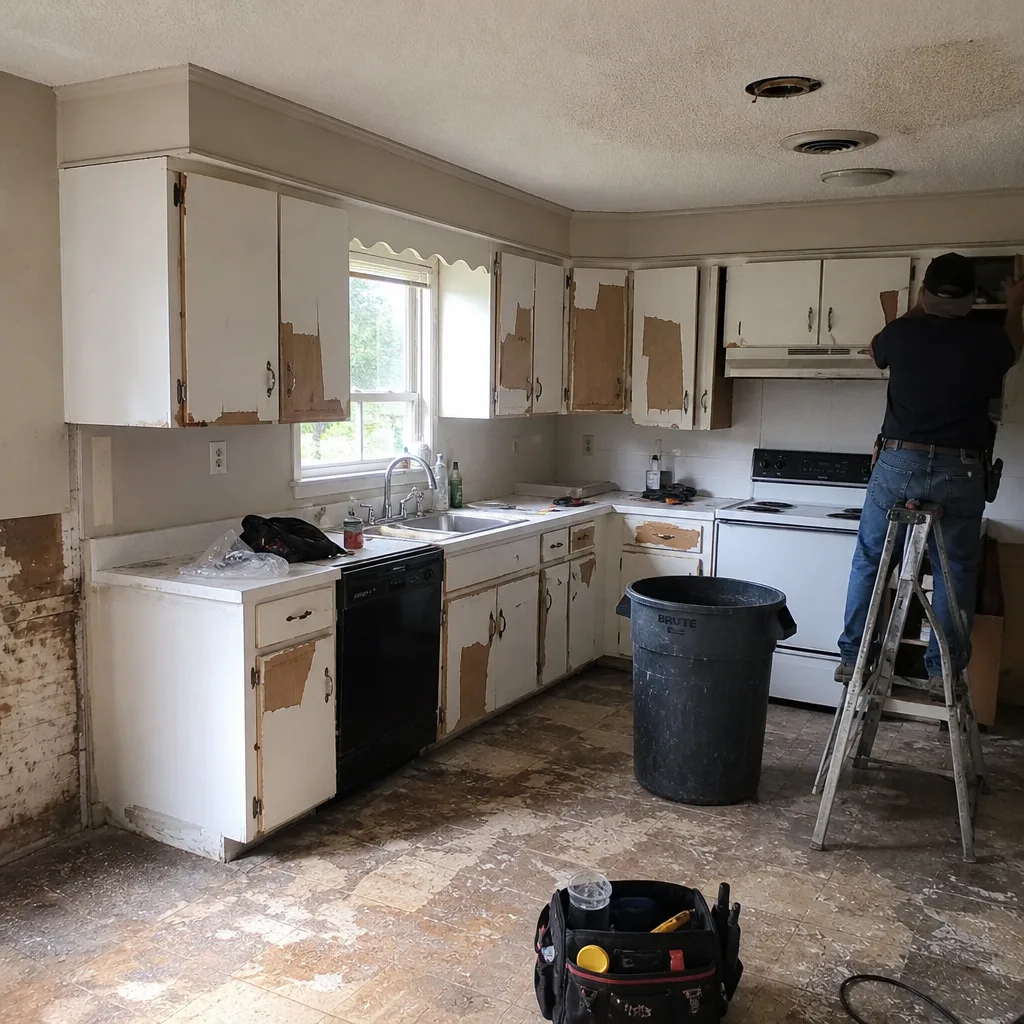 Before
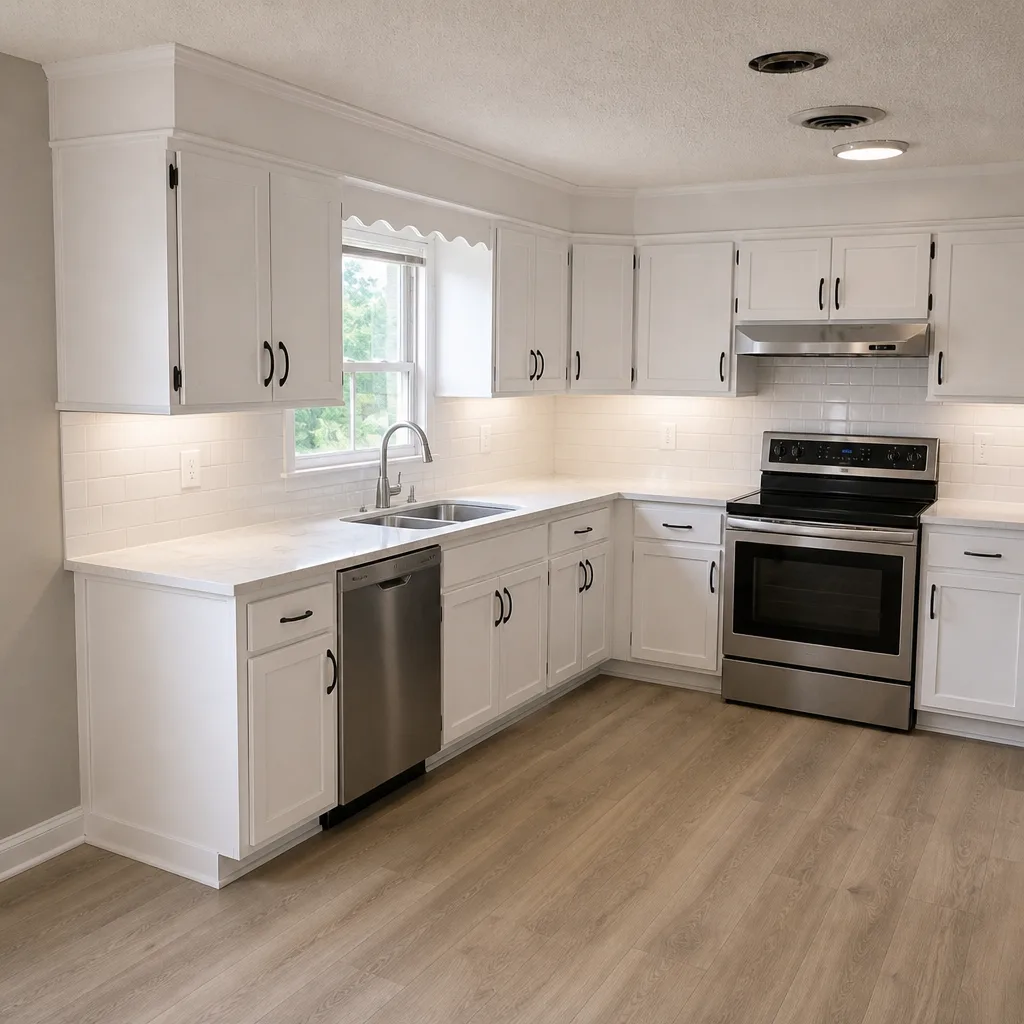 After
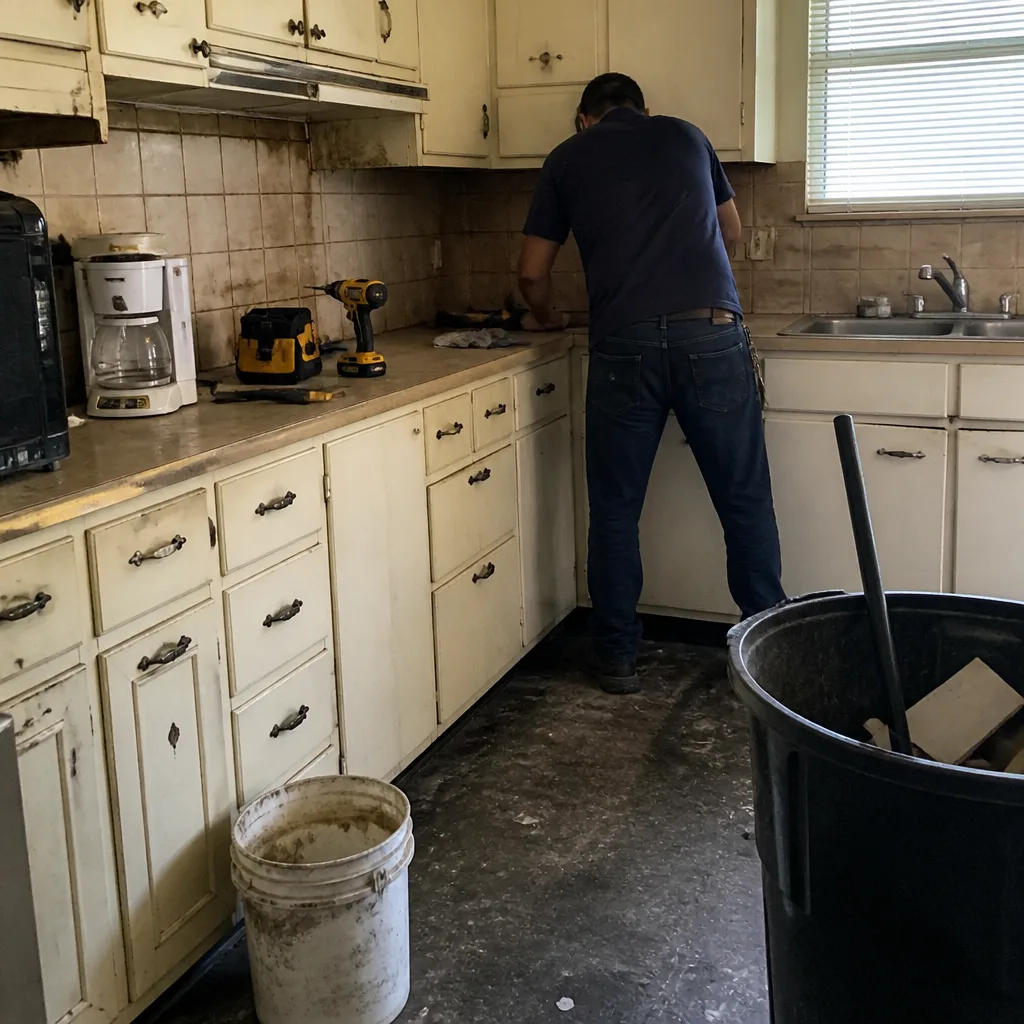 Before
 After
Chain Link vs Wood Fence in Allen, TX: Which One Can You Actually Build?
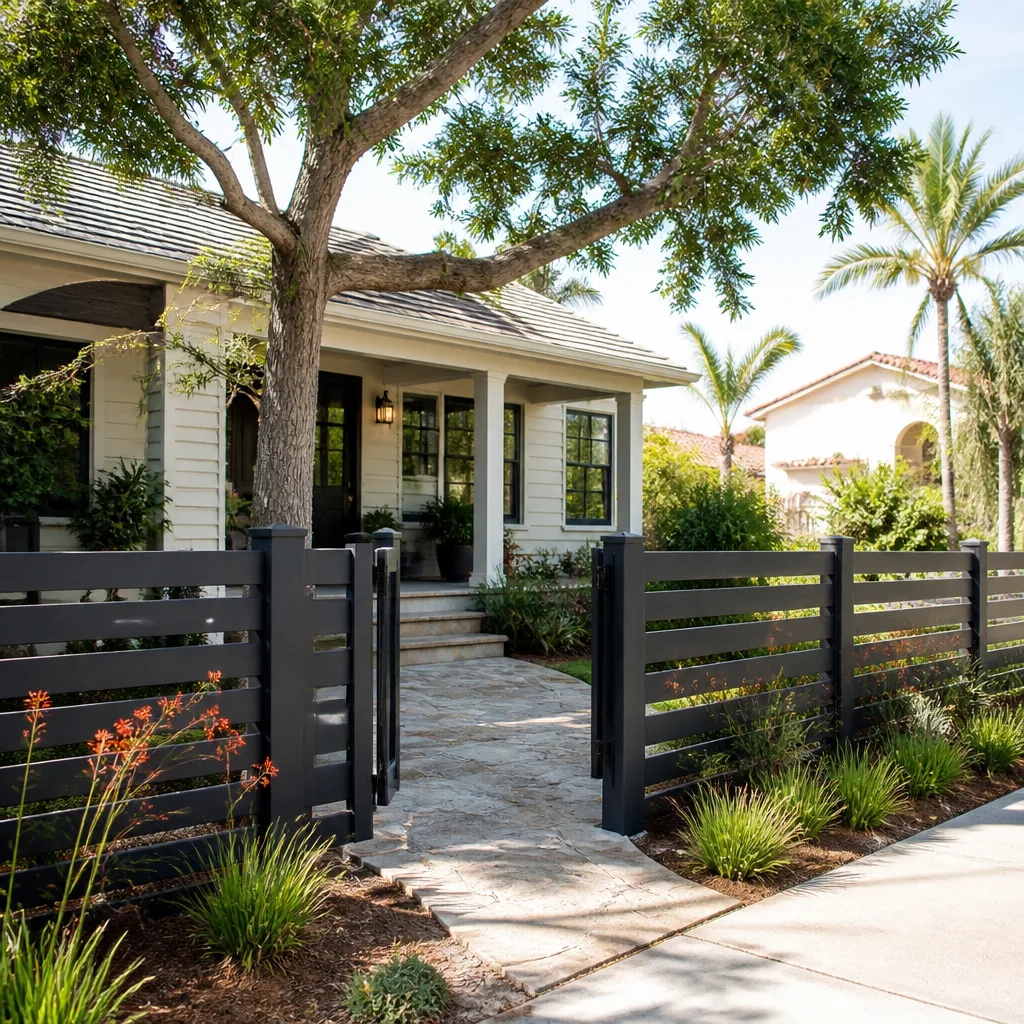
Choose wood over chain link for any Allen yard visible from a street, greenbelt, or common area – because in most Allen subdivisions the HOA rules that out first. For rear-yard utility runs on eligible lots where cost is the only real driver, chain link still makes sense. But for most Allen homeowners, the decision isn’t a preference at all. It’s a question of what your neighborhood covenants will approve, and in a large share of Allen’s master-planned communities, chain link simply isn’t an option. Call (888) 343-9048 and we’ll tell you straight what your lot allows.
Why the HOA Comes Before Price or Durability
Chain-link costs less. Chain-link outlasts most wood. Those facts don’t matter if your architectural review committee rejects the plan before it reaches the city.
In Allen, the fence conversation starts with eligibility. The HOA-dominated subdivisions built here during the 1990s and 2000s – including communities along the Twin Creeks and Watters Crossing corridors – commonly prohibit chain-link on any yard visible from a street or shared common area. Several go further and restrict it in rear yards entirely. That’s the threshold question, and it’s the one most online comparisons skip. Before you price a single fence, pull your covenants or let us help you read them.
Allen is unusual this way. The city was largely built out in one big 1990s-to-2000s wave, so nearly every neighborhood here answers to an architectural committee that reviews fence height, material, and even color before a permit is issued. Crews from outlying towns routinely skip that step and end up tearing out a finished fence. We don’t start until the approval is in hand.
For Eligible Lots, an Honest Chain Link vs. Wood Comparison
Where chain link is permitted – typically rear utility areas, properties backing to drainage easements, or greenbelt lots where the visible-line rule doesn’t apply – it earns its place. Here’s how the two materials actually stack up in Allen conditions.
| Factor | Chain Link | Wood (Cedar) |
|---|---|---|
| Typical Allen install cost | Lower on material, similar on labor | $3,500-$9,000 for a standard residential run |
| Lifespan in North Texas | 20+ years, galvanized coating holds up to UV and moisture | 10-15 years before boards and rails need replacing |
| Hail vulnerability | Top rail dents and bends; mesh can stretch | Boards scuff and crack, but individual pickets swap out |
| Post footings | Smaller-diameter concrete | Larger footings resist soil movement better |
| Aesthetic and resale signal | Reads as utility, not finish | Signals property maintenance and privacy |
Hail hits the two materials differently
Allen sits squarely in Collin County hail country, and spring storms here total roofs and fences in the same afternoon. Chain link’s galvanized coating handles sun and moisture well; the weak point is the top rail. A good hailstorm can dent and bow that rail in a way wood pickets don’t suffer – wood boards might splinter or scar, but they don’t deform the structure holding the whole fence up.
Clay soil treats the posts differently
North Texas blackland clay expands and contracts hard with every wet and dry cycle, and it pushes sideways on anything set in the ground. Chain-link posts go into smaller concrete footings than wood posts do, which leaves them more exposed to that lateral pressure over time. When we replace a 20-year-old chain-link fence in Allen, the mesh is usually the least of it – corner posts have often shifted enough that they need fresh concrete, not just new wire. Budget for footings, not just material.
The Resale Angle Allen Homeowners Overlook
Plenty of Allen homes sit in the $450K to $650K resale tier, and a good chunk of the current renovation wave is happening in exactly that bracket. When those homes go on the market, buyers touring an HOA-free rear yard consistently raise chain link as an objection. Wood or vinyl reads as a maintained property; chain link reads as something to replace after closing. If a sale is anywhere on your horizon, the cheaper fence can cost you at the negotiating table.
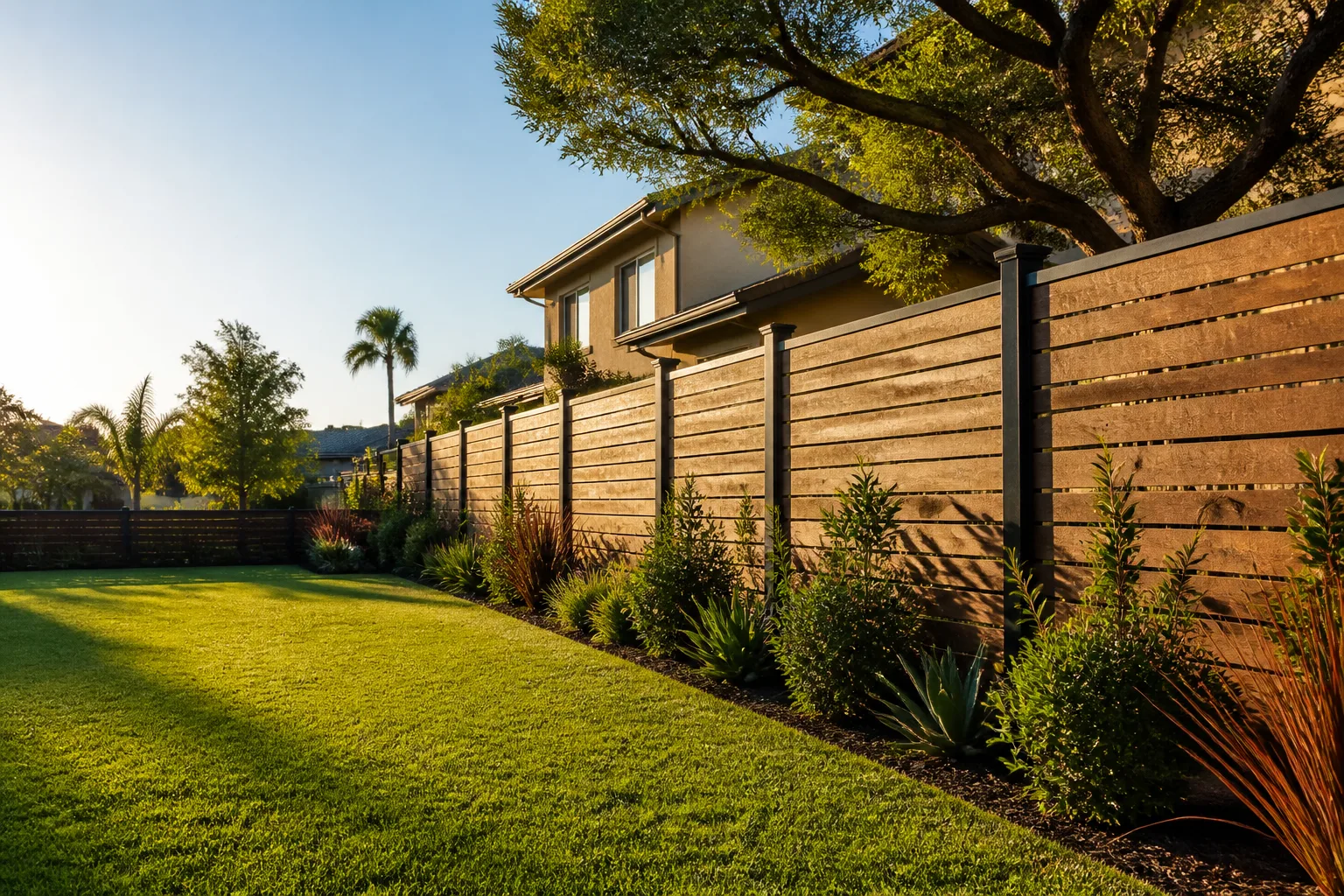
This is where a properly built wood fence earns its keep, and where our Fence Installation work in Allen usually lands: cedar or vinyl, permitted, HOA-approved, and built to the property’s long-term value rather than this year’s budget alone.
What Working Both Materials Means for You
Groundwork Construction Co. of Allen installs chain link and wood with the same crews, the same background-checked uniformed technicians, and the same written guarantee. You’re not hiring one subcontractor for wood and a different one for chain link and hoping both show up. Every fence we build is backed by our 730-Day Done Right Promise – if it’s not done right, we make it right – one of the longest workmanship guarantees in residential construction. Our technicians bring up to 12 years of experience to the job, and calls reach a live person 24/7, not a voicemail box.
Pricing is upfront: the number you see is the number you pay. We also offer 0% financing for 18 months and $1,000 off projects over $10,000, so a fence rebuild doesn’t have to wait for a better month.
Common Scenarios We See in Allen
- Rear yard backing a greenbelt or drainage easement: chain link is often the only material the easement allows – we confirm the restriction before quoting.
- Front or side yard visible from the street: chain link is out under most Allen covenants; wood or vinyl is the answer.
- Replacing a 20-year-old chain-link run: expect shifted corner posts and new concrete footings, not just fresh mesh.
- Pre-listing fence upgrade in a $450K-$650K home: wood or vinyl removes a buyer objection before it appears.
- HOA architectural review pending: we help you get fence height and material approved before any post goes in the ground.
FAQs
Wood is the better choice for most Allen homeowners because most neighborhoods restrict or prohibit chain link, and wood protects resale value in the $450K-$650K tier. Chain link wins only on eligible rear-yard utility lots where budget is the sole driver. Call (888) 343-9048 to check what your lot allows – estimates are free.
A standard residential wood fence in Allen runs $3,500-$9,000 installed, and chain link comes in lower on material with labor that’s often close. The gap narrows once you account for footing work on old chain-link posts. Call (888) 343-9048 for an exact quote.
Yes. Many Allen HOA covenants – including communities in the Twin Creeks and Watters Crossing corridors – prohibit chain link on any yard visible from a street or common area, and some ban it in rear yards outright. Review your covenants before you buy materials. We’ll help you read them and get architectural approval first.
Fence permits and HOA architectural review are separate steps in Allen, and the city’s permitting is stricter than neighboring McKinney and Frisco’s newer edges. Most projects need both an HOA approval and a city permit, and skipping the HOA step is the most common reason a finished fence gets torn out. Call (888) 343-9048 and we’ll walk you through the order.
Ready to Settle It for Your Lot?
If you’d rather have it looked at, Groundwork Construction Co. of Allen offers a no-pressure assessment in Allen – we’ll check your covenants, confirm eligibility, and price both materials honestly. Call (888) 343-9048 for your free estimate. From home to fence line, it’s built to last and backed in writing.
Written by the team at Groundwork Construction Co. of Allen, serving Allen, TX.