
Free written scope consultation - allowances, timeline, and change-order rules on paper before a single trade is scheduled
Styles & brands we work with
- Kitchen remodeling
- Bathroom remodeling
- Home additions & ADU
- Roofing
- Windows & doors
- Driveway & pavers
- Fence
See the difference
 Before
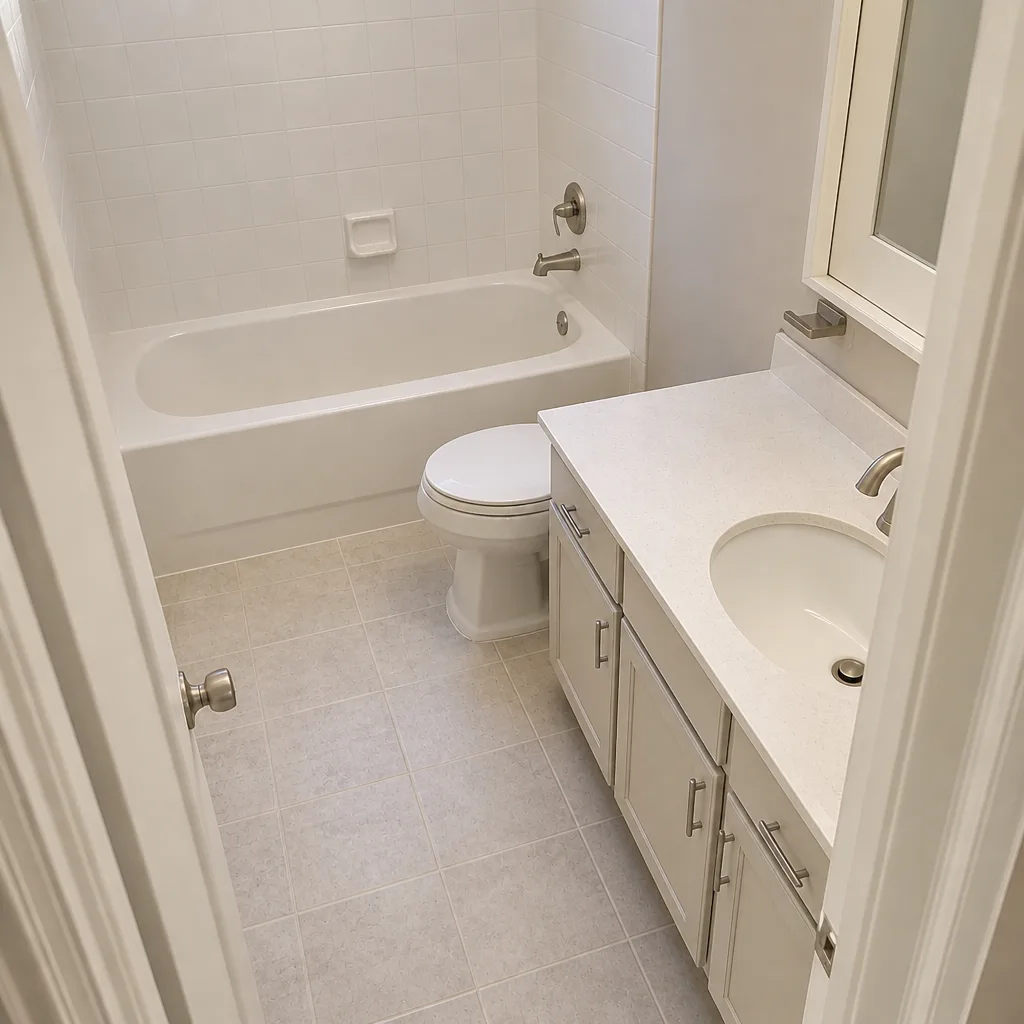 After
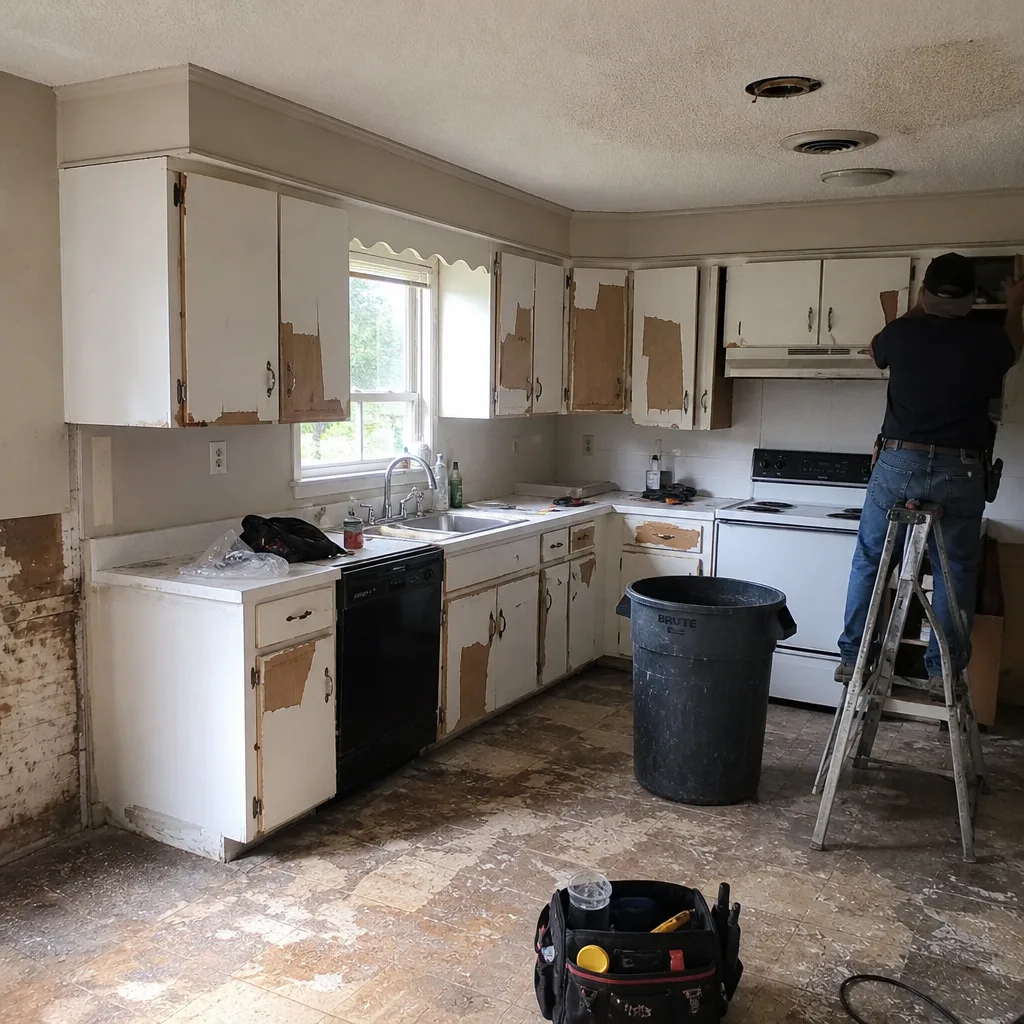 Before
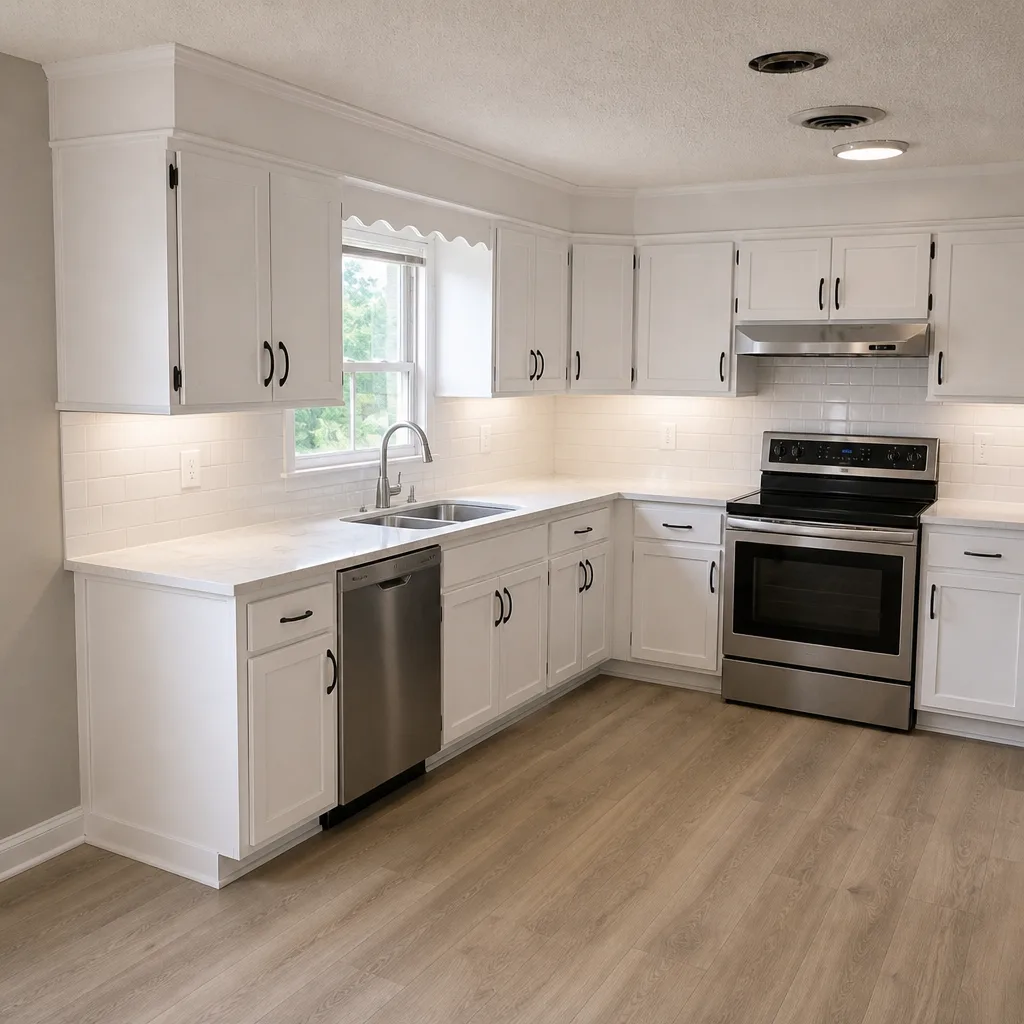 After
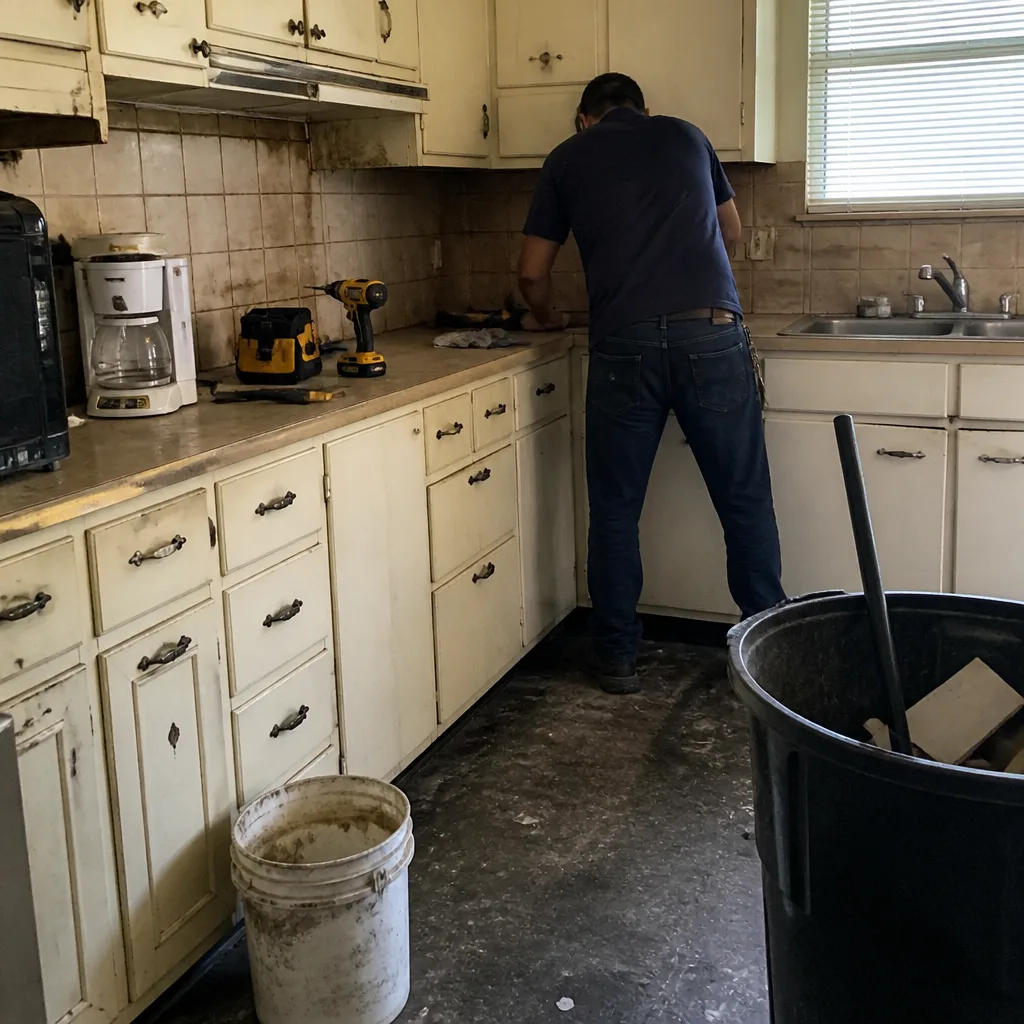 Before
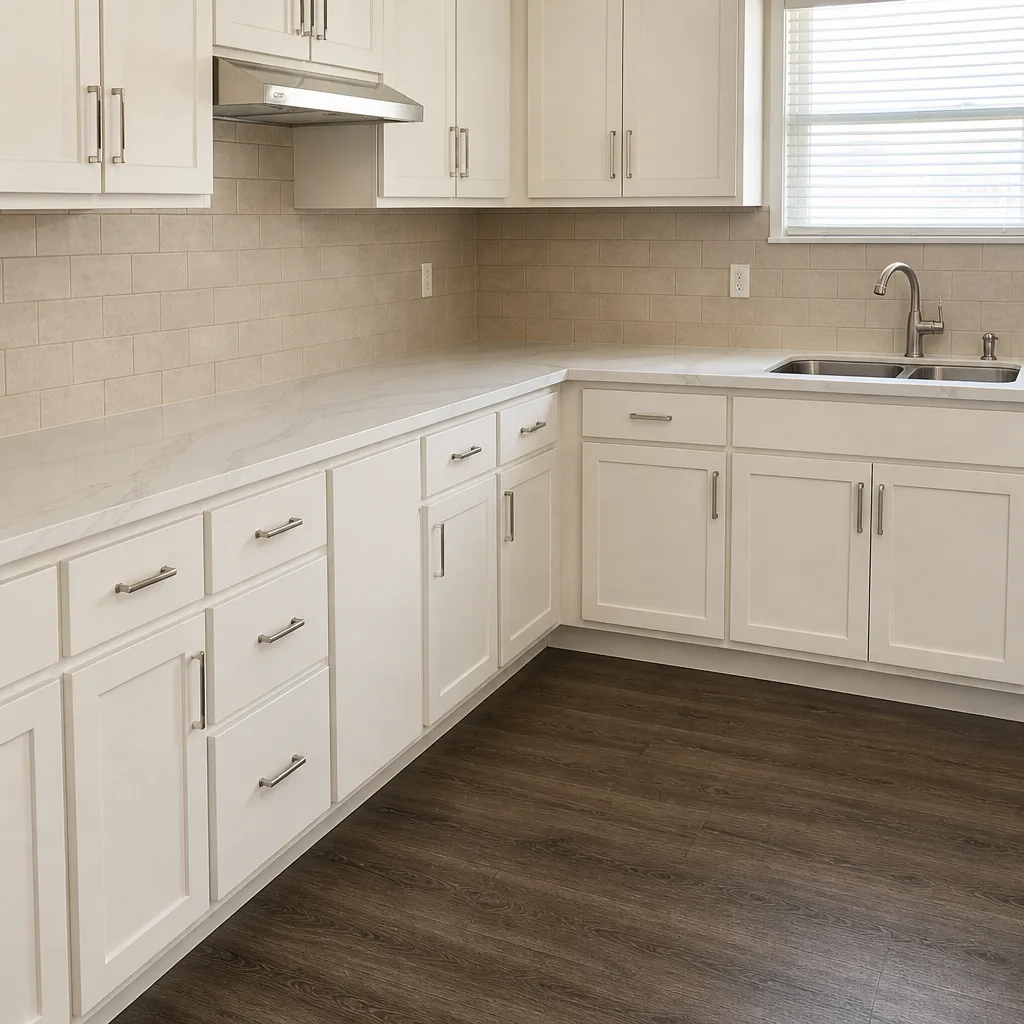 After
Four inches is the code minimum for a residential concrete driveway in Allen, TX, and it’s the floor, not the target. For any driveway that will see a pickup truck or SUV on a regular basis, 5 inches with fiber reinforcement is the honest recommendation. On Allen’s blackland clay, thickness and reinforcement work as one system - get either wrong and you’re pre-paying for cracks.
That’s the short answer. The long answer is why so many 4-inch driveways across Watters Crossing and Twin Creeks look fine at year three and spiderweb by year nine, and what the difference actually costs to prevent.
Why 4 inches isn’t enough on Allen’s clay
Four inches of concrete is the minimum. On Allen’s clay, it’s also the floor, not the target. Here’s why thickness alone doesn’t answer the question.
Allen sits on North Texas blackland clay, and that clay is the variable most driveway bids ignore. Blackland clay swells when it’s wet and shrinks when it’s dry, and its load-bearing capacity changes with moisture content. A 4-inch slab that performs like a champ in a dry August can be undercut by soil movement after a wet spring. The slab doesn’t fail because it’s too thin in isolation - it fails because thin concrete plus moving subgrade equals a system with no margin.
That’s why sub-base compaction and slab thickness have to be planned together. A properly compacted, graded base distributes load evenly so the concrete does its job. Skip the compaction and pour 5 inches on top of loose fill, and you’ve bought thickness you can’t use. Groundwork Construction Co. of Allen treats base prep and slab depth as one spec, not two line items.
Nearly every Allen household runs at least one SUV or pickup. Sidewalks carry foot traffic; driveways carry 5,000-pound vehicles on clay. The IRC and local engineers consistently land on 5 inches for that kind of regular load, which describes the typical Allen subdivision driveway to a T.
What fiber reinforcement does that thickness can’t
Fiber-reinforced concrete mix - polypropylene fibers at about 1.5 lbs per cubic yard - adds crack resistance throughout the full depth of the slab without adding a single inch of thickness. The fibers bridge micro-cracks as they form, so the slab holds together instead of separating. Groundwork specifies fiber reinforcement as standard on every residential driveway. It’s one of the first things a low-bid pour cuts to save on material cost, and it’s exactly the thing you can’t add after the truck leaves.
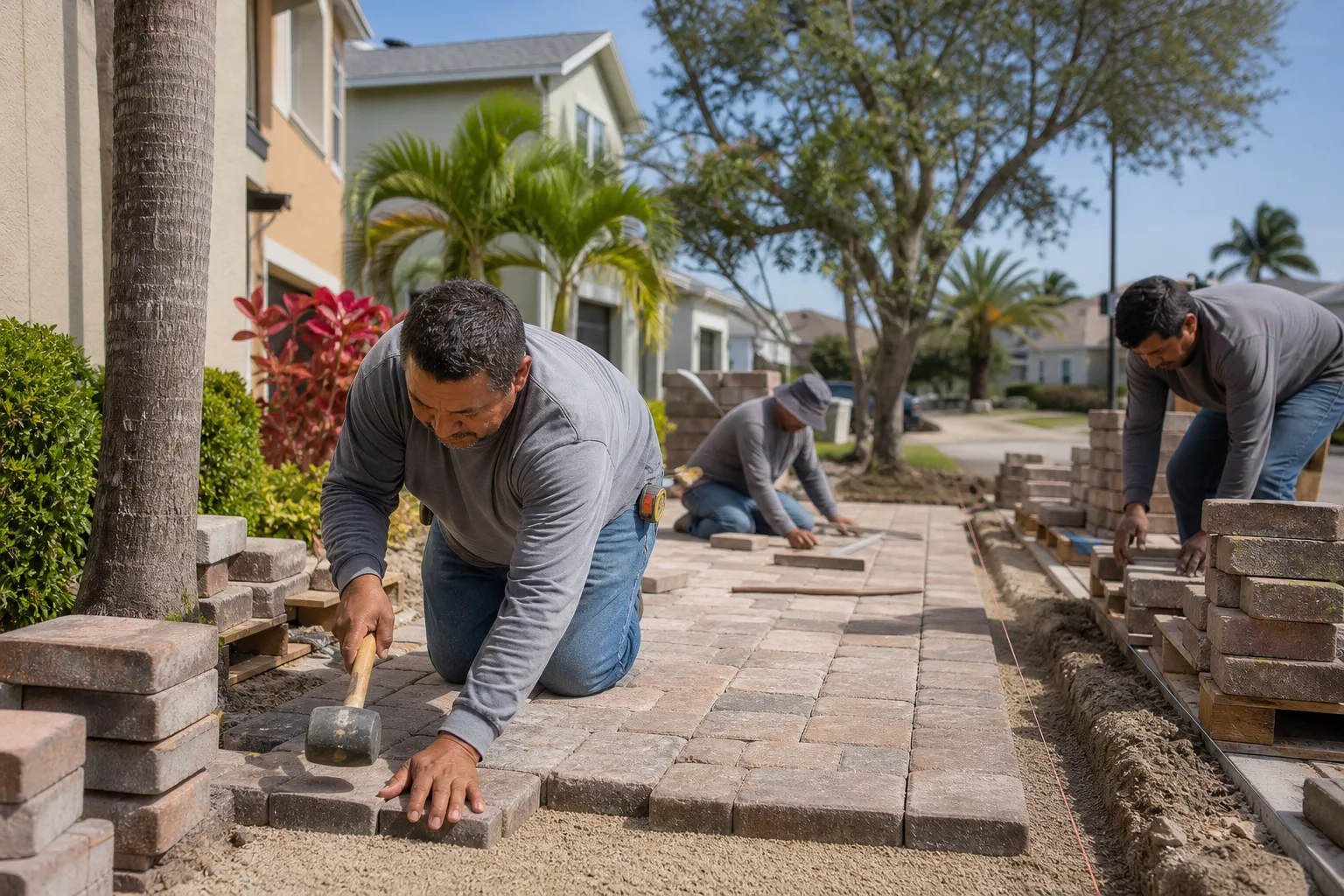
If you’re weighing concrete against pavers for a driveway, the load path and base prep are similar but the failure modes are different - our Driveway & Pavers page covers the paver side. And if this driveway is part of a larger exterior or remodel scope, the team handles it from foundation to finish line under one contract.
The numbers that matter: PSI, thickness, reinforcement, joints
Thickness is the number everyone asks about. It’s one of four specs that decide whether a driveway lasts. Here’s what a written, verifiable quote should state for an Allen driveway:
| Spec | Minimum for Allen residential driveways | Why it matters here |
|---|---|---|
| Concrete strength | 3,500 PSI | North Texas heat cures fast; under-strength mix cracks early |
| Slab thickness | 4 in. (code) / 5 in. for truck & SUV traffic | Clay movement plus vehicle load needs margin |
| Reinforcement | Fiber (approx. 1.5 lbs/cy) | Crack resistance through the slab depth |
| Control joints | At least 1/4 of slab depth (1 in. on a 4-in. pour), sawed within 24 hours | Channels cracking to predictable lines |
Control joint depth matters as much as slab thickness, and most homeowners never hear about it. Joints must penetrate at least one-quarter of the slab depth - an inch on a 4-inch pour - so the concrete cracks where you planned instead of where it wants. Sawed joints within 24 hours of finishing outperform hand-tooled joints on Allen’s fast-curing summer pours, when the surface sets quicker than crews from cooler climates expect. Cut too shallow or cut too late, and the slab finds its own crack lines.
Groundwork’s upfront written quotes list the PSI, the slab thickness, the reinforcement type, and the joint spacing. That’s deliberate. When the specs are on paper, you can verify what actually shows up instead of taking a contractor’s word for it. The number you see is the number you pay.
What a concrete driveway costs in Allen
A full concrete driveway installation in Allen runs $4,500-$12,000, and a full replacement runs $5,000-$14,000. Fiber reinforcement and the extra half-inch of thickness that actually hold up on clay add to the material line, but they’re a rounding error against the cost of tearing out and repouring a cracked slab in eight years. Sealing afterward runs $250-$700 and helps slow surface wear.
- Concrete driveway installation: $4,500-$12,000
- Driveway replacement: $5,000-$14,000
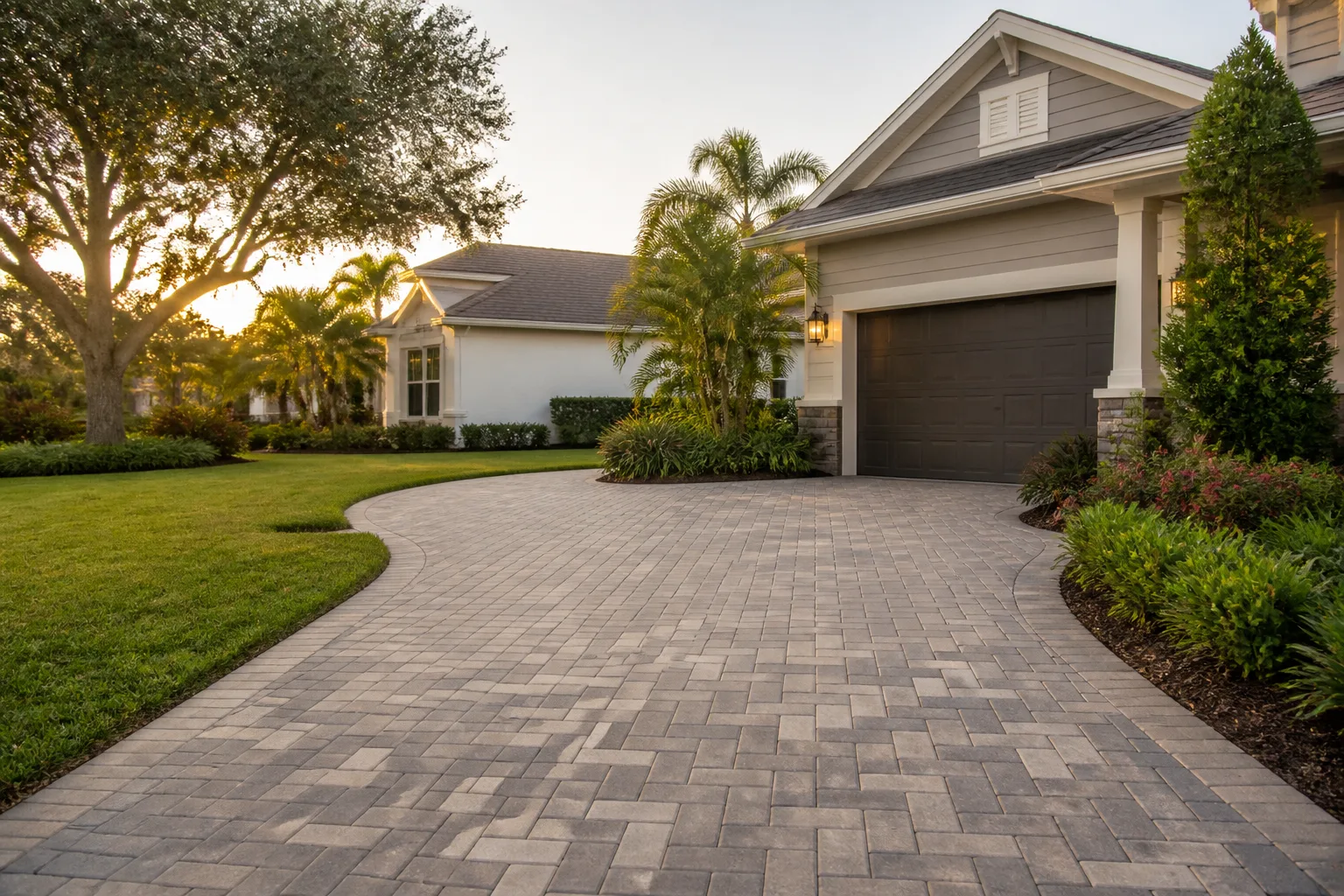
- Paver driveway installation (if you want the upgrade): $7,000-$18,000
- Driveway sealing: $250-$700
For the paver option, we work with Techo-Bloc, Cambridge Pavers and Oldcastle systems on a compacted, engineered base - the same base discipline that makes a concrete pour last. Quikrete mixes come into play for smaller flatwork and repairs. Every project is covered by the 730-Day Done Right Promise, so the workmanship side is backed in writing for two years, not the usual 90 days or a verbal handshake.
Allen’s 1990s-2000s build-out means most driveways here are on their second generation of work, and the city’s permitting and architectural review is strict - subdivisions across Allen including Watters Crossing and Bethany Ridge often require HOA pre-approval for exterior work before a city permit is even issued. A crew from a neighboring town that skips the architectural-review step can stall your project for weeks. We plan the permit path before the pour.
When to call a pro instead of pouring over a problem
If a slab is genuinely dangerous - heaving, crumbling edges on a slope, or a trip hazard at the apron - don’t patch it. Structural concrete repairs and full slab replacement on a clay subgrade need a trained crew with the right base prep and mix design; a bagged patch mix over a failing slab just delays the repour. Our technicians have up to 12 years of experience pouring on North Texas clay, and calls are answered by a live person 24/7 - no voicemail, no waiting until Monday.
If you’re also thinking about the front of the house, the same crew handles roofing, windows and doors, and fence installation - plus home additions and ADUs where a new driveway approaches the build. Kitchen and bathroom remodeling projects in Allen’s older subdivisions often start with the driveway and entryway, since that’s the first thing a contractor and the HOA see. If you’re in nearby McKinney or Frisco, the same clay rules apply - the newer edges of those cities just have less settled subgrade.
FAQs
A residential concrete driveway in Allen should be a minimum of 4 inches per city standard, but 5 inches with fiber reinforcement is the right call for any driveway that sees regular truck or SUV traffic. Given Allen’s expansive blackland clay, the 5-inch spec with fiber gives the slab margin against soil movement. Call (888) 343-9048 for a free estimate that spells out the exact thickness and mix for your driveway.
Four inches is the code minimum but generally not enough for regular pickup or SUV traffic on clay - 5 inches with fiber reinforcement is the better choice. Vehicle weight plus soil movement is the combination that cracks thin slabs in Allen. Call (888) 343-9048 and we’ll tell you honestly what your driveway needs.
Control joints should be cut to at least one-quarter of the slab depth - about 1 inch on a 4-inch pour and 1.25 inches on a 5-inch pour. Sawed joints within 24 hours of finishing work best on Allen’s fast-curing summer pours. If a contractor can’t tell you their joint depth and timing, call (888) 343-9048 for a second opinion.
Fiber reinforcement is the standard we specify on every residential driveway in Allen because it adds crack resistance through the slab’s full depth. Rebar and fiber can be combined on heavier loads, but fiber alone is a strong baseline at 1.5 lbs per cubic yard. Call (888) 343-9048 to walk through which reinforcement fits your driveway.
Get your driveway spec’d right the first time
If you’d rather have it looked at, Groundwork Construction Co. of Allen offers a no-pressure assessment in Allen - call (888) 343-9048. We’ll give you a written spec with PSI, thickness, reinforcement and joint spacing, upfront pricing, and a 730-Day Done Right Promise behind the work. Free estimate, 0% financing for 18 months, and $1,000 off projects over $10,000.
Written by the team at Groundwork Construction Co. of Allen, serving Allen, TX.