

Free written scope consultation - allowances, timeline, and change-order rules on paper before a single trade is scheduled
Styles & brands we work with
- Kitchen remodeling
- Bathroom remodeling
- Home additions & ADU
- Roofing
- Windows & doors
- Driveway & pavers
- Fence
See the difference
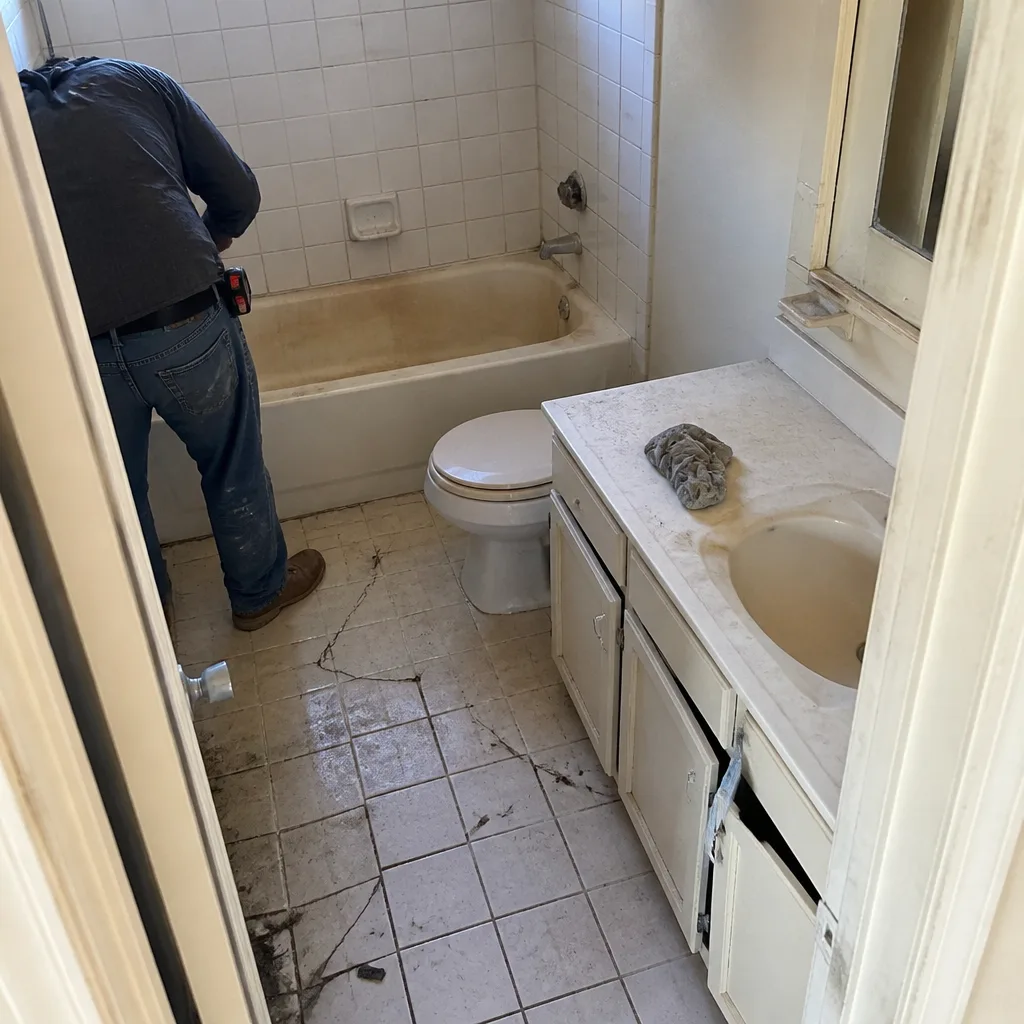 Before
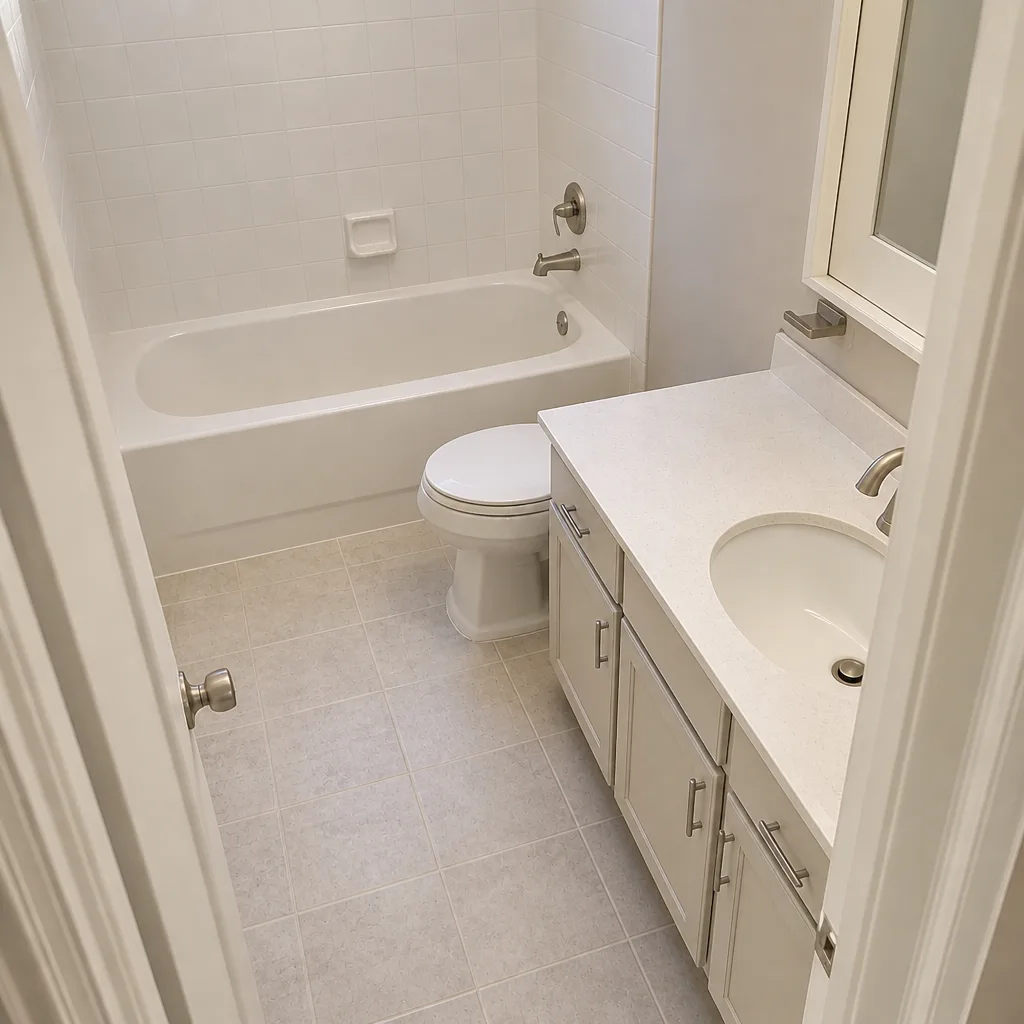 After
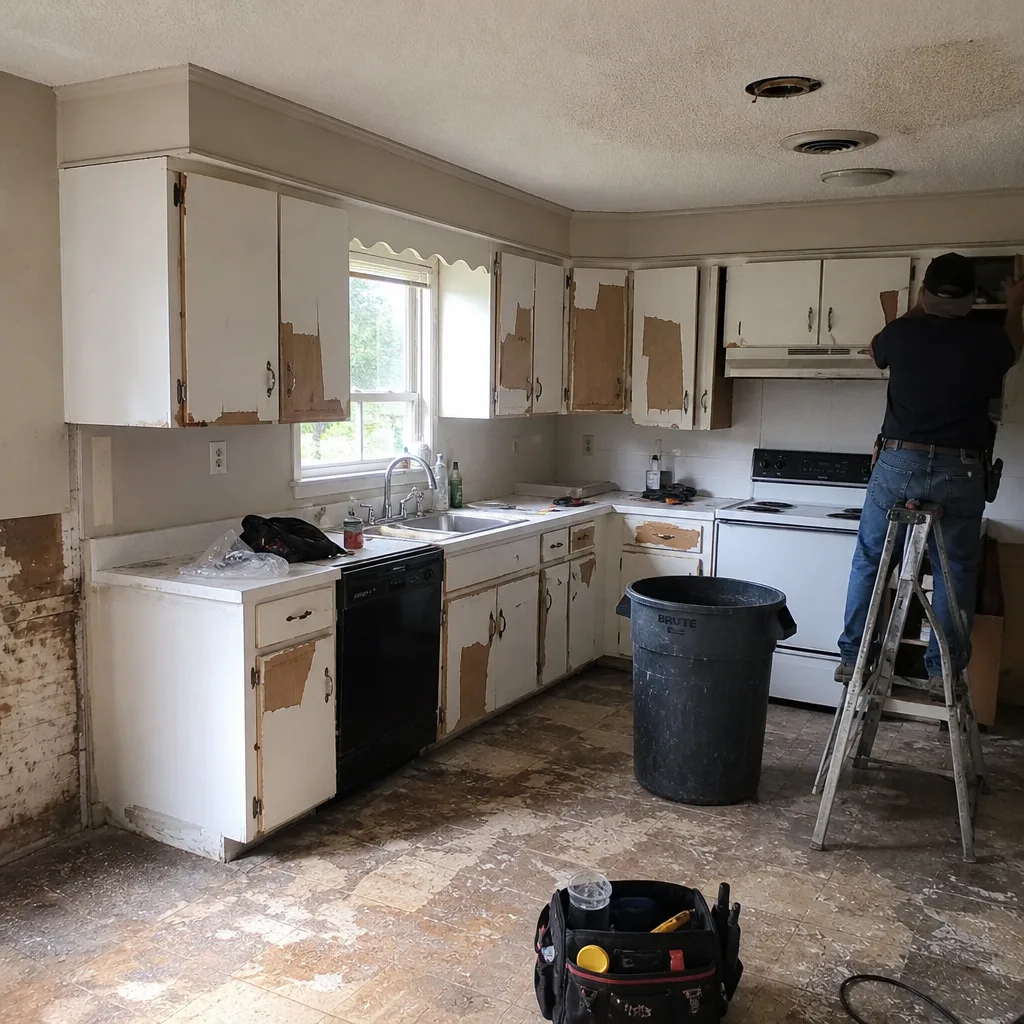 Before
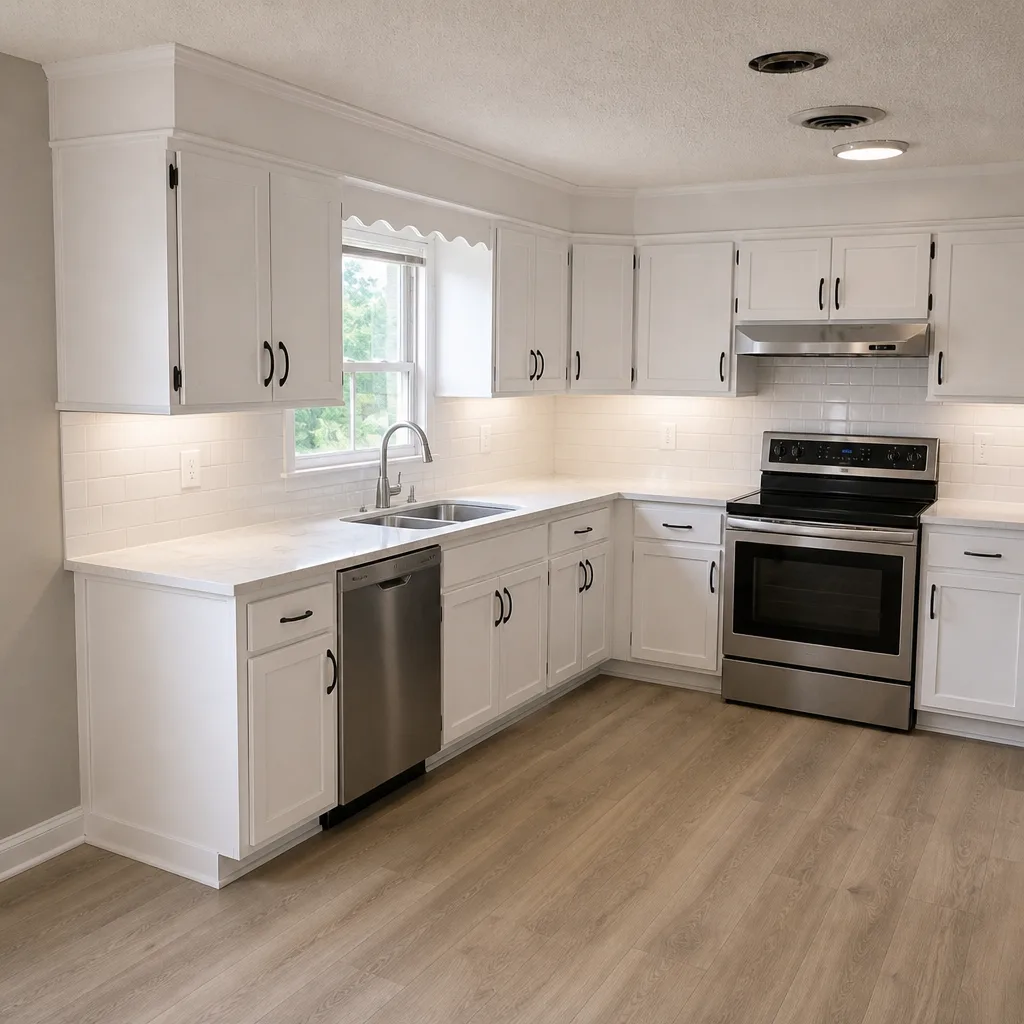 After
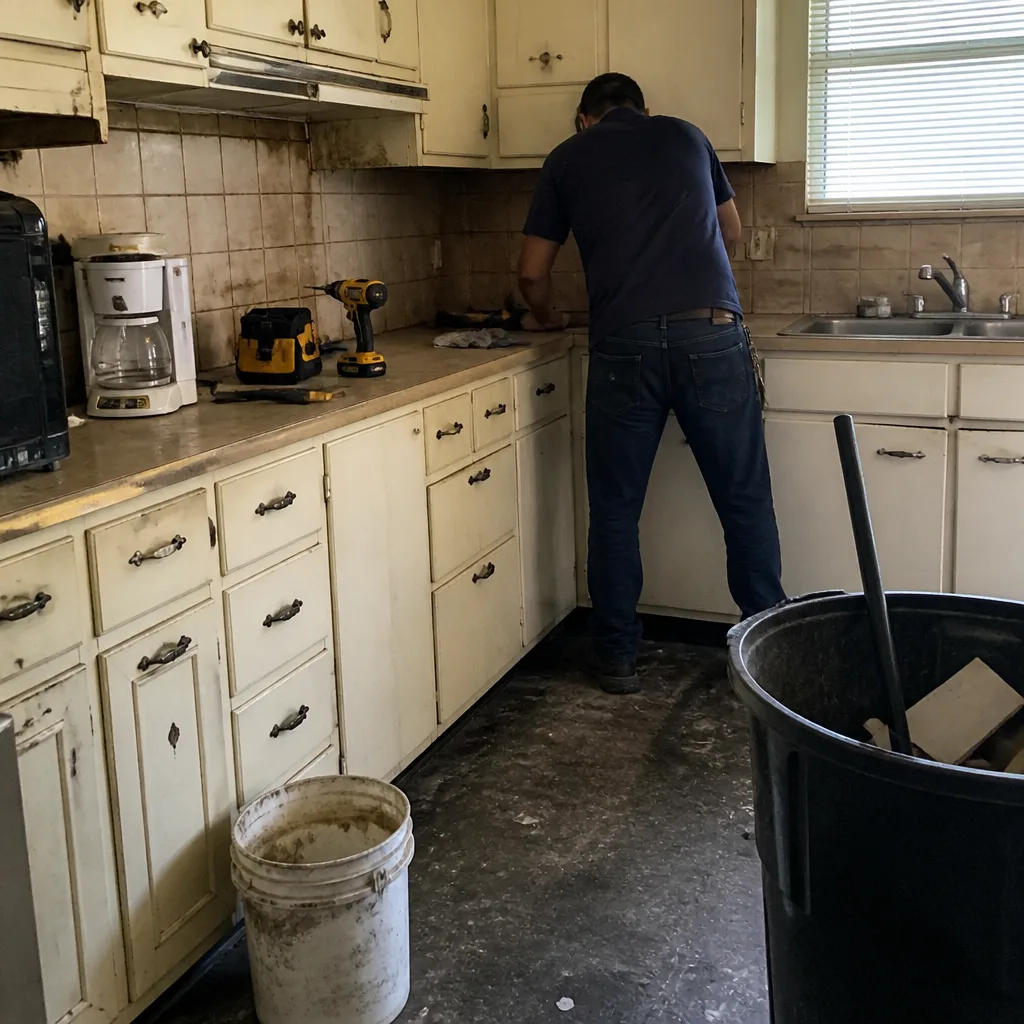 Before
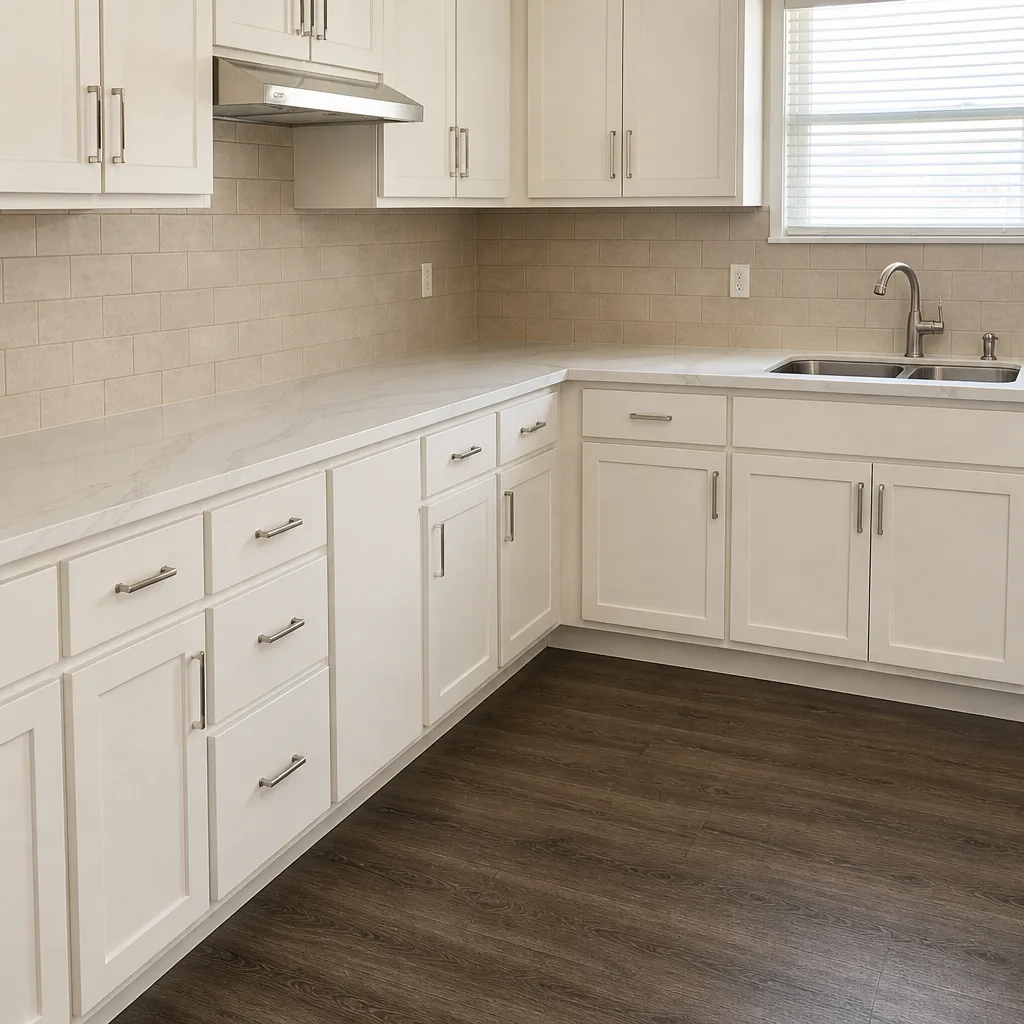 After
How to Fix a Sinking Driveway in Allen, TX: Fix the Soil, Not Just the Surface
A sinking driveway in Allen is almost always a soil problem before it’s a slab problem, and the fix depends on how deep the void runs underneath. If the gap between slab and sub-base is under about 2 inches, polyurethane foam lifting or mudjacking will usually re-level the section and hold. If the void is deeper than 2 inches and the base has crumbled, the correct repair is to remove that section and rebuild it on compacted flexible base. Surface patching a slab sitting on failing clay guarantees the same failure within two seasons. Call (888) 343-9048 and we’ll probe the void before anyone quotes you a fix.
Allen’s blackland clay can shrink enough during a dry summer to drop a driveway slab half an inch, then push it back up unevenly after the first heavy rain. Fill the crack without addressing the soil and you’re just resetting the clock. That’s the part most quick-fix guides skip, and it’s the reason driveways across Watters Crossing and Twin Creeks keep settling in the same spot year after year.
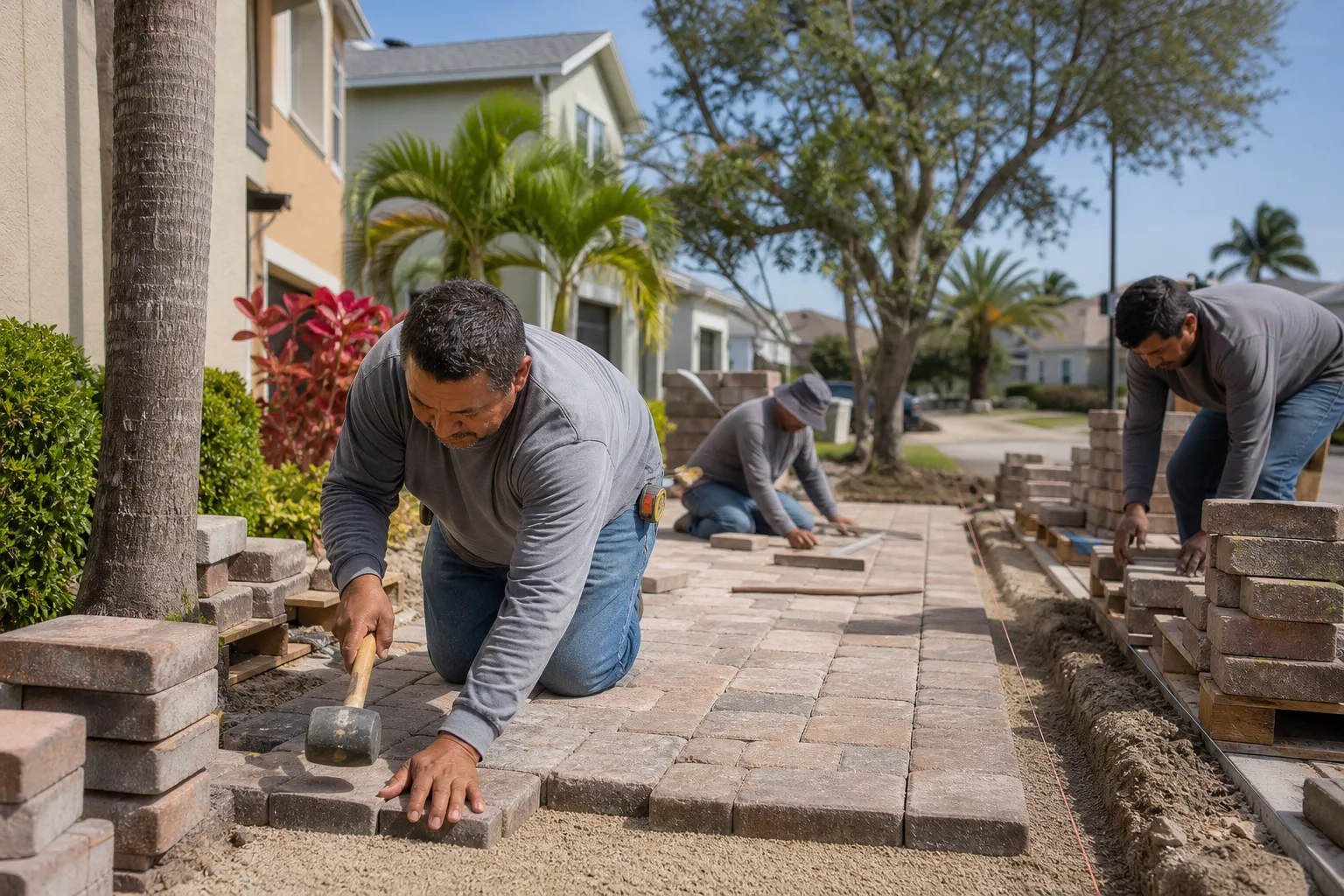
Why Allen Driveways Sink: The Clay Shrink-Swell Cycle
Almost every Allen subdivision lot sits on expansive blackland clay, and that clay moves with the weather. When Allen goes weeks without rain, which is common from July through September, the clay contracts and pulls away from the underside of the slab. That leaves voids. The slab has nothing holding it up, so it settles, and you get the crack or the low spot at the garage apron.
Then the rain comes back and rehydrates the clay unevenly. One side of the driveway swells while the other stays compacted, and the slab heaves. That back-and-forth is what cracks a 1990s or 2000s builder-grade driveway that looked fine five years ago. It’s also why the settlement always seems to show up in the same two or three panels instead of the whole driveway.
We see a specific pattern in Allen’s master-planned subdivisions. Because the city built out in one big wave through the 1990s and 2000s, most of these driveways are hitting the same age at the same time. Original concrete, original base compaction, and now 20 to 30 summers of clay movement underneath. This is second-generation repair work, not old-house restoration. If you want the full picture on new construction and replacement options, our Driveway & Pavers in Allen page covers what a rebuild looks like here.
What to Check Before You Call Anyone
- Is the low spot isolated or widespread? One settled panel points to a local void. Several panels moving in different directions points to base failure underneath the whole run.
- Do the cracks open in summer and close in fall? That’s classic clay movement, not a surface defect.
- Does water pool toward the house or the garage? Grading that sends runoff toward the slab speeds up the settlement.
- Is the apron at the street sitting lower than the rest? That’s the panel Allen’s street-property-line rules touch on, and it needs its own look before any repair.
What you should not do is fill the crack with caulk, pour a thin concrete cap over the low spot, or try to lift a slab yourself. A loaded slab sitting on clay can shift without warning, and a full section replacement means breaking out concrete and handling a base that has to be compacted to the right density. That’s trained work. Our technicians have up to 12 years of experience reading exactly this kind of settlement, and a proper diagnosis takes minutes.
The Diagnostic Sequence: Probe the Void, Then Pick the Repair
Here’s how we actually decide which repair a driveway needs. The surface tells you almost nothing. The void depth tells you everything.
We drill small test points and probe the gap between the slab and the soil, checking depth at the low corner, the edge, and the middle of each affected section. That probe results in one of two answers:
- Void under about 2 inches, base still intact: the slab is intact and just needs to come back up. Lifting repairs fit here.
- Void over 2 inches, or base crumbling when probed: the soil under the slab has failed. Lifting a slab onto a failed base just re-settles it. This section has to come out and get a new compacted base.
Skipping the probe is where low quotes come from. A crew quotes foam lifting because it’s cheap, finds a 4-inch void once the slab is up, and the price climbs before the job is finished. Our upfront pricing means you get the written diagnosis and a fixed number for the correct repair tier before we touch the slab. The number you see is the number you pay.
The Three Repair Tiers for a Sinking Driveway in Allen
Once the void is measured, the repair lands in one of three tiers. Each fits a different void profile in clay-heavy soil, and picking the wrong one is why some driveways fail again inside two years.
1. Polyurethane Foam Lifting
We inject expanding polyurethane foam through small holes in the slab, and it fills the void and lifts the section back into place. It’s fast, it doesn’t add much weight, and it’s non-invasive. Foam is the right call for isolated settlement where one or two panels have dropped and the base underneath is still solid. Most of these jobs finish in a single visit.
2. Mudjacking
Mudjacking pumps a heavier cement-and-soil slurry under the slab to fill larger voids and push up bigger, heavier panels. It’s better than foam when a large section has to move, or where the void is wider and needs real mass to fill it. It takes longer to cure and the slab can’t be walked on right away, but for a long settled run in Allen, it holds up well when the base is still sound.
3. Full Section Replacement on Compacted Flexible Base
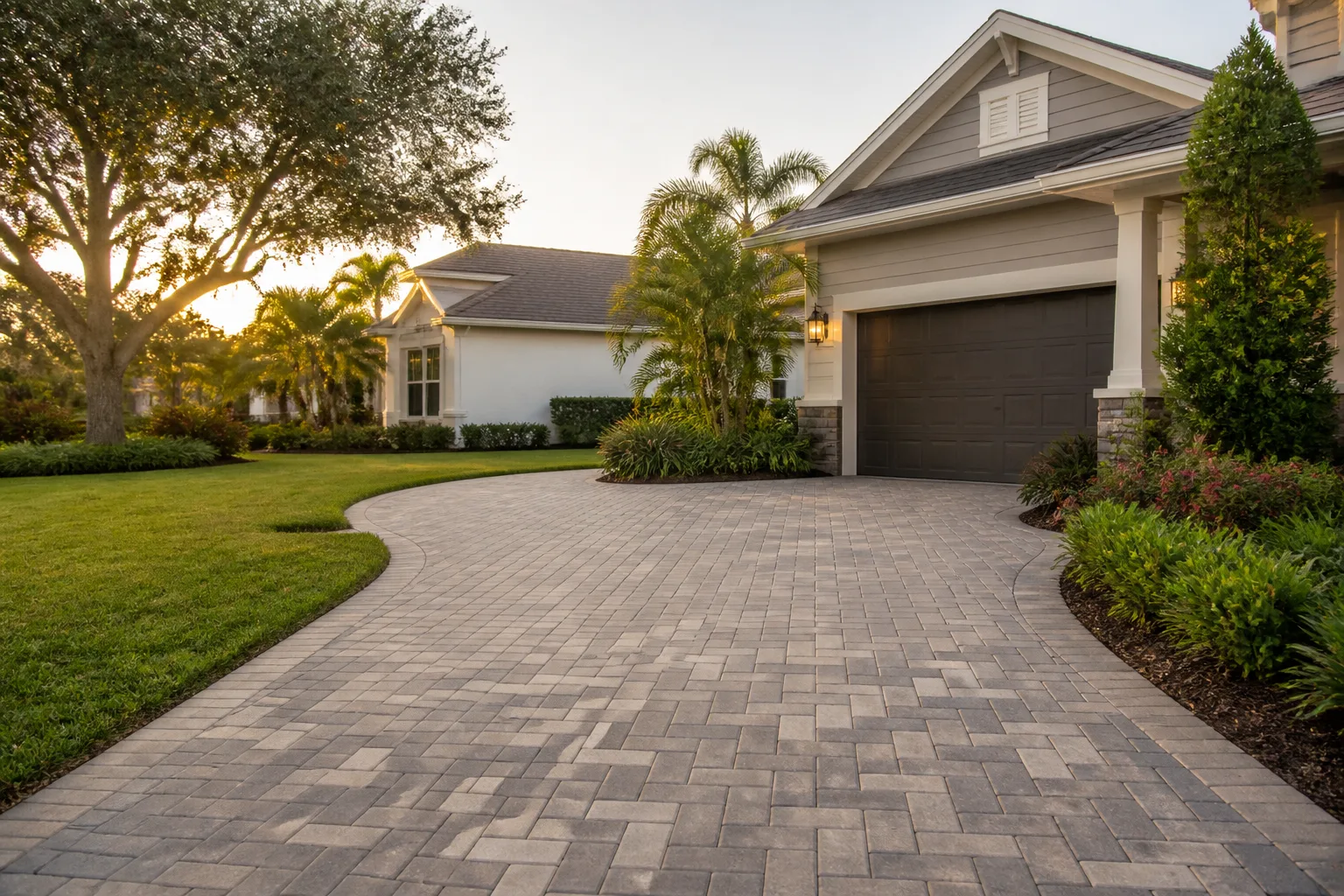
When the void is deep and the base has crumbled, this is the only fix that lasts. We break out the failed section, dig down to stable soil, and rebuild on a properly compacted flexible base before pouring new concrete. That base is what buffers the clay movement that caused the problem in the first place. New driveway installation typically runs $4,500-$12,000 in Allen. If you’d rather move to pavers, which flex slightly with clay movement instead of cracking, that’s a conversation for our Driveway & Pavers team. We install Tremron and Techo-Bloc systems that handle North Texas clay better than a rigid slab.
Repair Pricing at a Glance
| Repair tier | Best for | Typical Allen range |
|---|---|---|
| Polyurethane foam lifting | Isolated settlement, void under 2 in, solid base | Quoted per section after probe |
| Mudjacking | Large panels, wider voids, base still intact | Quoted per panel after probe |
| Full section replacement | Deep voids, crumbling base | $5,000-$14,000 |
| Driveway sealing (after repair) | Protecting the finished surface | $250-$700 |
Those lifting figures depend on how many sections we probe and what we find underneath, so we give a fixed number in writing instead of a range that moves. Finishing a repair is covered by our 730-Day Done Right Promise - if it’s not done right, we make it right, for two full years.
The Allen Permitting Reality Most Crews Get Wrong
Allen’s permitting is stricter than neighboring McKinney and Frisco’s newer edges, and a driveway replacement that changes the apron at the street-property line needs a permit and inspection. Slabjacking or foam lifting usually doesn’t, because the footprint at the street stays the same. Skip the permit on a full replacement and you’re looking at a stop-work order halfway through the pour. Our crews pull the permit before the concrete is ordered, and the inspection happens on the city’s calendar, not ours.
Because Allen subdivisions are HOA-heavy, a full rebuild also means checking your neighborhood’s architectural-review rules before the city permit is issued. Roof color, fence height, even shed placement can trigger pre-approval in the planned communities here. A crew from out of town skips that step and leaves you holding the compliance letter. We build it into the schedule.
When It’s Worth Calling a Pro
If the crack is hairline and stable, seal it and watch it through a season. Once you have a visible low spot, a step between panels, or water running toward the garage, the void is already there and it grows every dry stretch. That’s the point to get it probed. The fix costs less than the slab damage it prevents, and a two-year guarantee beats another patch and pray. If you’d like new pavers instead of repair, our home page and Driveway & Pavers in Allen service cover the options.
FAQs
Lifting repairs (foam or mudjacking) are priced by section after we probe the void, and a full driveway replacement in Allen runs $5,000-$14,000. The number you get depends entirely on how deep the void is and how much base has failed, so a written diagnosis up front is the only honest way to quote it. Call (888) 343-9048 and we’ll walk you through the range for your driveway - estimates are free.
Often, yes. If the void is under about 2 inches and the base is still solid, polyurethane foam lifting or mudjacking will re-level the sections and save the rest of the driveway. Full replacement is only necessary when the void is deep and the sub-base has crumbled. Call (888) 343-9048 for a probe and a straight answer on which tier fits.
Lifting one or two settled sections is almost always the cheaper route when the base is intact, and full replacement is the better value once several panels and the base have failed, because lifting onto bad soil just resets the same failure. The right call comes from the probe, not the price tag. Call (888) 343-9048 for a free estimate on both.
The crack keeps returning because the repairs filled the surface and left the clay shrink-swell cycle underneath untouched. Allen’s blackland clay contracts in drought and heaves in rain, so a slab on a failed base will keep moving no matter what you cap it with. Call (888) 343-9048 and we’ll find and fix the actual cause.
If you’d rather have it looked at, Groundwork Construction Co. of Allen offers a no-pressure assessment in Allen. We probe the void, show you what we find, and quote a fixed price for the repair that fits your driveway. Call (888) 343-9048 for a free estimate - a live person answers around the clock, and 0% financing for 18 months is available if you decide to rebuild. When you’re ready, ask about $1,000 off projects over $10,000.
Written by the team at Groundwork Construction Co. of Allen, serving Allen, TX.