Free written scope consultation - allowances, timeline, and change-order rules on paper before a single trade is scheduled
Styles & brands we work with
- Kitchen remodeling
- Bathroom remodeling
- Home additions & ADU
- Roofing
- Windows & doors
- Driveway & pavers
- Fence
See the difference
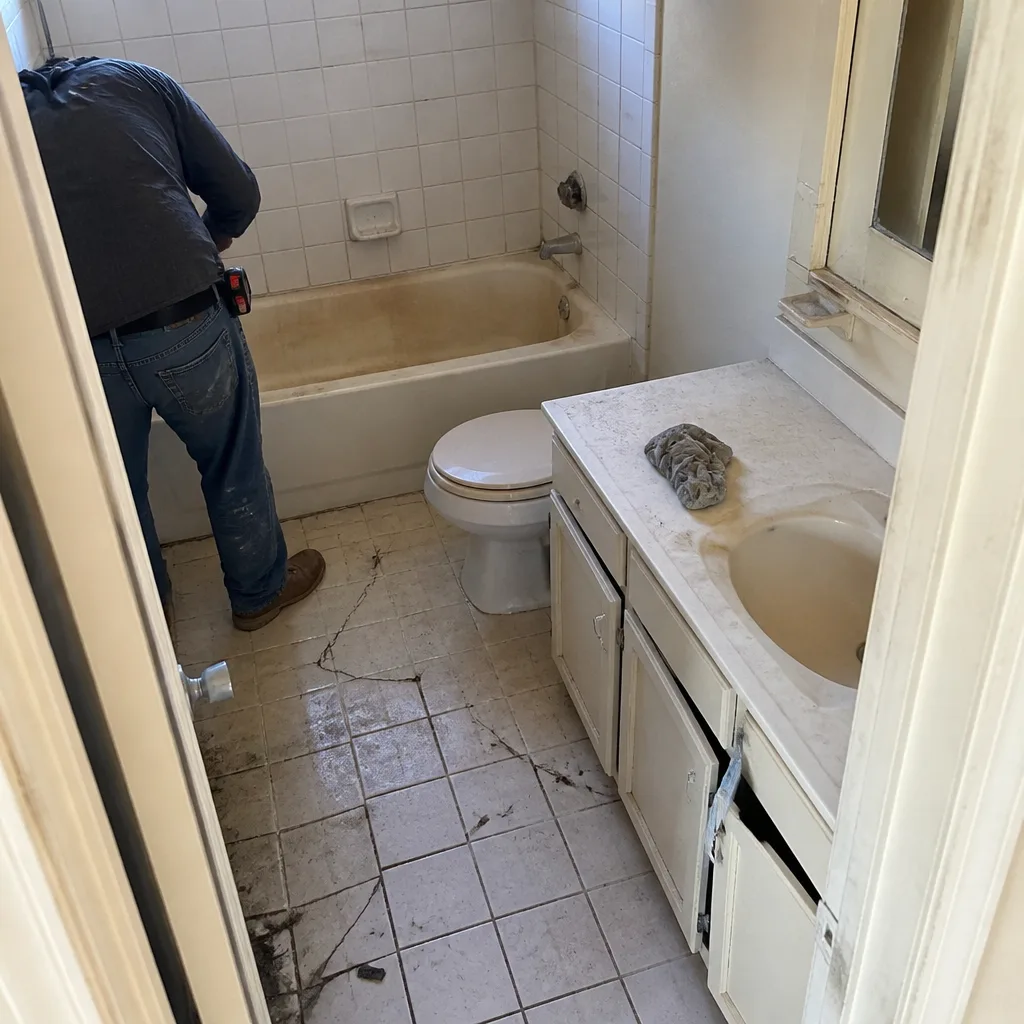 Before
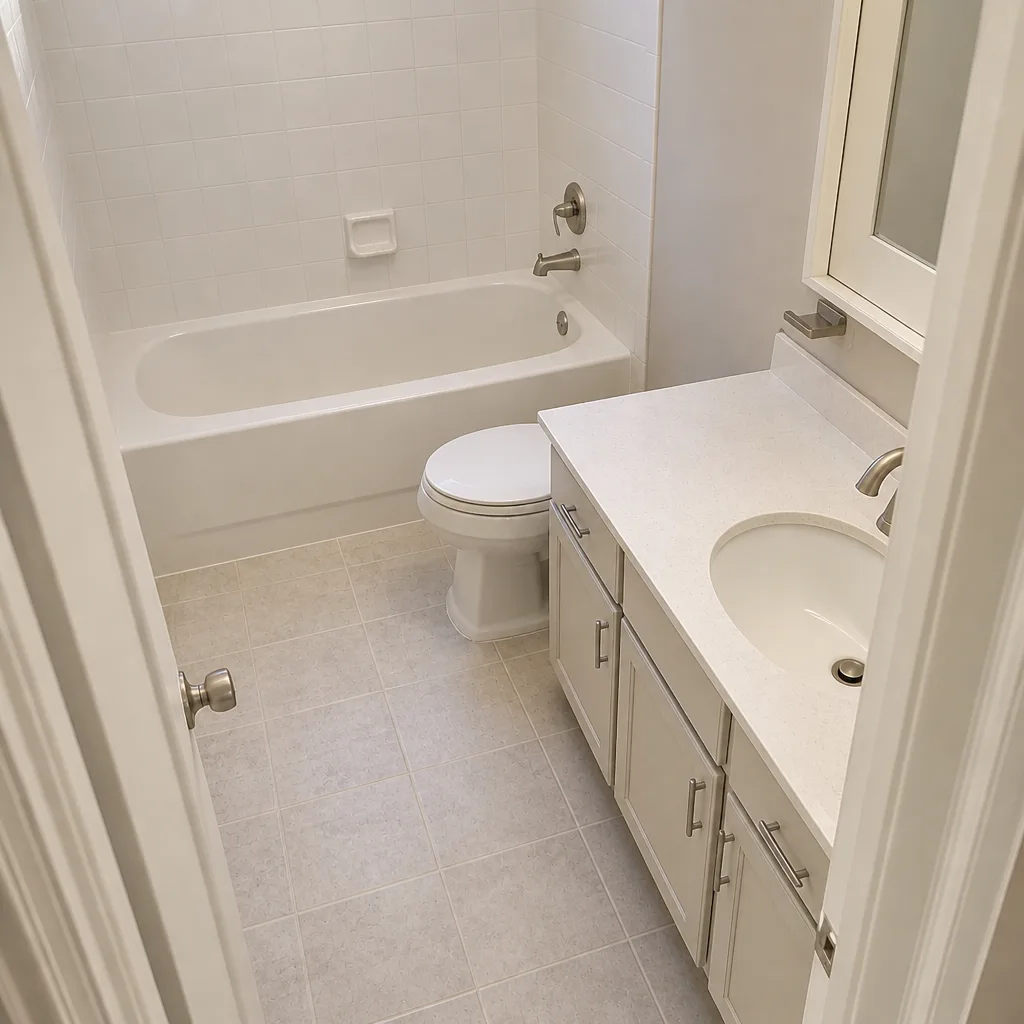 After
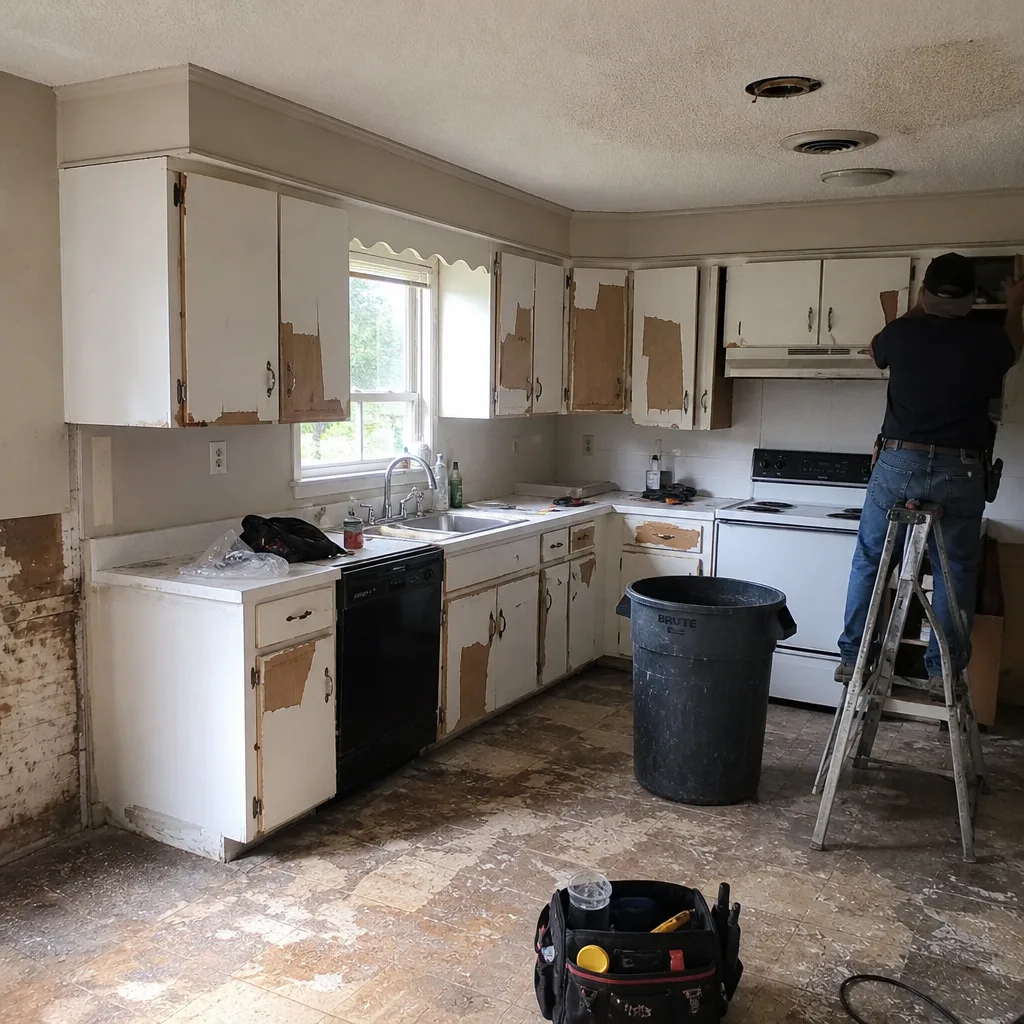 Before
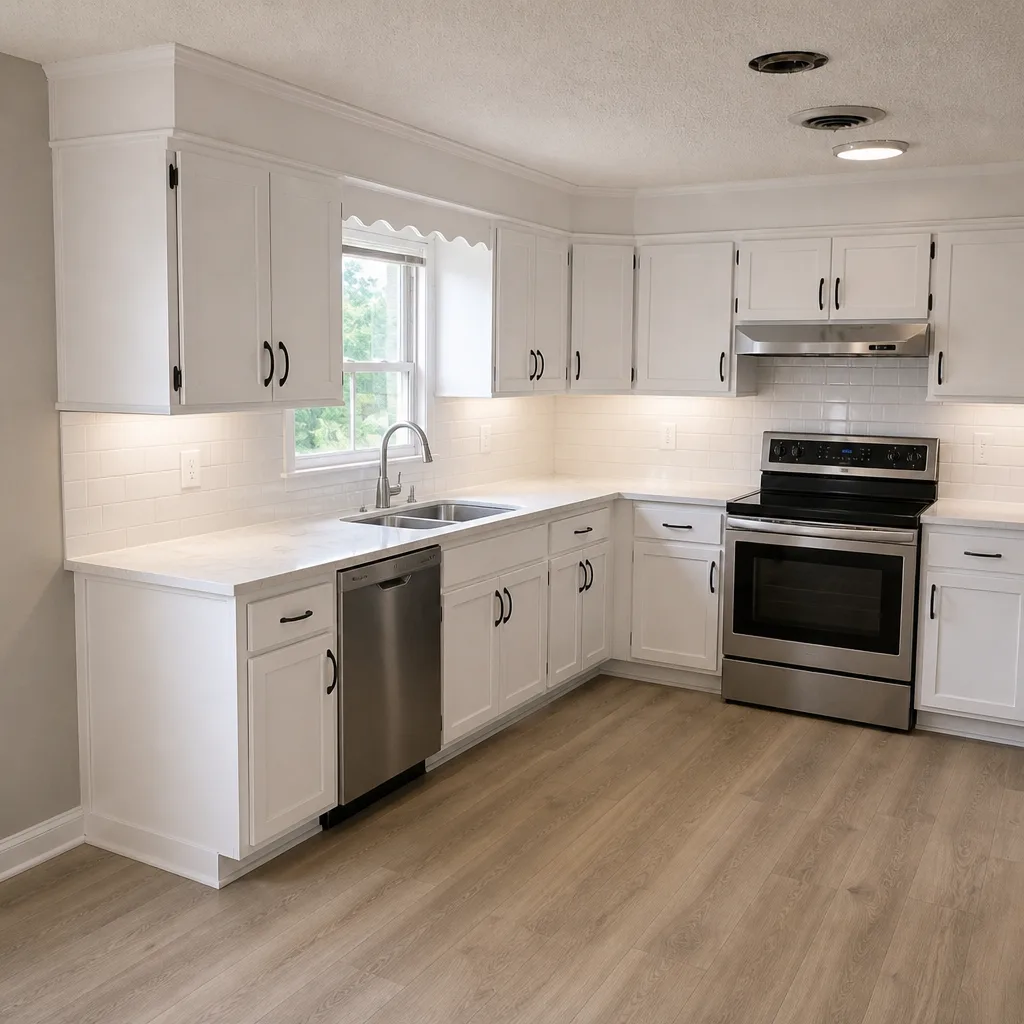 After
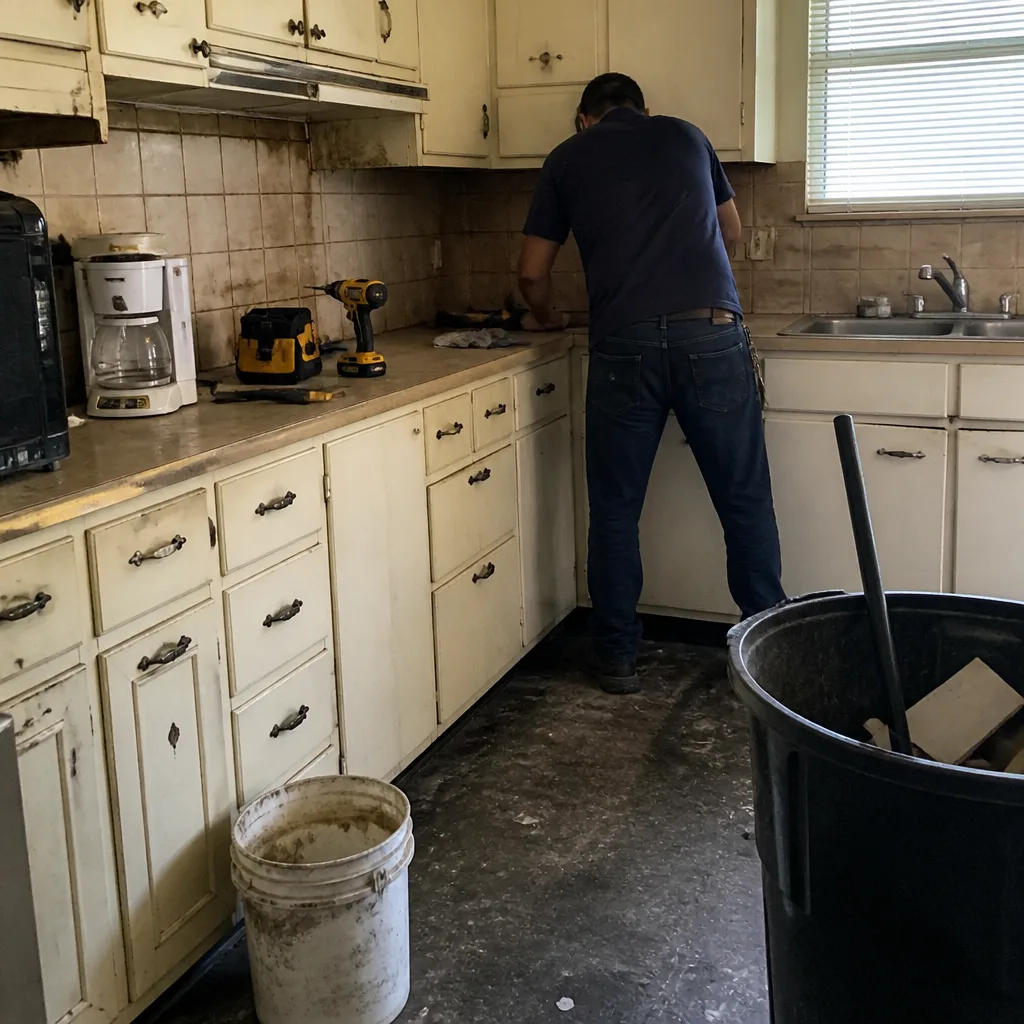 Before
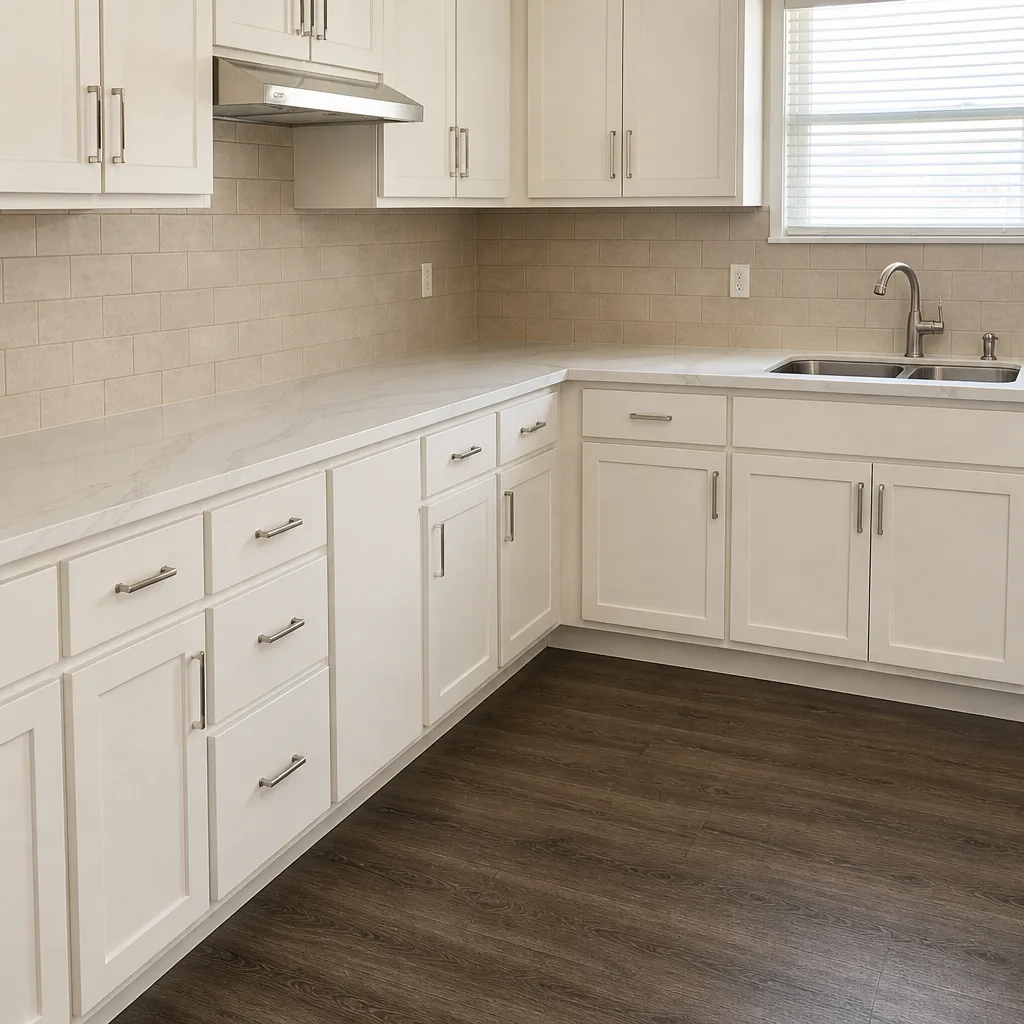 After
Detached ADU Cost in Allen, TX: What You’ll Actually Pay in 2026
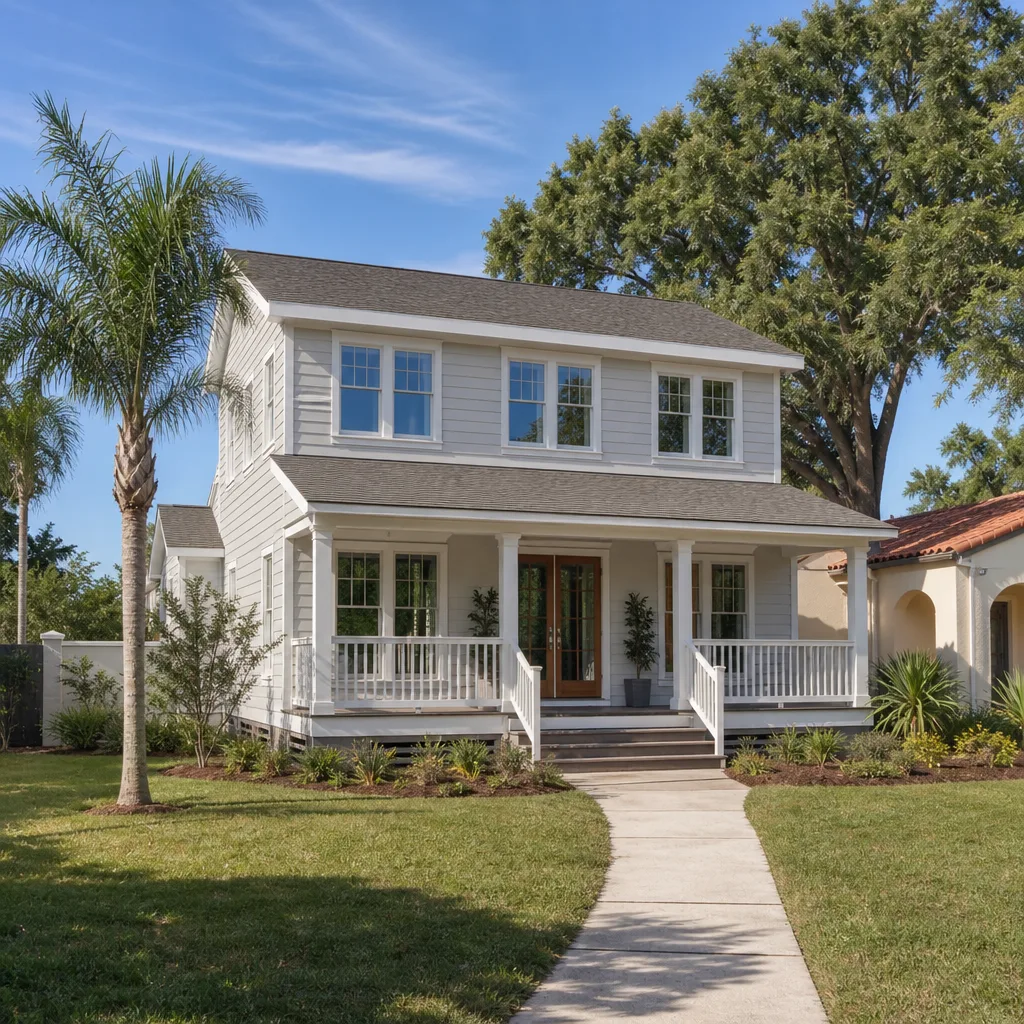
A detached ADU in Allen typically costs $45,000 to $130,000 for a modest unit, and $90,000 to $220,000 for a full detached build. Our team at Groundwork Construction Co. of Allen fielded real Allen quotes across that span, and the honest truth is that detached ADUs run higher here than in most Collin County markets for reasons a national calculator will never flag. Call (888) 343-9048 and we’ll walk through an upfront number for your lot, no surprises.
Why the range is so wide: a detached ADU in Allen doesn’t just cost more to build than the same structure in Austin, it costs more to plan. By the time you’ve cleared HOA review, pulled the city permit, and matched the brick veneer on your main house, the project scope is already different from anything an online cost tool will tell you. Three factors drive that premium: the blackland clay under your lot, the two-layer approval timeline, and a brick-matching requirement that most Allen subdivisions bake into their architectural rules.
Key Takeaways
- Plan for $45,000-$130,000 on a standard detached ADU; larger or fully finished units climb to $90,000-$220,000.
- Clay-soil foundation work adds $8,000-$15,000 versus a stable-soil market.
- HOA review plus city permit can add 4-8 weeks before a shovel hits dirt.
- Utility rough-in alone runs $12,000-$22,000 on a typical Allen subdivision lot.
- Deed restrictions can stop a project cold, so research them before you pay for drawings.
What Does a Detached ADU Cost in Allen? Line-Item Ranges
Here’s how the budget breaks down for a detached unit on an Allen lot. These are real Allen ranges, not national averages, and they reflect the clay soil, subdivision finish rules, and utility distances your property actually has.
| Line item | Typical Allen range |
|---|---|
| Full detached ADU (finished, standard size) | $90,000-$220,000 |
| Modest detached ADU (compact footprint) | $45,000-$130,000 |
| Clay-soil foundation premium (post-tension or thickened-edge slab) | $8,000-$15,000 |
| Utility rough-in (electrical stub, water branch, sewer lateral) | $12,000-$22,000 |
| Brick-veneer matching (salvage or custom run) | Project-specific, often several thousand dollars plus lead time |
| HOA ARC submission + city permit coordination | Folded into full-scope management |
That’s the number you budget against: $45,000-$130,000 as the working range for a detached ADU in Allen, and $90,000-$220,000 for a full-scale build. Anything quoted well below the floor usually means a slab that ignores the clay or a finish package that won’t clear your HOA. For a closer look at how we structure additions and detached units, see our Home Additions & ADU in Allen page.
Why Allen Lots Drive the Foundation Cost Up
Allen sits on North Texas blackland clay, and that soil moves. A standard slab-on-grade for a small structure in stable soil needs minimal sub-base engineering, so the foundation line is lean. On Allen’s clay, a structural engineer will typically specify a post-tension or thickened-edge slab with deeper perimeter beams to resist that movement. That specification adds $8,000-$15,000 to foundation scope compared with the same footprint in a stable-soil market.
We see it every season: Allen’s wet springs and dry summers cause the clay to swell and shrink, and a light slab from a cheap bid cracks within a couple of years. The foundation is where a detached ADU budget gets honest. You either pay for the engineered slab now, or you pay to fix a settling unit later.
The Brick-Veneer Matching Cost Nobody Warns You About
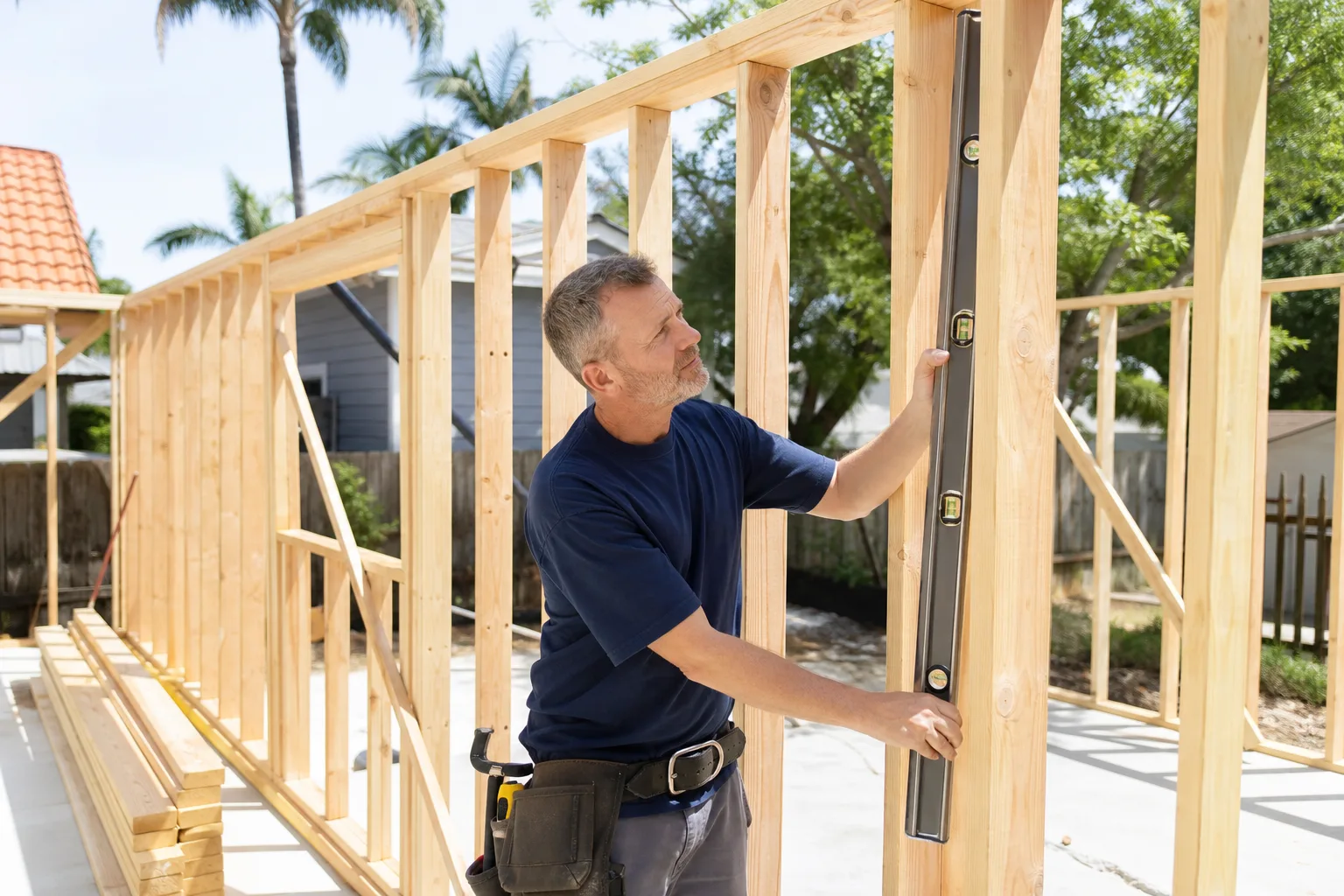
Most Allen subdivisions in the 1990s-2000s build-out (think Watters Crossing, Twin Creeks, Bethany Ridge) run brick-veneer traditional and Tudor-style homes, and their HOA architectural review boards almost always require a detached ADU to use brick that matches or closely coordinates with the main house exterior. That’s a finish requirement with real cost behind it.
If your house was built with a brick that’s since been discontinued, matching it means sourcing from a salvage yard or ordering a custom run. Both add material cost and lead time that a hardie or vinyl-clad structure would never incur. A frame-and-hardie build is cheaper per square foot, but it won’t clear the ARC in most Allen neighborhoods. For the exterior build itself, our Home Additions & ADU team handles the brick coordination from day one so the design matches the house, not just the code. We regularly pull matched brick and dependable masonry materials from Oldcastle and Quikrete lines to keep the finish consistent with what’s standing on your lot.
Utility Connection Scope on a Standard Allen Lot
A detached unit needs its own utility feeds, and the distance from your main house drives the price. On a typical Allen subdivision lot, a new electrical service stub from the main panel, a new water service branch from the main line, and either a sanitary sewer lateral or approval to tie into the existing main house sewer cleanout all come into play. Utility rough-in alone typically runs $12,000-$22,000, depending on how far the ADU sits from the main structure.
Distance isn’t the only variable. Trenching through established landscaping, crossing a driveway, or hitting a gas line already on the property all change the scope. When we quote, we walk the lot and measure the actual runs rather than assume a diagram.
Check Deed Restrictions Before You Pay for Drawings
This is the step that saves Allen homeowners the most money, and it’s the one most people skip. A significant portion of Allen’s 1990s-2000s subdivision lots carry recorded deed restrictions that limit detached structures to storage sheds under a specified square footage. Those recorded restrictions supersede the city’s ADU ordinance, which means a restrictively-deeded lot can’t take a detached ADU no matter what the city would approve.
Identify that restriction before you commission architectural drawings. We’ve watched homeowners spend on a design package only to discover the lot was never eligible. A title search and a read of the recorded covenants come first, every time. If the restriction rules out a detached unit, we’ll tell you straight and point you toward what the lot does allow.
The Two-Layer Approval That Adds 4-8 Weeks
Allen’s approval process runs HOA architectural review first, then city permit, and each layer adds time. In the HOA-heavy subdivisions across Watters Crossing and Twin Creeks, the ARC reviews roof color, fence height, materials, and placement before the city will even look at the application. That sequencing typically adds 4-8 weeks to the pre-construction timeline compared with a market without that review step, and crews from neighboring towns routinely skip it and stall the project.
Groundwork’s full-scope project management includes HOA ARC submission, city permit application, engineering coordination, and every trade scope under one contract with upfront pricing. You don’t manage four separate contractors and two approval bodies at once. From foundation to finish line, it’s one throat to choke, and it’s all covered by the 730-Day Done Right Promise, so if something isn’t done right, we make it right. Our technicians have up to 12 years of experience on additions and structural work, and calls are answered by a live person 24/7, not a voicemail box.
Can You Finance a Detached ADU in Allen?
Yes, and the standing offers take real weight off a large build. Groundwork Construction Co. of Allen backs every project with upfront pricing (the number you see is the number you pay), 0% financing for 18 months, and $1,000 off projects over $10,000. On a $90,000 to $220,000 unit, that financing window lets you phase the spend across a full year and a half without interest piling on. The free project estimate and design consult comes before any of that, so you’re deciding with real numbers in hand. To see how our broader build work fits your plans, browse our home page for the full scope.
FAQs
A detached ADU in Allen typically runs $45,000-$130,000 for a modest unit and $90,000-$220,000 for a full finished build. The clay-soil foundation premium and brick-veneer matching are the two biggest local cost drivers. Call (888) 343-9048 for an exact quote on your lot, estimates are free.
Allen adds cost in three places: engineered post-tension foundations for the blackland clay ($8,000-$15,000 premium), a two-layer HOA-then-city approval process (4-8 weeks), and subdivision rules that require brick matching the main house. A stake-in-the-ground quote from another city won’t account for any of them.
Yes, in most Allen HOA subdivisions you need architectural review committee approval before the city permit is issued. The ARC reviews materials, placement, and finish, and that step comes first. We handle the submission for you so it doesn’t stall.
They can. Many 1990s-2000s Allen subdivision lots carry recorded deed restrictions limiting detached structures to storage sheds under a set size, and those restrictions override the city ordinance. We research the covenants before any drawings are commissioned so you don’t spend on a design for an ineligible lot.
Get an Upfront Detached ADU Number for Your Allen Lot
The fastest way to know what your detached ADU will cost is a real look at your lot, not a web calculator. Groundwork Construction Co. of Allen brings full-scope management, upfront pricing, and the 730-Day Done Right Promise to every build. Call (888) 343-9048 for a free estimate and design consult.
Written by the team at Groundwork Construction Co. of Allen, serving Allen, TX.
What Our Customers Say
"Change orders were written down and priced before the work happened, every single time. No surprise at the end."
- Keisha Robinson"He told me one part of what I wanted was a bad idea structurally and offered an alternative instead of just taking the money."
- Angela Wong"The schedule he gave me at the start was accurate to within four days on a three month job. Anyone who has done a renovation knows how unusual that is."
- Laura Bennett