Free written scope consultation - allowances, timeline, and change-order rules on paper before a single trade is scheduled
Styles & brands we work with
- Kitchen remodeling
- Bathroom remodeling
- Home additions & ADU
- Roofing
- Windows & doors
- Driveway & pavers
- Fence
See the difference
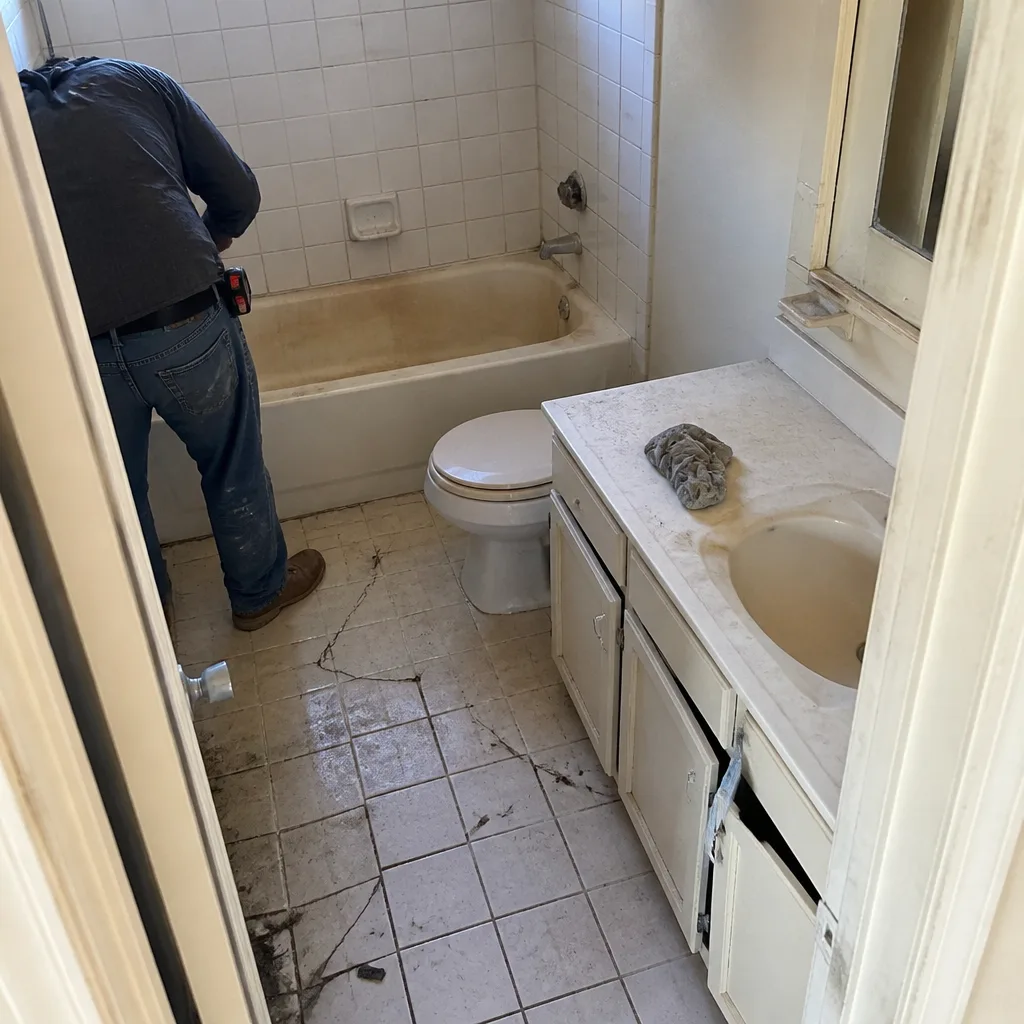 Before
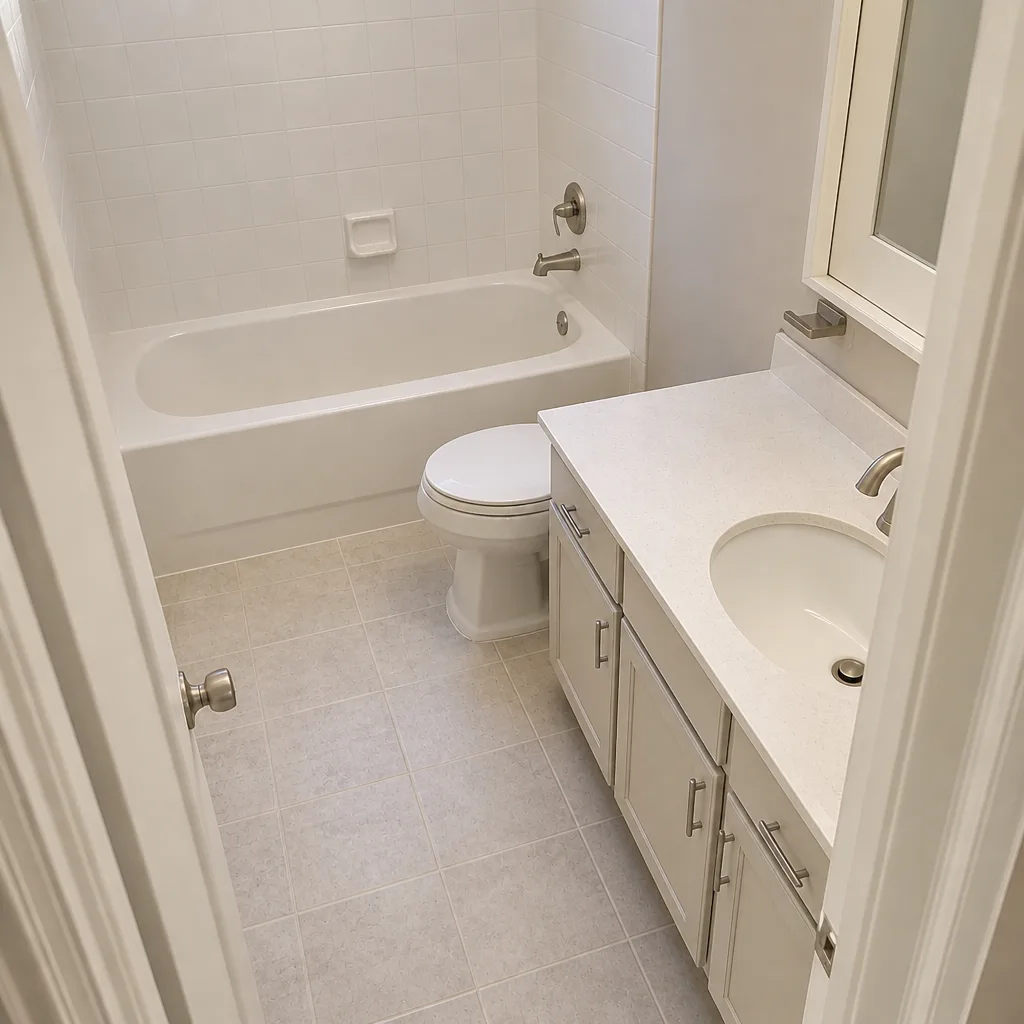 After
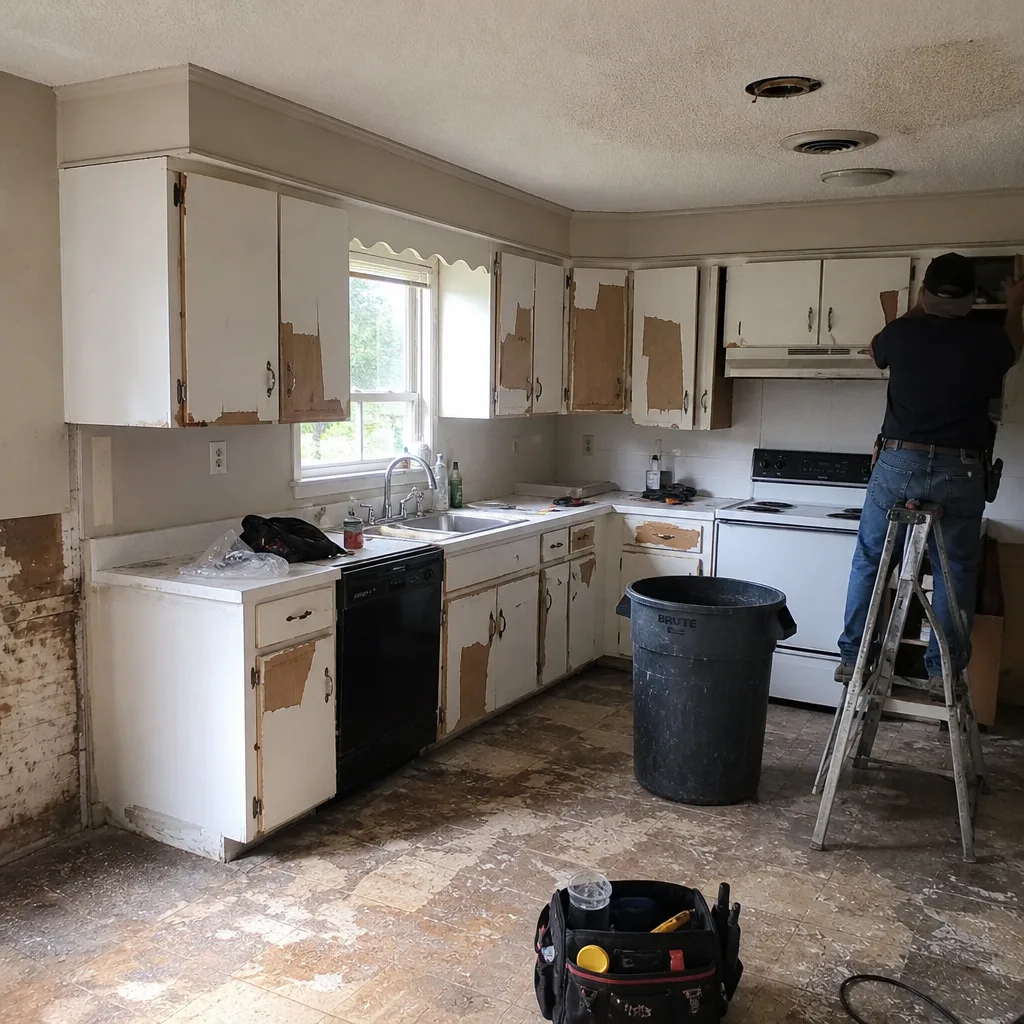 Before
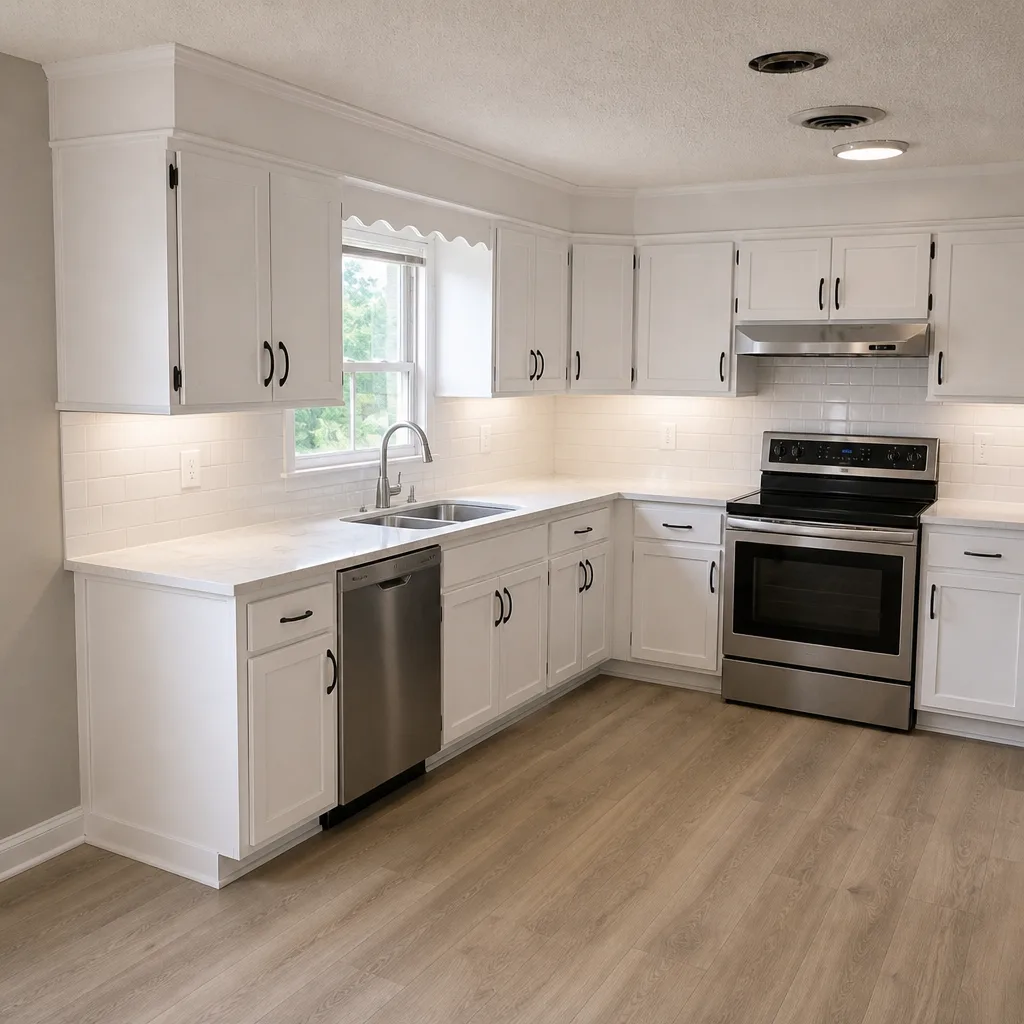 After
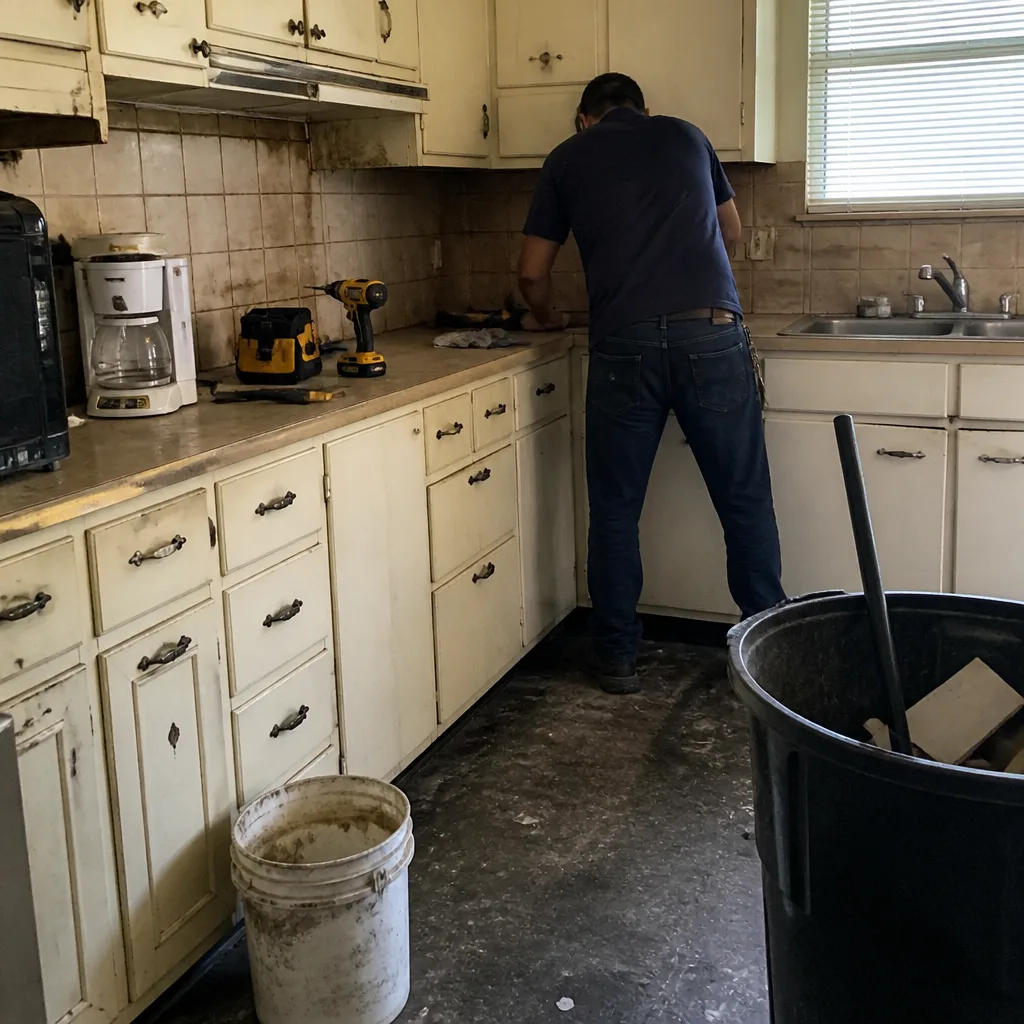 Before
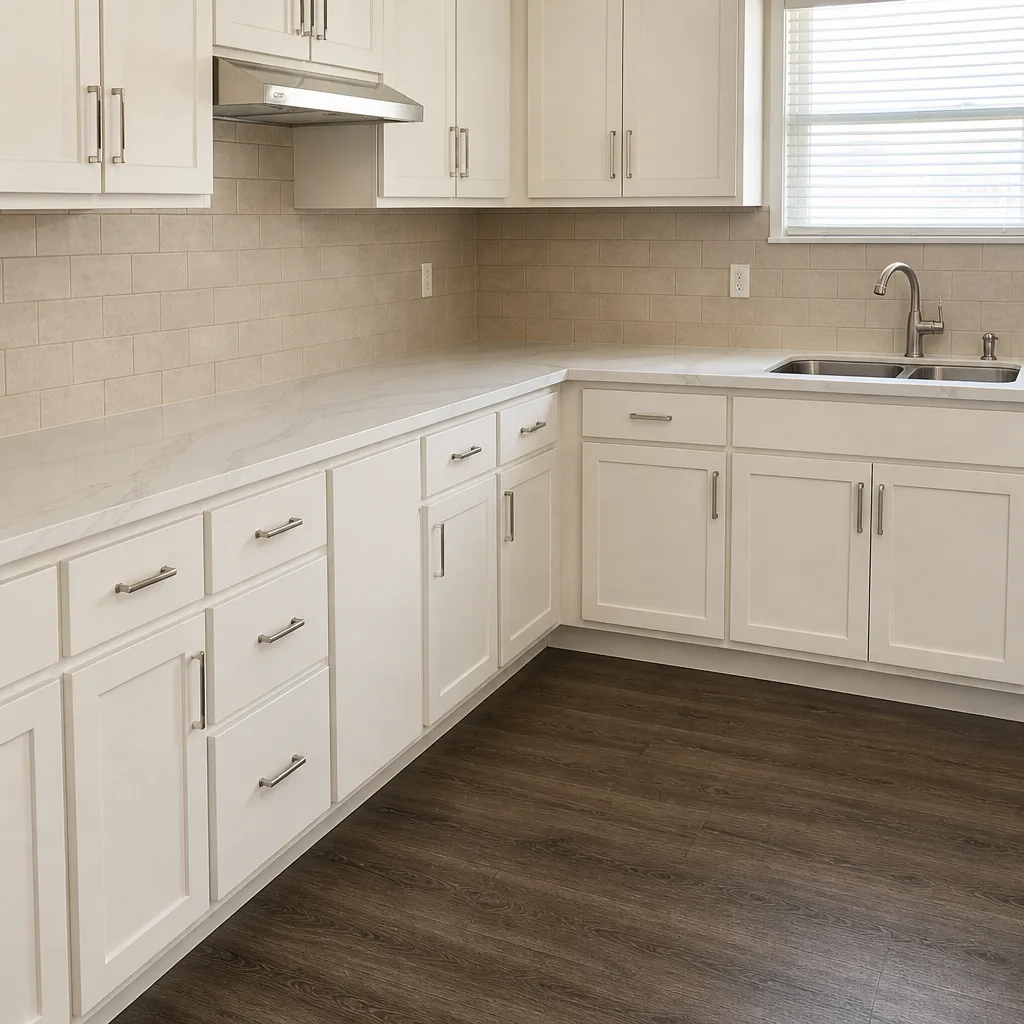 After
Asphalt vs Concrete Driveway in Allen, TX: Which Should You Choose?
Choose concrete unless your lot has a troubled clay sub-base, mature trees lining the drive, or a budget that can’t cover the higher upfront pour. Asphalt is more forgiving when Allen’s blackland clay shifts under a driveway, but Allen’s summers will soften it enough that a parked RV or boat trailer can leave permanent impressions. Neither material is perfect here. Below is the honest trade-off, priced out over ten years so you can decide with real numbers instead of a sales pitch. Call (888) 343-9048 and we’ll walk your actual lot before you commit either way.
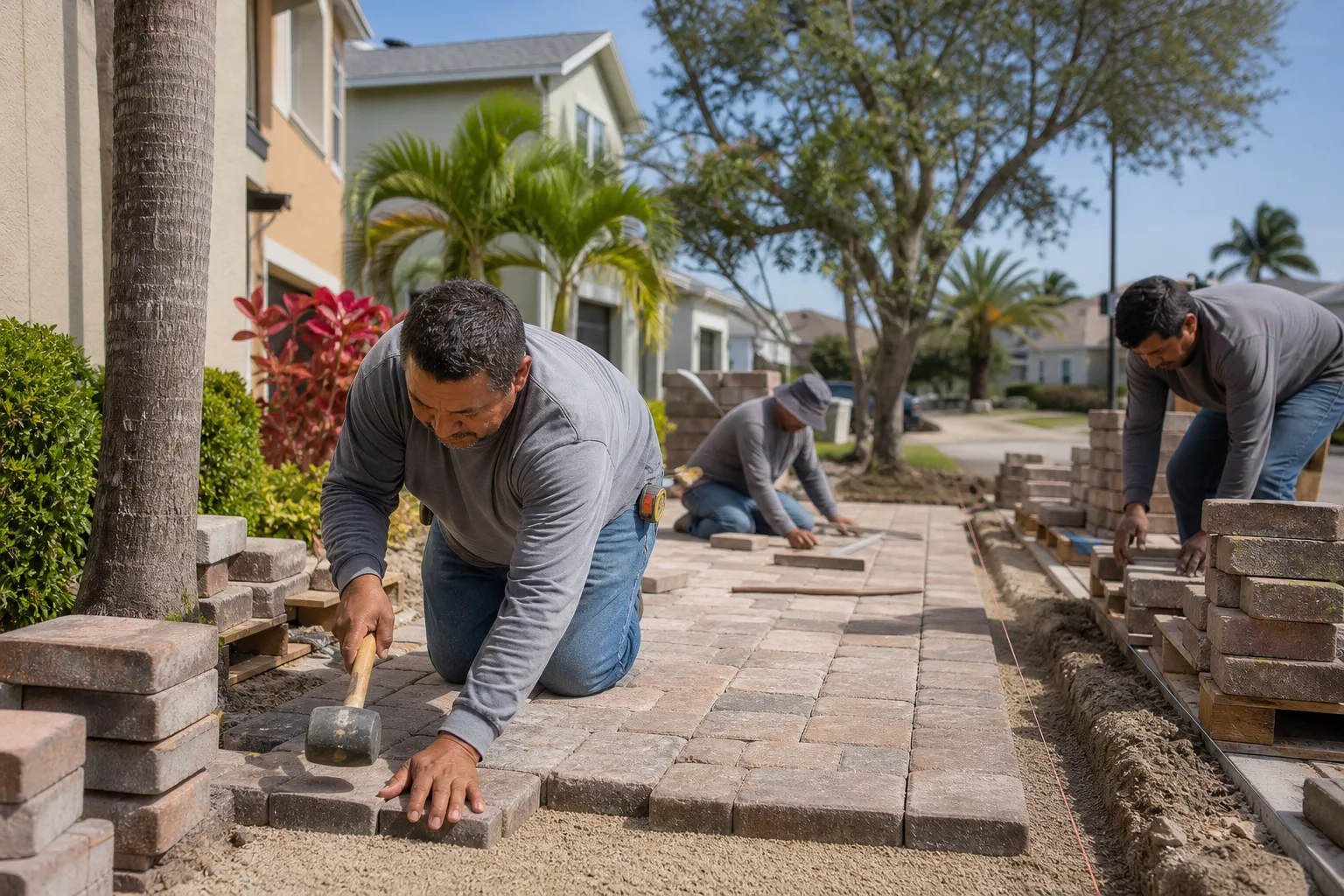
Why Allen’s Clay Makes This a Tougher Call Than Most Guides Admit
Groundwork Construction Co. of Allen pours and paves driveways across Collin County, and the same thing trips up nearly every homeowner weighing asphalt against concrete: they read a national guide written for sandy or gravelly soil, then apply it to a blackland-clay lot. Allen sits on expansive clay that swells when it’s wet and shrinks hard in a dry spell. That movement is the whole ballgame for a driveway.
Concrete is rigid. When the clay heaves, concrete resists, and the stress has to go somewhere. It goes to the control joints and the surface, which is why you see cracking along joint lines and slab lifting on older drives in subdivisions like Twin Creeks and Bethany Ridge after a wet spring followed by a dry August. Asphalt flexes slightly with the clay instead of fighting it. On a lot with a stubborn sub-base, that flexibility is a real advantage, one the rigid-material crowd tends to gloss over.
The advantage shrinks fast under mature trees. Tree roots push up in a concentrated spot, and asphalt can’t bridge that point pressure any better than concrete can. If your drive runs past a thirty-year-old live oak, plan for root-related repairs on either surface. The clay story is favorable to asphalt. The tree story is a wash.
The Allen Heat Problem: Asphalt Softens When the Sun Is Worst
Here’s what the standard comparison never quantifies. Asphalt binder begins to soften above roughly 120°F at the surface. From June through September, a North Texas driveway in direct afternoon sun regularly climbs past that. When the surface is soft, a heavy load parked on it sinks. An RV, a boat trailer, a work truck left sitting for a week: any of these can leave ruts and depressions that don’t spring back once the surface cools.
That softening also shows up as edge crumbling and tire tracking along the wheel paths. These aren’t installation defects. They’re the ongoing cost of owning asphalt in a hot climate, and they’re the reason we tell Allen homeowners to think about where they park before they choose a material. Concrete doesn’t soften in the heat. It has its own problems, but heat-softening isn’t one of them.
What Each Material Really Costs Over Ten Years in Allen
Upfront price is only half the story. Here’s how the headline numbers compare for a typical Allen two-car drive, followed by what the maintenance adds up to.
| Line item | Asphalt | Concrete |
|---|---|---|
| Installation | $3,500-$9,000 | $4,500-$12,000 |
| Replacement of full drive | $5,000-$14,000 | $5,000-$14,000 |
| Seal-coating | $250-$700 every 3-5 years | Not applicable |
| Heat/hail repair risk | Higher (soft surface, dimpling) | Lower (rigid surface) |
| Crack/joint repair | Moderate | Moderate on shifting clay |
Over ten years, an asphalt drive in Allen will typically take two or three seal-coats and one round of patch repair after a hard hail season, on top of the original pour. A concrete drive on a stable sub-base is close to maintenance-free for that same decade. Add those costs together and the cheaper-upfront material is often the more expensive one by year ten. Upfront pricing, no surprises, works both ways: we’ll show you the ten-year number before you sign anything.
Hail is the wild card specific to Allen. Spring storms here throw hailstones an inch across or larger, and those can dimple a fresh or heat-softened asphalt surface. Concrete shrugs off hail. If you’re scheduling an asphalt pour, timing it after the spring storm window rather than in the middle of it is a planning decision worth making. For a closer look at surface options and finishes, see our Driveway & Pavers in Allen page.
Asphalt or Concrete: How to Decide for Your Lot
Here’s the framework we use on site. It comes down to which failure mode you can live with, because every drive in Allen will deal with the clay one way or another.
- Pick concrete if your sub-base is stable, you have no mature trees crowding the drive, and you want a low-maintenance surface that ignores summer heat and spring hail. It costs more up front and asks almost nothing of you after that.
- Pick asphalt if the sub-base is questionable or already shifting, your budget is tighter, or you want the flexibility to absorb clay movement without joint cracking. Budget for seal-coating every 3-5 years and keep heavy trailers off it in July and August.
- Think twice about asphalt if you park an RV or boat in the drive, your drive sits in full afternoon sun with no shade, or tree roots run beneath the surface. Those three conditions stack the odds against it.
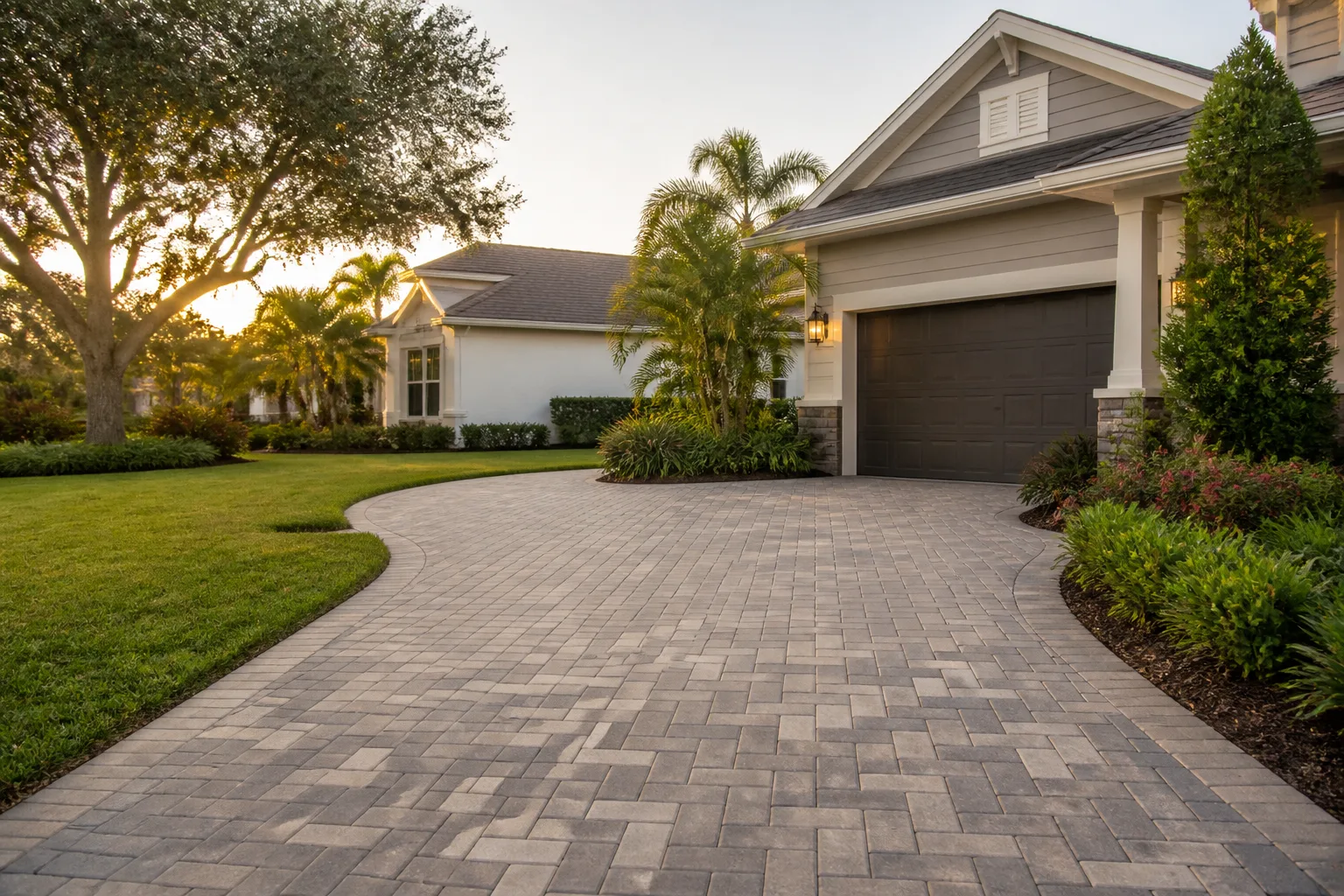
For homeowners who want a surface that sidesteps the asphalt-versus-concrete argument entirely, pavers are a third option worth pricing. Our Driveway & Pavers service lays out how interlocking pavers handle clay movement and let you lift and reset a single unit after a problem instead of replacing a whole slab. Whichever material you lean toward, the work is covered by our 730-Day Done Right Promise, so the choice between asphalt and concrete becomes a performance decision, not a risk hedge. The number you see is the number you pay, and if it’s not done right, we make it right.
FAQs
Concrete is the better default for most Allen lots because it holds up to summer heat and spring hail without softening or dimpling, while asphalt wins only on shifting clay sub-bases and tighter budgets. If your lot has a stable base and no mature trees crowding the drive, concrete’s higher upfront cost pays back over ten years in near-zero maintenance. Call (888) 343-9048 for an exact quote on your lot, free of charge.
Asphalt paving in Allen runs $3,500-$9,000 and concrete installation runs $4,500-$12,000 for a typical two-car drive, before seal-coating and repairs. Asphalt also needs seal-coating every 3-5 years at $250-$700 a pass, which narrows or erases its upfront savings over a decade. Call (888) 343-9048 and we’ll price both materials side by side for your specific driveway.
Yes. Asphalt binder softens above roughly 120°F at the surface, and North Texas driveways in direct afternoon sun hit that from June through September, so heavy vehicles can leave ruts and edges can crumble. Those are maintenance realities of asphalt in this climate, not installation defects. Call (888) 343-9048 and we’ll tell you honestly whether your parking habits make asphalt a good fit.
Hail damages asphalt more. Large hailstones, an inch or bigger, can dimple a fresh or heat-softened asphalt surface during Allen’s spring storm season, while concrete is essentially unaffected. That makes pour timing around the storm window a real planning factor for asphalt. Call (888) 343-9048 to schedule around the season instead of through it.
Get a Straight Answer on Your Driveway
Weighing asphalt against concrete is easier once someone walks your actual lot, checks the clay, and looks at where the trees and sun fall. If you’d rather have it looked at, Groundwork Construction Co. of Allen offers a no-pressure assessment in Allen. Call (888) 343-9048 for a free estimate.
Written by the team at Groundwork Construction Co. of Allen, serving Allen, TX.