Last updated November 18, 2026
Free written scope consultation - allowances, timeline, and change-order rules on paper before a single trade is scheduled
Choosing the Right Construction Brand: A Buyer’s Guide for Allen
A contractor can install a $4,000 patio with about $800 in material savings by quietly swapping in a lesser paver brand, and the finished surface will look identical on day one. You won’t notice a thing walking out to your grill that first weekend. The difference surfaces around month 18, when joint stability, color fade, and the way the product behaves against Allen’s expansive clay subbase separate the two materials permanently. In our experience across Allen, the expensive failure is almost never the labor. It’s the material that wasn’t specified, the substitution nobody flagged, and the warranty call that arrives when the manufacturer, the installer, and the product’s fine print all point at each other. This guide shows you how to read a brand specification the way a careful contractor should, but often doesn’t.
Quick Answer
The right construction brand in Allen is the one whose performance data matches our local conditions: a freeze-thaw rating that survives North Texas swings, a moisture absorption rate low enough for clay soil, and a manufacturer with a written warranty you can actually collect on. Brand names matter less than the published numbers behind them and whether your contract specifies those brands by name. Ask for the spec sheet, demand the clause, and judge the product on the data, not the showroom sample.
Styles & brands we work with
- Kitchen remodeling
- Bathroom remodeling
- Home additions & ADU
- Roofing
- Windows & doors
- Driveway & pavers
- Fence
Table of Contents
- What an “Industry-Leading Brand Partnership” Actually Means
- The Performance Numbers That Matter in Allen’s Climate
- How to Read a Product Specification Sheet
- Why Brand Specification Belongs in Your Contract by Name
- The Three Tiers of Material: Budget, Mid-Grade, Premium
- Evaluating Brands Across Allen’s Common Project Categories
- An Honest ROI Framework for Brand Upgrades
- Common Mistakes to Avoid
What an “Industry-Leading Brand Partnership” Actually Means
Every contractor website in Allen claims “premium brand partnerships.” Few explain what that phrase buys you. A real manufacturer relationship affects your project in three concrete ways, and none of them are about a logo on a brochure.
It affects product quality. When a contractor buys the same brand consistently, that brand’s local supply chain is more likely to keep the specified grade in stock. You get the exact product line that was estimated, not a “close enough” substitute pulled from whatever a discount yard had on hand that week.
It affects warranty backing. Manufacturers extend stronger coverage to installers who follow their published installation standards. Roof systems are the clearest example. A GAF or CertainTeed roofing system earns its full manufacturer warranty only when the underlayment, flashing, and ventilation are installed to that brand’s written spec. Skip a step and the warranty covering the shingles may not cover the failure that actually happens.
It affects installation standards. Premium brands publish detailed installation requirements because they know the product only performs when it’s put down correctly. A contractor who works with those systems regularly installs to that standard out of habit. It’s the same reason a plumber who runs Grohe fixtures knows the trim clearances and connection details without checking a manual.
Ask any Allen contractor a single question to separate the real partnerships from the marketing: “Which specific product lines do you specify by name, and which manufacturer warranty covers them?” A vague answer tells you the “partnership” is a sticker on a truck, not a system behind your wall.
The Performance Numbers That Matter in Allen’s Climate
Allen sits on the Blackland Prairie, and the clay beneath your lot expands when it’s wet and shrinks when it’s dry. Our summers push past 100 degrees, winters drop below freezing in hard snaps, and the ground moves through the build. That combination punishes materials built for gentler conditions. When you evaluate a hardscape or structural product for an Allen driveway or paver project, four published numbers predict performance better than any brochure copy.
1. Freeze-thaw rating
This measures how many cycles of freezing and thawing a product survives before it cracks or crumbles. Water gets into tiny pores, freezes, expands, and pries the material apart from the inside. In North Texas you don’t get a deep annual freeze like Minnesota, but you do get repeated overnight freeze-thaw swings in a single winter, and that cyclical stress is what splits a weak paver. Look for a product rated for far more cycles than Allen sees in a decade.
2. Moisture absorption rate
Expressed as a percentage, this tells you how much water the material drinks. A high rate lets water sit inside the pavers or masonry through our humid spring, then work it apart at the next freeze. Low-absorption products shed water instead of storing it, which also limits efflorescence, the chalky white bloom that makes cheap hardscape look old before its time.
3. PSI rating and compressive strength
Force per square inch, the number that predicts how the product handles a loaded truck or a shifting clay subbase pushing back. For clay-soil applications in and around Allen, higher compressive strength matters because the ground beneath is genuinely restless. A paver rated for heavy loads resists the point-load cracking that shows up years later at the edges of a driveway.
4. Heat and solar reflectance
Light-colored, high-reflectance pavers and roofing stay cooler under Allen’s July sun. A dark, low-reflectance surface absorbs heat and holds it, which makes a patio uncomfortable barefoot and pushes cooling costs up when the same logic applies to a roof. This is why a brand’s reflectance ratings are worth reading before you pick a color you love on paper.
How to Read a Product Specification Sheet
A spec sheet is where brands hide in plain sight. Half the page is marketing, and the useful half is buried in a table. Here’s how to pull the numbers that actually predict performance.
- Find the performance table, not the overview. Every credible product has a data block with tested values. Ignore the paragraph that calls the product “engineered for lasting beauty.” The table is the truth.
- Match the units to your conditions. Freeze-thaw in cycles, absorption in percent, compressive strength in PSI, reflectance as a decimal or percentage. If a brand won’t publish these, that silence is your answer.
- Look for testing standards. Numbers tied to a recognized standard (ASTM, for example) mean a third party tested them, not the marketing department.
- Separate “up to” from “rated for.” “Up to 20 years” is a ceiling. “Rated for 20 years under conditions X and Y” is a commitment with a wink in it. Read the conditions.
- Check the warranty fine print for exclusions. A 30-year shingle warranty that excludes labor, or voids if attic ventilation is wrong, isn’t the coverage the headline implies. That’s true of GAF and Owens Corning alike until the system is installed to spec.
- Compare the same metric across three brands. One number in isolation means little. Three products side by side on the same data point tells you which one is built for Allen.
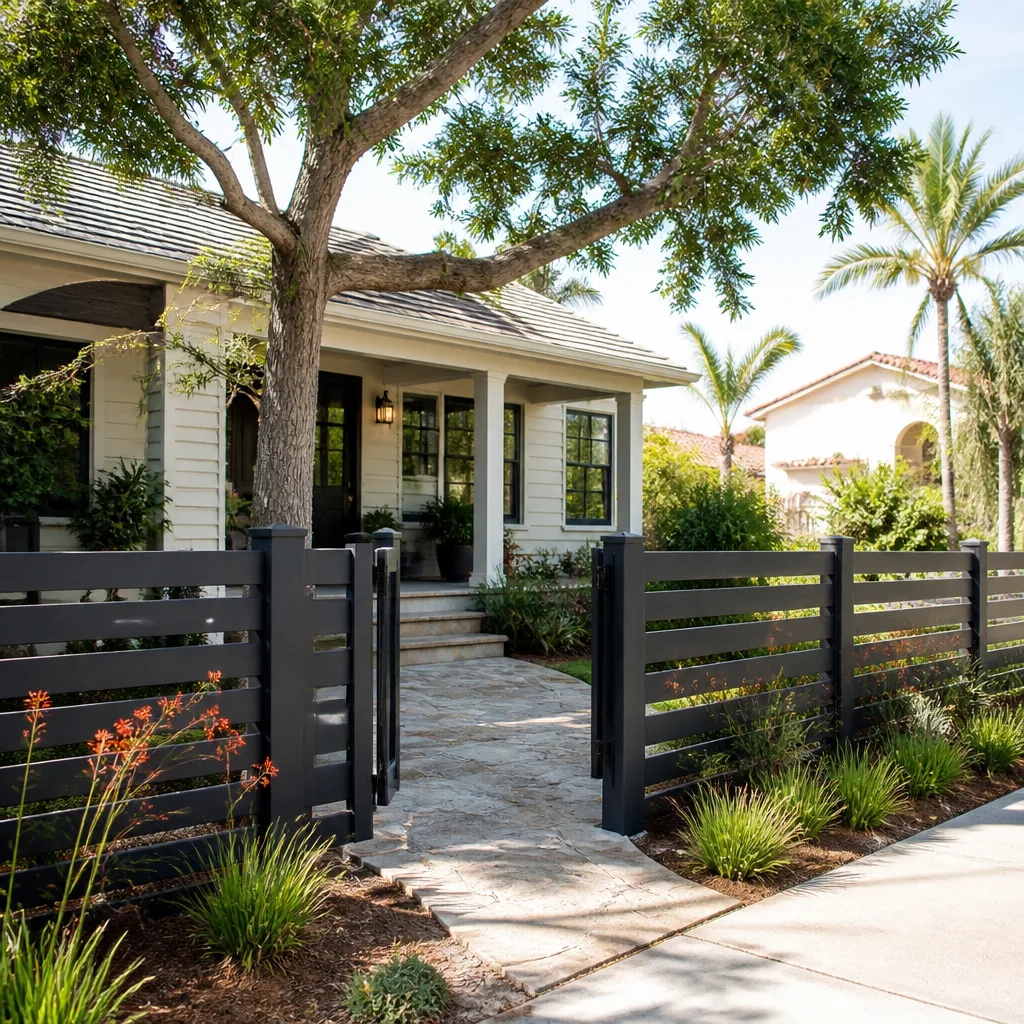
When you’re comparing bids for a fence installation in Allen, this same discipline applies to the panels, posts, and hardware. A fence brand that publishes its wind-load and moisture ratings is telling you it expects the product to be measured. One that only shows you a photo of a pretty backyard is telling you something too.
Why Brand Specification Belongs in Your Contract by Name
Here’s where the $800 substitution happens. A bid says “premium pavers” or “architectural shingles” without naming the manufacturer or product line. On install day, a cheaper line arrives in place of the one you thought you were buying, and it’s not theft. Technically, the contract allowed it.
The fix is a substitution clause that names the product and controls any change. It’s the single most valuable paragraph in a construction agreement, and most homeowners never ask for it.
What the clause should say, in plain terms:
- The exact manufacturer, product line, and color or style are named in the contract schedule.
- Any substitution requires your written approval before it’s ordered, not after it’s delivered.
- If a specified product is discontinued or unavailable, the contractor must offer an equal-or-better alternative in writing, with the spec sheet attached.
- Any savings from a substitution you approve pass to you, not silently to the contractor.
This protects you in Allen specifically because our market moves fast and certain product lines go on backorder. When a roofer can’t get the specified shingle, you want the conversation to happen before the truck is loaded, with a real spec sheet for the alternative in your hand. Put the brand in writing and the substitution economy stops working against you.
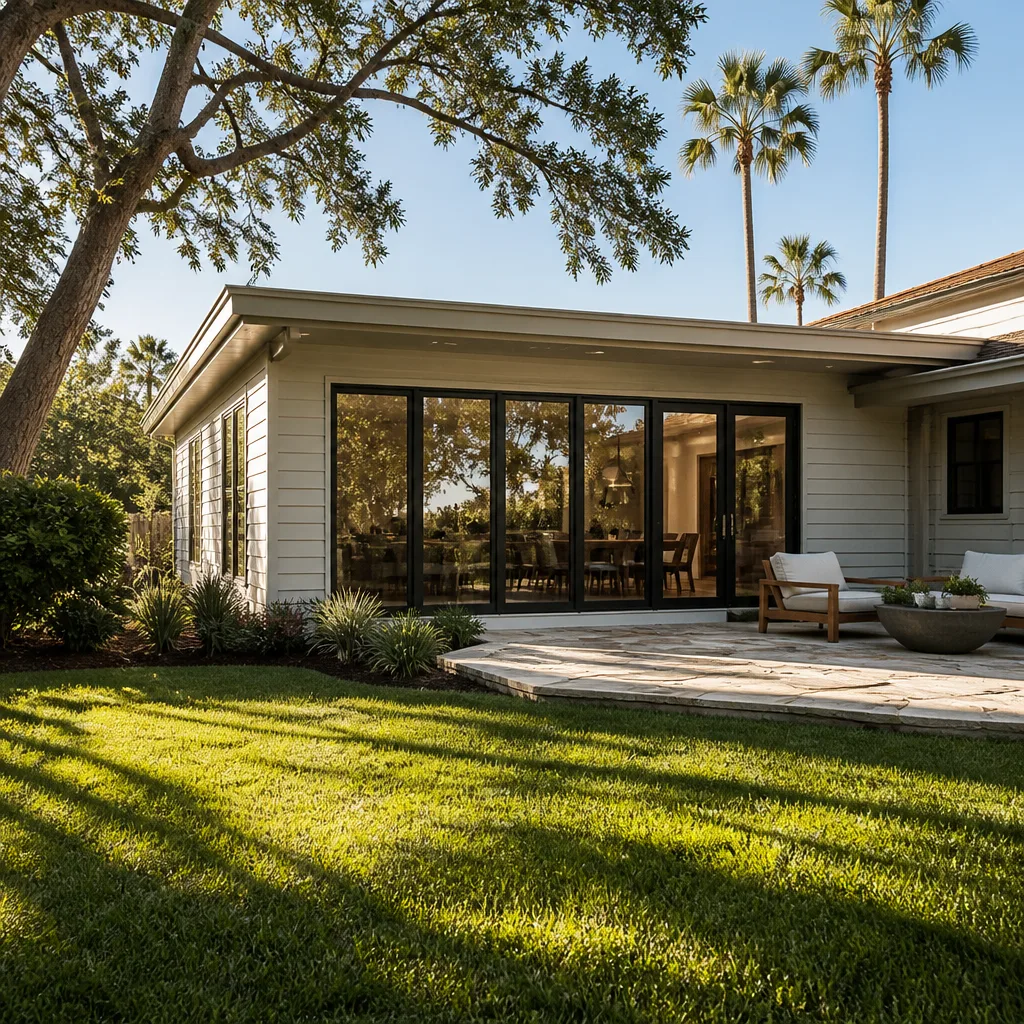
If you’re planning something larger, like a home addition or ADU in Allen, the same clause logic scales up. Windows, siding, roofing, and structural materials all need naming. An addition is a stack of specified products behind a wall, and each one is a place a quiet swap can hide.
The Three Tiers of Material: Budget, Mid-Grade, Premium
Not every project needs the top-tier product, and that’s an honest thing to say. What matters is choosing a tier deliberately instead of discovering later that you paid premium money for budget material. Here’s how the three tiers compare across Allen’s most common categories, with a plain look at what each actually returns.
- Budget tier. Meets basic code, performs fine in mild conditions, and struggles with our clay and heat over time. Cheapest at install, most likely to need early maintenance or replacement. Reasonable for a rental turnover or a short-horizon fix. Risky on anything you plan to keep.
- Mid-grade. The honest value tier for most Allen homeowners. Published performance data, decent warranties, and enough durability to handle our freeze-thaw swings and summer heat without drama. Where most well-run remodels land.
- Premium tier. Top-shelf brands like a Grohe plumbing fixture line or a full GAF roofing system, with strong warranties, documented performance, and installation standards that lock in the quality. Worth it when the asset is long-horizon and the failure cost is high.
The ROI question is where homeowners get talked into the wrong tier in both directions. Premium roofing on a house you’ll sell in two years doesn’t return its premium. Budget pavers on a driveway you’ll use for twenty years almost always cost more over the full span once you count repairs and the early replacement. The right tier is the one matched to how long you’ll own the result and how expensive the failure would be.
Evaluating Brands Across Allen’s Common Project Categories
Different categories reward brand scrutiny for different reasons. Here’s where the specification gap bites hardest on Allen projects, and what to actually look for.
Hardscape and pavers
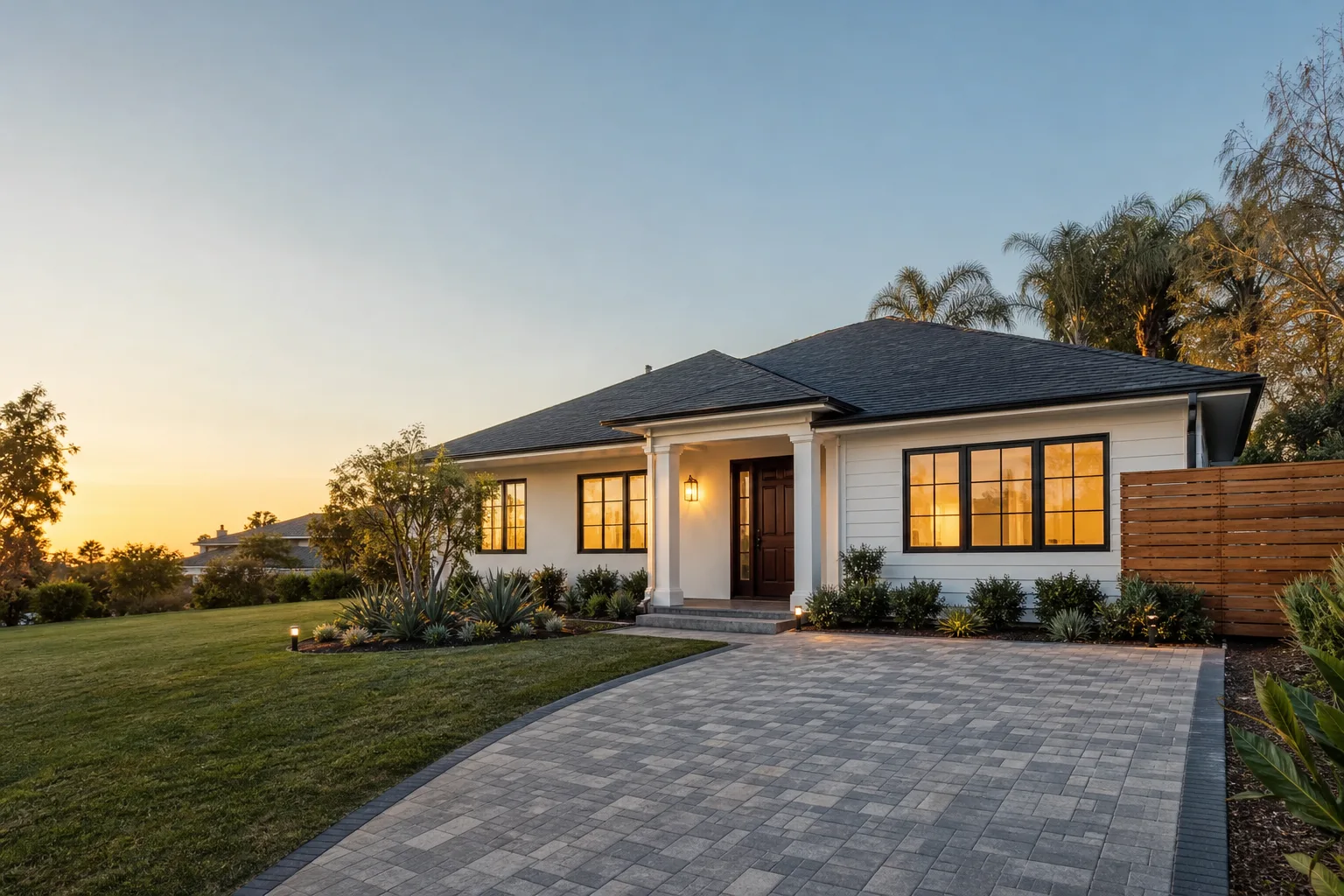
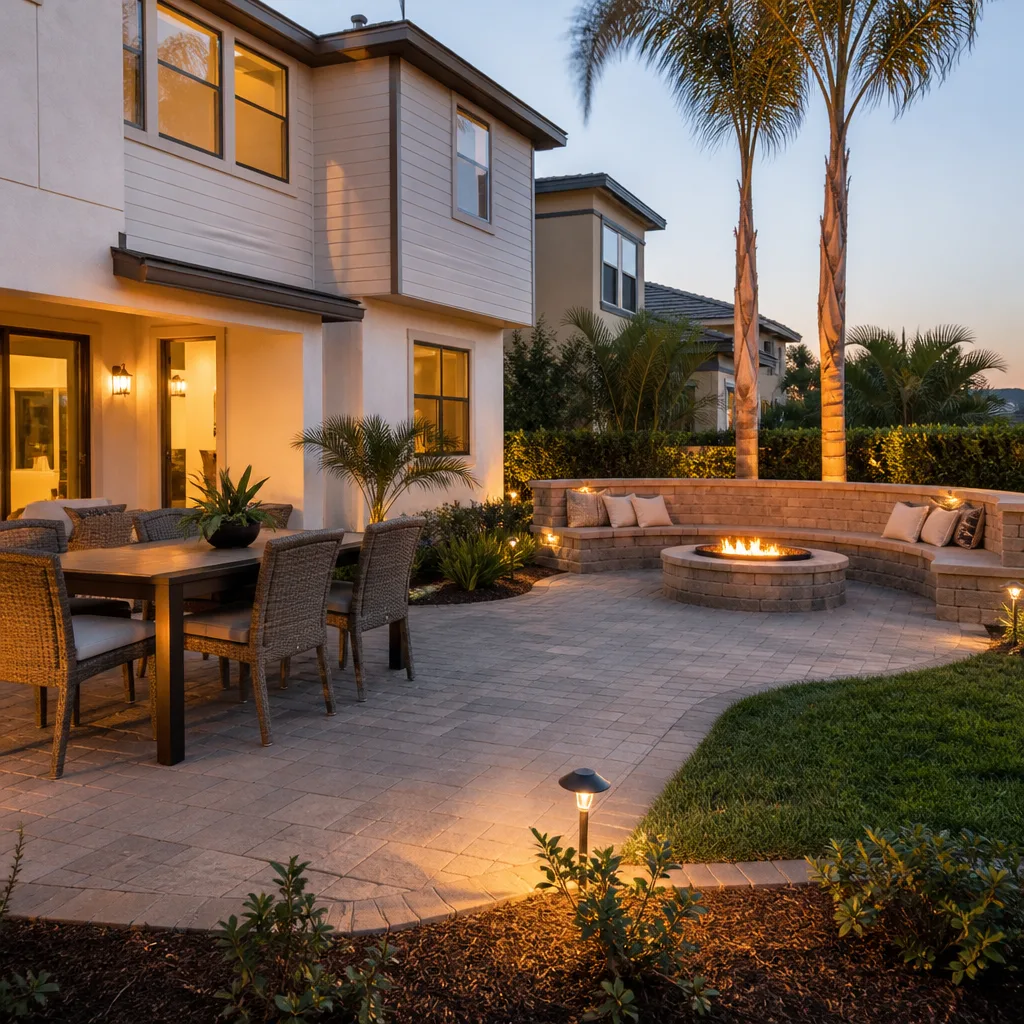
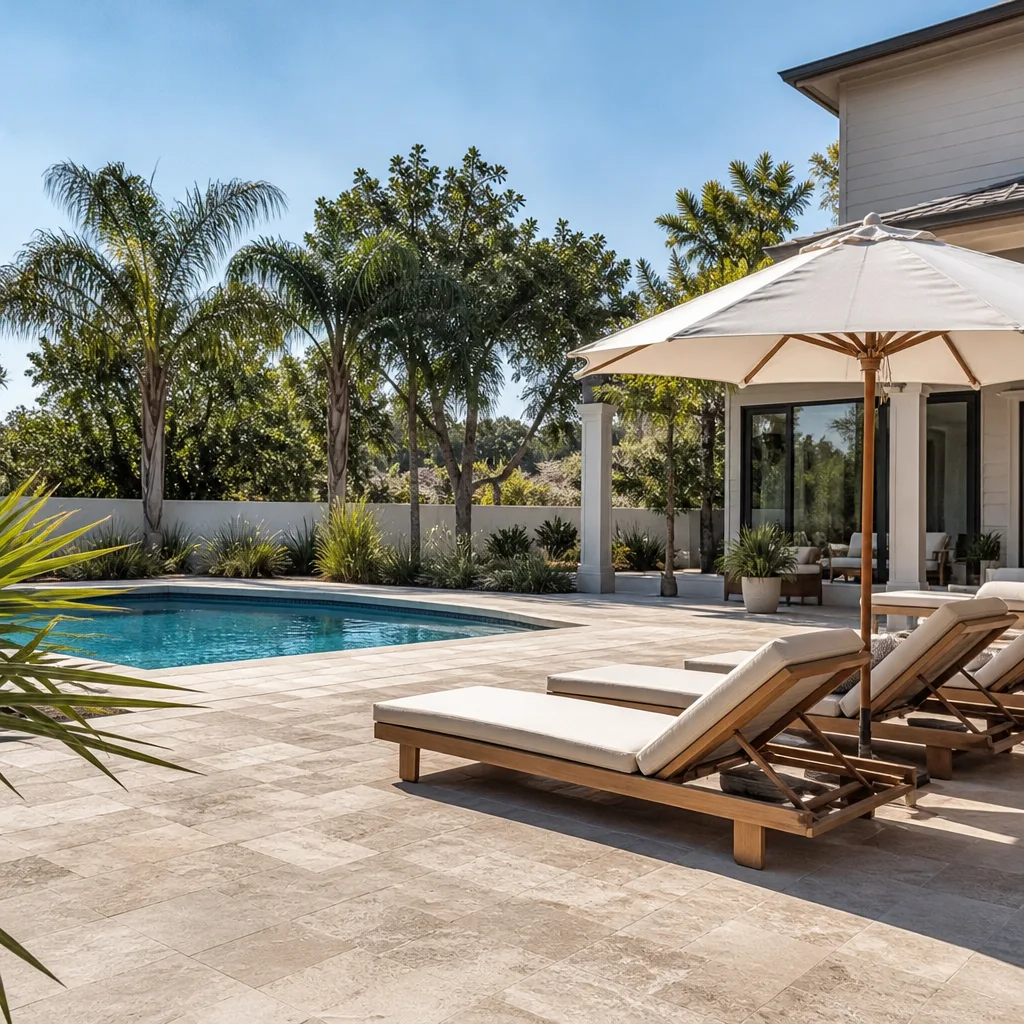
This is the category most exposed to our clay subbase and heat. A paver brand’s freeze-thaw rating, absorption rate, and compressive strength determine whether your patio still looks level after a few North Texas summers. The installation matters just as much. A premium paver on a poorly compacted base fails as fast as a cheap one, which is why the base prep is part of the specification, not a separate line item to cut.
Roofing
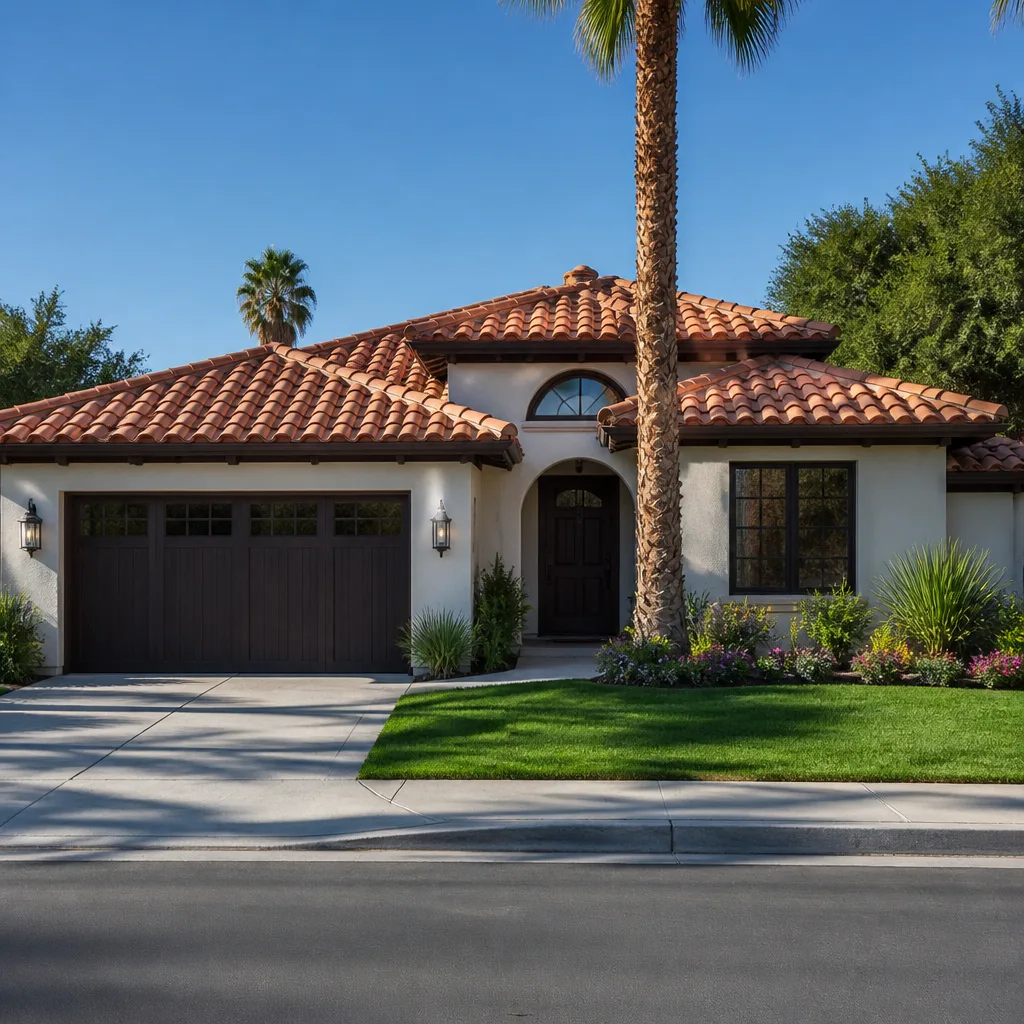
GAF and Owens Corning both make genuinely good roofing products, and both only back the full system warranty when the whole assembly (underlayment, flashing, ventilation, and shingles) is installed to their published standard. Where Allen roofs fail fastest isn’t the shingle face. It’s the flashing and ventilation details, the spots a brand’s warranty fine print pays closest attention to. A premium shingle installed without the matched system is a premium price with a budget outcome.
Windows and doors
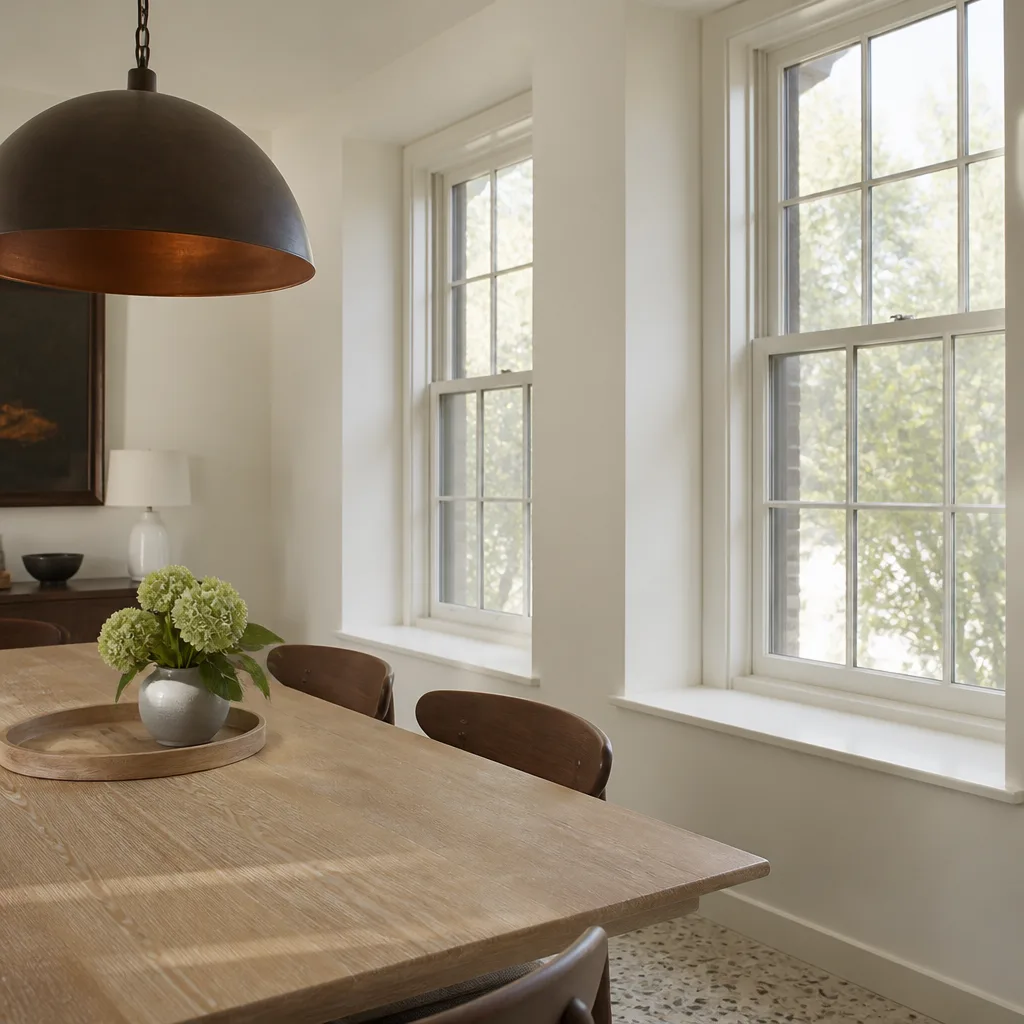
In Allen’s climate the enemy is heat gain and air leakage, and windows carry ratings that predict both: U-factor for heat transfer and solar heat gain coefficient for how much sun comes through as heat. Comparable ratings exist across major brands. What separates them is the installation detail and the warranty behind the seal. Ask for both numbers before you fall for the frame finish.
Fencing
Wind load and moisture resistance decide how a fence holds up through our spring storms. Cedar is beautiful and honest, but a fence brand that publishes wind ratings and uses quality fasteners will outlast one chosen purely on price. The posts and hardware are where cheap fences fail first.
Kitchens and bathrooms
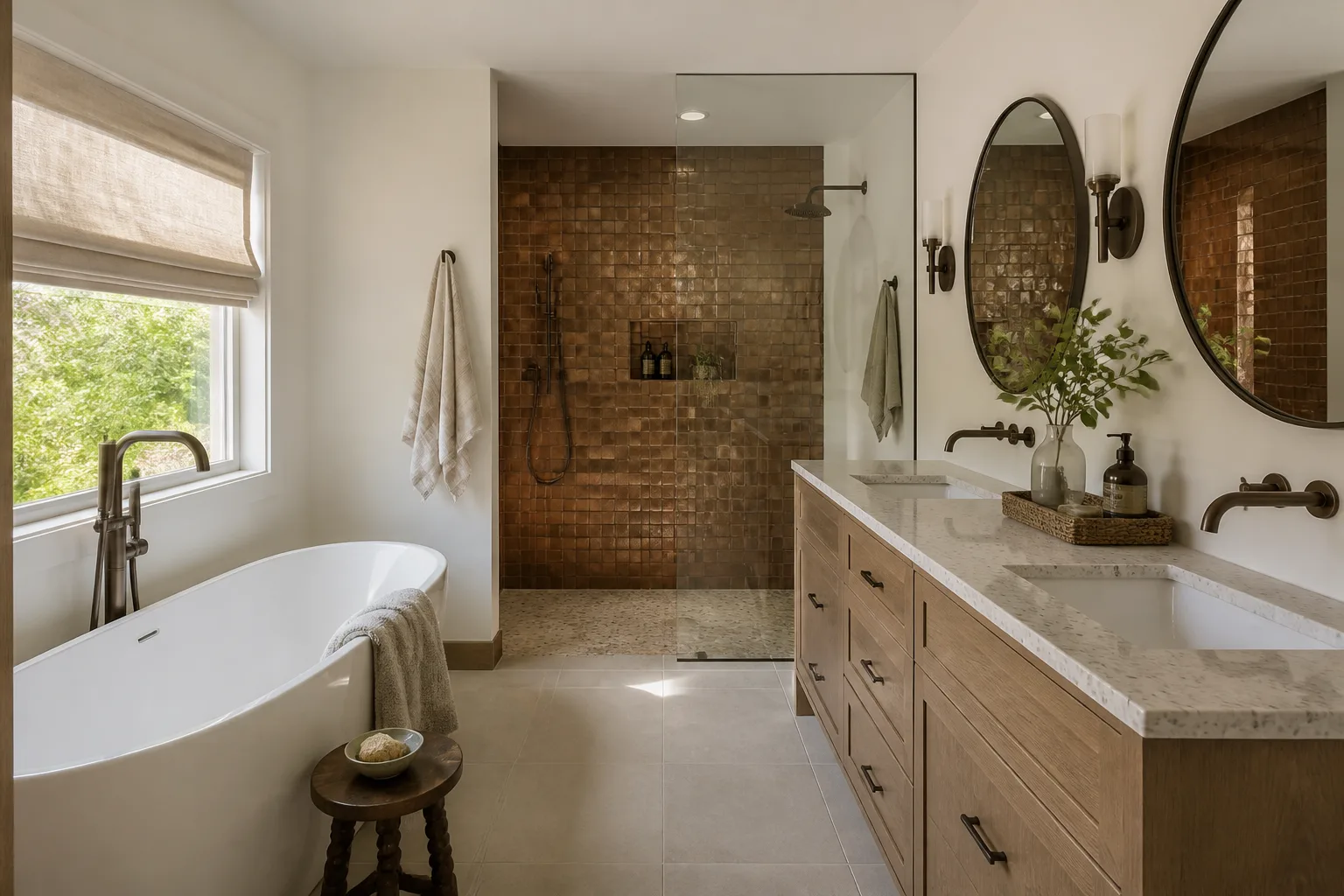
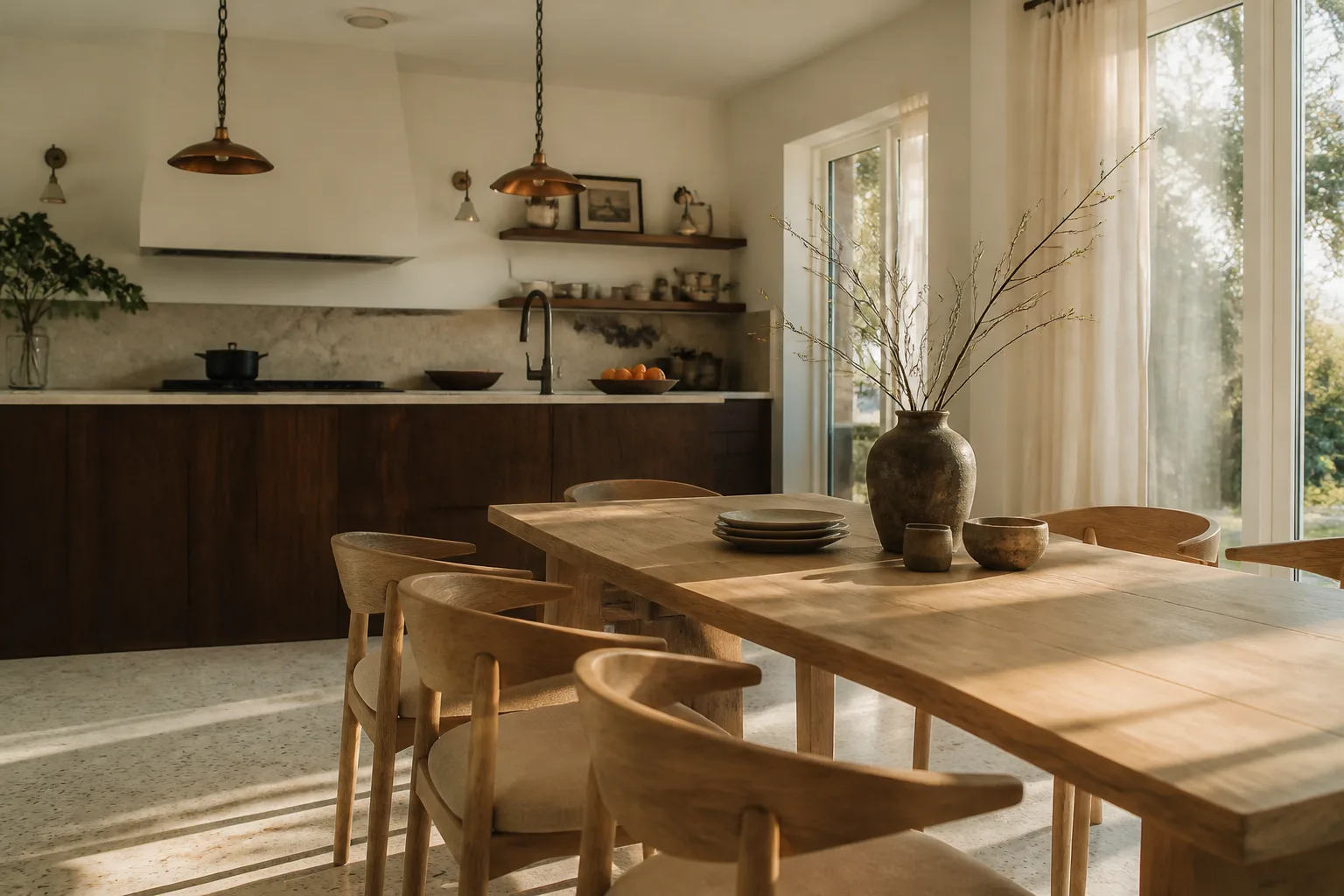
Here the specification question is about fixtures and finishes that get daily use. A quality faucet or shower valve from a brand with documented trim and cartridge specs avoids the drip-and-call cycle that follows bargain fixtures. This is a category where mid-grade to premium pays for itself in avoided annoyance, and where choosing the right line up front saves years of small frustrations.
An Honest ROI Framework for Brand Upgrades
A brand upgrade earns its premium when the failure cost it prevents is bigger than the price difference you pay now. Put every proposed upgrade through these questions before you sign:
- How long will I own this result? An upgrade on something you’ll keep for a decade pays back differently than one on a surface you’ll replace in three years.
- How expensive is failure? A roof failure means interior water damage. A paver crack means one replacement. Let the cost of the failure set how hard you specify.
- Is the warranty real and collectible? A strong warranty in writing, backed by a manufacturer that honors it, is worth more than a longer warranty that excludes everything that actually goes wrong.
- Does the brand publish performance data? If the spec sheet has the numbers, the brand is willing to be judged. That’s a meaningful signal on a long-horizon product.
- Am I upgrading the product or the layout? Sometimes a better material beats a nicer color, and sometimes it’s the other way around. Know which one you’re paying for.
Where Groundwork Construction Co. of Allen fits into this: we specify our brands by name across every trade, back the workmanship with a 730-Day Done Right Promise (if it isn’t done right, we make it right), and put the price in front of you with no-hassle upfront pricing so the brand decision isn’t buried in a lump-sum number. When you’re comparison-shopping, that’s the level of specificity worth holding every bid to.
Common Mistakes to Avoid
- Accepting “premium” as a brand name. It means nothing on a bid. Make the contractor write the manufacturer and product line, or the word is empty.
- Skipping the spec sheet on hardscape. Choosing pavers by color and sample alone ignores the freeze-thaw and absorption numbers that decide whether your Allen patio survives year three.
- Letting the roofer pick the shingle. If your contract doesn’t name the roofing system, you can’t verify the manufacturer warranty actually applies to what gets installed.
- Ignoring the base prep in the quote. A premium paver on a thin, poorly compacted clay subbase is a warranty claim waiting to happen. The spec that matters includes the prep, not just the surface.
- Assuming a longer warranty is a better one. Read the exclusions. A 30-year headline with labor excluded protects the manufacturer, not you.
- Chasing the cheapest tier on a long-horizon surface. The low bid on a driveway or roof usually costs more across its life once the early failures and repairs are counted.
- Forgetting to put the brand in the contract. The single biggest gap in Allen bids: no named products and no substitution clause, which leaves the door open for a quiet swap.
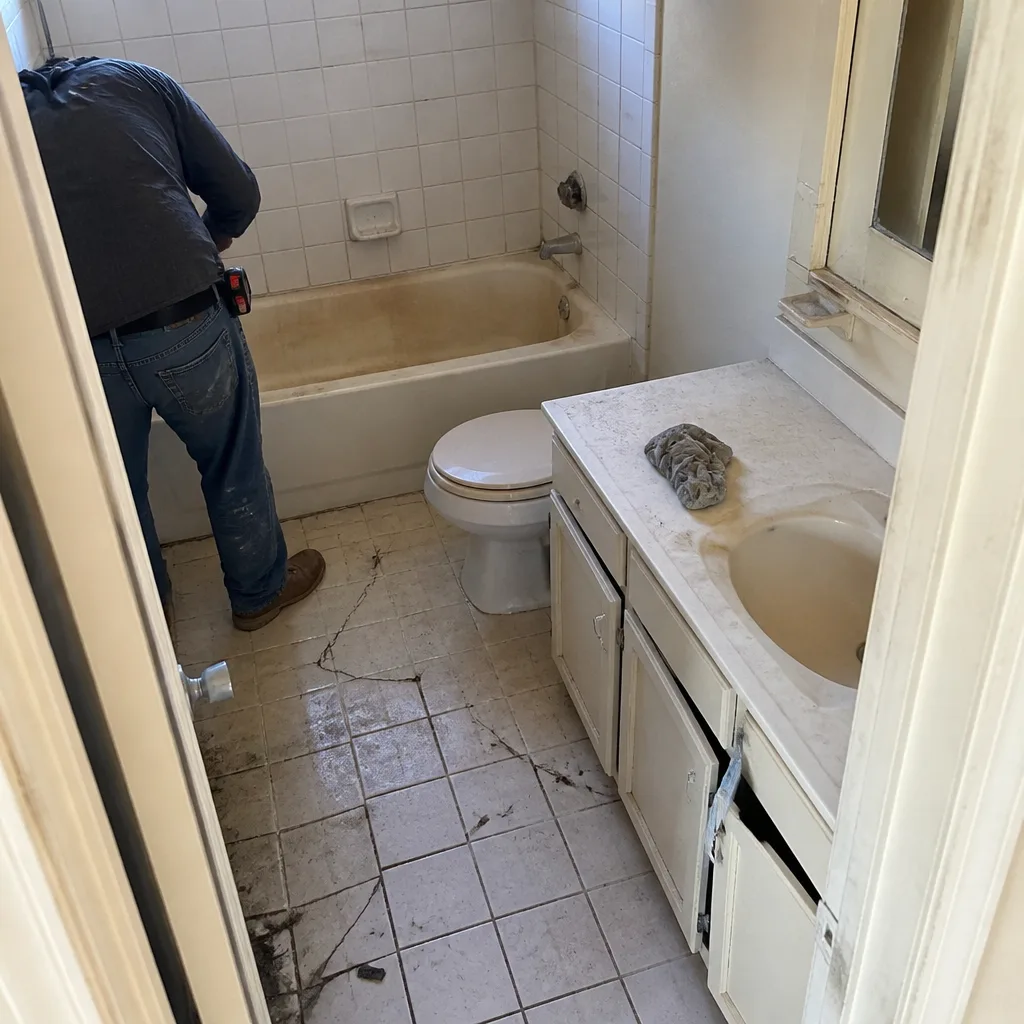
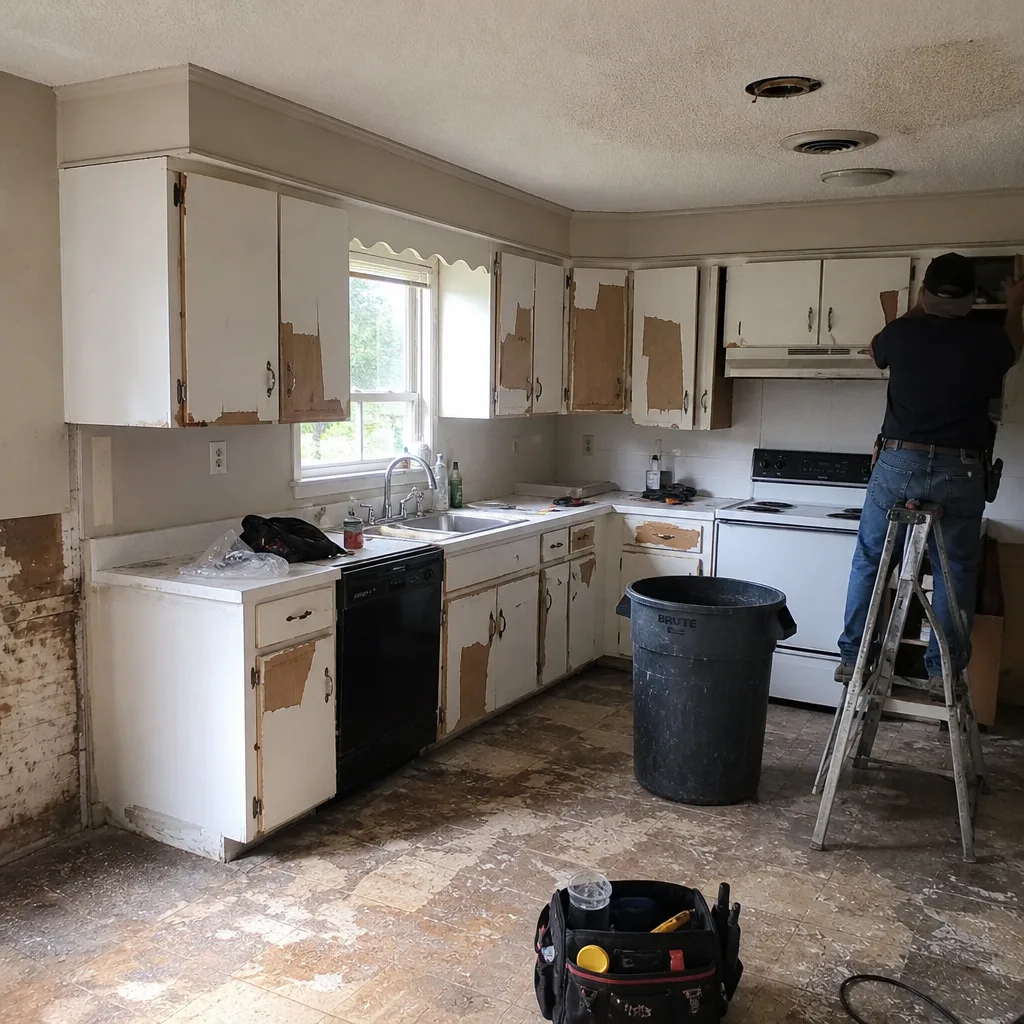
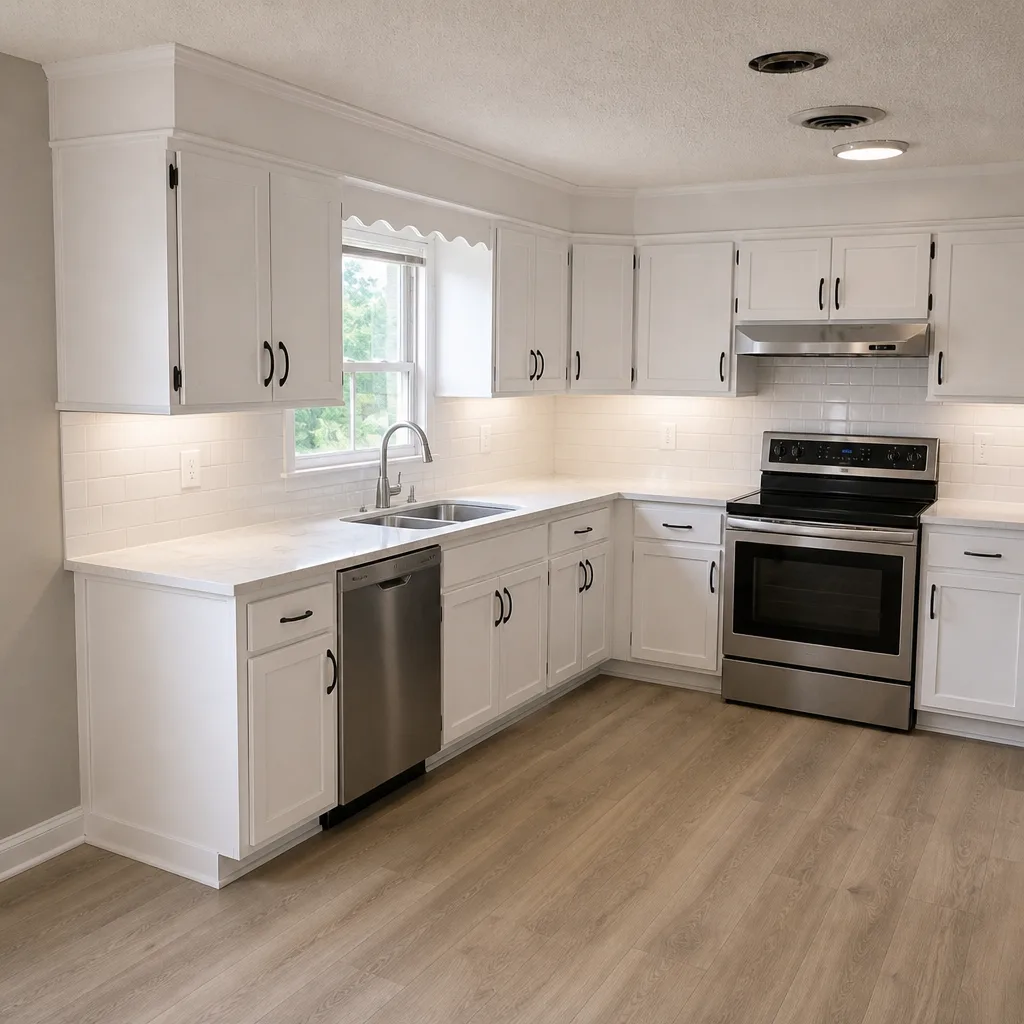
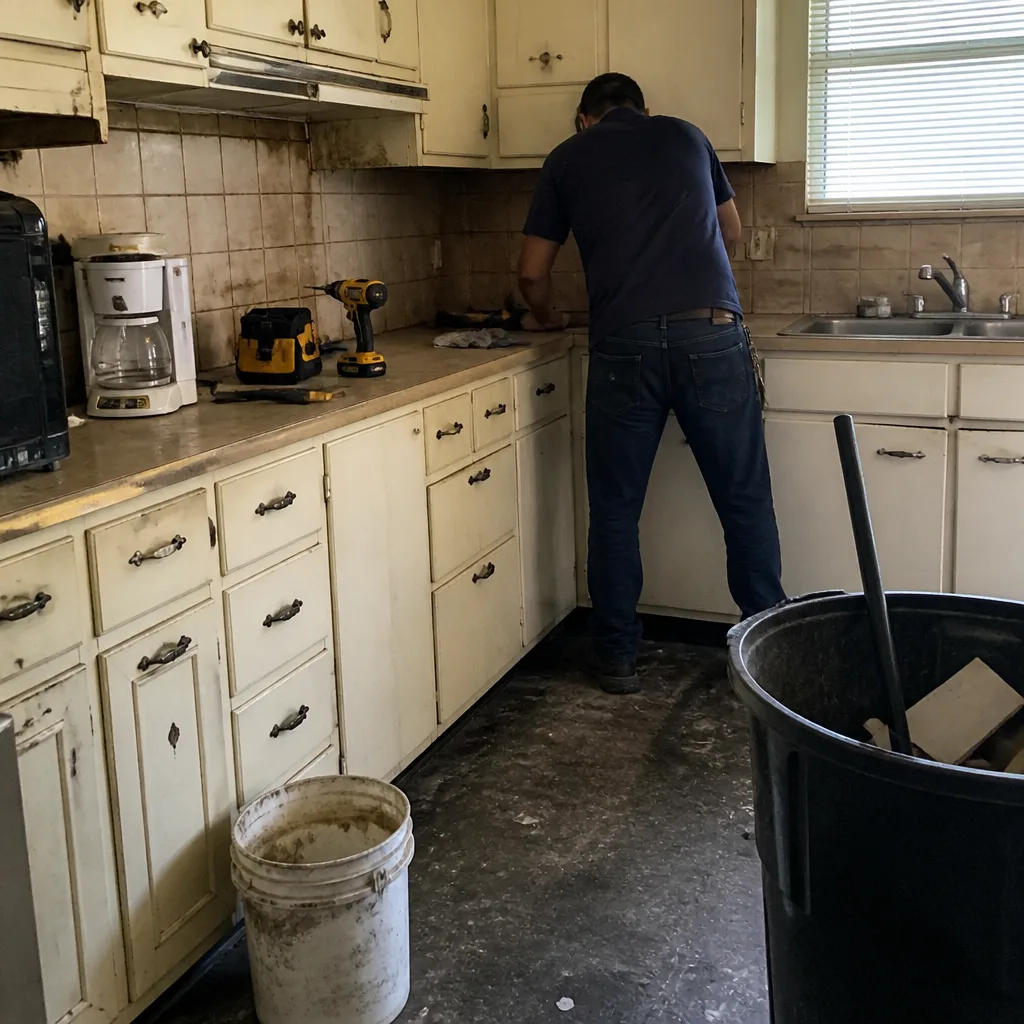
See the difference
 Before
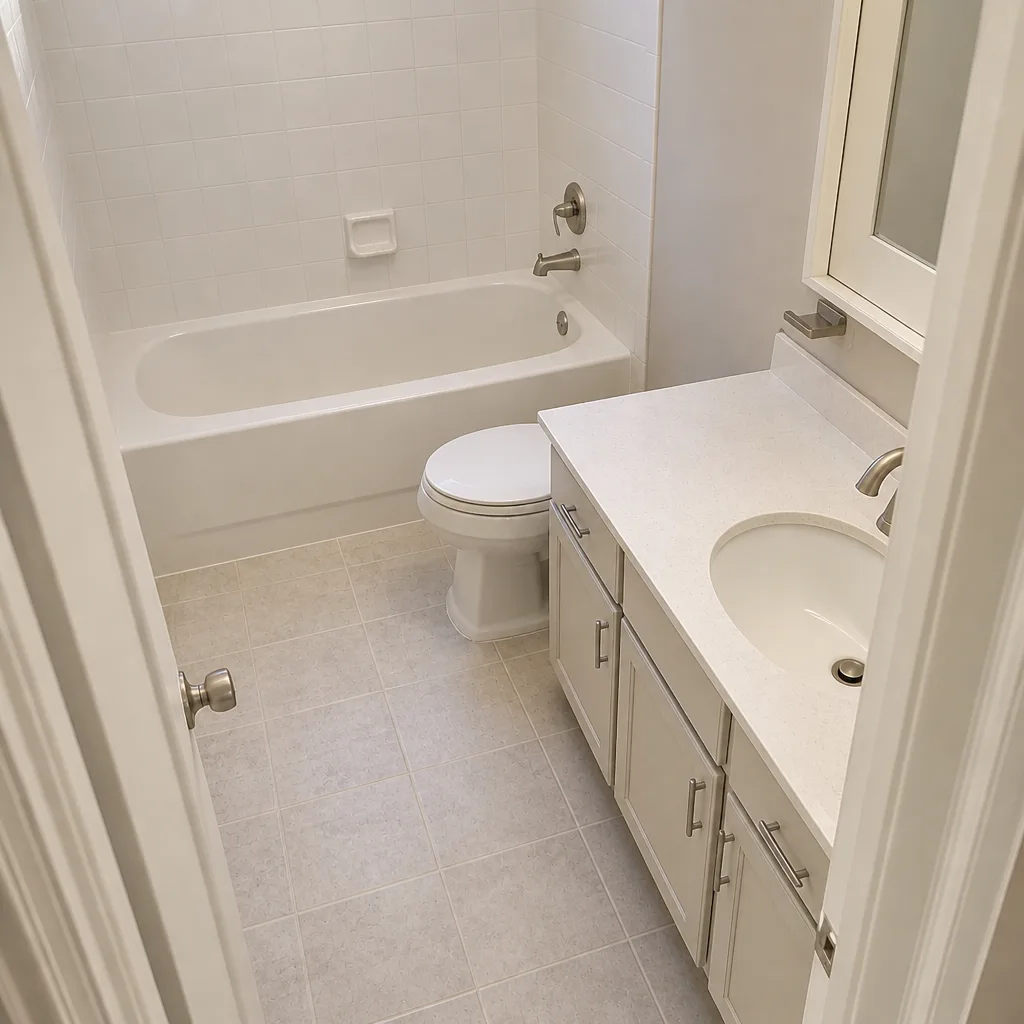 After
 Before
 After
 Before
 After
When to Call a Professional
Some calls are clear. A roof showing granule loss or lifted flashing, a paver surface that’s heaved or rocking months after install, a fence leaning after a storm, or a bathroom fixture leaking into the ceiling below all mean a specification decision you shouldn’t make alone. The same goes for any project where a contractor wants to substitute a material after you’ve signed, or hands you a bid with no product names in it. In each case, an experienced set of eyes reading the spec sheet and the contract saves money the failure would otherwise cost.
Groundwork Construction Co. of Allen offers free estimates in Allen, and we’ll walk the numbers with you from foundation to finish line. Call (888) 343-9048 to schedule your free estimate, and see how Groundwork Construction Co. of Allen approaches brand specification.
Frequently Asked Questions
There’s no single best brand: the right one is the brand whose published performance data matches Allen’s clay soil and heat, and whose warranty you can actually collect on. For roofing, GAF and Owens Corning both make premium systems when installed to their full spec. For hardscape, focus on freeze-thaw rating, absorption rate, and compressive strength over the logo. Call (888) 343-9048 for an exact brand recommendation for your project, with free estimates.
Yes, and more than most homeowners expect. Our expansive clay subbase moves with moisture, and a low-strength, high-absorption paver cracks and shifts far sooner than a product rated for heavy loads and repeated freeze-thaw swings. The failure shows up around month 18, not on install day. Call (888) 343-9048 to get a paver spec matched to your Allen lot.
It shouldn’t if your contract names the product and requires your written approval for any substitution. That clause is what keeps the price fixed to the spec. Without it, a quiet swap can undercut the material you paid for. We put our price in writing with no-hassle upfront pricing, so the number you see is the number you pay. Call (888) 343-9048 for a written line-item estimate, free.
Look past the headline years to the exclusions, especially labor coverage and conditions that void it. A 30-year shingle warranty means little if the system was installed without matched underlayment, flashing, and ventilation, because the failure almost always happens at those details. The manufacturer backs the system, not just the shingle.
It depends on the component and how long you’ll keep it. Windows, roofing, and structural materials behind the wall are worth specifying well because the failure cost is high and the fix is expensive. Finishes you might change later are a different math. The point is to choose the tier deliberately, with the numbers in hand, rather than discovering it after the fact.
Ask the contractor to name the specific product lines they specify and the manufacturer warranty that covers each. A real partnership comes with named products, published installation standards, and warranty terms the installer can explain. Vague answers mean the “partnership” is marketing. Call (888) 343-9048 to see the brands we specify and how we back them.
The Bottom Line
Construction brands aren’t interchangeable, and the ones specified on your Allen project determine whether the surface still performs in year five and whether the warranty call gets answered. Judge every product on its published numbers: freeze-thaw rating, absorption rate, compressive strength, and heat reflectance, with the same discipline for windows and roofing. Then put the brand in your contract by name with a substitution clause that requires your written approval. Choose a tier matched to how long you’ll own the result, not to the showroom sample. Groundwork Construction Co. of Allen specifies brands by name across every trade, backs the work with a 730-Day Done Right Promise, and gives you upfront pricing with no surprises. Call (888) 343-9048 for your free estimate and design consult.
Written by the team at Groundwork Construction Co. of Allen.