Last updated November 18, 2026




Free written scope consultation - allowances, timeline, and change-order rules on paper before a single trade is scheduled
How Long Does Fence Installation Take? Timelines and What to Expect
The average fence installation takes 1–3 days of physical labor. But the full project timeline from contract to completion in North Texas regularly stretches 2–6 weeks, and most of that time has nothing to do with your contractor showing up. That surprises homeowners. It also explains why two neighbors who sign contracts the same week can finish a month apart. In this guide we break down each phase that eats calendar days: HOA approval, permit pulls, utility locates, material lead times, and the install itself. You’ll get a week-by-week calendar for an Allen project and clear guidance on where your fence timeline really goes.
Quick Answer
Physical fence installation takes 1–3 days for a typical residential lot, but plan on a 2–6 week project timeline from signed contract to final walkthrough. The bulk of that window is pre-installation work: HOA architectural review (1–3 weeks), city permits (3–10 business days), utility locates through Texas 811 (2–3 business days), and material lead times that range from a few days for standard wood to several weeks for vinyl or wrought iron. Clay-heavy Allen soil also adds a post-curing step that quality installers don’t skip.
Styles & brands we work with
- Kitchen remodeling
- Bathroom remodeling
- Home additions & ADU
- Roofing
- Windows & doors
- Driveway & pavers
- Fence
Table of Contents
- The Five Phases of a Fence Project
- A Realistic Week-by-Week Timeline for Allen Homeowners
- HOA Approval: The Phase That Surprises Everyone
- Permits and Utility Locates in Texas
- How Fence Material Choice Shifts Your Lead Time
- Why Allen’s Clay Soil Changes the Install Calendar
- What Actually Happens on Install Day
- What Causes Delays and How to Spot Them Early
The Five Phases of a Fence Project
Fence timelines break into five distinct phases, and only one of them is the crew in your yard. If you’ve ever asked a contractor “how long does fence installation take” and gotten “a couple days,” they were answering a narrower question than you asked. Here’s the full sequence.
- Design, measurement and contract. We walk the property line, confirm slope and grade, and put together a written scope. Allow 2–5 days if you’re comparing multiple quotes.
- HOA architectural review. If you’re in a subdivision with a homeowners association, this is where the calendar starts stretching. Most Allen HOAs respond in 10–21 days, and some require a board meeting cycle.
- City permit and utility locates. Fence permits, when required, run a few business days. The 811 locate ticket through Texas is typically 48–72 hours. Both can run in parallel.
- Material procurement. Standard cedar or pine privacy fence is often available locally within days. Vinyl, composite, and wrought iron or aluminum panels can take 2–5 weeks, especially specialty colors and heights.
- Installation. For a typical quarter-acre Allen lot with 150–200 linear feet of fence, plan on 1–3 working days. Add a day for tear-out and haul-away of an existing fence.
In our experience, that second and fourth phase account for roughly 70% of the total project timeline. The installation itself is usually the shortest piece.
A Realistic Week-by-Week Timeline for Allen Homeowners
Here’s what a real calendar looks like for a standard privacy fence replacement in an Allen subdivision with an HOA. Treat the weeks as ranges, not promises, and adjust earlier or later depending on your specific HOA and material choice.
- Week 1: Get estimates. Walk the property line with two or three reputable contractors. Confirm property boundaries (a survey is worth the $400–$600 if you don’t have one from the last ten years, since encroachment disputes on Allen lots are common). Sign contract.
- Week 1–2: Submit HOA architectural application. Some Allen HOAs require color samples, elevation drawings, or a specific fence style that matches the neighborhood. Budget the full window.
- Week 2: Apply for city fence permit if your project requires one (see next section). Trigger the utility locate ticket through Texas 811, which usually clears in 48–72 hours.
- Week 2–3: Confirm material order and expected ship date. Wood is faster than vinyl, which is faster than wrought iron or aluminum.
- Week 3–5: HOA approval typically lands in this window. Installation gets scheduled.
- Week 5–6: Installation, usually a 1–3 day window depending on linear footage, terrain, and whether there’s old fence tear-out. Add a 1–2 day buffer for post-curing before gates are hung or heavy loads are placed against the fence.
Simple wood fences in non-HOA parts of Allen can compress this whole sequence to 10–14 days if everyone is fast. A vinyl or metal install in a strict HOA subdivision can stretch to 6 weeks. That spread isn’t a service failure. It’s the nature of pre-installation work.
HOA Approval: The Phase That Surprises Everyone
If you live in an Allen subdivision like Twin Creeks, Watters Crossing, Bethany Ridge, or any of the dozens of master-planned communities here, your HOA almost certainly has an architectural review committee. They have the final word on fence height, material, color, and often post spacing. Ignore them and the fence comes down.
Here’s what the review process usually looks like:
- Submission packet. Most Allen HOAs want a site plan showing fence location and length, a material sample or color name, and sometimes a photo or elevation drawing of an adjacent fence for reference.
- Review committee schedule. Some committees meet monthly, which can add days to a decision. Others process applications weekly.
- Neighbor notifications. A few HOAs require acknowledgment from adjacent property owners, especially for boundary fences shared with a neighbor. That step alone can add a week.
- Approval and documentation. Approval letters typically come with conditions (specific stain color, height limit, or gate spec). Your contractor needs that letter in hand before material is ordered, because ordering the wrong color is an expensive mistake.
Smart play: submit the HOA packet in week one, before you’ve finalized your installer. That way the review clock is running while you’re signing the contract. It’s also worth confirming your HOA’s specific fence covenant before you sign a contract, since some Allen HOAs prohibit certain materials that would otherwise be perfectly fine.
Permits and Utility Locates in Texas
Two compliance steps can run at the same time, and both should start immediately after you sign.
Fence permits in Allen
Not every fence project needs a permit. In Allen, a fence under a certain height and within standard setback requirements often doesn’t require one, but taller fences (typically above 6 feet), fences near easements, or fences on corner lots with sight-line restrictions often do. Retaining walls tied to fence footings almost always trigger a permit. Your contractor should know the specific threshold for your address before ordering material. If they haven’t told you, ask.
Utility locates through Texas 811
Texas law requires that anyone excavating call 811 before digging. The locate ticket is free, and locates typically clear in 2–3 business days. What most homeowners don’t realize is what happens when a locate flags a line close to or under the fence line. Common outcomes in Allen:
- Locate flags a buried irrigation line or low-voltage landscape wire near a post hole. Your installer adjusts spacing or hand-dig around the marked line. Usually adds hours, not days.
- Locate flags a gas, water, or fiber main running parallel to the proposed fence line. Post placement has to shift, which may mean a slight jog in the fence, a shift in post depth, or a different footing approach. This is where a 1–2 day schedule slip happens.
- Locate ticket expires on a slow HOA approval. Locate tickets have a shelf life (typically around 14 days in Texas). If your HOA approval takes three weeks, the ticket may need to be re-called, adding another 2–3 days to the front of the install window.
This is why we ask Allen homeowners to keep the utility locate results handy once they come back. If the ticket expires while you’re waiting on the HOA, we know to re-call it before the crew mobilizes.
How Fence Material Choice Shifts Your Lead Time
Material choice is the single biggest variable on lead time after HOA approval. Two fences that look similar on the outside can have wildly different order-to-install clocks.
| Material | Typical Lead Time | Install Duration (150–200 LF) |
|---|---|---|
| Standard cedar or pine privacy fence | 3–7 days | 1–2 days |
| Pressure-treated pine with custom stain | 1–2 weeks | 1–2 days |
| Vinyl privacy fence (standard colors) | 1–3 weeks | 2–3 days |
| Vinyl in premium or special-order color | 3–5 weeks | 2–3 days |
| Composite fence panels | 2–4 weeks | 2–3 days |
| Aluminum or wrought iron ornamental | 3–6 weeks | 2–3 days |
| Masonry pillars + metal infill | 4–8 weeks (pillars poured on-site) | 4–6 days |
The pattern: heavier, more custom, or more color-specific materials take longer to source. Allen’s supply chain benefits from being part of the DFW metro, so most standard material is available locally. Custom runs are where the calendar stretches. We tell homeowners to lock their material selection before they lock the install date, because reversing that order is how projects get bumped.
If you’re weighing a fence alongside other exterior upgrades that use the same material partners (say, coordinating with a roofing or window project on the same timeline), the Groundwork Construction Co. of Allen home page gives a sense of how we sequence multi-trade work. Fence installers benefit from the same discipline: choose material early, order early, install once.
Why Allen’s Clay Soil Changes the Install Calendar
Allen sits on expansive Blackland Prairie clay, and that clay moves. It swells in spring when the ground is wet and shrinks in summer when it dries. Any contractor who sets fence posts without accounting for that movement is setting you up for a fence that leans, heaves, or pops in 12–24 months.
What that means for your timeline:
- Post depth matters. Standard practice in Allen soil is to set posts at least 24 inches deep, and often 30–36 inches on taller or heavier fences. Going deeper takes more concrete and more time per post than contractors who set posts 18 inches and call it done.
- Concrete cure time is real. Post setting concrete needs 24–48 hours of cure before panels or rails go on. Some contractors skip that wait on dry installs. In Allen clay, that shortcut shows up as posts that rock within a season.
- Wet season stretches the install window. Spring rains in Allen can soften clay enough to delay post digging by days. We schedule post work around rain, but we don’t force it.
- Drainage grading gets checked. Fences on a slope in Allen sometimes need a post or two set differently to follow grade without leaving a gap. That adds a few hours but prevents a sagging run.
The bottom line for homeowners: if your installer quotes you a one-day install for a full privacy fence in Allen, ask how deep the posts are going and how long the concrete will cure before panels go on. The answer tells you whether they’re being realistic.
What Actually Happens on Install Day
Install day is the shortest phase, but it helps to know the sequence so you can plan around it. Here’s the typical day-one flow for a fence replacement on a standard Allen lot:
- Morning: tear-out and layout. Removal of the old fence if there is one. String lines and post locations marked. Property line re-verified against the survey.
- Mid-day: post setting. Post holes dug to depth. Concrete mixed and poured. Posts plumbed and braced.
- Afternoon: rails and panels begin (for day-one dry installs) or wrap for the day on a cure-time job.
- Day two: panels, gates, and finish. Rails, pickets or panels, gate hardware, cap trim if specified.
- Final walkthrough. Walk the fence line together, confirm gate swing and latch, spot any issues, and note anything that needs follow-up.
For a small fence (under 100 linear feet), a single day is realistic if the material is on-site and the old fence is already gone. For a typical Allen replacement with 150–200 linear feet plus a gate, plan on two days. Larger lots, multi-material fences, or fences on slopes push that to three or four.
What Causes Delays and How to Spot Them Early
Most fence projects that run long didn’t have “bad luck.” They had a foreseeable issue that nobody raised in week one. Here’s what we watch for, and what you should ask about.
- HOA submission done late. The single most common cause of delay. Submit in the first week, not after material is ordered.
- Material ordered before HOA approval. If the HOA kicks back a color or style, that material order is wasted. Order after approval, not before.
- Utility locate ticket expired. Especially on long HOA reviews, the ticket can time out and needs re-calling. Confirm the locate date right before mobilizing.
- Property line disputes. Allen has plenty of older lots where the fence isn’t actually on the property line. If your neighbor claims a strip of your proposed fence, the project stops until that’s sorted. Get a survey if you don’t have one.
- Wet clay. Spring installs slip when the ground won’t hold a post. Schedule around rain if you can, and don’t push a crew to install in mud.
- Post cure shortcuts. If a contractor hangs panels the same hour the posts go in, the fence will move. That’s not a delay – it’s a redo.
- Missing gate hardware spec. Custom gate width or self-close hardware takes longer than standard. Order it with the panels.
The homeowner-side lesson is simple: treat week one as the deadline for every approval-and-order step, then accept that weeks two through five belong to other people’s clocks. The projects that finish on schedule are the ones where the approvals were filed early and material was ordered late.
If you’re planning a fence alongside other exterior work like a driveway or hardscape, coordination matters so the fence isn’t blocking equipment access mid-project. Our Driveway & Pavers in Allen page covers how we sequence those projects so crews aren’t tripping over each other.
Common Mistakes to Avoid
- Ordering material before HOA approval. Two Allen HOAs rejected specific stain colors last year after the homeowner had already paid a deposit on the wrong finish. Order only after the approval letter is in hand.
- Assuming “no permit needed” without checking. Some Allen addresses sit in easements, on corner lots, or on lots with a retaining wall base that triggers a permit. Confirm before digging.
- Skipping the survey. Encroachment disputes happen on Allen lots. A few hundred dollars for a survey is cheaper than tearing down a fence on your neighbor’s property.
- Choosing material by price instead of lead time. The cheapest vinyl quote can come with a 5-week lead. If you need the fence up before a specific event, that math matters more than the per-foot price.
- Letting a contractor skip post cure time. In Allen clay, panels hung hours after posts are set are a future repair. Ask what the cure plan is before signing.
- Forgetting to re-call 811 after a long HOA wait. Locate tickets expire. A ticket that’s stale on install day can push the job a week.
- Ignoring drainage on sloped lots. A fence that runs flat-footed over a grade change looks wrong and traps water. Post-by-post grade handling is the fix, and it needs to be in the scope, not improvised.
See the difference
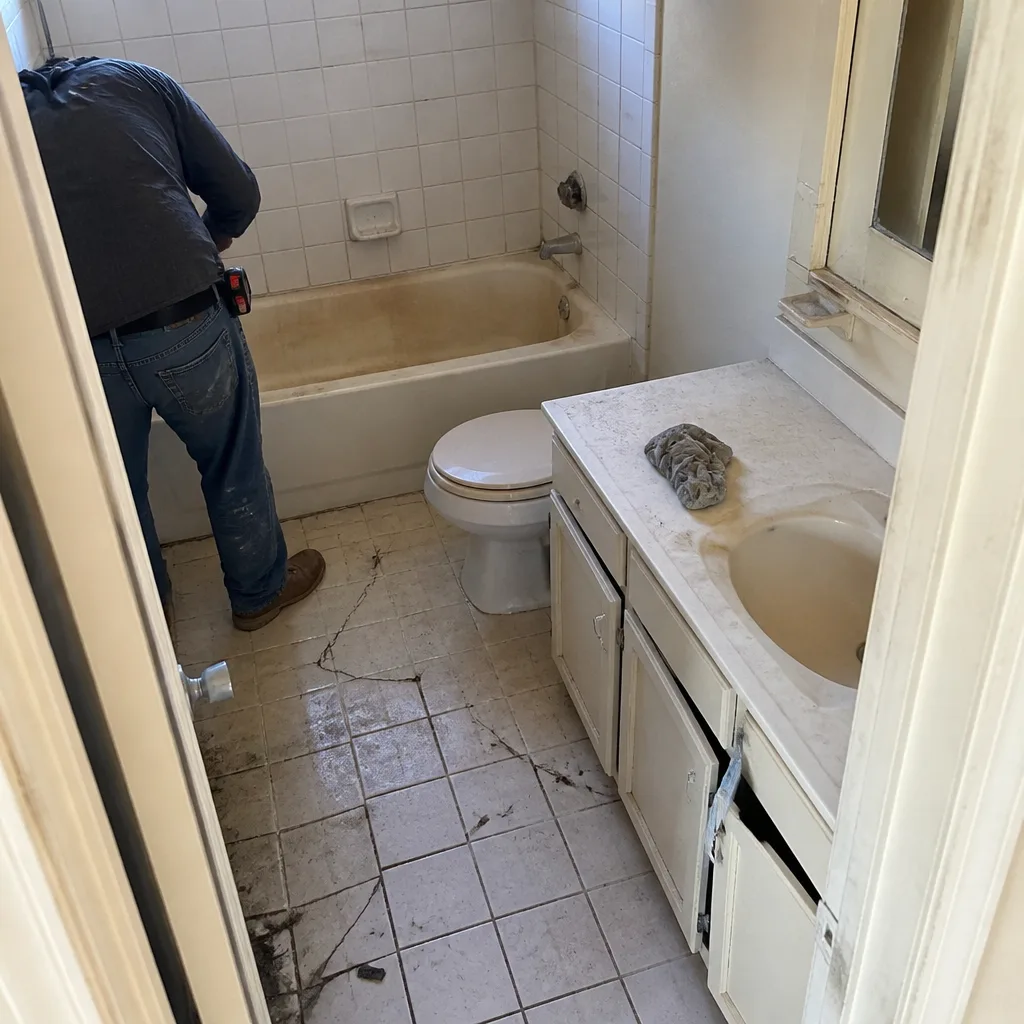 Before
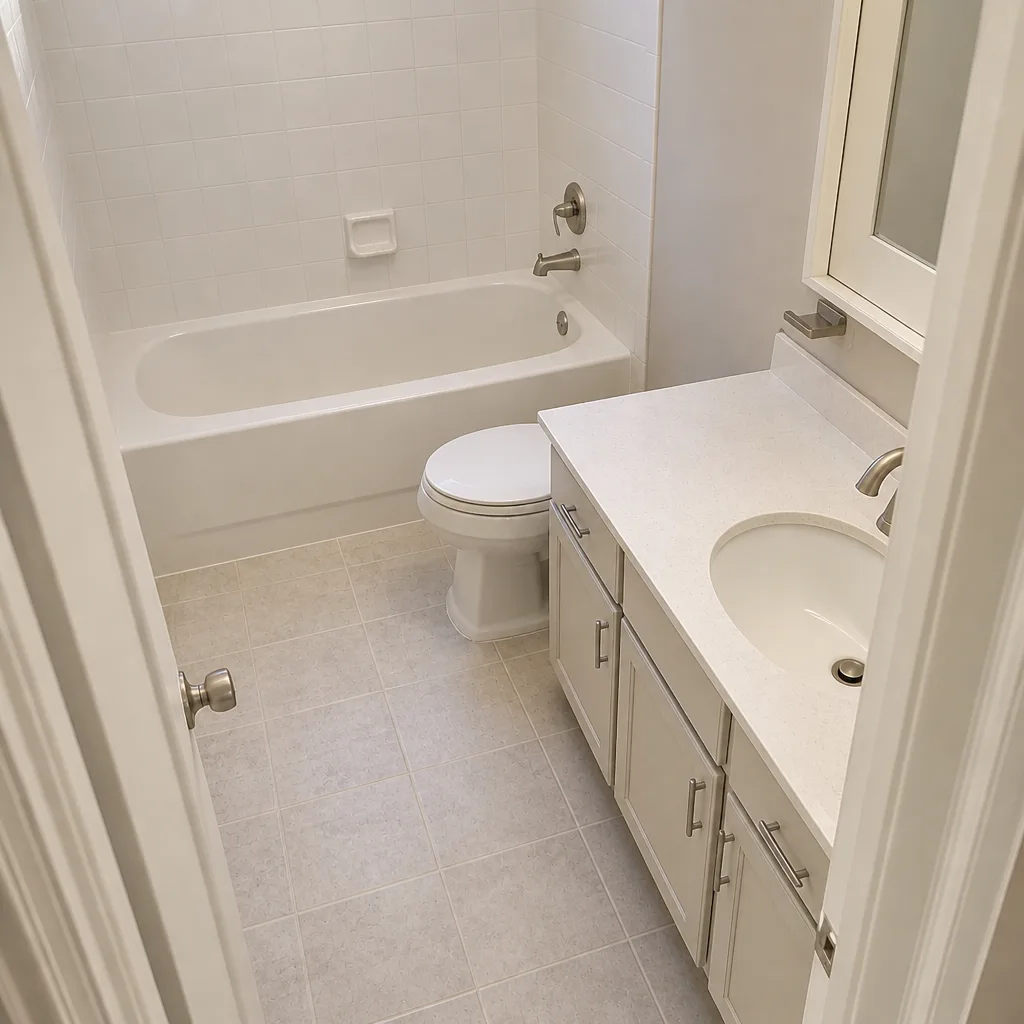 After
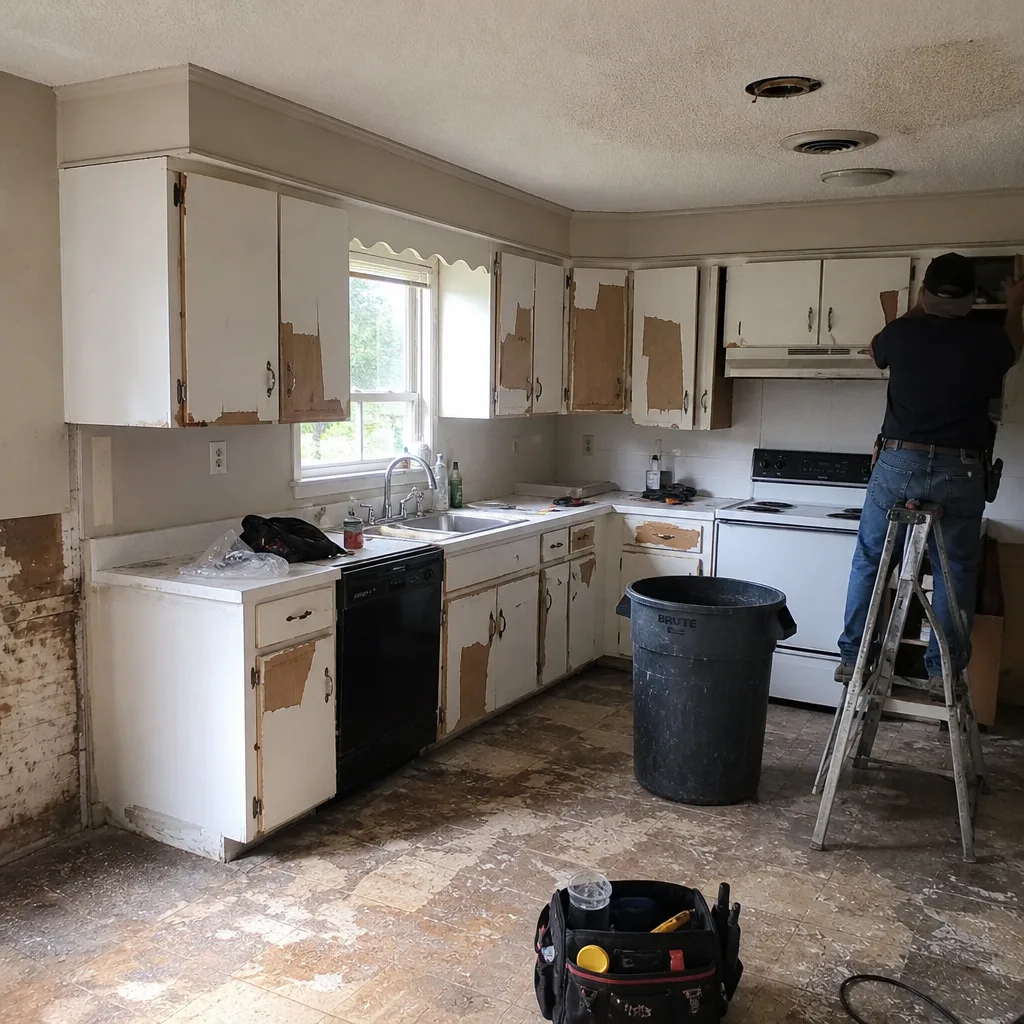 Before
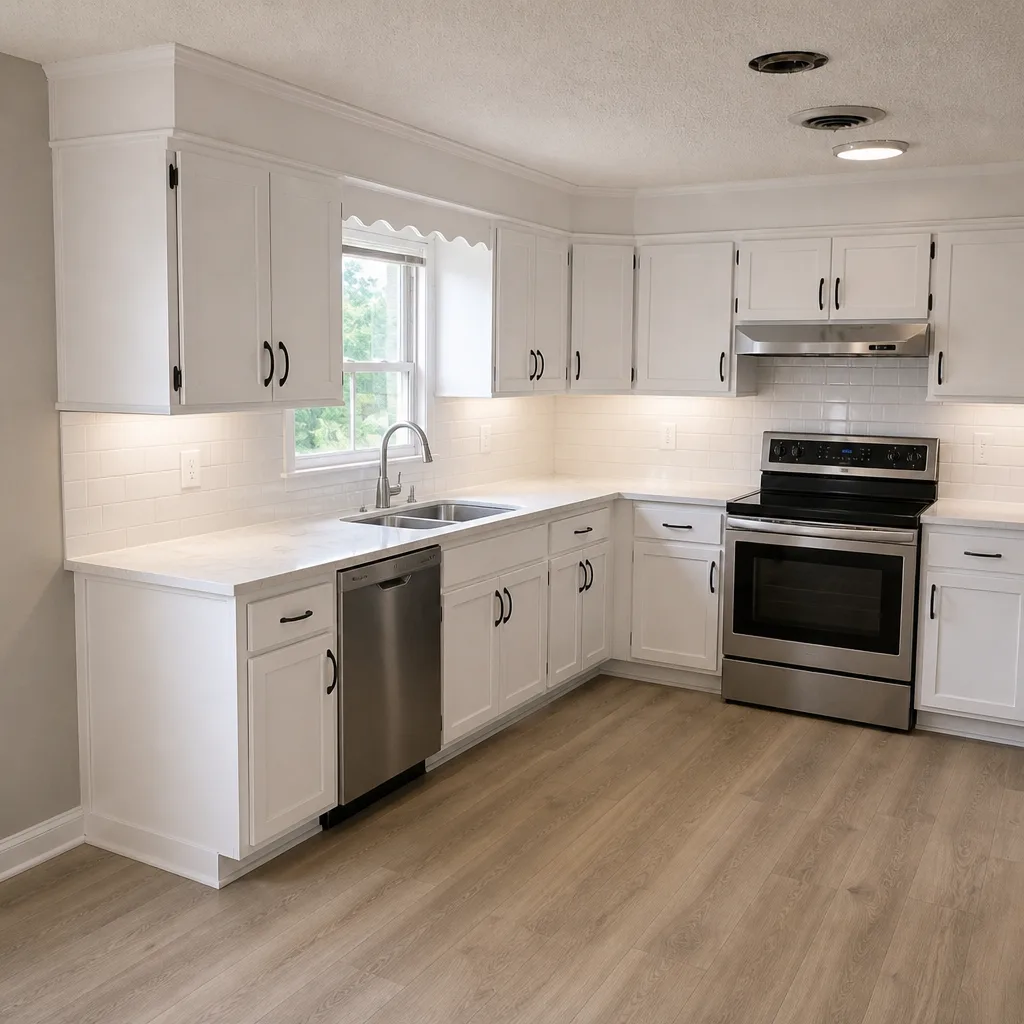 After
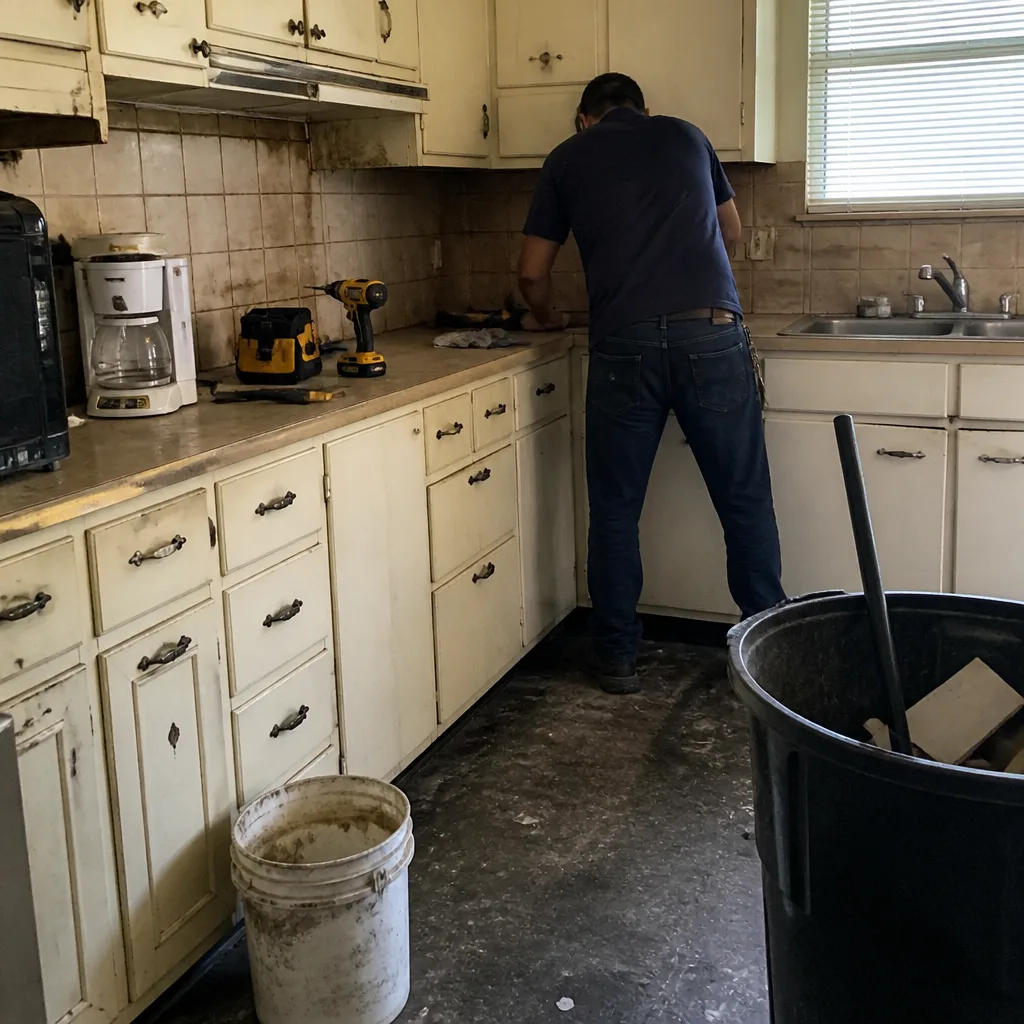 Before
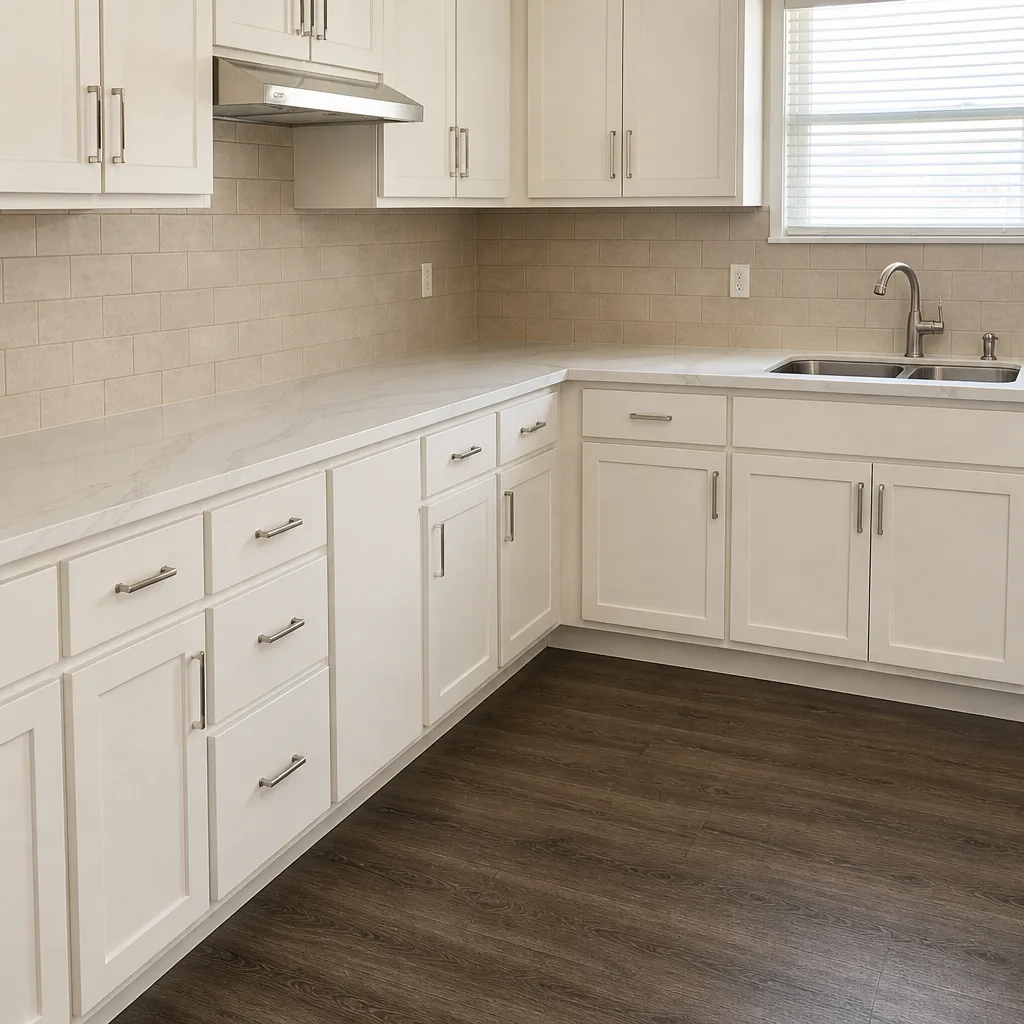 After
When to Call a Professional
Many homeowners start out thinking they’ll handle the fence themselves, then find they’re three post holes into Allen clay on a July afternoon. The cases where pros make the most difference tend to be:
You’re replacing a fence on an established property where the original footings were set years ago and the new posts need to match existing conditions. You’re installing 150+ linear feet, a multi-material design, or a fence on a slope that needs proper grade handling. You’re in an HOA that requires documentation your contractor needs to produce correctly the first time. Or you want the work covered by a workmanship guarantee – a meaningful one, in writing, not a handshake.
Groundwork Construction Co. of Allen offers free estimates across Allen and the surrounding North Texas communities. Our technicians have up to 12 years of experience with the specific soil, HOA covenants, and permit quirks that shape local fence timelines. Call (888) 343-9048 to schedule yours. Calls are answered by a live person, 24/7, so you’re not waiting until Monday to get your question in.
Fence installation is one of seven trades we handle. If your project turns into a bigger scope (adding a gate that ties into a home addition, or paving under an entry gate), the Fence Installation in Allen page covers the fence-specific details, and Home Additions & ADU in Allen covers the larger structural work. One contractor, one plan, one schedule.
Frequently Asked Questions
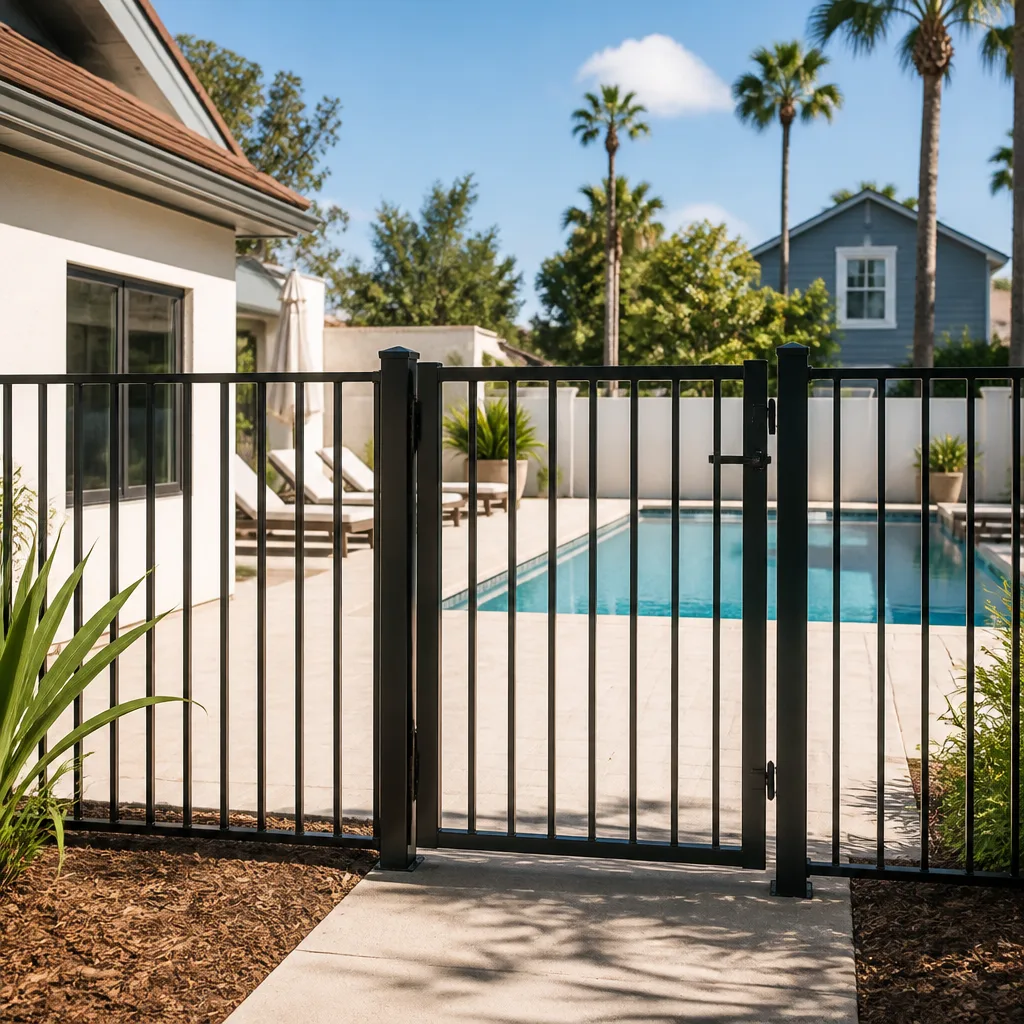
The physical install takes 1–3 days for a typical Allen residential lot, but the full project timeline from signed contract to final walkthrough is usually 2–6 weeks. Most of that time is HOA approval, permit processing, utility locates, and material lead time – not labor in the yard. Call (888) 343-9048 for an exact project timeline for your property; estimates are free.
It depends on the height, location, and whether the fence ties into a retaining wall or sits near an easement. Fences under six feet on standard interior lots often don’t need a permit; over six feet, corner lots with sight-line requirements, or fences on easement boundaries usually do. Your contractor should confirm your specific address before ordering material. Call (888) 343-9048 to talk through your property.
Most of the time, your installer adjusts post placement or hand-dig around the marked line and the schedule barely moves. If the line runs parallel to the fence, post depth and footing approach may change, which can add a day or two. The 811 locate is required in Texas before digging, and skipping it can be expensive. Call (888) 343-9048 and we’ll walk through what your locate ticket means for your timeline.
Most Allen privacy fence installations run roughly $28–$55 per linear foot installed depending on material, terrain, and gate count, so a 150-foot cedar privacy fence typically falls in the $4,200–$6,800 range while a comparable vinyl fence runs higher. Ornamental metal runs $45–$80 per linear foot. Pricing includes tear-out, haul-away, and gate hardware for standard configurations. Call (888) 343-9048 for a written line-item quote – estimates are free, and no-hassle upfront pricing means the number you see is the number you pay.
Because most of the timeline isn’t installation. HOA review, city permits, utility locates, and material lead time together account for the majority of the calendar. In our experience, the projects that finish ahead of schedule are the ones where the homeowner submitted HOA paperwork and triggered the 811 ticket in week one, before comparing final quotes. Call (888) 343-9048 and we’ll map out the realistic calendar for your project.
The locate needs to be re-called through Texas 811 before the crew mobilizes, which adds 2–3 days to the front of the install window. It’s a routine step, not a red flag, but it’s worth confirming your contractor rechecks the locate date before scheduling a crew. Call (888) 343-9048 to talk through scheduling your Allen install.
Plan on 48–72 hours after post-set before normal gate use and any weight against the fence. Post-setting concrete needs time to cure through, and Allen’s clay soil makes that step especially important – panels hung on uncured posts in this ground tend to move. Once cured, standard use resumes. Call (888) 343-9048 if you want to check your specific post depth and cure plan.
The Bottom Line
Fence installation takes 1–3 days of labor, and the whole project takes 2–6 weeks. Those are both true, and knowing which number applies to which question is the entire point of this guide. The physical install is fast because a competent crew with the right material can move quickly. The calendar drags because HOA approvals, city permits, utility locates, and material lead times are outside anyone’s control once submitted. If you want a fence up on a specific date, plan backward from that date – weeks, not days – and file the HOA packet and 811 ticket in week one. If you want the work backed by a workmanship guarantee that actually means something, ask what the warranty covers and how long it runs. Groundwork Construction Co. of Allen backs every fence project with our 730-Day Done Right Promise; if it’s not done right, we make it right. Built to last, backed in writing.
Call (888) 343-9048 for a free estimate on your Allen fence project. Live person, 24/7. Upfront pricing, no surprises. And if your project qualifies, we’ll apply our standing $1,000 off on jobs over $10,000 and 0% financing for 18 months so the timeline isn’t the only thing that’s clear.
Written by the team at Groundwork Construction Co. of Allen.