Last updated November 18, 2026








Free written scope consultation - allowances, timeline, and change-order rules on paper before a single trade is scheduled
Seasonal Construction Care for Allen: Year-Round Homeowner’s Guide
Allen averages 19 days a year above 100°F and has seen ice storms heavy enough to take down roofs and crack slabs. Yet most seasonal maintenance checklists handed to homeowners here were written for a four-season climate that Allen doesn’t have. That mismatch costs real money every year in buckled driveways, failed caulk lines, and foundations that move when the clay soil swings from soaked to bone dry. This guide throws out the generic calendar and rebuilds it around what Allen homes actually go through: two stress peaks, a narrow spring correction window, and a fall scramble that sets up next summer. We’ll show you what to check, when to check it, and where a free estimate saves you from a repair bill.
Quick Answer
Allen homes follow a two-stress-peak climate pattern, not four seasons: brutal summer heat and drought stress the concrete, caulk, and foundation, while sudden winter freezes crack flatwork and stress roofs. The narrow spring and fall windows are your correction seasons – spring to fix what winter broke, fall to protect against next summer. Everything else is monitoring.
Styles & brands we work with
- Kitchen remodeling
- Bathroom remodeling
- Home additions & ADU
- Roofing
- Windows & doors
- Driveway & pavers
- Fence
Table of Contents
- Why Allen’s Climate Breaks the Four-Season Rule
- Summer Prep: Concrete, Foundation, and Caulk Above 95°F
- The November Window: Ice Storm Prep Most Allen Homeowners Miss
- What Winter Freezes Actually Do to Allen Homes
- Spring: The Correction Season for Flatwork, Walls, and Drainage
- Post-Storm Inspection Protocol for Allen’s Severe Weather Season
- Roof and Window Care Across All Four Stress Periods
- Fences, Driveways, and Outdoor Structures Year-Round
Why Allen’s Climate Breaks the Four-Season Rule
Most home maintenance content assumes a gentle four-season climate: mild spring, warm summer, cool fall, cold winter. Allen doesn’t work that way. What we have is a two-peak stress pattern – a long, punishing summer that pushes materials to their limits, and a winter that swings between mild weeks and sudden hard freezes. The transitions between those extremes are fast, and the damage happens in the transition, not in the middle.
The soil under most of Allen is expansive clay, which means it swells when wet and shrinks when dry. During a normal Allen summer, that clay can move enough to flex a slab, pop a caulk joint, or open a hairline crack that becomes a real problem next season. The homes near the Collin County Outer Loop and the older neighborhoods around downtown Allen sit on the same soil and face the same swings.
What this means for you: your maintenance calendar should be built around the two stress peaks and the two correction windows between them.
- Peak one: June through September – heat and drought stress on concrete, caulk, roofing, and foundation moisture.
- Peak two: December through February – hard freezes and ice, often with only a day or two of warning.
- Correction windows: A narrow window in March and April, and again in October and November.
Miss the correction windows and you’re not deferring maintenance – you’re paying for the same problem twice, once next season and once when it finally gets bad enough to call someone. That’s the gap where a lot of Allen homeowners get stuck, and it’s the reason we built this guide around the actual calendar instead of the one from the magazines.
Summer Prep: Concrete, Foundation, and Caulk Above 95°F
Summer in Allen is the season that does the most visible damage, and also the season when most repair work gets skipped because it’s too hot to do it properly. Here’s what actually matters between June and September.
Concrete expansion joint inspection
Every slab around your home – driveway, walkway, patio, garage floor – has expansion joints cut into it to let the concrete move as the ground shifts. When those joints are filled with sand or organic debris, or when the filler has worn away, the slab has nowhere to go and starts to crack from the inside. In Allen, this happens fast because the clay moves so much between the spring rains and the summer dry. A quick pass in early summer to clean out joints and top them up with the correct flexible filler prevents most of the cracking we see.
Foundation moisture management during drought
If your home sits on expansive clay – and in Allen, it almost certainly does – the single most important summer task is keeping the soil around the foundation consistently moist. When it dries out, the soil pulls away from the foundation and the slab loses support on one side. That’s where the cracks in brick, the doors that suddenly stick, and the drywall corners that split come from.
What we tell homeowners in our experience: consistent, even moisture is the goal. Not soaked. Not dry. Consistent.
- Use a soaker hose around the perimeter, run on a timer through the dry months.
- Keep gutters and downspouts clean so roof water drains away from the foundation, not into it.
- Watch the soil line around the slab – a visible gap of an inch or more signals you’re behind.
- Plant shrubs at least 18 inches from the foundation, or install a rooting barrier.
What happens to exterior caulk above 95°F
Exterior caulk above 95°F starts to cure too fast. It skins over before it bonds, and it fails within a season. If you’re caulking windows, doors, or trim in Allen, do it in the morning, when the surface is cool and the tube can lay a clean bead. Or better, have it done in the fall correction window, when the temperature sits in the 70s and the caulk has time to bite. We’ve seen more caulk failures from bad timing than from bad product.
This is also the season to look up, not just down. A roofing contractor in Allen we work with regularly reports that summer heat cycles find weak points in shingles faster than any other season. During the hot months, you want to catch loose or curled shingles before a fall hail storm finishes the job.
The November Window: Ice Storm Prep Most Allen Homeowners Miss
This is the section that most Allen homeowners skip until it’s too late. North Texas ice storms don’t announce themselves a month out. They show up with a few days’ warning, and by the time the freeze warning hits, you can’t get a contractor, you can’t get materials, and you can’t get the tasks done because everything is frozen solid. The November prep window is where those tasks live.
Why November specifically
By early November, Allen’s temperatures drop into a range where exterior work actually holds. Sealants cure properly. Roof inspections are comfortable. Gutters can be cleaned without heat exhaustion. And if something turns up broken, you have weeks to fix it instead of hours. Once the first hard freeze hits, exterior work slows down or stops entirely until spring.
The November checklist
- Inspect the roof. Walk the perimeter with binoculars and look for lifted shingles, missing granules, damaged flashing, and any soft spots. Brands like IKO and Atlas make shingles built for hail and heat cycles, but they still fail at the seams first.
- Clean and evaluate gutters. An ice dam starts with a clogged gutter. If your downspouts drain within 3 feet of the foundation, add extensions before the first freeze.
- Seal every exterior opening. Caulk around windows, doors, hose bibs, and any penetration. Gaps that let cool air out also let water in.
- Drain and protect hose bibs. Disconnect hoses, drain the bib, and cover exterior faucets with insulated caps. A frozen bib can split the pipe behind the wall – which becomes a water damage claim, not a plumbing fix.
- Trim trees away from the roof and power lines. Ice loads branches. Branches near the roof are the number one cause of storm damage in Allen after every winter event.
- Check the flatwork. Any concrete crack wider than a credit card, or any trip hazard, should be filled or flagged for the spring correction work.
This is also a good time to look at roofing underlayment and flashing details. If you’re not sure what you’re looking at up there, having a contractor walk the roof before winter costs nothing and often catches something that would have become a five-figure repair.
What Winter Freezes Actually Do to Allen Homes
Allen’s winters are mild until they aren’t. The pattern most years looks like weeks of 50s and 60s, then a hard freeze that drops into the teens or single digits within 24 hours. That fast swing is what does the damage, and it hits the same systems every time.
- Concrete: Water gets into existing cracks, freezes overnight, and expands. A crack that was cosmetic in October becomes a spalling, trip-hazard joint by March.
- Roofs: Ice dams form when warm attic air melts snow on the upper roof, the water refreezes at the cold eaves, and backflow forces water under the shingles. This is where most interior water damage in Allen actually starts.
- Pipes: The exterior walls of homes are the most vulnerable. Hose bibs, pipes in uninsulated garages, and any line near an exterior wall worth checking before the first hard freeze.
- Flatwork and retaining walls: Water that gets behind a retaining wall and freezes will push the wall out. Our team has seen more retaining wall failures in the spring following a hard freeze than from any other cause.
- Fences: Ice load on a fence panel can snap posts or shear fasteners. Wood fences fail first; vinyl and composite fences hold up better but are not immune.
The hard freeze is not the time to start work. It’s the time to have already finished the November checklist. What winter actually demands of Allen homeowners is monitoring – keep an eye on the ceiling for new stains, watch the slab for fresh cracks, and make a list of anything that looks wrong for the spring correction work.
There is one exception to the “wait until spring” rule, and it’s upstairs. If your ceiling shows a new water stain after a freeze, get someone on the roof immediately. Waiting until spring turns a flashing repair into a decking and drywall repair.
Spring: The Correction Season for Flatwork, Walls, and Drainage
Spring is the season when everything the winter broke becomes visible, and it’s the last good window to fix it before the heat arrives. If you do one maintenance pass a year on your home, do it in March or April. Waiting until summer is a mistake we see constantly in Allen – by then, the same work costs more, and the correction window has closed.
What to assess in spring
- Walk the concrete. Look for cracks that widened over the winter, new spalling at the joints, and any slab that has settled or lifted. Take photos and note where each issue sits, because patterns matter for the fix.
- Inspect retaining walls. Look for bulging, leaning, or widened joints. A retaining wall that moved over the winter needs to be addressed before the next freeze, not after.
- Check drainage. Walk the perimeter of the house after a heavy rain and watch the water flow. The goal is water leaving the property, not pooling against the foundation. Allen’s spring storms produce enough rain to find any low spots fast.
- Test the gutters. Run water through them from the hose. If the downspouts back up or the water flows over the edge, clean them or call a contractor to re-pitch.
- Check for winter roof damage. If there’s a lifted shingle, a separated flashing piece, or a soft spot, spring is the right time to address it. Roofing brands like Tamko and Boral make products that handle Allen’s hail, but the install detail is what makes the difference.
This is also the season for the outdoor projects that make the rest of the year easier. If you’ve been thinking about a new fence, a resurfaced driveway, or a concrete pad that drains correctly, spring installation means the work cures before summer heat. Spring is also the right window for additions that need to be weather-tight before the heat arrives – the team at Groundwork’s Home Additions & ADU in Allen page can walk you through that timeline.
Post-Storm Inspection Protocol for Allen’s Severe Weather Season
Allen’s spring and early summer severe weather season produces a specific pattern: hail, wind, and flash floods, often all in the same event. The difference between a minor claim and a major repair is usually how quickly the inspection happens. Here’s the protocol we recommend after any major storm.
The post-storm inspection – step by step
- Wait for daylight, then walk the exterior. Start with the roof from the ground using binoculars. If you see bruised shingles, lifted edges, or debris on the roof, do not climb up – call a roofer.
- Check the attic and ceilings. Look for fresh water stains, damp spots, or daylight visible through the roof deck. Photograph anything that looks new.
- Inspect gutters and downspouts. Look for dents, separation, or sections hanging loose. Downspouts pulling away from the house are a common hail-and-wind result.
- Walk the flatwork. New cracks, shifted slabs, or separation at joints are common after hail events that dump water faster than the soil can absorb.
- Shut off exterior utilities if anything looks compromised. If a tree has hit the roof or taken down a line, get out and call your utility before anything else.
- Document everything. Photos with a date stamp or a timestamp note. Take closeups of any damage and wide shots showing where it sits.
- Call for a professional inspection. A trained roofing contractor will spot hail bruising that is invisible from the ground. Early inspection supports the insurance claim and usually reduces the repair scope.
This is the one part of the year where speed genuinely matters. A roof that took hail damage in April and sits until July will show water damage that wasn’t there in April. The flatwork and drainage issues compound the same way. If you’re not sure whether a storm caused damage, have it looked at; a free estimate tells you if there’s a problem without a walk-back.
Roof and Window Care Across All Four Stress Periods
Your roof and windows sit through every season and take the full weather load, so they deserve a pass in all four periods instead of just once a year. Most Allen homes have a roof and window replacement cycle that’s set by hail events and sun exposure more than by age, which makes inspection more valuable than calendar-based replacement.
Roofs
In Allen, the roof gets its hardest season in summer and its highest damage risk in spring. The fall inspection catches what winter will stress; the spring inspection catches what winter did. If you’re considering a roof replacement, brands like IKO and Atlas are engineered for hail and heat cycles, but the install details – flashing, underlayment, ridge venting – separate a good roof from a leaky one. We’ve seen roofs that should have lasted 25 years fail in 12 because the flashing was done wrong.
Windows and doors
Windows do two jobs in Allen: they keep the summer heat out and they seal the winter cold in. The failure mode on both is caulk and weatherstripping. Once a year, check every window and door for drafts, condensation between panes (a sign of seal failure), and failed caulk at the frame. If you’re replacing, brands like Andersen and Marvin produce products that hold up to Allen’s swings, and the install matters as much as the product.
When to consider replacement
- Two or more roof leaks in a five-year window (leaks may be install, not the shingle).
- Visible granule loss in the gutters after every rain.
- Fogging or condensation between window panes.
- Consistently high energy bills without a corresponding change in use.
Fences, Driveways, and Outdoor Structures Year-Round
The outdoor parts of an Allen home take the most seasonal abuse and get the least maintenance. Here’s how to schedule the two big outdoor systems.
Fence Installation in Allen and fence care
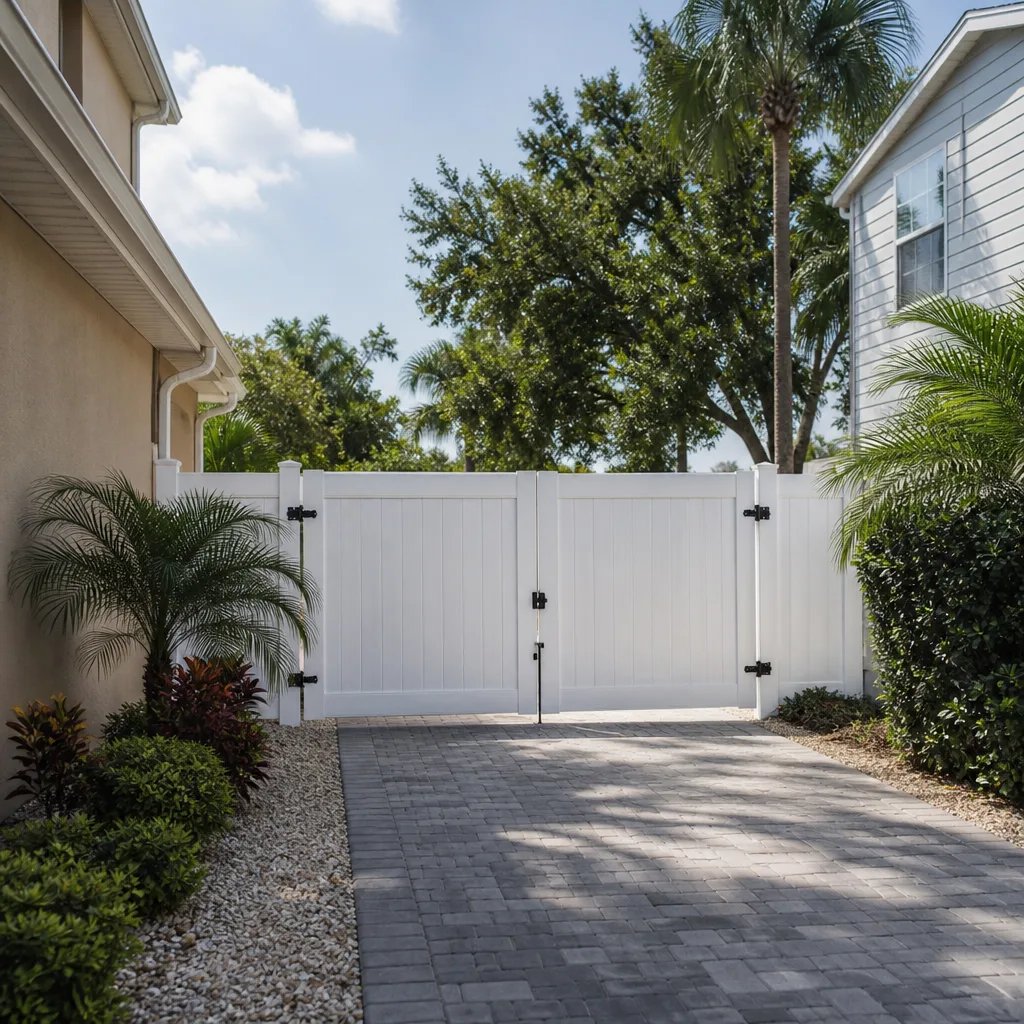
Wood fences in Allen typically need attention every two to three years because of the sun and moisture swings. A fence installed correctly in spring, with posts set in concrete and adequate depth, handles the clay movement far better than a shallow-set fence. Vinyl and composite hold up better to the heat but still take damage from hail. After every winter, walk the fence line and check for loose posts, popped pickets, and sagging gates – fix the gate hinge before it shears the post.
Driveway & Pavers in Allen care
Pavers move with the clay, which means the joints are where problems show up first. Twice a year – early spring and late fall – check for joint sand loss, settled areas, and any paver that has shifted enough to become a trip hazard. Replacing joint sand in spring (not summer) is the single best way to extend the life of a paver driveway in Allen, because the sand settles and cures before the heat arrives. Concrete driveways need the expansion-joint inspection covered in the summer section.
Drainage and landscape structures
Retaining walls, raised beds, and any structural landscape feature need a spring and fall pass. Water behind a wall in late winter is the failure mode; getting it draining away in spring is the fix. If you’re considering a new retaining wall or any structural landscape work, spring and fall are the right install windows. You can read more about how we think about the whole scope on the Groundwork Construction Co. of Allen home page.
Common Mistakes to Avoid
- Following a Northern climate checklist. Ohio-style guides tell you to winterize in September and check the roof in October. In Allen, September is still 95°F and October is a correction window – following the wrong calendar means doing the right tasks at the wrong time.
- Caulking in the heat of the day. If you run a caulk line above 95°F, it skins over before it bonds. Wait for morning, or save the caulk work for the fall window.
- Letting the foundation soil dry out in July and August. Allen summers pull moisture out of the clay so fast that a foundation can show movement in one season. Consistent moisture through the summer is not optional here.
- Waiting until the first freeze warning to prep. Ice storm prep is a November task. By the time the freeze warning hits, you’re competing with every other Allen homeowner for the same contractors.
- Skipping the spring correction pass. The winter damage is visible in March. If you wait until summer, the work gets done in the hardest season, costs more, and gets done worse.
- Climbing the roof after a storm. Hail-damaged shingles are slick, and a fall from height is a serious injury. Ground-level inspection and a call to a roofing contractor is the right move.
- Assuming pavers and flatwork can’t fail in Allen. The clay soil here moves more than in most of the country. Annual joint and expansion inspection is what keeps a paver driveway and a concrete driveway working for 20 years instead of 10.
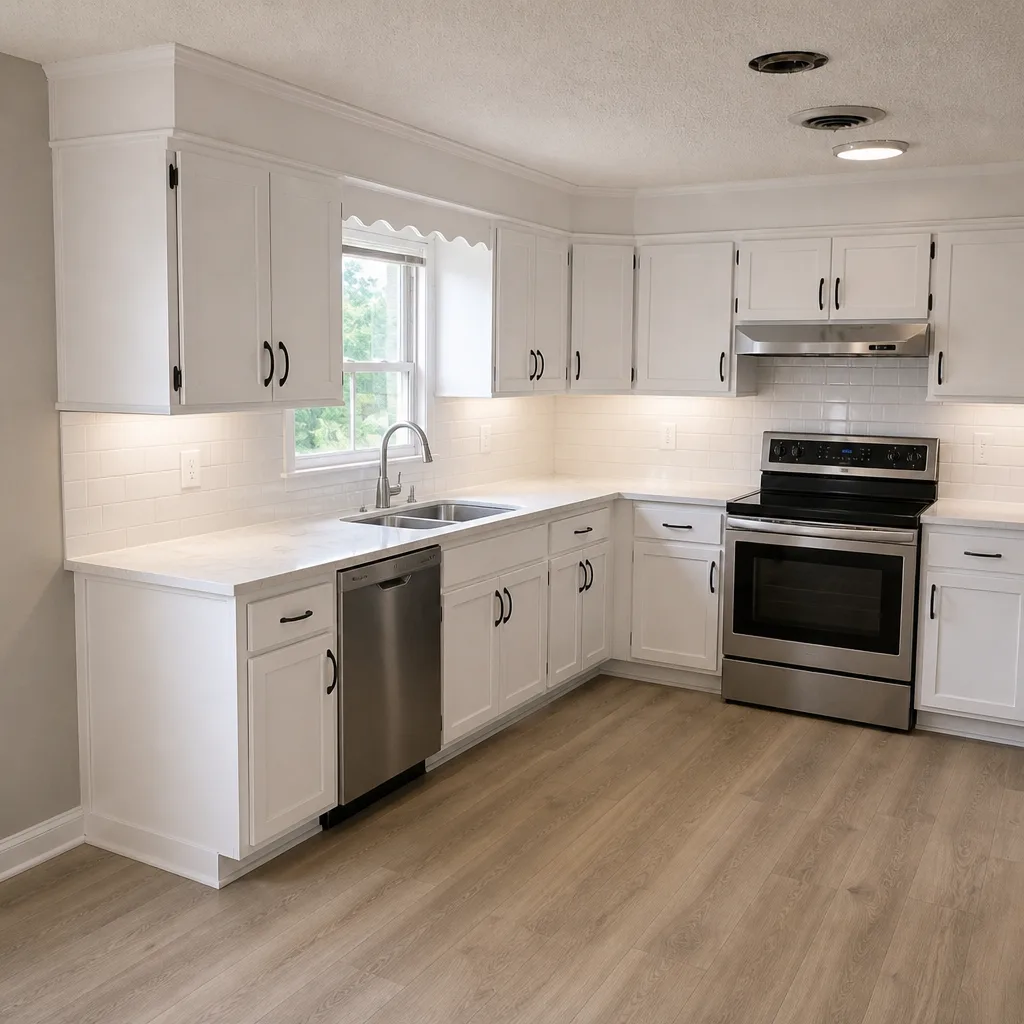
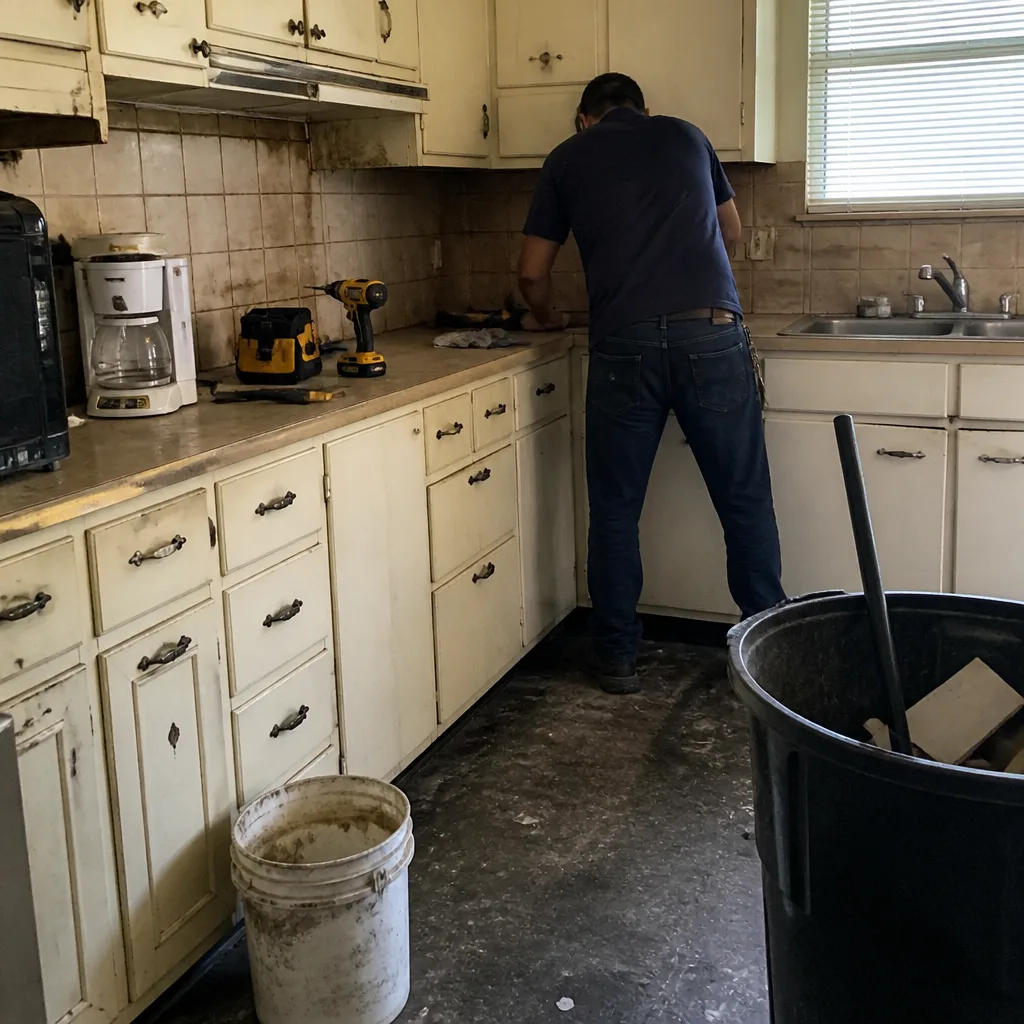
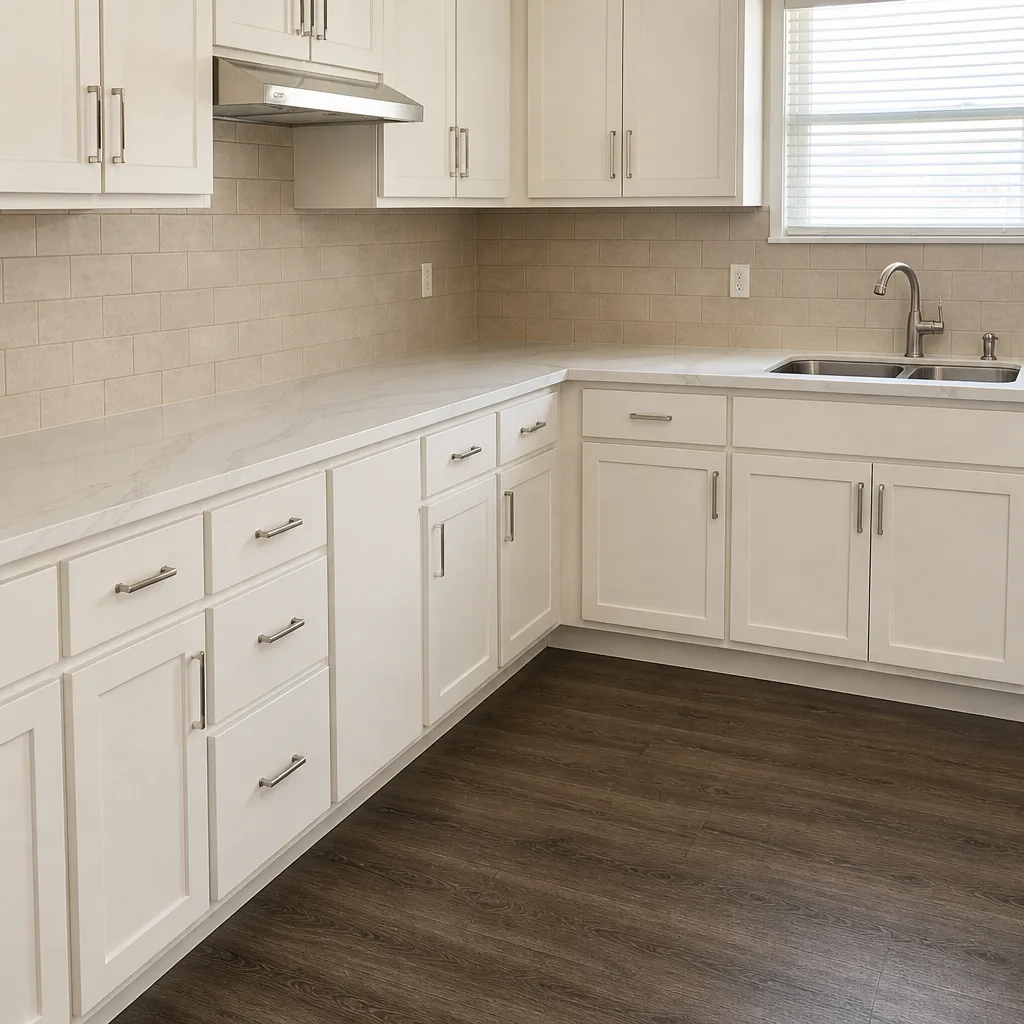
See the difference
 Before
 After
 Before
 After
 Before
 After
When to Call a Professional
Not every task on this list is a call. Cleaning gutters, running a soaker hose, and checking caulk lines are homeowner-friendly. But the following should always go to a professional in Allen: any roof inspection after a storm or a freeze event; any foundation movement you can see or feel; retaining walls that have moved; new or replacement concrete flatwork; and any drainage work that requires grading. The reason is simple – these are the repairs that fail quietly if they’re done wrong, which means you don’t find out until the next freeze or the next storm. Groundwork Construction Co. of Allen offers free estimates across Allen and the surrounding area. Call (888) 343-9048 to schedule yours – live person, 24/7, no voicemail.
Frequently Asked Questions
The single highest-value task in Allen is spring correction work – inspecting and repairing the flatwork, drainage, and roof damage that winter left behind, before the heat arrives. A close second is the November prep window, because it prevents most of what spring has to fix. Call (888) 343-9048 for a free estimate on the spring correction work at your home.
Twice a year – once in spring and once in fall – plus immediately after any hail or wind event. Allen’s hail season runs through spring and early summer, and heat cycling through the summer is hard on shingles. We recommend a ground-level visual check on a schedule and a professional inspection if anything looks off. Call (888) 343-9048 to set one up.
Prepare in November, not when the freeze warning hits. The list: clean gutters, seal exterior caulk, drain and insulate hose bibs, trim trees off the roof line, fill concrete cracks, and check your attic insulation for gaps. Doing these in November is what prevents the damage in January. Call (888) 343-9048 for a free estimate on any of those items you’d rather hand off.
Expansive clay moves a lot as it gets wet and dries out, which is why Allen driveways crack and foundations shift more than in other parts of the country. The fix is consistency – even moisture in summer, good drainage in spring and fall, and prompt repair of any new crack. Our technicians have up to 12 years of experience working in this soil. Call (888) 343-9048 for a free estimate if you’re seeing new movement.
Wait for fall, unless the crack is a trip hazard. Summer heat makes the repair materials cure too fast, and the joint work doesn’t hold as well. Fall is the correction window in Allen, and doing it then gets you the best result. Call (888) 343-9048 to schedule a fall estimate.
You pay for it in spring, usually twice. Water gets into unsealed joints, cracks, and flashing gaps over the winter, and the freeze expands whatever it entered. The typical result in Allen is a spring repair bill that’s two to three times what the fall maintenance would have cost. Call (888) 343-9048 to schedule the fall work – free estimate, upfront pricing.
The Bottom Line
Allen homes run on two stress peaks and two correction windows, not four seasons. Use the March and April window to fix what winter broke, and the October and November window to protect against what’s coming. Keep the foundation moist through summer, seal exterior joints in fall, inspect the roof after every storm, and don’t skip the November prep tasks that most Allen homeowners only think about once the freeze warning hits. The rest is monitoring. If you want one contractor to handle the seasonal work across all of it – past the 42-year local reputation, with a 730-Day Done Right Promise behind every job – call (888) 343-9048, and we’ll walk the property with you.
Bottom line: two windows a year, done properly, is what keeps an Allen home from becoming a repair project.
Contact

Every task in this guide can be scheduled through one contractor without having to chase down a different specialist for each trade. Groundwork Construction Co. of Allen offers free estimates in Allen and the surrounding area, with upfront pricing, 0% financing for 18 months, $1,000 off projects over $10,000, and the 730-Day Done Right Promise covering every job we do. Calls are answered by a live person, 24/7. Background-checked, uniformed technicians on every project, free project estimate and design consult included. Call (888) 343-9048 to get started.
Written by the team at Groundwork Construction Co. of Allen.