Free written scope consultation - allowances, timeline, and change-order rules on paper before a single trade is scheduled
Styles & brands we work with
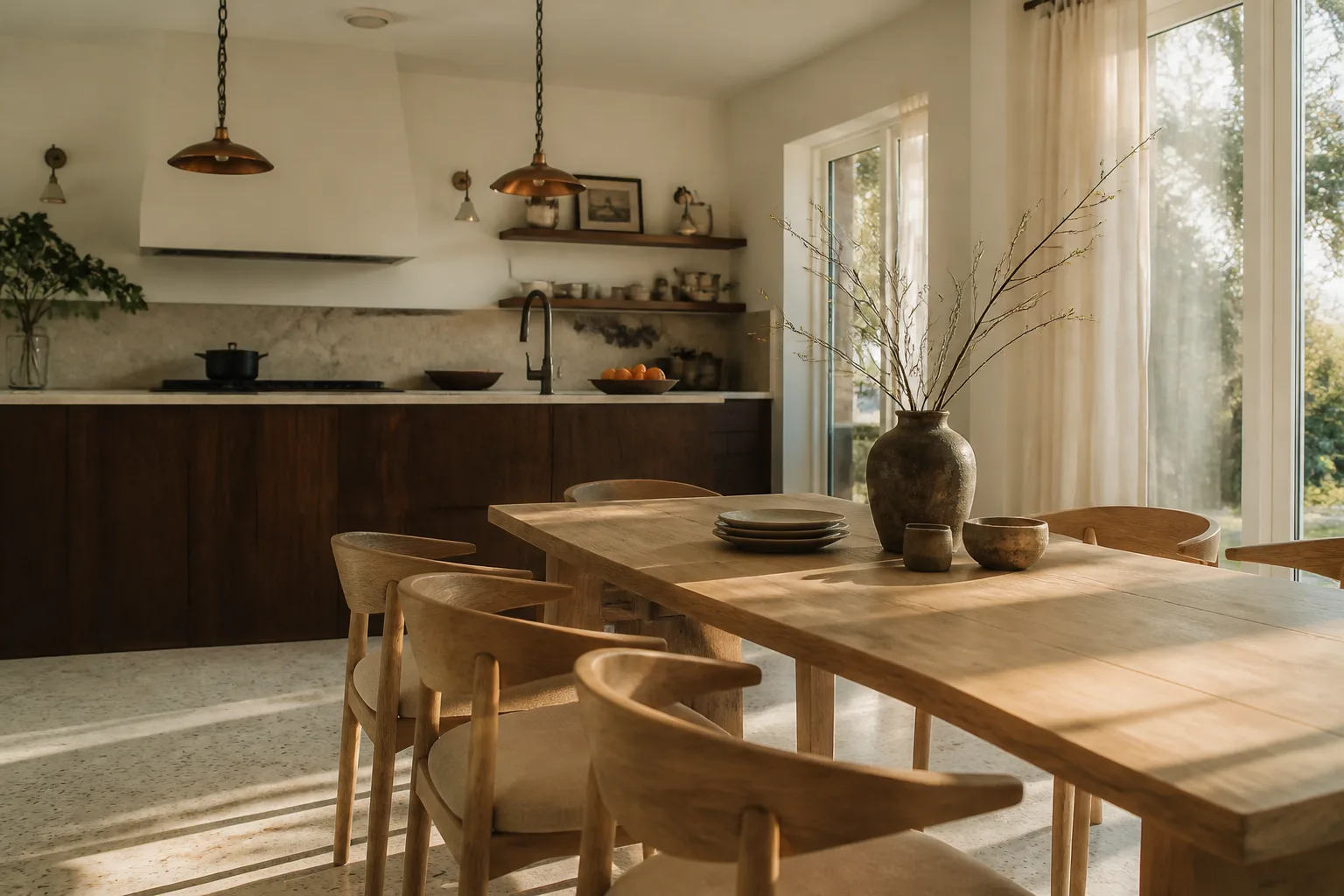
- Kitchen remodeling
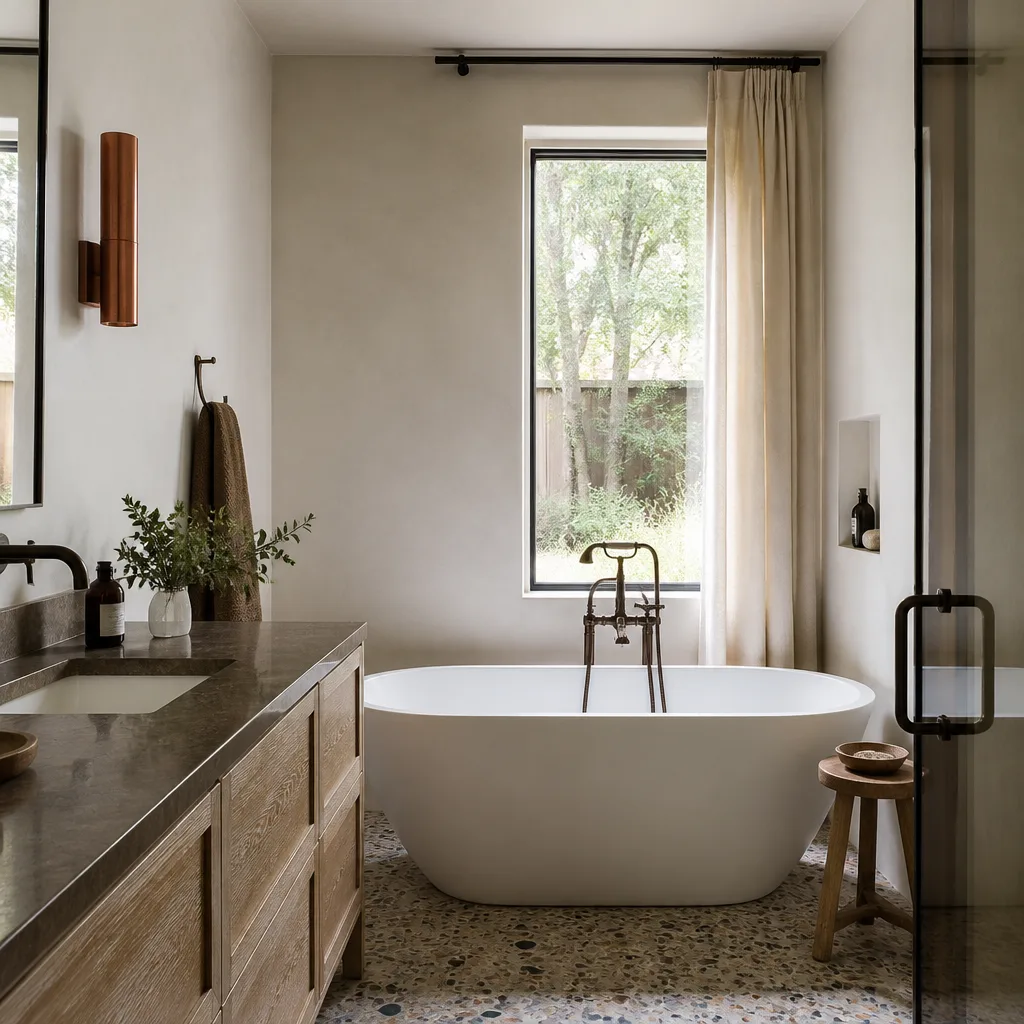
- Bathroom remodeling
- Home additions & ADU
- Roofing
- Windows & doors
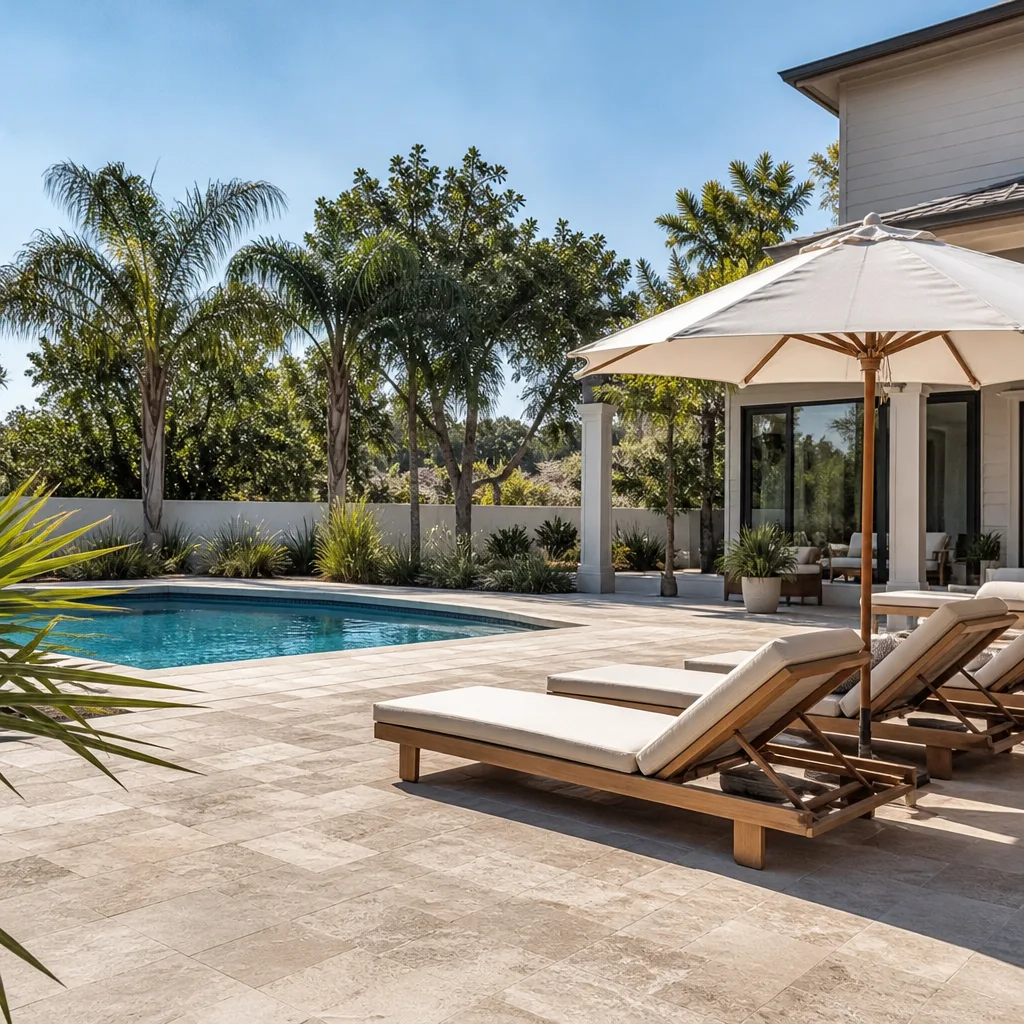
- Driveway & pavers
- Fence
See the difference
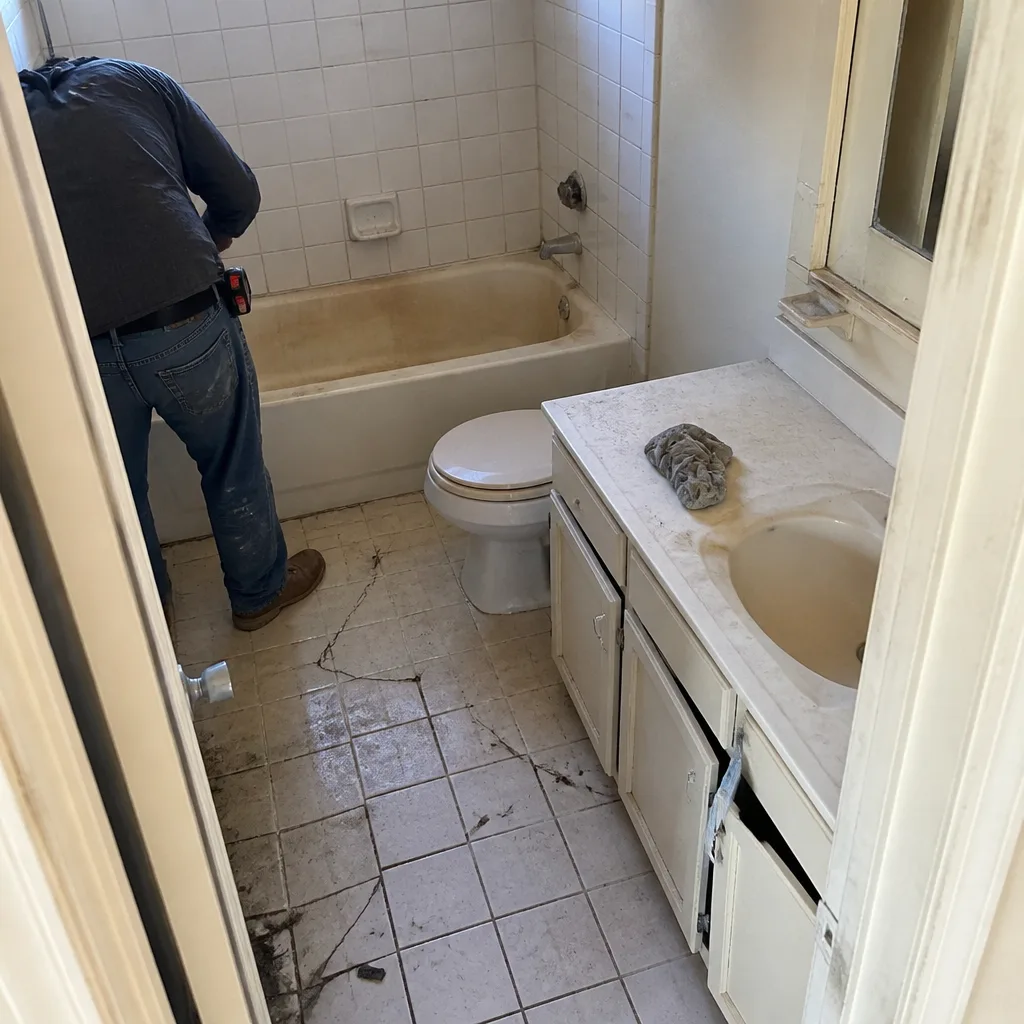 Before
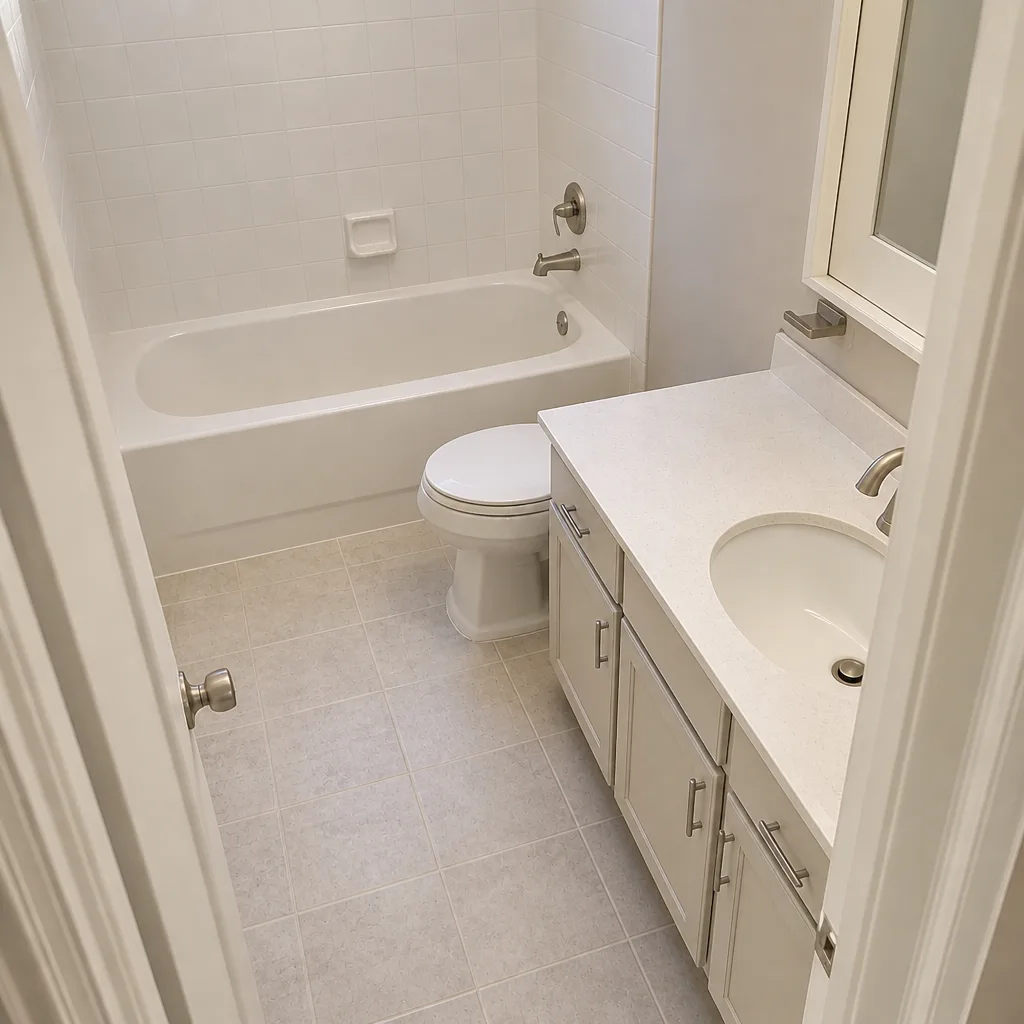 After
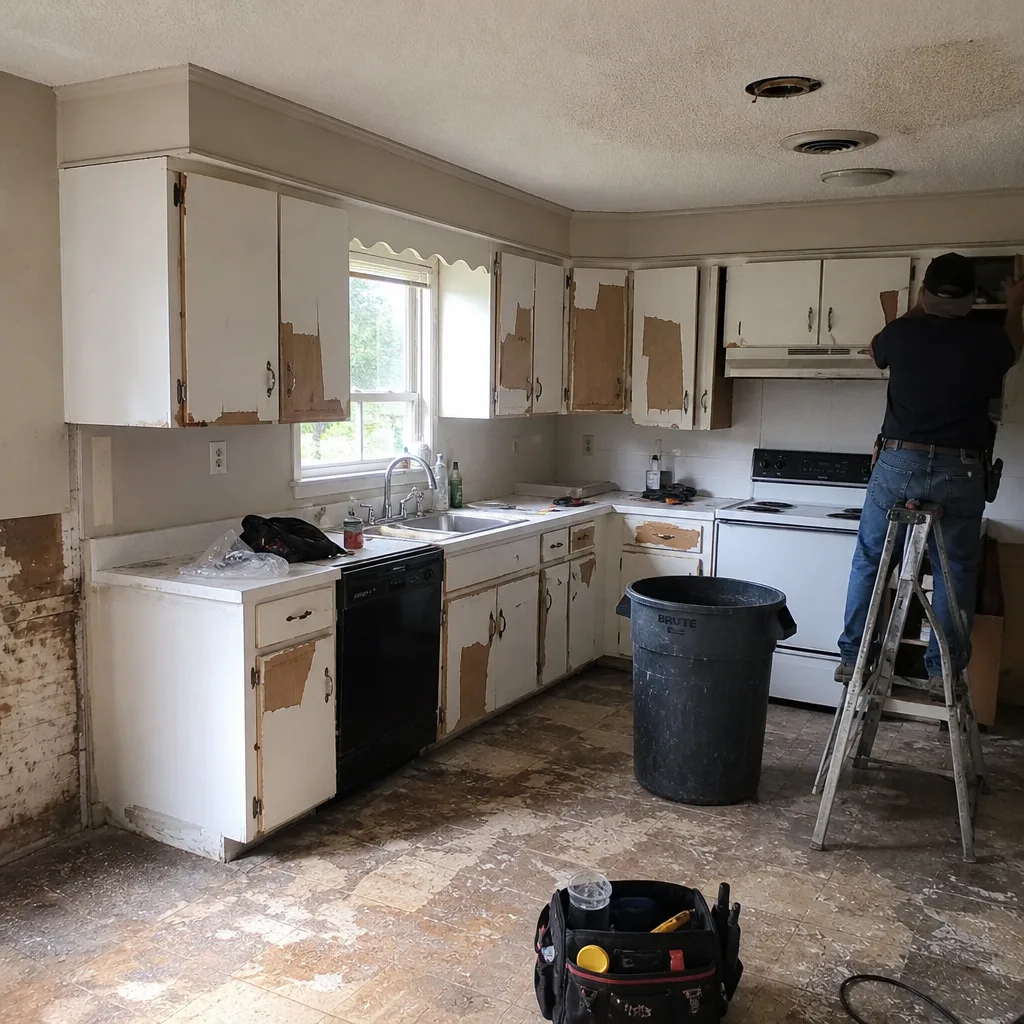 Before
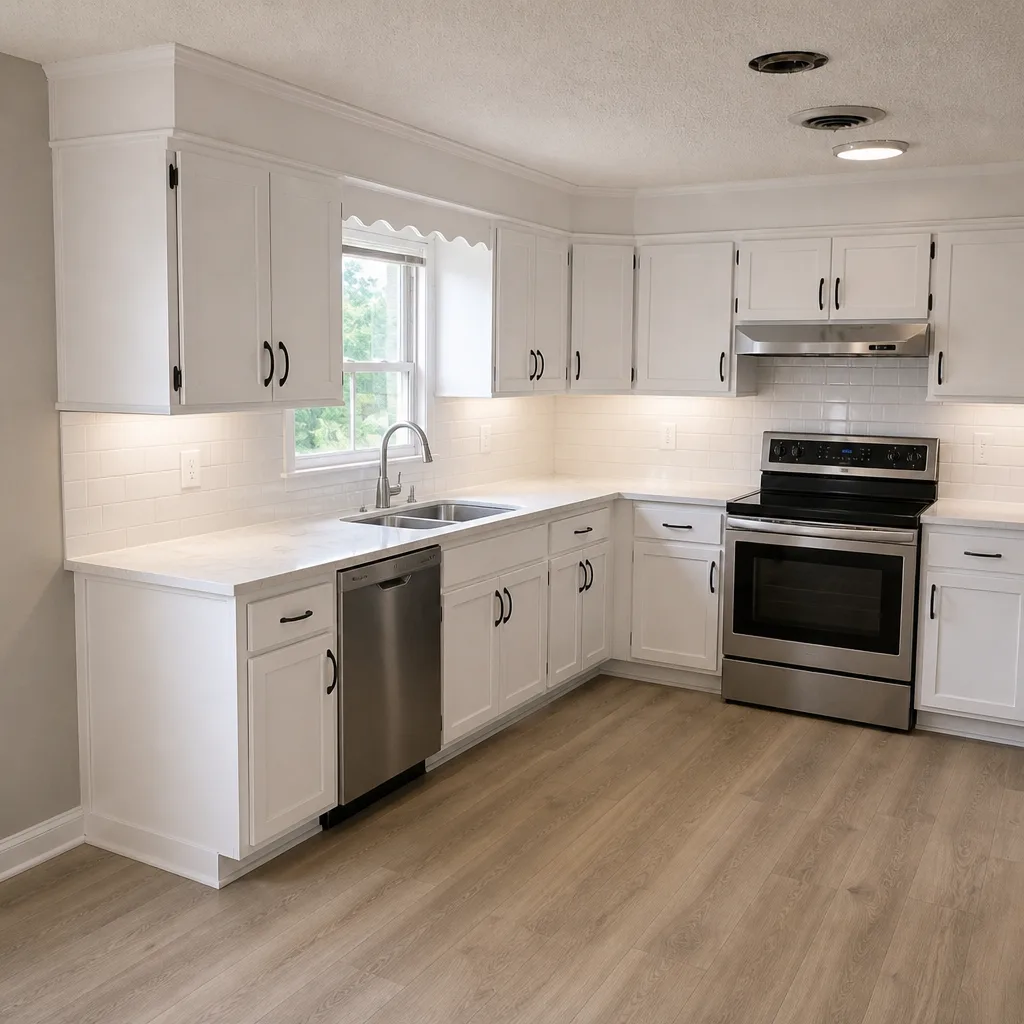 After
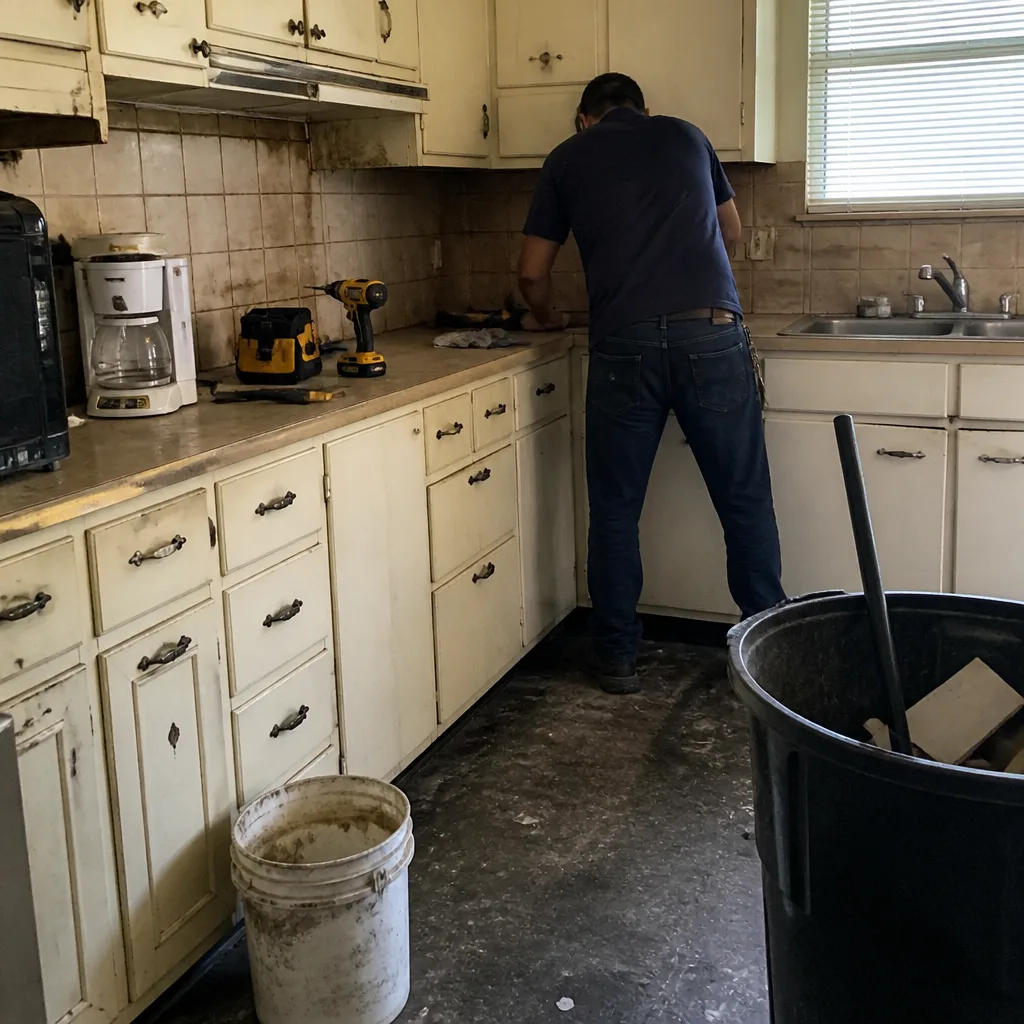 Before
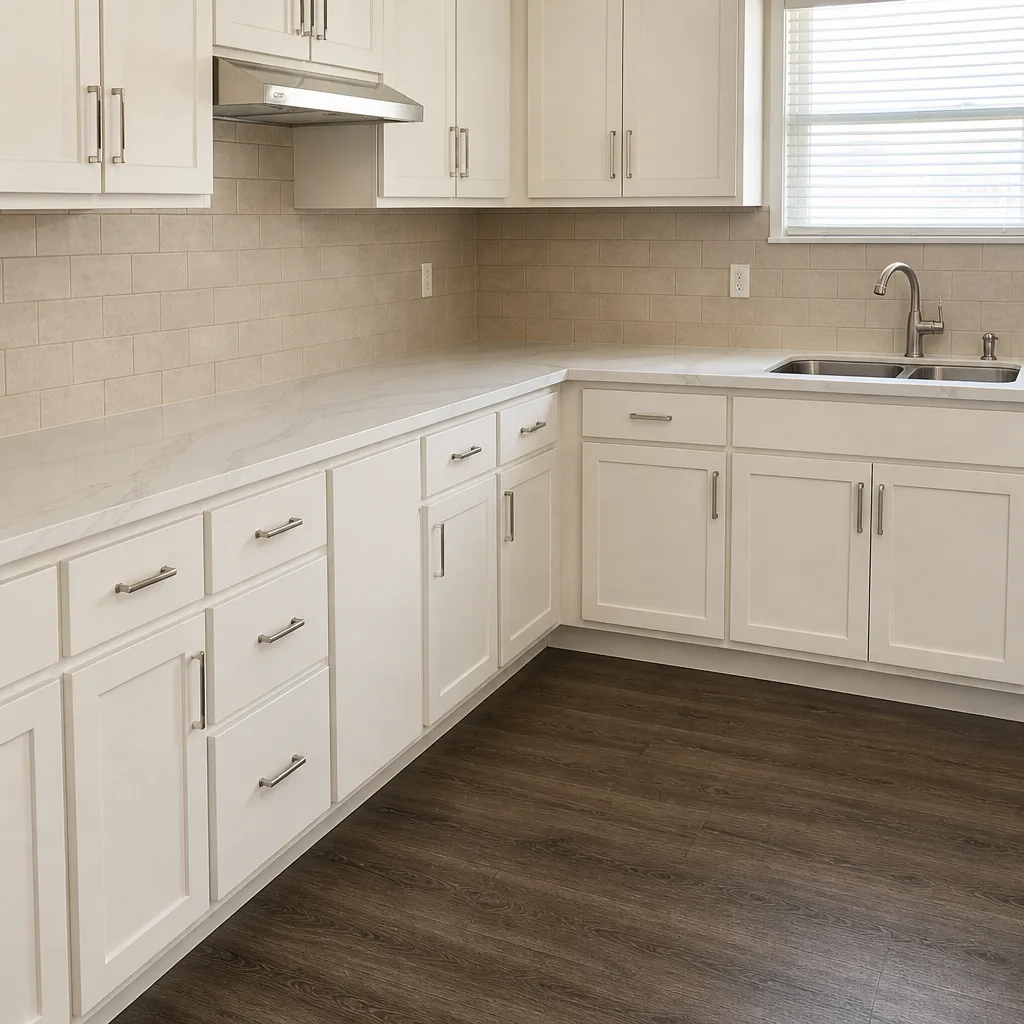 After
Do Energy Efficient Windows Save Money in Allen, TX? Here’s the Honest Math
Yes, but not the way most articles tell you. In Allen, energy efficient windows save money mostly by cutting summer cooling load, not winter heat loss. Replacing degraded builder-grade units in a typical 1990s subdivision home can trim cooling costs meaningfully, but the payback usually runs long, so the real case rests on comfort, HVAC wear, and resale as much as the utility bill. If you want a straight read on your own house, call Groundwork Construction Co. of Allen at (888) 343-9048 for a free estimate.
Allen summers sit at or above 100°F for weeks at a stretch. From June through September your windows are fighting solar heat gain almost every afternoon. The national “save 15% on energy” studies you see quoted everywhere were written around heating-dominated climates where the battle is keeping warmth in. That math doesn’t transfer cleanly here. In Allen, the savings question runs on cooling load, and that changes which window spec actually matters.
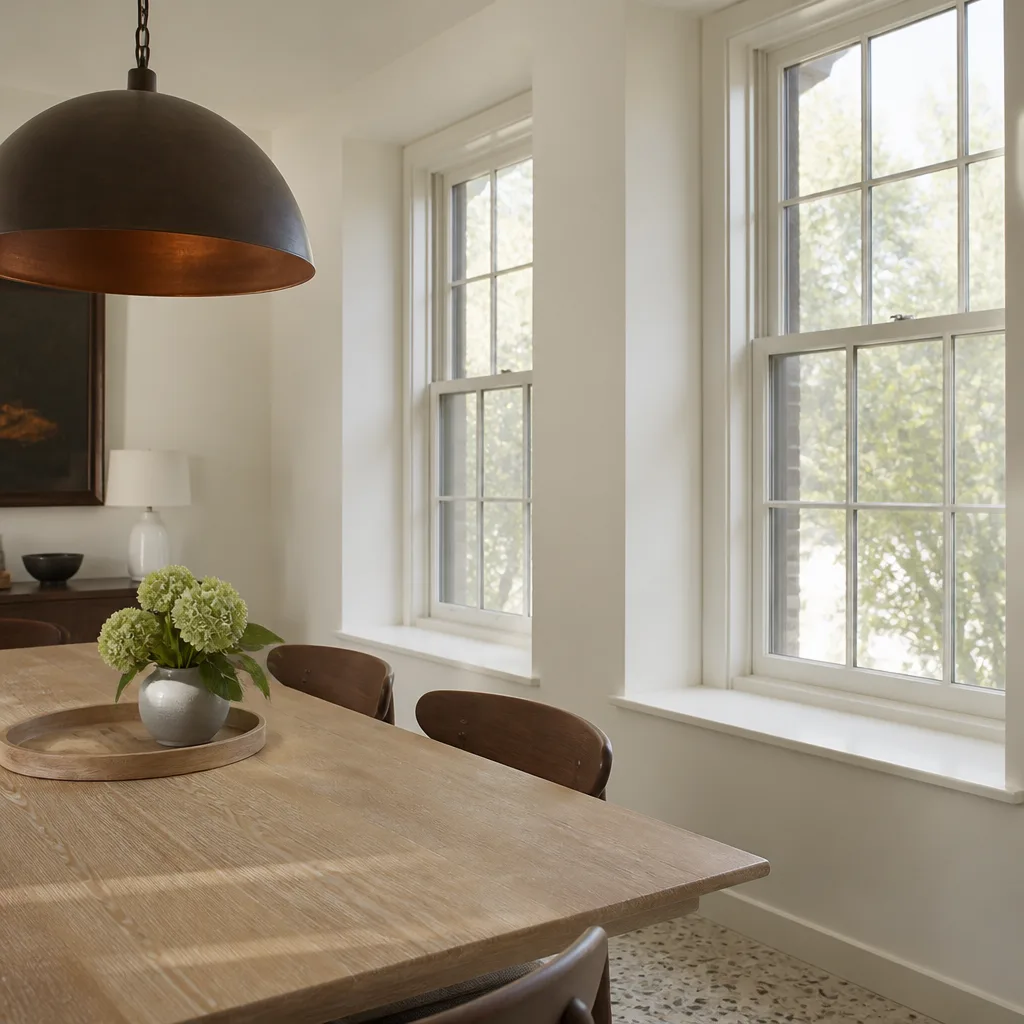
Why SHGC Matters More Than U-Factor in Allen
Solar heat gain coefficient (SHGC) is the number that describes how much of the sun’s heat passes through a window. Lower SHGC means less heat enters. In a climate where air conditioning runs five to six months a year, SHGC does more of the heavy lifting than U-factor, which measures heat loss and matters most in cold climates. Most generic window savings articles lead with U-factor because they’re written for Minneapolis, not Collin County.
What that means practically: a window with a great U-factor but a so-so SHGC can still let your AC work hard all afternoon in Allen. When we spec glass for homes here, we push toward solar-control low-E coatings that reflect infrared heat rather than passive low-E designed to trap warmth. Andersen and Marvin both offer low-E options we install, and the coating choice is where the real climate matching happens. Passive low-E belongs in heating-dominated regions. Solar-control low-E belongs here.
Two other specs ride along with SHGC. Visible light transmittance (VLT) affects how bright the room stays; you can push SHGC down and lose some daylight if you go too far. And air infiltration ratings tell you how tightly the unit seals, which matters in Allen’s windy spring storm season.
The Real Culprit: Seal Failure in 1990s Builder-Grade Units
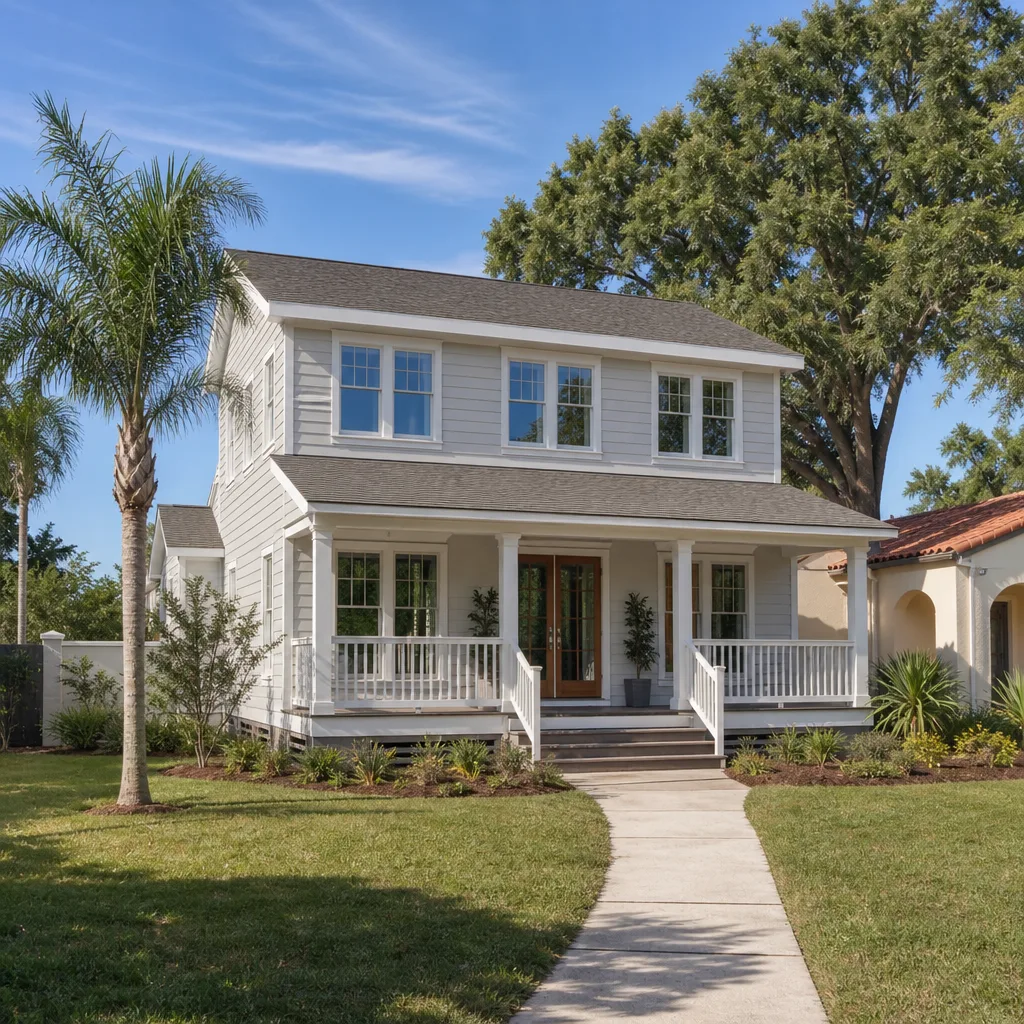
Almost all Allen housing is builder-grade subdivision stock from the 1990s through the 2010s. Brick-veneer two-story traditional and Tudor-style homes, small lots, original windows. Those original double-panes were decent for their day, but many are now 25 to 30 years old, and the insulating gas between the panes has had time to escape.
Here’s the failure mode nobody puts on a spec sheet. The seal between panes fails, argon leaks out, and moisture gets in. You see fogging or a hazy film between the glass. Once that happens, the thermal benefit is gone. The window is now roughly a single-pane performer wearing a double-pane label. Savings from “energy efficient windows” only materialize after you replace units that have already degraded. A newer Allen home with intact seals won’t see the same return, because there’s less to recover.
Walk your house and look for:
- Fogging or condensation trapped between the panes
- A wavy or rainbow film on the glass
- Drafts near the frame on a windy day
- Condensation on the interior glass in air-conditioned rooms
- Windows that stick, or sashes that no longer seal tight
If you spot the first two, the unit has likely already failed its thermal job.
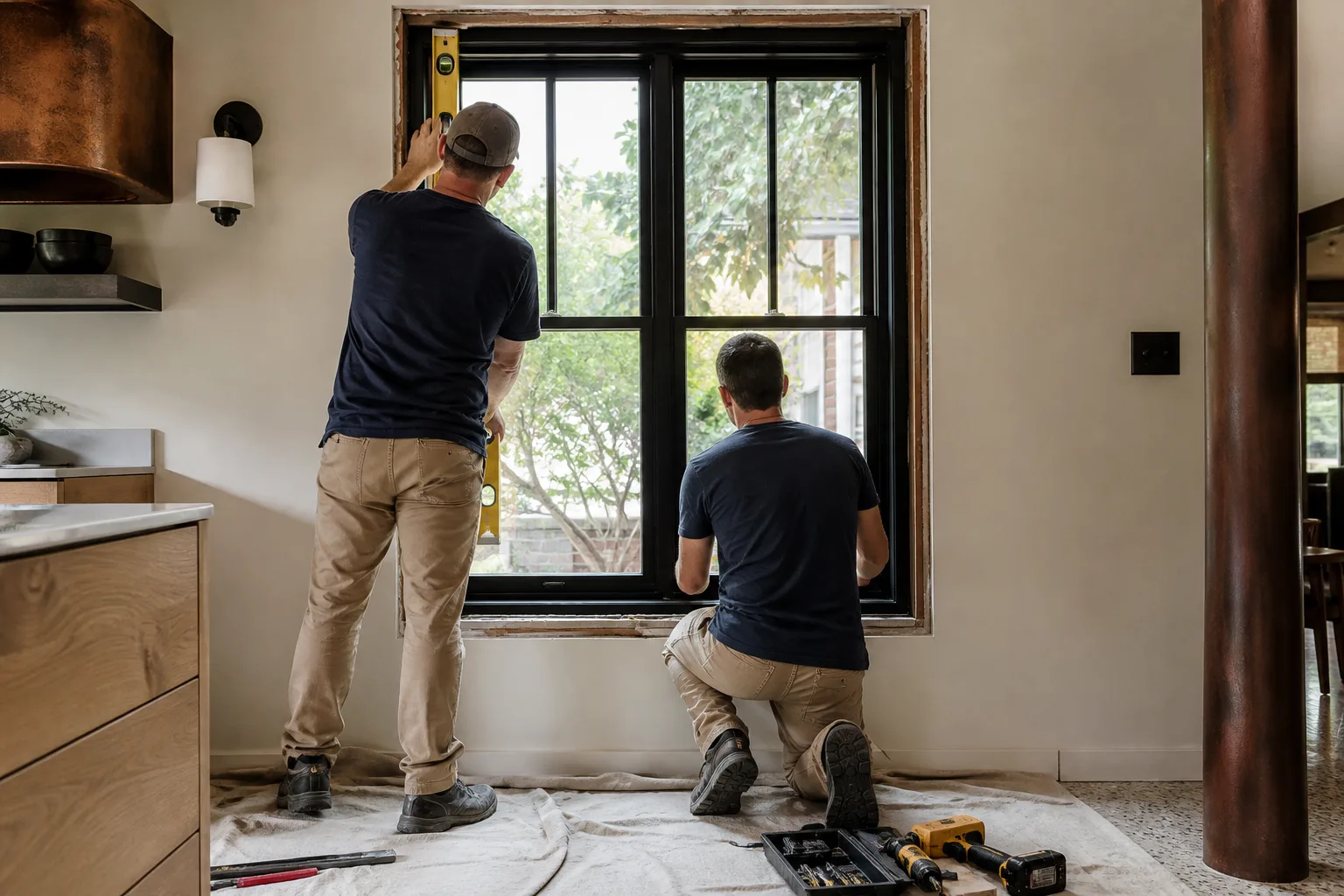
What the Savings Actually Look Like: Two Allen Scenarios
National averages hide the fact that your starting point matters more than any percentage. Consider two Allen homes on the same street in a subdivision like Watters Crossing or Twin Creeks.
Home one: a 1,800 sq ft brick-veneer two-story with 14 original degraded units. Replace them all with solar-control low-E and the cooling load drops, comfort improves noticeably, and the AC cycles less. The energy savings are real but modest per month, and full payback on energy alone likely stretches past a decade. This is the honest version, and we won’t pretend otherwise.
Home two: a newer build with intact seals. Replacing working windows for energy alone rarely pencils out. The upgrade case here is aesthetic, resale, or a specific problem window.
What the payback math leaves out is everything else. Fewer AC cycles means less wear on a system that costs real money to replace. Rooms that used to bake in July become usable. And in a Collin County resale market where buyers and their inspectors actually look at upgrade quality, updated windows with a documented install read as a real asset. That’s the full ROI, and it’s why we frame windows as a long-horizon investment backed in writing by our 730-Day Done Right Promise.
Allen window pricing at a glance
| Project | Typical range in Allen |
|---|---|
| Window replacement (whole home) | $4,500-$15,000 |
| Impact window installation | $8,000-$25,000 |
Those ranges are upfront and no-surprise: the number you see is the number you pay. On a larger window package, our $1,000 off projects over $10,000 and 0% financing for 18 months help spread the cost.
What to Look For Before You Sign
Comparison shopping for windows in Allen comes down to a few specs and one honest conversation. Ask for the SHGC and U-factor numbers on the actual glass you’re buying, not the model brochure. Confirm the low-E coating is solar-control, matched to a cooling climate. Ask about the air infiltration rating. And ask whether the quote covers proper flashing and sealing at the frame, because a great window installed with a sloppy seal underperforms a mediocre window installed right.
Allen’s HOA subdivisions, including Bethany Ridge, often require architectural-review pre-approval before work gets going, and city permitting and inspections here run stricter than the newer edges of McKinney and Frisco. Our crews handle that coordination, and every technician is background-checked and arrives in uniform. If you’d like to see how this fits a broader exterior plan, explore our Windows & Doors work and our full Allen service area.
FAQs
Yes, but mostly through summer cooling savings rather than winter heating savings, and the payoff is strongest when you’re replacing windows that have already failed. In a 1990s Allen subdivision home with degraded original units, replacing them trims cooling costs and improves comfort, though full payback on energy alone often runs past ten years. Call (888) 343-9048 for an exact quote on your home.
Whole-home window replacement in Allen typically runs $4,500-$15,000, and impact window installation runs $8,000-$25,000 depending on size, count, and glass spec. The number you see is the number you pay, with no hidden surprises. Call (888) 343-9048 for a free estimate.
SHGC matters more here because Allen’s air conditioning runs five to six months a year, so blocking solar heat gain does more for your bill than slowing heat loss. Ask for solar-control low-E, not passive low-E. Call (888) 343-9048 and we’ll walk through the right glass for your house.
If the seal has failed and the glass is fogged, replacement is usually the better spend, since the insulating gas is already gone and repair won’t restore the thermal benefit. If the frame and seal are intact, a targeted fix can work. Call (888) 343-9048 for an honest read on yours.
If you’d rather have it looked at, Groundwork Construction Co. of Allen offers a no-pressure assessment in Allen - call (888) 343-9048. Live person, 24/7, and a free estimate with upfront pricing from foundation to finish line.
Written by the team at Groundwork Construction Co. of Allen, serving Allen, TX.