



Free written scope consultation - allowances, timeline, and change-order rules on paper before a single trade is scheduled
Styles & brands we work with
- Kitchen remodeling
- Bathroom remodeling
- Home additions & ADU
- Roofing
- Windows & doors
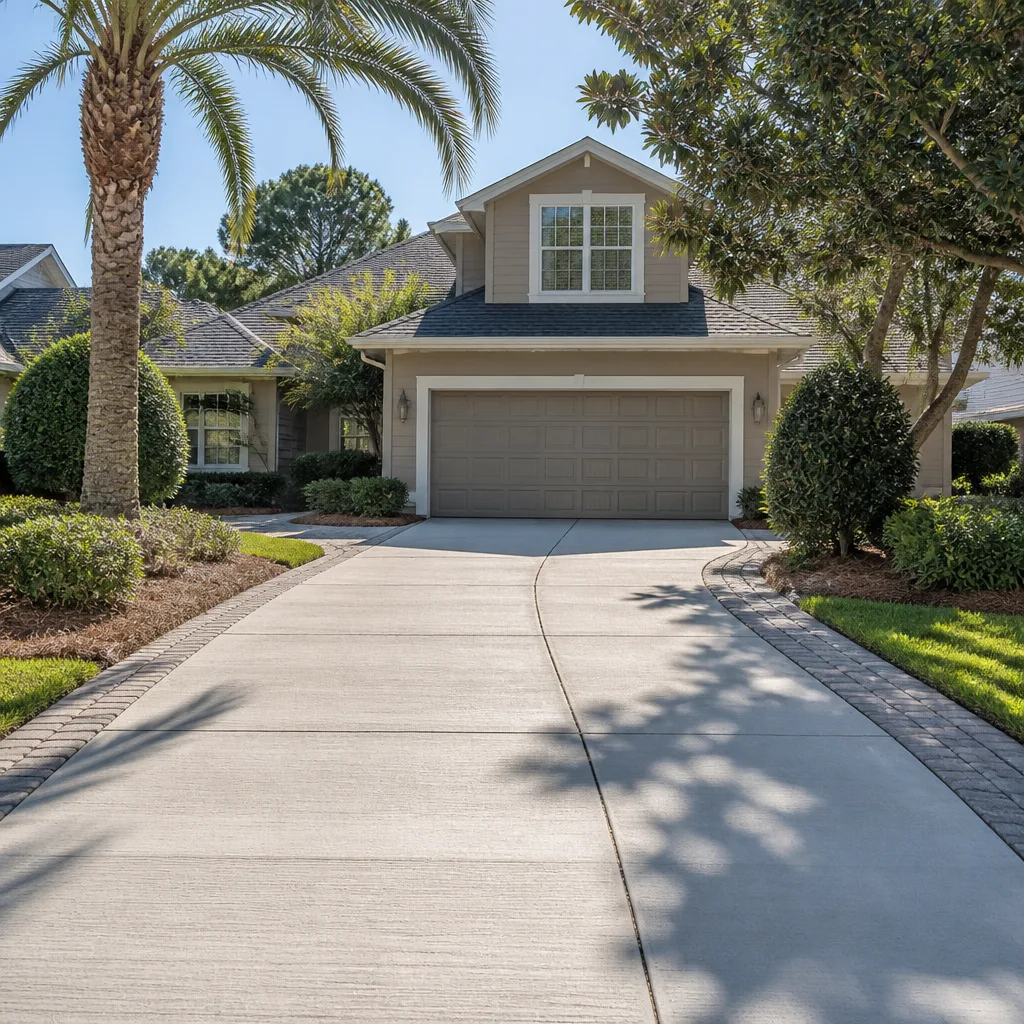
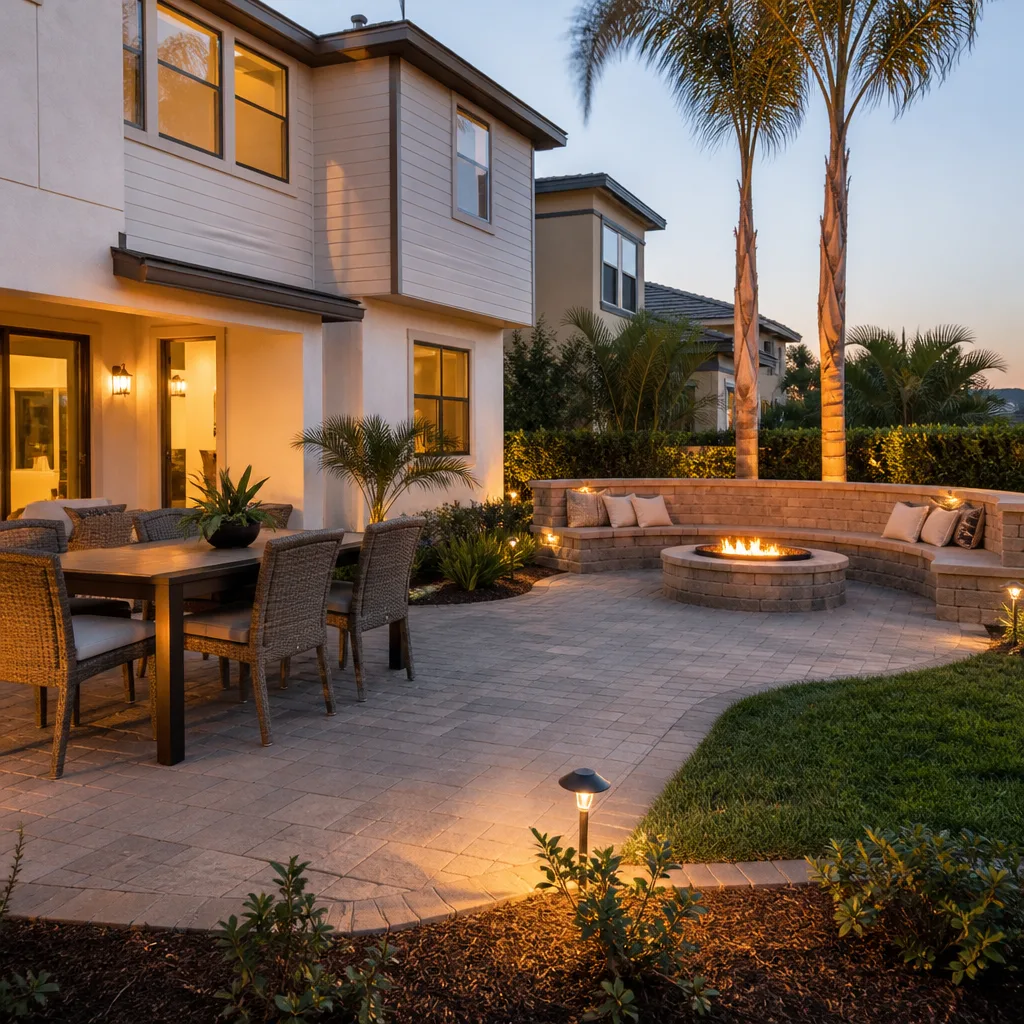
- Driveway & pavers
- Fence
See the difference
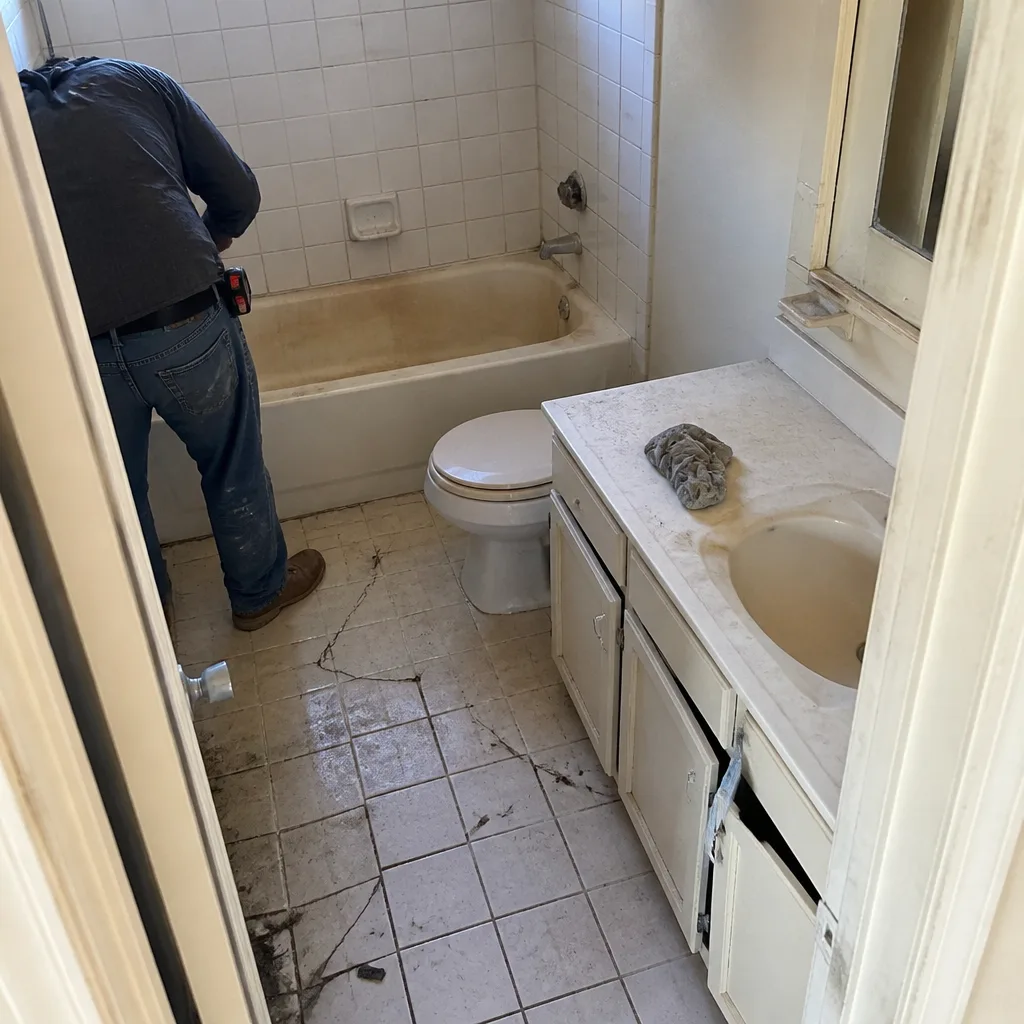 Before
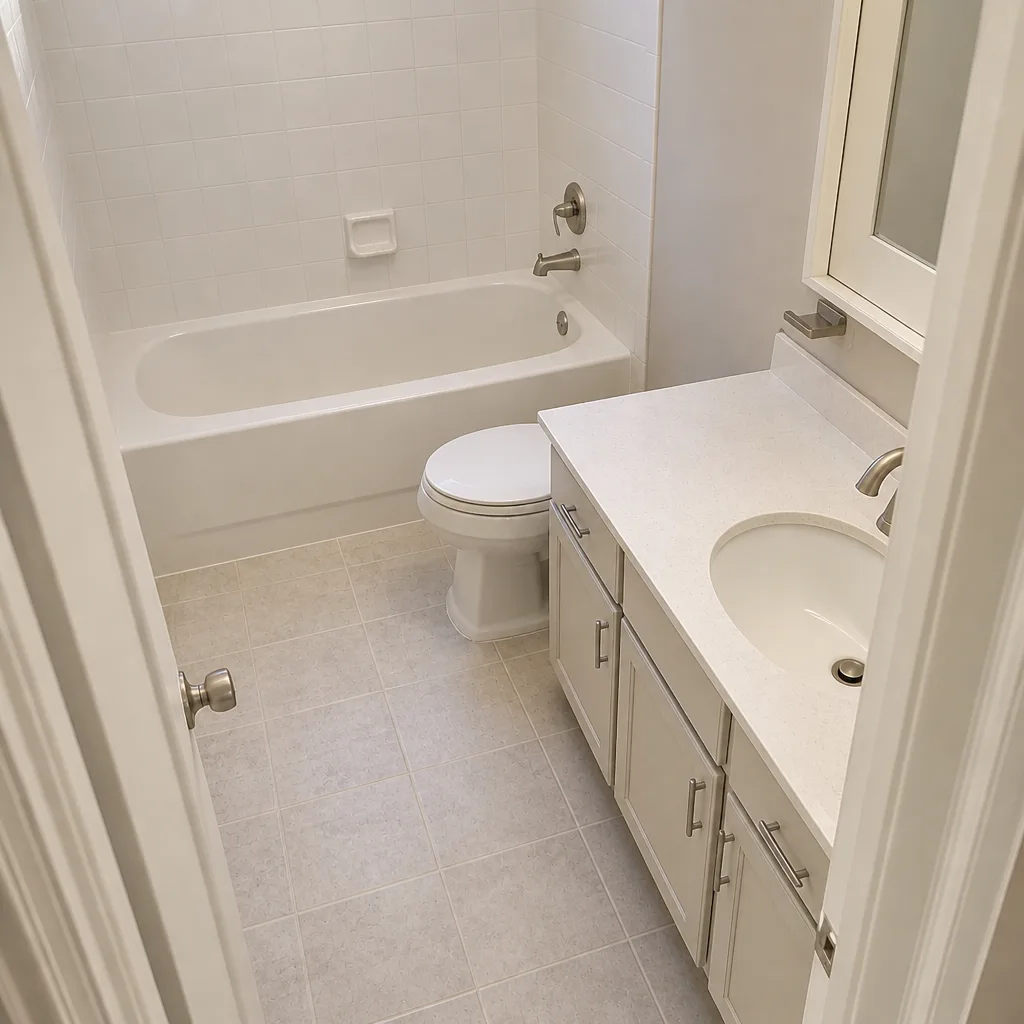 After
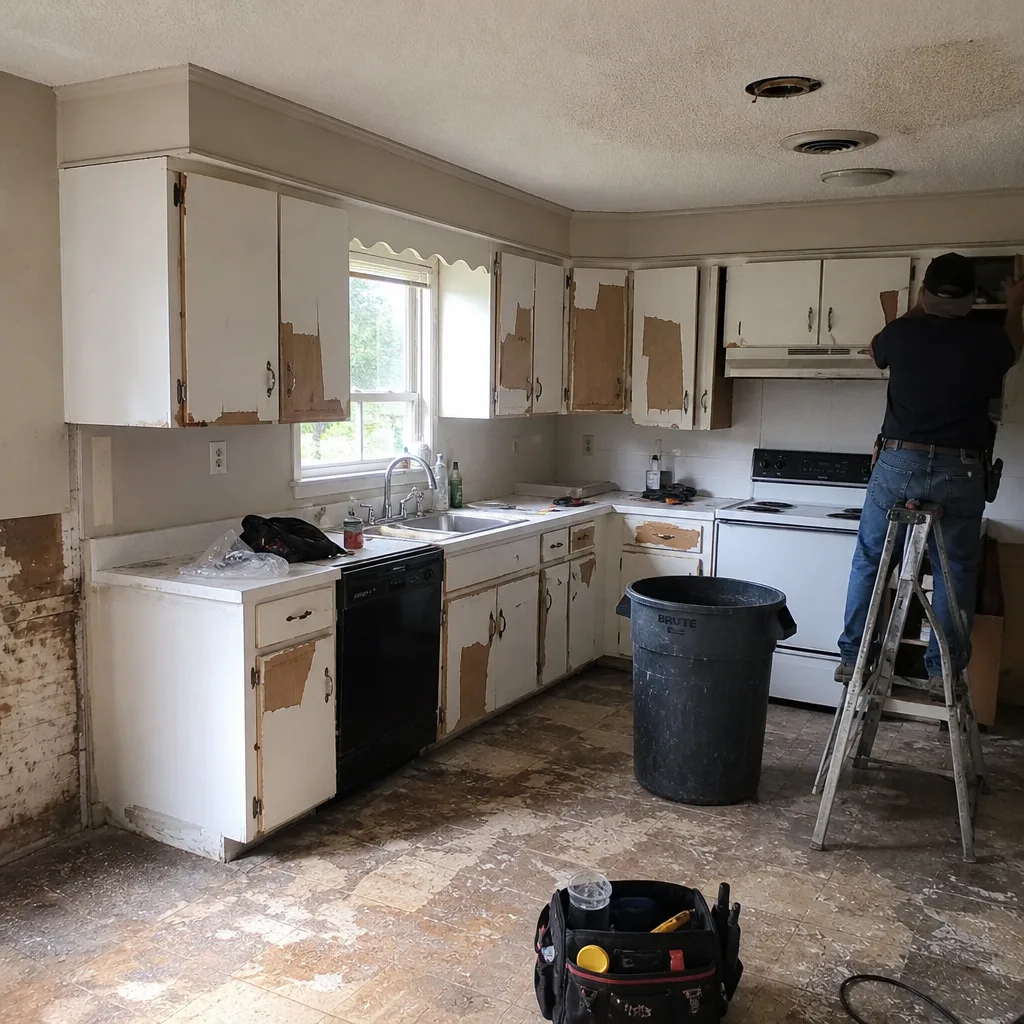 Before
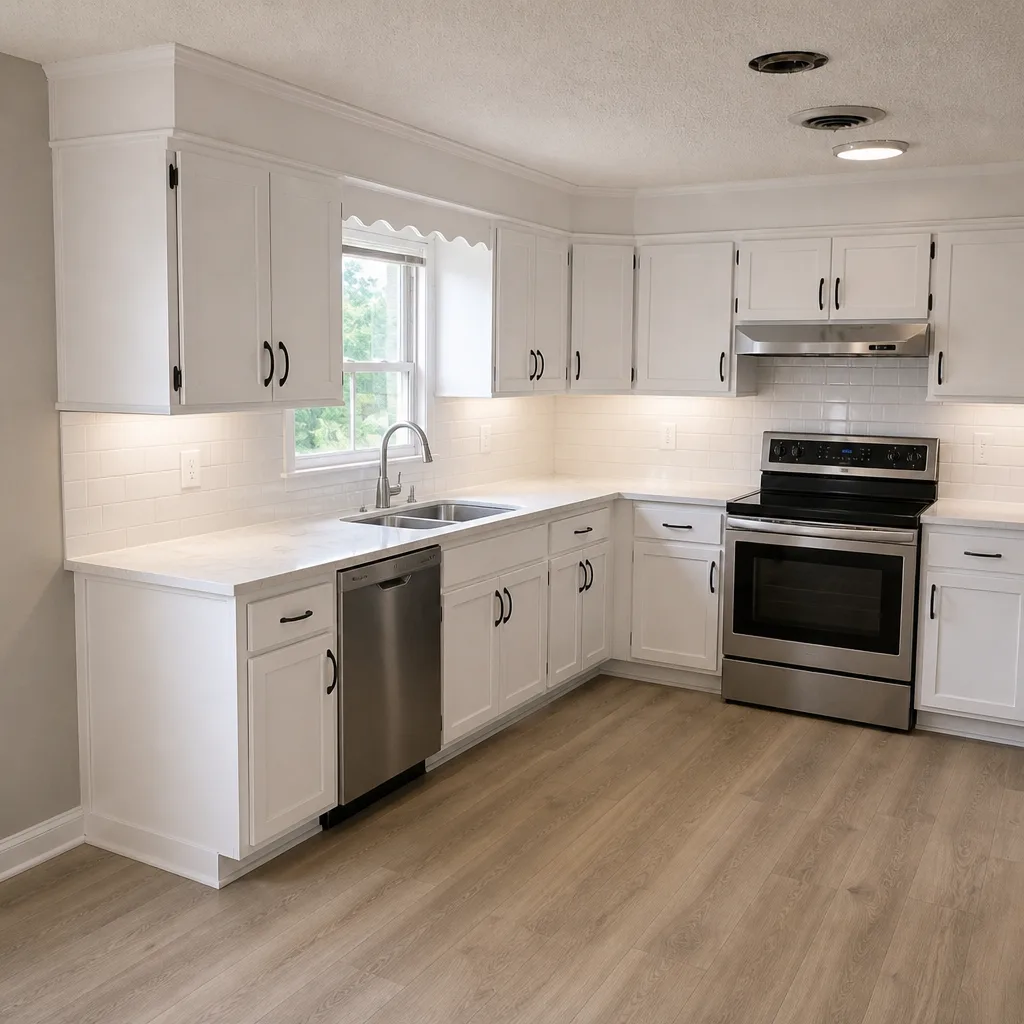 After
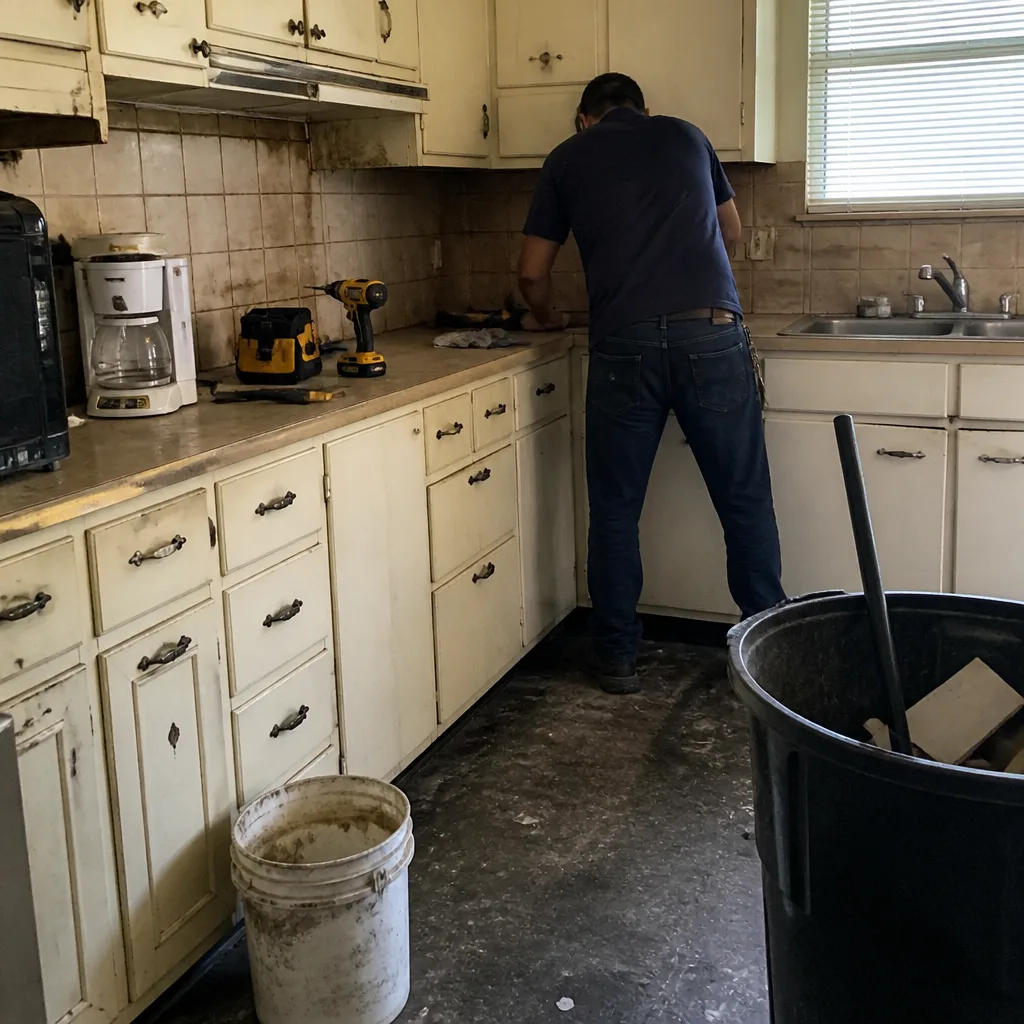 Before
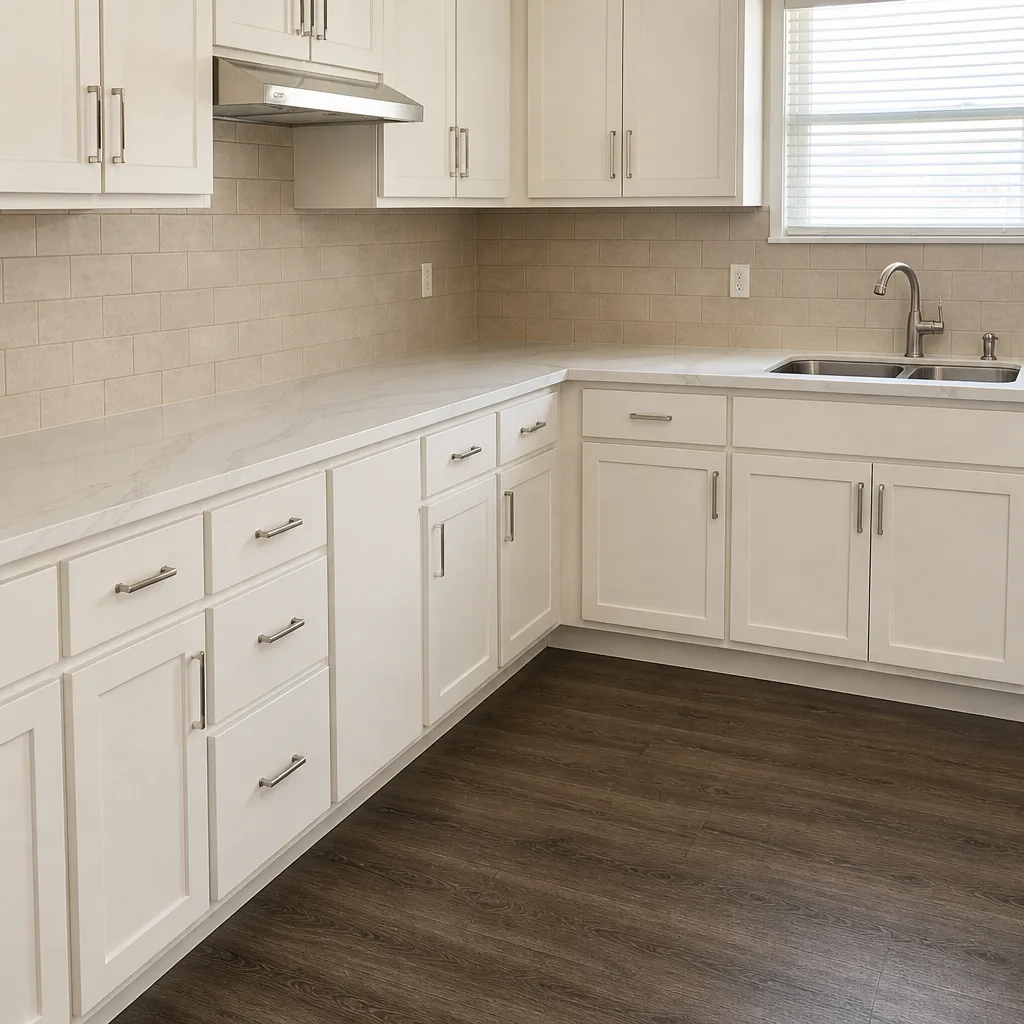 After
How Long Before You Can Drive on New Concrete in Allen, TX? Here’s the Honest Answer
You can usually drive a passenger car on a new concrete driveway after 7 days, but heavy trucks and SUVs should wait a full 28 days. New concrete in Allen in July can feel rock-hard in three days. It isn’t. That 7-day answer assumes moderate weather, and Allen summers don’t cooperate. In 90-105°F heat, the top of the slab dries out and hardens while the middle is still gaining strength, which is exactly when homeowners load it too early and cause cracking they won’t see for weeks.
If you’ve got a fresh pour and aren’t sure where it stands, call Groundwork Construction Co. of Allen at (888) 343-9048. A live person answers around the clock, and we’ll talk you through exactly how long to hold off.
Why Allen’s Summer Heat Changes the Timeline
Concrete doesn’t dry into strength. It cures through a chemical reaction called hydration, where cement binds with water and forms the crystalline structure that carries load. That reaction wants moderate temperatures and steady moisture. Push it into Allen’s July and August heat and two things happen at once: the surface water evaporates fast, forming a hard crust, while the interior is still a work in progress.
At a comfortable 70°F with good moisture, concrete reaches roughly 70% of its 3,500 PSI design strength in about 7 days. Those are the conditions the standard “7-day” rule was written for. In an Allen heat wave, the top inch can look and feel finished in 48 to 72 hours while the full-depth bond strength lags behind. This is why a driveway that feels ready to drive on genuinely isn’t.
There’s a second local factor. Allen sits on North Texas blackland clay, which expands and contracts with moisture swings. A slab that’s still curing while the ground beneath it shifts is more vulnerable to stress than one poured on stable, sandy soil. Getting the cure right matters more here than the national advice suggests.
The Practical Timeline for an Allen Driveway
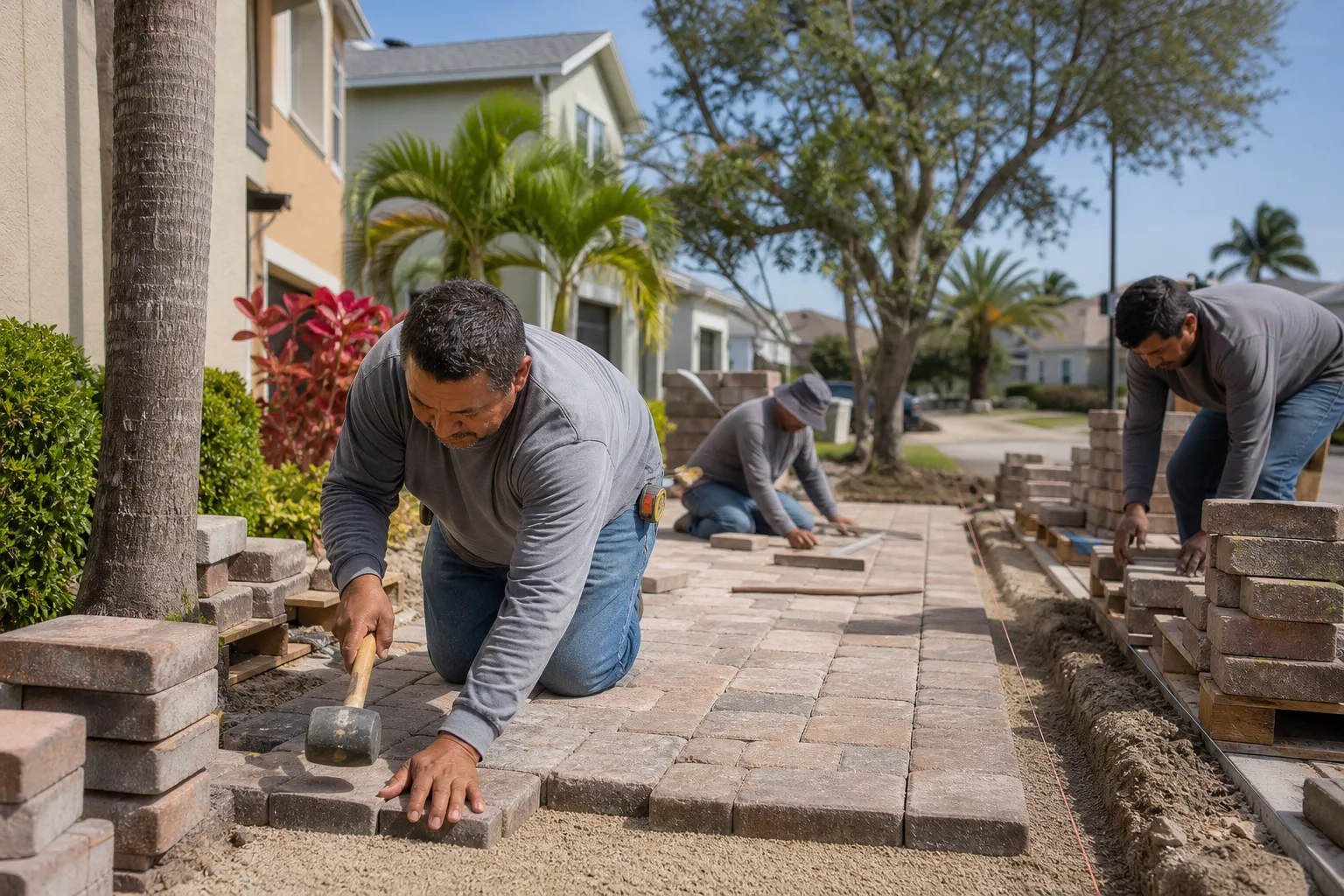
Forget the calendar and think in stages. Here’s what we tell homeowners after a residential pour, whether it’s a straight Driveway & Pavers job or a full replacement:
- No foot traffic: 24-48 hours. Stay off it entirely. Yes, even to admire your handiwork.
- Passenger vehicles: 7 days. Cars and light trucks under roughly 3,000 lbs can roll on after a week, assuming you didn’t pour in the worst of summer.
- Heavy trucks and SUVs (5,000+ lbs): 28 days. Full-size pickups, loaded work vans, and delivery trucks should wait. The 28-day mark is when concrete approaches its full design strength, no matter how firm the surface feels.
Those numbers hold up across most residential work. What differs in Allen is how much the summer compresses the “feels ready” window while stretching the real cure. A slab poured in October and one poured in July need the same careful waiting, but the July slab will fool you faster.
Curing Compound: The Step Crews Skip
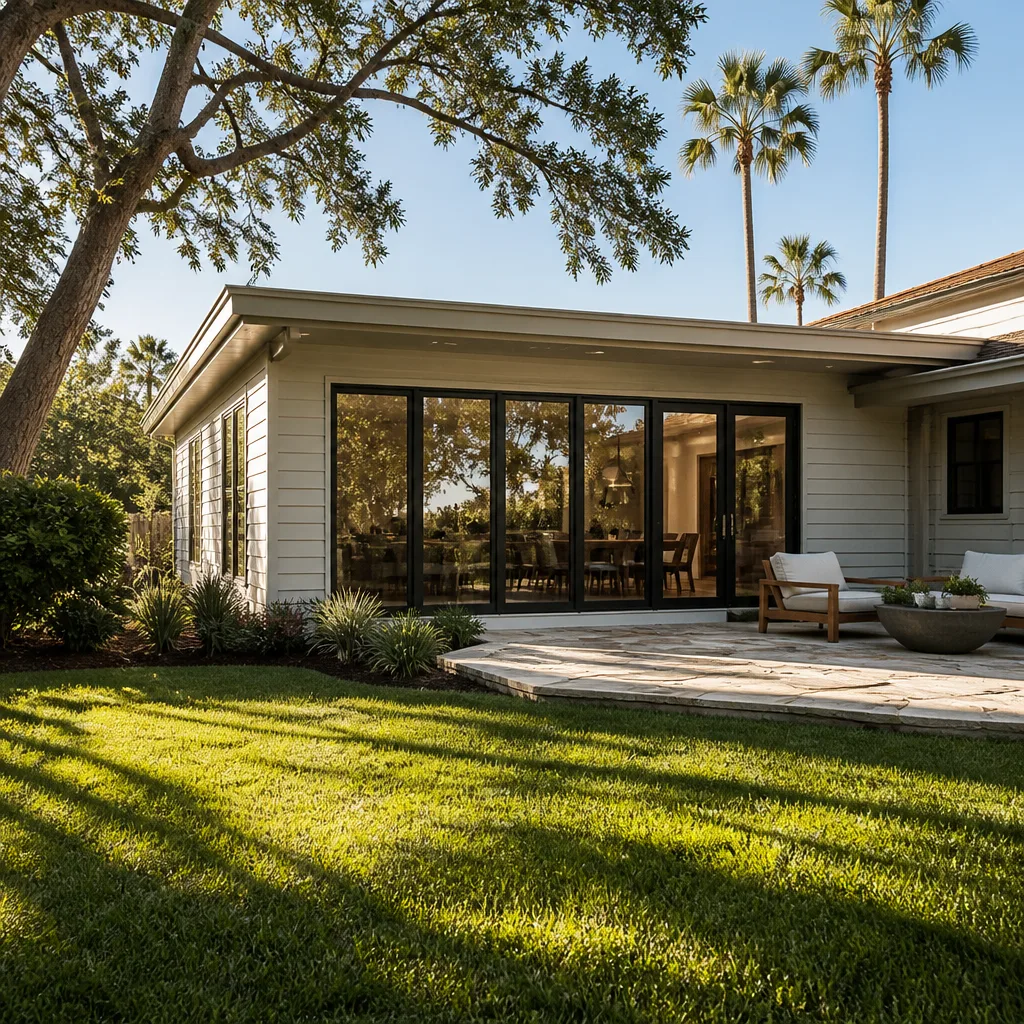
Here’s what separates a driveway that lasts from one that cracks at year two. On every summer pour, Groundwork applies a liquid curing compound immediately after finishing. It goes on as a film that slows surface moisture loss, so the internal hydration reaction can keep going instead of stalling out under a dried crust.
Crews chasing daily production targets skip this step all the time. It takes a few extra minutes and a little care with the spray, and on a hot Allen afternoon those minutes are the difference between a slab that cures evenly and one that develops hairline cracks you don’t notice until the following spring’s temperature swings start working them open. We also schedule hot-weather pours for early morning when the schedule allows, giving the concrete its best shot at real strength before the afternoon sun hits.
What Happens If You Drive on It Too Soon
Nothing dramatic. That’s the problem. Early loading on undercured concrete in Allen usually shows up as fine surface cracks that spread as the slab heats and cools through the seasons. Homeowners often blame the mix, the paver, or the concrete supplier. Nearly always, the cause traces back to a vehicle parked on a slab in its first week.
The real damage is invisible for months. By the time a crack runs from the driveway apron toward the garage, the window to prevent it is long gone. A homeowner who gets a car accidentally parked on a 4-day-old slab can call our line right away and get an honest read on risk and next steps instead of waiting until Monday. That immediate answer matters when the damage clock is running.
For context on what a proper installation costs, here are our standing Allen ranges:
| Service | Typical Range in Allen |
|---|---|
| Concrete Driveway Installation | $4,500-$12,000 |
| Driveway Replacement | $5,000-$14,000 |
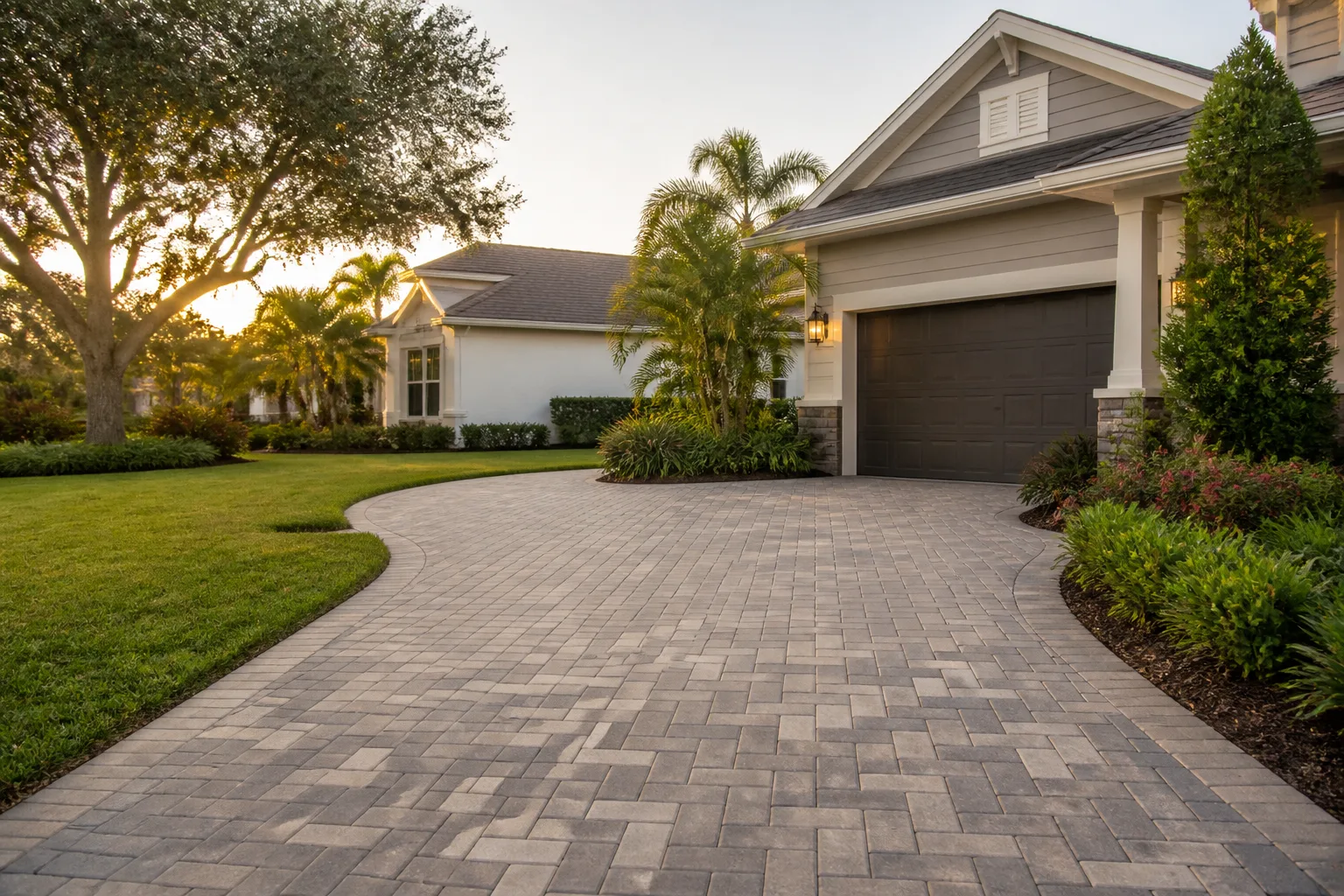
| Paver Driveway Installation | $7,000-$18,000 |
| Driveway Sealing | $250-$700 |
Those numbers are upfront, with no surprises buried in the fine print. Our technicians have up to 12 years of experience, and every project is backed by the 730-Day Done Right Promise. If something we poured goes wrong, we make it right.
A Note on Allen’s Housing and HOAs
Most of Allen’s neighborhoods were built out between the 1990s and 2010s, so the driveway work we see isn’t old-house repair. It’s second-generation replacement: original concrete that’s reached the end of its life after 20 to 30 years of Texas summers and clay movement. Subdivisions like Watters Crossing, Twin Creeks, and Bethany Ridge often come with HOA architectural review for anything visible from the street. Before you plan a driveway project, check whether your HOA wants pre-approval, because the city permit won’t be issued without it. Crews from neighboring towns routinely miss that step and leave homeowners holding the paperwork.
For a fuller look at driveway options across concrete, pavers, and asphalt, see our Driveway & Pavers in Allen guide.
FAQs
You shouldn’t. Three days is not enough for a full residential driveway, especially in an Allen summer. The surface will feel hard, but the slab hasn’t reached the bond strength it needs for a vehicle’s weight. Wait the full 7 days for a passenger car and 28 for anything heavy. If you’re unsure whether a delivery truck or a difficult pile needs to move, call (888) 343-9048 and a live person will tell you straight.
No, and this is where the “looks dry” assumption causes most of the trouble in Allen. A surface that feels dry and hard can hide an interior that’s still very much curing. The crust you’re touching in July heat formed in the first 48 to 72 hours, long before the slab reached full-depth strength. Waiting the full week costs you a few days of driveway convenience and saves you a crack repair later.
Early vehicle loading on uncured concrete causes hairline cracking that spreads under later thermal cycling. The catch is that you likely won’t see the problem for weeks or even months, when the slab heats and cools and the fine cracks widen. A crew that skipped the curing compound on a hot Allen pour made the window worse. If you’ve got concerns about a recent pour, our technicians have up to 12 years of experience and can assess it honestly. Call (888) 343-9048 for a free estimate.
Not safely, and rushing it usually costs more than it saves. Curing is a chemical reaction on its own schedule, and cutting it short means a weaker slab. The right move is a slow, well-managed cure, which is why we apply curing compound on every summer pour and pour early in the day when we can. If you have questions about timing for your specific project, call us at (888) 343-9048. We’ll give you the real answer, not the optimistic one.
If you’d rather have it looked at, Groundwork Construction Co. of Allen offers a no-pressure assessment in Allen. Call (888) 343-9048 for a free estimate, and we’ll walk your slab and tell you exactly where it stands. Live person, 24/7, no voicemail black hole.
Written by the team at Groundwork Construction Co. of Allen, serving Allen, TX.