

Free written scope consultation - allowances, timeline, and change-order rules on paper before a single trade is scheduled
Styles & brands we work with
- Kitchen remodeling
- Bathroom remodeling
- Home additions & ADU
- Roofing
- Windows & doors
- Driveway & pavers
- Fence
See the difference
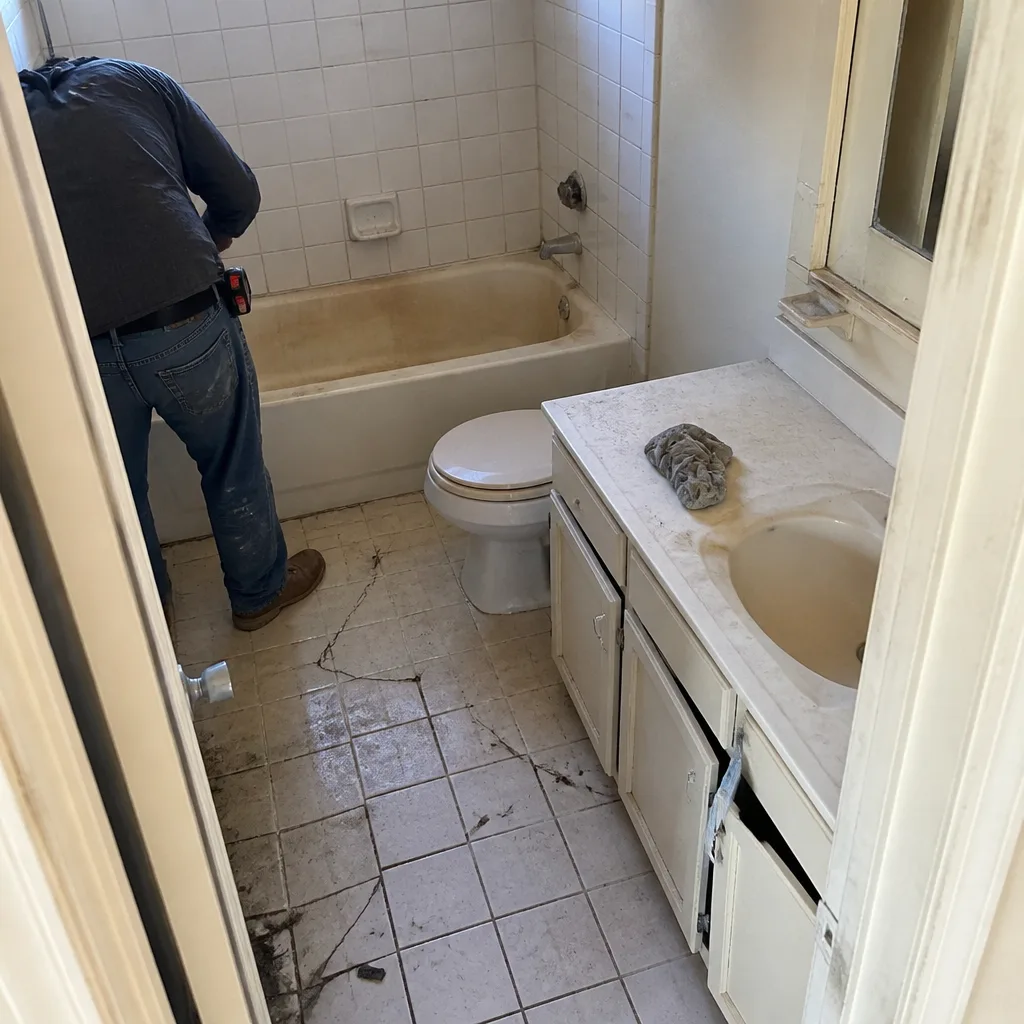 Before
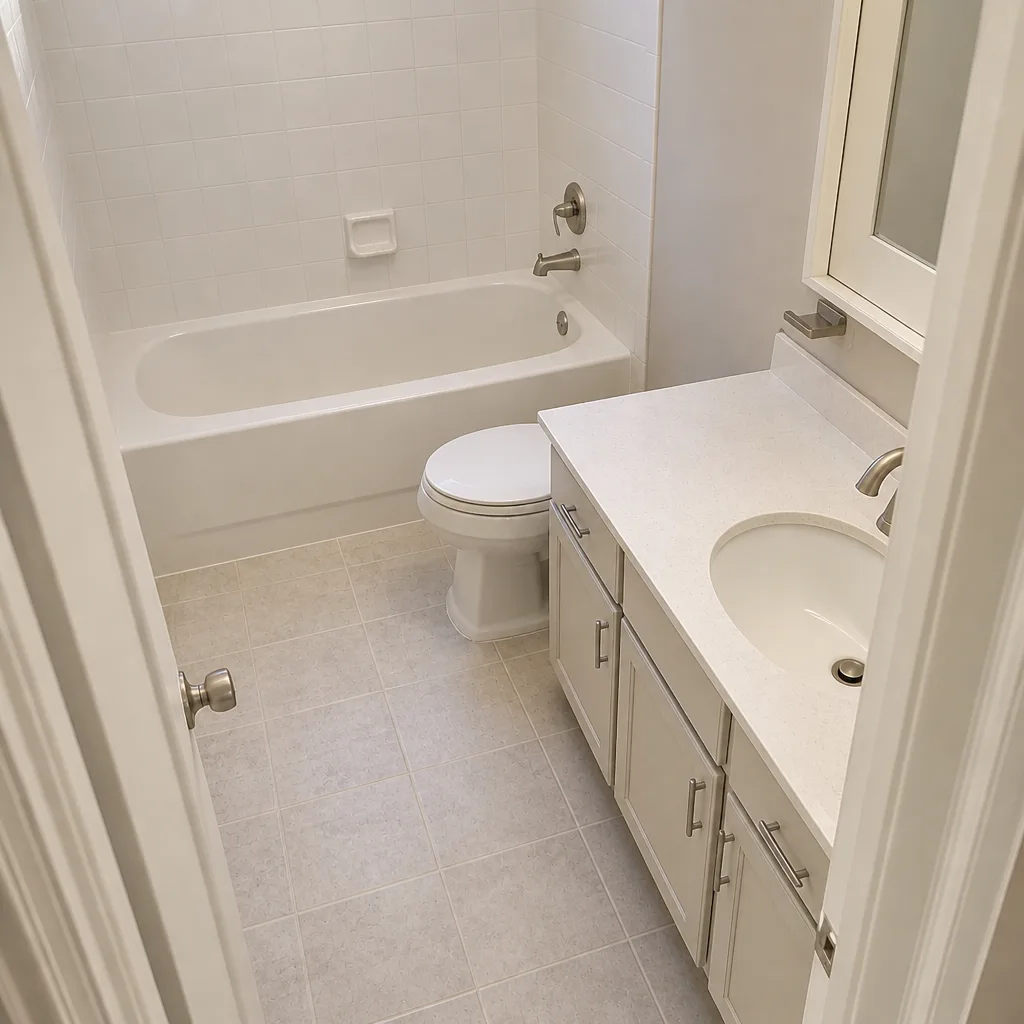 After
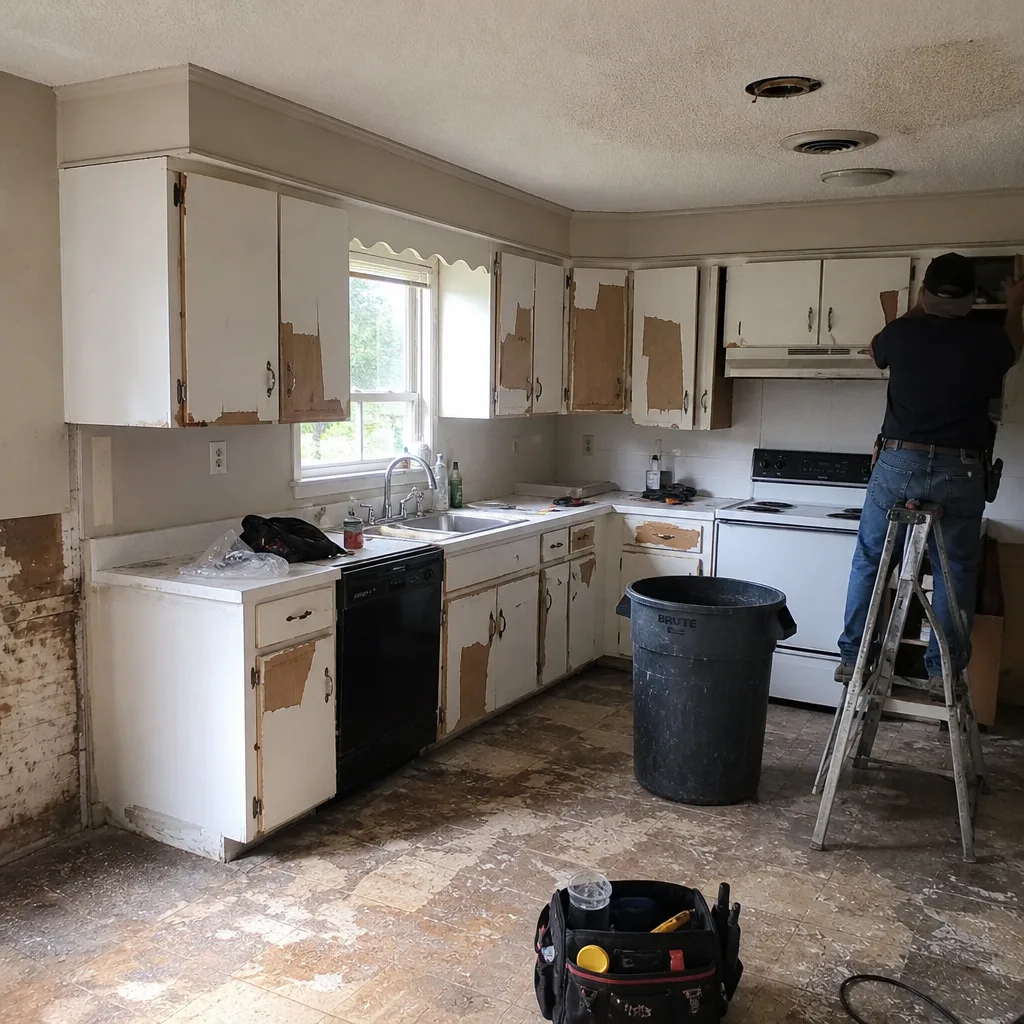 Before
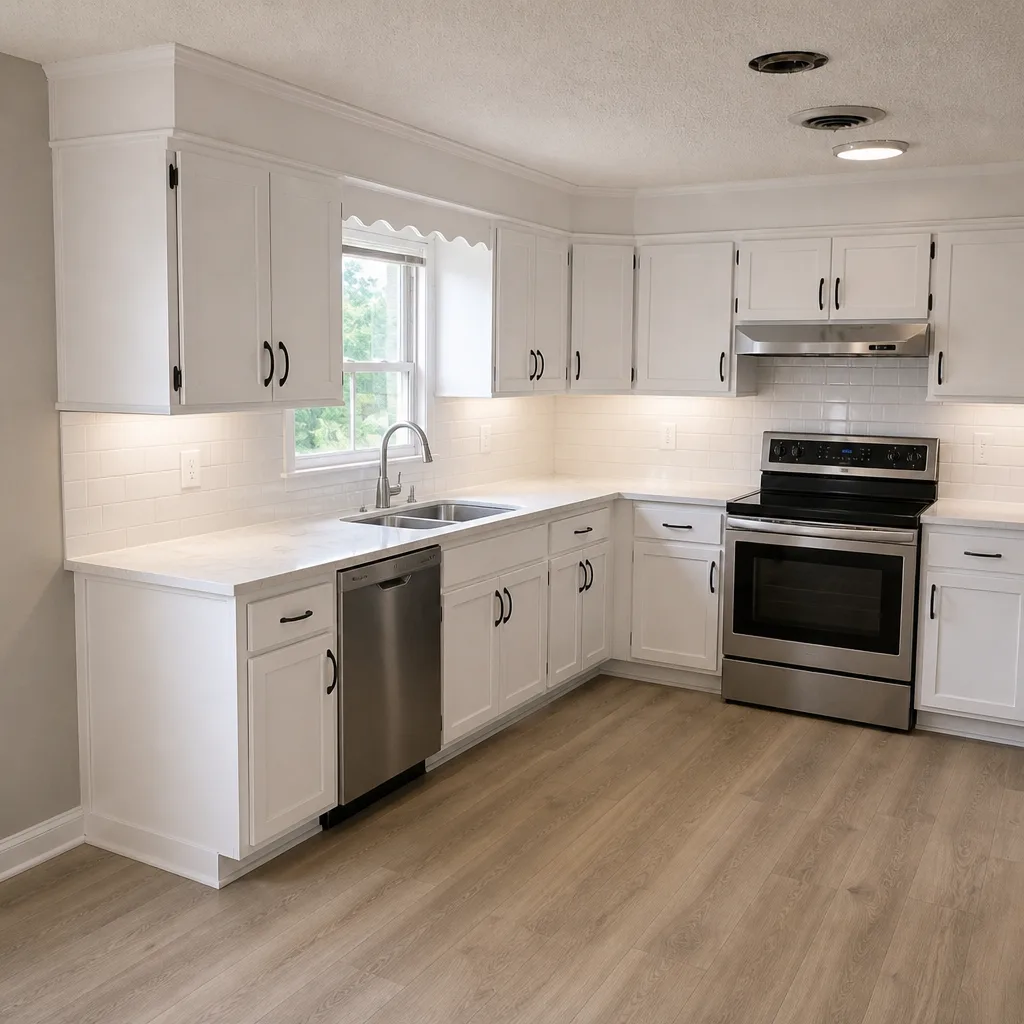 After
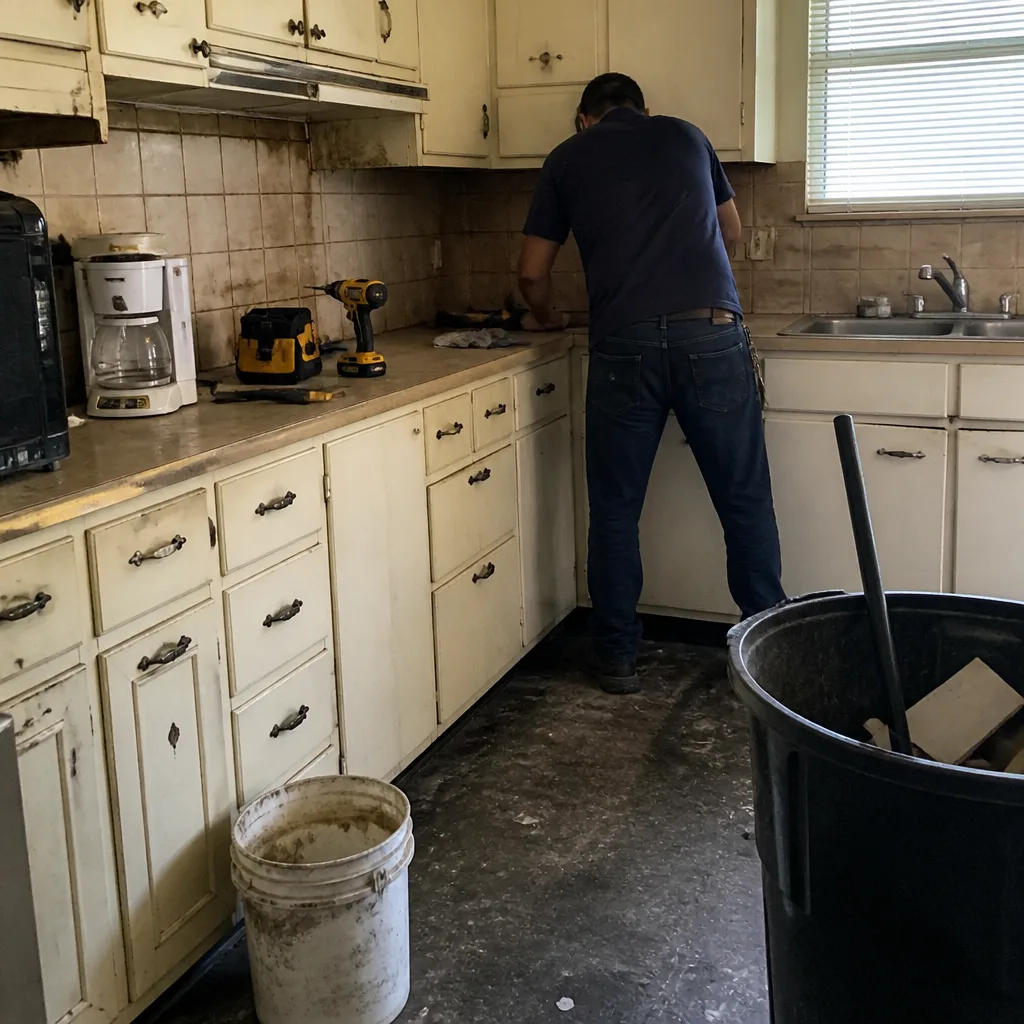 Before
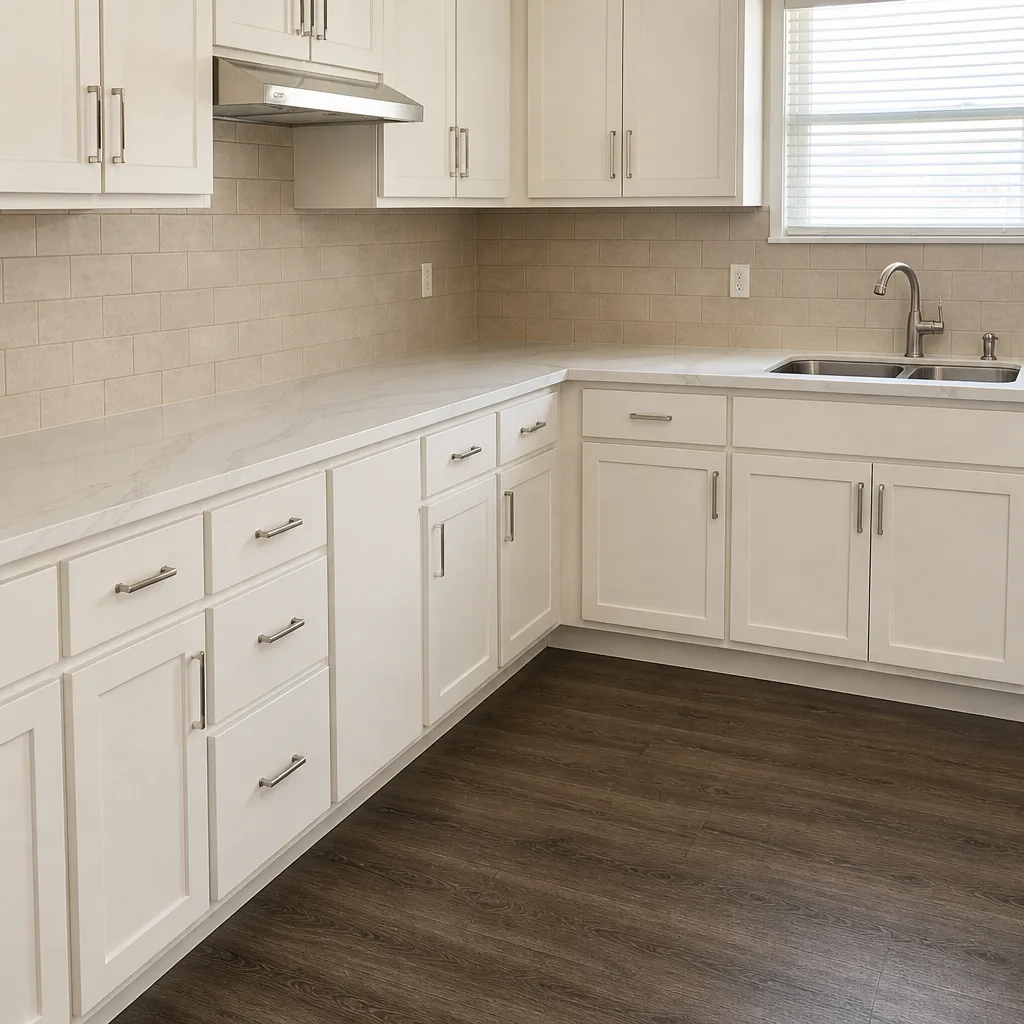 After
How Long Does a Wood Fence Last in Allen, TX? Realistic Lifespans for Collin County Soil
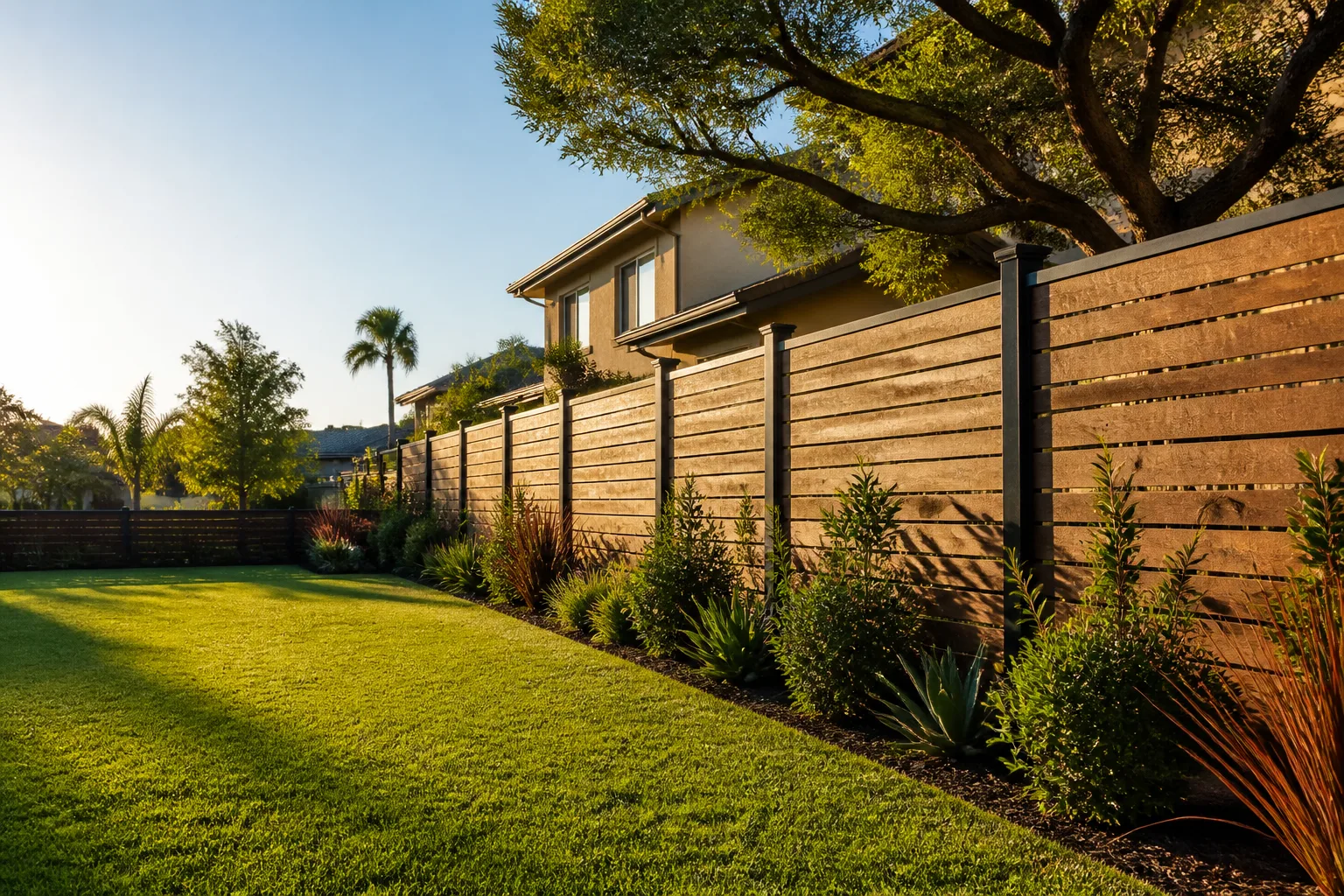
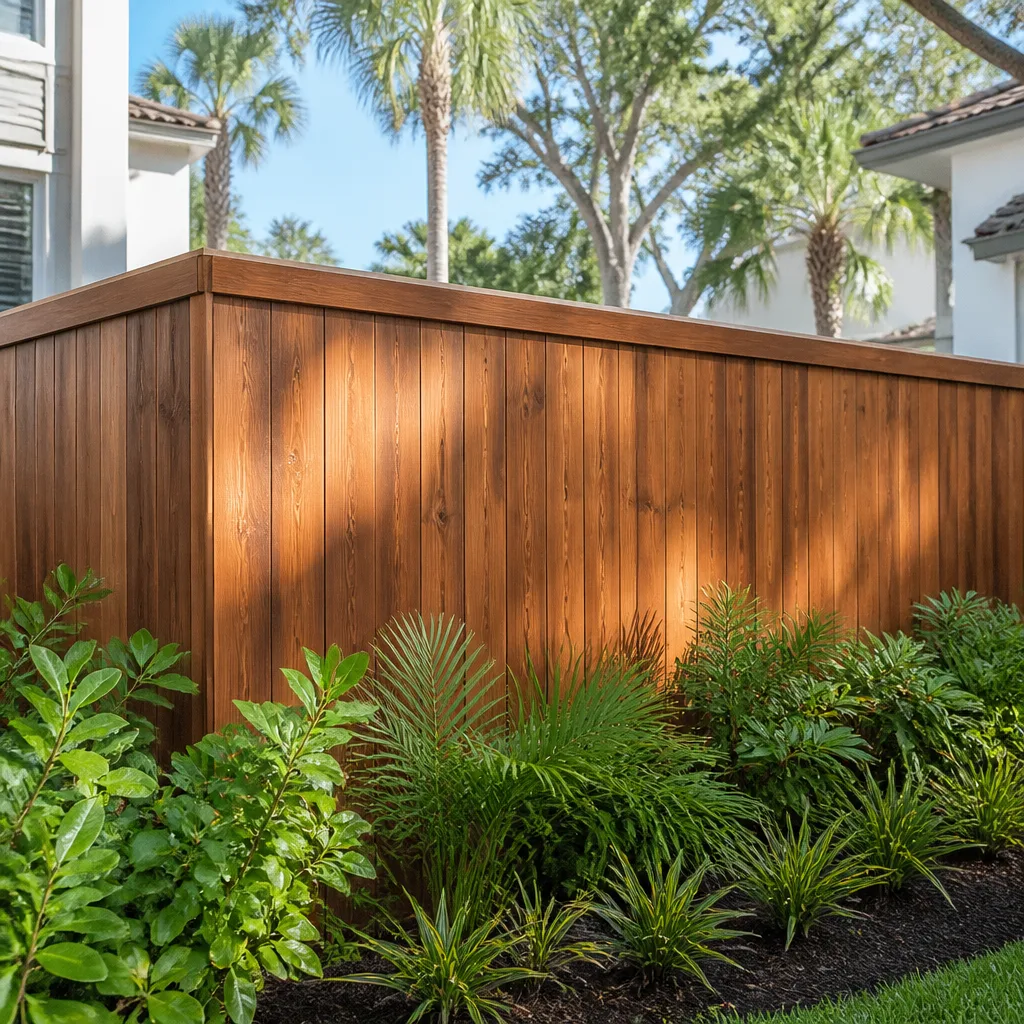
A wood fence in Allen typically lasts 7 to 10 years if it’s untreated pine, 12 to 16 years if it’s pressure-treated pine, and 15 to 20 years for cedar that gets sealed every year. Those ranges assume the posts were set at the right depth for blackland clay, which most builder-grade fences in Allen were not. The honest short answer: the wood rarely fails first. The soil heaves it out of the ground first.
If your fence is leaning, sagging, or cracking at the base, call Groundwork Construction Co. of Allen at (888) 343-9048 for a free assessment. A technician who’s actually seen what fails in this soil can tell you in ten minutes whether you need a repair, a partial rebuild, or a full replacement.
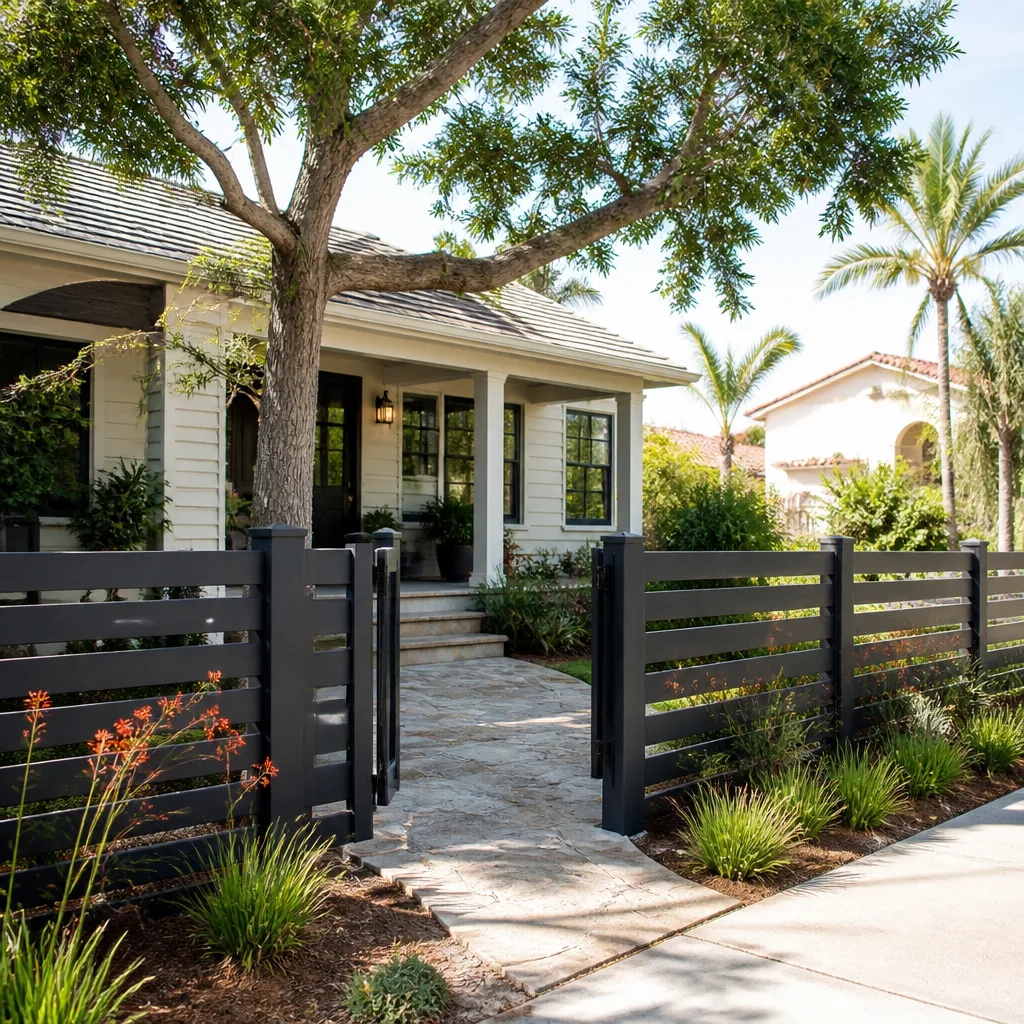
Why Your Allen Fence Is Aging Faster Than the National Average
A cedar fence built the same way in Seattle and in Allen will fail for completely different reasons. Seattle’s problem is moisture. Allen’s problem is that the ground underneath it moves twice a year, every year.
Allen sits on North Texas blackland clay, and that clay expands as much as 10 to 15 percent when it’s wet and contracts hard when it dries out. Spring storms soak it. July bakes it. That cycle repeats, and every repeat pushes your fence posts up and slightly out of their concrete footings. Over ten or fifteen years, the post lifts, the concrete collar cracks at grade, and the whole panel starts to lean. No wood failure required.
That’s why “15 to 20 years for wood” advice you’ll find on national sites is optimistic here. It’s a national average built for average soil. Allen soil is not average.
What Actually Fails First in Allen
In our experience working Allen’s 1990s and 2000s subdivisions, the failure order is consistent:
- Post heave and lean. The most common issue we see, and the one most homeowners misdiagnose as rot.
- Cracked concrete collars at grade. Visible during a walk-around, well before the fence falls.
- Board warping at the base. Where the boards meet soil that stays damp, they cup and twist.
- UV graying and surface checking. Sun damage is real, but it’s cosmetic longer than people think.
- Rot and insects. Genuinely last on the list in most Allen yards, because the clay drains poorly but doesn’t hold moisture against the wood the way wet coastal climates do.
The practical takeaway: when you’re inspecting your fence, walk the base and look for lean and cracked collars first. That’s the structural story.
Realistic Lifespans by Material, Adjusted for Allen Conditions
Here’s what we actually see in Allen, not what a national chart says. All of these assume the posts were set at proper depth for expansive clay. Fences that weren’t set right can fail years earlier.
| Material | Realistic lifespan in Allen | What usually ends it |
|---|---|---|
| Untreated pine | 7-10 years | Rot at the base plus post heave |
| Pressure-treated pine | 12-16 years | Post heave, cracked collars, board warping |
| Cedar, sealed annually | 15-20 years | Lean and section failure from clay movement |
| Cedar, unsealed | 10-14 years | UV checking, graying, then base rot |
The single biggest lever on that range isn’t the wood species. It’s how the posts were set. Deeper footings, properly sized, set to resist clay movement, add years to any material. Shallow footings cut the lifespan of even good cedar by a third.
What Allen’s Replacement Wave Looks Like Right Now
Allen is a master-planned Collin County suburb built out in one big 1990s-to-2000s wave, so we’re in the middle of a predictable cycle: the original builder-grade fences are now 20 to 25 years old and hitting replacement age across whole neighborhoods at once. When a subdivision’s fences all went in the same year, they all fail around the same time.
On those original fences, here are the signals that mean it’s time to plan a replacement rather than a repair:
- A post lean of more than about 10 degrees from vertical.
- Concrete collars cracked or separated at grade on multiple posts.
- Boards warped or cupping at the bottom edge along several panels.
- Rails pulling loose from posts with no sign of rot, which points to movement, not decay.
- More than a handful of posts showing these signs. A one-panel patch won’t hold when the structure underneath is moving.
Before you replace, though, check your HOA. Communities across Allen, including Bethany Ridge, often specify approved stain and sealant products, and an architectural review may be required before you change fence height or material. Using the wrong sealant can void both your fence’s protection and your HOA standing. This is exactly the step crews from out of town skip.
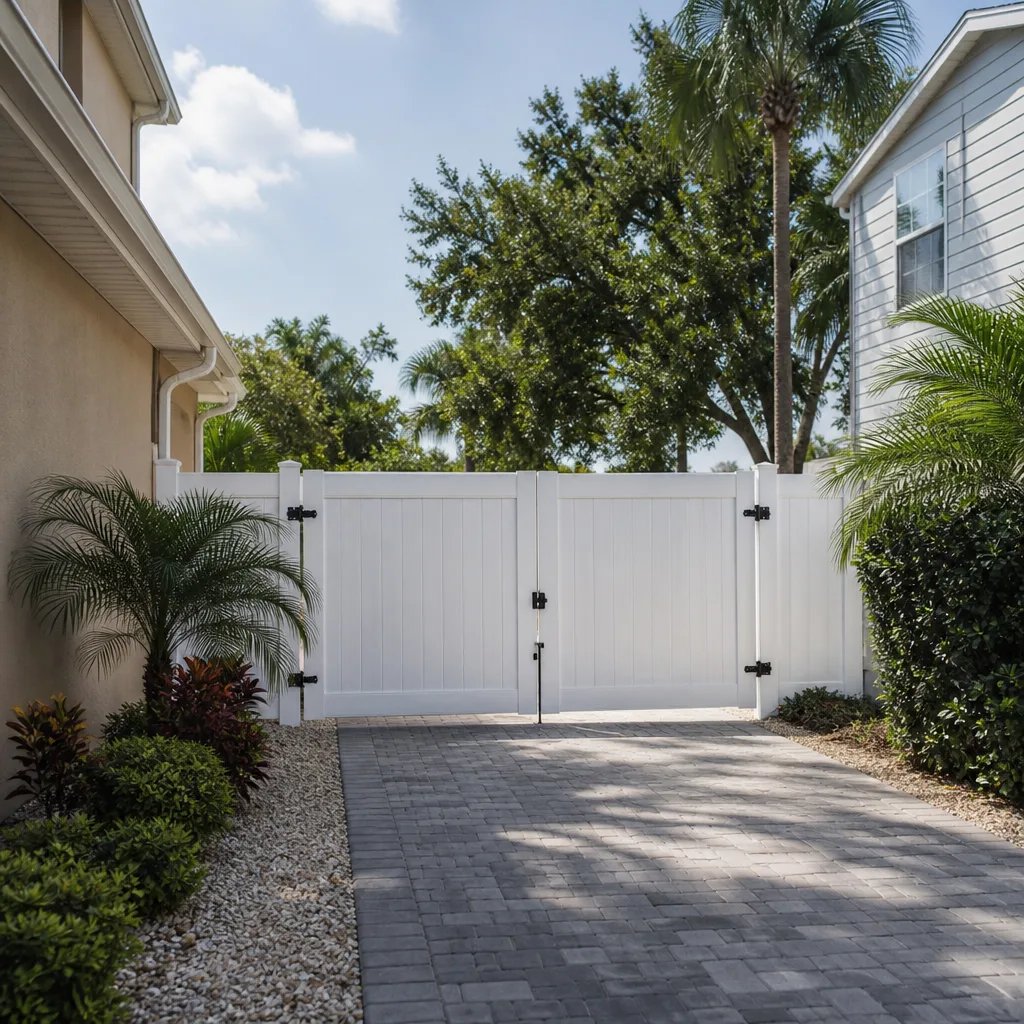
Replacing a fence in Allen runs $3,500 to $9,000 for most residential lots, depending on length, material, and post depth. Our Fence Installation page breaks down what drives the price and what the build includes. If you’re comparing material options, our guide to Fence Installation in Allen covers how we handle clay soil on new builds.
How to Get More Years Out of a Wood Fence in Allen
You can’t stop the clay from moving, but you can slow the damage and catch it early.
- Seal annually, and use a product your HOA approves. Sealing won’t save a failing post, but it protects the boards and railings that would otherwise go first.
- Keep soil and sprinklers off the base. Water held against the boards is what accelerates rot. Adjust irrigation so heads don’t spray the fence line.
- Walk the fence line every spring. Look for lean and cracked collars at the base. Early fixes are cheap. Late ones aren’t.
- Fix a leaning post before it pulls the whole panel. One post reset can buy a section several more years.
Sanding, sealing, and resetting posts are all jobs a homeowner can hire out. Setting a new post deep enough in expansive clay, without hitting a utility line, is where it pays to have someone who’s done it here before. That’s not a job for a borrowed auger and a weekend.
Why Groundwork for Your Allen Fence
Groundwork Construction Co. of Allen works with background-checked, uniformed technicians, so the person assessing your fence is documented and accountable from the first visit. Every project is backed by our 730-Day Done Right Promise: if it’s not done right, we make it right. That covers workmanship for two full years, which matters on a job where the ground itself keeps moving.
Pricing is upfront. The number you see is the number you pay, and we offer 0% financing for 18 months plus $1,000 off projects over $10,000. Calls are answered by a live person, 24 hours a day. When a storm takes out a section, you won’t sit in a voicemail black hole until Monday.
FAQs
A wood fence in Allen lasts about 7 to 10 years if it’s untreated pine, 12 to 16 years for pressure-treated pine, and 15 to 20 years for cedar sealed every year. Most Allen fences fail from posts heaving in blackland clay before the wood itself gives out. Call (888) 343-9048 to have yours assessed and get an exact quote; estimates are free.
A repair is cheaper when the problem is isolated to one or two posts or a single panel, while a full replacement makes more sense once several posts are leaning or the collars are cracked. Replacement in Allen runs $3,500 to $9,000. If it’s just a post or two, a targeted fix can buy years. Our technicians will tell you which one your fence actually needs.
Leaning is almost always the soil, not the wood. Blackland clay expands when wet and shrinks when dry, and that seasonal heave pushes posts up and out of their footings over time, especially on shallow-set builder-grade fences in Allen’s older subdivisions. Call (888) 343-9048 for an assessment before the lean pulls a whole panel loose.
Sealing extends a board’s life by protecting it from UV and slowing moisture cycling, and for cedar it’s the difference between 15-20 years and 10-14. It won’t fix a failing post, though, and using a product your HOA doesn’t approve can cost you more than it saves. Call (888) 343-9048 if you want an honest read on whether sealing will help or whether you’re past that point.
Get an Honest Read on Your Allen Fence
If you’d rather have it looked at than guess, Groundwork Construction Co. of Allen offers a no-pressure fence assessment in Allen. We’ll check the posts, the collars, and the boards, and tell you whether it’s a repair, a partial rebuild, or time for a full replacement. Call (888) 343-9048 for a free estimate.
Written by the team at Groundwork Construction Co. of Allen, serving Allen, TX.