







Free written scope consultation - allowances, timeline, and change-order rules on paper before a single trade is scheduled
Styles & brands we work with
- Kitchen remodeling
- Bathroom remodeling
- Home additions & ADU
- Roofing
- Windows & doors
- Driveway & pavers
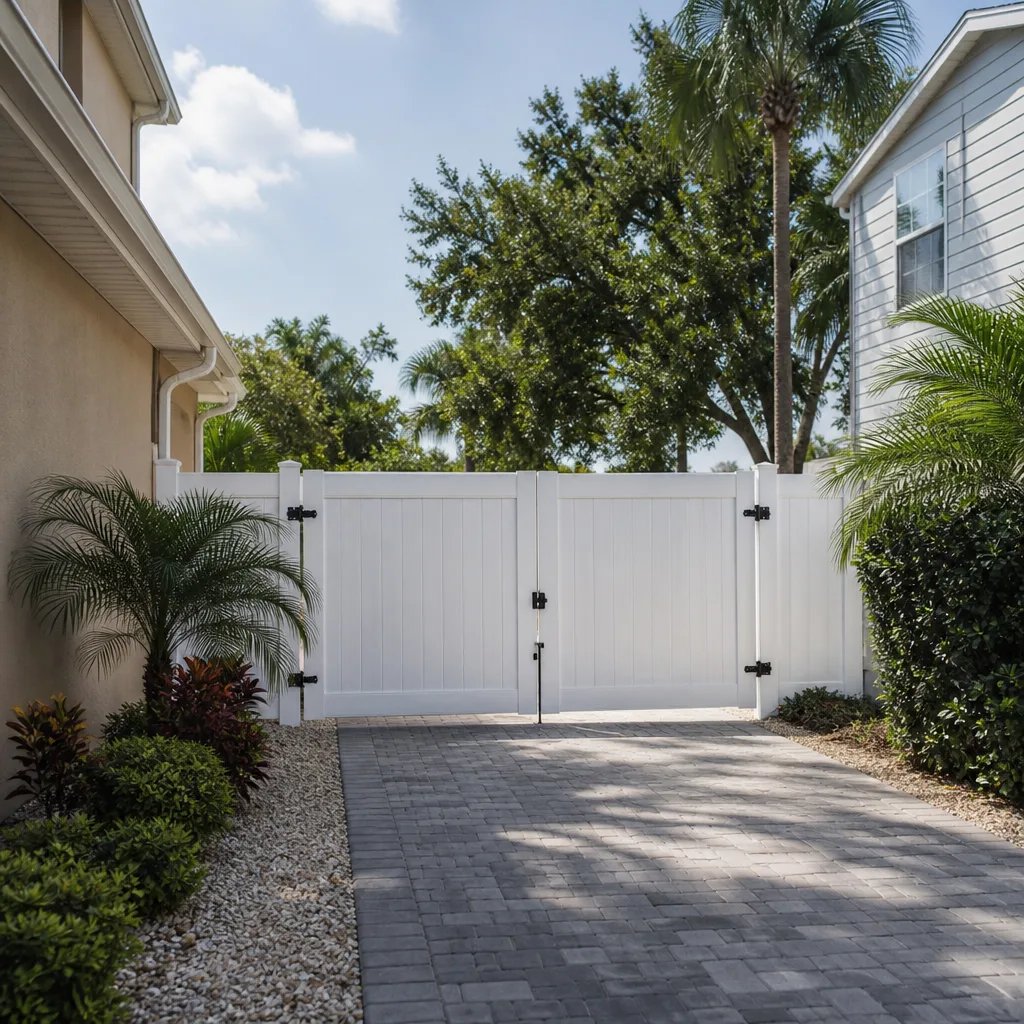
- Fence
See the difference
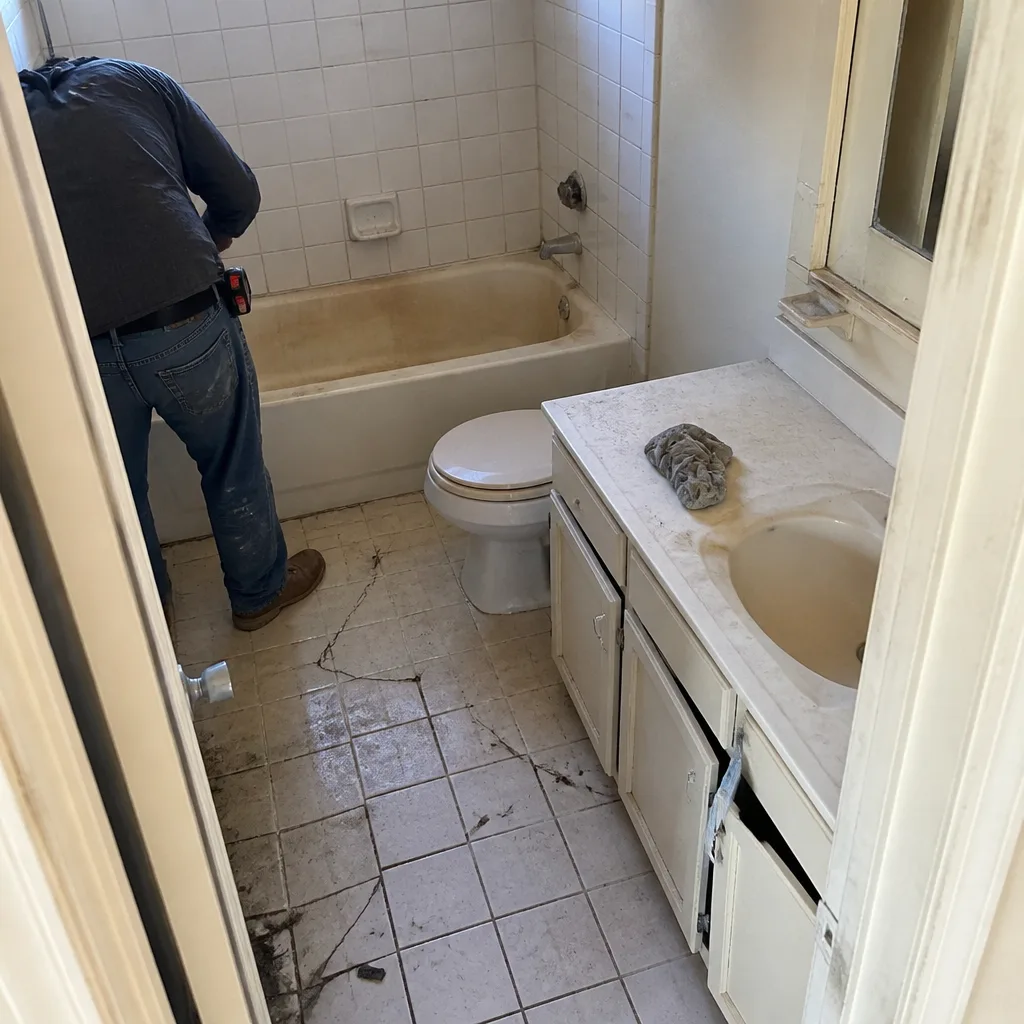 Before
 After
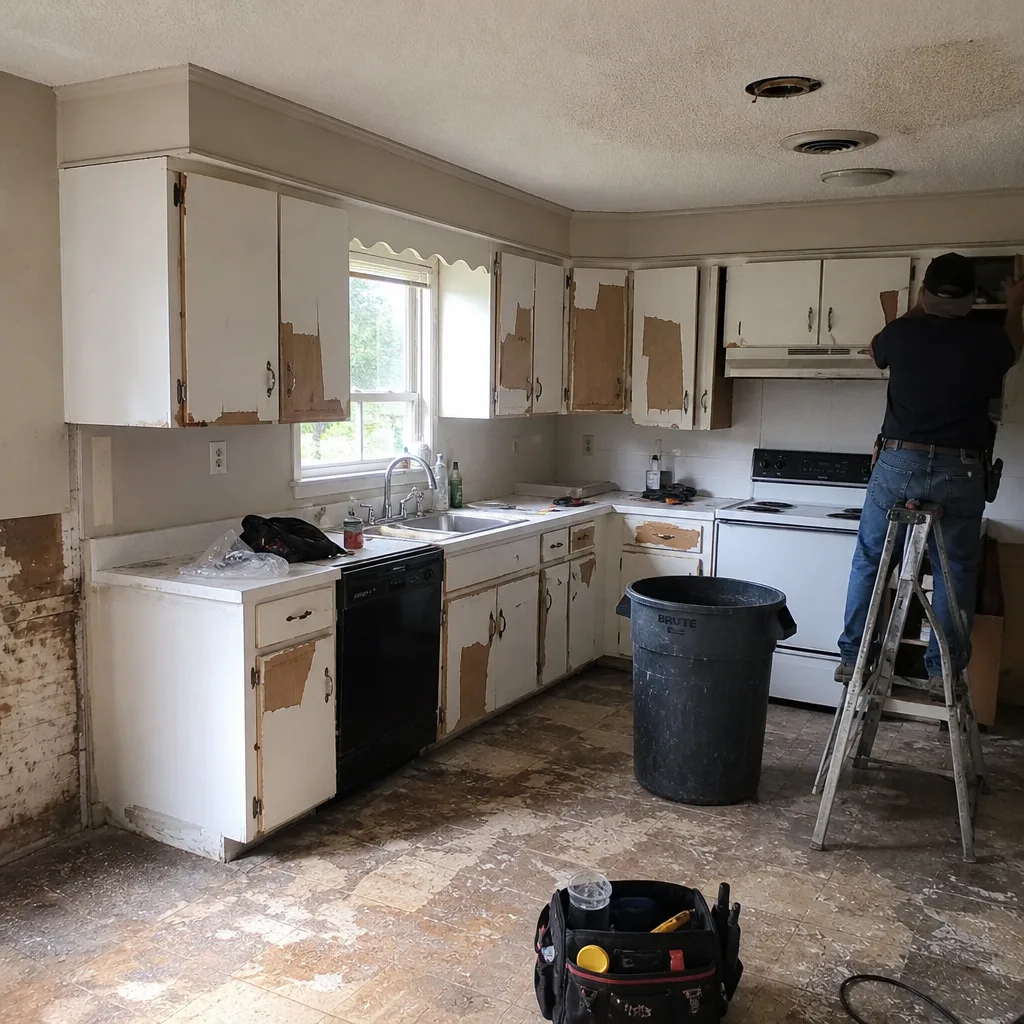 Before
 After
 Before
 After
Here’s the HTML for the roof leak guide page, built around the brick-veneer tracing angle and the Allen-specific flashing pattern.
How to Find a Roof Leak in Allen, TX: Tracing Brick-Veneer Leaks Back to the Source
The wet spot on your ceiling is almost never directly under the leak. On Allen’s brick-veneer two-stories, water usually enters at the wall-to-roof flashing, slides along the felt underlayment, and drips through the ceiling six to ten feet from where it got in. So you don’t hunt above the stain. You hunt the wall line, the valley, and the penetrations, then work backwards from the wet spot. If you’d rather skip the detective work, call (888) 343-9048 and we’ll come trace it for you.
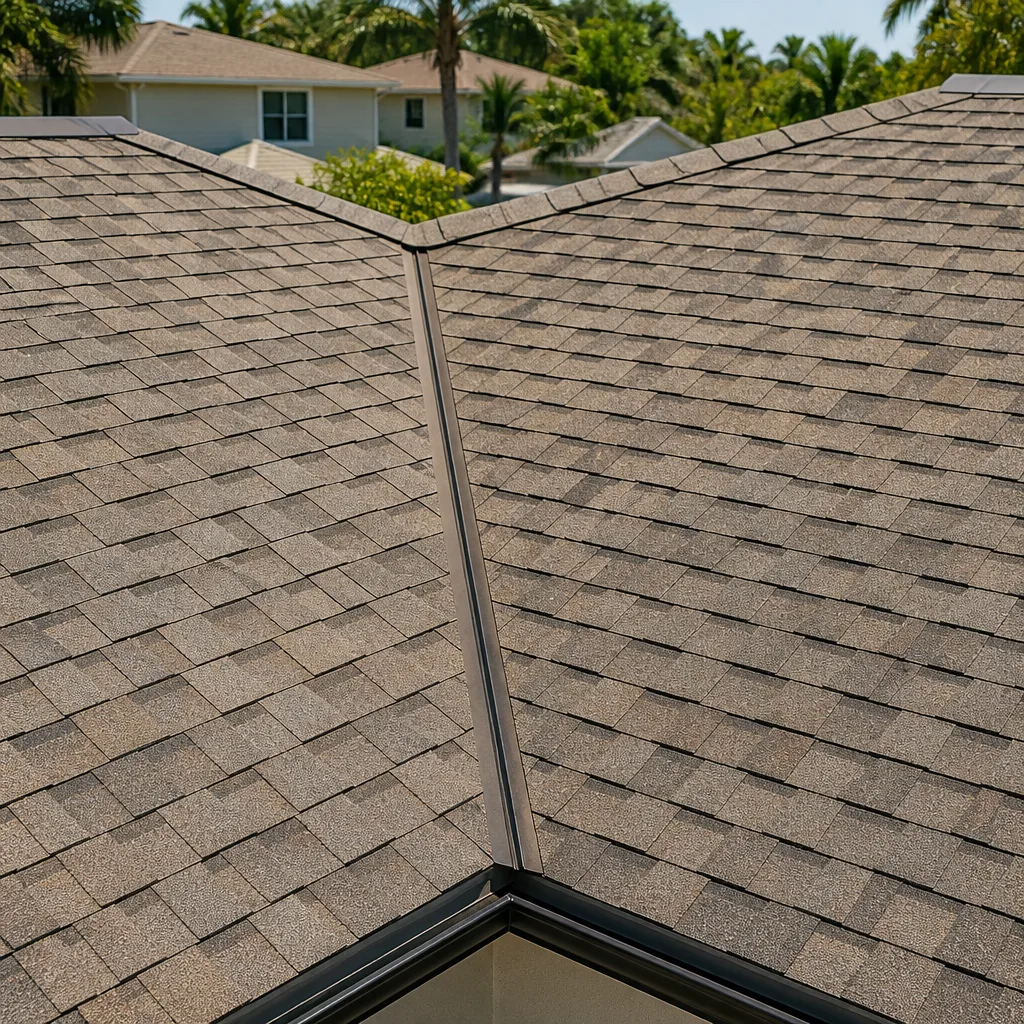
Why Allen’s 1990s Brick-Veneer Homes Leak Where They Do
Most of Allen was built out in one long push through the 1990s and 2000s. That means a huge share of the housing stock is brick-veneer two-story traditional and Tudor-influenced homes with composition shingle roofs, all hitting the age where flashing and underlayment start to give. The leak pattern here is consistent enough that we can usually predict where it started before we climb up.
The culprit is the step flashing where the roof plane dies into a brick wall. Each piece of flashing should tuck into a mortar joint and overlap the one below it. Over 25 to 30 years of North Texas heat and freeze-thaw, that mortar shrinks and hairline gaps open. Water doesn’t need a hole; it will wick into a hairline crack, run behind the flashing, and then travel down the felt. This is the single most misdiagnosed leak source in Allen, because the flashing looks fine from the ground and even from the roof edge. The failure is hidden behind the brick.
You’ll see this most in the older sections of Watters Crossing and Bethany Ridge, where the original mortar is now three decades old. When we open up a wall to fix one of these, we’re often repairing a leak that’s been wetting the same rafter for years.
Step-by-Step: How to Trace a Leak in an Allen Two-Story
Here’s the methodology we use, adapted for multi-story brick homes where you can’t just walk the whole roof safely. Work from the attic down, not the stain up.
- Start at the ridge and the valleys. In the attic, follow the ridge line and look for staining or daylight at the ridge vent. Then check where two roof planes meet at a valley. Valley intersections on these Tudor-style roofs are common leak points because debris piles up and the metal valley flashing can lift.
- Check the dormer bases. Twin Creeks and similar subdivisions have a lot of dormers, and the base of a dormer is where wall meets roof meets flashing. That three-way joint is the second most common entry after the wall step flashing.
- Walk the wall line. Where the brick meets the roof, look for the step flashing line. Any dark staining on the sheathing or felt right at that line points to a flashing failure, not a shingle failure.
- Follow the water path, not the stain. Trace the wet felt or sheathing downhill from the suspected entry. The ceiling stain is just where the water finally broke through; the underlayment tells you the real route.
- Look at penetration sleeves. Vent pipes, chimney flashings, and any roof-jack boots. If you can see daylight around a boot, that’s your leak.
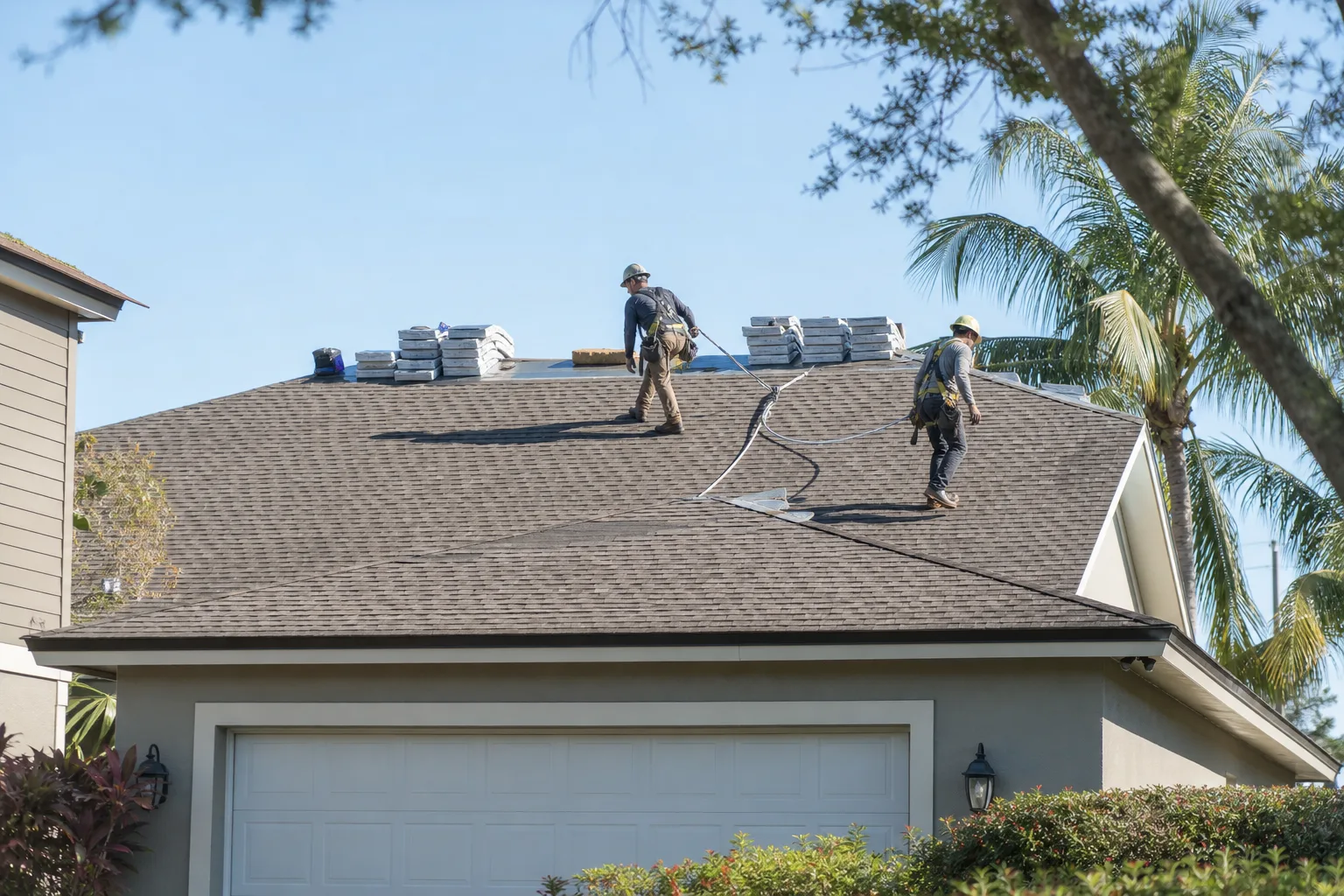
While you’re up there, snap photos of anything wet or stained. That visual record saves a lot of back-and-forth when you do call someone. Our Roofing crews use those same photos to plan the repair before they ever get on the roof.
The Hose Test: How to Isolate the Entry Point Safely
Once you have a suspect, the hose test narrows it down without anyone standing on a wet roof. The rule is simple: you don’t get on the roof. You work from the ground and from the attic, section by section.
Have one person in the attic with a flashlight and a phone, and one person on the ground with a garden hose on a low, steady stream. Start at the lowest point of the suspect area and saturate one section at a time, waiting 20 to 30 minutes before moving on. When the person in the attic sees water appear, you’ve isolated the section. That’s how you find a leak without a ladder.
What not to do: don’t spray high-pressure water at the wall (it forces water past flashing that would never leak in real rain), and don’t soak one spot and assume it’s the culprit before it’s had time to travel. Patience is what makes the test work.
Why Allen’s Summer Heat Makes Leak-Tracing Deceptive
Here’s the trap nobody warns you about. North Texas summers bake an attic to well over 120 degrees, and that heat dries out every trace of moisture within a day or two of a rain event. So the brown ring on your ceiling might be from a storm three weeks ago that has since dried. Or it might be from last night. Under attic insulation, dried staining and an active leak look nearly identical.
The way to tell them apart is to know when it last rained, then look for moisture that wouldn’t survive the heat: a damp insulation batt, a drip track still wet on the sheathing, or condensation on a rafter. If everything is bone dry but the stain is fresh-looking, you may be looking at an old leak that already healed itself when a branch shifted or a boot reseated. Which means the right move might be to watch it, not to patch it.
When to Call a Pro vs. Keep Looking
Here are the signals that the leak has been active long enough that you should stop looking and get eyes on it:
- Mold or dark fuzz at the rafter tails. That means water has been sitting for weeks, not hours.
- Wet or compressed insulation batts that stay damp even when the rest of the attic is dry.
- Daylight at a penetration sleeve or the wall flashing line. You’ve found the entry; now you need it fixed, not diagnosed further.
- Multiple stained spots on one ceiling, or a stain that’s grown since the last storm.
- A musty smell in an upstairs bedroom that gets worse after rain.
If you’re seeing any of those, stop climbing around and call. Groundwork Construction Co. of Allen answers the phone live, 24/7, so you’re not leaving a voicemail at 9 p.m. and waiting for Monday. We’ll triage the call, ask you a few questions about where the stain is and when it appeared, and tell you whether it sounds like a flashing issue or something that can wait for a morning visit.
Allen Repair Costs You Might Be Looking At
Once the leak is traced, repair pricing in Allen is fairly predictable. Here’s what we typically see, with upfront pricing so the number you’re quoted is the number you pay:
| Repair Type | Typical Allen Range |
|---|---|
| Roof repair (flashing, boots, minor shingle) | $400 - $1,800 |
| Tile roof repair | $600 - $2,500 |
| Full roof replacement (if the leak is widespread) | $8,000 - $20,000 |
| Metal roof installation (long-term replacement option) | $15,000 - $40,000 |
If you’re in an HOA subdivision like Watters Crossing or Twin Creeks, note that a full replacement often needs architectural-review approval for the roof color before a city permit is issued. That’s a step crews from outside Allen routinely skip, and it stalls a job. We know the Allen service area process cold, so that approval gets handled before the shingles ever arrive. When we replace, we use trusted brands like GAF and Owens Corning, and the work is backed in writing by our 730-Day Done Right Promise. If it’s not done right, we make it right.
FAQs
Most roof leak repairs in Allen run $400 to $1,800, depending on whether it’s a flashing issue, a penetration boot, or a small section of shingles. Flashing repairs at the brick wall tend to be on the higher end because the wall has to be opened. Call (888) 343-9048 for an exact quote; estimates are free and upfront.
Yes. On Allen’s two-story brick homes, we frequently locate leaks from inside the attic and from the ground using a controlled hose test, without anyone standing on the roof. Tracing the felt underlayment and the wall flashing line usually tells us where the entry is before we need to climb up. Call us and we’ll walk you through what to check first.
If the leak is a single flashing failure or boot on a roof that’s otherwise holding up, repair is far cheaper, typically $400 to $1,800 versus $8,000 to $20,000 for a full replacement. But on a 25-year-old Allen roof with multiple leaks, replacement often costs less over five years than repeated patches. Call (888) 343-9048 and we’ll give you a straight answer either way.
A leak that shows up only in heavy rain usually points to a flashing or valley issue where the water volume finally exceeds what the underlayment can shed, rather than a hole. On brick-veneer Allen homes, that’s often the step flashing at the wall. Call us to trace it before it becomes a bigger repair.
Want It Traced Instead of Guessing?
You’ve got the method now: wall line first, then valleys, then the hose test, then watch the weather before you trust a stain. But if your attic already smells damp or the stain has grown, don’t wait on this page. Groundwork Construction Co. of Allen offers a no-pressure assessment in Allen – call (888) 343-9048 and we’ll find it and fix it right.
Written by the team at Groundwork Construction Co. of Allen, serving Allen, TX.