
Free written scope consultation - allowances, timeline, and change-order rules on paper before a single trade is scheduled
Styles & brands we work with
- Kitchen remodeling
- Bathroom remodeling
- Home additions & ADU
- Roofing
- Windows & doors
- Driveway & pavers
- Fence
See the difference
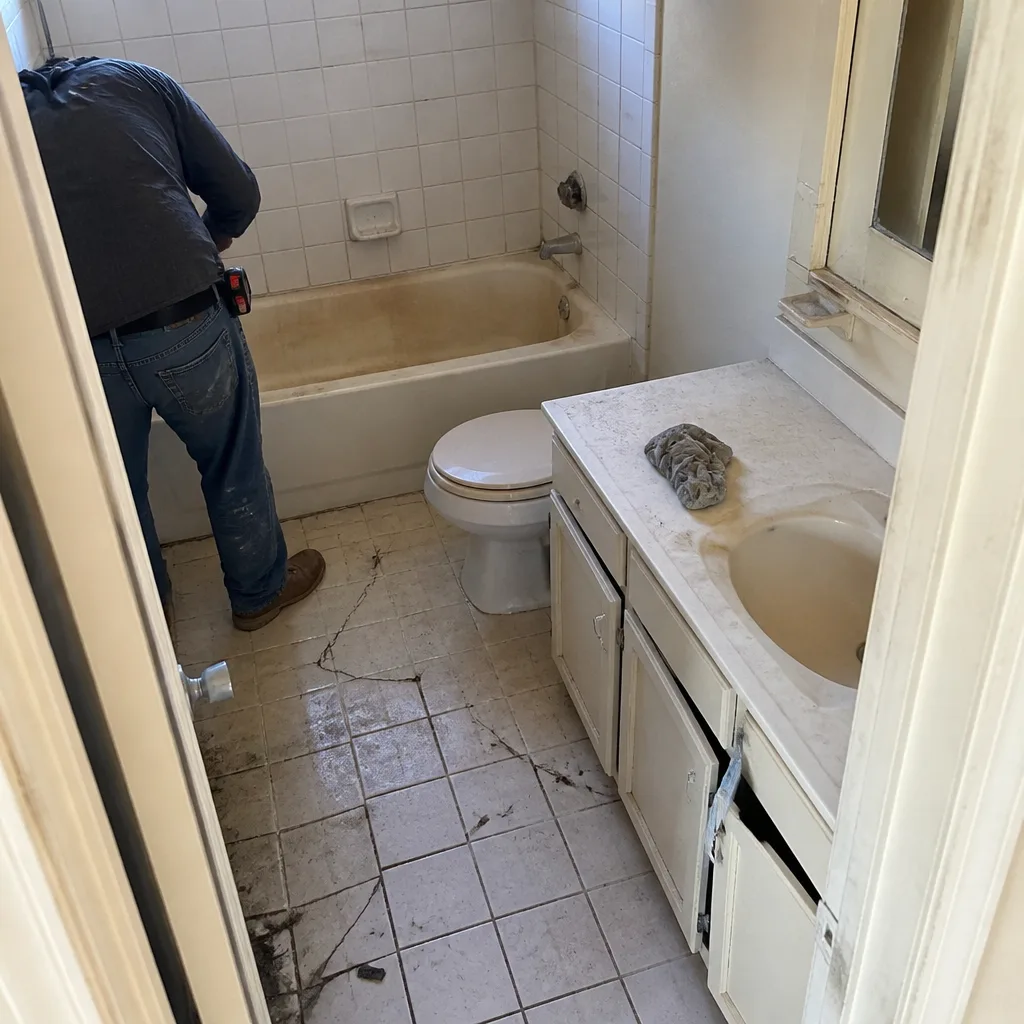 Before
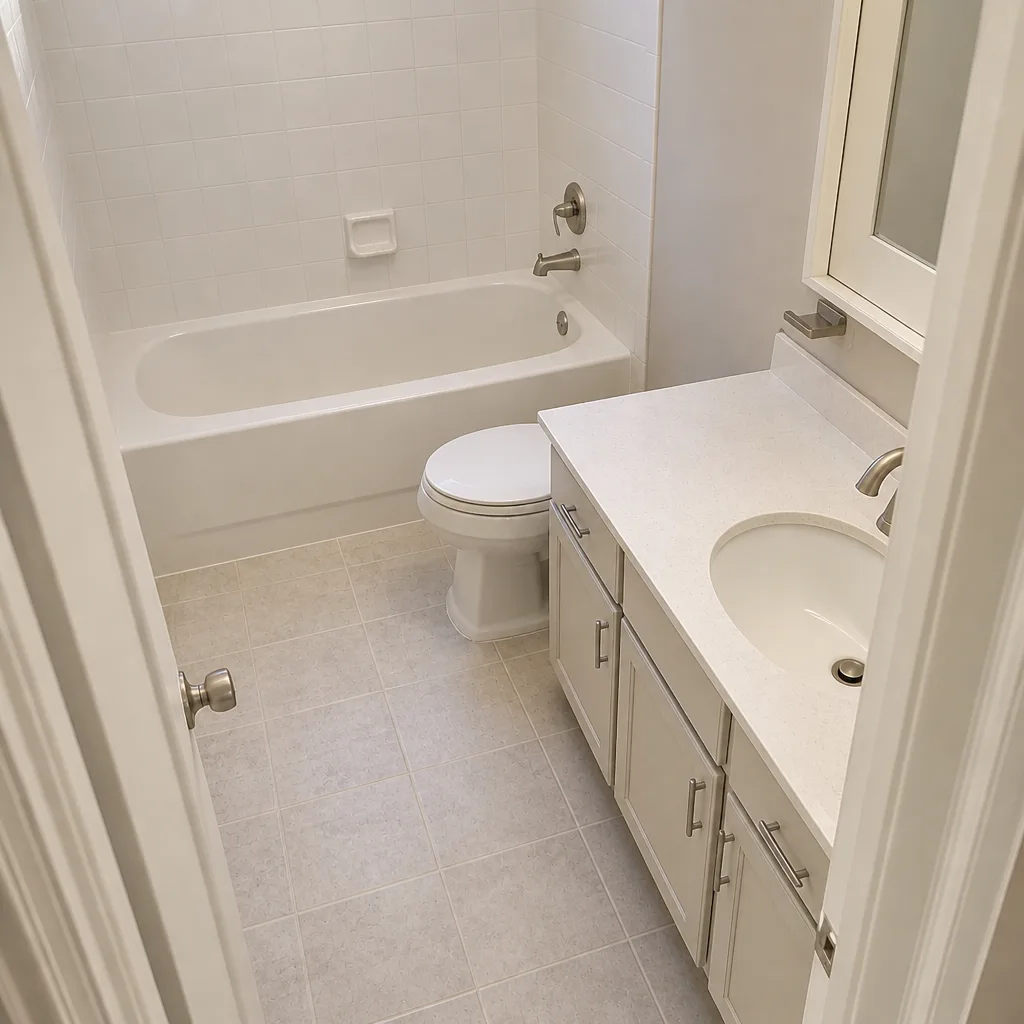 After
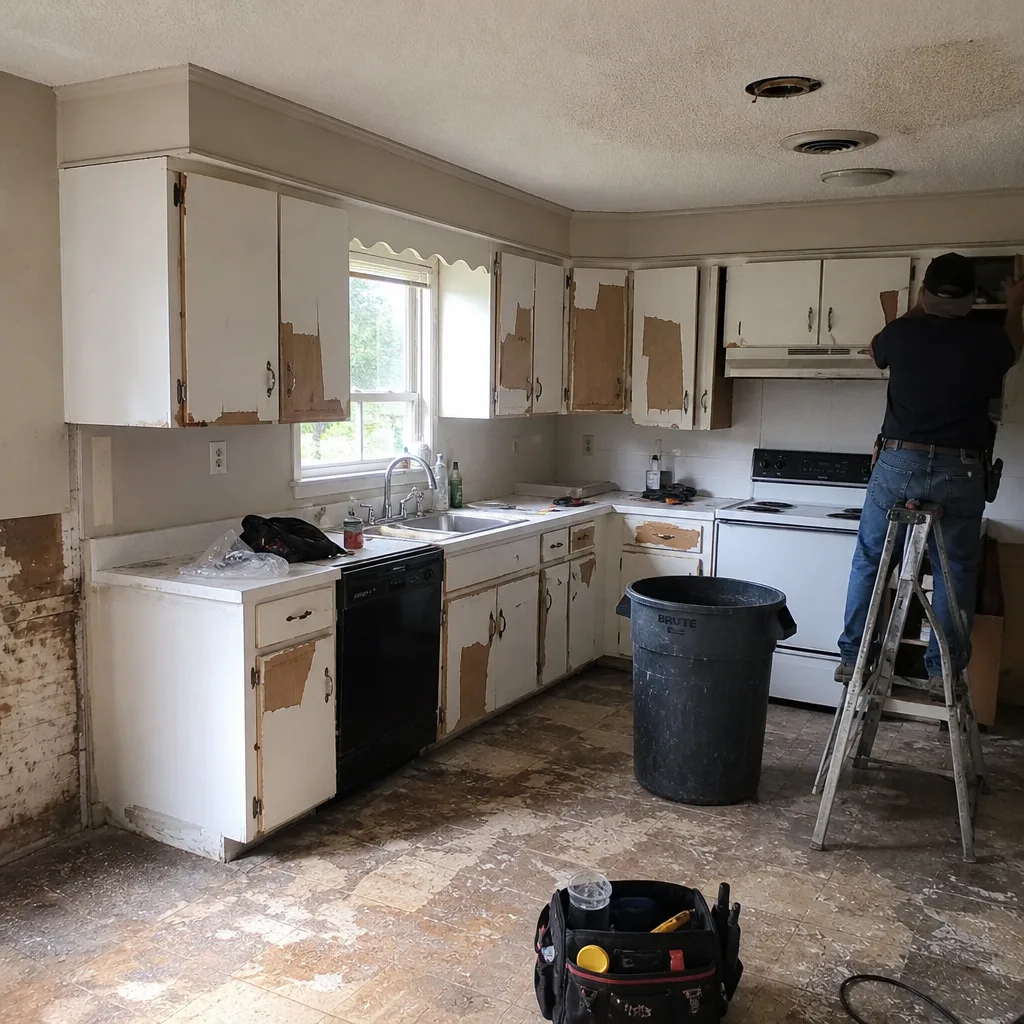 Before
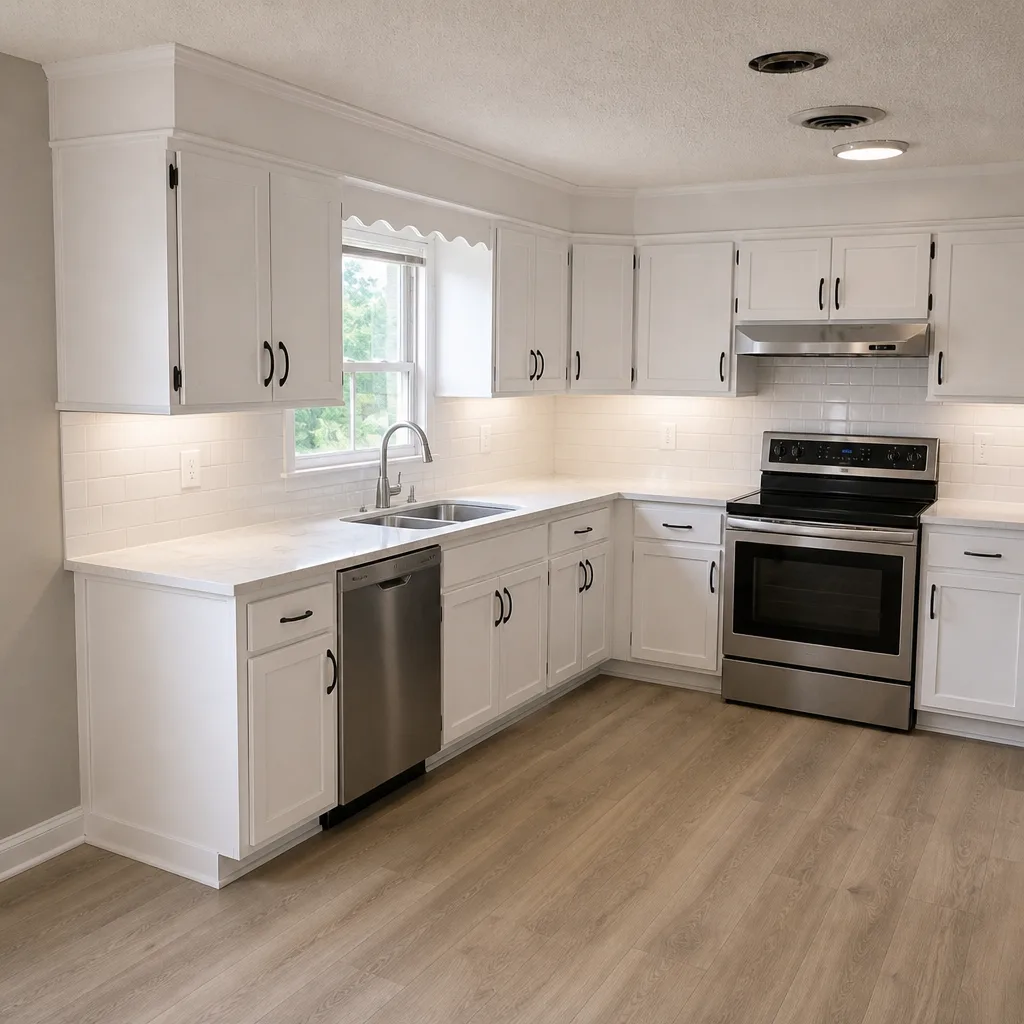 After
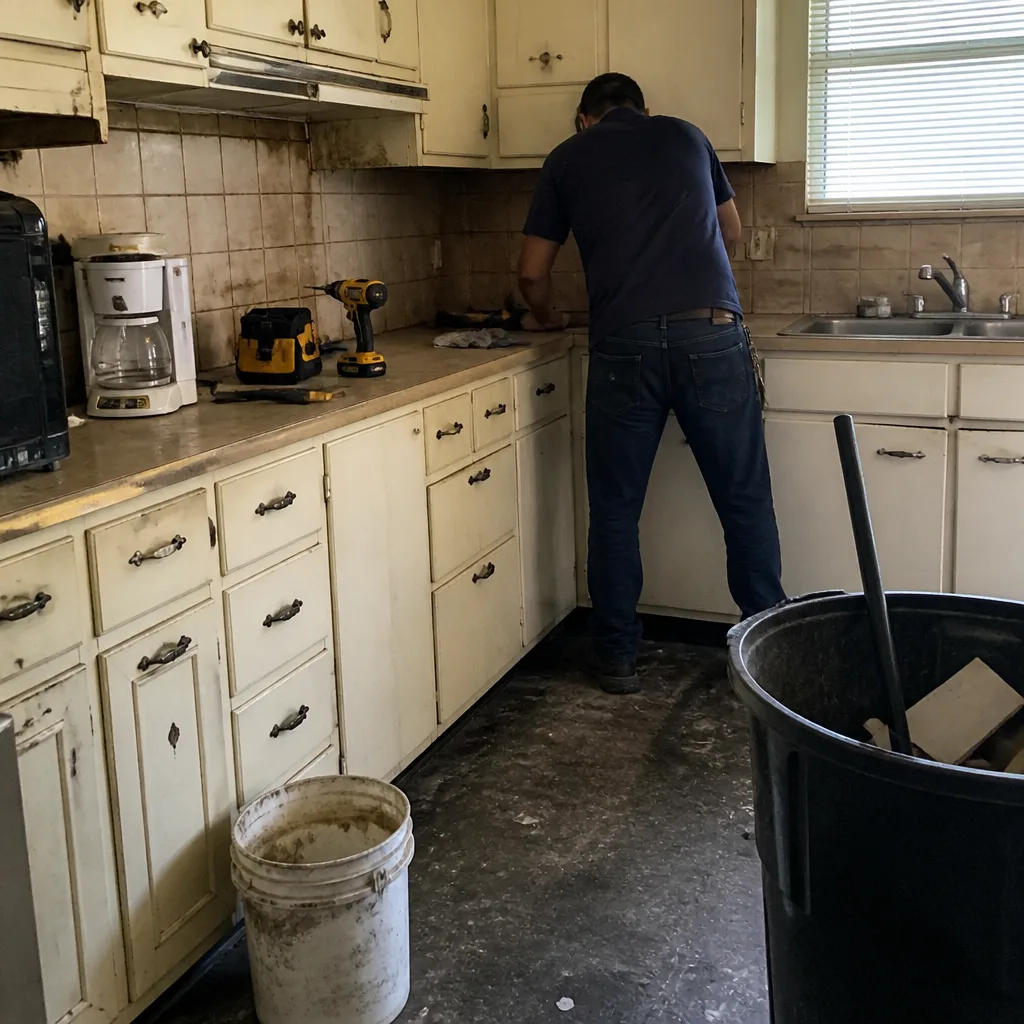 Before
 After
HVHZ Window Requirements Explained for Allen, TX Homeowners
HVHZ stands for High Velocity Hurricane Zone, and it’s a Florida Building Code designation that applies to exactly two counties: Miami-Dade and Broward. Texas has adopted no HVHZ requirement anywhere, including Allen, so if a window quote in Allen leans on “HVHZ-rated” as if it were a local mandate, it isn’t. Here’s what the label actually means, what it tests for, and when the premium is worth paying in a North Texas suburb whose real glazing threat is hail. Call (888) 343-9048 if you want a straight read on a quote you’re holding.
Where HVHZ actually applies, and why Allen isn’t one of them
Florida Building Code Section 1609 draws the HVHZ boundary tight. It covers Miami-Dade and Broward counties, the coastal strip where sustained hurricane winds and wind-borne debris have historically done the most damage. No Texas jurisdiction has adopted those requirements. Collin County inspections, including Allen’s unusually strict permitting desk, don’t grade windows on HVHZ compliance because it isn’t in the building code they enforce.
When a window company in Allen leads with HVHZ, they’re usually doing one of two things. They’re carrying coastal-spec inventory and using the certification as a prestige signal, or they’re banking on homeowners not knowing the geography. Neither is a reason to pay more without understanding what the product actually was tested against. Allen’s housing stock – mostly 1990s to 2010s builder-grade subdivisions like Watters Crossing and Twin Creeks – was built to Texas code, inspected to Texas code, and will be re-windowed to Texas code. HVHZ is a voluntary premium here, full stop.
What HVHZ requires that a standard impact rating does not
This is the part that gets glossed over in most marketing. An HVHZ-rated window has to clear two separate testing hurdles, and they measure different strengths.
- Large-missile impact test (TAS 201): A nine-pound, two-by-four is fired at the glass at roughly 50 feet per second, the same impact standard most people think of when they hear “impact-rated.”
- Cyclic pressure loading (TAS 202 and TAS 203): The assembly is then subjected to repeated pressure cycles – push, release, pull, release – thousands of times at wind-load levels. This is the higher bar, and it tests for wind-cycle fatigue, not hail.
That distinction matters. Cyclic loading validates a frame and glazing system against aggressive pressure differentials over time. What it does not do is tell you how the glass survives a two-inch hailstone striking at 80 mph, because hail and wind loads are different physical problems. That’s why FM 4473 Class 4 – the large-hail rating – is the test standard that speaks most directly to what actually lands on an Allen roof and window every spring.
The Allen cost-benefit: does HVHZ earn its premium here?
Short answer: rarely, and not for the reason it’s sold. HVHZ-rated products carry a price premium of 20 to 40 percent over equivalent non-HVHZ windows. For a homeowner in Allen, that premium is buying you cyclic pressure validation, which offers marginal benefit during our severe thunderstorm events – real, but secondary. It is not buying hail protection, and it’s not meeting a city requirement that doesn’t exist.
The more relevant question is what standard sits behind the glazing you’re considering. Here’s how the three stack up for Allen exposures:
| Rating | What it validates | Allen relevance |
|---|---|---|
| HVHZ (TAS 201, 202, 203) | Large-missile impact plus cyclic wind pressure fatigue | Marginal – no local code mandate, secondary benefit in severe storms |
| ASTM E1886 / E1996 (standard impact) | Missile impact and basic pressure cycling | Useful, meets most manufacturer wind-load specs |
| FM 4473 Class 4 | Large-hail impact resistance | High – directly addresses the primary Allen threat |
For context on budget, window replacement across Allen homes sits in the $4,500 to $15,000 range, and impact-rated installations run $8,000 to $25,000. The 20 to 40 percent HVHZ adder stacks on top of that. When you’re already quoting a premium product line – Andersen and Marvin being the ones we specify most often for Allen projects – the question isn’t whether HVHZ is “better,” it’s whether the test standard behind the glass matches the hazard your house actually faces.
How do you tell what you’re actually paying for on a window quote?
Ask for the test standard, not the marketing label. A reputable quote names the exact standard the product was validated against – TAS 201, ASTM E1886, FM 4473 Class 4 – and lets you see which one sits behind the price. If a quote only says “impact-rated” or “HVHZ-compliant,” that’s a sign the standard hasn’t been pinned down.
In our experience on Allen jobs, the useful conversation happens before the contract is signed, not after. We walk through exactly which standards a quoted product carries so you can decide whether you’re paying for HVHZ compliance, FM 4473 hail resistance, or both – and whether the premium makes sense for your specific exposure. That’s what upfront pricing, no surprises actually means: the number you see is the number you pay, and you pay for a standard you deliberately chose. Our technicians have up to 12 years of experience reading those submittals, and every job carries the 730-Day Done Right Promise – if it’s not done right, we make it right.
One more thing worth knowing when you’re comparing bids: Allen’s architectural-review requirements add a step that crews from neighboring towns routinely skip. If your window replacement touches an elevation visible from the street, your HOA in one of the 1990s to 2000s subdivisions may require pre-approval before the city permit clears. That’s a scheduling detail, not a window-spec issue, but it changes the timeline on a project you’re pricing.
What this means in practice for an Allen window purchase
For most Allen homeowners, the decision comes down to a few practical steps. See the Windows & Doors service page for the full scope of what we install, and consider this a checklist for evaluating any quote you receive:
- Confirm which test standard the product carries – HVHZ, ASTM E1886, or FM 4473 Class 4.
- Ask whether HVHZ compliance is driving the price, and by how much.
- Weight FM 4473 Class 4 more heavily than HVHZ if hail is your primary concern.
- Check HOA architectural-review rules before scheduling, not after.
- Get the standard in writing on the contract so “impact-rated” isn’t ambiguous.
The same thinking applies across the trades – hail drives roof decisions the same way, which is why GAF and CertainTeed Class 4 shingles come up often on Allen roof replacements. If you’re weighing a window project against a roof or a remodel, the Allen service area page covers how we scope each one against the city’s permitting calendar. For the broader picture on what we do, our home page is the starting point.
FAQs
No. HVHZ requirements apply only to Miami-Dade and Broward counties in Florida, and no Texas jurisdiction has adopted them, so HVHZ-compliant windows are a voluntary upgrade in Allen, not a code requirement. If a quote frames HVHZ as mandatory here, ask for the code citation – there isn’t one.
Not quite. HVHZ is a stricter standard that requires both large-missile impact testing and cyclic pressure loading, while “impact-rated” alone usually means the product passed a basic missile-impact test. The HVHZ label is a higher bar, but it tests for wind-fatigue, not hail, so it isn’t automatically the right spec for Allen’s storm profile.
FM 4473 Class 4 is the rating that directly addresses large-hail impact, which makes it more relevant per dollar for Allen than an HVHZ premium. HVHZ-rated frames do offer marginal benefit in severe thunderstorms because of the cyclic pressure validation, but for hail specifically, Class 4 is the standard to look for.
HVHZ-rated products typically run 20 to 40 percent higher than equivalent non-HVHZ windows, which adds meaningfully to an Allen window replacement already in the $4,500 to $15,000 range. Call (888) 343-9048 for an exact quote – estimates are free, and we’ll show you which standards drive the price.
If you’d rather have someone walk through a quote with you than sort through test standards on your own, Groundwork Construction Co. of Allen offers a no-pressure assessment in Allen – we’ll tell you what each product is actually rated for and where the money goes. Call (888) 343-9048 to schedule. Live person, 24/7, no voicemail.
Written by the team at Groundwork Construction Co. of Allen, serving Allen, TX.