Free written scope consultation - allowances, timeline, and change-order rules on paper before a single trade is scheduled
Styles & brands we work with
- Kitchen remodeling
- Bathroom remodeling
- Home additions & ADU
- Roofing
- Windows & doors
- Driveway & pavers
- Fence
See the difference
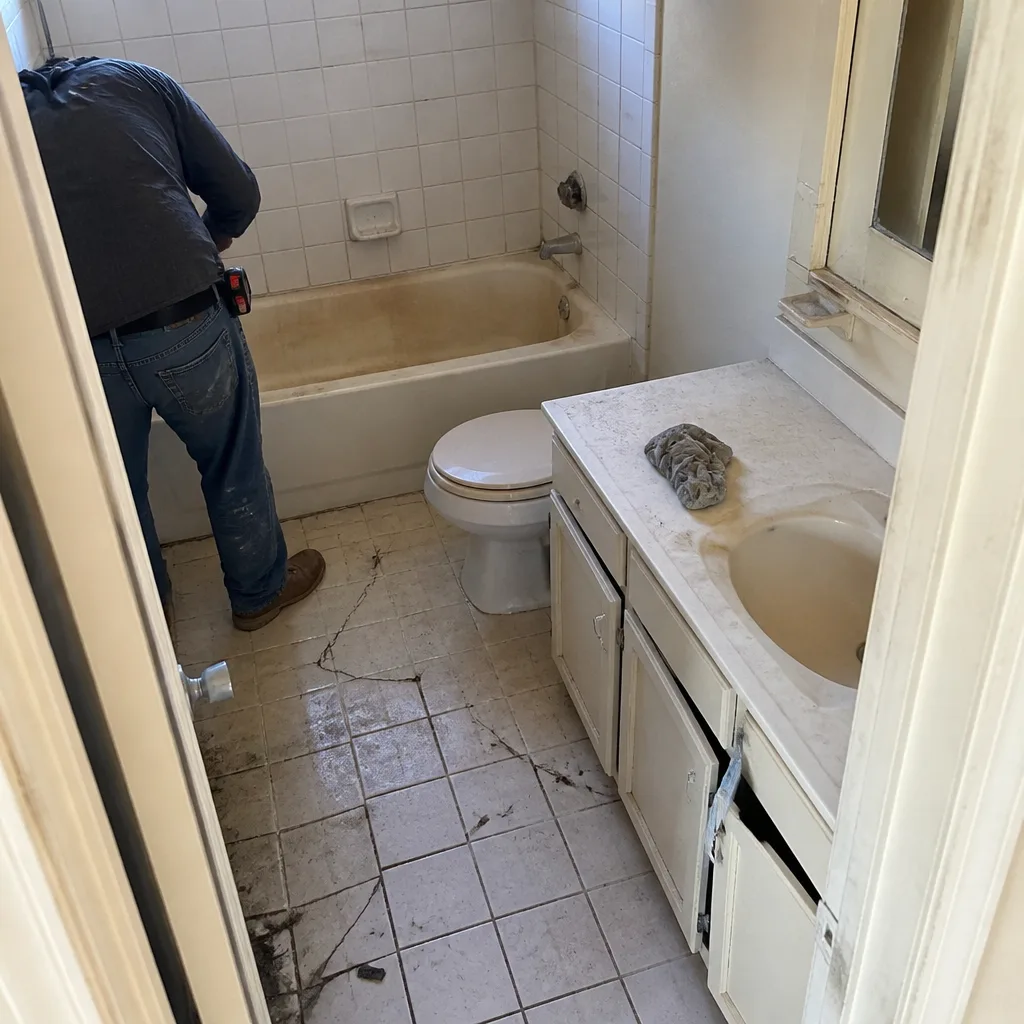 Before
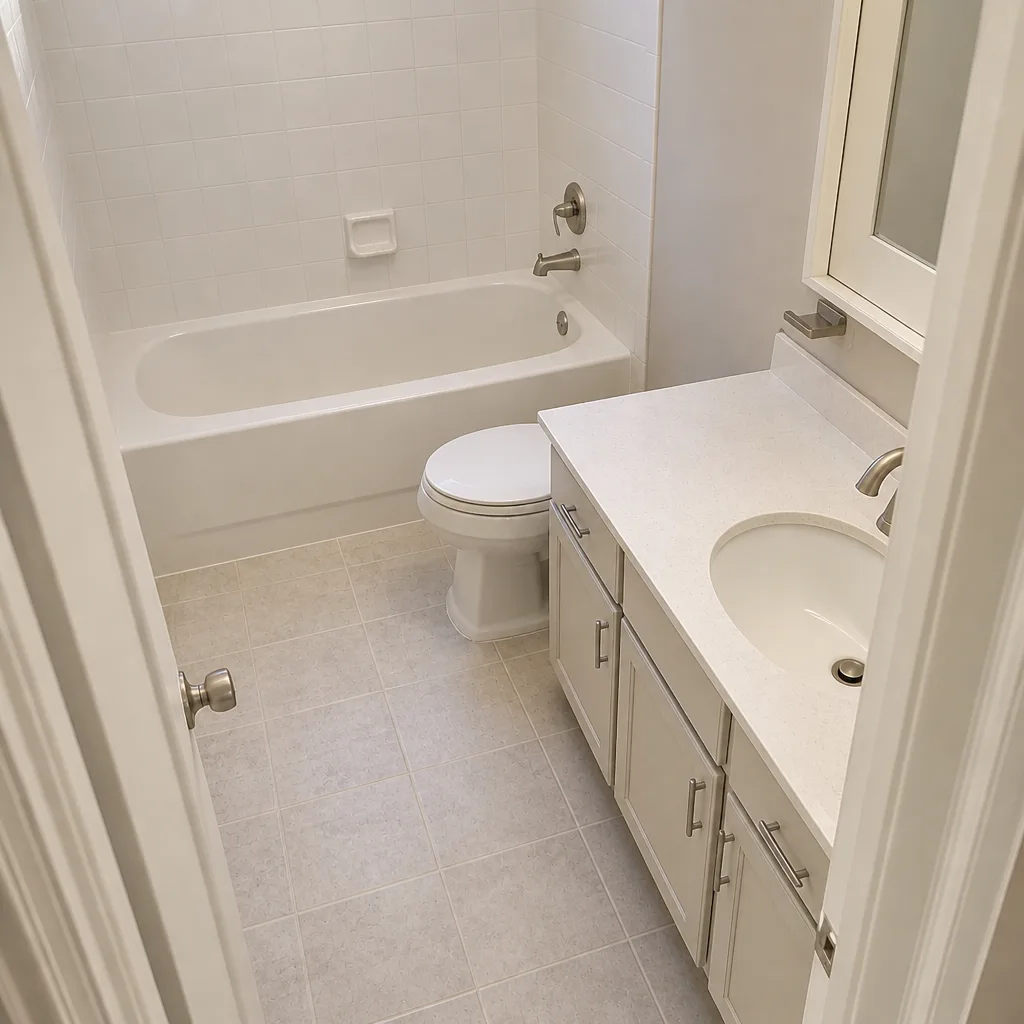 After
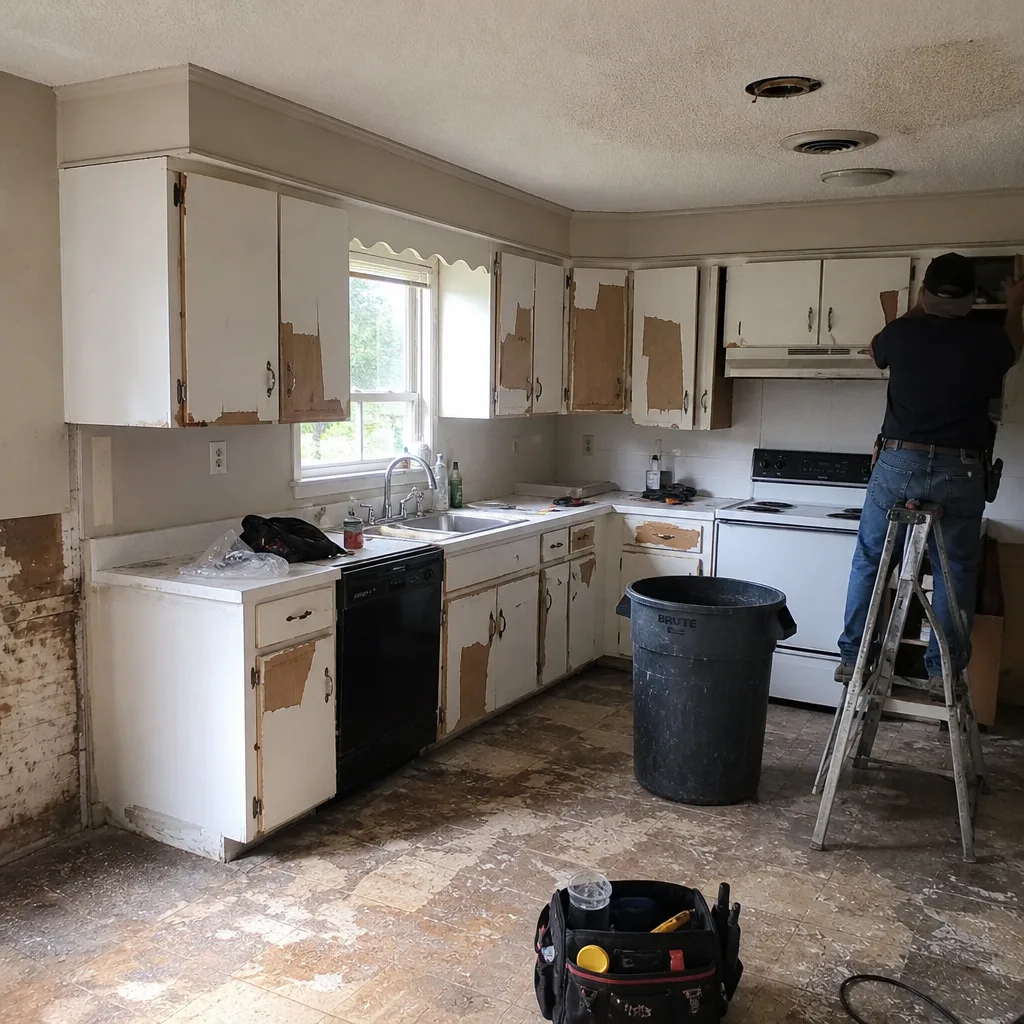 Before
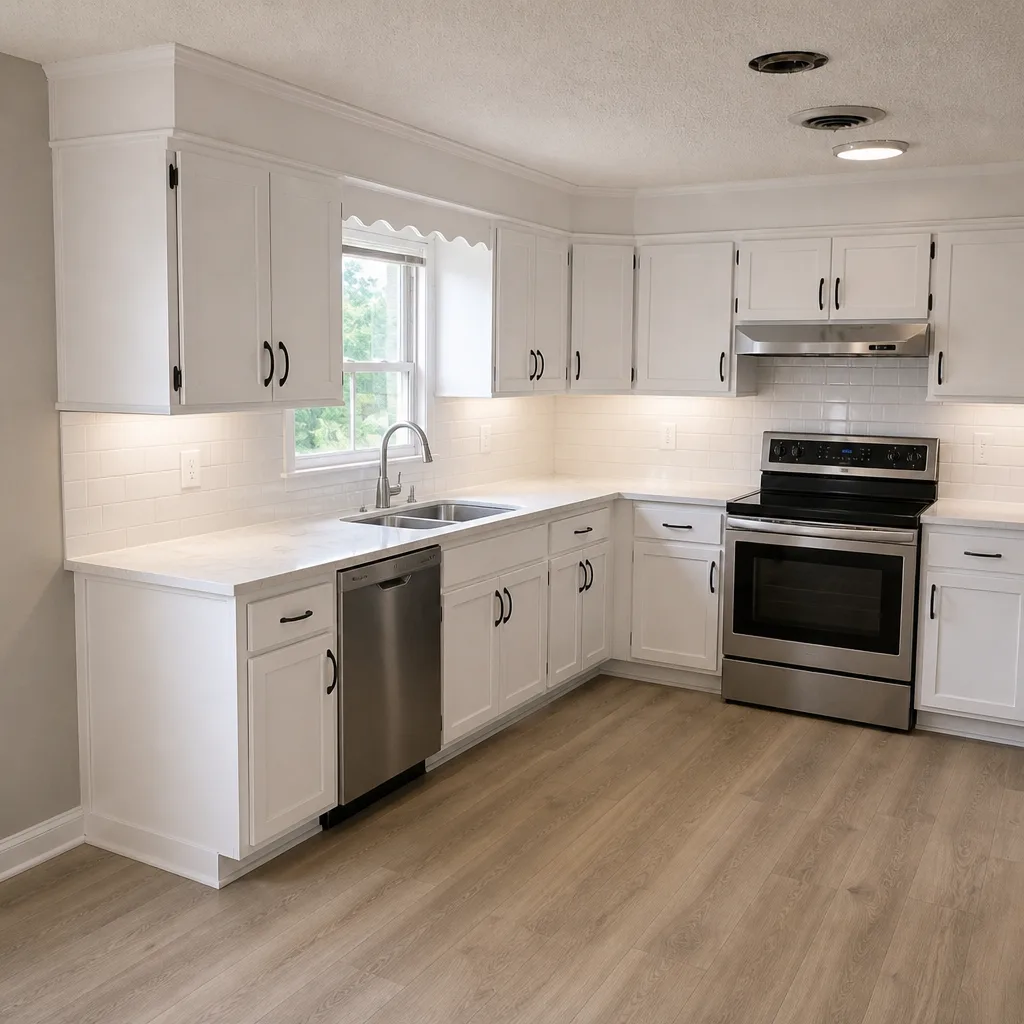 After
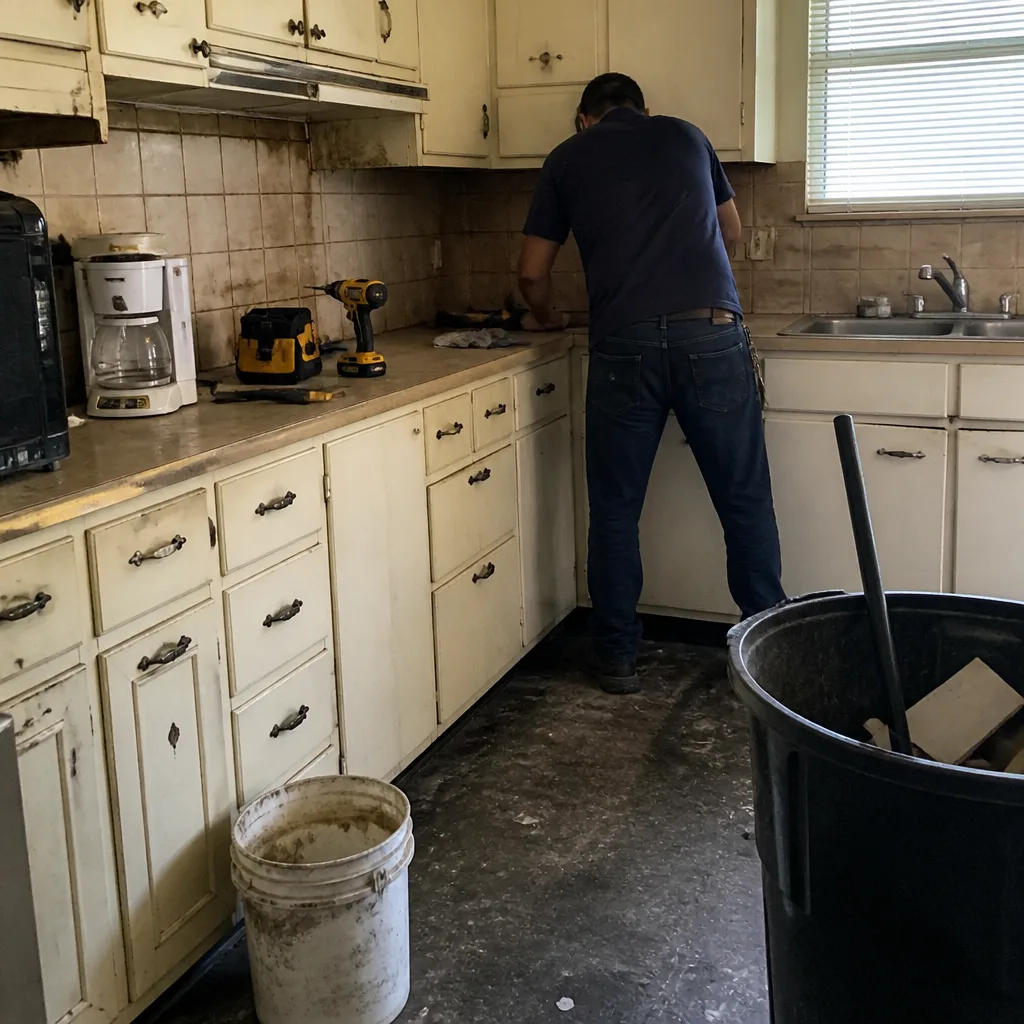 Before
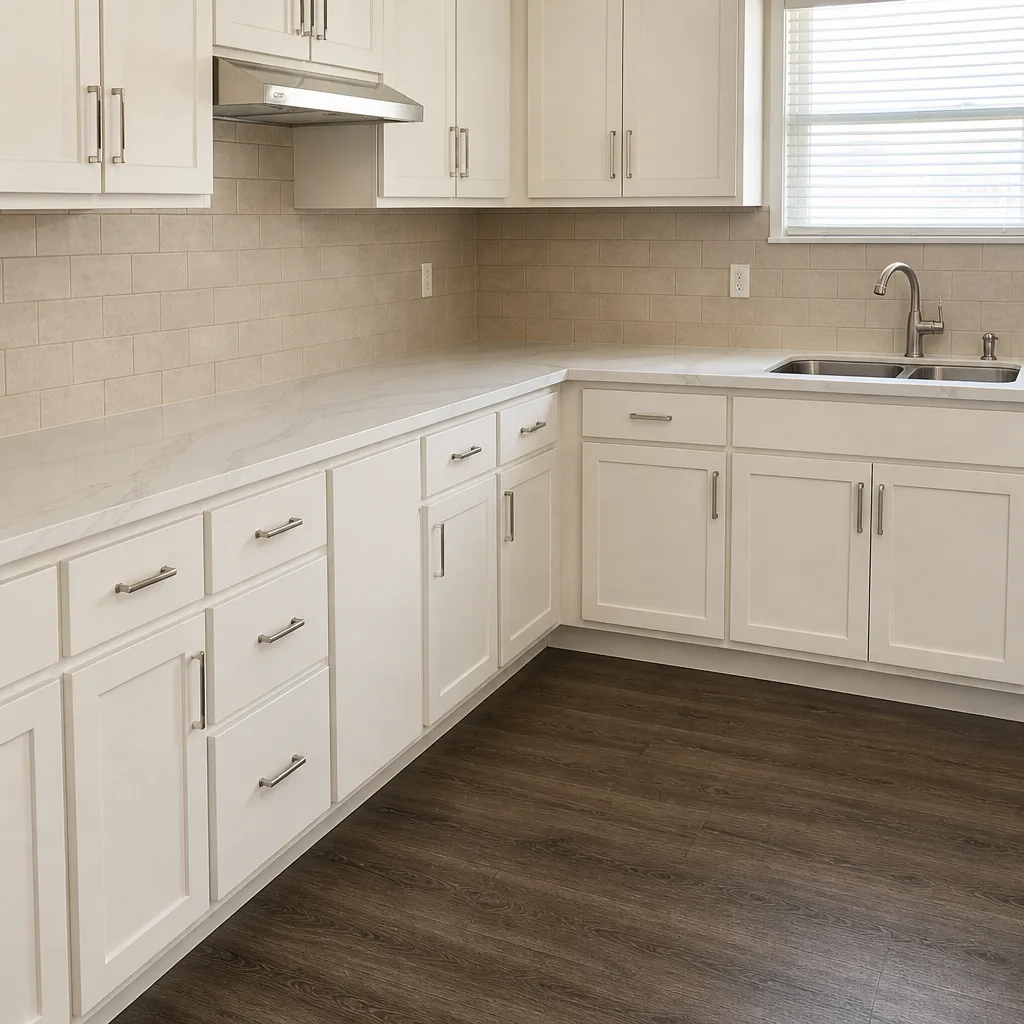 After
Prefab ADU vs Custom Built ADU in Allen, TX: Choose Custom Unless Your Lot Sits Outside HOA Review
For most Allen homeowners, a custom-built ADU is the right call and a prefab unit is the wrong one. The reason isn’t craftsmanship snobbery, it’s sequencing: Allen’s HOA architectural review boards in subdivisions like Watters Crossing, Twin Creeks, and Bethany Ridge can reject a prefab roofline or panel finish before the city ever opens a permit file, and prefab manufacturers build to a fixed spec they won’t change for your subdivision’s material schedule. If your lot is unincorporated, outside HOA jurisdiction, and on stable ground, prefab can work. Everything else in Allen runs into the same wall. Call (888) 343-9048 and we’ll tell you honestly which side of that line your property sits on.
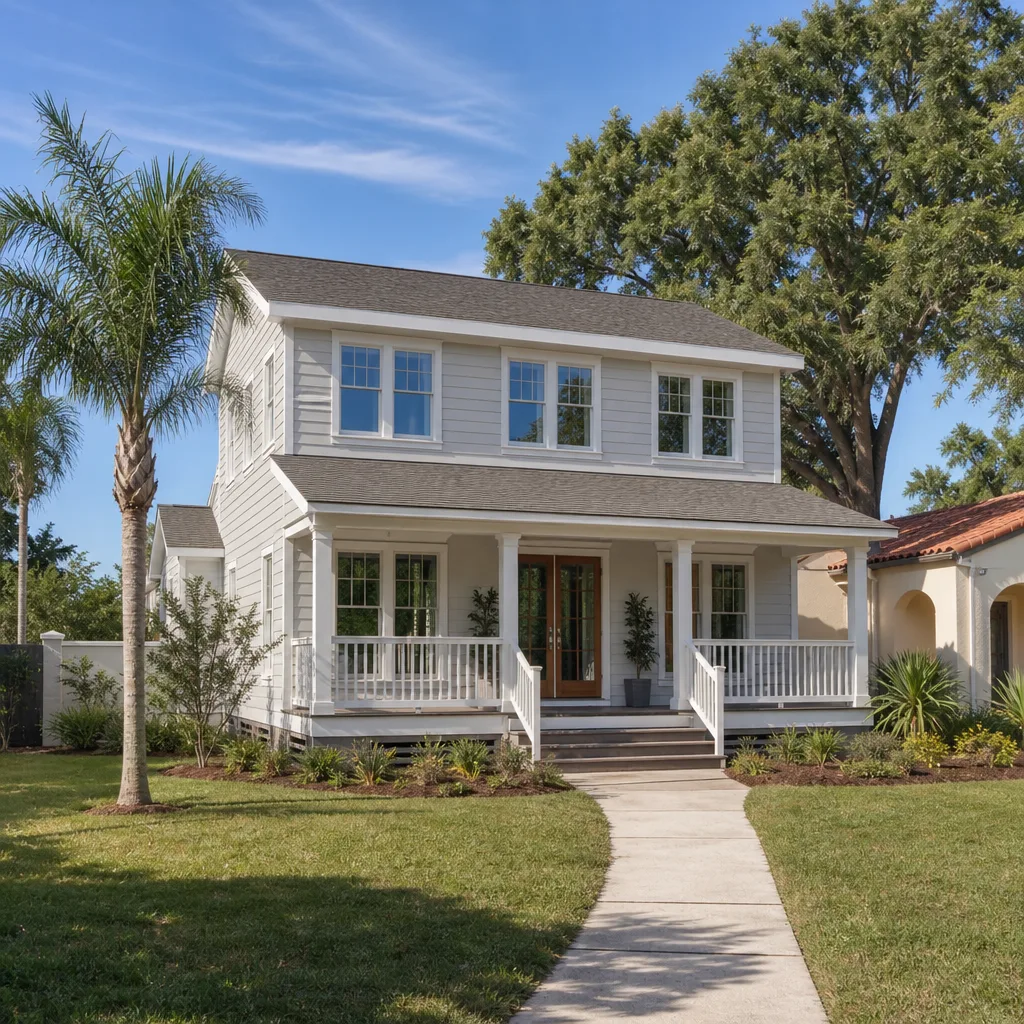
The eight-week problem no prefab brochure mentions
A prefab ADU ships in about six weeks. The Allen HOA architectural review that rejects its roofline takes eight, and that’s before you’ve touched the city permit queue. So the schedule advantage disappears, then reverses, while you’re still paying for the unit sitting on a flatbed.
Here’s how that plays out in practice. The 1990s and 2000s master-planned subdivisions across Allen were built under covenants that require architectural review committee (ARC) pre-approval for exterior materials – roof color, siding type, fence height, even shed placement – before the city issues a permit. A prefab manufacturer ships a fixed panel finish in a color they stock. Your ARC wants a specific shingle color that matches the main house. Those two facts don’t reconcile, and no amount of phone calls to the factory changes what’s already been manufactured.
A custom build inverts the order. We pull your subdivision’s covenant language, match brick veneer and roof pitch to the existing house, submit the ARC package, and only then order materials. That’s slower on paper and faster in reality.
What Allen’s blackland clay does to a skid-mounted ADU
This is the part that costs the most money and gets discussed the least. Allen sits on North Texas blackland clay, which expands and contracts dramatically with our wet-spring, dry-summer cycle. A prefab unit designed to sit on standard skids assumes a stable pad. Our soil isn’t stable.
Site-specific foundation engineering for an Allen ADU typically means a post-tension slab or a pier-and-beam design rated for expansive soil movement. We’ve seen skid-mounted structures on unprepared Allen pads develop differential settlement – one corner dropping, doors racking, hairline cracks turning into real ones – inside five to seven years. The repair cost runs into five figures and usually voids whatever warranty came with the unit.
Prefab pricing also tends to exclude what Allen actually requires: site prep, utility trenching to city spec, foundation work, and compliance modifications. The honest comparison isn’t unit price against build price. It’s this:
| Cost line | Prefab ADU in Allen | Custom-built ADU in Allen |
|---|---|---|
| Base structure | Lower advertised price | Included in range below |
| Site prep & utility trenching | Often excluded, billed separately | Scoped upfront |
| Foundation for expansive clay | Rarely engineered for it | Engineered to your lot |
| ARC material matching | Fixed finishes, high rejection risk | Built to covenant spec |
| Third-party code modifications | Typically voids manufacturer warranty | N/A – built to code from day one |
| Workmanship coverage | Manufacturer-only | 730-Day Done Right Promise, end to end |
For reference on the custom side, Home Additions & ADU in Allen work runs $90,000-$220,000 depending on size, site conditions, and finish level. Garage conversions, a common smaller-footprint alternative, run $30,000-$80,000. A straight home addition runs $45,000-$130,000. Those numbers are Allen-market figures, and they’re the same numbers we quote in writing with no line-item surprises.
Three Allen scenarios we see, and what we recommend in each
- Watters Crossing, back lot, ARC-heavy covenants. Custom, without much debate. The material-matching requirements alone will sink a prefab submission, and a rejected ARC package means you’ve paid for a structure you can’t place.
- Twin Creeks, detached garage conversion rather than new construction. Custom, but a smaller scope: $30,000-$80,000 for the garage conversion route gets you a compliant, matched, foundation-sound unit without an ARC fight over a new roofline.
- Unincorporated Collin County parcel, no HOA, stable pad verified by a soil test. Prefab is defensible here. Get the soil test first. If it comes back showing heavy expansive clay, the skid foundation math still doesn’t work.
Why the warranty gap matters more than the price gap
Prefab warranties are manufacturer warranties. They cover the unit as manufactured. The moment a third-party contractor modifies it to meet Allen code – and almost every Allen install needs some modification – that coverage narrows or voids entirely. You’re left holding the gap between what the factory promised and what your site required.
We cover a custom ADU end-to-end under our 730-Day Done Right Promise. If something isn’t right, we make it right, and the structure, the foundation, and the finish work all sit under one accountable party. That’s a real difference when you’re two years in and a door won’t close.
Our technicians bring up to 12 years of experience to each build, they’re background-checked, and they arrive in uniform. Finishes run through brands we’ve vetted across every trade – Kohler and Moen fixtures in the wet areas, Andersen windows where the ARC wants a specific profile – so you choose quality rather than whatever the factory had on the shelf that month. From foundation to finish line, one contractor, one point of contact. If you’re earlier in the planning process, our home page lays out the full range of what we build across Allen.
FAQs
On the sticker, usually yes – but the full cost often isn’t. Once you add site prep, clay-appropriate foundation engineering, compliance modifications to meet Allen code, and the carrying cost of an ARC rejection and resubmission, the gap narrows sharply or closes. Call (888) 343-9048 for an exact quote – estimates are free.
Sometimes, but the risk is high in covenant-heavy subdivisions like Watters Crossing, Twin Creeks, and Bethany Ridge. Those ARCs require exterior material matching – roof color, siding type – before city permitting opens, and prefab manufacturers build to fixed finishes they won’t change for one lot. Call (888) 343-9048 and we’ll review your specific covenants before you commit to anything.
Most Allen custom ADU projects land between $90,000 and $220,000. Garage conversions run $30,000-$80,000, and full home additions run $45,000-$130,000. We offer 0% financing for 18 months and $1,000 off projects over $10,000, so a custom build can be modeled against the full prefab cost honestly. Call (888) 343-9048 for a no-pressure estimate.
Yes, in nearly every case. North Texas blackland clay expands and contracts through our wet-spring, dry-summer cycle, which is why Allen ADUs typically need a post-tension slab or pier-and-beam design engineered for expansive soil. Skid-mounted prefab foundations aren’t built for that movement, and foundation failure on an unprepared Allen pad often shows up within five to seven years. Call (888) 343-9048 to schedule a site assessment.
If you’d rather have it looked at, Groundwork Construction Co. of Allen offers a no-pressure assessment in Allen – we’ll check your covenants, your soil, and your lot, then tell you plainly which route makes sense. Call (888) 343-9048 for a free estimate. Calls are answered by a live person, 24/7.
Written by the team at Groundwork Construction Co. of Allen, serving Allen, TX.