Free written scope consultation - allowances, timeline, and change-order rules on paper before a single trade is scheduled
Styles & brands we work with
- Kitchen remodeling
- Bathroom remodeling
- Home additions & ADU
- Roofing
- Windows & doors
- Driveway & pavers
- Fence
See the difference
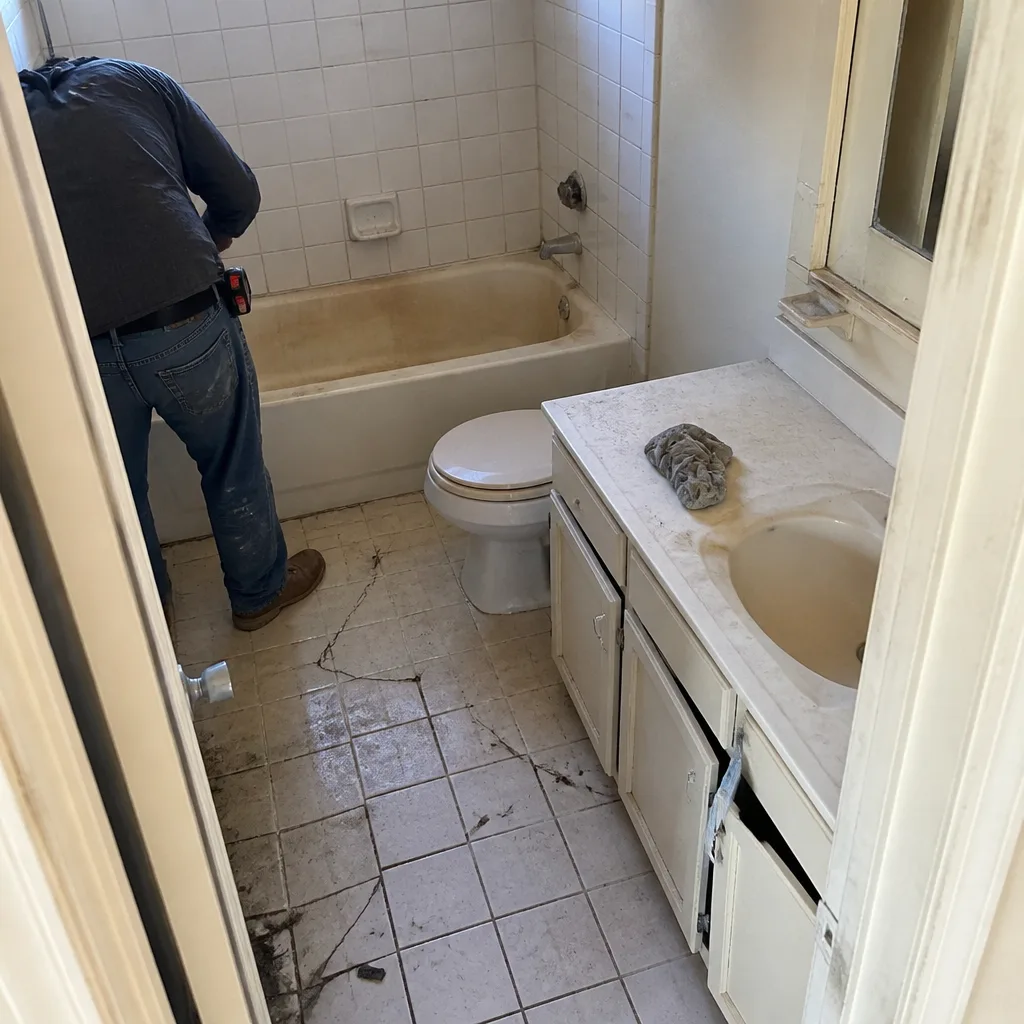 Before
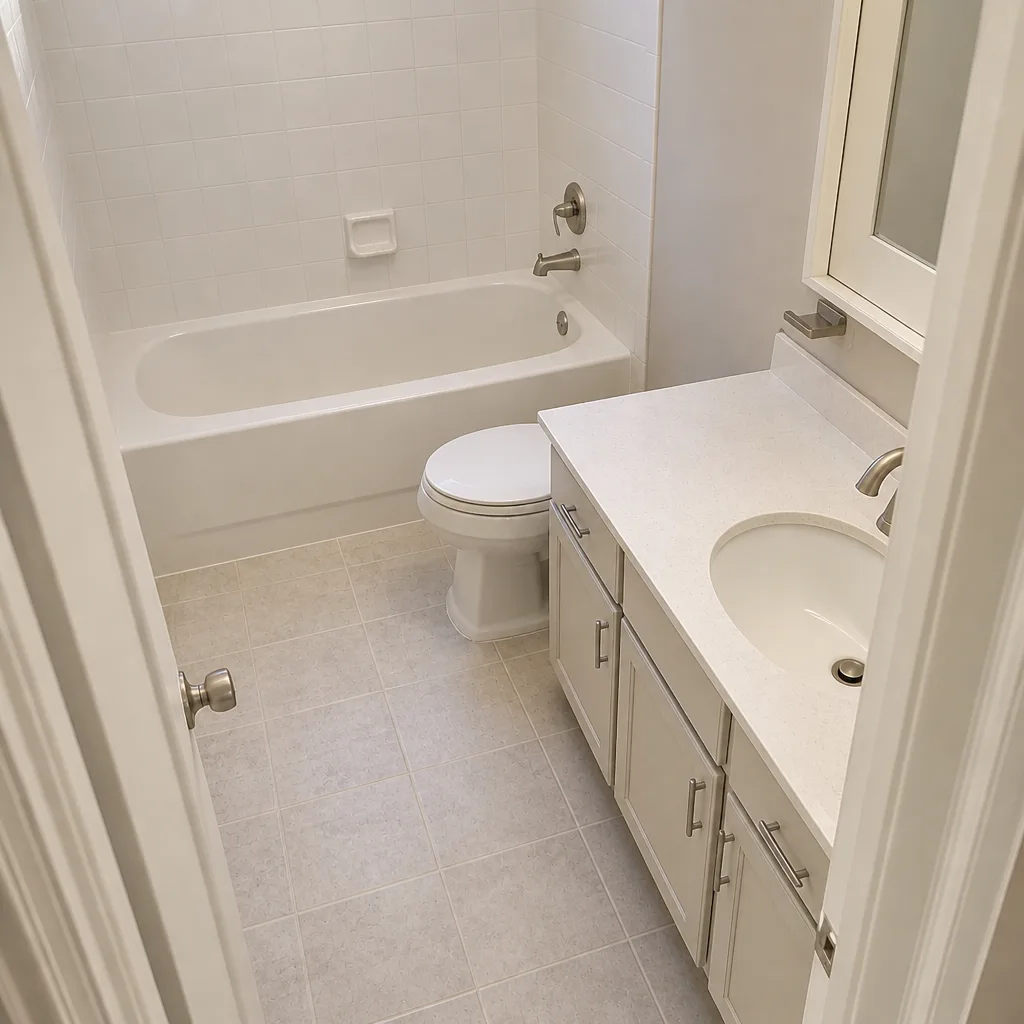 After
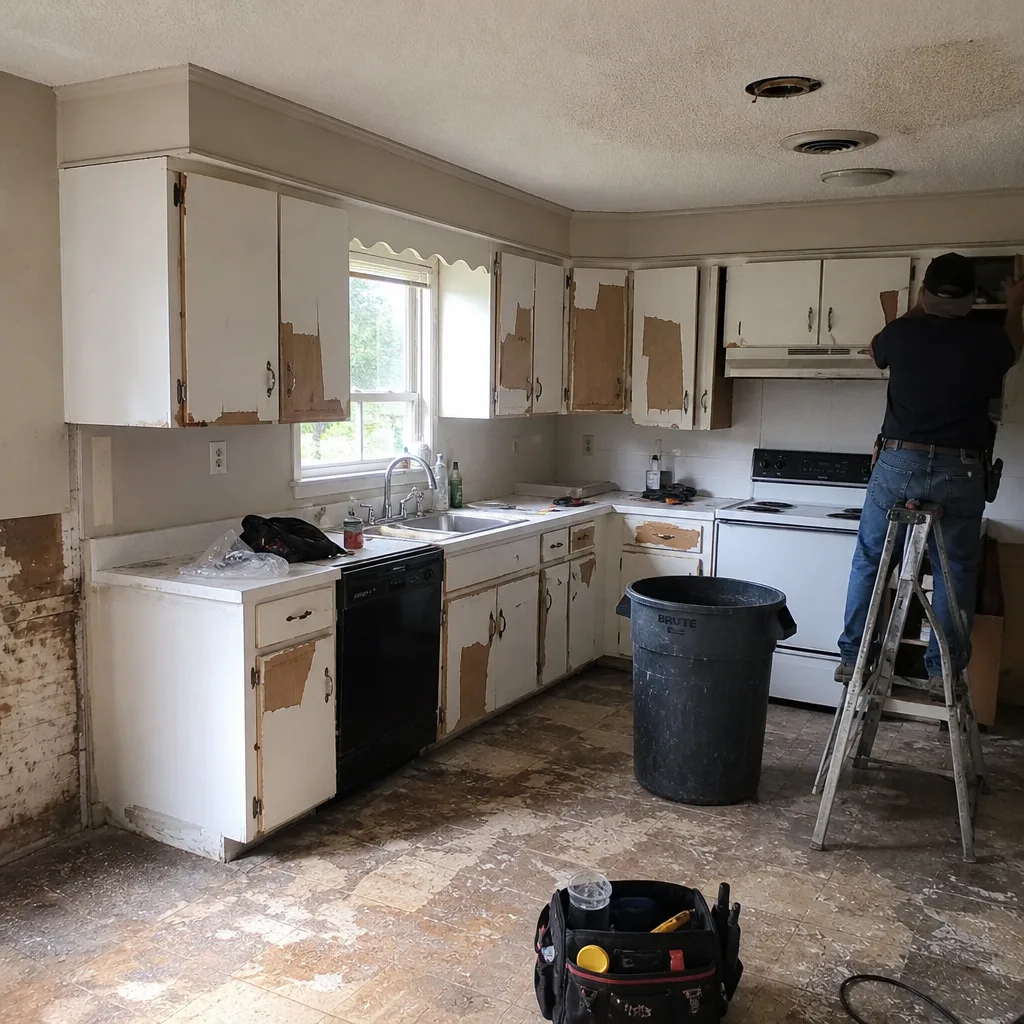 Before
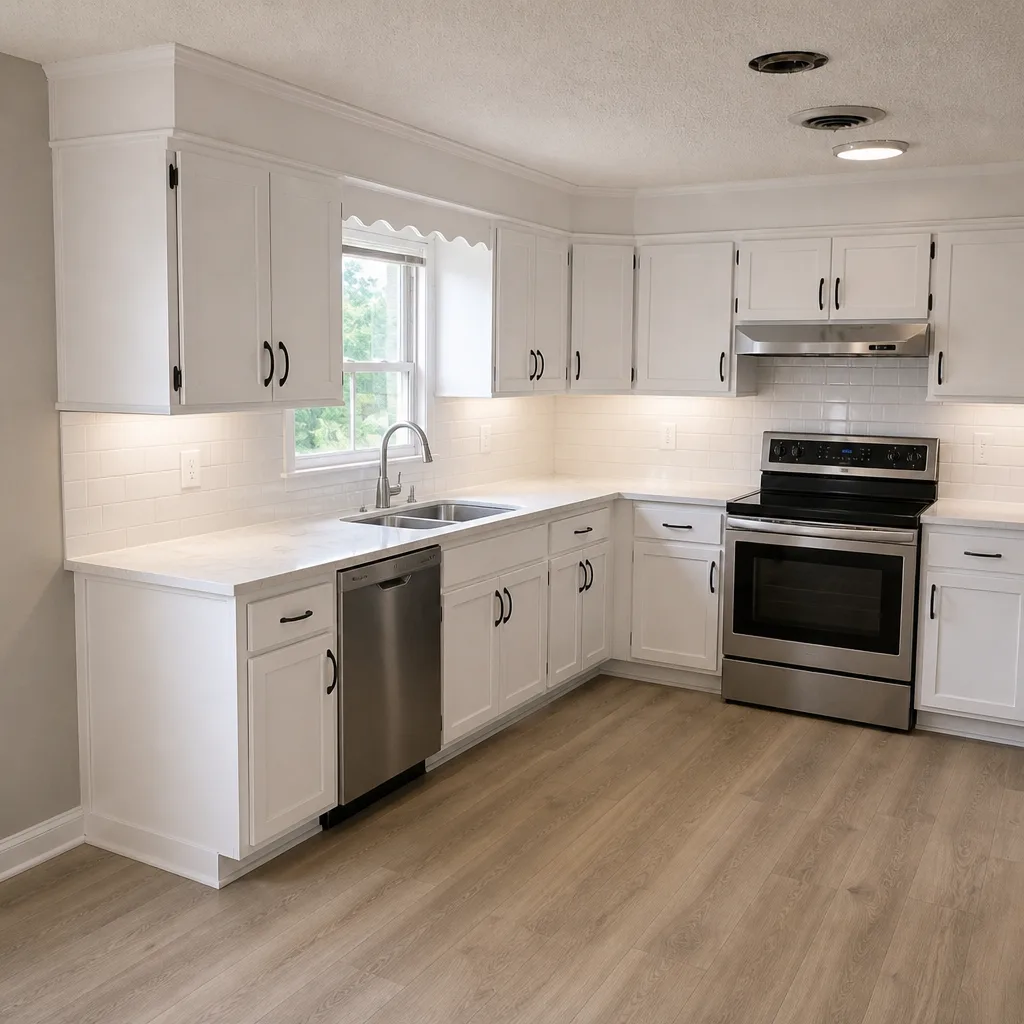 After
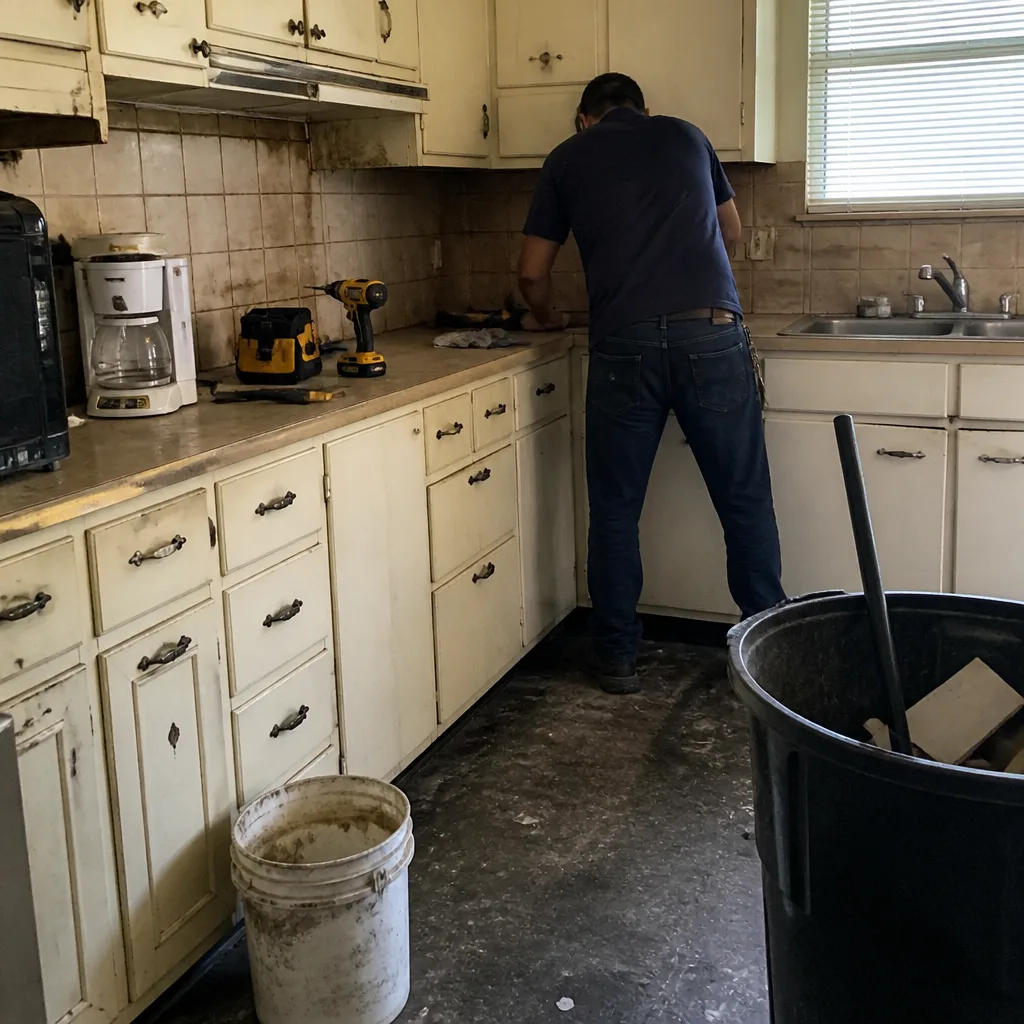 Before
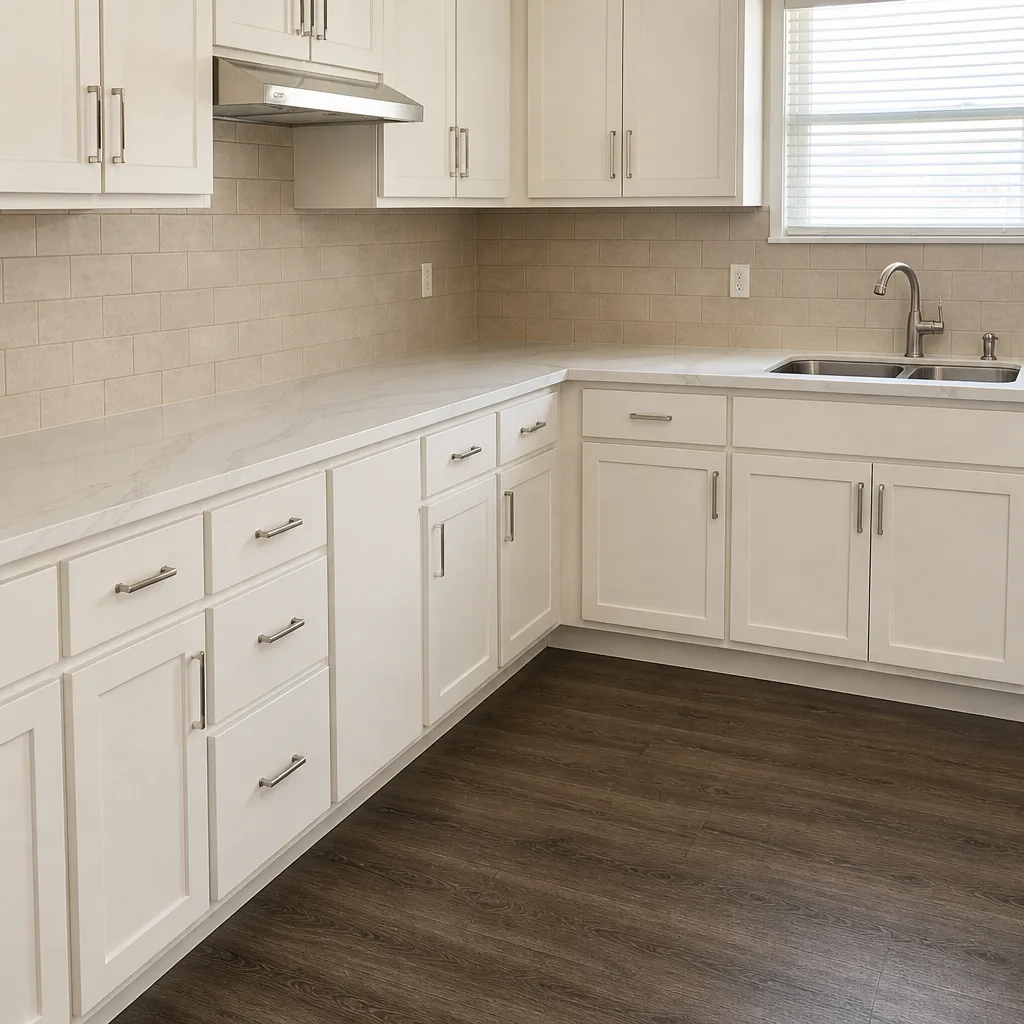 After
Signs You Need a New Roof in Allen, TX: What 1990s Builder-Grade Shingles Actually Do
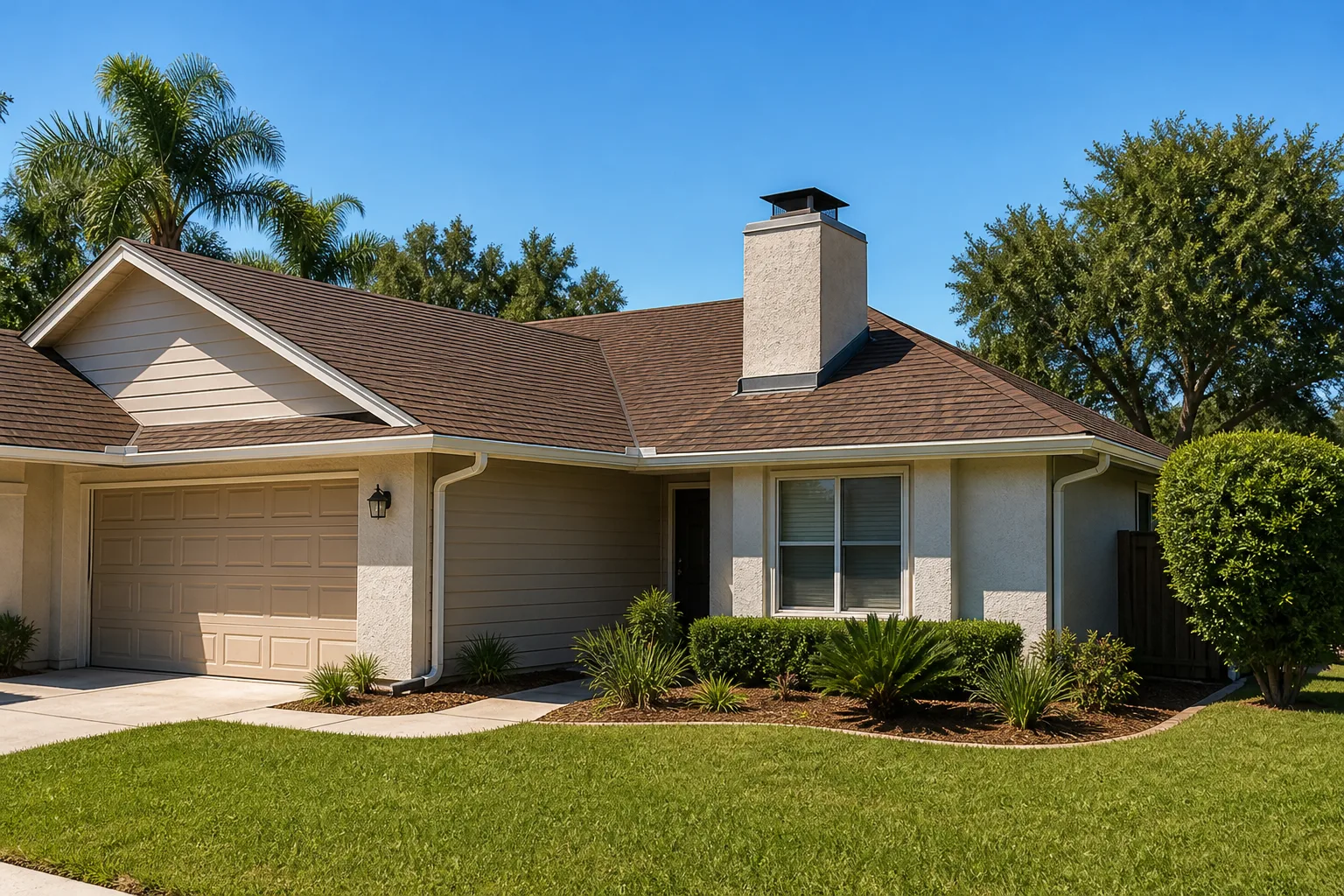
The clearest signs you need a new roof in Allen are heavy granule loss in the gutters after a hail event, blistering and cracking on sun-facing slopes, ridge-cap shingles splitting apart, and flashing pulling away where the roof meets brick. If your Allen roof went on between 1995 and 2008, these are the failure points that matter, and none of them show up on a quick look from the street. Here’s a checklist tuned to Allen’s actual housing stock.
Most “signs you need a new roof” lists were written for 50-year-old homes. Allen doesn’t have those. The city grew in a single wave through the 1990s and 2000s, so what sits on your house is builder-grade composition shingle, likely 20 to 30 years old. That shingle fails in its own pattern, and it fails quietly. If you want a straight assessment of where your roof stands, our line is answered by a real person 24/7 at (888) 343-9048.
Why Allen Roofs Fail Differently Than the Generic Checklists Describe
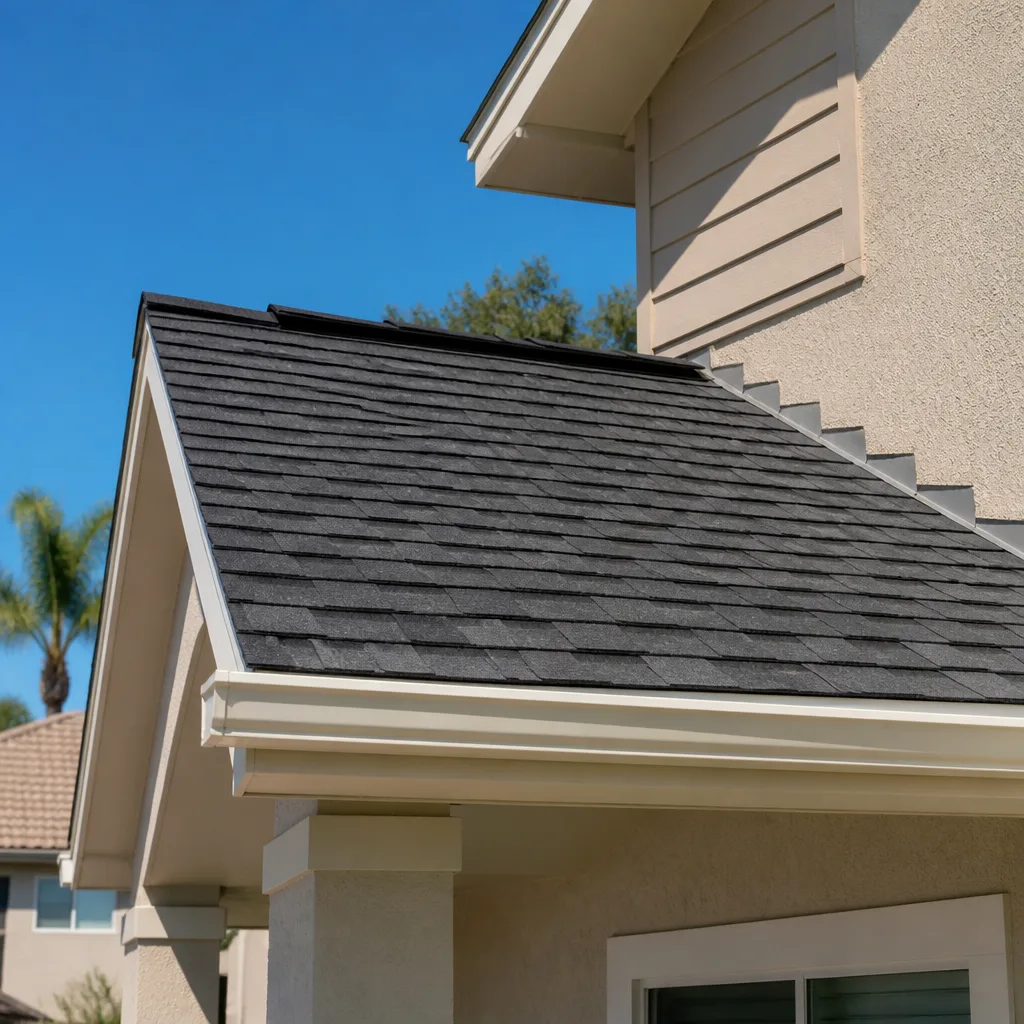
Three forces do the work on an Allen roof: repeated hail, summer UV cycling, and time on the original shingle. Hail doesn’t usually leak the first time it hits. It knocks granules loose and bruises the asphalt mat underneath. The mat then degrades over two or three more seasons before water finds a path. That lag is the part homeowners miss. The storm that really damaged your roof may have happened two years ago, and the leak showing up this spring is the bill for it.
UV heat cycling adds to it. North Texas summers push attic temperatures past 140°F, and every daily expansion and contraction cycle pulls at the shingle. On Allen’s brick-veneer two-story homes, the walls and the roof expand at different rates. That’s why flashing separation at the brick-to-shingle transition shows up here more than on wood-sided homes.
The Five Failure Signs That Matter on Allen’s 1990s Composition Roofs
Here’s what to actually look for. Several of these you can spot from the ground with binoculars. Others need a ladder or an attic light.
- Granule loss in the gutters after a storm. A handful of grit in the gutter after hail is normal. A visible sand-like layer in the bottom of your gutters in Watters Crossing or Twin Creeks means the shingle is shedding its protective surface fast.
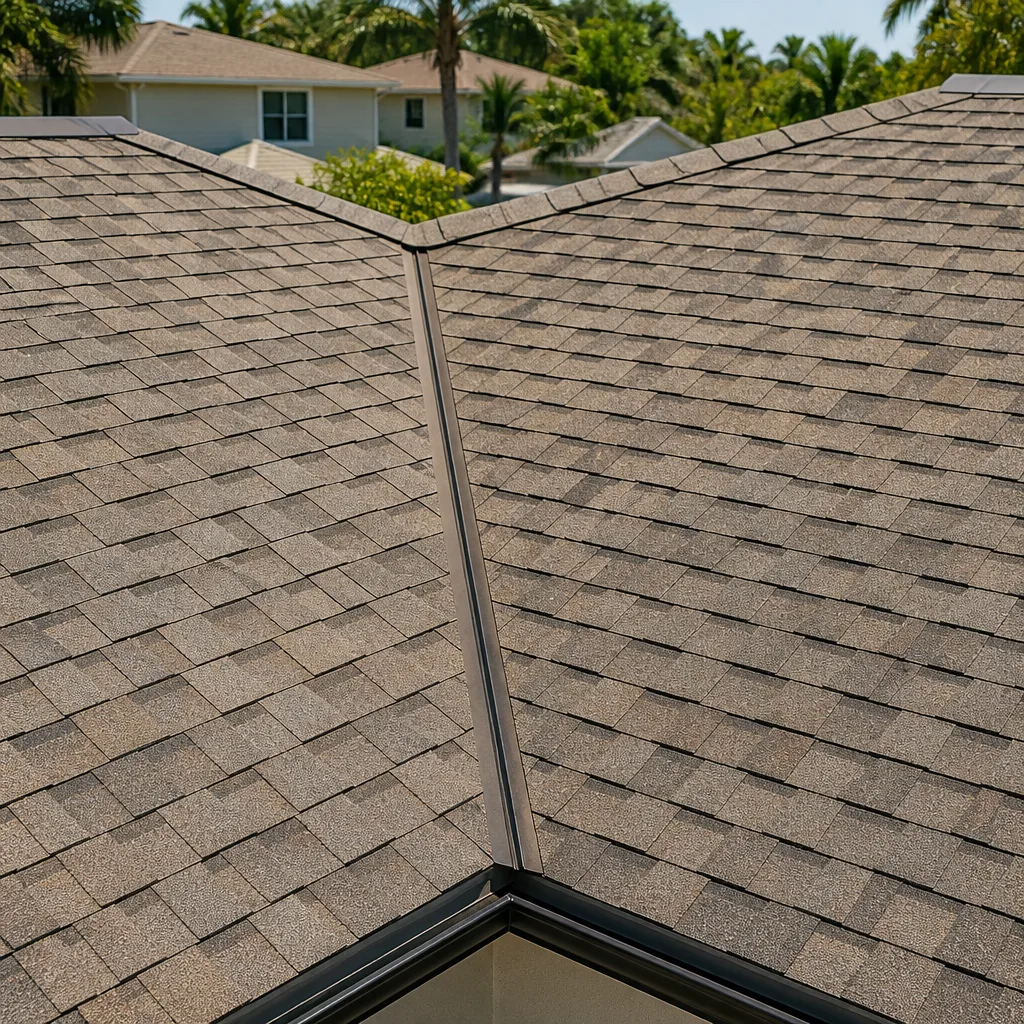
- Blistering on the south and west slopes. Look for small raised bumps where the asphalt is bubbling away from the mat. This is UV heat cycling, and it’s the most common thing we find on Allen roofs in the 20-year-plus range.
- Ridge-cap cracking. The cap shingles running the peak of your roof take the most direct sun. On Allen’s two-story homes they’re usually the first thing to split, and splits there let water straight into the ridge vent system.
- Flashing separation at brick-to-shingle. Check where the roof plane meets a brick chimney or wall. A gap, a lifted edge, or rust staining on the brick below means water is getting behind the flashing.
- Rafter darkening and moisture staining in the attic. More on this below, because it catches what the surface signs miss.
One local wrinkle worth knowing. Allen’s HOA subdivisions, including Watters Crossing, Twin Creeks and Bethany Ridge, often require architectural-review pre-approval for roof color before a city permit is issued. Crews from nearby towns skip that step and stall the project. It’s a good question to ask any roofer who knocks on your door.
How to Do a 10-Minute Attic Check Before the Surface Shows Anything
The attic tells you what the shingles won’t. Take a flashlight up on a dry afternoon and look for these, in this order. First, the ceiling deck above your ridge vent. Look for dark water rings or any staining – a ridge vent on a two-story Allen home is a common infiltration point. Second, the rafters around any gable window. Dark streaking on the wood means moisture has been moving through. Third, the underside of the roof deck along the brick chase where your chimney rises. Fourth, the tops of the exterior walls, where a stain will telegraph flashing failures before you see them from outside.
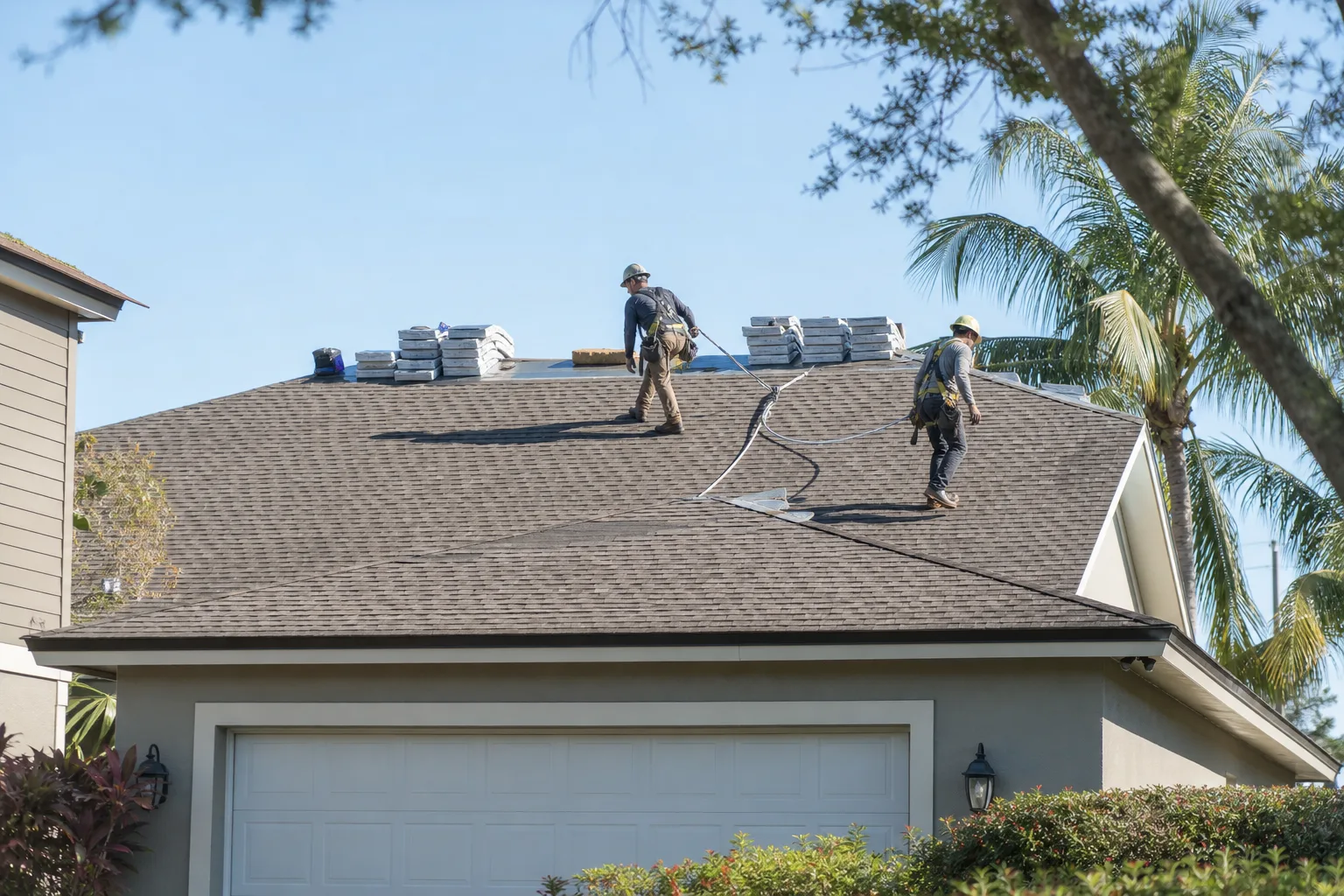
If any of that wood is dark, soft, or stained, it warrants a professional look. Don’t climb onto the roof to chase it. Roof work means heights and a steep pitch, and a fall from a two-story Allen home is a genuine hazard. That’s a trained technician’s job, not a homeowner’s.
Repair or Replace? The Age-Plus-Impact Formula
The question isn’t whether your roof looks bad. It’s whether the roof’s remaining life is worth the repair. Here’s how we think about it on Allen’s housing stock.
| Roof Situation | What It Usually Means | Typical Allen Cost |
|---|---|---|
| Under 15 years, isolated issue, one slope | Repair holds | $400-$1,800 |
| 15-20 years, granule loss but no leaks | Repair or plan the replacement | $400-$1,800 now, or $8,000-$20,000 |
| 20+ years, blistering plus any leak | Replacement is the honest call | $8,000-$20,000 |
| Any age, two hail events in three years | Full replacement likely | $8,000-$20,000 |
Full replacement on a typical Allen home runs $8,000-$20,000. A standalone repair is $400-$1,800. If you’ve got a roof over 20 years old with visible blistering and any active leak, the repair usually buys you a season or two, not peace of mind. That’s not an upsell pitch, it’s just what the math says. When it’s genuinely time to replace, the material matters. We work with GAF and Owens Corning shingles, which is what you want under a long workmanship warranty, and our 730-Day Done Right Promise covers every install we do – if it’s not done right, we make it right.
For a full breakdown of what replacement involves and how the work is scheduled, our Roofing service page covers the process from assessment to final cleanup. For a broader view of how we serve the city, see our Allen service area page and can answer scheduling questions there.
When a Storm Is Coming and You’re Not Sure You Have a Problem
This is where Allen’s spring hail cycles do their quiet work. A single storm can bruise a shingle without puncturing it. It takes two or three seasons of that stress before a leak surfaces. If you’ve had a significant hail event in the last few years and your roof is over 15 years old, it’s worth a documented inspection before the next one lands. We answer the phone 24/7 with a live person, so if you’re standing in the driveway looking at a stain, you can call and get a real answer on whether it’s an emergency visit or can wait for a scheduled inspection. You can also look at how a full residential home roof replacement fits into your overall plan.
FAQs About Allen Roofs
If your Allen roof is under 15 years old and the damage is isolated to one slope or a single flashing point, a repair usually holds. If it’s over 20 years old with blistering across multiple slopes, or if a leak follows a hail event, replacement is usually the honest answer. An inspection confirms it: $400-$1,800 is the repair range and $8,000-$20,000 is the replacement range on a typical Allen home. Call (888) 343-9048 for a free estimate before you commit to either.
Yes, if it’s over 15 years old or has seen a major hail event in the last three years. The failure signs that matter on Allen’s 1990s composition roofs – granule loss, blistering, ridge-cap cracking, flashing separation – often don’t show from street level until the deck underneath has already taken water. An attic check for rafter darkening catches it first. Call (888) 343-9048 and a live person can tell you whether what you’re seeing warrants a visit.
Often yes. Allen’s HOA-run subdivisions frequently require architectural-review pre-approval for roof color before a city permit is pulled. That step gets skipped by crews from outside the area, and it stalls the job. We check it before we start. Call (888) 343-9048 and we’ll confirm what your neighborhood requires.
Most Allen two-story replacements finish in one to two days, weather permitting. Summer heat and afternoon storms can shift the schedule, and blackland-clay soil under the home doesn’t affect the roof work directly, though it’s why we look at the whole exterior while we’re up there. Call (888) 343-9048 for a free estimate and a realistic timeline on your house.
Get a Straight Look at Your Roof
If you’d rather have it looked at than guess, Groundwork Construction Co. of Allen offers a no-pressure assessment in Allen – we check the surface, the attic, and the flashing together, not one in isolation. Call (888) 343-9048. Upfront pricing, no surprises, and our technicians have up to 12 years of experience.
Written by the team at Groundwork Construction Co. of Allen, serving Allen, TX.