



Free written scope consultation - allowances, timeline, and change-order rules on paper before a single trade is scheduled
Styles & brands we work with
- Kitchen remodeling
- Bathroom remodeling
- Home additions & ADU
- Roofing
- Windows & doors
- Driveway & pavers
- Fence
See the difference
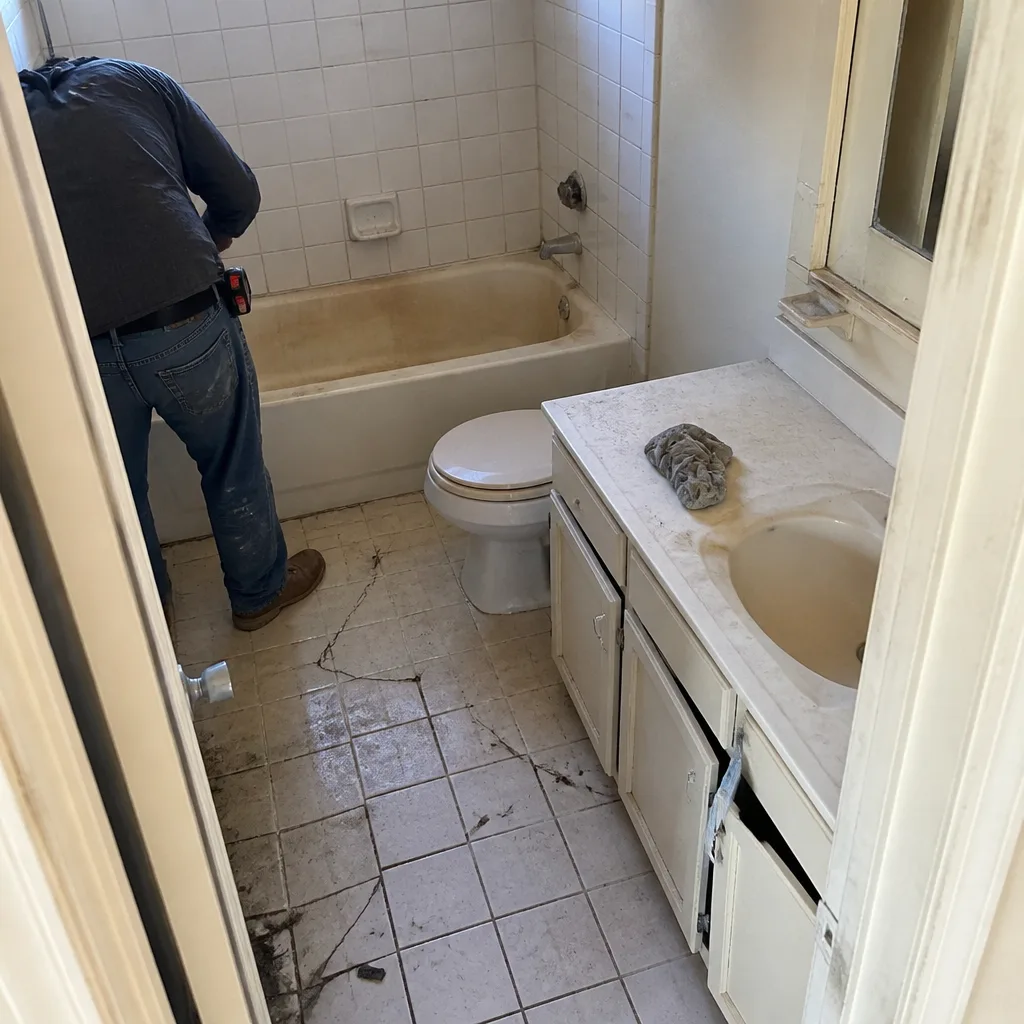 Before
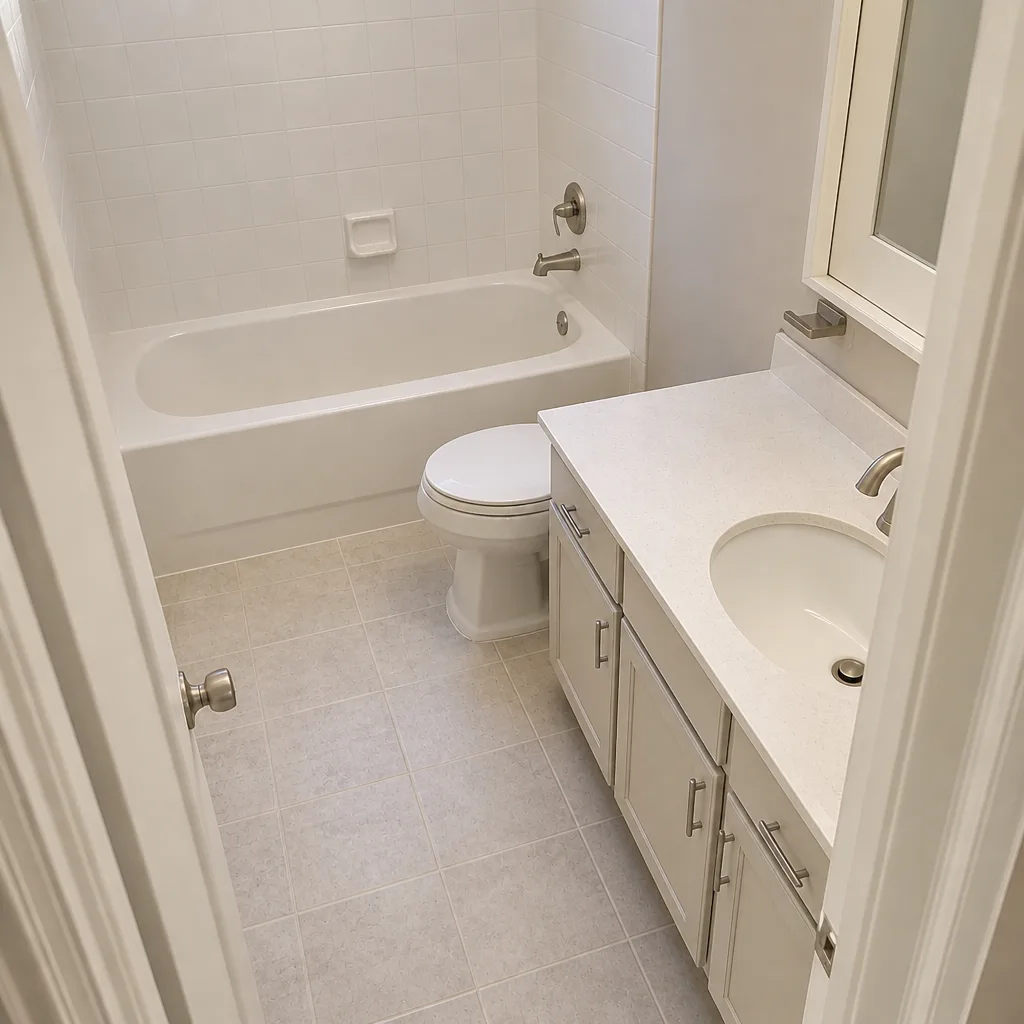 After
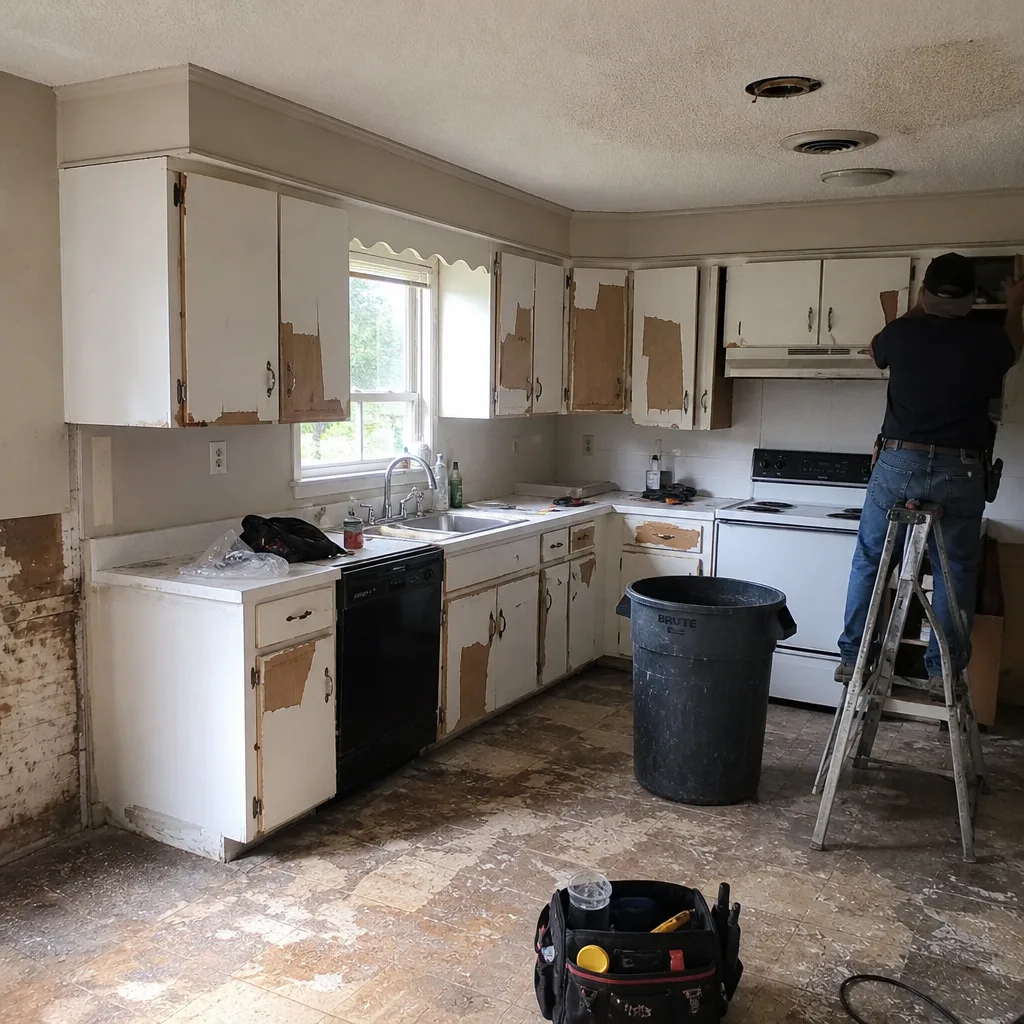 Before
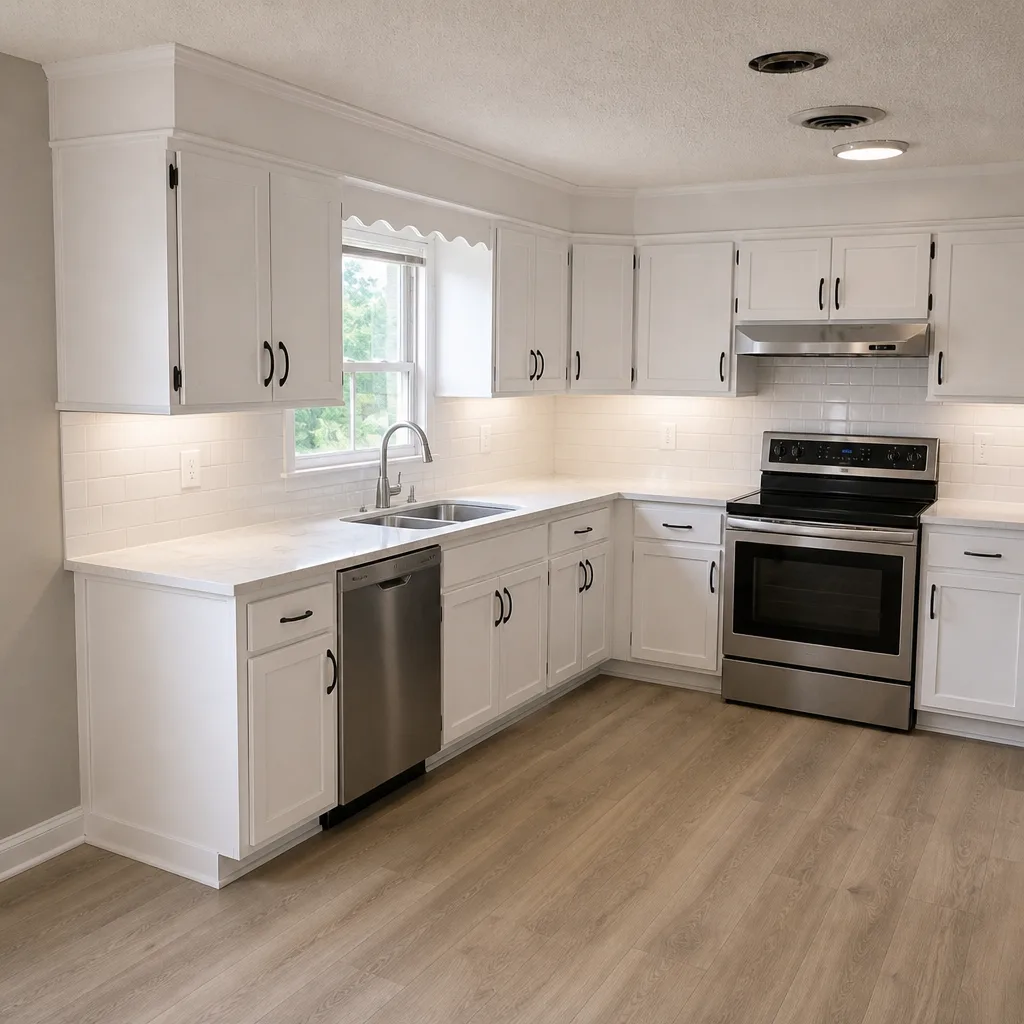 After
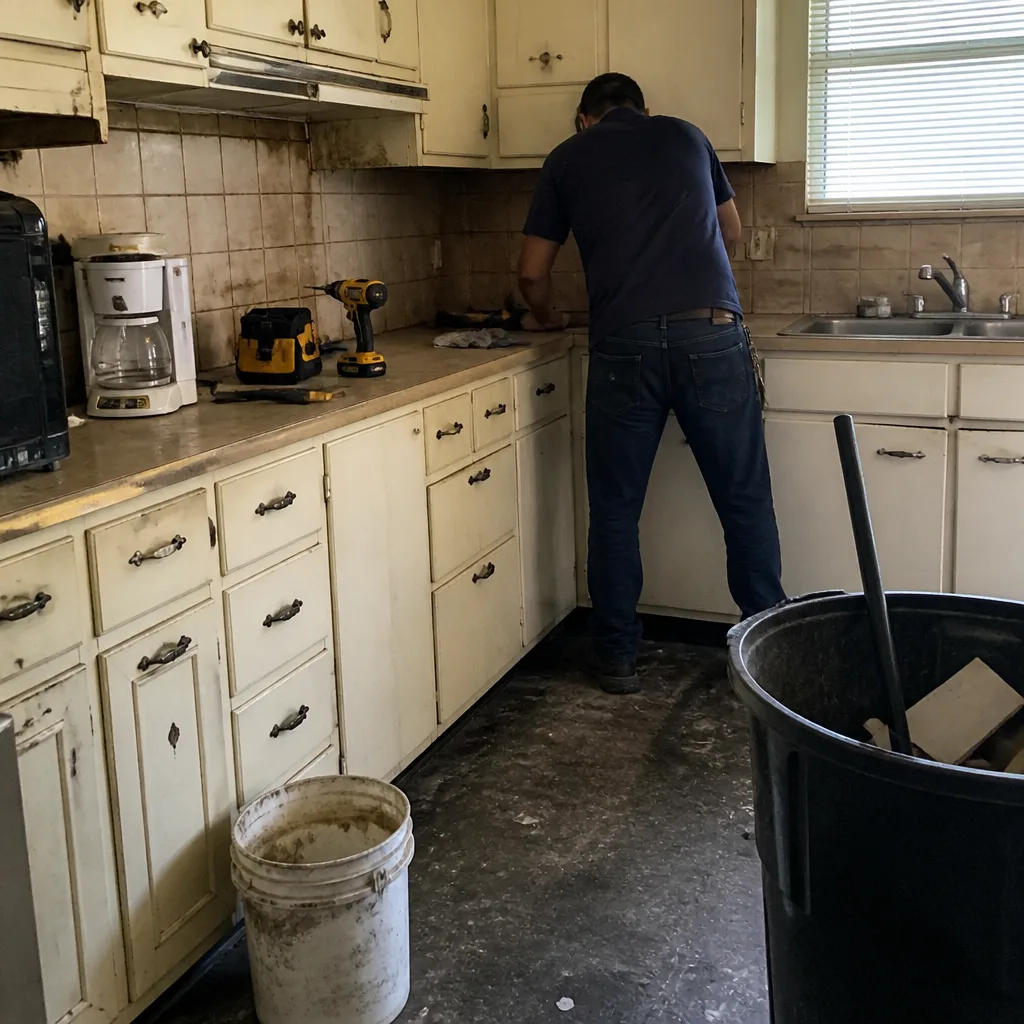 Before
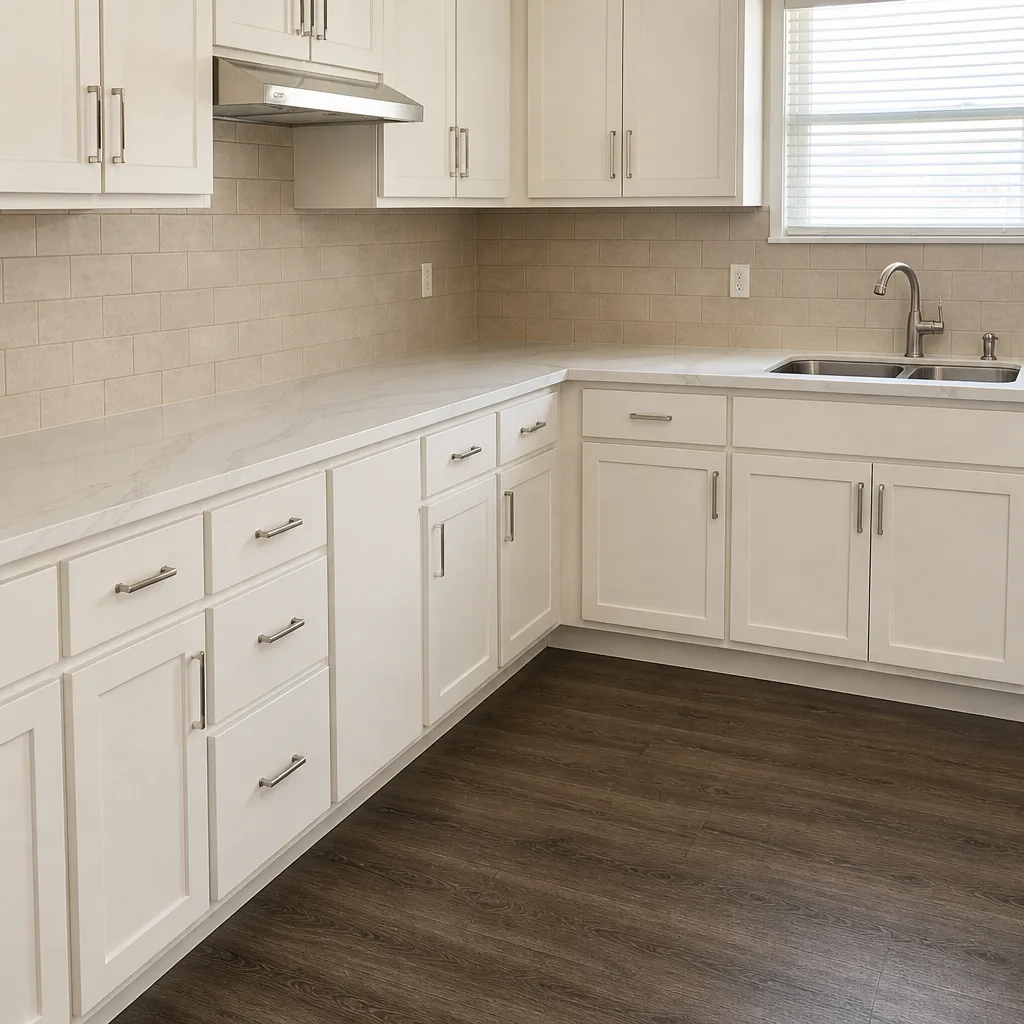 After
What Causes Roof Leaks in Allen, TX? The Aging Parts Nobody Warns You About
The most common cause of roof leaks in Allen, TX is a failed pipe boot: the neoprene collar around your plumbing vent pipes dries out and cracks after 15 to 20 years of Texas heat, and water seeps in quietly long before a stain shows up on your ceiling. Missing shingles, clogged gutters, and storm damage are real too, but they’re the leaks you can see coming. The ones that surprise Allen homeowners usually start with parts that were never built to last. If you’re already spotting a stain, call Groundwork Construction Co. of Allen at (888) 343-9048 for a no-hassle assessment.
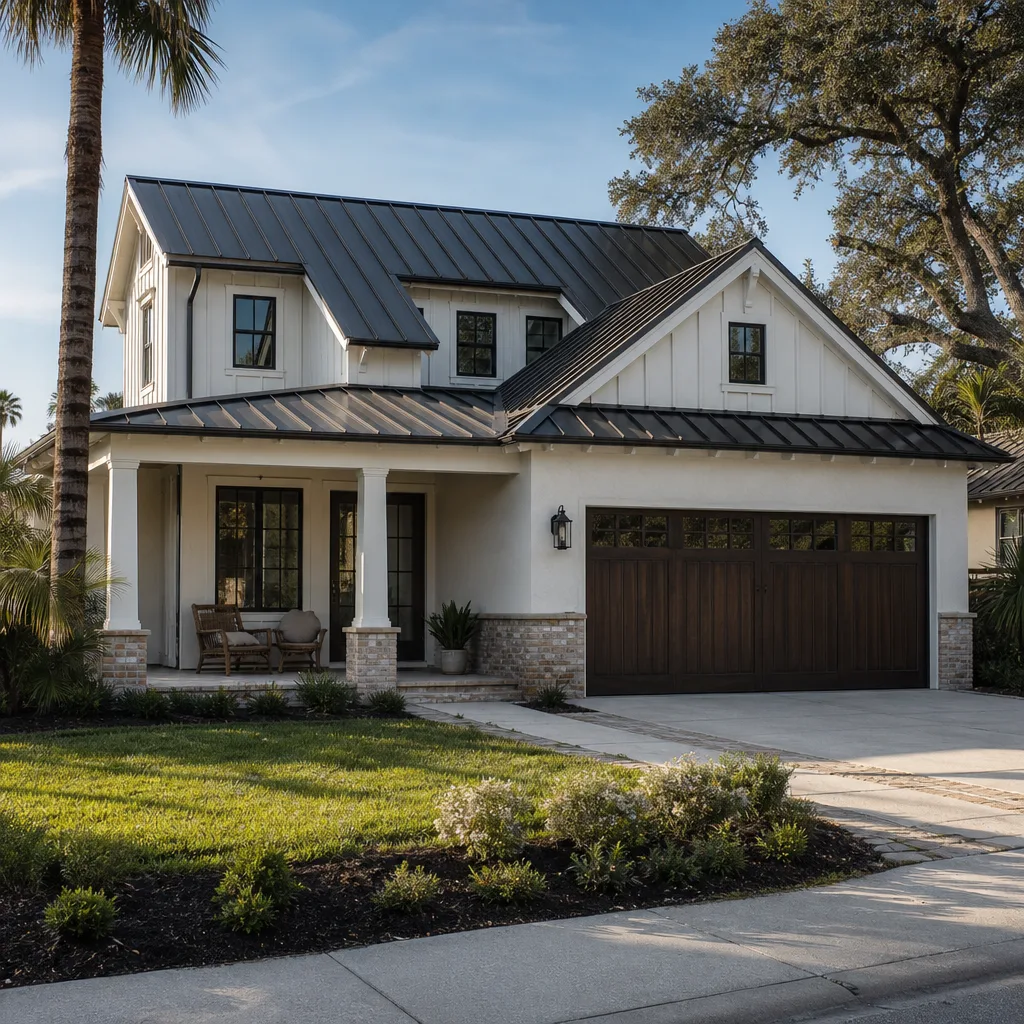
We’re Groundwork Construction Co. of Allen, and we’ve spent a lot of time on roofs across Allen that were put on during the 1990s and early 2000s build-out. That history matters here, because the failure patterns in this town are specific. Nearly all of Allen’s housing is builder-grade subdivision stock from that era: brick-veneer two-story traditional and Tudor-style homes on tight lots with composition shingle roofs. Those houses are now hitting the age when original systems and original roof details get replaced together. Knowing what was installed, and when, tells you where a leak is most likely living.
The Pipe Boot Timeline: Why Allen’s Leaks Start Small and Quiet
Every roof in Allen has a handful of plumbing vent pipes poking through it, each sealed with a rubber boot. On homes built before 2002, that boot is neoprene, and the material has a thermal-cycle lifespan of roughly 15 to 20 years in North Texas. Blackland-clay summers push attic temperatures high, and each hot day then cool night expands and contracts that rubber. If your subdivision went up in 1997, that collar has been baking for over two decades. It probably doesn’t look torn, but it’s stiff, cracked at the base, and no longer sealing tightly against the pipe.
This is the leak mode that fools people. Storm damage shows up fast. A failed boot seeps. You’ll smell it in the attic, or notice a subtle discoloration on a ceiling corner, well before you see a drip. Left alone, water runs down the pipe, wicks into the decking, and rots the sheathing around the penetration. Replacing that boot usually runs $150 to $300. Replacing the decking it damages if you wait can climb toward $4,000. That gap is worth knowing about before spring storms arrive.
- Check the age, not just the condition. A stiff, chalky boot on a 1990s home is a candidate for replacement even if it looks intact.
- Look at the sides of the pipe boot, not the top. That’s where the neoprene cracks first.
- Trace attic stains upward. Water travels along framing, so a ceiling stain rarely sits directly under the entry point.
- Watch for the smell before the stain. Many Allen homeowners catch a failing boot by attic odor first.
Flashing Failure Where Brick Chimneys Meet the Roof
Allen’s traditional and Tudor-style homes often have a masonry chimney, and that’s where a large share of the town’s stubborn leaks originate. Chimneys are sealed with counter-flashing tucked into a mortar joint, plus step flashing along the roof slope. Over 25 years, sun and seasonal movement dry and crack the mortar around that joint. The counter-flashing pulls slightly loose, and now you have a channel that lets water bypass the step flashing entirely. Rain runs straight down the brick and into the attic along the chimney, not through the shingles at all.
Homeowners often have their chimney caulked repeatedly, and the leak comes back every season. The fix is at the flashing-to-masonry joint, not the surface. Diagnosing this properly means getting up close, pulling back the shingles at the base of the chimney, and confirming what the flashing is actually doing. That’s part of why we document every flashing joint we touch, not just the shingle field. Premium caps and flashing materials, including Boral chimney components, are part of the material selection on jobs like this.
Why Allen’s Low-Slope Porch Sections Leak Differently
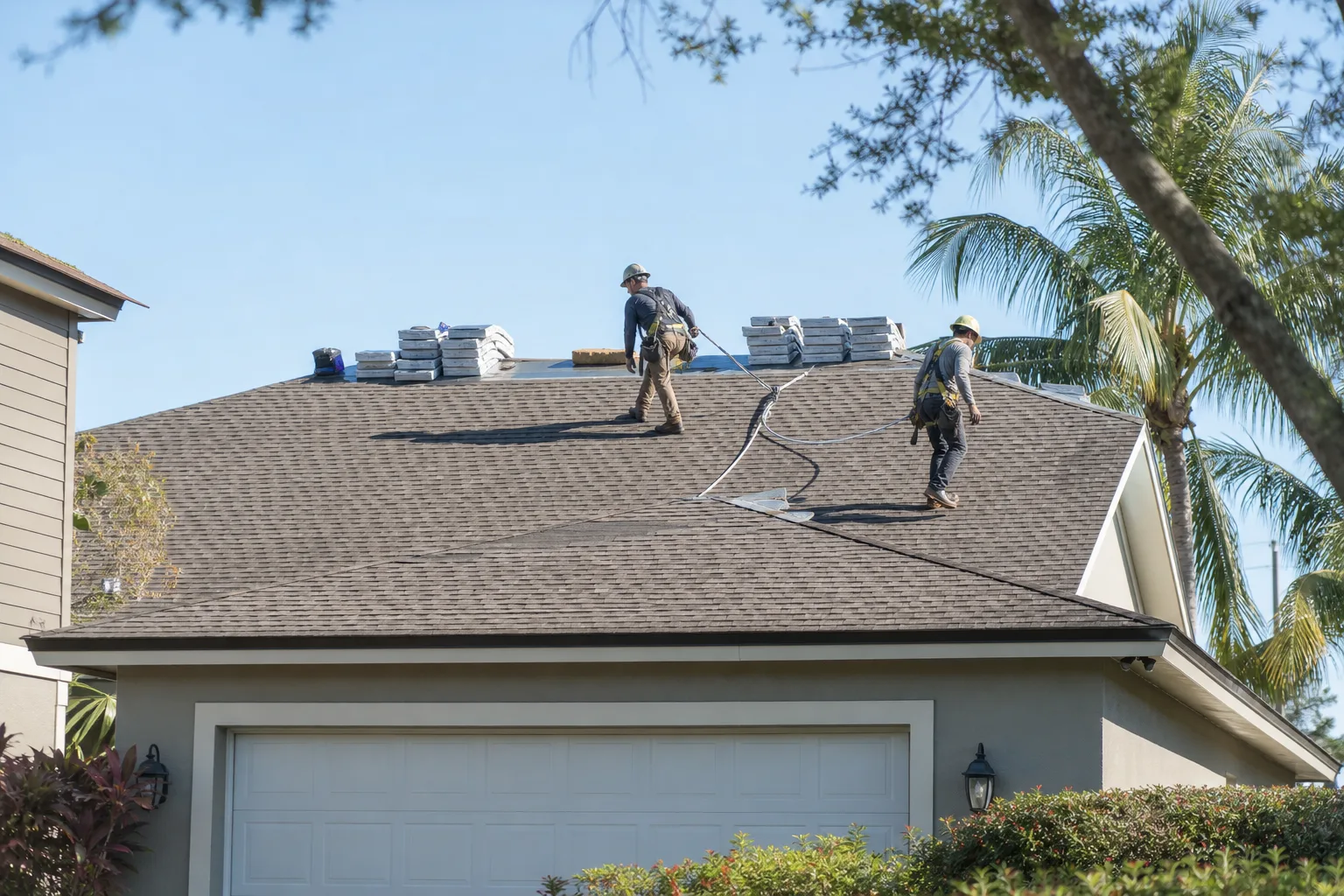
The flat or low-slope porch section on many Allen homes is a different animal from the main roofline, and standard shingle contractors sometimes don’t have the gear to solve it. Those sections usually carry modified bitumen or rolled roofing. If pitch is a little shallow and drainage is slow, water stands on the surface after every heavy Collin County storm. Standing water plus aged membrane means seam separation, blisters, and slow pinhole leaks that soak the decking under your porch ceiling. The repair can’t rely on the same approach that works on a 6/12 shingle slope. It has to start with the pitch and the drainage, then move to the membrane.
Open Valley Flashing on Complex 1990s Rooflines
Rooflines built during Allen’s growth wave frequently use open metal valleys, where a strip of metal runs down the crease between two roof planes and the shingles butt against it. Those exposed metal edges corrode. Once the edge lifts or rusts through, water slides under the shingle butt and into the valley, then under the field. You can’t see it from the ground, and it’s invisible until the decking is already wet. A ladder inspection that only checks for missing shingles misses this completely. The valley needs to be looked at directly.
How We Inspect and Document a Leak
A proper roof inspection isn’t a glance from the driveway. It’s a documented walk-through of every penetration, valley, flashing joint, and low-slope section, with photos that show what was found and why it’s a problem. Our technicians have up to 12 years of experience, and every one is background-checked and arrives in uniform. When we quote a repair, the price is upfront and it doesn’t move after the job starts. That transparency is the baseline, not an upsell.
Repair ranges across Allen stay fairly consistent with roof repair at $400 to $1,800, and full replacement at $8,000 to $20,000 when the damage goes past a single penetration. You’ll see the numbers before any work begins. And the fix is backed in writing: the 730-Day Done Right Promise covers the whole roof system we work on, not only the shingles swapped on the day of the visit. If a future leak traces back to our work, we make it right. For more on how we approach Roofing as a full system, that’s where the detail lives.
A few notes on local conditions worth knowing. The subdivision homes around Watters Crossing, Twin Creeks, and Bethany Ridge sit on expansive clay that shifts with the seasons, and that movement stresses roof-to-wall connections over time. HOA architectural review often applies to roof color even on repair work, so confirm your HOA’s step before scheduling a replacement. Hail-prone springs and hot summers compress the local roof-repair window, which is why getting an assessment early in the season is worth the call.
FAQs
Pipe boot failure is the most common cause of roof leaks in Allen homes built in the 1990s and early 2000s, because the original neoprene collars around vent pipes have reached or passed their 15-to-20 year lifespan in North Texas heat. Flashing at brick chimneys is a close second. If you’re not sure which one is causing your leak, call (888) 343-9048 for an inspection that answers the question instead of guessing.
Roof leak repair in Allen typically runs $400 to $1,800 for a single-penetration fix, and a pipe boot replacement alone is usually $150 to $300. The larger figure applies when the leak has already soaked decking or damaged flashing at a chimney. Call (888) 343-9048 for an upfront number after we’ve seen the roof, and estimates are free.
Same-day repair is often possible for straightforward leaks like a failed pipe boot or a lifted flashing edge, especially during an active storm season. Complex flashing or valley failures may need a follow-up once we’ve documented the full issue. We answer calls live 24/7, so when a leak is active, call (888) 343-9048 and we’ll tell you what’s realistic for your roof.
Repair is almost always cheaper in the short term, and it’s the right call when the leak traces to one penetration or joint on a roof with years of shingle life left. Replacement starts making sense when multiple failures stack up or the decking is failing broadly. A documented inspection tells you which side of that line you’re on. Call (888) 343-9048 for a free estimate and a straight answer.
Talk to Someone Who Can Actually Answer
If you’d rather have it looked at, Groundwork Construction Co. of Allen offers a no-pressure assessment across Allen, from the Southfork porch sections to the brick chimneys off Bethany. We’ll document what we find, show you the pricing before anyone climbs down, and back the work with the 730-Day Done Right Promise. Call (888) 343-9048 for a free estimate.
Written by the team at Groundwork Construction Co. of Allen, serving Allen, TX.