Free written scope consultation - allowances, timeline, and change-order rules on paper before a single trade is scheduled
ADU Site Prep & Utilities in Rowlett, TX: What It Costs and How Long It Takes
ADU site prep & utilities in Rowlett, TX typically runs $45,000 – $130,000 and takes 4 – 8 weeks before a single wall goes up, covering grading, slab or pier work, and running water, sewer, gas, and electrical from the main house to the new unit. The number lands where it does because of trench depth, tie-in distance, and what the city wants to see on the survey. Call (888) 343-9048 for a free on-site estimate.
How we run ADU site prep and utility work, stage by stage
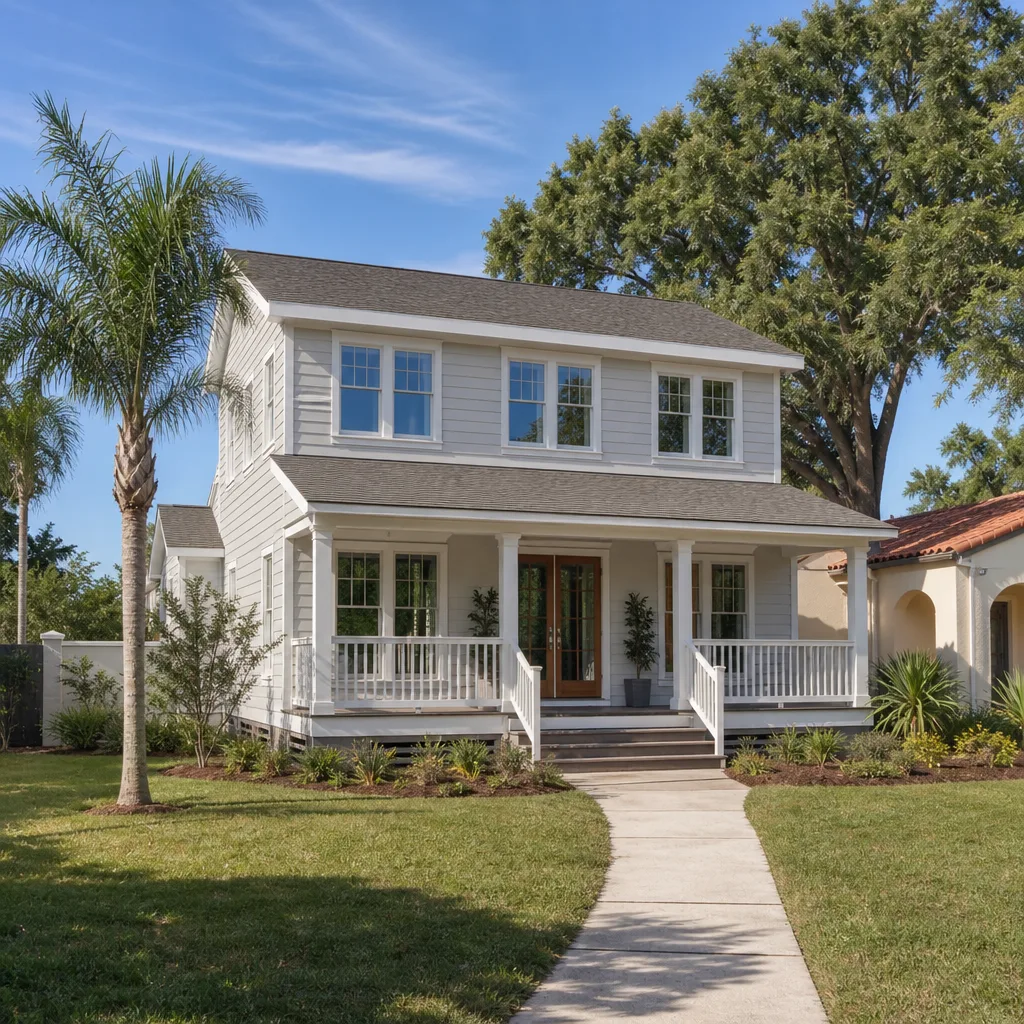
This is the unglamorous phase of an ADU, and it’s the one that decides whether the rest of the build goes smoothly. Here’s the actual order we work in.
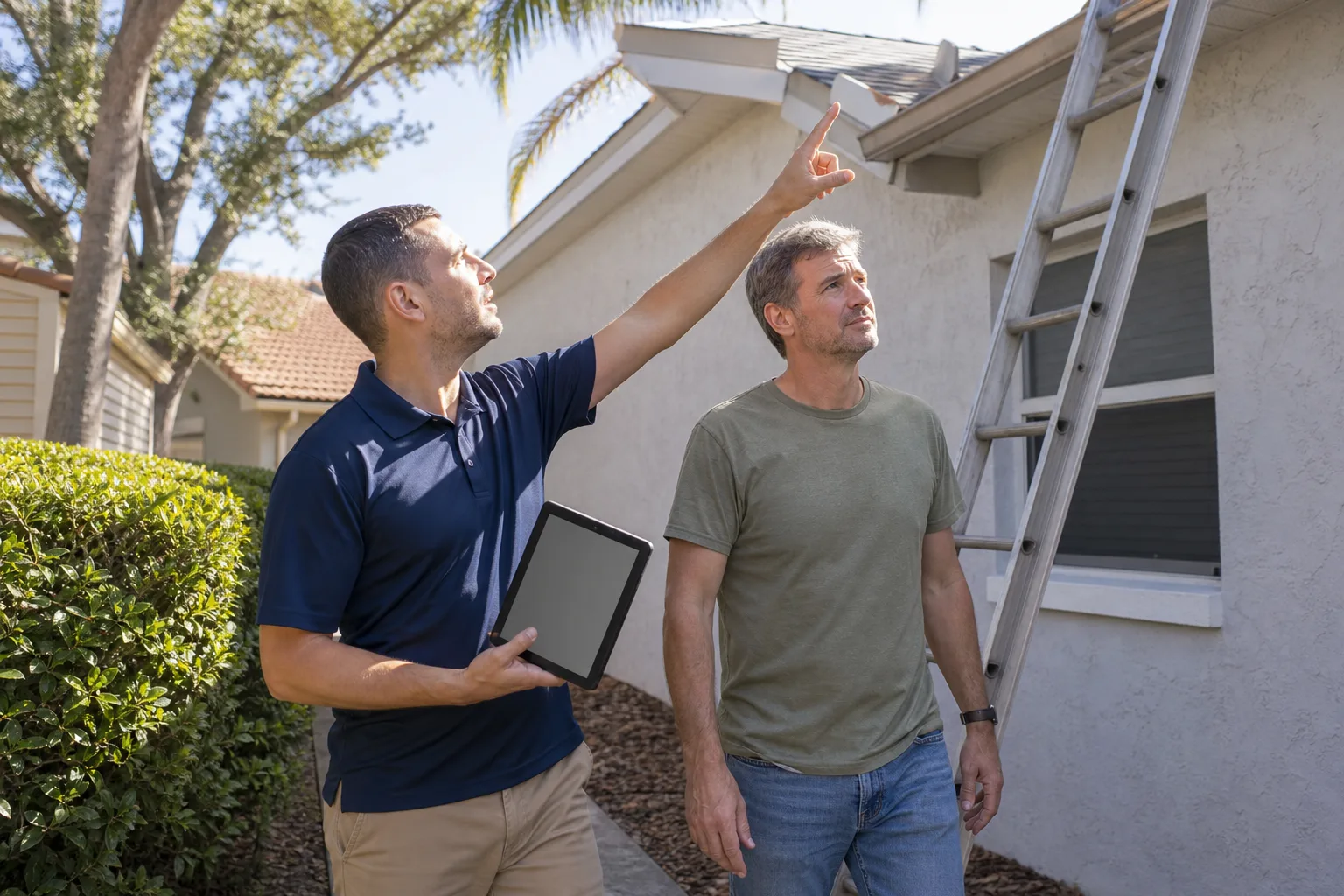
Stage 1: Stake-out, utility locate, and site survey (days 1 – 3). We walk the lot with the platted survey, call in the 811 locate, and mark the build envelope, setback lines, and the route utility trenches will take. You decide the unit’s final position on the lot at this point, because moving it later means re-running everything. On lake-adjacent lots in the 75088 and 75089 ZIP codes, this is also where floodplain elevation and shoreline setback get confirmed against the survey before anything gets dug.
Stage 2: Demolition and grading (days 3 – 8). Old fence lines, patios, walkways, and any tree work come out first, then the site is graded to drain away from both the new unit and the existing house. On North Texas clay, we over-excavate and recompact the pad rather than trusting what’s already there, because shrink-swell movement under a new slab is a repair nobody wants to fund twice. You’ll pick the finished pad elevation relative to the main house here, which affects step-down, drainage, and how the patio ties in later.
Stage 3: Utility trenching and rough-in (days 8 – 20). Water, sanitary sewer, gas, and electrical get trenched from the meter and main panel out to the site. Sewer is the one that runs the clock: it needs fall, it needs a cleanout, and it needs to tie into the existing lateral at the right depth. If the main house has an undersized panel, the electrical upgrade happens now, not later. You decide whether the unit gets its own meter (simpler billing separation, higher upfront cost) or stays sub-metered off the house.
Stage 4: Foundation and slab (days 20 – 35). Post-tension or rebar slab, pier-and-beam, or a stem-wall crawlspace, depending on the unit type and soil report. We set plumbing sleeves and electrical conduit in the pour so nothing gets cored out afterward. You confirm flooring heights and which interior wall will carry the panel.
Stage 5: Inspections and backfill/restoration (days 35 – 56). The City of Rowlett inspects the underground plumbing, the electrical rough, and the final grading before trenches are closed. Then we backfill, compact, and restore what we disturbed: sod, fence panel, driveway edge. If the driveway takes the trench route, homeowners often pair this with Concrete Driveways & Concrete Work in Rowlett so the apron gets replaced once, correctly, instead of patched twice.
Styles & brands we work with
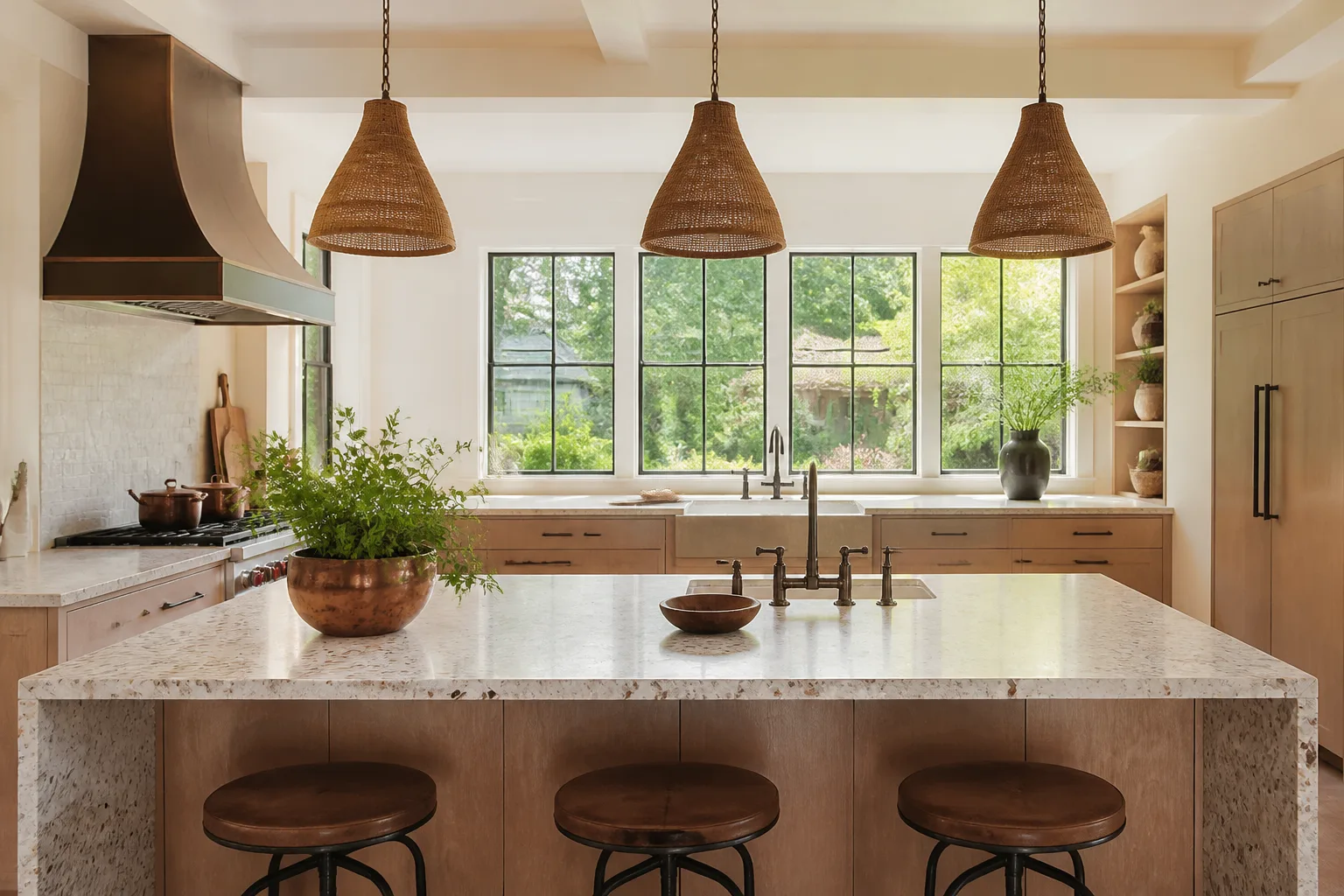
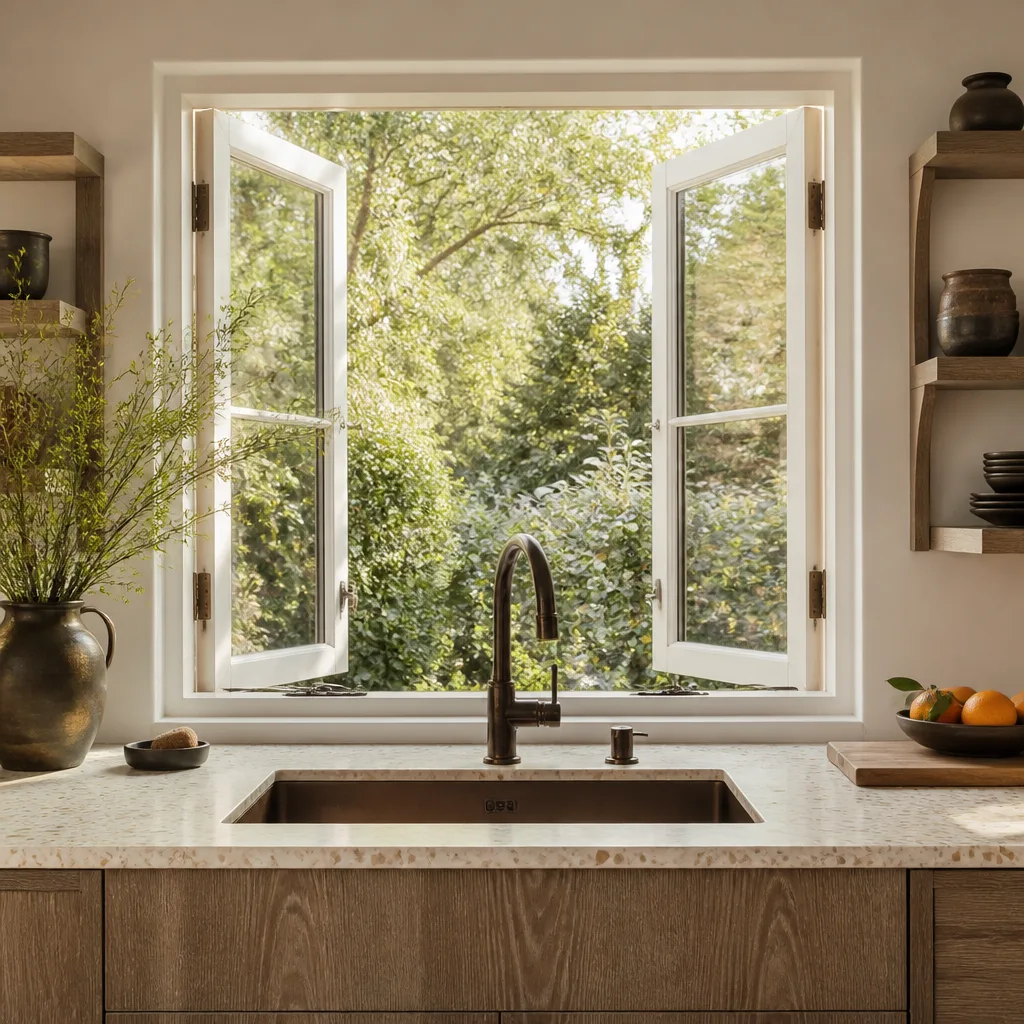
- Kitchen remodeling
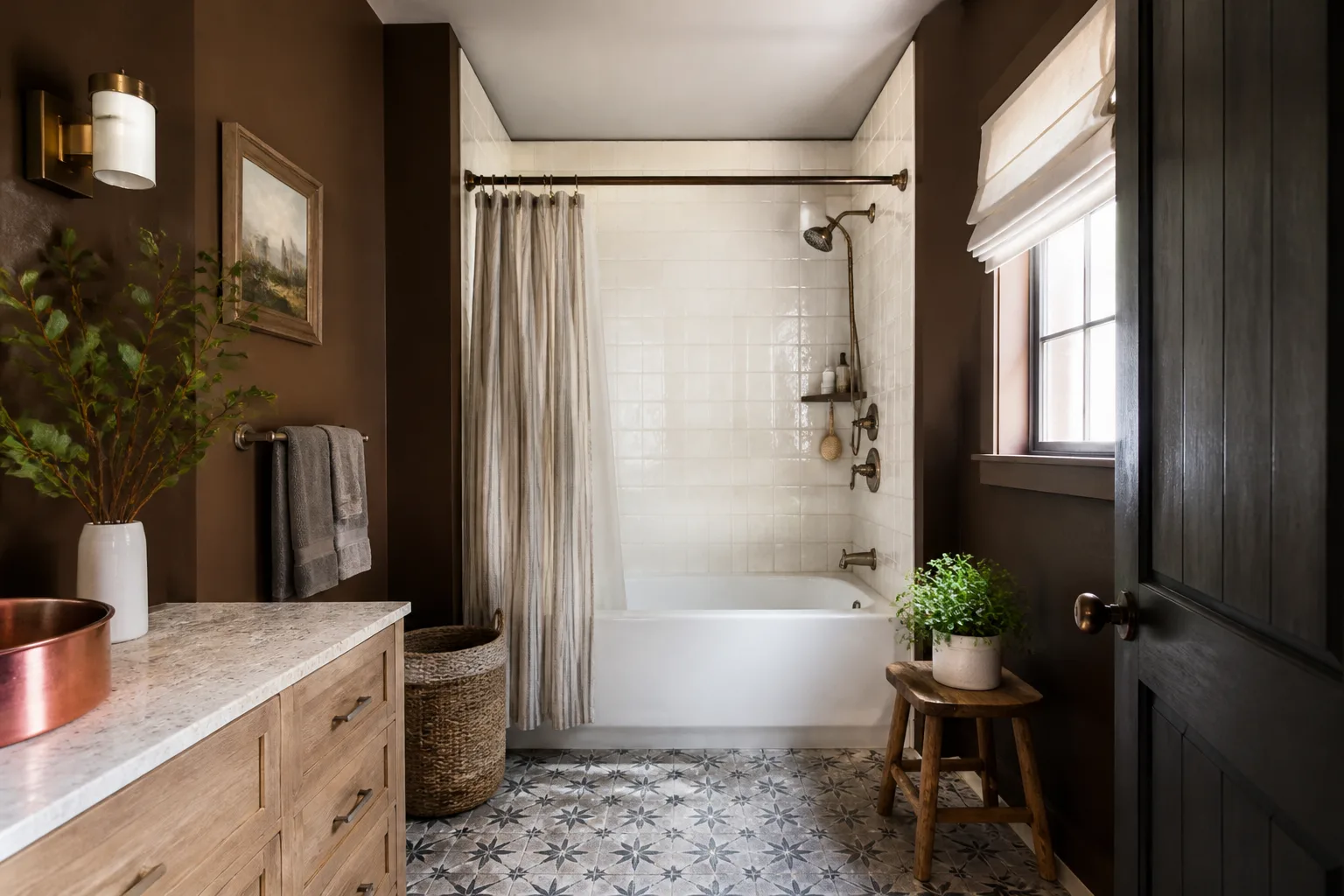
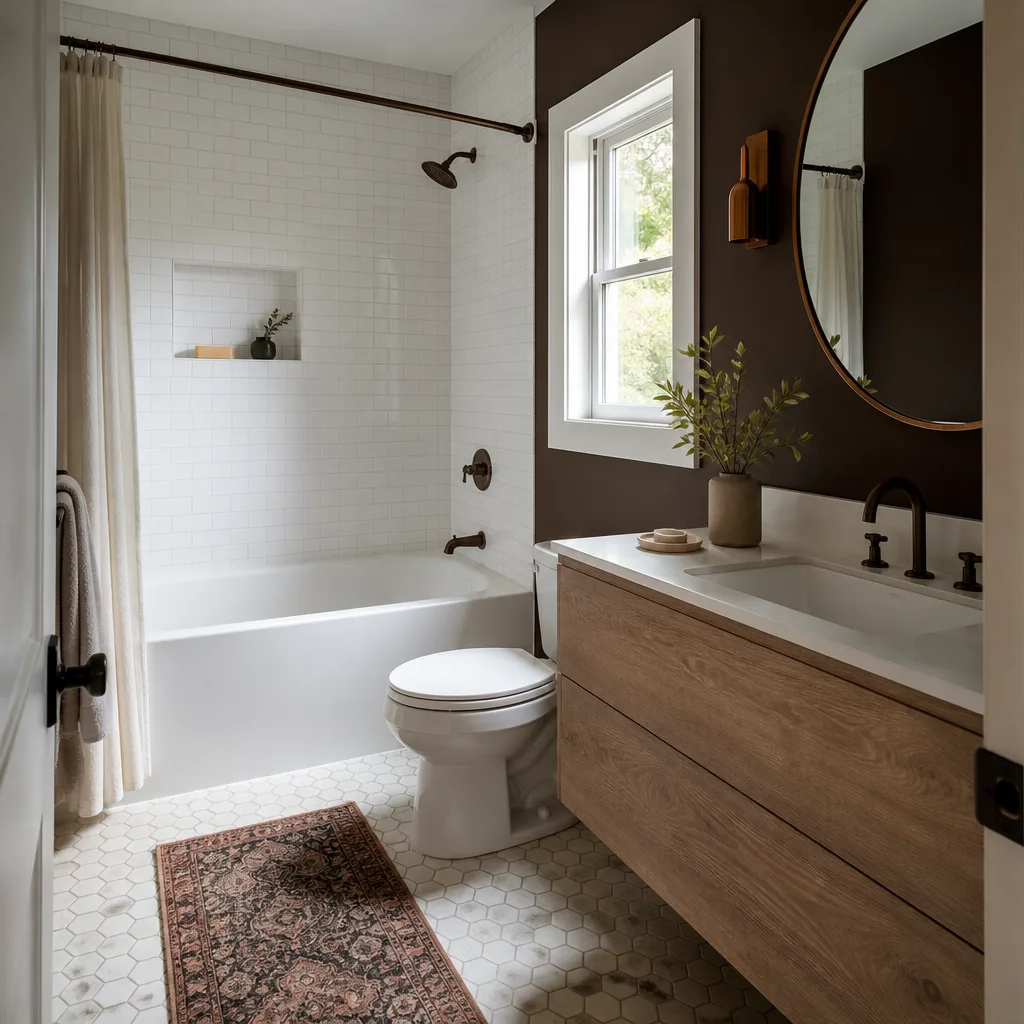
- Bathroom remodeling
- Home additions & ADU
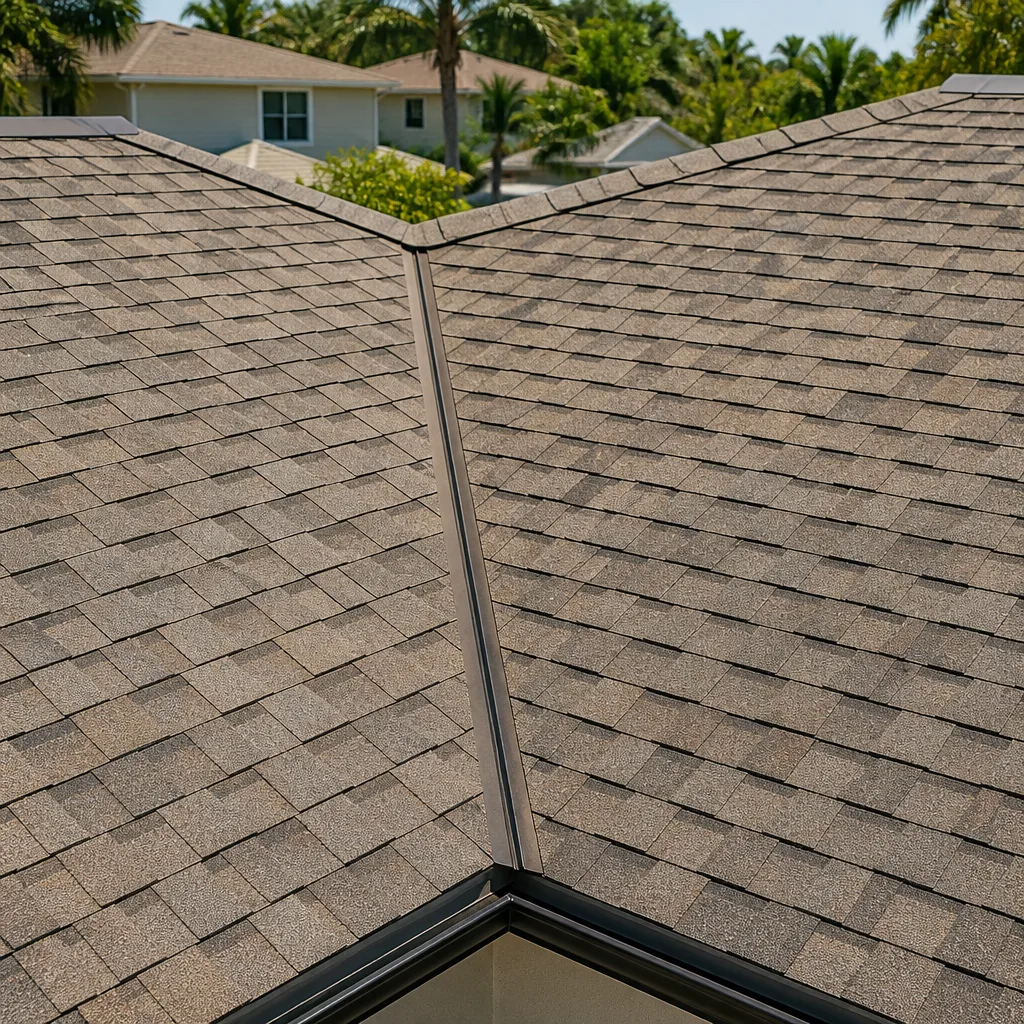
- Roofing
- Windows & doors
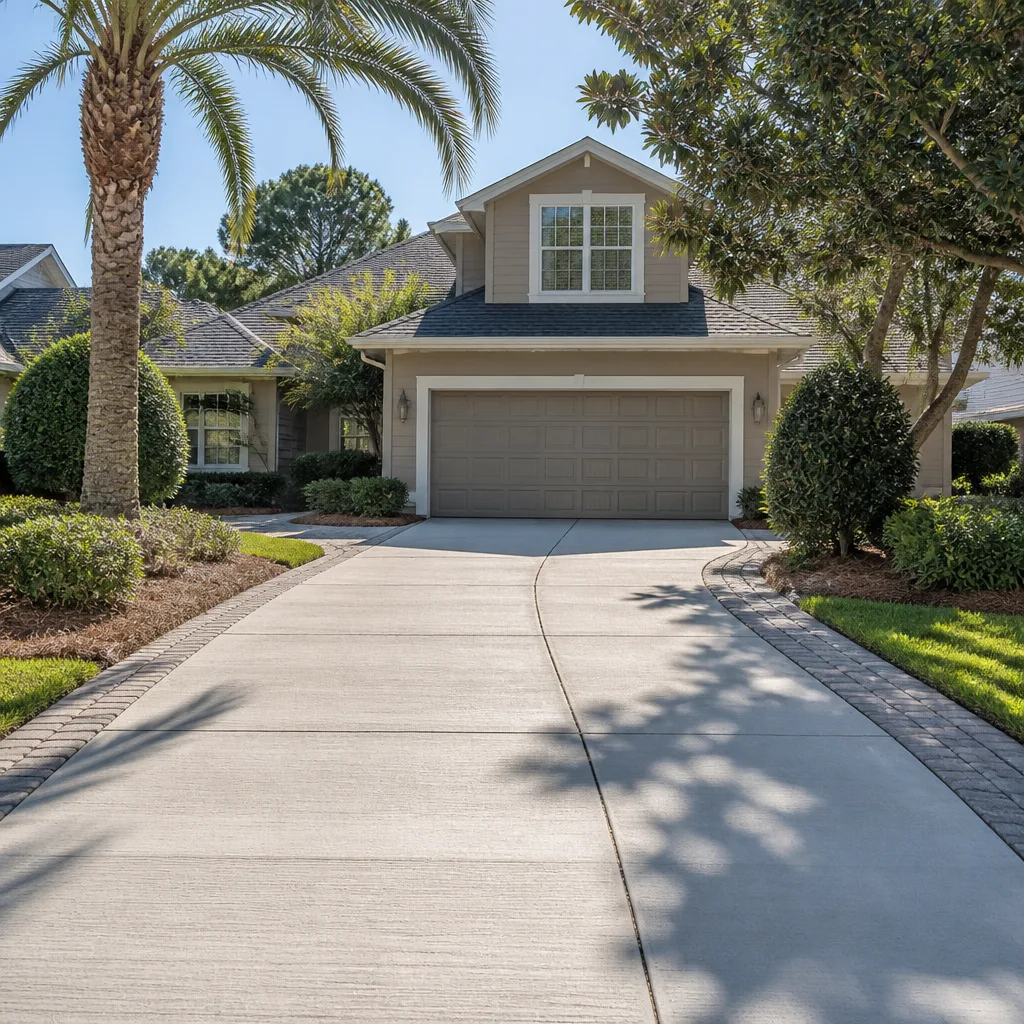
- Driveway & pavers
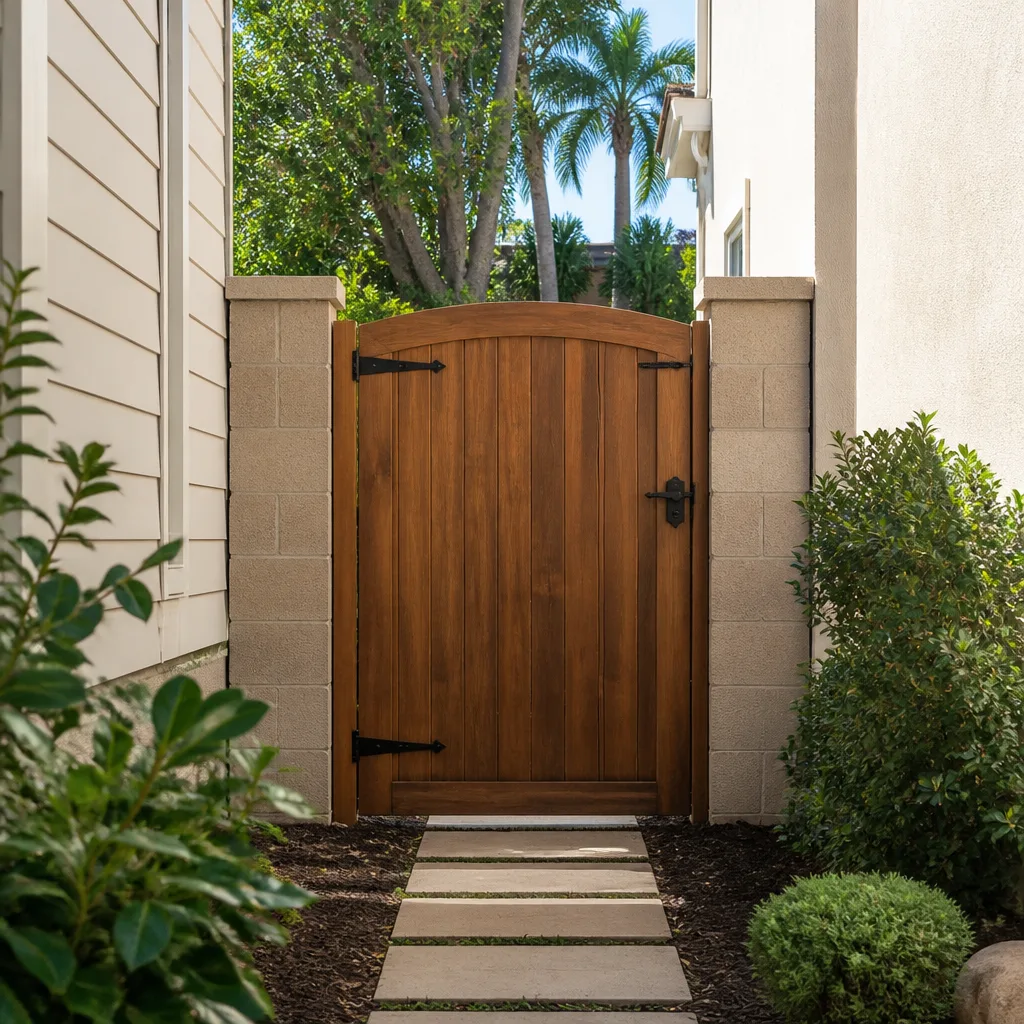
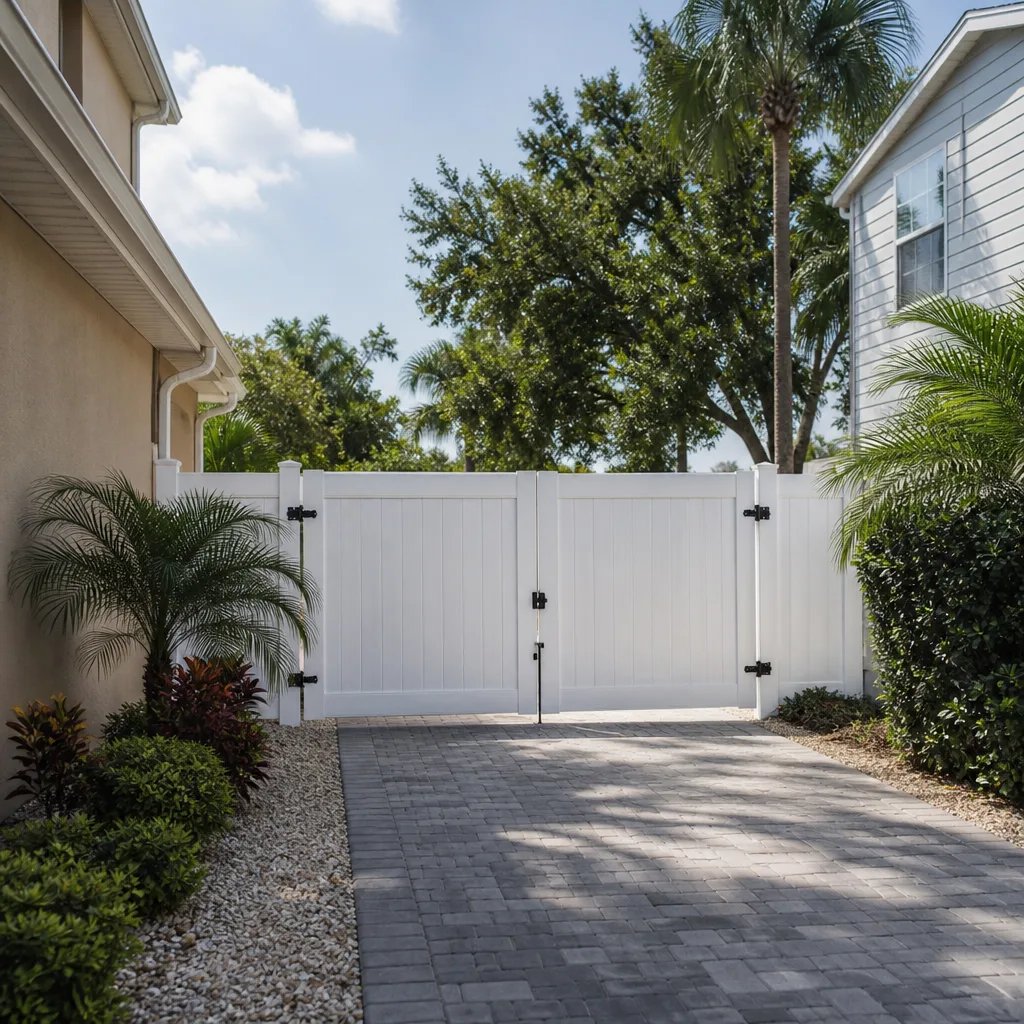
- Fence
The options you’ll actually choose between on a Rowlett ADU pad
Most of the money in site prep sits in four or five decisions. Here’s what they are and what each one costs you in dollars and in trade-offs.
- Slab vs. pier-and-beam foundation. A post-tension slab is the cheaper, faster answer and suits a detached unit on flat ground. Pier-and-beam costs more upfront, keeps plumbing accessible under the floor, and holds up better where drainage is tight or the lot slopes toward the lake. On expansive clay, both work; the drainage plan is what separates a good one from a problem.
- Sewer tie-in vs. grinder pump. Gravity sewer is the clean solution when the existing lateral sits lower than the new unit’s fixtures. When it doesn’t, a grinder pump and lift station add cost and maintenance, but they’re far cheaper than re-grading the yard to chase fall.
- Electrical: sub-panel vs. separate service. Running a feeder from the main panel is the less expensive route. A separate meter and service drop costs more but makes the unit genuinely independent for billing and future rental.
- Water and gas line material. PEX for supply lines is the standard now: fewer joints, cheaper, and it tolerates North Texas ground movement better than copper. Copper still makes sense in exposed runs. For gas, we run black iron or CSST depending on route length and where the meter sits. Fixtures are usually where homeowners start caring about brands, and we install Moen or Delta fixtures on the rough-in if you’re specifying them now rather than later.
- Utility trench depth and insulation. Deeper trenching and insulated water lines protect against the occasional hard freeze. It costs a little more in excavation and a lot less than a burst line under a finished patio.
Homeowners often pair the site work with Paver Driveways in Rowlett when the trench cuts through an asphalt driveway, because the surface gets rebuilt either way.
What ADU Site Prep & Utilities costs in Rowlett, TX
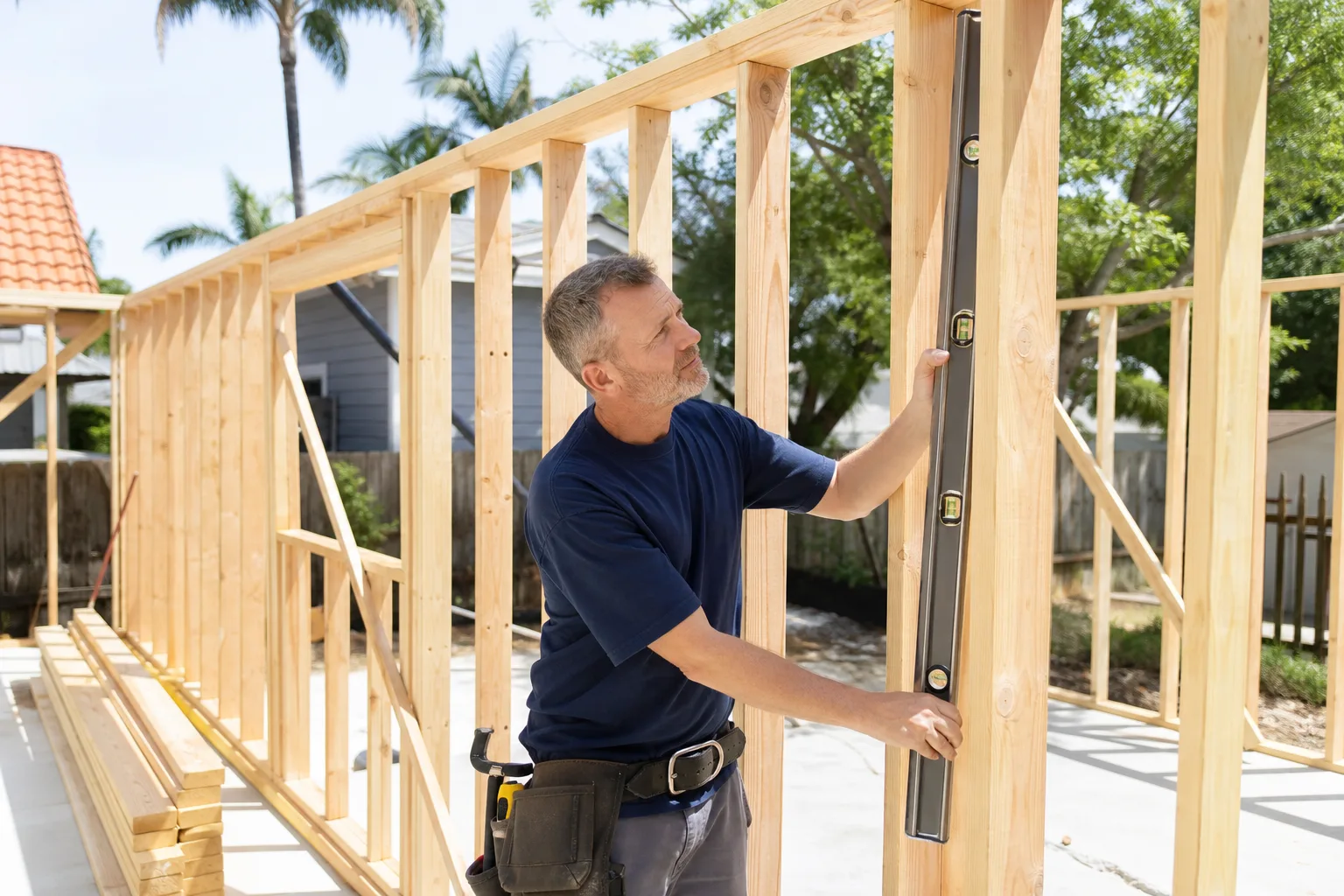
Site prep and utilities for an ADU in Rowlett run $45,000 – $130,000. That range is wide because it’s really five separate budgets stacked together. Full ADU construction, if you’re scoping the whole project, sits at $90,000 – $220,000.
| Line item | Typical Rowlett range |
|---|---|
| Site demo, grading, and pad prep | $6,000 – $18,000 |
| Foundation (slab or pier-and-beam) | $12,000 – $35,000 |
| Water, sewer, and gas trenching and tie-in | $9,000 – $30,000 |
| Electrical service, feeder, and panel | $6,000 – $22,000 |
| Restoration (sod, fence, driveway edge) | $2,000 – $10,000 |
Five variables move a job toward the low or high end. Distance from the meter and main: a unit 15 feet from the existing lateral is a very different trench than one parked at the back of the lot. Existing panel capacity: a 200-amp panel with room to spare saves thousands; a service upgrade adds it. Sewer fall: gravity is cheap, a lift station isn’t. Soil and drainage: sites that hold water need more over-excavation and a smarter grade plan. Permit scope: a shoreline property with floodplain review costs more in engineering and city time than a standard inland lot.
Your written estimate from us is line-item and fixed. It includes permits, inspections, and the restoration list. It does not include landscaping beyond sod replacement, the ADU structure itself, or utility company fees for a new meter. Call (888) 343-9048 for an exact number; estimates are free.
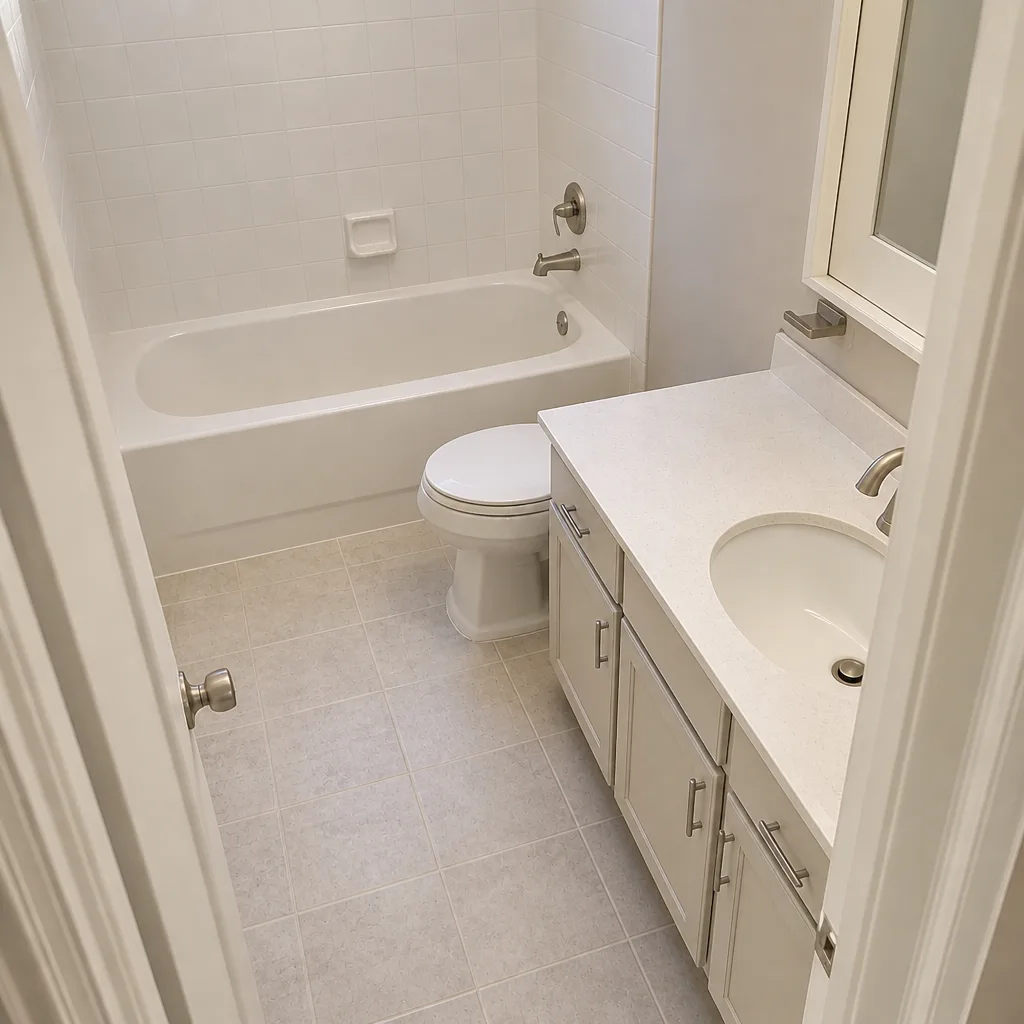
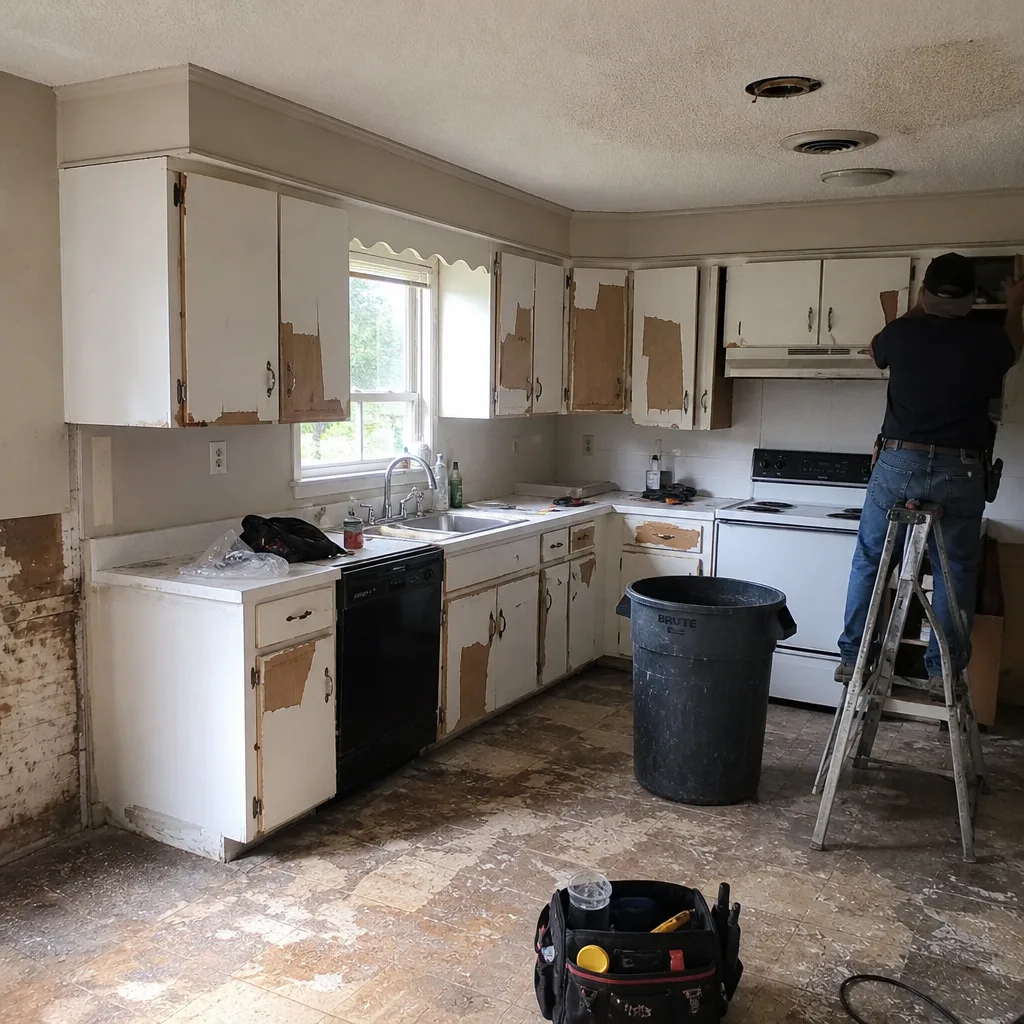
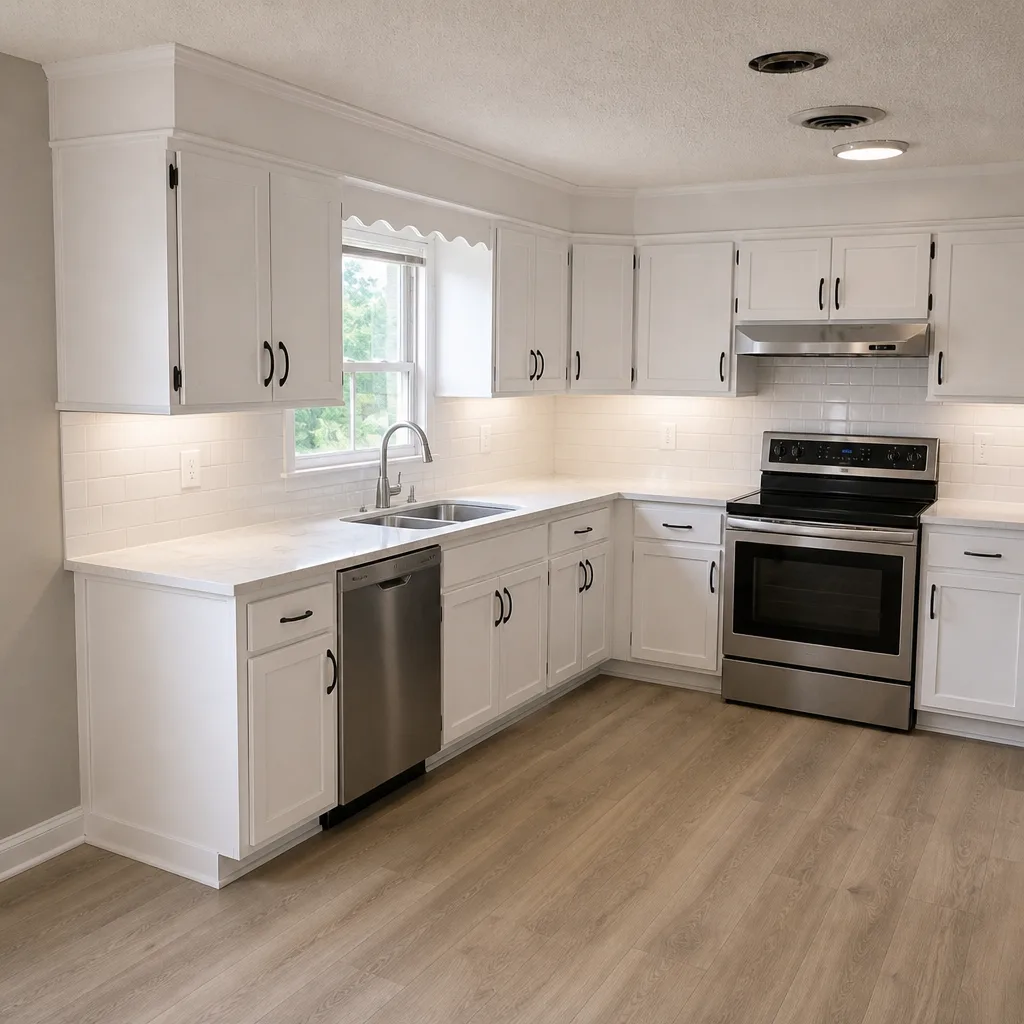
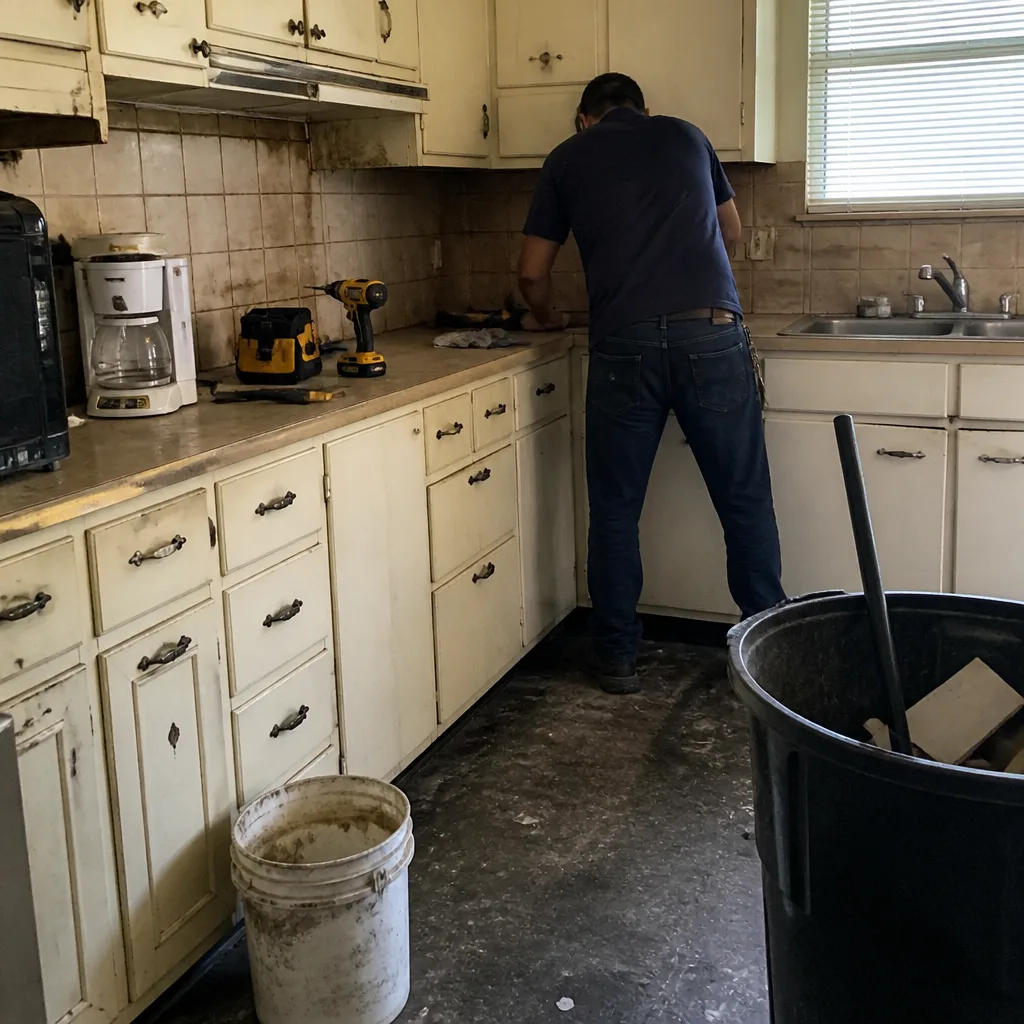
See the difference
 Before
 After
 Before
 After
 Before
 After
What Rowlett homes specifically do to this ADU site prep job
Rowlett is a Lake Ray Hubbard shoreline suburb built out mostly in the 1980s through the 2000s, so most ADU work here happens on 20 – 40 year old brick-veneer homes on slab-on-grade foundations, not on fresh lots. That matters because the existing lateral, panel, and water main you’re tying into were sized for the original house, and on a late-1980s build near the 75088 corridor they’ve usually got some age on them. We test before we trench.
The lake changes the permitting conversation. Lots in the lake corridors off the 75088 and 75089 ZIP codes get scrutinized for floodplain elevation and shoreline setbacks in a way an inland Garland or Sachse subdivision lot never does, and a detached unit placed toward the water is where that scrutiny bites hardest. The clay soils do their part too: grading and drainage matter more here than they would on sandier ground, and we plan the pad so water moves away from both structures instead of settling between them. If the site prep is part of a full build-out, our Home Additions & ADU in Rowlett page covers the structure side and where it fits with the rest of the work we do in Rowlett.
Serving Rowlett, TX – Our Local Coverage Area
We serve Rowlett and nearby communities. Use the map below to see the area we cover. If you’re nearby, we can almost certainly help.
Frequently asked: ADU site prep and utilities in Rowlett
Plan on 4 – 8 weeks from stake-out to final backfill, with the city inspection schedule usually the biggest variable. Sewer tie-ins, soil corrections, or a service upgrade push you toward the high end. Call (888) 343-9048 for a schedule estimate after a site walk.
Yes. Trenching, underground plumbing, electrical rough-in, and final grading all get inspected by the City of Rowlett, and shoreline lots carry extra floodplain review. Our estimate includes pulling permits and passing inspections, not just doing the work.
Sometimes, but rarely. A unit close to the existing lateral and panel can often sub-tap, while a unit at the back of the lot usually means a feeder run and a service upgrade. We evaluate the tie-in before quoting, so the number you see is the number you pay.
Across Rowlett, the range is $45,000 – $130,000, with foundation and sewer tie-in carrying the most swing. A short gravity sewer run on flat ground stays near the low end; a lift station plus service upgrade and floodplain review pushes up. Call (888) 343-9048 for a free exact quote.
All of it is covered by our 730-Day Done Right Promise: if anything we installed fails within that window, we make it right. It’s one of the longest workmanship guarantees in residential construction, and it covers the buried work as well as the visible finishes.
Get a free site prep estimate in Rowlett
Call (888) 343-9048 to book a free on-site estimate for ADU site prep & utilities in Rowlett. We’ll walk the lot, verify the utility tie-in distances against your survey, and hand you a written line-item quote with the permit and inspection scope spelled out. A live person answers, any hour. See our full Home Additions & ADU service for everything that comes after the pad is poured.
Written by the team at Groundwork Construction Co. of Allen.