
Last updated November 18, 2026





Free written scope consultation - allowances, timeline, and change-order rules on paper before a single trade is scheduled
How to Hire a Construction Contractor in Allen: A Step-by-Step Guide
The lowest bid wins the job roughly 60% of the time, and those projects generate the majority of contractor complaint filings. That number should change how you shop. In Allen, where new neighborhoods keep appearing on the north side and older homes near the historic downtown are hitting their second and third major renovation, the gap between a qualified local contractor and an out-of-market crew is easy to miss on paper. This guide gives you the interview process, the verification steps, and the contract clauses that separate the two. You’ll learn what to ask, what to check, and what to get in writing before anyone touches your house.
Quick Answer
To hire a construction contractor in Allen, verify their TDLR registration and certificate of insurance, confirm they’ve pulled permits through the City of Allen’s building department, and get a written contract with fixed pricing, a change order process, and a warranty spelled out in years rather than vague promises. Compare at least three bids on scope and inclusions, not just the bottom line. The contractor who asks about your foundation, your soil, and your timeline before quoting a number is usually the one worth hiring.
Styles & brands we work with
- Kitchen remodeling
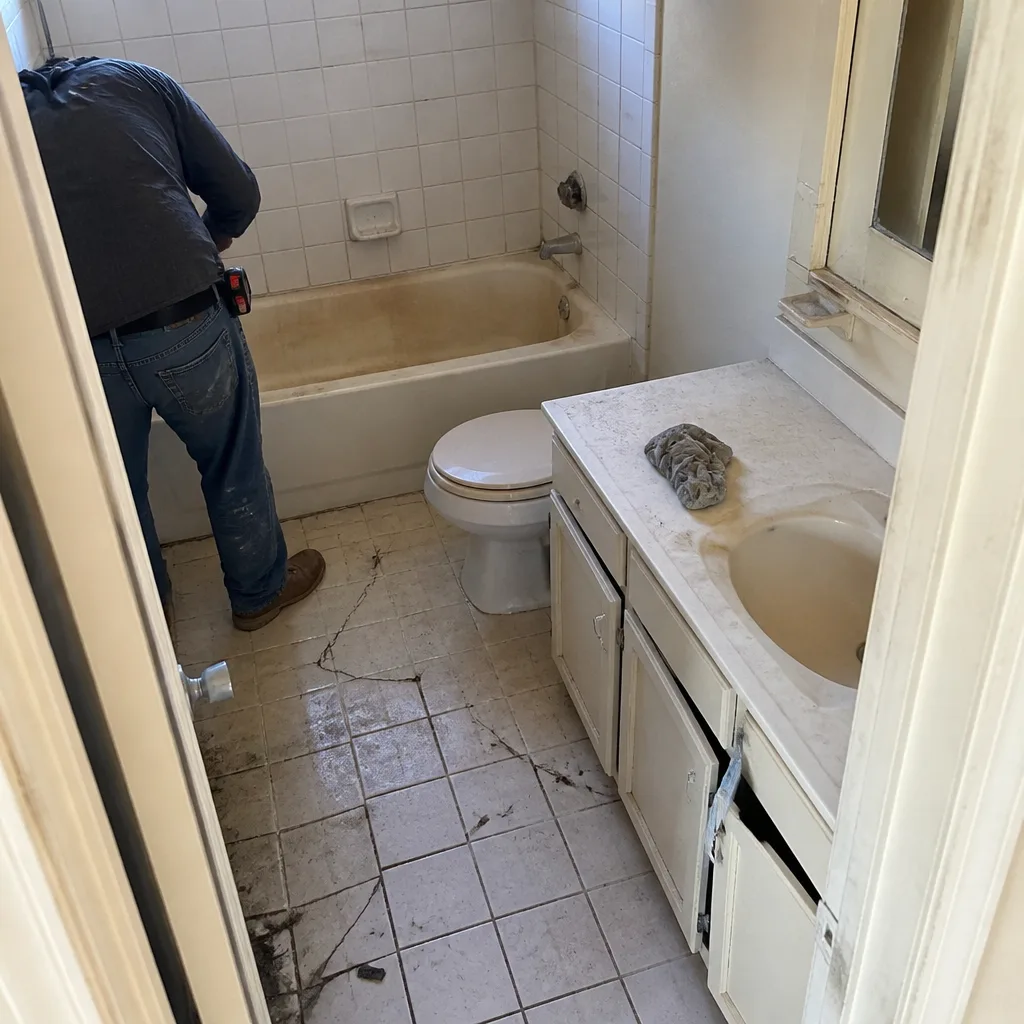
- Bathroom remodeling
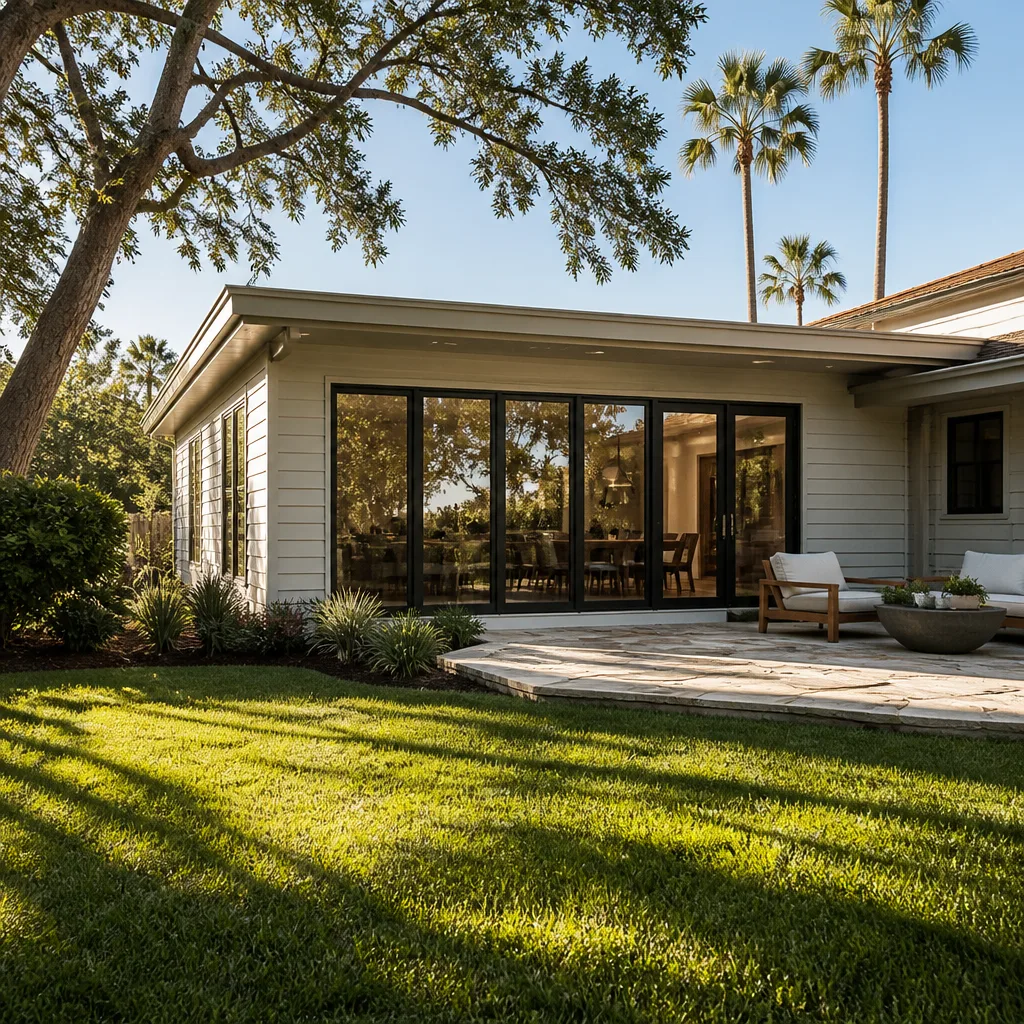
- Home additions & ADU
- Roofing
- Windows & doors
- Driveway & pavers
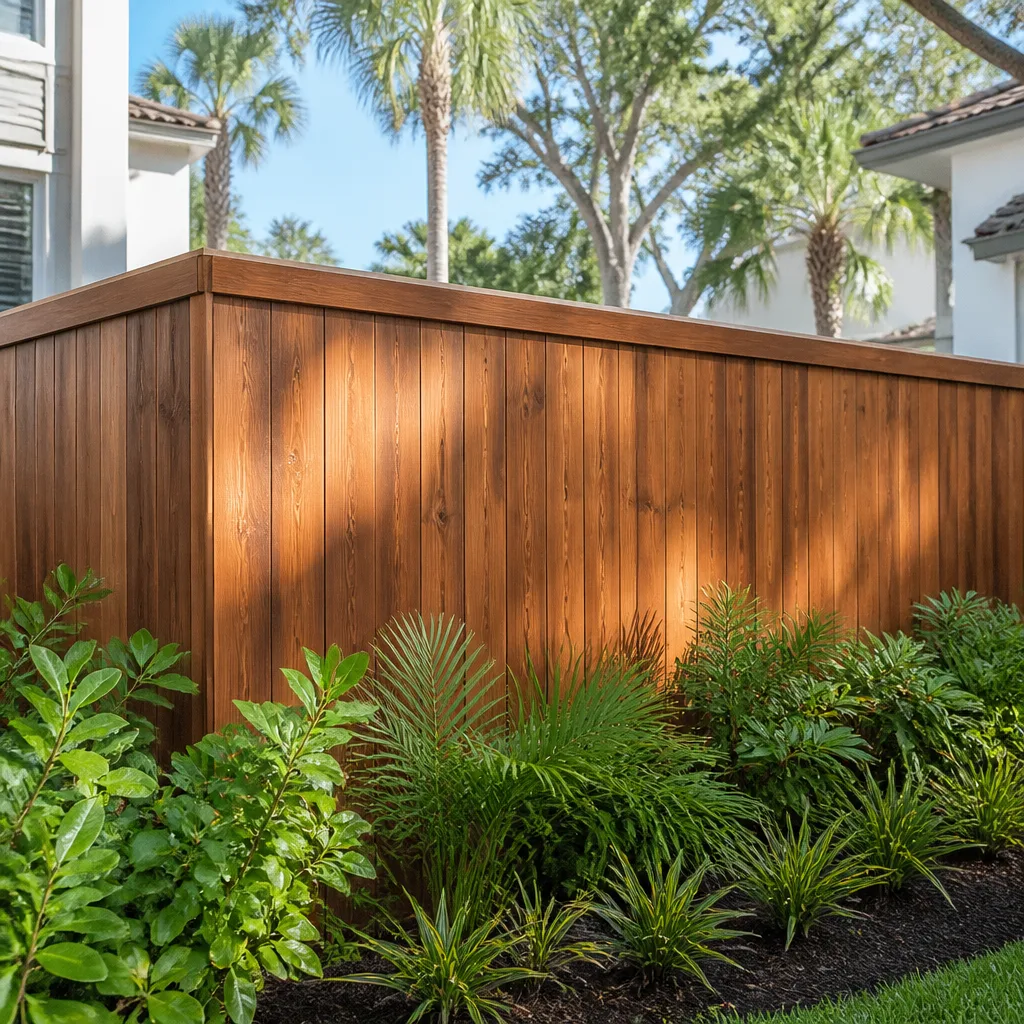
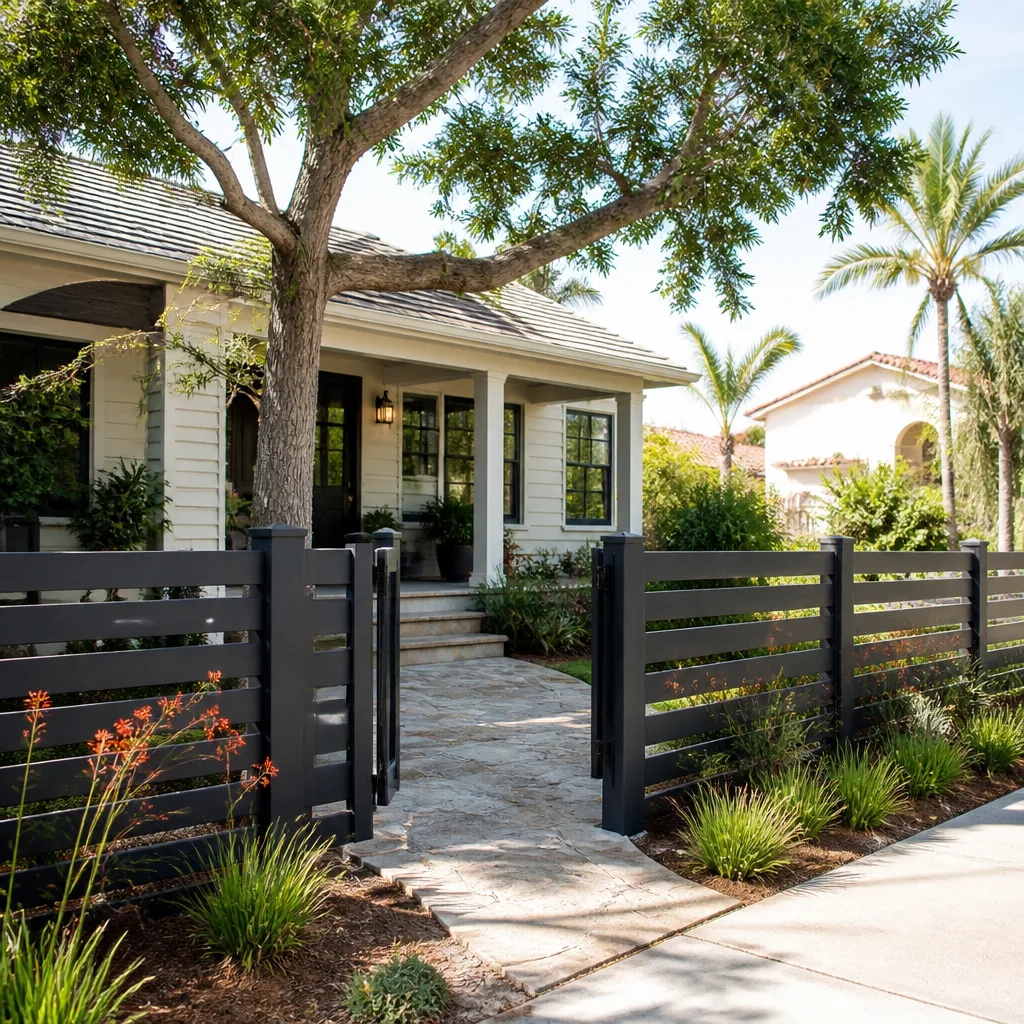
- Fence
Table of Contents
- Step 1: Verify Licensing and Insurance the Texas Way
- Step 2: Ask the Questions That Reveal Local Knowledge
- Step 3: Understand Allen’s Permit and Inspection Process
- Step 4: Read the Contract for the Clauses That Matter
- Step 5: Check Their Subcontractor Relationships
- Step 6: Get the Warranty in Writing
- Step 7: Compare Bids the Right Way
- Common Mistakes to Avoid
- Frequently Asked Questions
Step 1: Verify Licensing and Insurance the Texas Way
Texas does not license general contractors the way it licenses electricians and plumbers. That surprises a lot of Allen homeowners, and it’s exactly why verification is your job. What Texas does require is that certain trades hold TDLR (Texas Department of Licensing and Regulation) credentials, and that any contractor doing business in Allen carry liability insurance and workers’ compensation coverage for the people on your property.
Here’s what a certificate of insurance actually needs to show. A one-page PDF with a policy number isn’t enough.
- General liability coverage at a limit that matches your project size. For a kitchen or addition in Allen, $1 million per occurrence is a reasonable floor.
- Workers’ compensation, or a documented exemption. If a worker gets hurt on your property and there’s no coverage, the claim can follow you.
- Your address listed as the certificate holder, not just the contractor’s name.
- An expiration date that covers your entire project timeline, plus a note that you’ll be notified if coverage lapses.
- Direct phone number for the insurance agent, so you can call and confirm the policy is active before work starts.
Call the agent. It takes five minutes. Ask two questions: is this policy active today, and does it cover residential construction at my address. Subcontracted trades like electrical and HVAC should carry their own coverage, and you should see those certificates too. A contractor who hesitates to hand them over is telling you something.
For TDLR-regulated trades, look up the license number yourself at the state’s online verification tool. Don’t take a photocopy as proof.
Step 2: Ask the Questions That Reveal Local Knowledge
Every contractor will tell you they do quality work. The interview is where you find out whether they’ve actually worked inside Allen’s permitting system or whether they’ll be learning on your dime. The difference shows up in the questions they ask you and the answers they give about the city.
Ask these directly and listen for specifics:
- “Which Allen neighborhoods have you worked in recently?” A local contractor will name Twin Creeks, Bethany Ridge, Watters Crossing, or the older streets near downtown without hesitating. Vague answers like “all over the metroplex” mean they haven’t spent much time here.
- “Who’s your usual contact at the City of Allen building department?” They don’t need to name a person, but they should know how the department operates, where plan review sits, and how long a residential permit typically takes.
- “How do you handle Allen’s expansive clay soil on an addition?” This is the single most important local question. North Texas clay swells and shrinks with moisture, and any foundation, driveway, or paver job here has to account for it. A contractor who talks about pier depth, soil testing, or drainage grading knows the ground. One who shrugs doesn’t.
- “What’s your experience with hail-rated roofing here?” Allen sits in a hail corridor. Roofers who work this market regularly know which shingles hold up and how to document damage for insurance.
- “Can I see two recent jobs in Allen I can drive past?” Local references you can actually visit carry far more weight than phone numbers from another city.
Pay attention to how they answer. A contractor who’s worked in Allen for years will get specific fast. The one who talks in generalities about “the DFW market” is likely an out-of-market crew chasing the growth here.
Step 3: Understand Allen’s Permit and Inspection Process
Allen requires permits for most structural work, additions, roofing, electrical, plumbing, and mechanical changes. Skipping the permit doesn’t save you money. It creates a title problem when you sell, and it can void your insurance if something fails later.
A qualified Allen contractor should be able to walk you through the process before you sign anything:
- Plan review: Residential permits typically go through the city’s building department review. Timelines vary with project complexity and department volume, so ask the contractor for a realistic range based on recent jobs here, not a brochure number.
- Inspections: Most projects need a series. Foundation or framing inspections, then rough-in for electrical and plumbing, then a final. The contractor schedules these, and you should know roughly when each falls.
- Who pulls the permit: This matters. The permit should be pulled in the contractor’s name as the responsible party. If a homeowner is asked to pull it themselves, that’s a red flag. It shifts liability to you.
- Final inspection and certificate of occupancy: For additions and ADUs, the job isn’t done until the city signs off. Get the final inspection documentation.
Ask the contractor to show you a permit they pulled for a recent Allen job. Not a template, not a description, the actual document. This is the fastest way to find out if they really operate inside the system or work around it.
For projects involving additions or accessory structures, plan review can take longer than homeowners expect. Build that into your timeline. For a deeper look at what an addition involves, see our guide to Home Additions & ADU in Allen.
Step 4: Read the Contract for the Clauses That Matter
Contracts are written by the contractor, which means they’re written to protect the contractor. That’s normal. Your job is to read for the three or four clauses that decide who absorbs risk when things go sideways. Most disputes in Allen construction don’t start with bad work. They start with a clause nobody read.
Change Order Language
Look for how changes are handled. A good contract states that no change order is valid without a written, signed document with a fixed price, before the work happens. Watch for vague language like “additional costs will be billed at prevailing rates.” That gives the contractor an open-ended checkbook. You want fixed pricing on change orders, signed by both parties, in advance.
Lien Waivers and Payment Schedule
In Texas, a subcontractor or supplier who isn’t paid can file a mechanic’s lien against your property, even if you paid the general contractor in full. Protect yourself two ways. First, tie payments to milestones, not to a calendar. Second, require conditional lien waivers from the contractor and from every major subcontractor with each payment, and a final unconditional waiver at project close. If a contractor resists lien waivers, that’s a warning.
Dispute Resolution
Many contracts bury a mandatory arbitration clause in the fine print. Arbitration can be faster and cheaper than court, but it also limits your options. Read it, understand it, and ask questions. If something about it feels off, negotiate. A contractor confident in their work won’t flinch at a fair dispute clause.
Fixed Pricing and Scope
The contract should lock in a price and define exactly what’s included: materials by brand and model, labor, cleanup, permit fees, and haul-away. “Upfront pricing, no surprises” means exactly this. The number you see is the number you pay, and the scope is written down.
Step 5: Check Their Subcontractor Relationships
Most residential construction in Allen runs on subcontractors: an electrician, a plumber, a drywall crew, a roofer. How a general contractor manages those relationships determines your schedule and your quality. A sales pitch about company size tells you nothing. The strength of their local trade network tells you everything.
Allen’s labor market is tight. The best electricians and tile setters have their pick of jobs, and they go to contractors who pay reliably and communicate clearly. When the market gets busy, weaker contractors get bumped to the back of the line. Their projects stall while the well-connected contractor’s crews show up on schedule.
Ask these questions:
- “How long have you worked with your main subs?” Years-long relationships signal reliability. A rotating cast of new names on every project is a warning.
- “Are your subs background-checked and covered by insurance?” Anyone on your property should be. Background-checked, uniformed technicians on every job isn’t a marketing line; it’s what protects your home and family.
- “What happens if a sub doesn’t show?” The answer should involve scheduling buffers and backup relationships, not finger-pointing.
- “Do you use the same crews on most jobs in Allen?” Familiarity with local homes and local codes speeds up everything.
For exterior projects, the same rule applies. A paver crew that has installed on Allen’s clay soil dozens of times will prepare a base differently than one visiting from another market. Same for fencing along property lines in neighborhoods with HOA rules. Our Driveway & Pavers in Allen and Fence Installation in Allen pages cover what good prep looks like in this city.
Step 6: Get the Warranty in Writing
Every contractor will tell you they stand behind their work. The question is what standing behind it actually means in writing, in years, with a process attached. Verbal assurances fail when you need them most, so get the coverage in a document you can point to.
What a serious workmanship warranty should include:
- A stated duration in years, not “lifetime” or “as long as you own the home” without support. The 730-Day Done Right Promise, for example, runs two full years on workmanship, one of the longest guarantees in the residential construction space. If a contractor can’t state a number, ask why.
- Clear coverage of both labor and materials, with the manufacturer’s warranty listed separately and named by brand. Roofing that uses GAF or Owens Corning shingles carries specific manufacturer terms; you should know what they are.
- A described process for filing a claim. Who do you call, how fast do they respond, and what happens if the issue is on a weekend. Calls answered by a live person, 24/7, matters here. A warranty that requires waiting until Monday morning is a warranty you can’t fully use.
- Whether the warranty transfers if you sell the home. A transferable warranty can add value at resale.
- No hidden conditions. Watch for clauses that void coverage if you haven’t used a specific maintenance schedule or if you’ve allowed anyone else to touch the work. Fair exclusions are fine; catch-alls that let them off the hook for everything are not.
Ask for the warranty document itself before you sign the contract, not after the final walkthrough. Read it the way you’d read your insurance policy.
Step 7: Compare Bids the Right Way
Three bids, compared side by side, is the standard. But most homeowners compare the wrong thing: the total at the bottom. A bid is only meaningful when you compare scope, inclusions, assumptions, and exclusions, because the number is only as good as what’s behind it.
Here’s how to run a fair comparison:
- Line up scopes side by side. Materials, brands, models, square footage, labor, cleanup, permits, and haul-away. A bid that’s $8,000 lower often has $12,000 of work missing.
- Check the allowances. If a bid says “tile allowance: $2.50 per square foot,” you’ll be over budget the day you pick your material. Ask what happens when you choose a tile above the allowance.
- Confirm permit fees and inspections are included, or explicitly listed as the homeowner’s responsibility.
- Look at the schedule. A bid that promises a 12-week kitchen renovation with no detail on timeline is a guess. A real bid breaks the project into phases.
- Ask about payment schedule. A large deposit before materials arrive is a warning sign. Milestone-based payments are safer.
- Compare brand partners. A contractor working with KraftMaid, Wellborn, Cambria, or James Hardie is a contractor whose sourcing you can check. Named brands mean you can compare apples to apples on materials.
The lowest bid wins 60% of the time. It’s also the bid that lands in front of the state license board most often. Don’t be that statistic. For a broader view of how we approach this in the market, see the Groundwork Construction Co. of Allen home page. We’ll run a free estimate with a line-item quote, upfront pricing, and no surprises.
Common Mistakes to Avoid
- Chasing the lowest bid. It’s the single most expensive decision in home construction. A bid $10,000 below the others is usually missing something, and you’ll pay for it once the crew is already in your house.
- Not verifying insurance. A certificate of insurance on paper doesn’t mean the policy is active. In Allen, call the agent and confirm coverage. If a worker is injured on your property and there’s no workers’ comp, the liability trail can lead back to you.
- Skipping permits on smaller jobs. Allen’s permit process exists for a reason. An unpermitted deck, fence, or electrical change can complicate a future sale, and some insurers won’t cover unpermitted work.
- Ignoring the soil question. Allen’s clay soil is the number one cause of foundation and driveway problems here. A contractor who doesn’t talk about soil prep on an exterior project will hand you a problem in two years.
- Accepting a verbal warranty. If it isn’t written down with a number of years and a claim process, it doesn’t exist. The 730-Day Done Right Promise is stated in writing because it has to be.
- Paying too much upfront. A large deposit before materials arrive puts you in a bind if the contractor’s schedule slips or worse. Milestone payments protect you.
- Not checking subcontractor insurance. The general contractor’s policy doesn’t automatically cover a sub’s workers. Ask for those certificates too.
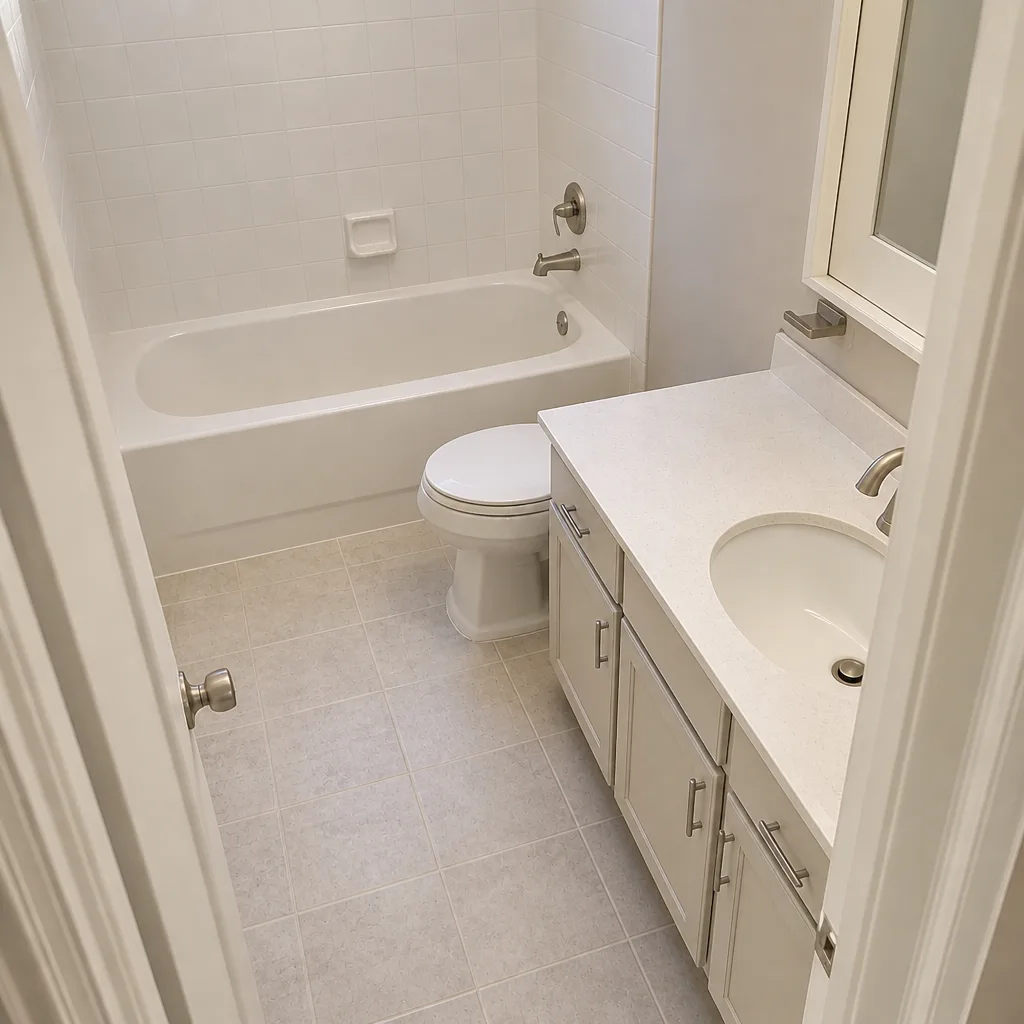
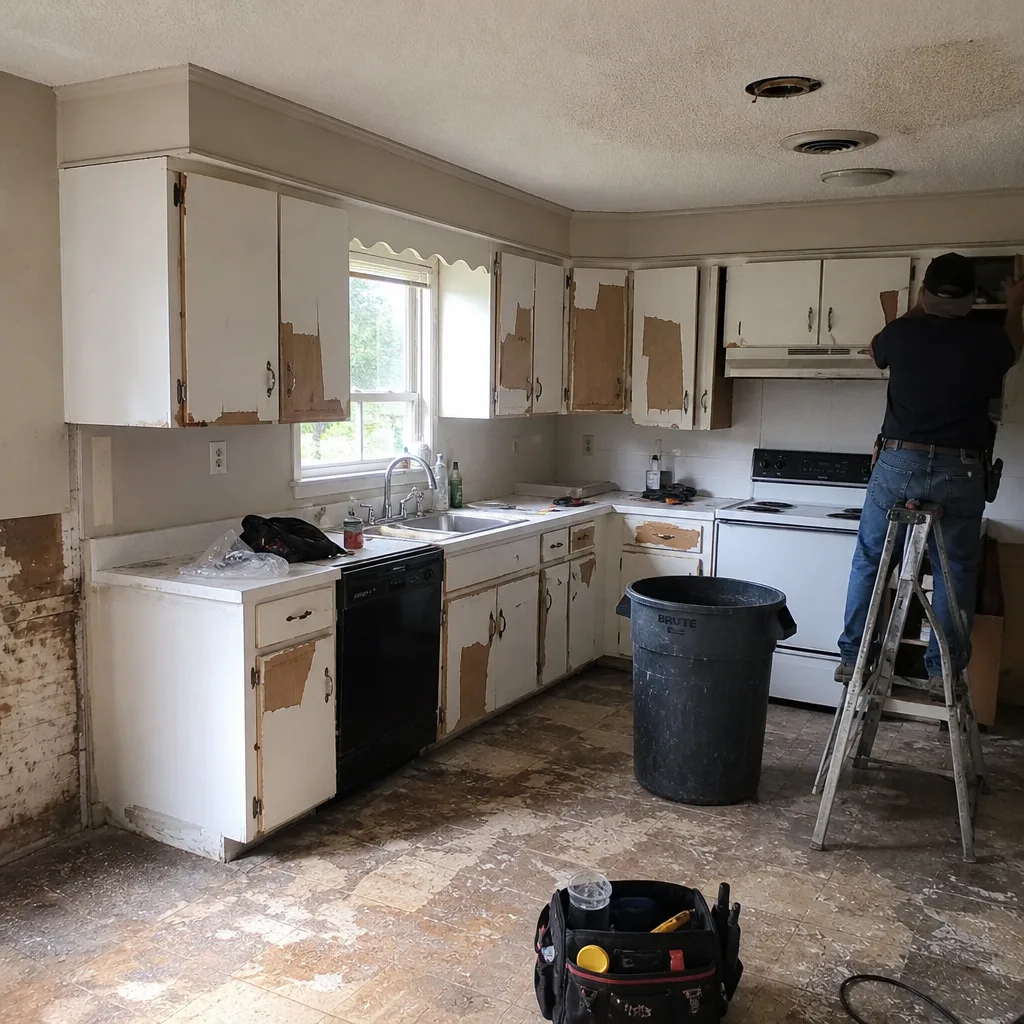
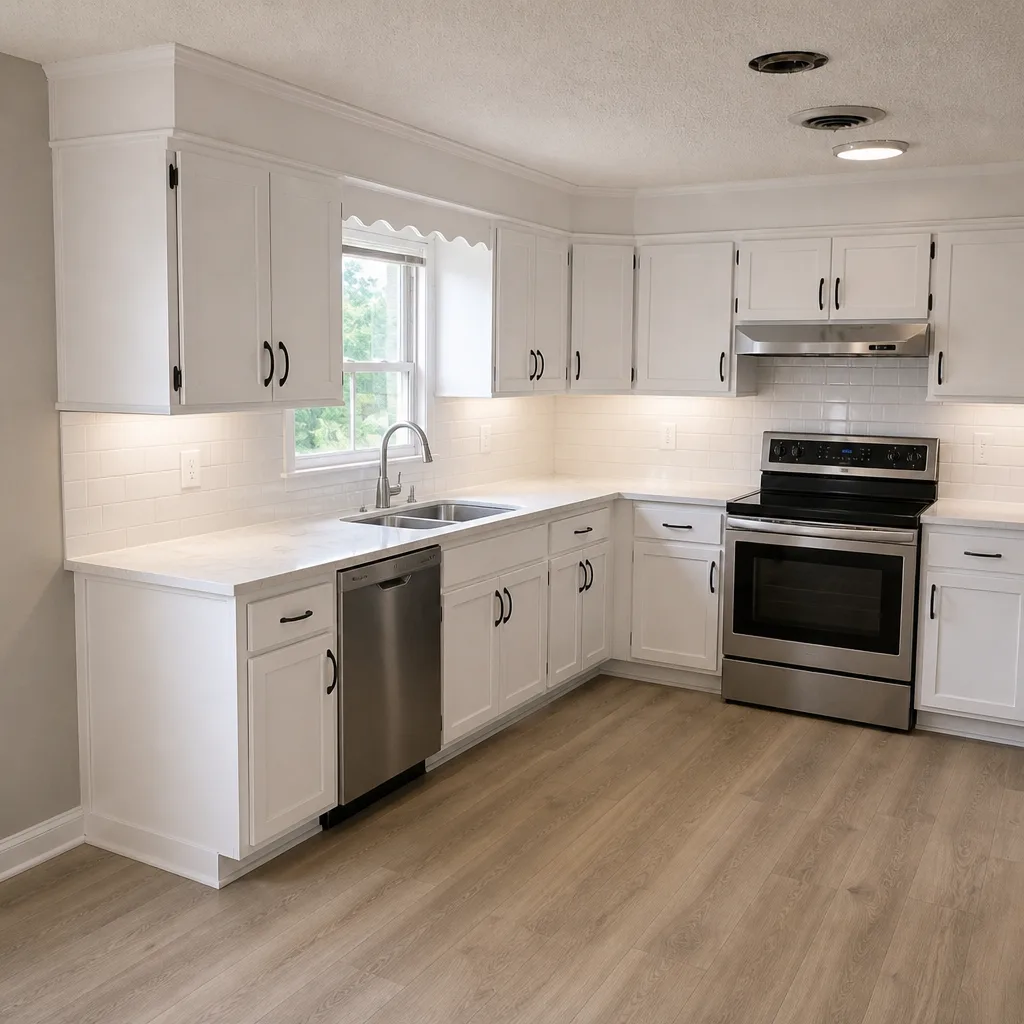
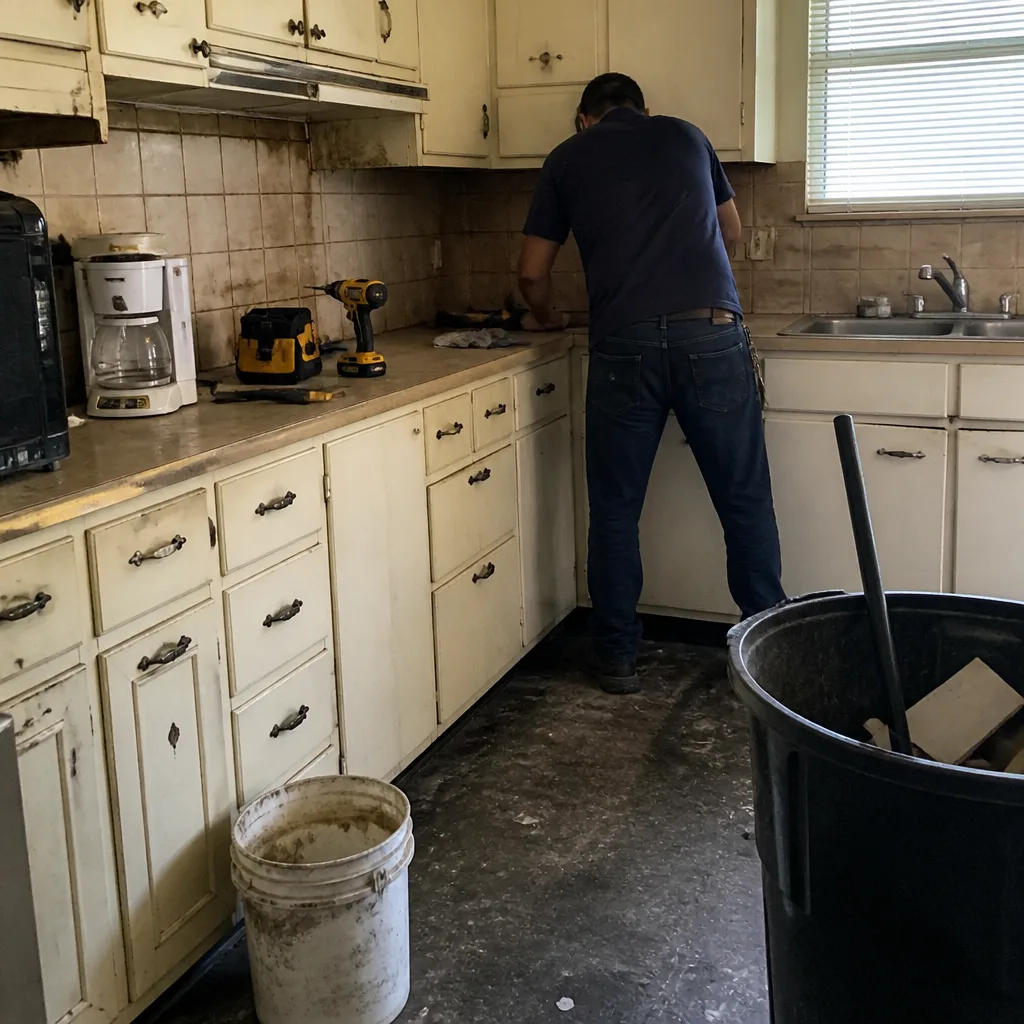
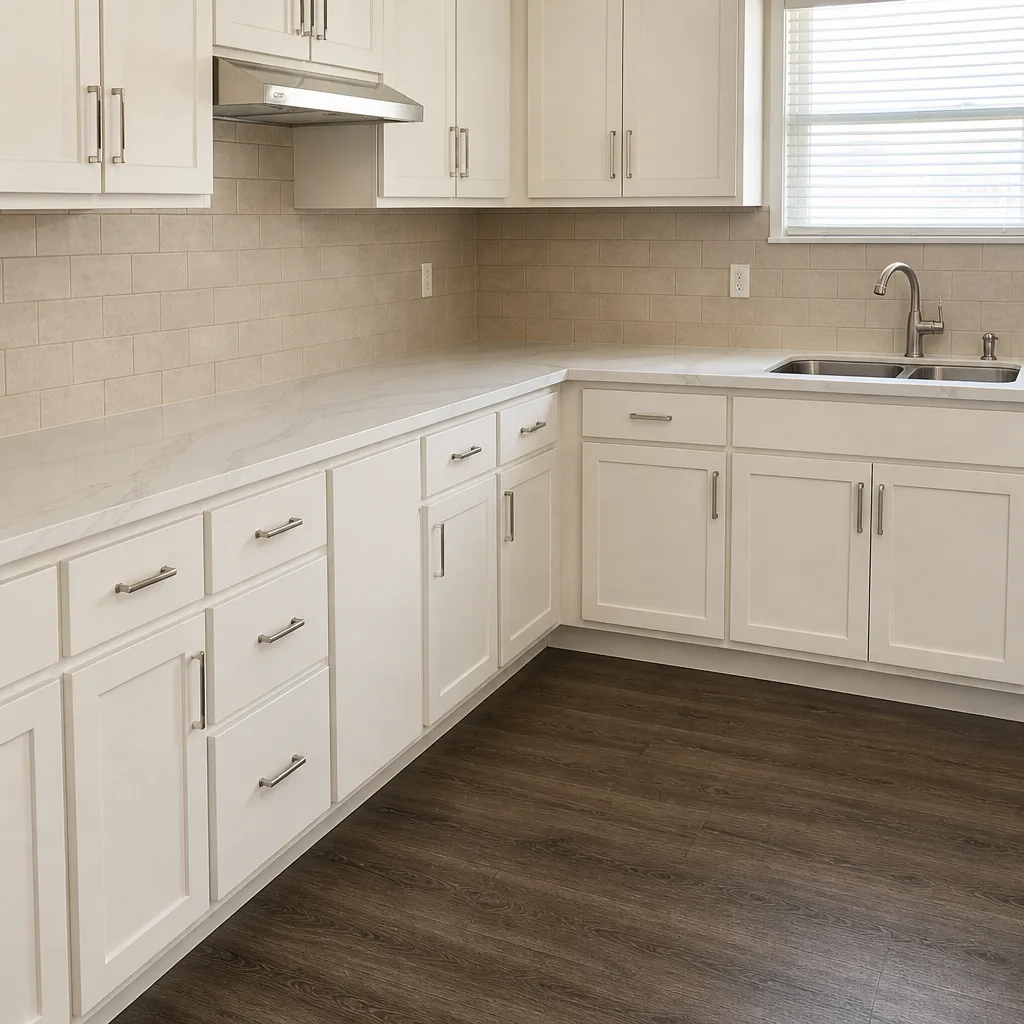
See the difference
 Before
 After
 Before
 After
 Before
 After
When to Call a Professional
Some projects are DIY weekend jobs. Others are five-figure commitments where a mistake costs more than the right contractor would have. In Allen, call a professional for anything structural, anything requiring a permit, anything involving electrical, gas, or plumbing, and any project where the soil under the work matters. That includes additions, kitchen and bathroom overhauls, roof replacement, driveway and paver work, fence installation along a shared property line, window and door replacement, and anything involving a foundation.
If you’re weighing whether to go DIY on a small job, be honest about the risk. Drywall patches, paint, and light landscaping are manageable. Moving a load-bearing wall is not. If a contractor quotes a structural change without discussing permits and inspections, that’s your signal to call someone else.
Groundwork Construction Co. of Allen offers free estimates in Allen. Call (888) 343-9048 to schedule yours. Our technicians have up to 12 years of experience, arrive background-checked and in uniform, and every project is backed by our 730-Day Done Right Promise. Calls are answered by a live person, 24/7.
Frequently Asked Questions

Kitchen remodels in Allen generally run from the high five figures into the low six figures depending on size, layout changes, and finishes, while bathroom renovations typically land in the mid five figures and full roof replacements in the high four or low five figures. The biggest swings come from structural changes, cabinetry brands like KraftMaid vs. custom, and countertop choices such as Cambria vs. entry-level quartz. Call (888) 343-9048 for a free estimate with a written line-item quote; the numbers are free and the scope is yours to compare.
Yes, for most structural, electrical, plumbing, or mechanical changes, plus additions, roofing, fencing over a certain height, and any new accessory structure. The City of Allen’s building department handles plan review and inspections. A qualified contractor pulls the permit in their own name and schedules inspections. If a contractor suggests skipping the permit to save time, find a different contractor.
Request a certificate of insurance listing your property address as certificate holder, then call the insurance agent directly at the number on the certificate to confirm the policy is active and covers residential work. Ask separately for workers’ compensation coverage and for subcontractor certificates. In Texas, general contractors aren’t state-licensed the way electricians and plumbers are, so insurance verification is your main safeguard.
The lowest bid usually wins on price and loses on scope. It omits details like permit fees, haul-away, or material allowances that a homeowner discovers after signing. The best bid is the one with fixed pricing, a defined scope with named materials, a schedule, and clear inclusions. Compare bids line by line, not at the total. Call (888) 343-9048 for an upfront, line-item estimate you can compare against others.
Bathroom remodels in Allen usually run three to five weeks, kitchens six to twelve weeks, roof replacements a few days, and additions or ADUs four to eight months once permits clear. Allen’s permit timeline adds to these, especially for additions where plan review can exceed standard timelines. The contractor should break your project into phases and give you a schedule you can track. Beware any bid that doesn’t estimate timeline.
A solid workmanship warranty covers labor and installation defects for a stated number of years with a described claim process. The 730-Day Done Right Promise covers workmanship for two full years, and the manufacturer’s warranty (for James Hardie siding, GAF roofing, Andersen windows, and others) is separate and named in writing. Ask to see the warranty document before you sign the contract. Anything shorter or vaguer is a signal to keep looking.
The Bottom Line
Hiring a contractor in Allen comes down to seeing past the bid number to the questions behind it. Verify TDLR credentials and insurance by calling the agent. Ask the questions that reveal local knowledge, especially about Allen’s clay soil and permit process. Read the contract for change order language, lien waivers, and dispute clauses. Check subcontractor relationships. Get the workmanship warranty in writing with a stated number of years and a real claim process. Compare bids on scope, not on price alone. Do these things and the odds of a good outcome go up considerably. Skip them and you join the complaint statistics.
When you’re ready to price your project, call Groundwork Construction Co. of Allen at (888) 343-9048 for a free estimate. We’ll walk you through scope, materials, schedule, and warranty in writing, with upfront pricing, no surprises, and backed by our 730-Day Done Right Promise. Financing is available at 0% for 18 months, and projects over $10,000 get $1,000 off. From foundation to finish line, built to last and backed in writing. Call today to schedule your free estimate.
Written by the team at Groundwork Construction Co. of Allen.