Last updated November 18, 2026


Free written scope consultation - allowances, timeline, and change-order rules on paper before a single trade is scheduled
How Long Does Driveway & Pavers Take? Timelines and What to Expect
Contractors who quote “two days start to finish” on a standard driveway are either skipping base compaction time or planning to seal immediately after installation. Both are red flags, not selling points. A paver driveway that lasts 30 years gets built in phases, and each phase has a window you can’t rush without paying for it later. In this guide, we’ll walk through the real timeline for a driveway and paver project in Allen – excavation, base compaction and its cure period, laying, jointing sand setting, and the sealing window – and explain why each phase takes the time it does.
Quick Answer
A typical residential driveway and paver installation in Allen takes 5 to 10 days of active work, spread over roughly 2 to 3 weeks to account for base compaction cure time and weather. Then plan on waiting a minimum of 30 days before sealing newly installed pavers – often 60 to 90 days in Allen’s summer heat. Skipping that sealing window or rushing the compaction timeline is the leading cause of pavers that settle unevenly months after the job “looks done.”
Styles & brands we work with
- Kitchen remodeling
- Bathroom remodeling
- Home additions & ADU
- Roofing
- Windows & doors
- Driveway & pavers
- Fence
Table of Contents
- The Real Timeline: A Phase-by-Phase Breakdown
- Why Base Compaction Cure Time Can’t Be Skipped
- Allen’s Heat and Clay Soil: What Our Climate Does to Timelines
- Weather Delays vs. Contractor Excuses
- The Sealing Window: Wait Times and Structural Consequences
- How Project Size, Access, and Demo Add Time
- Building a Realistic Schedule With Your Contractor
- Common Mistakes to Avoid
- When to Call a Professional
- Frequently Asked Questions
The Real Timeline: A Phase-by-Phase Breakdown
Here’s the honest sequence of a standard 500 to 800 square foot residential driveway in Allen, from the first shovel to the final seal. This is the version you won’t get from a bid that promises “quick turnaround.”
- Site prep and excavation (1 to 2 days). We pull the existing surface – asphalt, old concrete, failing pavers – and haul it off. Then we cut down to a subgrade depth of roughly 8 to 12 inches for a driveway (deeper than a patio, because cars load it). Utility locates must clear before any digging. On older Allen properties near the historic downtown grid, we’ve hit abandoned irrigation lines and old fence post footings more times than we can count. Plan for a small contingency here.
- Base installation and compaction (1 to 2 days of work, then verification). Crushed stone base goes down in 2- to 4-inch lifts, each compacted separately with a plate or roller. You cannot compact 10 inches of base in one pass and call it done – that’s how you get rutting in year two. Our crews were trained against that shortcut: each lift is verified for density before the next one goes down.
- Optional geotextile fabric (same day). On Allen’s expansive clay, a woven fabric between subgrade and base helps prevent fines from pumping up into the stone. Worth the small added cost.
- Edge restraint installation (a few hours). Concrete or spiked plastic edge restraints go down before any pavers are set. Without them, your driveway edges migrate outward under vehicle weight, and the whole field loosens.
- Paver laying (2 to 4 days). A two-man crew lays roughly 250 to 350 square feet per day in a running bond or herringbone pattern. Complex patterns, curves, or borders slow this down considerably.
- Cutting, jointing sand, and final compaction (1 day). Edge cuts with a wet saw, jointing sand swept into the gaps, and a final vibratory pass. This is the day the driveway starts to look finished – but it isn’t.
- Sealing (a separate visit, weeks later). See the sealing section below. This is not a same-visit task.
That’s the real sequence. Any contractor skipping steps 2, 4, or 7 is selling you a driveway that photographs well on day one and disappoints in year two. Our Driveway & Pavers in Allen service covers every phase of this build, and we tell homeowners up front which stages can’t be compressed.
Why Base Compaction Cure Time Can’t Be Skipped
The base is the part of your driveway nobody sees and everybody regrets. In our experience, more than half of the paver driveway failures we’re called in to fix – rutting, sunken edges, paver “walking” out of alignment – trace back to an under-compacted base, not the pavers themselves.
Here’s what actually happens during base installation:
- Lift-by-lift compaction. Base material is compacted in layers of 2 to 4 inches. A 10-inch base means 3 to 5 separate passes. That takes a full day minimum, sometimes two on a larger driveway.
- Settling observation window. On Allen’s heavy blackland clay, we typically prefer to let a freshly installed base rest overnight before checking it again with a level and straightedge. If we see any deflection, we re-compact before pavers go down. Cutting this step can mean the base shifts under the pavers six months in.
- Moisture adjustment. Stone base compacts differently when it’s too wet or too dry. In Allen’s summer, we often have to lightly water base material to hit optimum moisture for compaction. A crew that lays base onto bone-dry stone in August isn’t getting real density.
- Density verification. A reputable crew uses a plate compactor with a vibratory plate rated for the job and checks with a straightedge. High-end jobs will pull a nuclear density reading. On a residential driveway, a straightedge check and re-compaction pass are the standard we hold ourselves to.
What does skipping this actually look like? A paver driveway that looks flawless at handoff, then develops shallow ruts under the rear tires after one Texas summer. Repairs mean pulling up pavers, re-excavating the base, and rebuilding – sometimes the whole driveway. The base compaction time you “save” on the front end is often less than the repair timeframe later.
Allen’s Heat and Clay Soil: What Our Climate Does to Timelines
Driveways in Allen aren’t built in a neutral climate. Two local factors shape the schedule more than anything else: summer heat and expansive clay subgrade.
Summer heat (100°F+ June through August)
When temperatures hit triple digits, base material dries out faster than crews can compact it to specification. We’ve seen installers pour water onto base stone for hours just to hit optimum moisture density. During a July or August build in Allen, plan on adding a day or two to base work compared to a March install. Paver jointing sand also takes longer to set cleanly in the heat – sand swept into joints on a 102°F afternoon tends to reactivate and blow out if the driveway is used right away.
Expansive clay soil
Allen sits on top of North Texas blackland clay, which swells when wet and shrinks when dry. That shrink-swell cycle is brutal on any hardscape that wasn’t designed for it. Pavers themselves handle movement better than poured concrete, precisely because of the flexible joints – but only if the base and edge restraint are built to spec. That’s why we verify base compaction more carefully here than a contractor from a sandier market would. It’s also why geotextile fabric is more than a nice-to-have on Allen lots. The soil moves, and your driveway has to move with it without breaking.
Spring storms and storm runoff
Allen’s spring storm season (roughly April through early June) is the likeliest time to see weather-related schedule slips. Clay soil that’s just absorbed an inch of rain won’t compact properly for 24 to 48 hours, sometimes longer. A contractor who keeps laying base on wet clay to “stay on schedule” is going to hand you a driveway with voids under it.
Homeowners planning other exterior work at the same time should budget for the same weather realities on their fence project. Our Fence Installation in Allen guide covers the parallel timing logic.
Weather Delays vs. Contractor Excuses
Weather delays are a legitimate part of building a driveway. Bad excuses are not. Here’s how to tell the difference.
Legitimate delays
- Rain on or immediately before the scheduled day. Wet clay subgrade cannot be compacted. A 24- to 48-hour delay is normal and correct.
- Freeze events. Rare in Allen but real. Frozen base material can’t be compacted properly, and laying pavers onto frozen ground voids the whole base spec.
- Extreme heat warnings. Crews working in 105°F heat with black paver surfaces hotter than 140°F can’t sustain safe pace all day. A partial day here or there is legitimate.
- Concrete delivery timing for edge restraints. If your design uses a poured concrete edge, cure time before loading can add a day.
Excuses dressed up as delays
- “We’re waiting on a part” the day work starts. Base material, pavers, edge restraint, and jointing sand should be on-site or scheduled for delivery before demo day. If your contractor is still sourcing materials on day one, they didn’t plan the schedule.
- “We had another job run long.” Occasionally true; twice in one project, that’s a scheduling failure, and you should push for a written revised completion date.
- “We’ll be back in a few weeks to seal.” Sometimes legitimate (the sealing window!) but if that “few weeks” has no committed date, you may wait months. Get it in writing.
- “The crew got pulled to another site.” This is a resource issue, not a weather issue. If it happens on your project, ask for the written daily log of what’s been done and what remains.
Our team’s position is simple: weather delays get communicated the same day, with a written revised completion date. If a contractor can’t commit to that, they aren’t ready for your driveway.
The Sealing Window: Wait Times and Structural Consequences
Sealing is the step most homeowners don’t know to ask about, and the one where bad timelines do the most long-term damage. Here’s the direct answer: newly installed pavers should not be sealed for a minimum of 30 days after installation, and in Allen’s hot, dry summers we often recommend waiting 60 to 90 days.
Why the wait? Two reasons:
- Moisture escape. Freshly installed pavers retain moisture from the install process – cutting water, jointing sand, ambient humidity, and (in some cases) light watering to settle the joint sand. Sealing traps that moisture inside the pavers. Trapped moisture causes efflorescence (a white mineral haze), hazing, and in severe cases blistering of the sealer itself.
- Joint sand settling. Jointing sand needs time to fully settle and stabilize into the joints. Sealing too soon locks sand in a partially settled state, and the joints look uneven after the first rainfall. A properly cured installation lets the sand settle to depth before encapsulation.
What happens if the sealing window is ignored
A contractor who seals immediately after installation is likely doing one of two things: rushing to close the invoice before they leave the site, or trying to make the driveway look “finished” for the walkthrough. In either case, the structural consequences show up within 6 to 18 months:
- Efflorescence blooms across the surface, hard to remove without stripping the sealer.
- Joint sand loss – the whole reason you seal is to lock joint sand in place. Premature sealing can prevent the sand from reaching full depth.
- Premature sealer failure, requiring a strip-and-reseal job that costs most of the original seal price again.
- Staining risk – a sealed driveway that’s been sealed too soon develops a film that traps surface stains, and it can’t be cleaned without stripping.
The right approach: schedule the seal as a separate visit, at least 30 days out, with the date written into your contract before work begins. Our crews schedule the sealing visit at the same time they lay the last paver, so there’s no ambiguity about when you’ll see us again.
How Project Size, Access, and Demo Add Time
The 5-to-10-day range assumes a straightforward residential driveway. Real projects rarely stay simple. Here’s how scope, access, and existing conditions shift the timeline:
Project size and paver pattern
- Square footage: A basic 400 square foot single-car driveway moves faster than a 1,200 square foot circular driveway with a courtyard and border patterns.
- Pattern complexity: A running bond pattern lays at full speed. Herringbone, basketweave, or custom circular patterns take 20 to 40 percent longer per square foot.
- Borders and accents: Color-contrast borders, soldier courses, or inlaid designs add a day for even modest driveways.
Access constraints
- Shared driveways. If your Allen property shares an approach with a neighbor, alley access, or a narrow side yard, material delivery and base compaction equipment access gets slower. Skid steer access may require a smaller machine.
- Parked vehicles and landscaping. Any obstruction within the work zone that isn’t moved before day one becomes extra demo time at the crew’s rate.
- Tight lot lines. Properties in the older Allen neighborhoods often have less staging space than newer developments along the 121 corridor. Material storage and truck access have to be planned into the schedule.
Existing driveway demolition
- Concrete removal. A 4-inch concrete driveway demo typically runs half a day for 500 square feet, plus haul-off. Thicker concrete or rebar-reinforced slabs can double that.
- Asphalt removal. Faster than concrete, but requires an asphalt dumpster or recycling arrangement at the front end.
- Paver removal. If you’re replacing existing pavers, salvaged paver removal typically takes a full day, and some pavers may be reusable for a future project if you store them.
Homeowners adding a driveway or hardscape in parallel with other projects – an addition, a kitchen remodel, or a fence – should expect schedule bleed between them. Our Home Additions & ADU in Allen guide covers how addition schedules interact with exterior hardscape work.
Building a Realistic Schedule With Your Contractor
The single best thing you can do to protect yourself from timeline surprises: get the schedule in writing before demo day. Here’s the exact framework we recommend asking for from any contractor – and the one we use.
- Day-by-day written schedule in the contract. Not “5 to 10 days” as a range. Actual dates for demo, base, restraint, laying, jointing, and the sealing visit. Ranges give a contractor three weeks of slack on a job that should take 10 days.
- Named phases, with check-in points. You should know which day base compaction verification happens so you can see it. If the crew is laying pavers on unverified base, that’s your red flag to raise.
- Seal date written in, at least 30 days out. The seal visit should be scheduled the day pavers are laid, not promised “when it’s ready.”
- Weather contingency plan. A written clause stating how rain days will be communicated and how the completion date adjusts. Ask for same-day written notice of a weather slip.
- Material delivery schedule. Pavers, base, edge restraint, and jointing sand should be on-site or dated for delivery before demo begins. Any contractor still sourcing material on demo day is behind already.
- Payment tied to milestones. Small deposit, progress payment at paver completion, final payment only after the seal visit and walkthrough. Never pay in full before the seal cures.
- Written warranty language. Ask what’s covered and for how long, and make sure it covers defects that show up after the first freeze-thaw cycle, not just cosmetic issues on day one.
This is exactly the format our company uses on every paver project – the number you see on the written schedule is the number you hold us to. The Groundwork Construction Co. of Allen home page walks through how we scope each project, and a free design consult is the right first step to drop these dates into a real calendar.
Common Mistakes to Avoid
- Believing the “two-day driveway” quote. Two days doesn’t allow for proper base compaction or a separate sealing window. When a quote is dramatically faster than every other bid, they’re cutting something – usually the base.
- Letting pavers be laid on a wet or uncompacted base. In Allen’s spring storm season this happens most often. Ask to see the base straightedge check and re-compaction pass before any pavers go down. Our crews will walk a homeowner through the compaction verification on request.
- Sealing too soon. Sealing four days after installation because the driveway “looks ready” is the most common cause of efflorescence and premature sealer failure. Wait at least 30 days; in Allen’s summer, wait 60 to 90. For a paving job in winter (rare here but possible), the same 30-day minimum applies, and curing can be longer in cool weather.
- Paying the full invoice before the seal visit. Hold a final payment until the seal is applied and the walkthrough is done. If a contractor pushes to close out the invoice at paver completion, that’s the person who will disappear on the sealing visit.
- Skipping the written schedule. A verbal “we’ll be done in about two weeks” isn’t a schedule. A dated, phase-by-phase written schedule is the only way to hold anyone accountable when weather slips inevitable.
- Assuming a range means “sometime in the next month.” When a contractor quotes “5 to 10 days,” ask which end of the range is realistic given your scope. Then lock that date.
- Underestimating demolition. Homeowners often forget that pulling an old concrete or asphalt driveway adds half a day to a full day to the total. Budget the time up front so you’re not surprised by a day-one delay.
When to Call a Professional
Some driveway problems look DIY-able and aren’t. If your existing driveway has settled more than half an inch under its own weight, if pavers are walking out of alignment, or if you’ve had repeated base failures after a previous install, this is a professional job every time. Proper diagnosis means knowing whether the failure originates in the subgrade, the base, or the edge restraint – and that takes excavation equipment and compaction verification to sort out. We’ve seen homeowners bury a second layer of pavers over a failed base and lose twice the money in one year. Give us a call before that happens.
Groundwork Construction Co. of Allen offers free estimates in Allen – call (888) 343-9048 and we’ll scope the job, verify the base, and write a dated schedule in the proposal before you commit to anything.
Frequently Asked Questions
Most residential paver driveways in Allen take 5 to 10 days of active construction work, spread over about 2 to 3 weeks once base compaction cure time and weather are factored in. Add another 30 to 90 days before the driveway is sealed. Call (888) 343-9048 for an exact timeline on your property – estimates are free.
No. Sealing the day after installation traps moisture and jointing sand moisture inside the pavers, which causes efflorescence and premature sealer failure. The minimum wait is 30 days, and in Allen’s summer heat we recommend 60 to 90. Any contractor offering same-week sealing is making a mistake. Call (888) 343-9048 to get a properly dated sealing visit scheduled with your install.
Only for documented weather or site conditions, and only with a written revised completion date the same day. If your contractor is changing dates verbally without paper, push back. On our projects, we confirm a revised date in writing before the crew leaves for the day. Call (888) 343-9048 to see how our scheduling works in practice.
Most residential paver driveway installations in Allen land in a wide range depending on square footage, paver material, pattern complexity, and required base depth – typically a few thousand dollars for a small single-car approach up to five figures for a large custom driveway with borders. Your exact number depends on your site. Call (888) 343-9048 for an upfront written quote – the number you see is the number you pay.
Yes. Allen’s expansive blackland clay subgrade requires careful base compaction verification and, on many lots, a geotextile separation layer. That adds a half day to a day compared to sandier markets. The extra time protects against rutting and settlement within the first two years. Call (888) 343-9048 and we’ll walk your property and explain what your specific soil profile will need.
Foot traffic is typically fine after the final compaction and jointing sand day. Vehicle traffic should wait until the compaction is complete and the seal is fully cured – usually a few days after the seal visit, not the day of installation. Ask your contractor to spell out the exact “first park” date in writing. Call (888) 343-9048 if you need help timing this with a moving truck or a rental return.
Where permits are required – typically when changing the driveway footprint or altering drainage that affects the right-of-way – we identify and pull them before any work starts. Straight paver replacements in the existing footprint often don’t trigger a permit, but the answer depends on your project. Call (888) 343-9048 and we’ll confirm the permit picture for your address as part of the free estimate.
The Bottom Line
The number that matters isn’t how many days the crew spends laying pavers – it’s how much of the real build the contractor respects. In Allen, that means 5 to 10 days of active work plus a 30- to 90-day wait before sealing, with base compaction verified, edge restraints set, and a written schedule you can point to if weather slips. Contractors promising two-day driveways are skipping the base. Contractors promising same-week sealing are setting up a strip-and-reseal job in 18 months. Ask for a dated phase-by-phase schedule, watch the compaction verification, and never pay the final invoice until the seal visit is done. That’s the only timeline worth signing.
See the difference
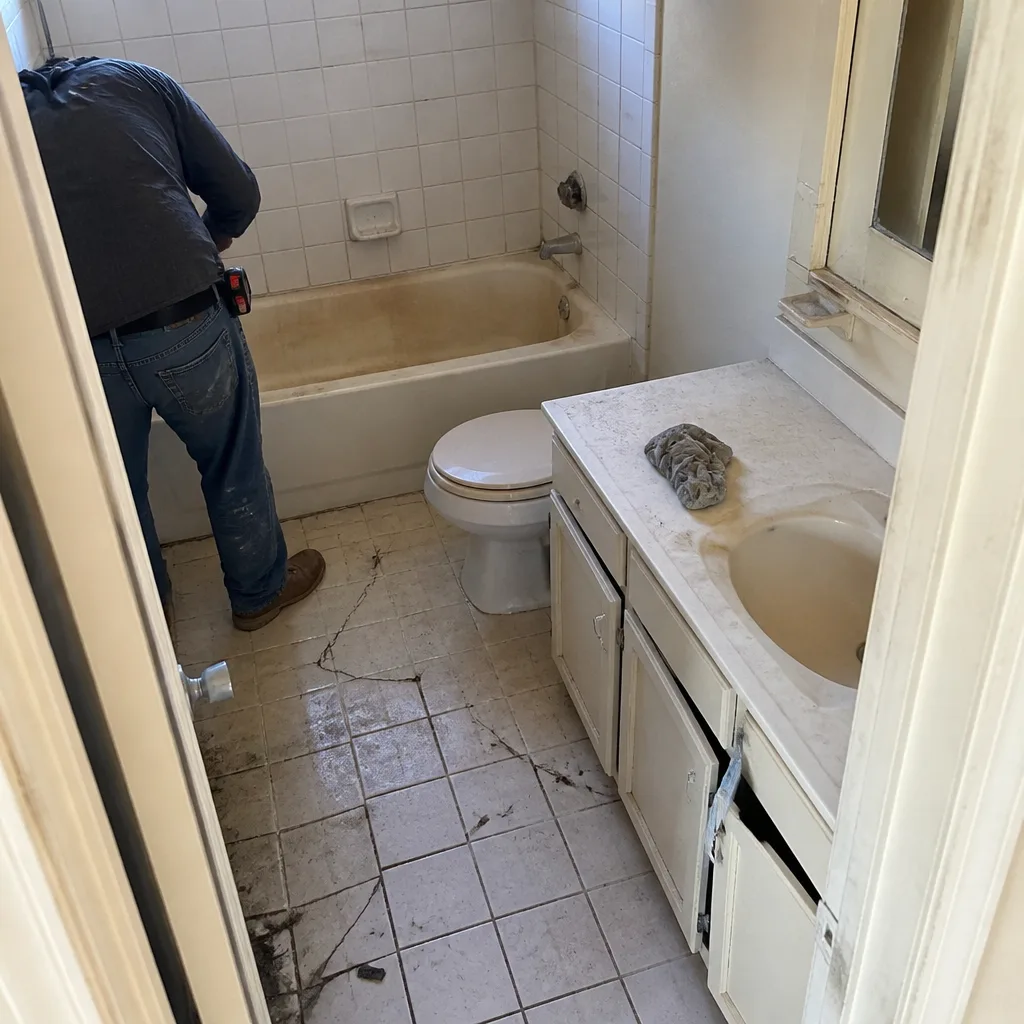 Before
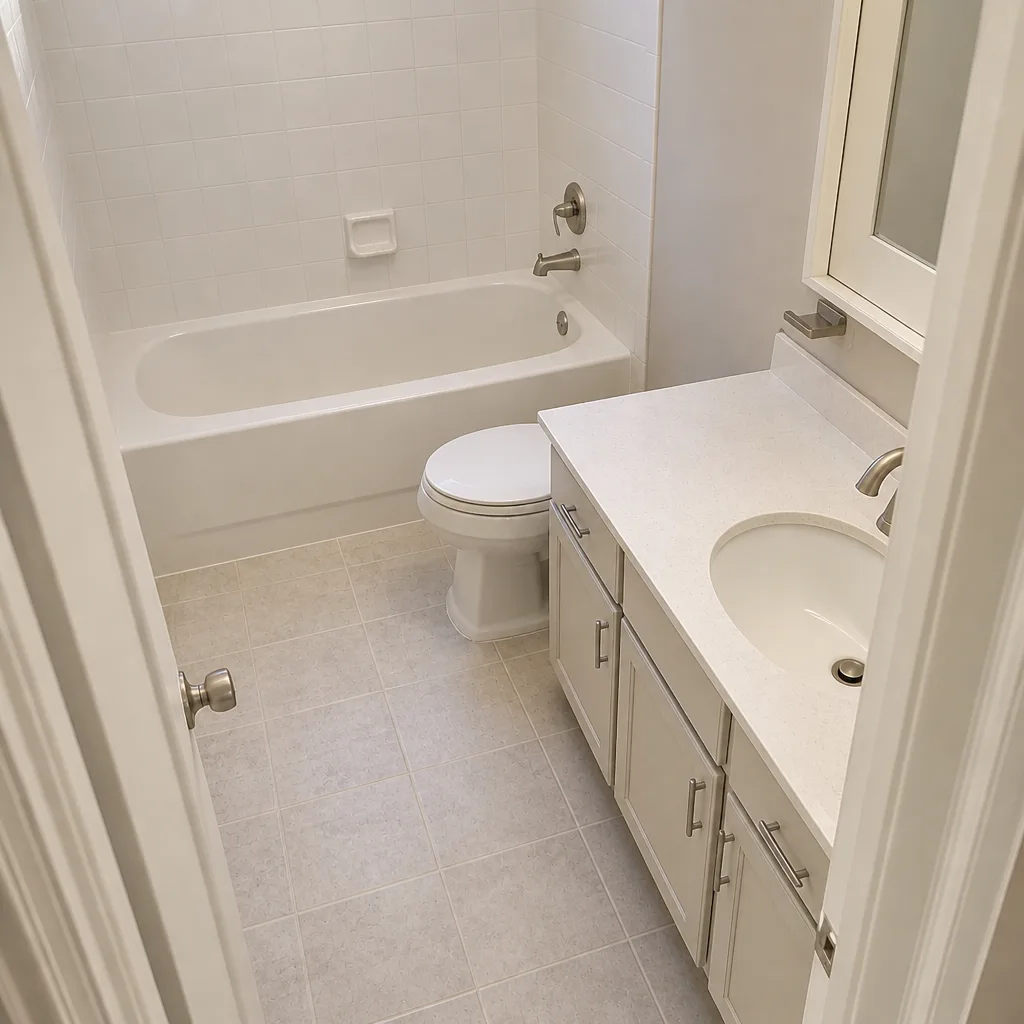 After
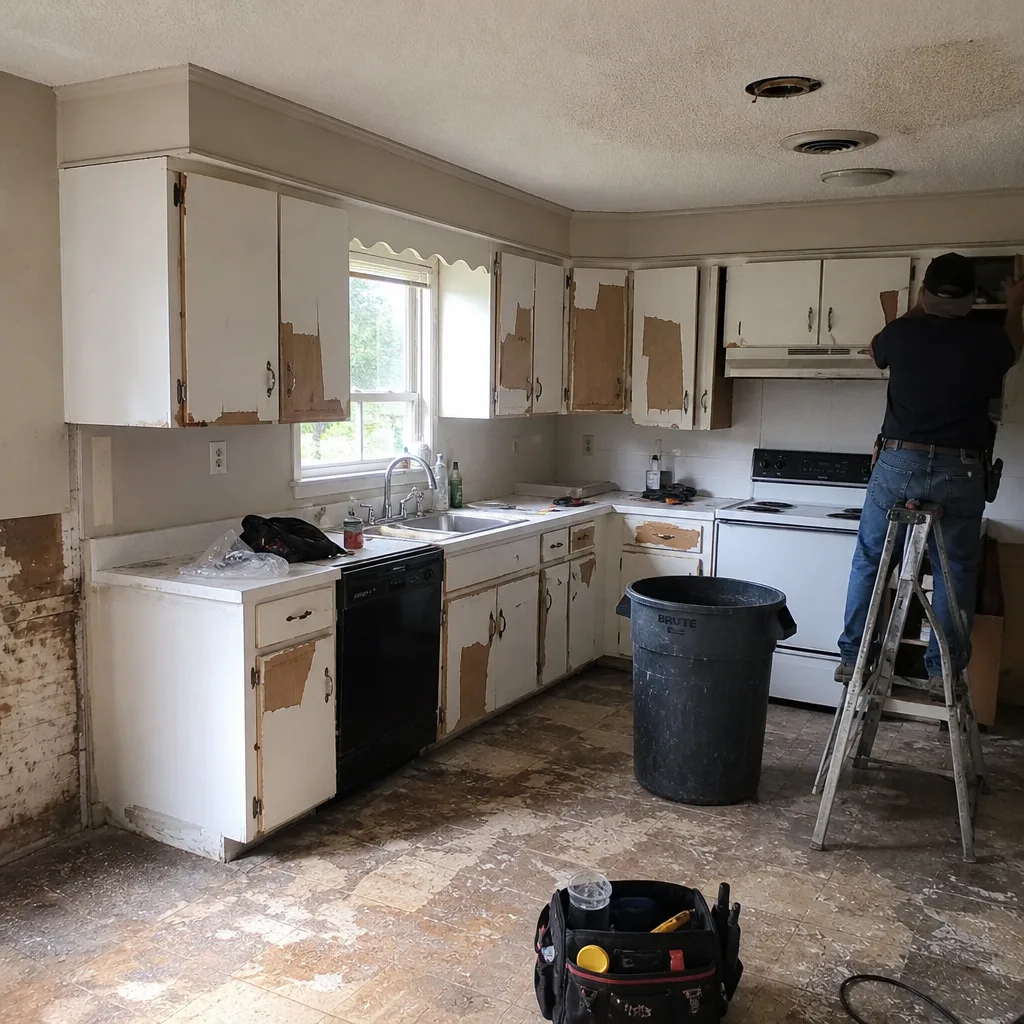 Before
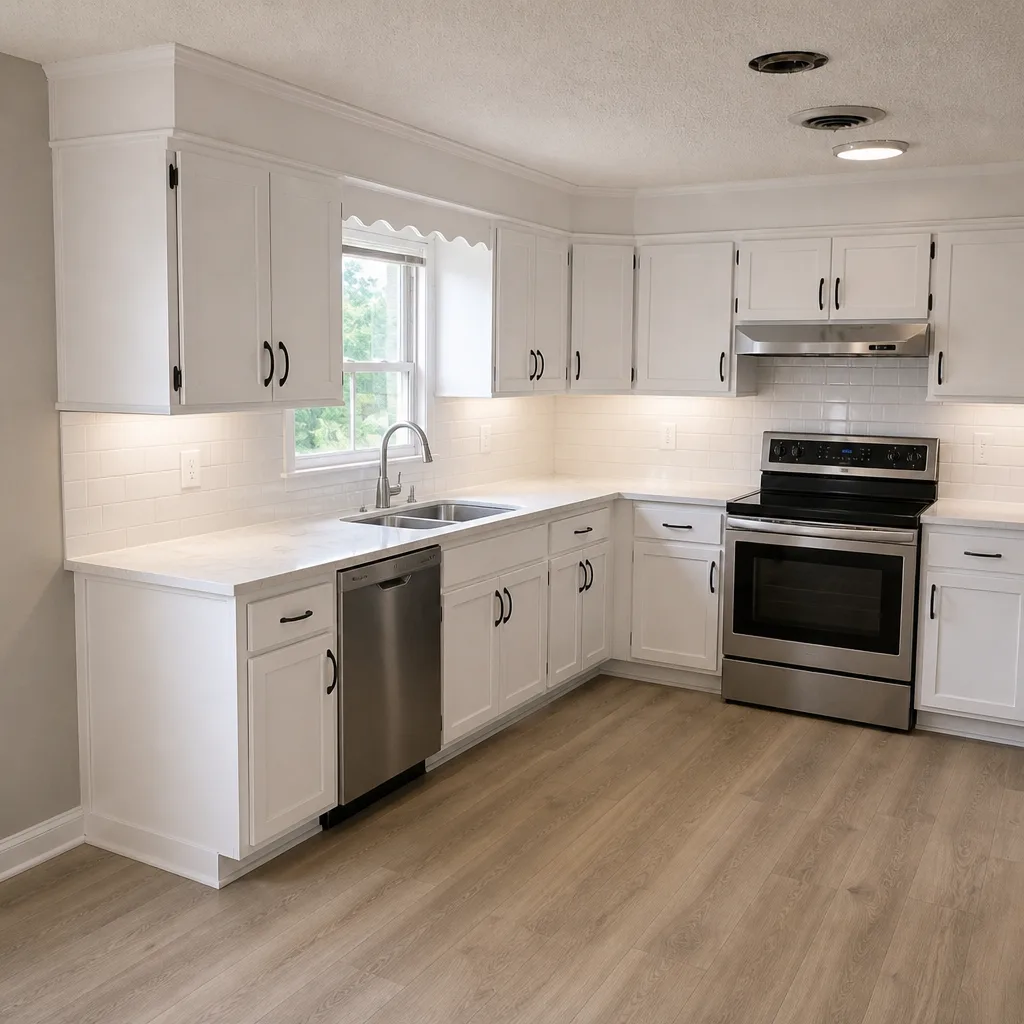 After
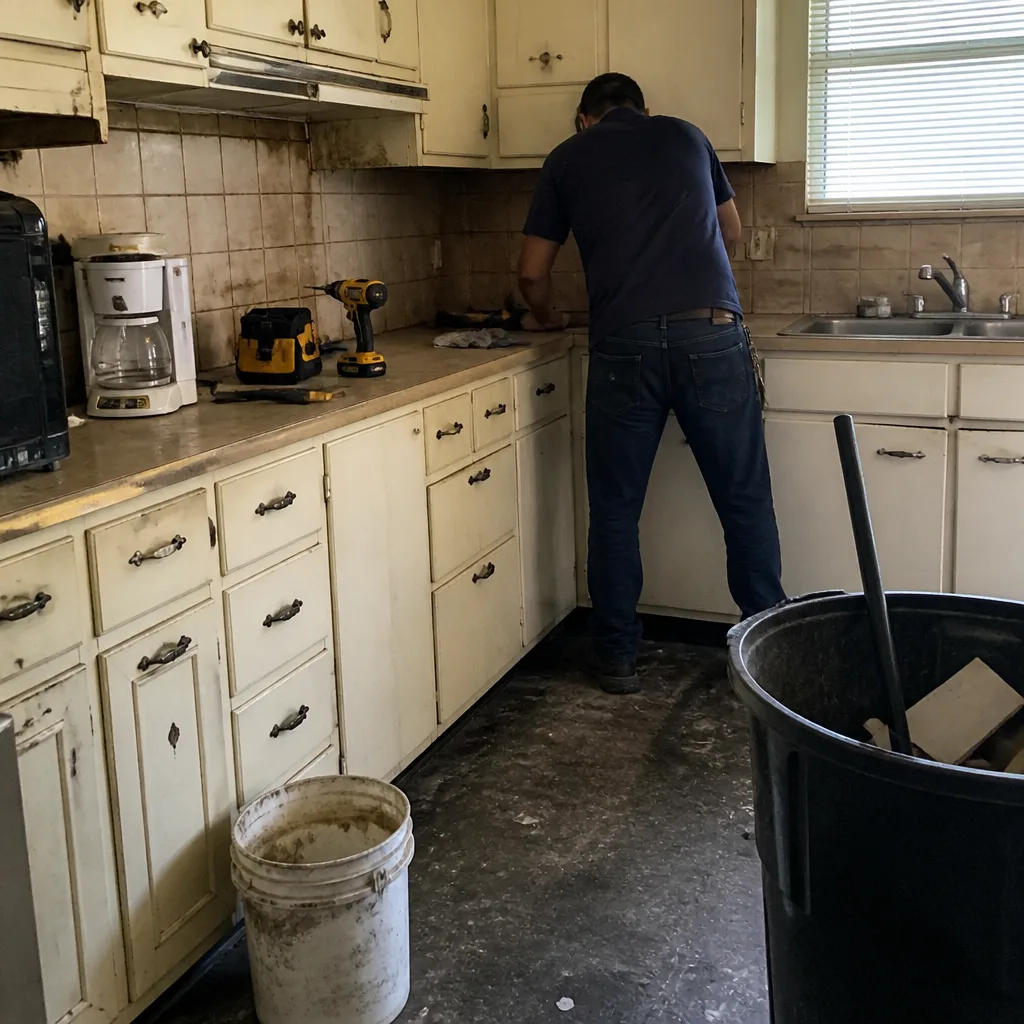 Before
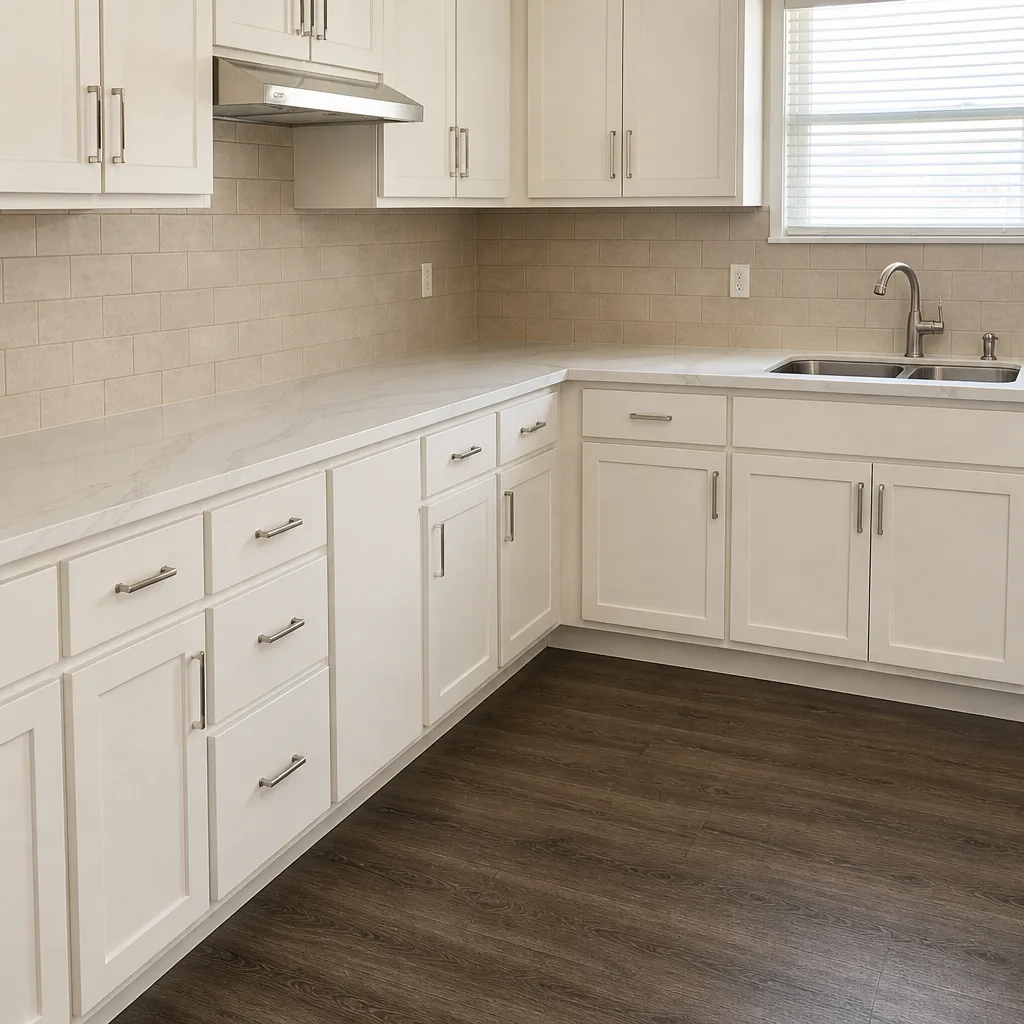 After
Why Homeowners in Allen Call Groundwork Construction Co.
We’ve been building in Allen since 2014, and the schedule discipline above is how every driveway and paver project runs – no shortcuts, no verbal revisions, no disappearing crews. All work is backed by our 730-Day Done Right Promise: if it’s not done right, we make it right. Our technicians have up to 12 years of experience and arrive background-checked and in uniform on every project. Calls are answered by a live person 24/7 – no voicemail, no waiting until Monday. For larger projects, we offer 0% financing for 18 months and $1,000 off projects over $10,000, and every estimate is a free project estimate and design consult with an upfront written quote. We build with brands like Belgard on hardscape because a paver driveway designed to 30 years shouldn’t be spec’d for 10.
Contact Groundwork Construction Co. of Allen
If you’re planning a driveway and paver project in Allen and want a real timeline in writing, call (888) 343-9048 today to schedule your free estimate. We’ll walk the site, verify the base and soil conditions, and hand you a dated phase-by-phase schedule before you commit to anything – from foundation to finish line.
Written by the team at Groundwork Construction Co. of Allen.