



Free written scope consultation - allowances, timeline, and change-order rules on paper before a single trade is scheduled
Styles & brands we work with
- Kitchen remodeling
- Bathroom remodeling
- Home additions & ADU
- Roofing
- Windows & doors
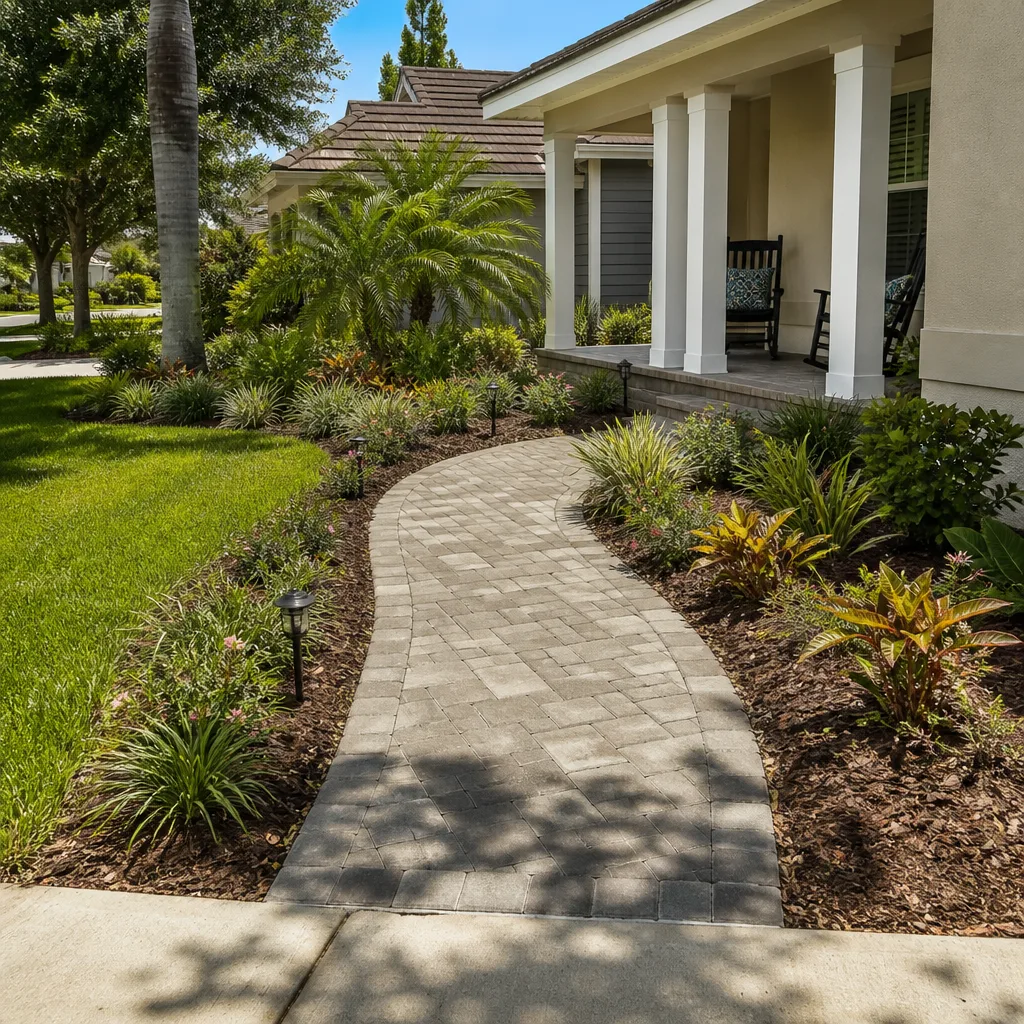
- Driveway & pavers
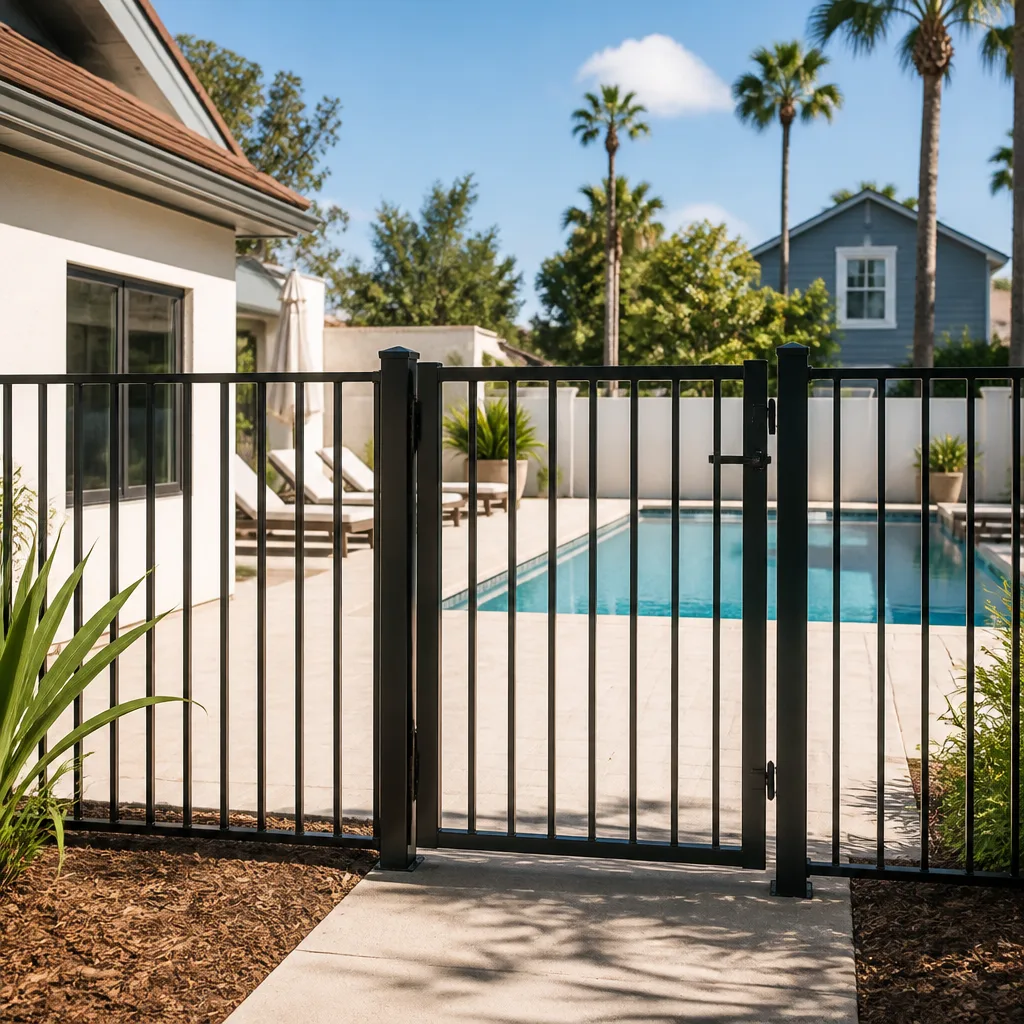
- Fence
See the difference
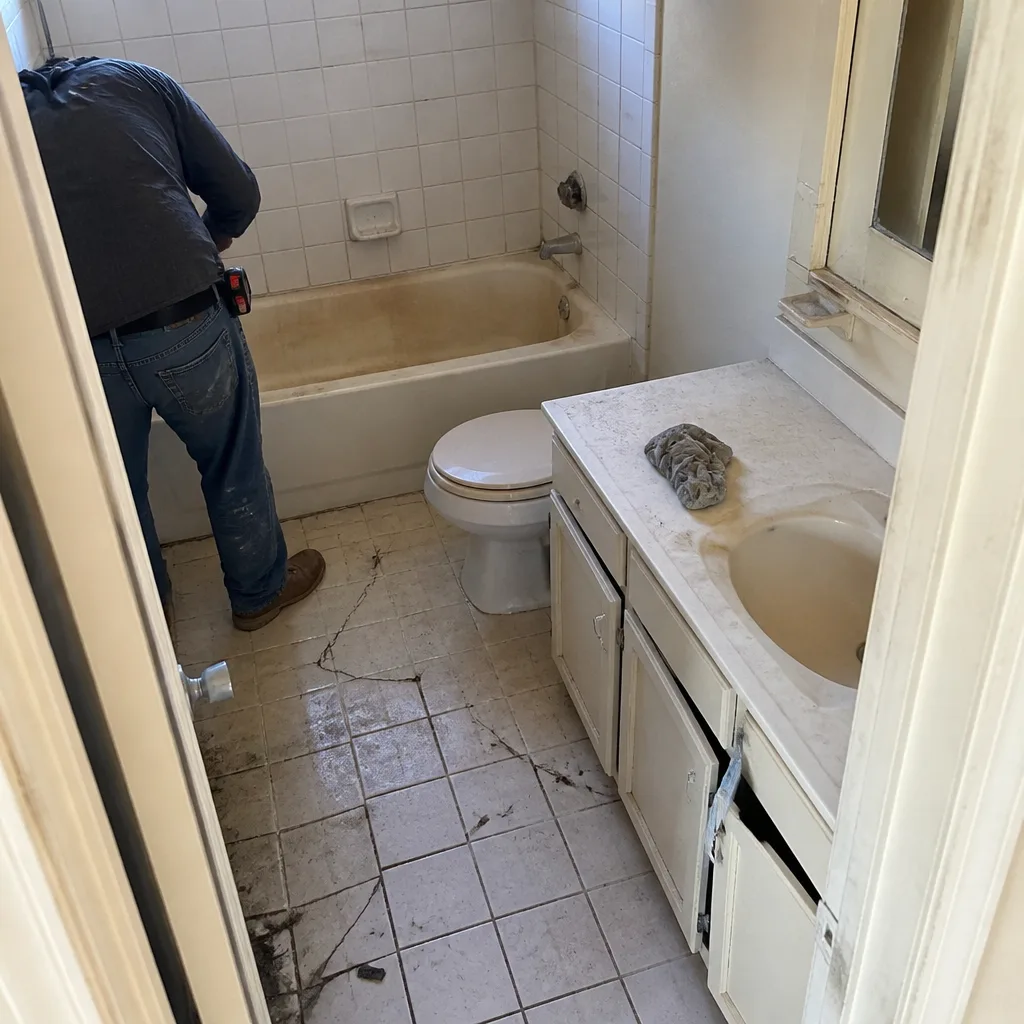 Before
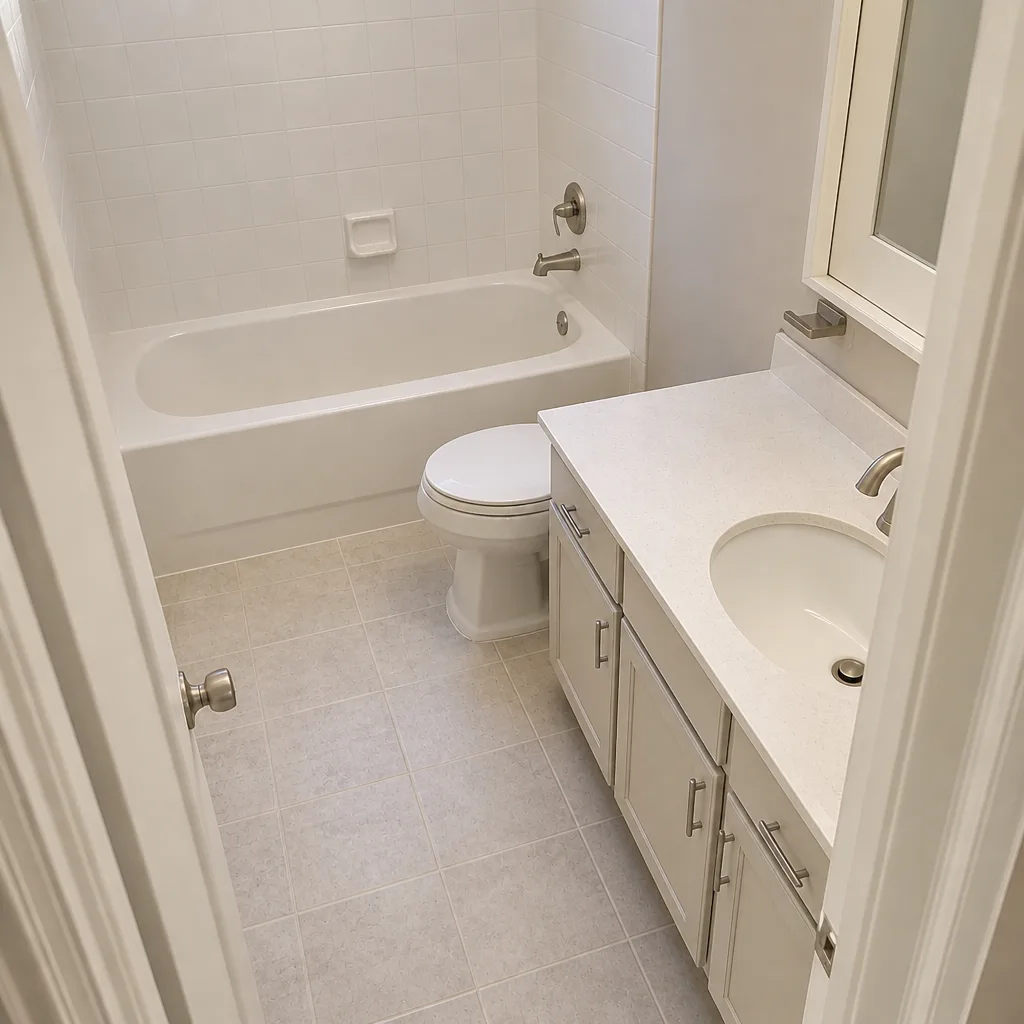 After
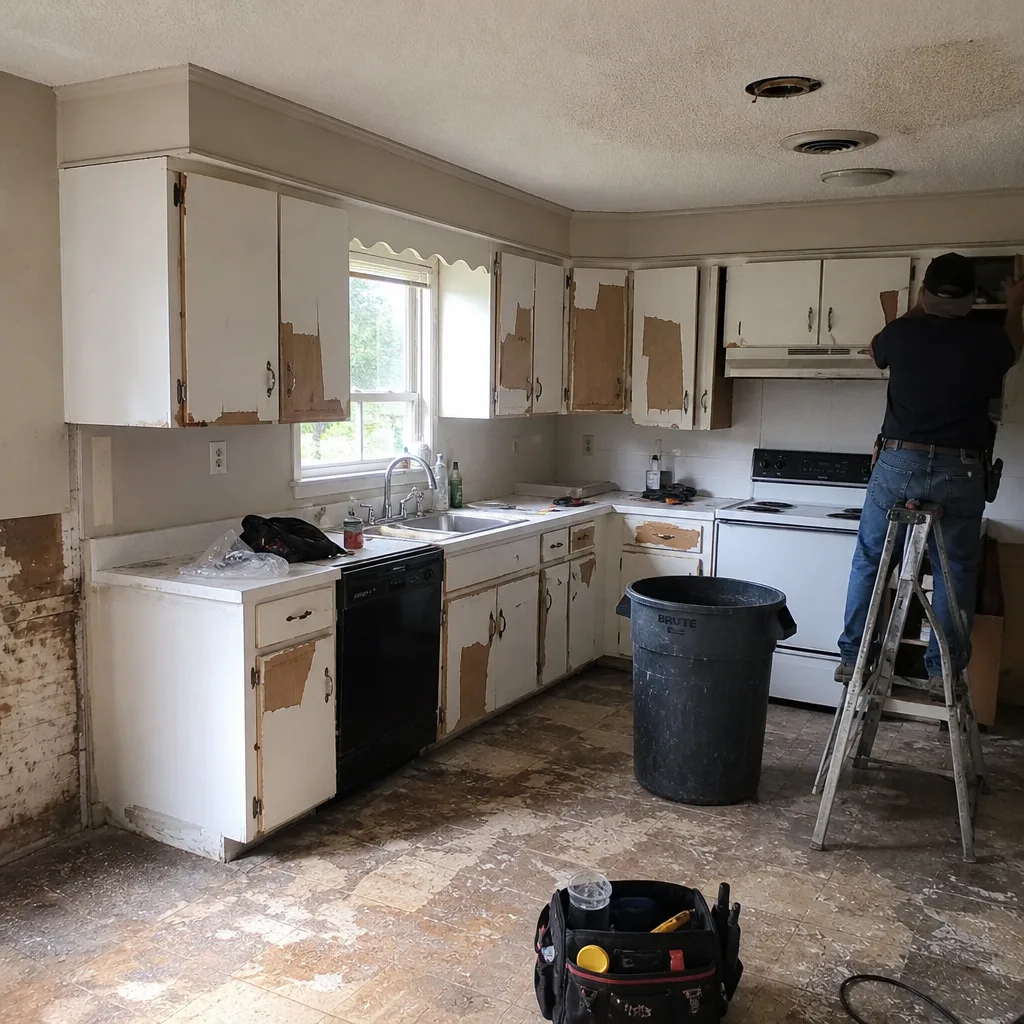 Before
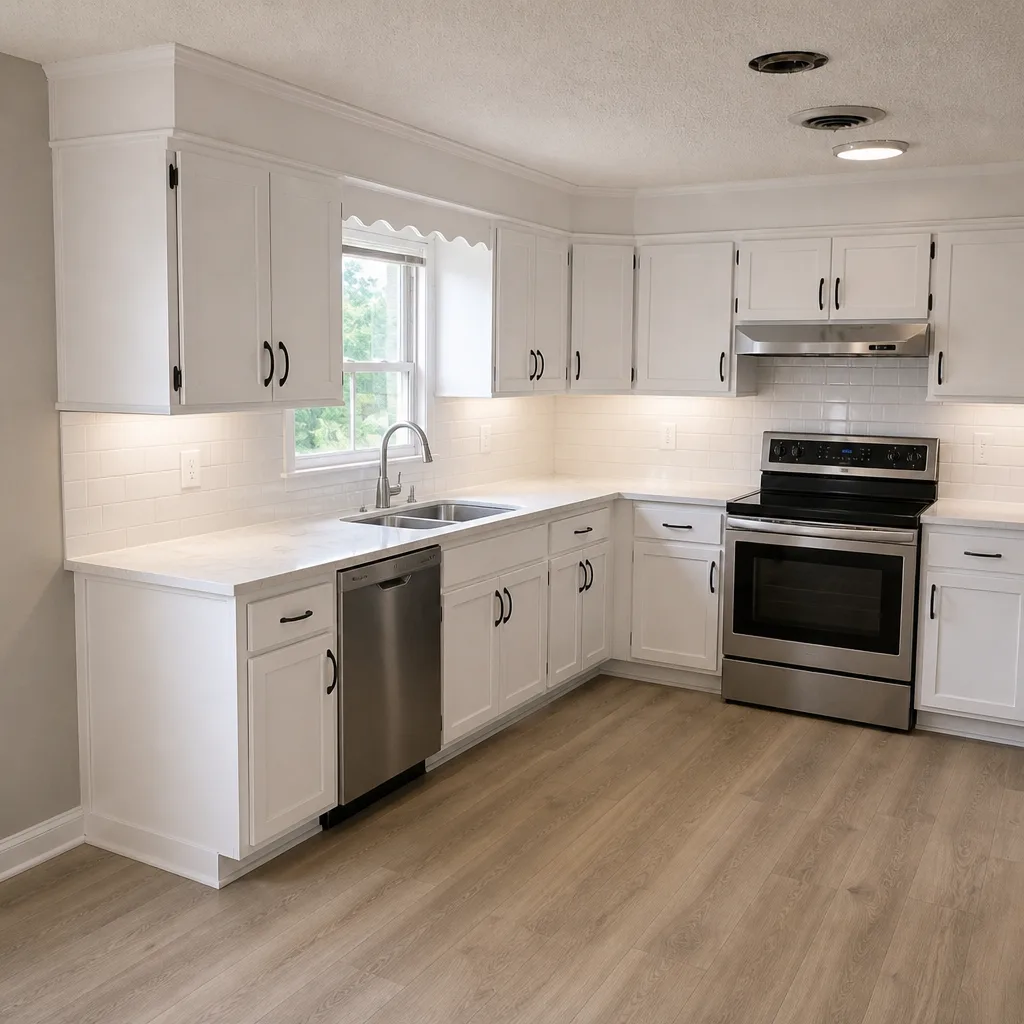 After
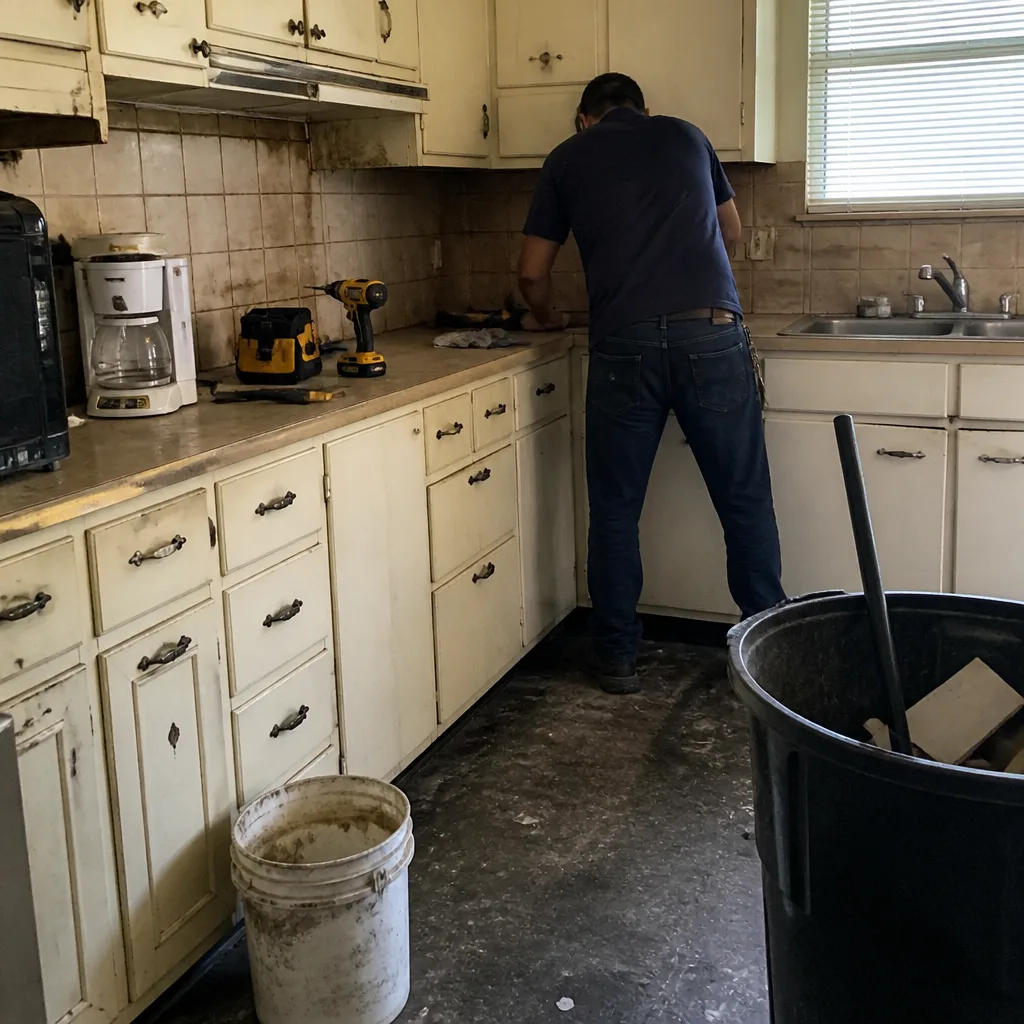 Before
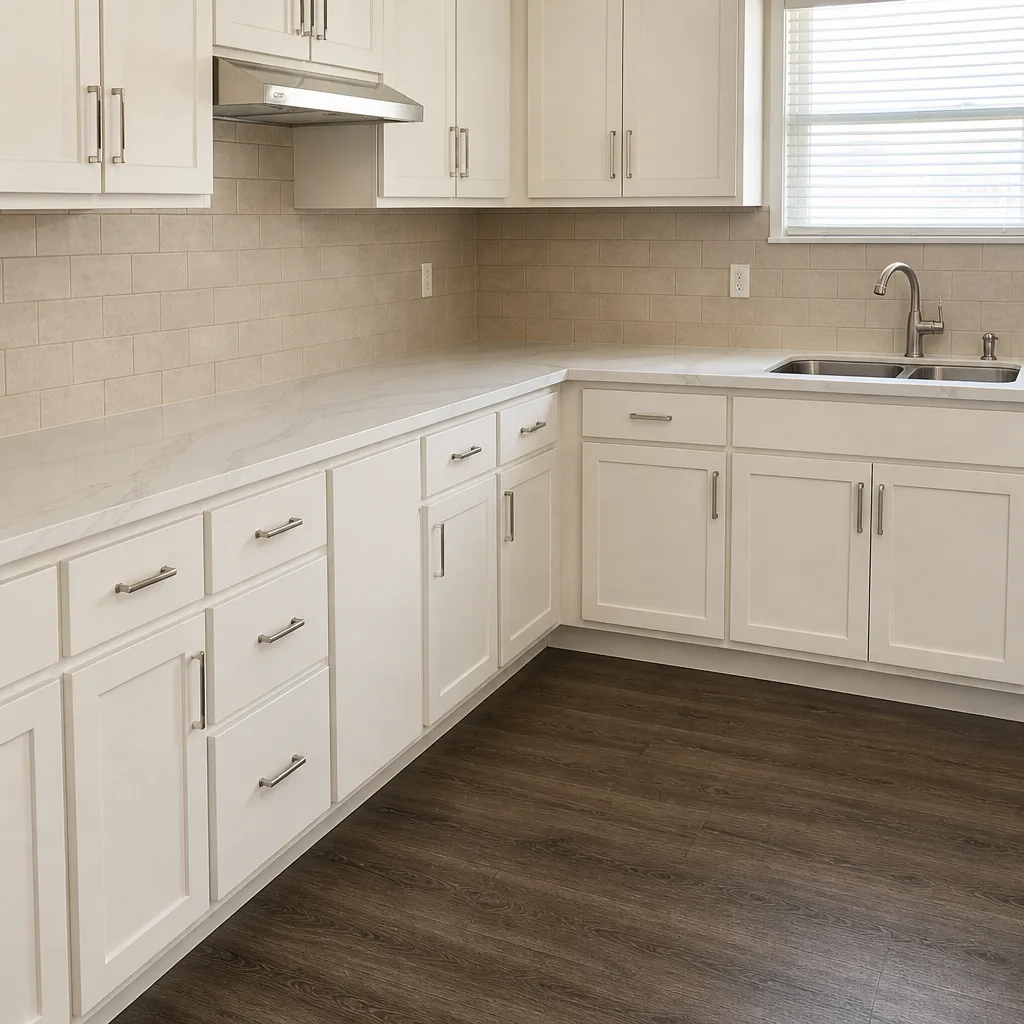 After
How Long Does a Tile Roof Last in Allen, TX? The Answer Isn’t About the Tile
The tile itself can last 50+ years, but a tile roof system in Allen usually needs attention somewhere between 20 and 25 years because the felt underlayment beneath it wears out first. On a 1990s home, the tiles may have another 40 years left while the waterproofing layer under them is already at or past its rated life. That gap is where most “mystery” tile roof leaks in Allen start. If you’re seeing water stains with no visible broken tile, call Groundwork Construction Co. of Allen at (888) 343-9048 for a free assessment.
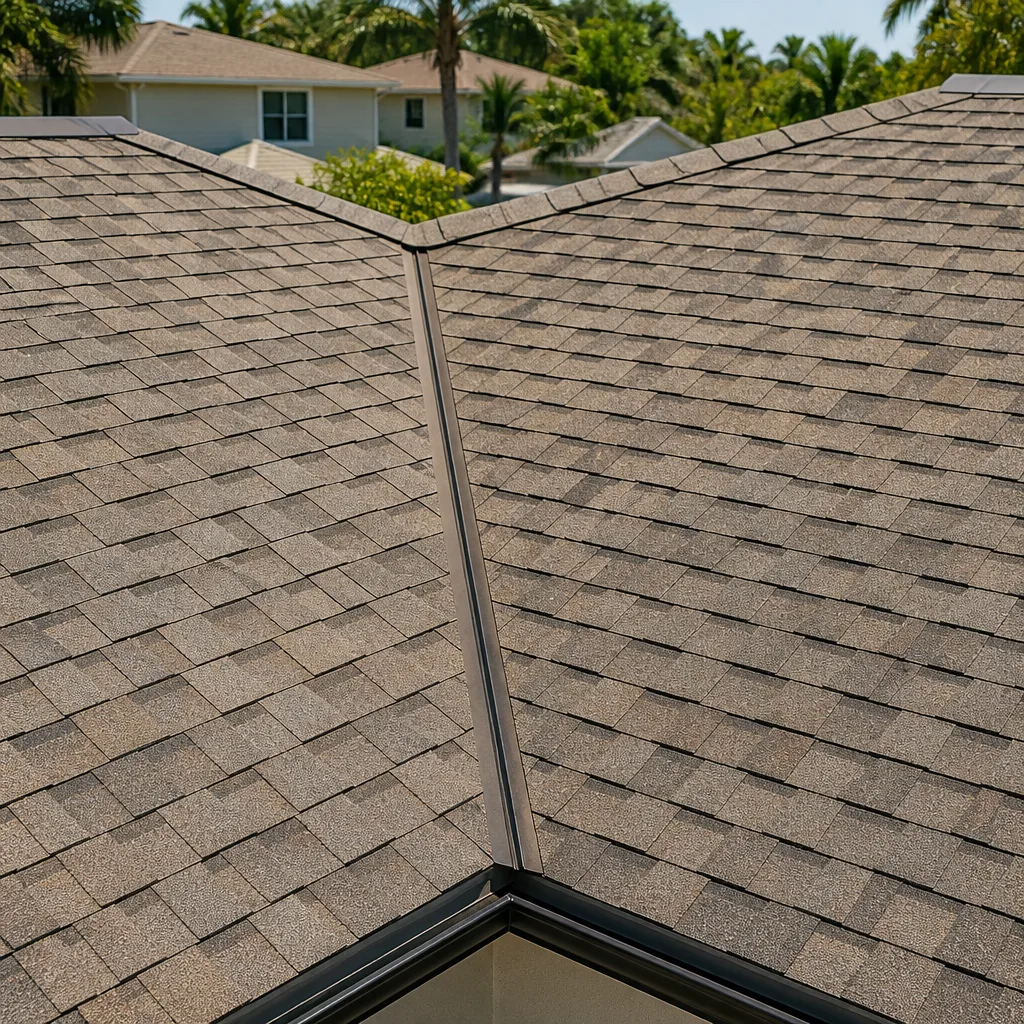
Why the Tile Outlives the Roof in Allen
Ask most homeowners how long a tile roof lasts and they’ll quote the tile: concrete or clay, 50 years, sometimes more. That number is real. The problem is that a tile roof isn’t one material. It’s a layered system, and the tile is just the top. Underneath sits the underlayment, a waterproof membrane that catches every drop of water that slips past the tile field. The tile sheds most of the rain. The underlayment catches the rest. When it degrades, the roof fails quietly, and the tiles above it can still look perfect from the curb.
Allen sits on North Texas blackland clay. That soil expands and contracts with every wet-dry cycle, and it moves foundations and roof decking with it. Over 25 or 30 years, that subtle flex works on rigid concrete tile, and hairline cracks open along fault lines you can’t see from the ground. Combine that with our hail-prone springs and summers that push past 100 degrees, and you get a system where the underlayment is doing heavy lifting in punishing conditions. In the older custom sections of Allen with true tile roofs, that felt has been baking under Texas sun for nearly three decades.
This is the piece most roofers skip. When Groundwork evaluates a tile roof in Allen, we check the underlayment’s age and condition as carefully as the tile itself, because that’s where the real lifespan number lives.
Tile Roof Lifespan: What Actually Determines the Clock
The correct way to think about a tile roof in Allen isn’t “how long does the tile last.” It’s “how often does the underlayment need replacing.” Those are two very different timelines, and they drive the total cost of ownership.
- Concrete or clay tile: 50+ years, often longer. Cracks and chips happen, but the tile is rarely the reason a roof fails.
- No. 30 or No. 40 felt underlayment: 20-25 years in North Texas heat and UV. This is the real-world number, not the optimistic one on the wrapper.
- Synthetic underlayment: 40-50 years. A meaningful upgrade when the roof gets redone.
- Flashing and penetrations: 15-25 years before seals and metal work need reconditioning.
So any tile roof installed in Allen before roughly 2005 is likely running on borrowed time at the underlayment layer, even if the tiles look brand new. That’s the number that should drive your planning, not the 50-year tile figure.
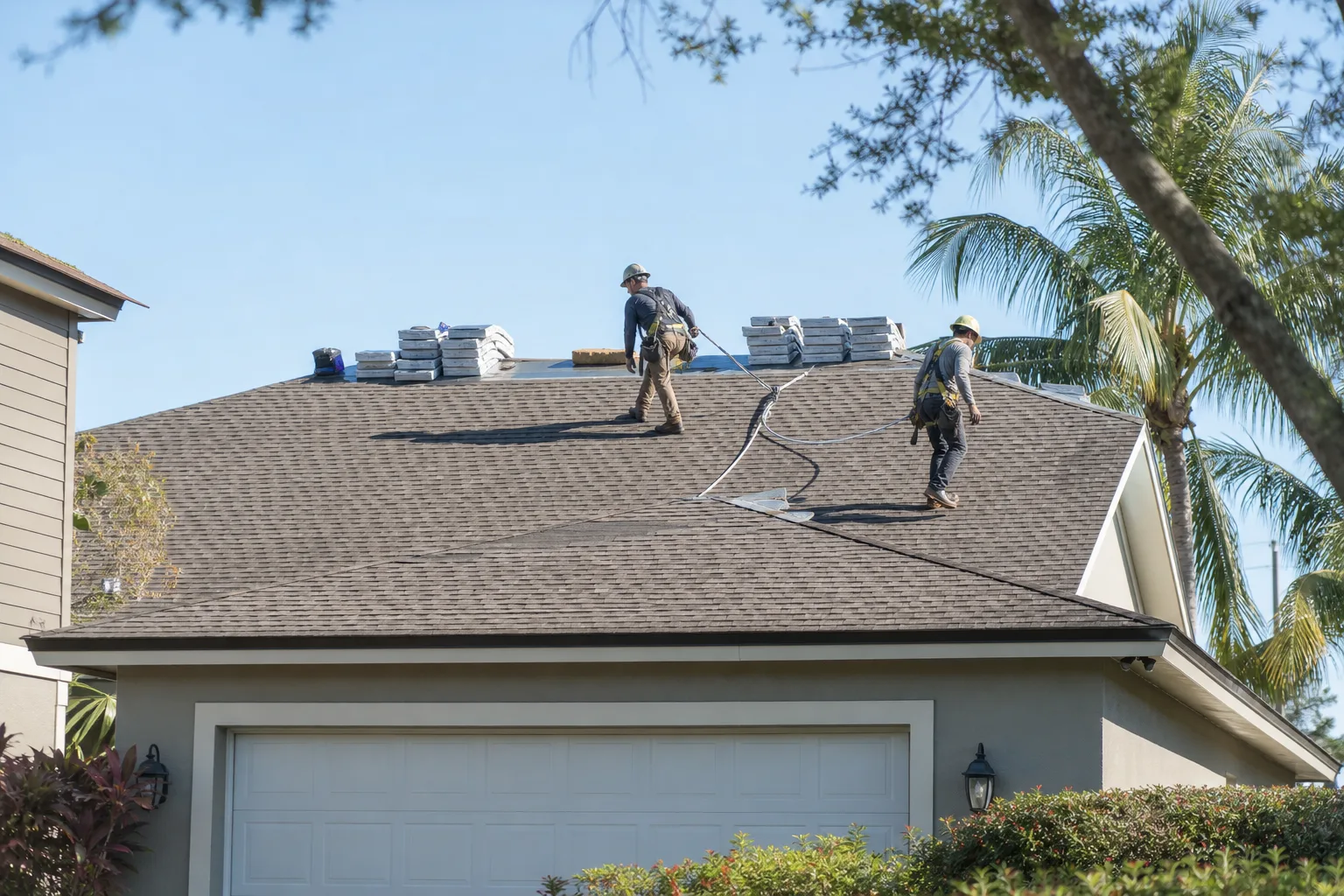
What to Look For on a Tile Roof in Allen
Here’s where homeowners get surprised. The failure mode is invisible until it isn’t. A few things we look for on Allen homes specifically:
- Hairline cracks along tile fault lines. Blackland clay movement flexes the deck, and rigid tile cracks along those subtle lines. You won’t catch them from the driveway. A close inspection will.
- Granule and felt shedding in the valleys and at the eaves. Degraded felt breaks down into debris that collects where water runs. It’s one of the earliest clues the underlayment is going.
- Water stains on attic decking or ceiling drywall after a hard rain. Water pushed through a failed underlayment shows up inside, not on the roof surface.
- Age of the original installation. If the home was built in the 1990s and the tile roof is original, the underlayment is the question, not the tile.
- Uneven tile planes or lifted edges. Subtle deck movement and fastener fatigue can shift the field.
One more Allen-specific wrinkle: this is a Collin County master-planned suburb, and neighborhoods like Watters Crossing, Twin Creeks and Bethany Ridge often require HOA architectural-review pre-approval for roof color and material before the city permit is even issued. Allen’s permitting and inspections are stricter than most of the surrounding area, and any tile roof replacement requires a licensed inspector to sign off. That process quietly filters out the aggressive day-labor crews who show up after a hailstorm, quote low, and vanish before the first leak appears. Reputable work here is documented work.
What It Costs to Repair or Replace a Tile Roof in Allen
Most tile roof issues in Allen fall into two buckets: repair the section that’s failing, or replace the underlayment (and sometimes the roof) because the waterproofing layer is spent. Here’s what that looks like in real numbers. Groundwork gives you upfront pricing, so the number you see is the number you pay.
| Service | Typical Allen range |
|---|---|
| Tile roof repair (cracked tiles, flashing, spot fixes) | $600-$2,500 |
| General roof repair | $400-$1,800 |
| Full roof replacement | $8,000-$20,000 |
| Metal roof (if you’re weighing a change) | $15,000-$40,000 |
A full underlayment replacement under existing tile sits within the roof replacement range, and it’s a bigger job than a repair because the tile field comes up and goes back down. The good news: it resets the clock for another 20-25 years if felt goes back down, or 40-50 if you upgrade to synthetic. We build that decision into the estimate so you can see both paths and their costs side by side. If you’re comparing the whole scope of a roof project, our Roofing page lays out what’s involved.
When a Groundwork tile job is finished, it’s covered by the 730-Day Done Right Promise. If an underlayment failure or an installation defect causes a leak within that window, we make it right at zero cost to you. That matters most when the failure mode is invisible until the next hard rain, which is exactly how tile roofs fail in Allen.
FAQs About Tile Roofs in Allen
Plan on 20-25 years for the underlayment under a felt-installed tile roof and 50+ years for the tile itself, so the system’s real lifespan is set by the waterproofing layer, not the tile. On a 1990s Allen home, that underlayment is likely at the end of its run even if the tiles look fine. Call (888) 343-9048 for an inspection and an exact quote; estimates are free.
Not necessarily today, but it’s worth knowing the age of your underlayment before a heavy rain finds the weak spot for you. Tile roofs fail from the bottom up, and the first sign is often a ceiling stain, not a missing tile. A no-pressure assessment in Allen tells you where your roof stands.
Repairs run $600-$2,500 and make sense for isolated cracked tiles or flashing, but if the underlayment is past 20 years, a full roof replacement in the $8,000-$20,000 range is usually the honest answer because you’d be redoing the real problem anyway. We’ll show you both and let you decide. Reach us at (888) 343-9048 for a free estimate.
Yes. Calls are answered by a live person 24/7, and our background-checked, uniformed technicians schedule assessments across Allen quickly. Our technicians have up to 12 years of experience with tile systems, and we inspect underlayment age and hairline tile cracks that most crews miss. Call (888) 343-9048 to get on the schedule.
If you’d rather have it looked at, Groundwork Construction Co. of Allen offers a no-pressure assessment in Allen. We’ll tell you what the tile has left and what the underlayment beneath it is really doing. Call (888) 343-9048 for a free estimate, and see what we cover across our Allen service area and back at our home page.
Written by the team at Groundwork Construction Co. of Allen, serving Allen, TX.