
Free written scope consultation - allowances, timeline, and change-order rules on paper before a single trade is scheduled
Styles & brands we work with
- Kitchen remodeling
- Bathroom remodeling
- Home additions & ADU
- Roofing
- Windows & doors
- Driveway & pavers
- Fence
See the difference
 Before
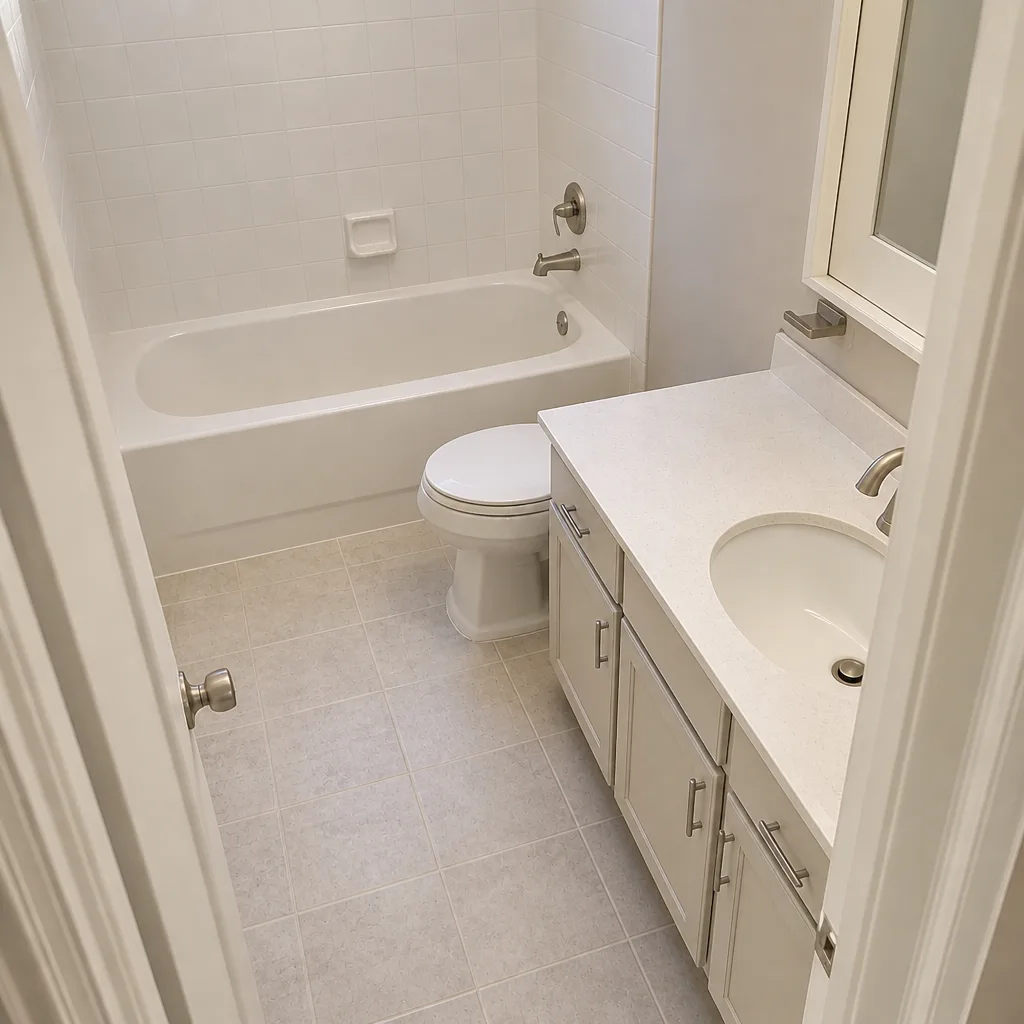 After
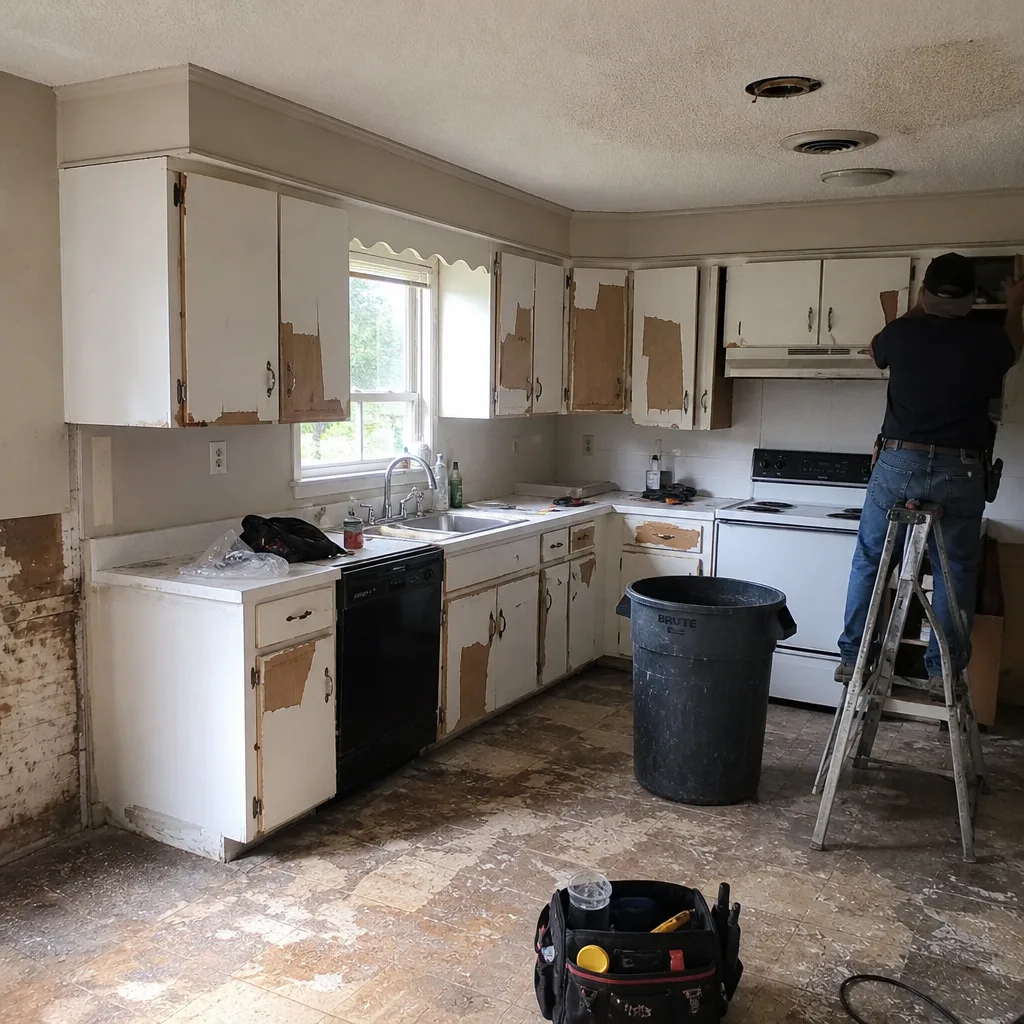 Before
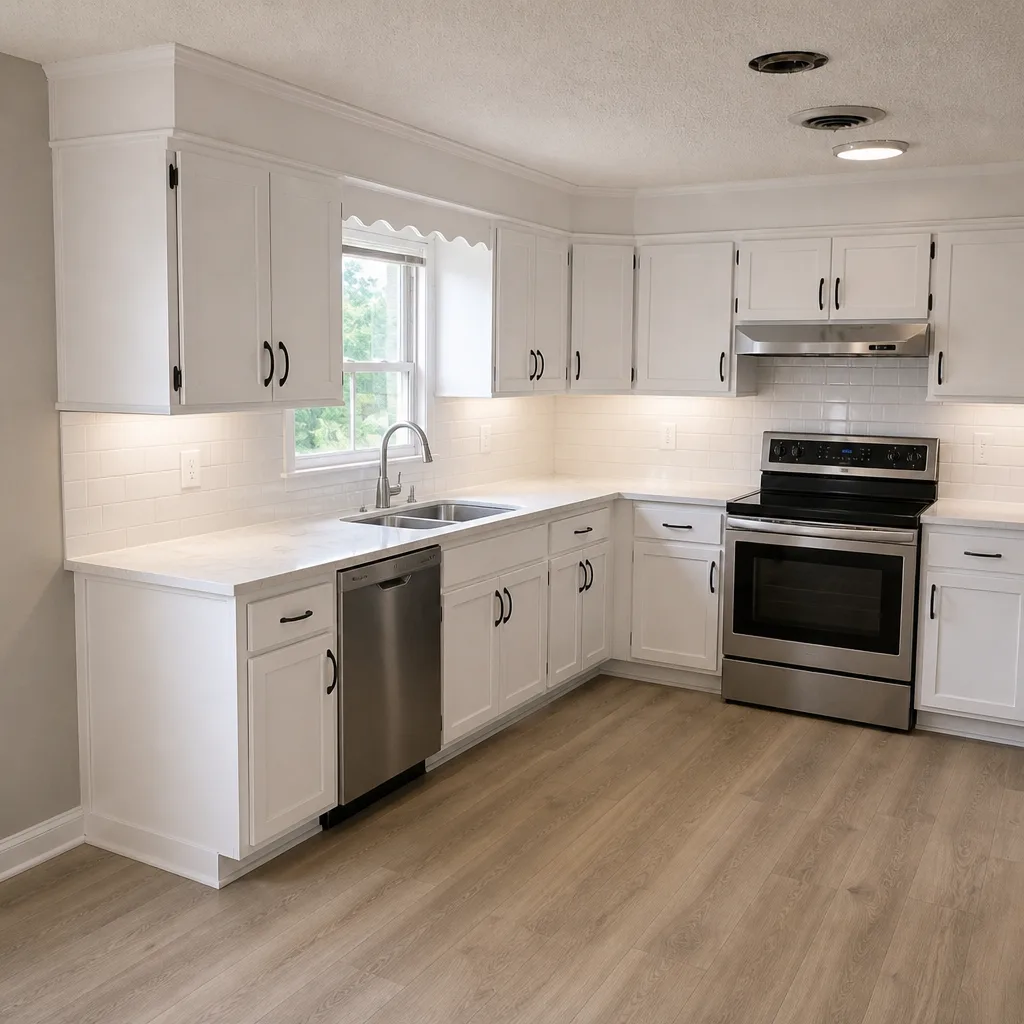 After
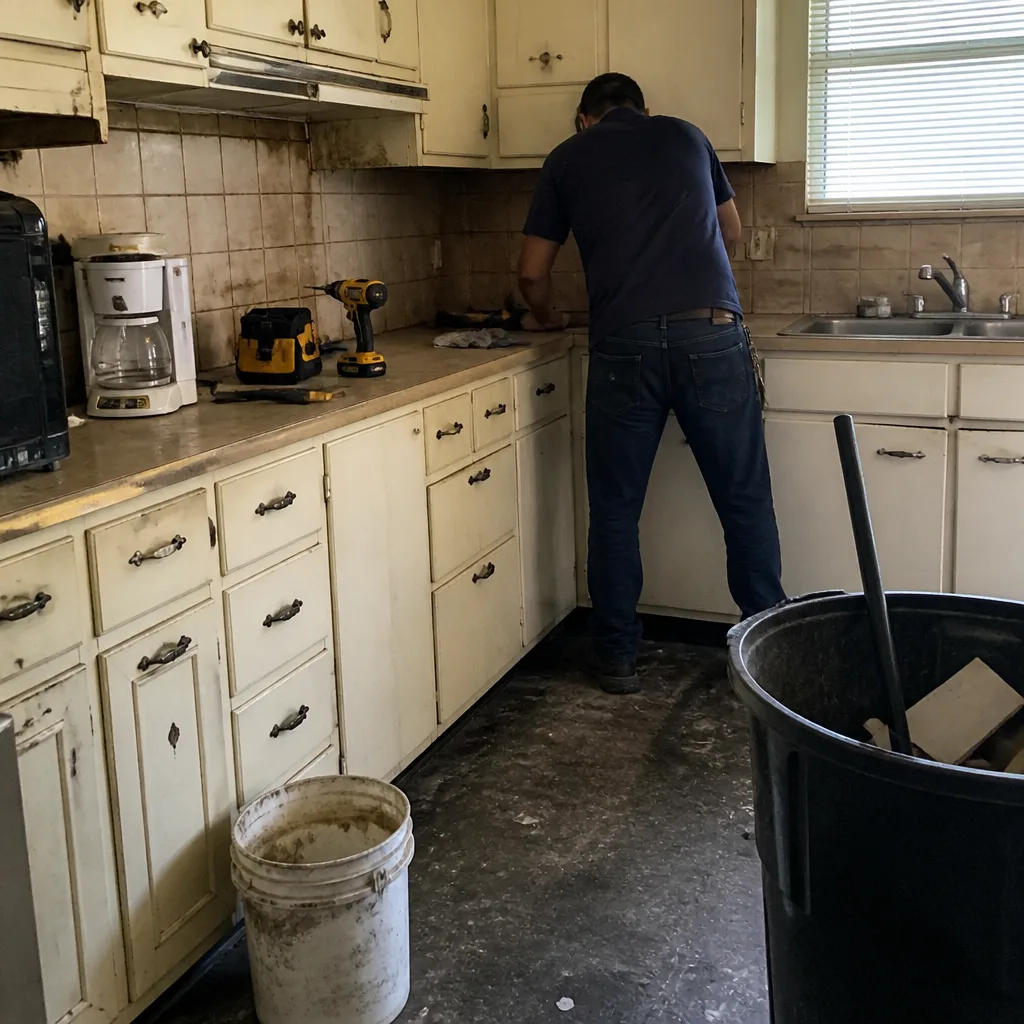 Before
 After
How Deep Should Fence Posts Be in Allen, TX? The Answer Is Deeper Than the Rule of Thumb
For a 6-foot privacy fence in Allen, Texas, fence posts should be set a minimum of 36 inches deep, with 42 inches as the professional standard in Collin County’s blackland clay. The rule of thumb you’ll find everywhere online – bury one-third of the post length – puts a 6-foot post at 24 inches. That 12-inch gap is exactly why your neighbor’s 20-year-old fence is leaning over the sidewalk.
We’re Groundwork Construction Co. of Allen, and if you’re pricing a fence rebuild or wondering whether your current posts were set correctly, call (888) 343-9048. Estimates are free and there’s no pressure to book anything.
Key Takeaways
- 6-foot fence post depth in Allen: 36″ minimum, 42″ professional standard.
- Frost depth is not the reason posts go deep here – the North Texas frost line is only about 6″. Clay expansion pressure is the real driver.
- Allen’s expansive blackland clay routinely has a Plasticity Index above 30, which means the ground under your post actually swells and shrinks with every wet-dry cycle.
- Bell-bottom footings outperform straight cylindrical holes in this soil.
- A complete Allen fence rebuild typically runs $3,500-$9,000, and our 730-Day Done Right Promise covers post shift or lean in the first two years.
Why the One-Third Rule Fails in Allen’s Blackland Clay
The one-third rule was written for stable, well-drained soil. Allen mostly wasn’t built on stable soil. Almost every subdivision here sits on blackland clay, the same dark, heavy soil that has been cracking foundations and lifting driveways across Collin County for decades.
Clay with a high Plasticity Index behaves like a slow piston. When it rains, the clay around a post takes on water and expands. When summer heat pulls the moisture back out, it shrinks, and the post loses its grip on the surrounding soil. Repeat that cycle a few dozen times over 15 or 20 years and a 24-inch post starts walking. That’s the real mechanism behind the leaning fence lines you see along the alley sides of the 1990s and 2000s subdivisions in Watters Crossing, Twin Creeks, and Bethany Ridge – not poor materials, not bad luck. Shallow footings in expansive clay.
Go to 36 or 42 inches and the post base reaches soil that moves less, and you’re anchoring below the zone where the seasonal shrink-swell does most of its damage. It’s the same reason we talk with Allen homeowners about soil movement on driveways and pavers as much as on fences.
The Frost Depth Confusion – an Important Correction
If a contractor ever tells you posts need to go deep “to get below the frost line,” in Allen they’re using the wrong engineering rationale. The frost line in North Texas is only about 6 inches. Freeze-thaw is a real driver in Minnesota and upstate New York, where post depth is genuinely a frost problem. Here, it isn’t.
The driver in Allen is clay expansion pressure from the wet-dry cycle, not ice. That matters practically, because it tells you what to check on a bid. A contractor who understands this soil will talk about footing shape, drainage around the post line, and concrete depth. A contractor who doesn’t will quote “deeper posts” as if depth alone were the whole story, and then hand you a straight-sided hole that gets jacked up out of the clay anyway.

Why Footing Shape Matters More Than You’d Expect
Depth is half the equation. The other half is the shape of the concrete at the bottom of the hole.
A simple cylindrical footing – straight sides, flat bottom – gives the expanding clay something to grip all the way up, and it can lift or shift the post as the ground heaves. A bell-bottom footing flares out at the base so the mass of concrete resists being pushed upward. It costs very little extra in concrete and labor. In Allen’s soil, it’s one of the highest-value upgrades you can make to a fence, and it’s the difference you’ll notice on a 10-year-old fence line versus a 25-year-old one.
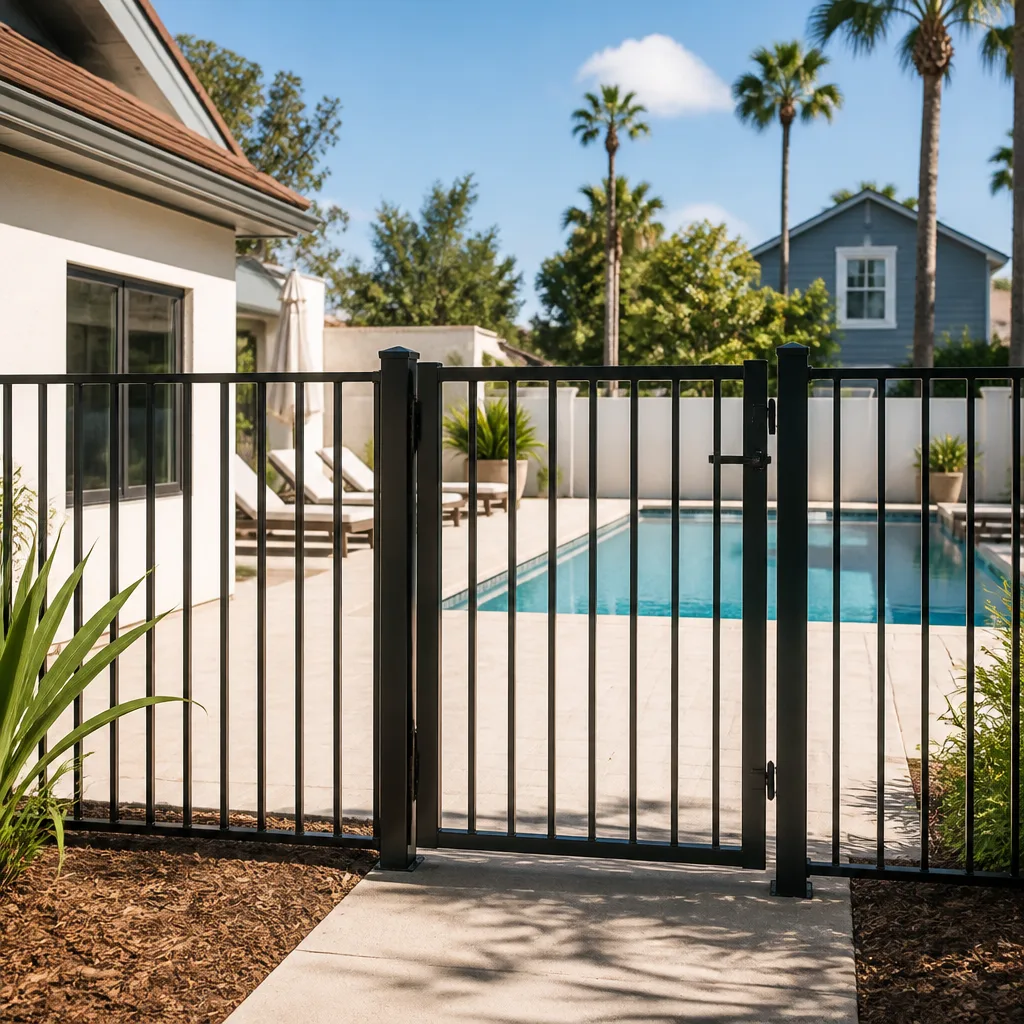
The full picture we set on Fence Installation covers footing, material, and grading together, because no one of those three works well without the others.
What Allen’s Inspectors Actually Check
Allen is stricter than some neighboring cities on permitting, and post depth gets looked at during framing inspection. Crews that set 24-inch posts to save concrete time get caught here, and the fix means re-digging holes, re-pouring, and waiting through a second inspection – cost and delay a proper bid should have accounted for from the start.
Across Allen’s HOA subdivisions, there’s a layer above the city permit too: architectural-review pre-approval for fence height, material, and color is standard in places like Twin Creeks and Bethany Ridge. We build that review into the schedule so your project doesn’t stall at the HOA desk after the crew has already started digging. That’s part of what upfront pricing means to us – the number you see is the number you pay, inspection hiccups included.
Common Local Scenarios We See
The 20-year-old builder-grade fence at the back of the lot. Original fence, original posts, now leaning in sections. In most of these, the posts were set at 18 to 24 inches – enough to pass a lenient inspection two decades ago, not enough to handle Allen’s clay over time. Rebuild with proper footings, not patch-and-hope.
The fence that started leaning after a wet spring. Blackland clay does its worst work in a wet-then-dry sequence. A single soaking spring followed by a dry summer can visibly tip a fence that had been fine for a decade.
The hail-damaged fence. North Texas storms take out fence panels and leave posts standing. That’s a panel replacement situation, not a full rebuild, and it’s worth a walkthrough to sort out which you’re facing before you commit to a quote.
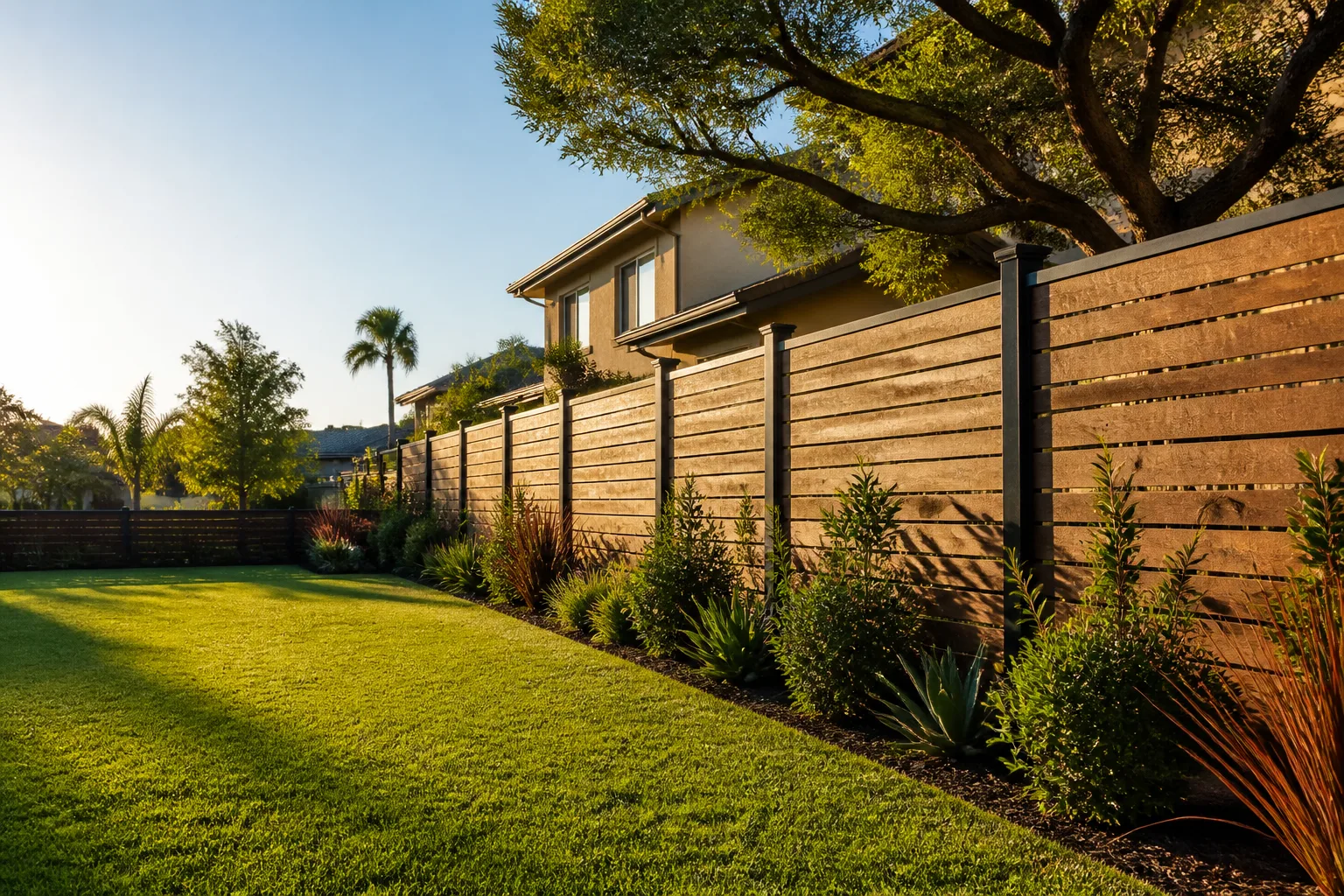
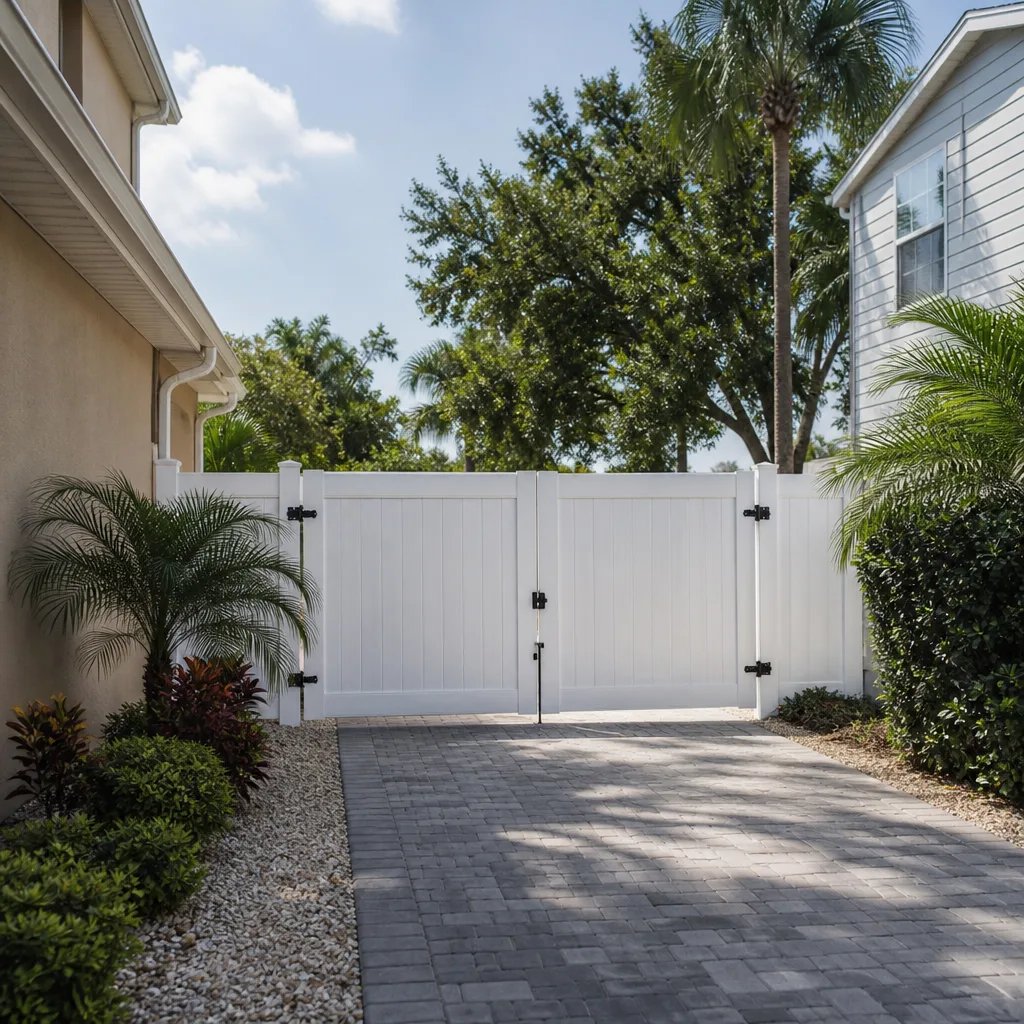
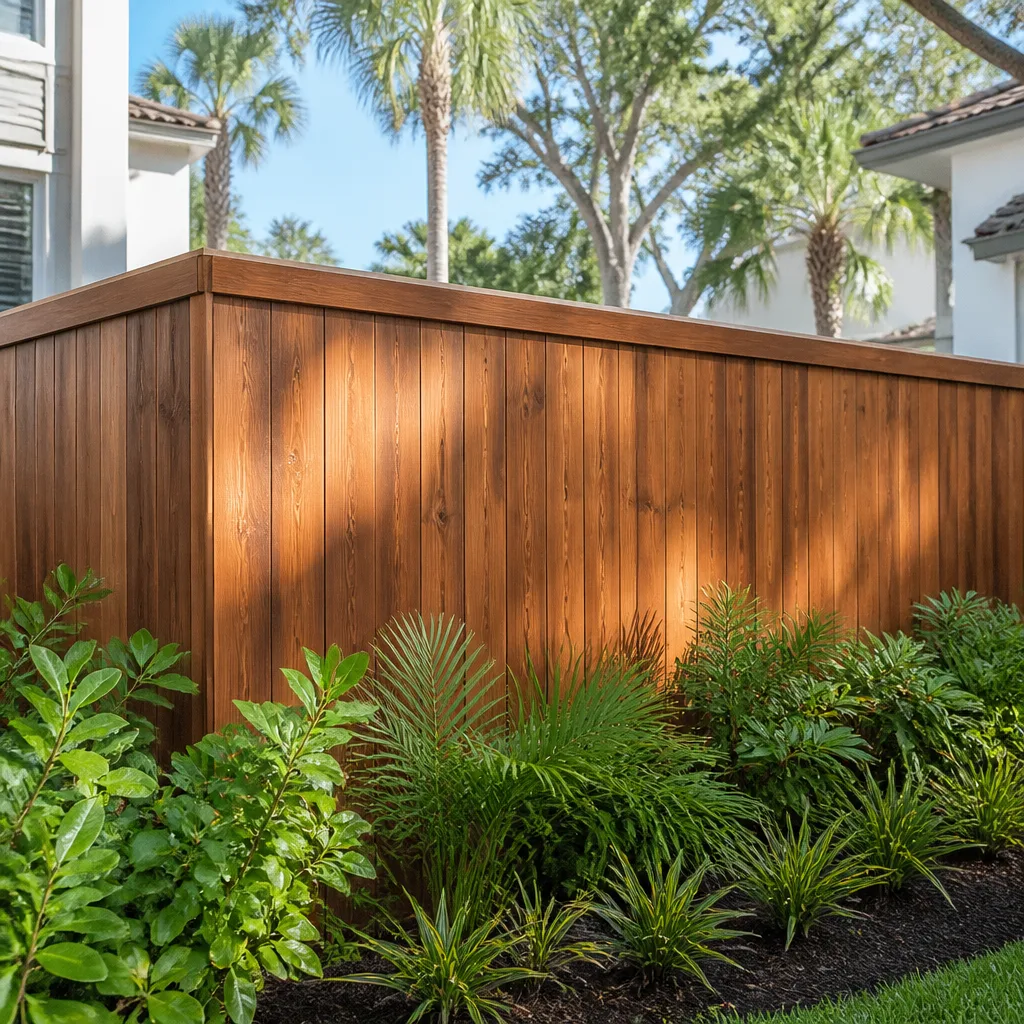
When we rebuild a fence in Allen, it runs $3,500-$9,000 for a standard residential lot, whether it’s vinyl or wood. That range covers a full tear-out, proper footings, new posts and panels, and cleanup. Material upgrades like vinyl fence installation fall at the upper end of that range. If your fence runs into grading or hardscape work, we handle pavers and drainage alongside it so you’re not coordinating three different contractors with three different schedules.
What Good Post Installation Looks Like
- Holes dug to 36-42 inches, not 24.
- Bell-bottom or flared footings in clay, not straight cylinders.
- Post base set in concrete with a gravel or drainage layer below to keep water from pooling around the base.
- Consistent spacing and depth across the whole run – not one deep post and a dozen shallow ones.
- Grading around the fence line checked so water drains away from the posts, not toward them.
Our technicians have up to 12 years of experience, are background-checked, and show up in uniform. Every project is covered by our 730-Day Done Right Promise – if the workmanship fails, we come back and make it right. If a fence post we set shifts or leans inside two years, that fix is on us. We can make that commitment because the depth standard was done correctly to begin with.
FAQs
Fence posts for a 6-foot privacy fence in Allen should be set a minimum of 36 inches deep, and 42 inches is the professional standard for Collin County’s blackland clay. The one-third rule you’ll see all over the internet gives you 24 inches, which is underpowered for this soil. If you’re unsure what your current fence has, call (888) 343-9048 for a free assessment.
No, 24 inches is typically not enough in Allen’s expansive clay, and it’s the single most common reason local fences lean. The clay beneath most Allen subdivisions moves with every wet-dry cycle, and a 24-inch footing sits right in the zone where that movement is worst. If you’re quoted 24-inch posts, ask why – the answer usually doesn’t hold up in this soil.
Frost depth is not the reason posts go deep in Allen – the North Texas frost line is only about 6 inches. Post depth here is driven by clay expansion pressure, not freeze-thaw. A contractor who cites frost as the reason for their post depth is using the wrong rationale for this region, and that usually signals a footing design that won’t hold.
Yes, but modestly, and the difference almost always pays back over the life of the fence. The extra concrete and digging for 42-inch posts against 24-inch adds a small amount to a fence project – a $3,500-$9,000 total for a standard Allen lot – and is far cheaper than a rebuild in half the time it should have taken. Call (888) 343-9048 for an upfront quote that includes it.
If you’d rather have it looked at, Groundwork Construction Co. of Allen offers a no-pressure assessment in Allen. We’ll check post depth, footing condition, and grading, then tell you straight whether you’re facing a repair or a rebuild. Call (888) 343-9048 for a free estimate.
- home – full scope of what we handle across Allen
- Fence Installation in Allen – our full fence service, from grading to panels
- fence installation in McKinney – comparable soil, similar permitting
- fence installation in Frisco – newer stock, same clay issues
- fence installation in Plano – blackland clay on an older build-out
- paver patio installation in Allen – the same soil movement applies to hardscape
- driveway replacement in Allen – when posts shift, driveways usually follow
- kitchen remodeling in Allen – second-generation renovation of 1990s subdivisions
- bathroom remodeling in Allen – aging-first-gen systems and interiors together
- roof replacement in Allen – hail season hits roofs and fences together
- window replacement in Allen – original builder-grade windows now past lifespan
- home additions in Allen – expanding footprint without moving off the lot
Written by the team at Groundwork Construction Co. of Allen, serving Allen, TX.