Free written scope consultation - allowances, timeline, and change-order rules on paper before a single trade is scheduled
Styles & brands we work with
- Kitchen remodeling
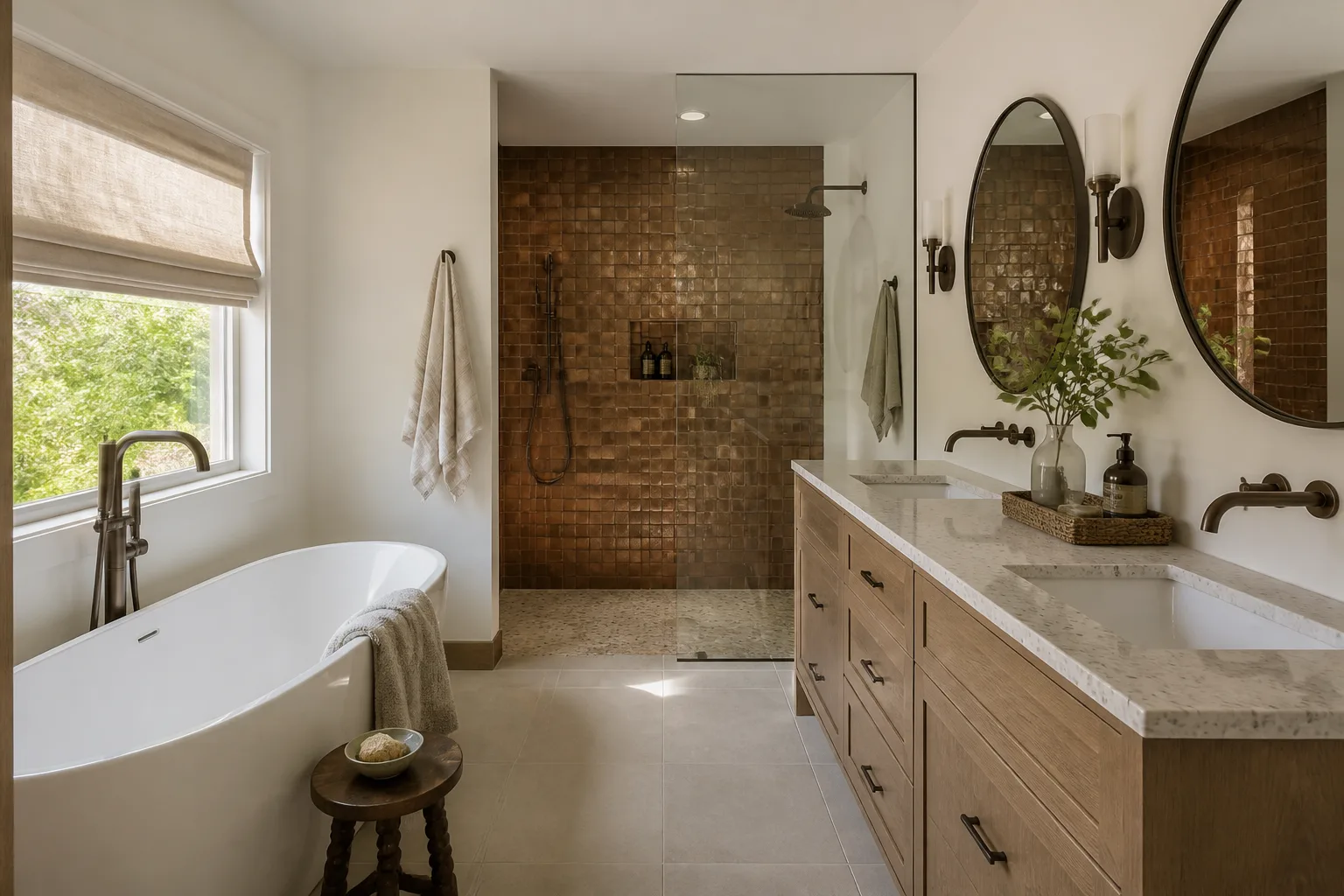
- Bathroom remodeling
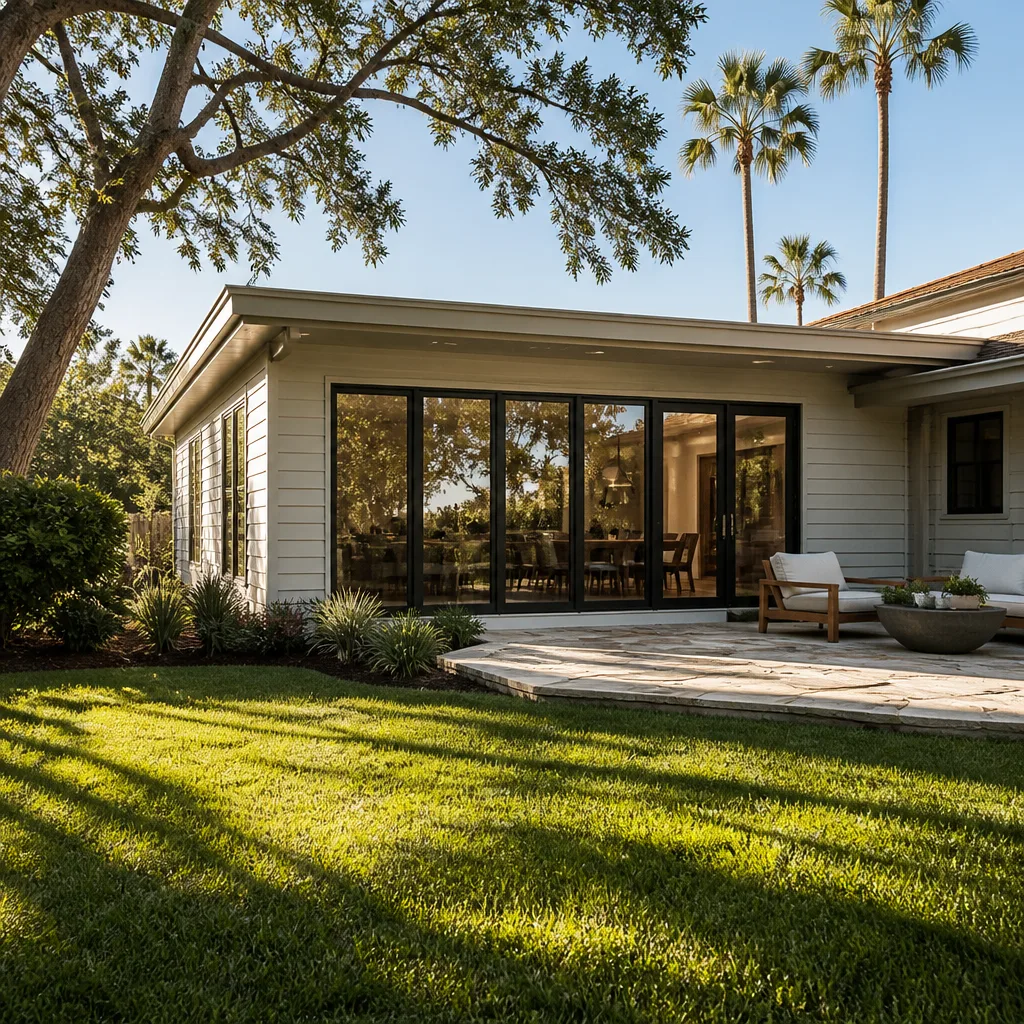
- Home additions & ADU
- Roofing
- Windows & doors
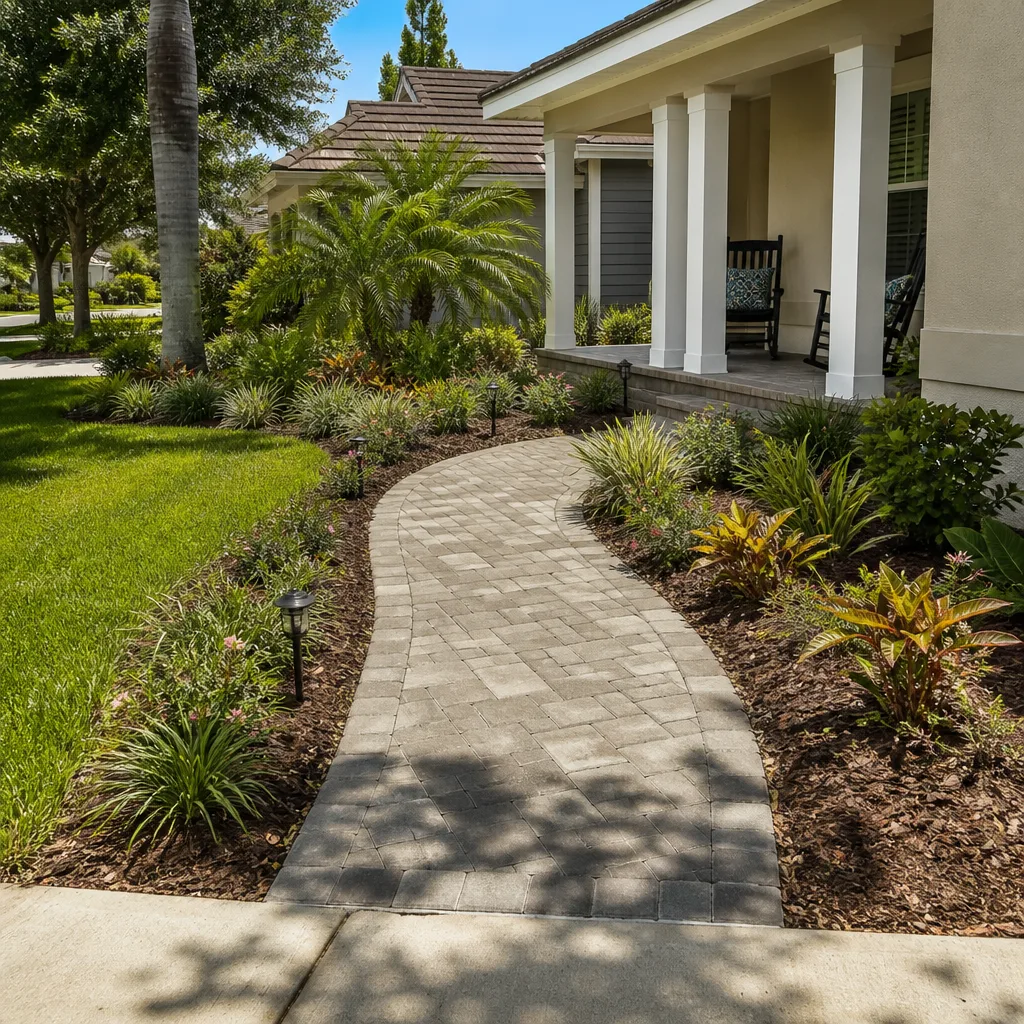
- Driveway & pavers
- Fence
See the difference
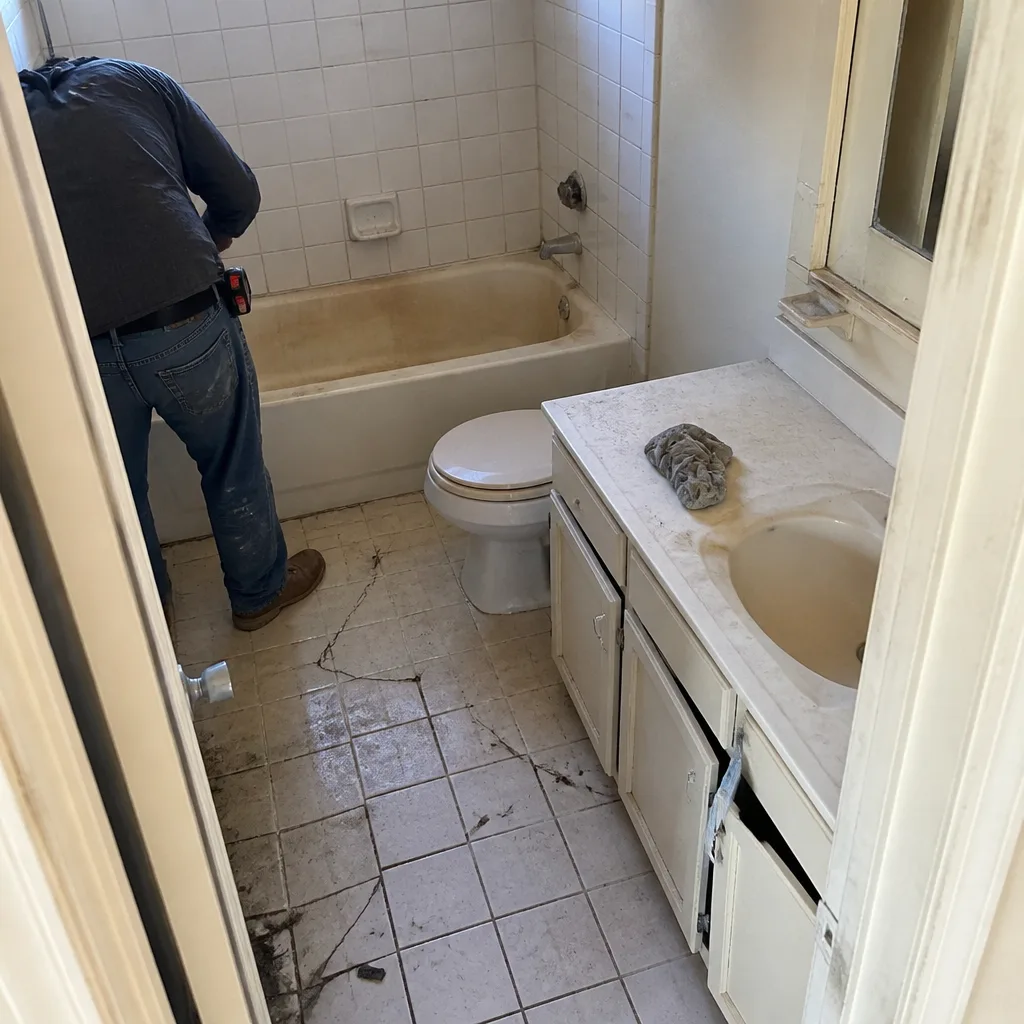 Before
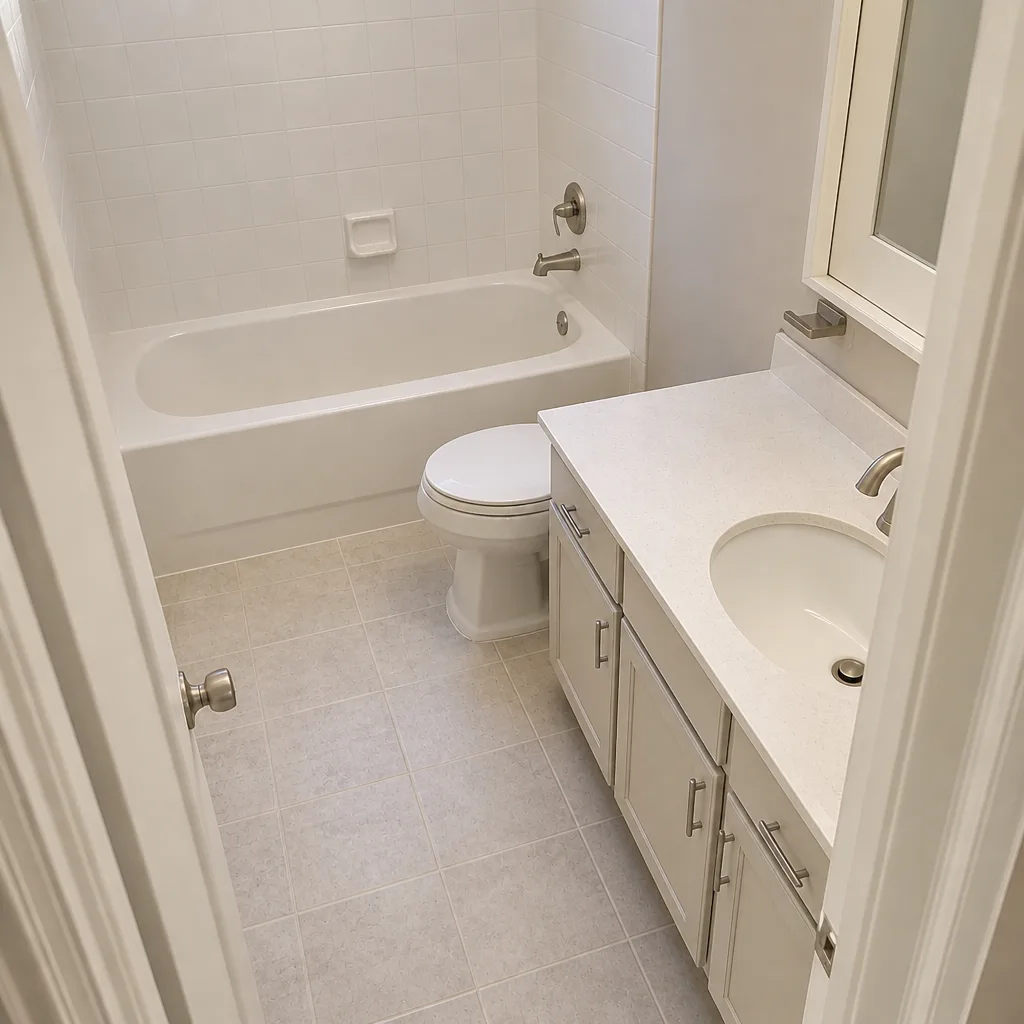 After
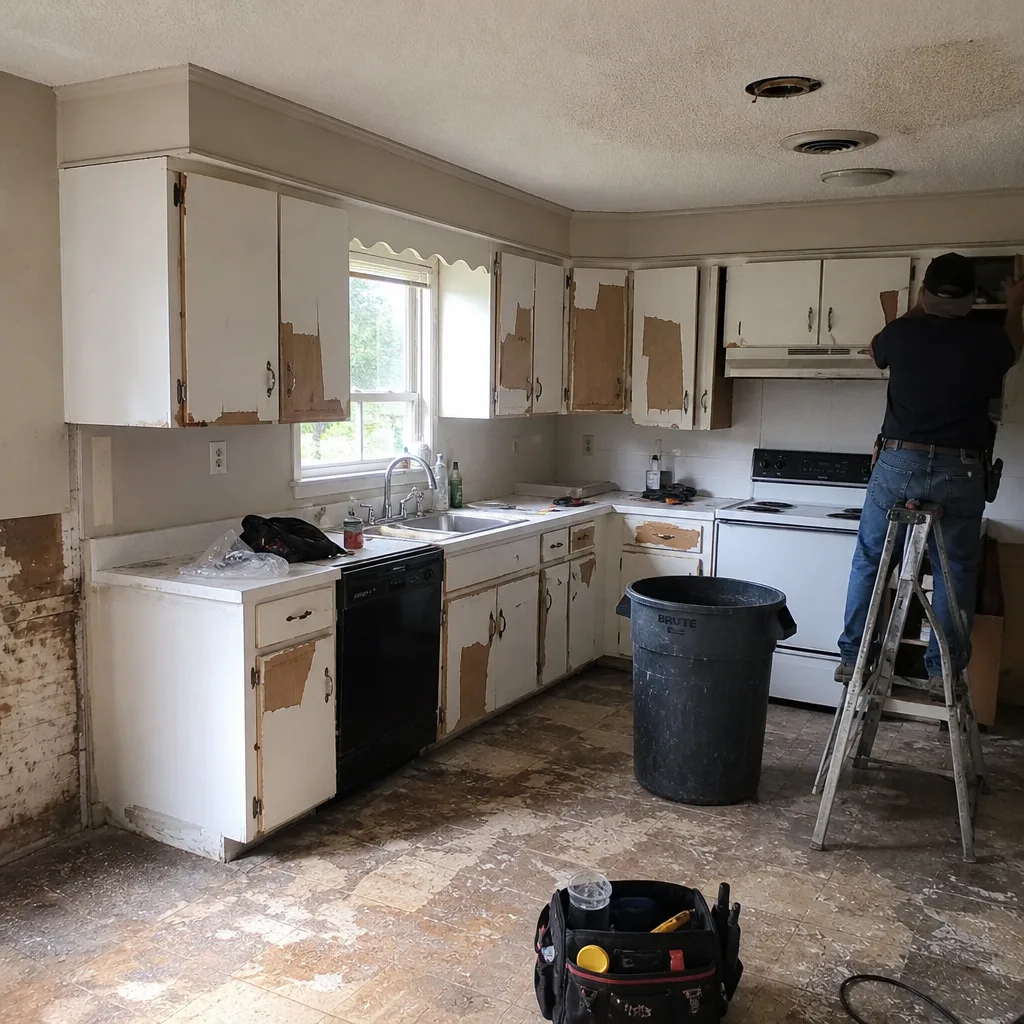 Before
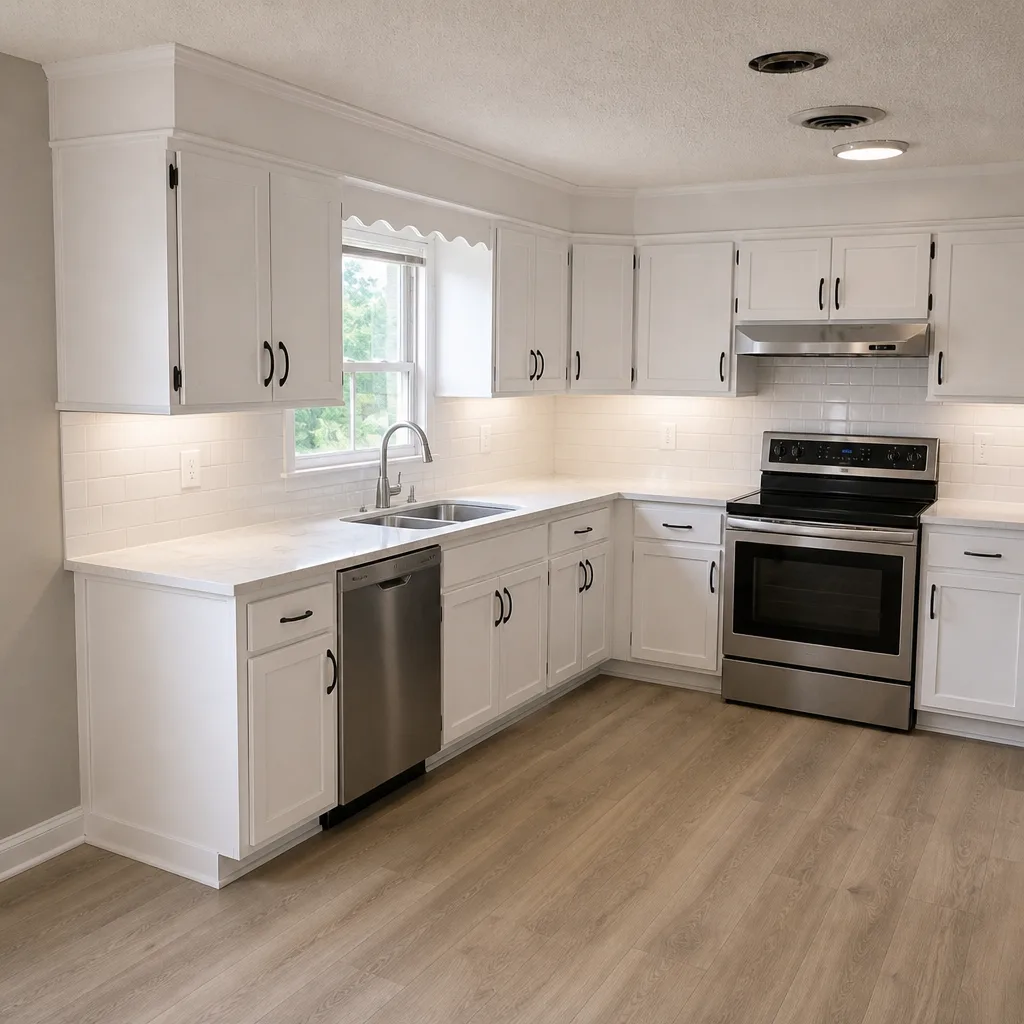 After
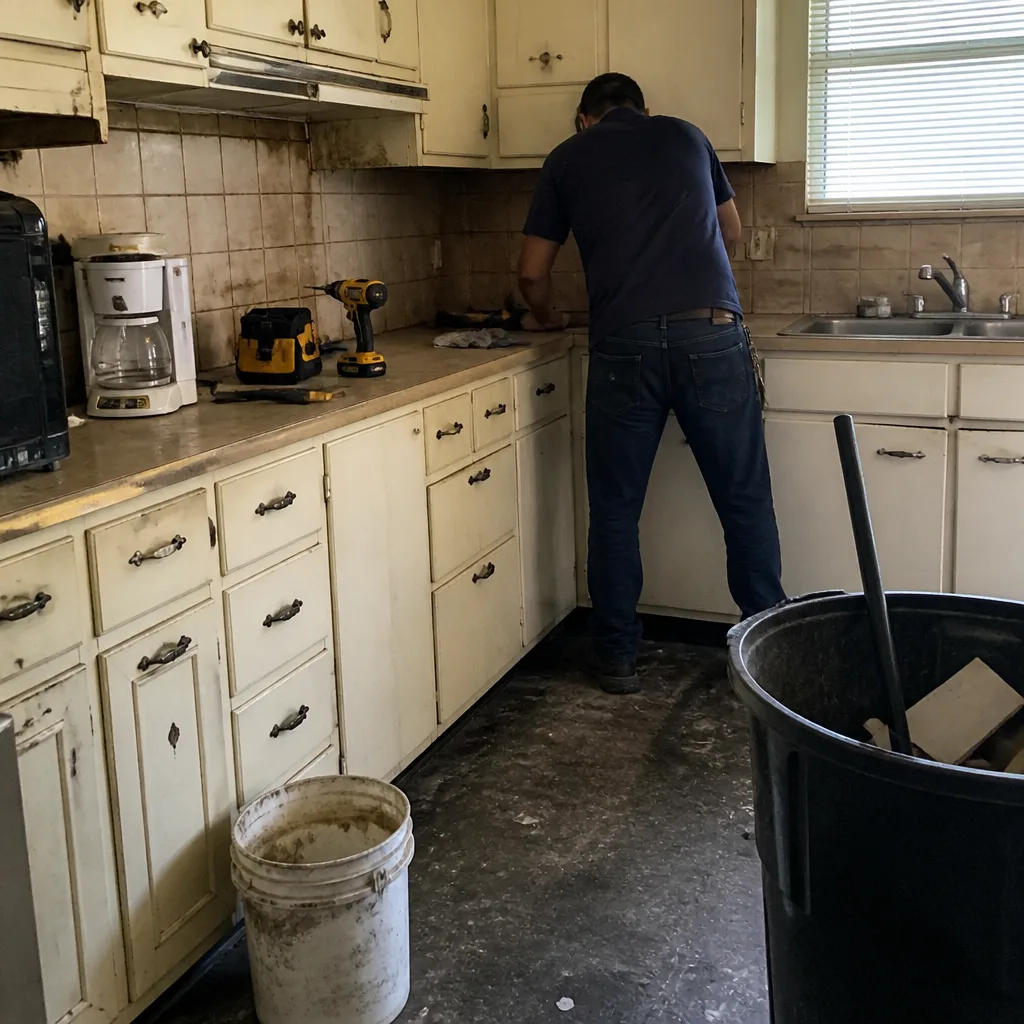 Before
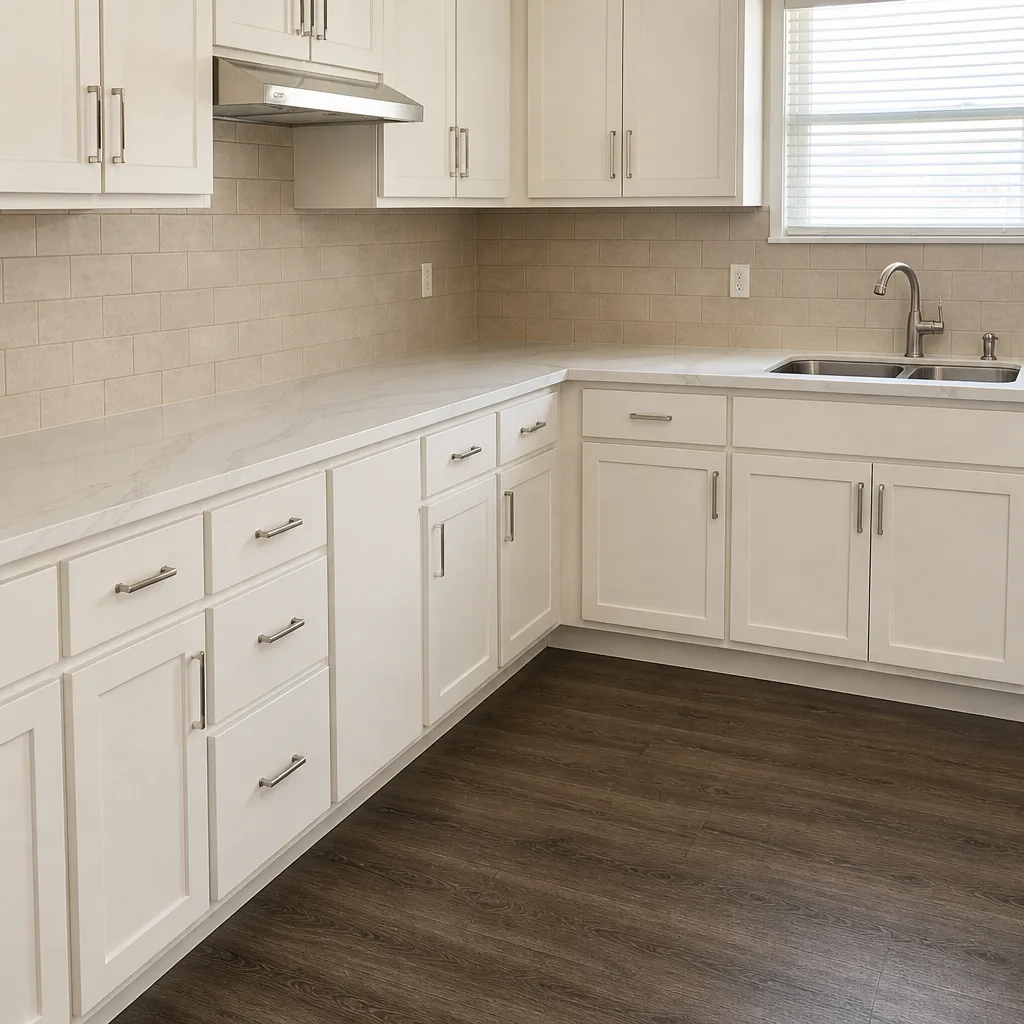 After
Pavers vs Concrete Driveway in Allen, TX: Which Should You Actually Build?
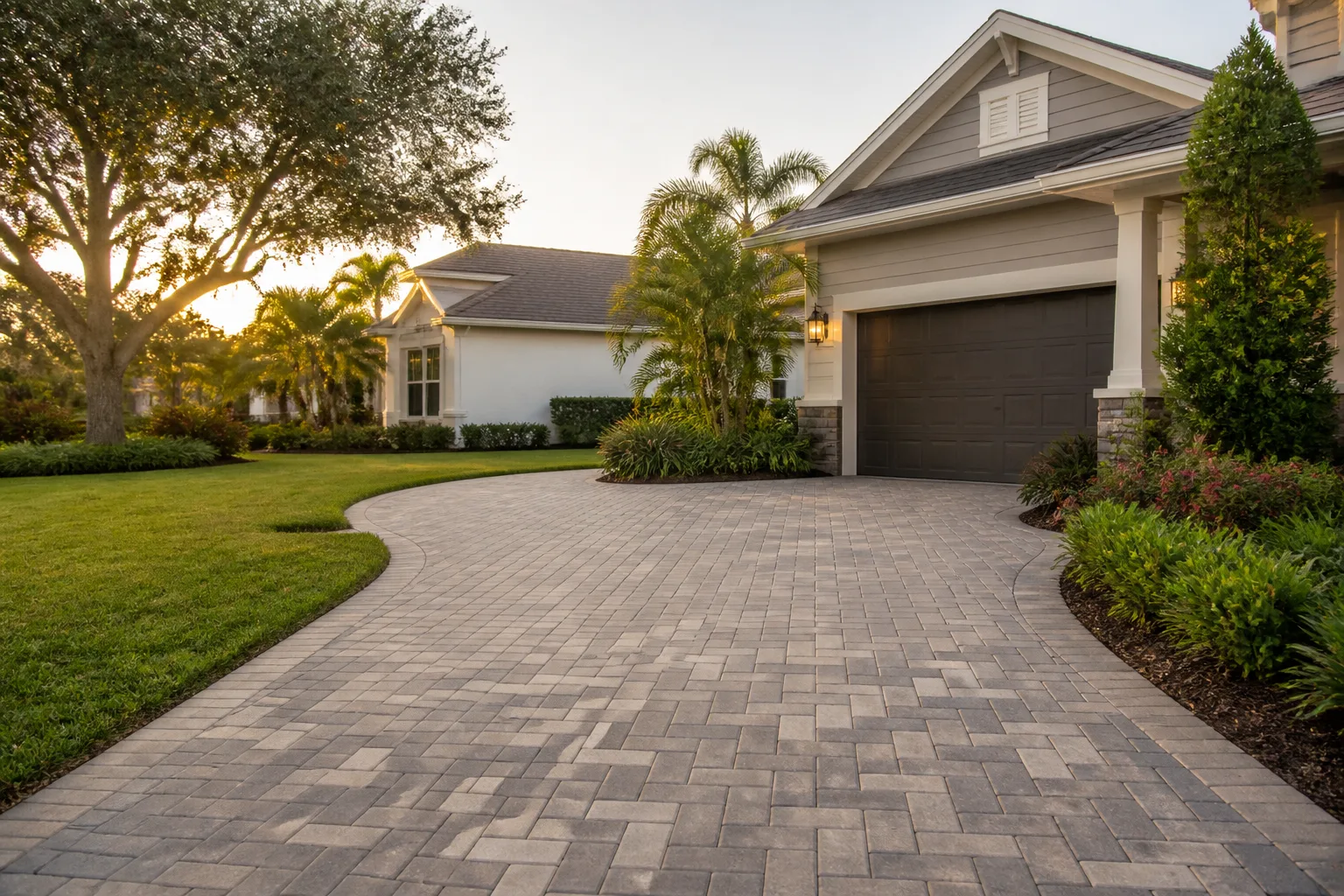
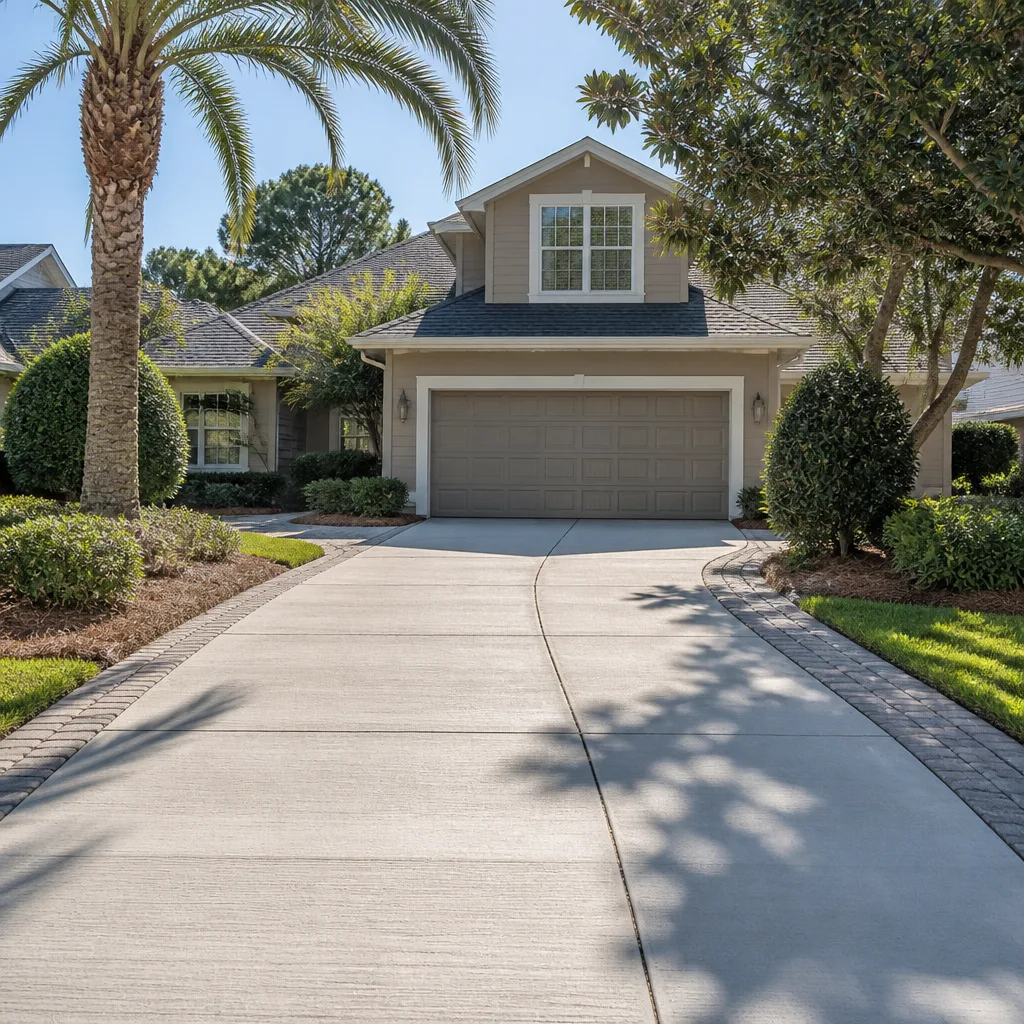
Choose pavers unless your budget is the hard ceiling and your lot drains well. For most Allen homeowners, pavers end up the better long-term value because North Texas blackland clay moves, and pavers let you lift and reset one unit instead of saw-cutting and patching a slab. Pavers typically run 20-40% more installed than poured concrete up front, but on an Allen clay lot that gap usually closes within 10-15 years through repairability alone. Call Groundwork Construction Co. of Allen at (888) 343-9048 for a free estimate and a straight read on your driveway.
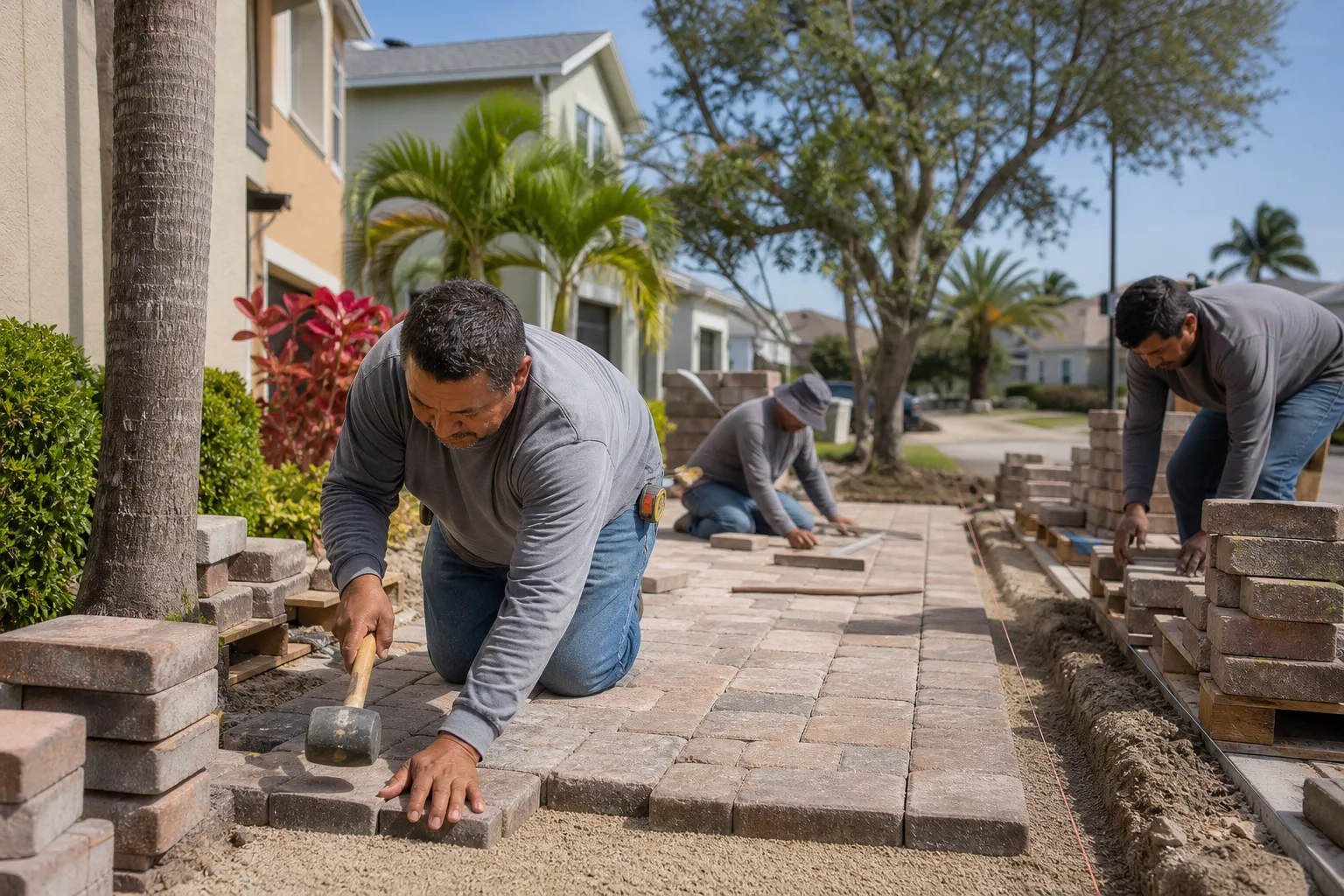
A Cracked Driveway in Allen Is Usually Clay Doing What Clay Does
Most concrete driveways in Allen don’t fail because the crew cut a corner. They fail because the ground under them expands and contracts with the seasons. Allen sits on expansive blackland clay, and that clay swells when it’s wet and shrinks hard in a dry July. When a poured driveway heaves or settles, it cracks along the expansion joints, because that’s where the slab is designed to give. In a market built on stable soil, that same driveway might go decades without a visible break. Here, it’s a matter of time.
That’s the wrinkle this debate turns on. A paver driveway and a concrete driveway can both crack. The difference is what happens next. On a paver surface, individual units shift, and one section lifts and resets in a day. On concrete, a failed section means saw-cutting, breaking out the panel, and pouring a patch that almost never matches the original finish. You’re not choosing whether the ground will move under your driveway. You’re choosing how much a repair costs when it does.
The Repairability Advantage, in Plain Numbers
Here’s how the two compare when something goes wrong, which is the only comparison that matters over a 15-year horizon:
| Repair scenario | Paver driveway | Concrete driveway |
|---|---|---|
| One section settles or heaves | Lift and reset individual units, base corrected, done in about a day | Saw-cut the panel, break it out, pour a patch, cure time before use |
| Finish match after repair | Original units go back down, color and texture unchanged | Patch rarely matches the original pour |
| Utility or sprinkler line under the drive | Lift the affected units, work, reset | Cut and break through the slab, patch afterward |
| Long-term look | Wears in, stays uniform | Hairline cracks spread along joints over time |
This is where the honest cost math lands. We install Driveway & Pavers across Allen, and the pattern is consistent: on a clay lot with no tree roots pressing in and average drainage, the repair savings from pavers offset the upfront premium in roughly 10-15 years. If your lot has mature trees or a low spot that holds water, that timeline shortens. If your lot drains cleanly and stays shaded, concrete can hold its own for a long stretch. The point isn’t that pavers never need work. It’s that the work costs a fraction of what concrete repair does.
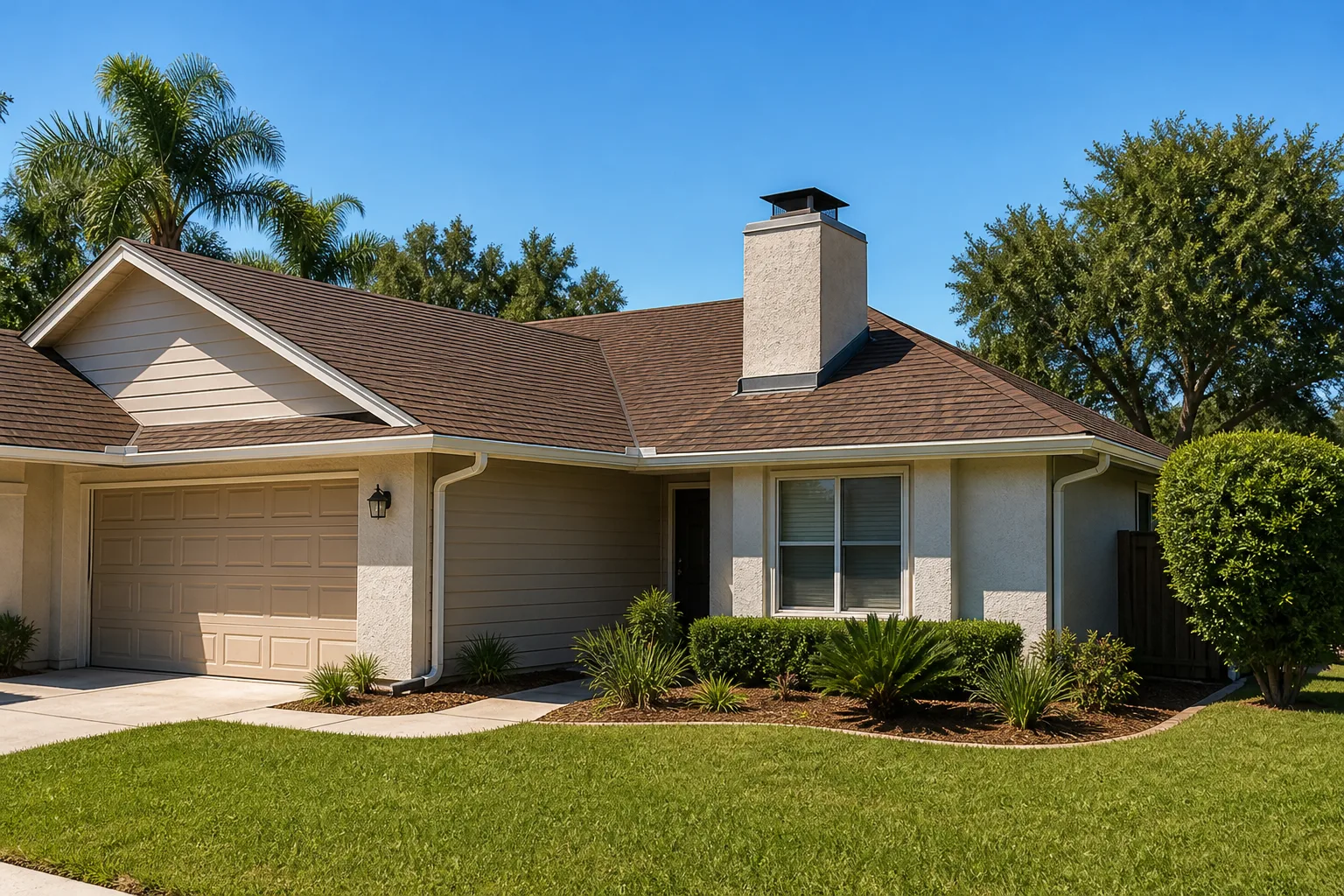
What Pavers vs Concrete Actually Cost in Allen
We quote driveways in Allen every week, and the installed numbers are predictable enough to give you straight ranges. Paver installation runs more than poured concrete, and that’s the real trade-off you’re weighing:
| Driveway option | Installed range in Allen |
|---|---|
| Concrete driveway installation | $4,500 – $12,000 |
| Paver driveway installation | $7,000 – $18,000 |
| Asphalt driveway paving | $3,500 – $9,000 |
| Full driveway replacement (either surface) | $5,000 – $14,000 |
| Driveway sealing (maintenance) | $250 – $700 |
The 20-40% premium for pavers is real, and we won’t pretend otherwise. What closes the gap is what you spend after year one. A concrete driveway with a failed panel in year eight can easily eat the difference in a single repair. A paver surface that shifts in year eight gets one section reset for a fraction of that.
Groundwork’s paver selections come from vetted suppliers with known quality grades, not whatever happens to be on a big-box shelf that week. That matters more in clay than most people realize. A paver that’s rated for freeze-thaw and heavy load holds up differently than a bargain unit, and the base prep underneath matters as much as the surface. Anyone can lay pavers. Getting the base right on blackland clay is the part that protects your money.
Financing helps here too. We offer 0% financing for 18 months and $1,000 off projects over $10,000, so the premium for pavers doesn’t have to come out of savings all at once. Every project is covered by our 730-Day Done Right Promise, and if it’s not done right, we make it right.
What to Check Before You Choose (Allen Homeowner’s Short List)
Before you commit to either surface, these are the questions that actually change the answer for your lot:
- How does your yard drain? A low spot that holds water after a storm shortens the life of either surface, but it hits concrete harder. Fix drainage before you pour or lay.
- Are there trees near the drive? Roots lift slabs and shift pavers both. If roots are the issue, pavers are easier to lift and reset around.
- What does your HOA allow? Many Allen HOA architectural review boards in communities like Bethany Ridge specify allowable paver colors and patterns. Get pre-approval before ordering materials.
- How hot does the surface get? Allen summers regularly hit 105°F, and concrete absorbs and radiates that heat more intensely than individual paver units, which allow slight airflow at the joints.
- How long will you stay? If you’re selling in three years, concrete’s lower upfront cost may win. If this is your forever home, repairability pays back.
The HOA step catches a lot of Allen homeowners off guard. Pre-approval for paver color and pattern is part of our project scope, not an afterthought. We handle it before materials get ordered so you’re not stuck with a delivery you can’t lay. If you’re also weighing a fence rebuild, our Fence Installation team runs into the same architectural-review requirement, so it’s worth checking both at once.
Two More Things Allen Homeowners Ask About
Does the heat really make a difference on my driveway surface?
Yes, and it’s more than a comfort issue. Concrete is one continuous mass that soaks up heat through the day and radiates it in the evening. Individual pavers are separated by joints that let a bit of air move through, so the surface runs cooler under bare feet and radiates less heat toward the house. In an Allen July, that gap is noticeable. It’s also easier on the grass and landscaping lining the drive, since a cooler surface stresses the edge less.
Can you come out and look at my driveway and give me a real number?
Yes. We send background-checked technicians in uniform for a free estimate and design consult, and we quote upfront pricing so the number you see is the number you pay. Calls are answered by a live person 24/7, not a voicemail black hole. Our technicians have up to 12 years of experience installing both surfaces on North Texas clay, so we’ll tell you plainly which one fits your lot rather than pushing the higher ticket.
Why This Choice Is Different in Allen Than Everywhere Else
Allen was largely built out in a single growth wave across the 1990s and 2000s, so most of the housing stock here is 20 to 30 years old and hitting the point where driveways, fences and exteriors get their second-generation replacement. That means a lot of driveways up and down your street are original pours now showing clay movement. You’re not the first on your block weighing pavers against concrete, and the ones who replaced early are usually the ones telling neighbors which way they went.
Groundwork Construction Co. of Allen writes this comparison the way we’d explain it standing in your driveway: pavers cost more up front, carry the repairability edge on clay, and make more sense the longer you plan to stay. Concrete costs less today and holds up fine when the soil under it behaves. We’ll help you weigh both against your lot, your timeline and your budget, from foundation to finish line.
FAQs
Usually yes, if you plan to stay 10 years or more. Pavers run 20-40% more installed than concrete, but on Allen’s expansive clay the repairability savings typically close that gap within 10-15 years. If you’re selling soon or your lot drains well, concrete can make more sense. Call (888) 343-9048 for a no-pressure read on your specific lot.
Paver driveway installation in Allen runs $7,000-$18,000, and concrete driveway installation runs $4,500-$12,000. Full replacement on either surface ranges $5,000-$14,000. Call (888) 343-9048 for an exact quote, because estimates are free.
Sometimes, but the patch almost never matches the original finish, so it stays visible. If the crack runs along expansion joints from clay movement, saw-cutting and pouring a patch is the standard fix. A paver section that shifts is simpler: lift and reset the units. Call (888) 343-9048 and we’ll tell you whether your concrete is repairable or past that point.
Often yes. Several Allen HOA architectural review boards, including communities like Bethany Ridge, specify allowable paver colors and patterns before materials can go down. We handle pre-approval as part of the project so you’re not stuck ordering something the board won’t approve. Call (888) 343-9048 to start the conversation.
If you’d rather have it looked at, Groundwork Construction Co. of Allen offers a no-pressure assessment in Allen. We’ll walk your lot, check drainage and HOA rules, and give you an upfront number on both surfaces so you can decide without the sales pitch. Call (888) 343-9048 for a free estimate and design consult.
Written by the team at Groundwork Construction Co. of Allen, serving Allen, TX.