Free written scope consultation - allowances, timeline, and change-order rules on paper before a single trade is scheduled
Styles & brands we work with
- Kitchen remodeling
- Bathroom remodeling
- Home additions & ADU
- Roofing
- Windows & doors
- Driveway & pavers
- Fence
See the difference
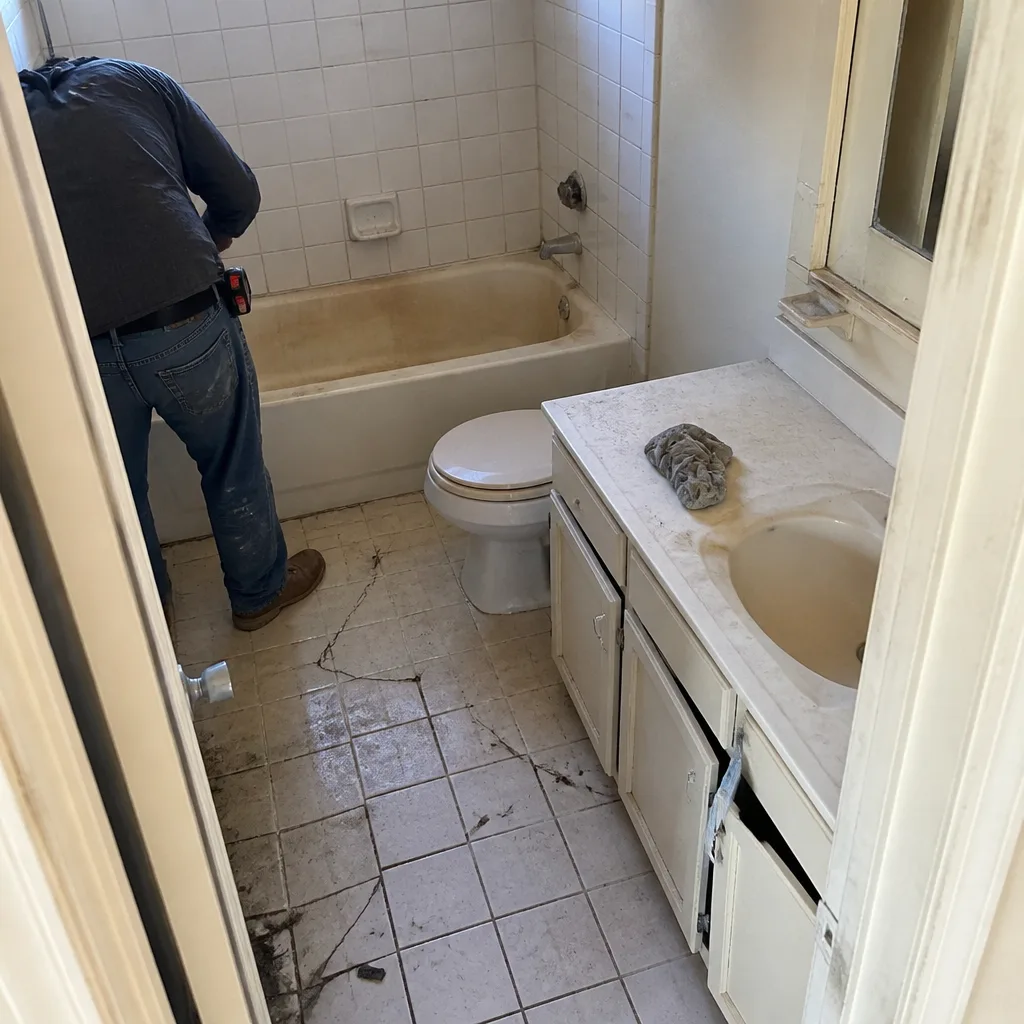 Before
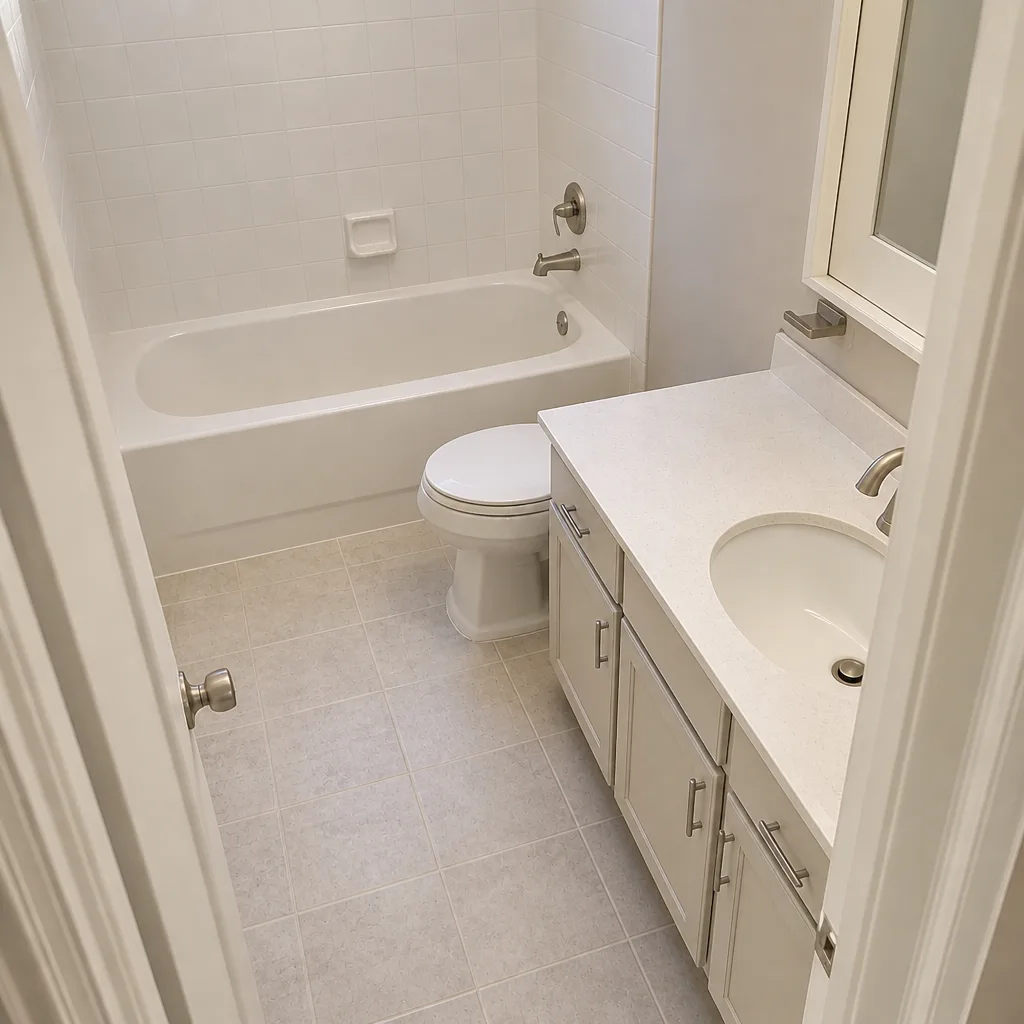 After
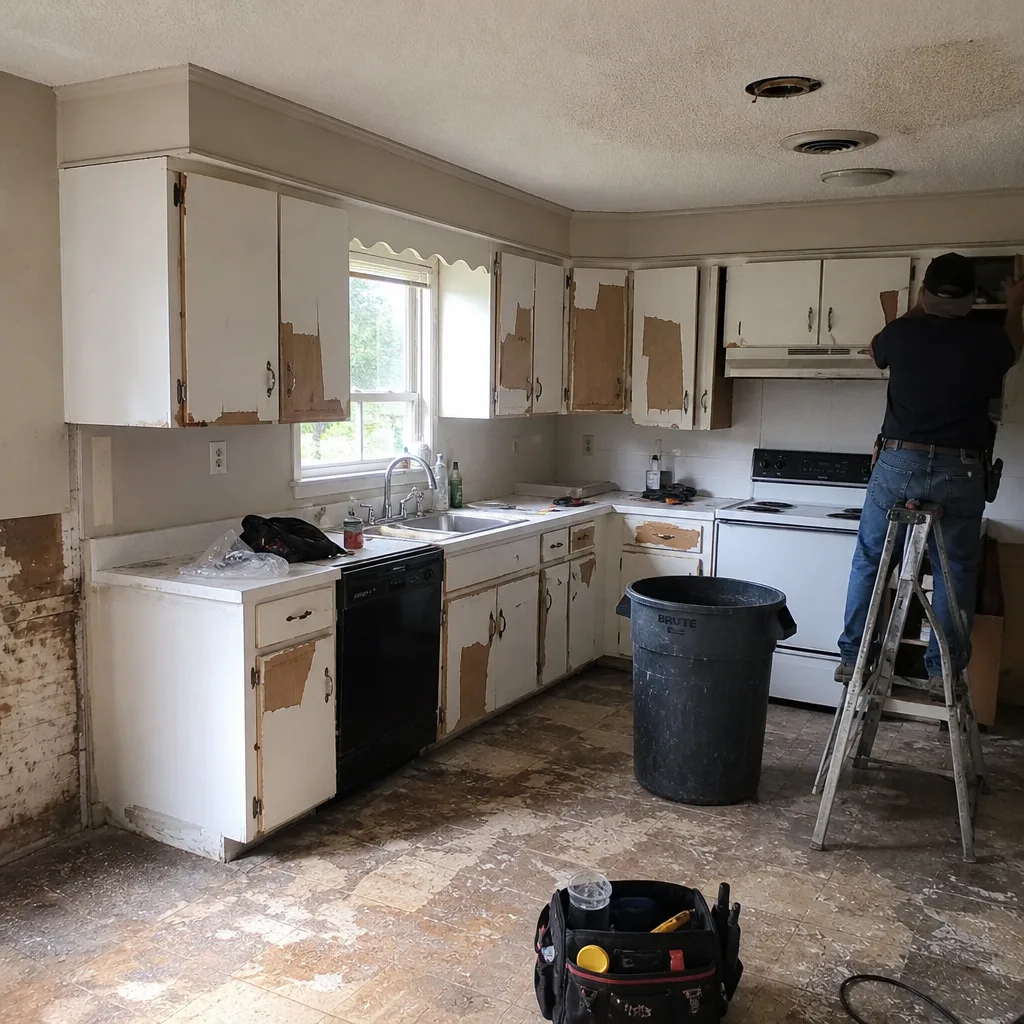 Before
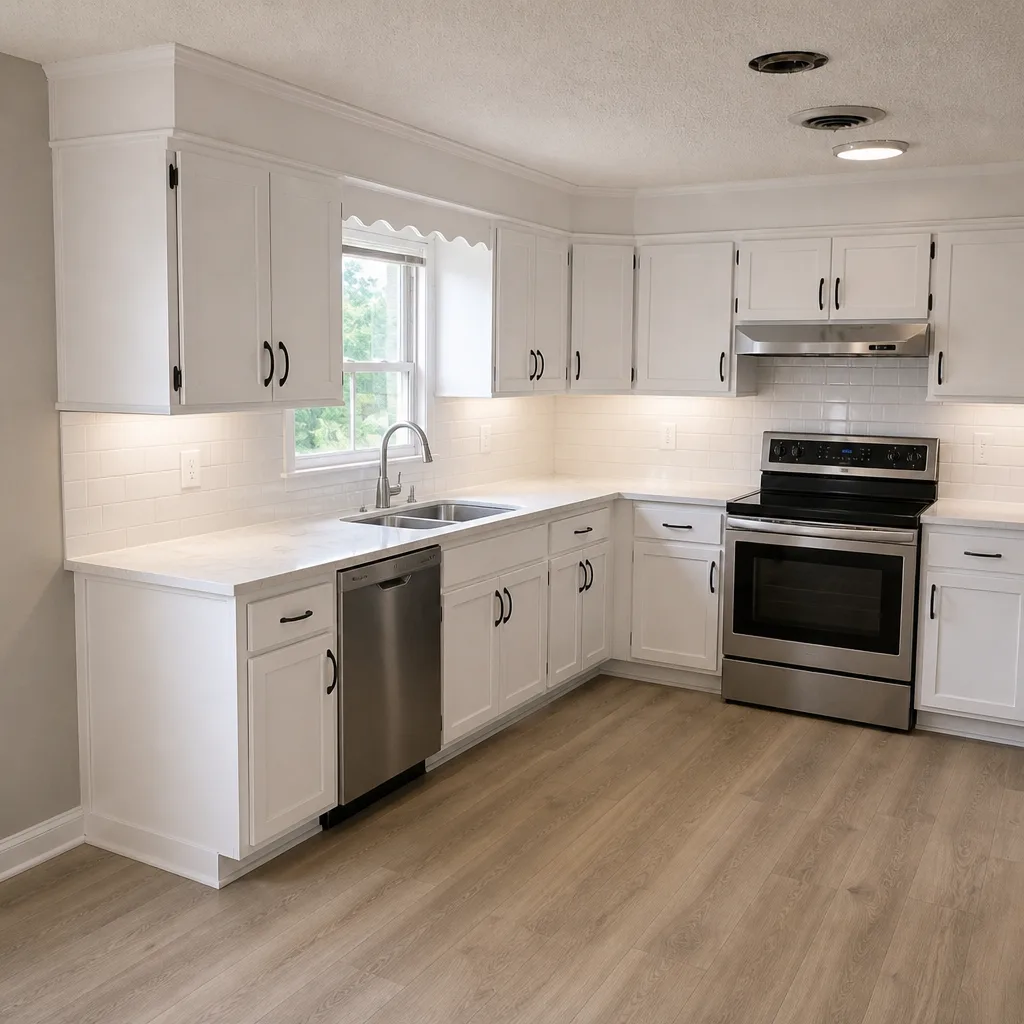 After
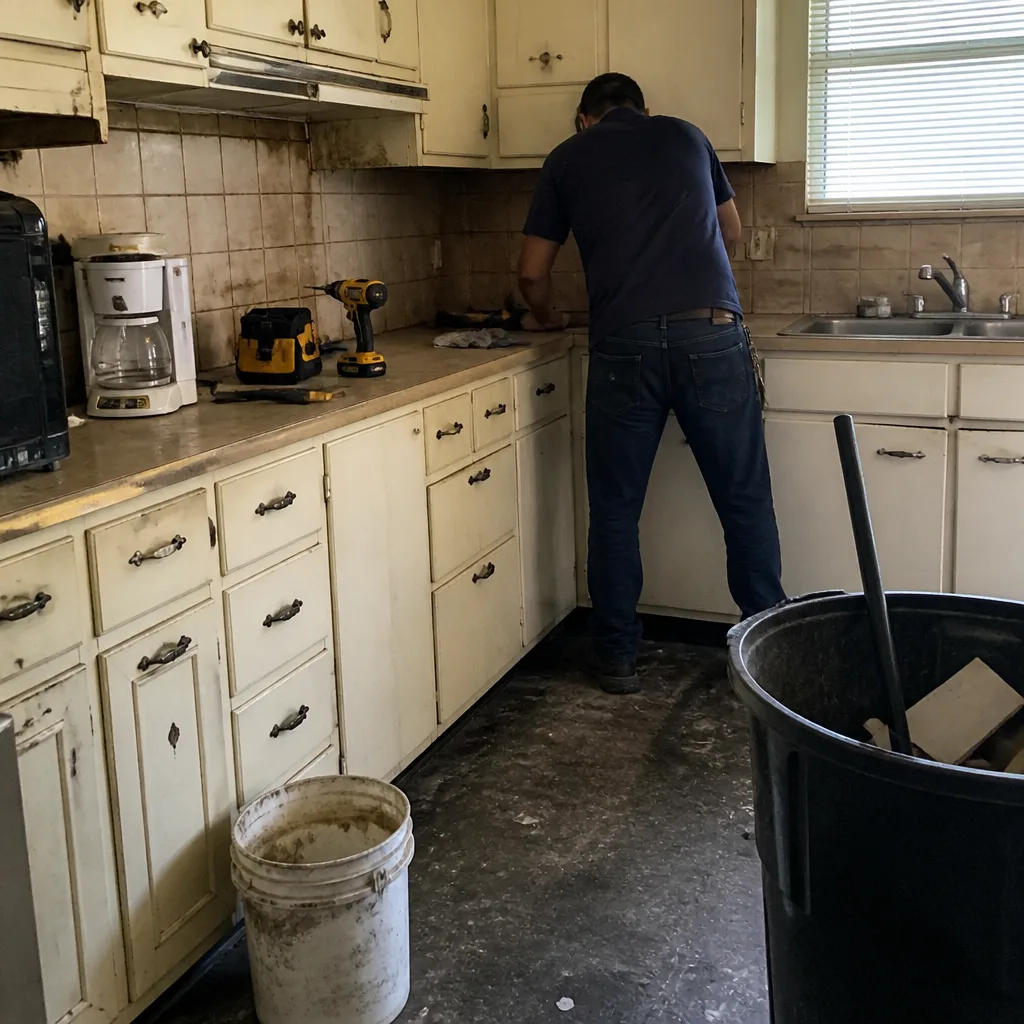 Before
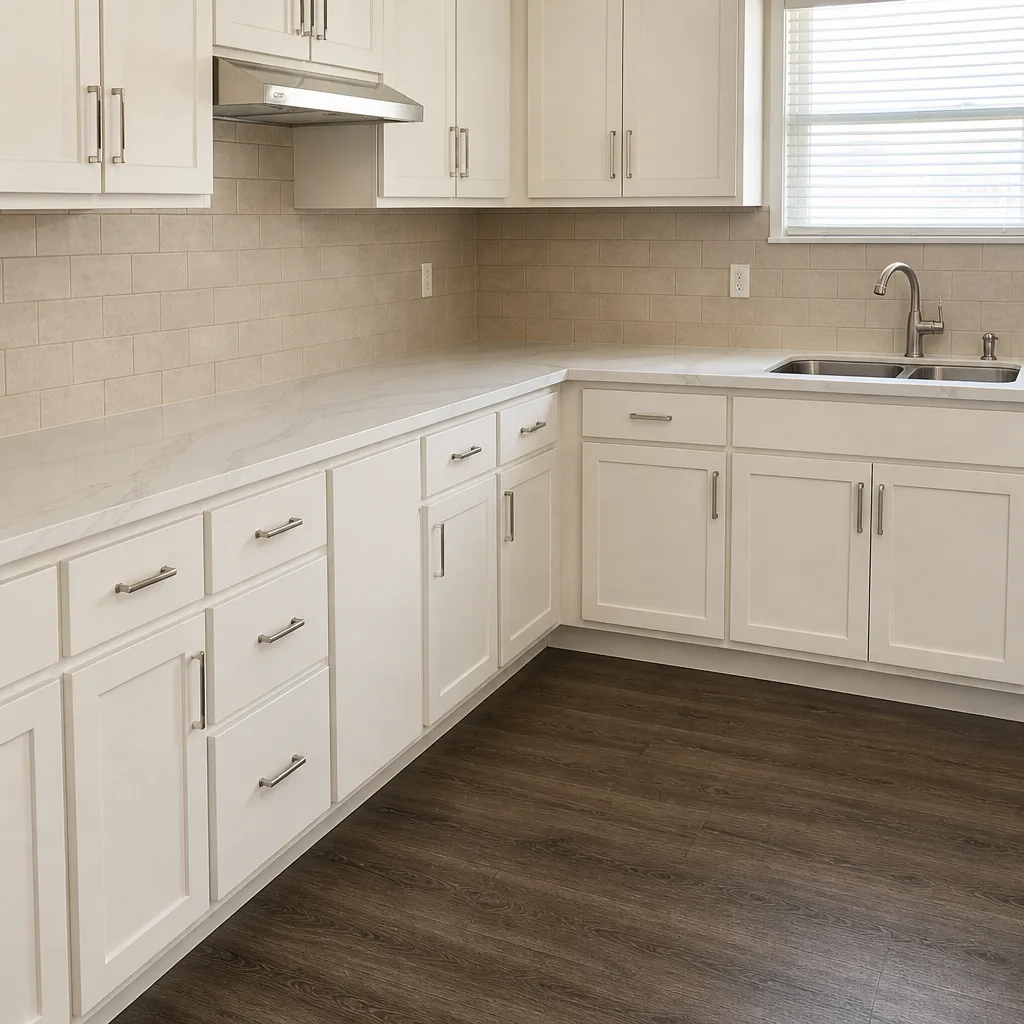 After
Driveway Resurfacing vs Replacement in Allen: Which One Is Right for Your Drive?
Choose replacement if a sub-base probe finds vertical displacement or hollow-sounding clay under your cracks; choose resurfacing only if the base is solid and the cracks are surface-only, under 1/4 inch wide with no vertical offset. That single test decides it. In Allen, a driveway can look like a perfect resurfacing candidate and still need full replacement, because the blackland clay under the slab has moved enough that any new surface layer will crack along the same lines within 12 to 24 months. Call (888) 343-9048 to schedule an assessment before you spend a dollar on either path.
Why Allen Driveways Are a Different Diagnostic Problem
Most of Allen grew up fast in the 1990s and 2000s. The subdivisions that now line Watters Crossing, Twin Creeks and Bethany Ridge went in during one long build wave, which means the driveways in front of those brick two-stories are hitting the same age at roughly the same time. They’re scoring, spider-cracking and beginning to settle together.
But the concrete isn’t the real story. It’s what’s under it. Allen sits on North Texas blackland clay, an expansive soil that swells when it’s wet and shrinks hard when the summer heat pulls the moisture out. That shrink-swell cycle moves the slab from below, and a driveway that reads as “just a cosmetic problem” from the street can be riding on a base that’s already failed. Resurfacing that slab is like repainting a wall with water damage behind it. It looks better for one season.
Here’s the operator detail that matters: on Allen drives, the failing slab usually sounds different underfoot. Tapping across a compromised section returns a hollow ring rather than a solid thud. That’s one of the first things we check, and it’s something no photo on a bid sheet will show you.
The Sub-Base Probe: The Test That Settles the Decision
You can’t decide between resurfacing and replacement by walking the driveway with your eyes. A visual inspection from the street, or even from the sidewalk, tells you the surface looks bad. It doesn’t tell you whether the slab is still structurally sound. The sub-base probe does.
At each significant crack, a trained crew opens the surface and checks what’s underneath:
- Crack width. Under 1/4 inch wide with no vertical step between sides suggests a surface failure, which a bonded overlay can address.
- Vertical displacement. If one side of the crack sits higher than the other, the base has moved. An overlay will re-crack along that line within one to two full clay cycles, typically 12 to 24 months here.
- Hollow sound. A hollow tap means voiding under the slab. That’s base failure, and no surface layer fixes it.
- Base moisture and compaction. Soft, saturated or loosely compacted sub-grade under Allen’s clay won’t hold a new surface. It needs to come out and be rebuilt with a properly compacted flexible base.
Once the probe results are in, the recommendation follows from the facts, not from what’s easier to sell. That’s the point of the assessment.

What Resurfacing Can and Can’t Do
When the base is solid and the fractures are truly cosmetic, a bonded overlay is a good, sensible fix. It costs less, it goes down fast, and it buys real time on a slab that’s structurally healthy. Resurfacing is a legitimate option and we’ll recommend it when the probe supports it.
Where it falls apart is when it’s used to hide a base problem. A fresh overlay over moving clay looks finished for about a year. Then the same fracture lines reappear, often within one to two clay shrink-and-swell cycles in Collin County’s climate. At that point you’ve paid for a resurfacing job, and now you’re facing the replacement you avoided. Homeowners who’ve been through that once tend to want the probe first, and they’re right to.
Cost Reality for Allen Homeowners
Resurfacing runs noticeably less than replacement upfront. But “less upfront” is only a bargain if the base is sound. Here’s how the numbers actually line up for Allen drives:
| Path | What it involves | Typical Allen cost |
|---|---|---|
| Resurfacing / overlay | Bonded surface layer over a structurally sound slab | About 30% to 50% less than full replacement |
| Driveway replacement | Remove failing slab, rebuild base, pour new concrete | $5,000-$14,000 |
| Concrete driveway installation | New concrete drive, sized to your frontage | $4,500-$12,000 |
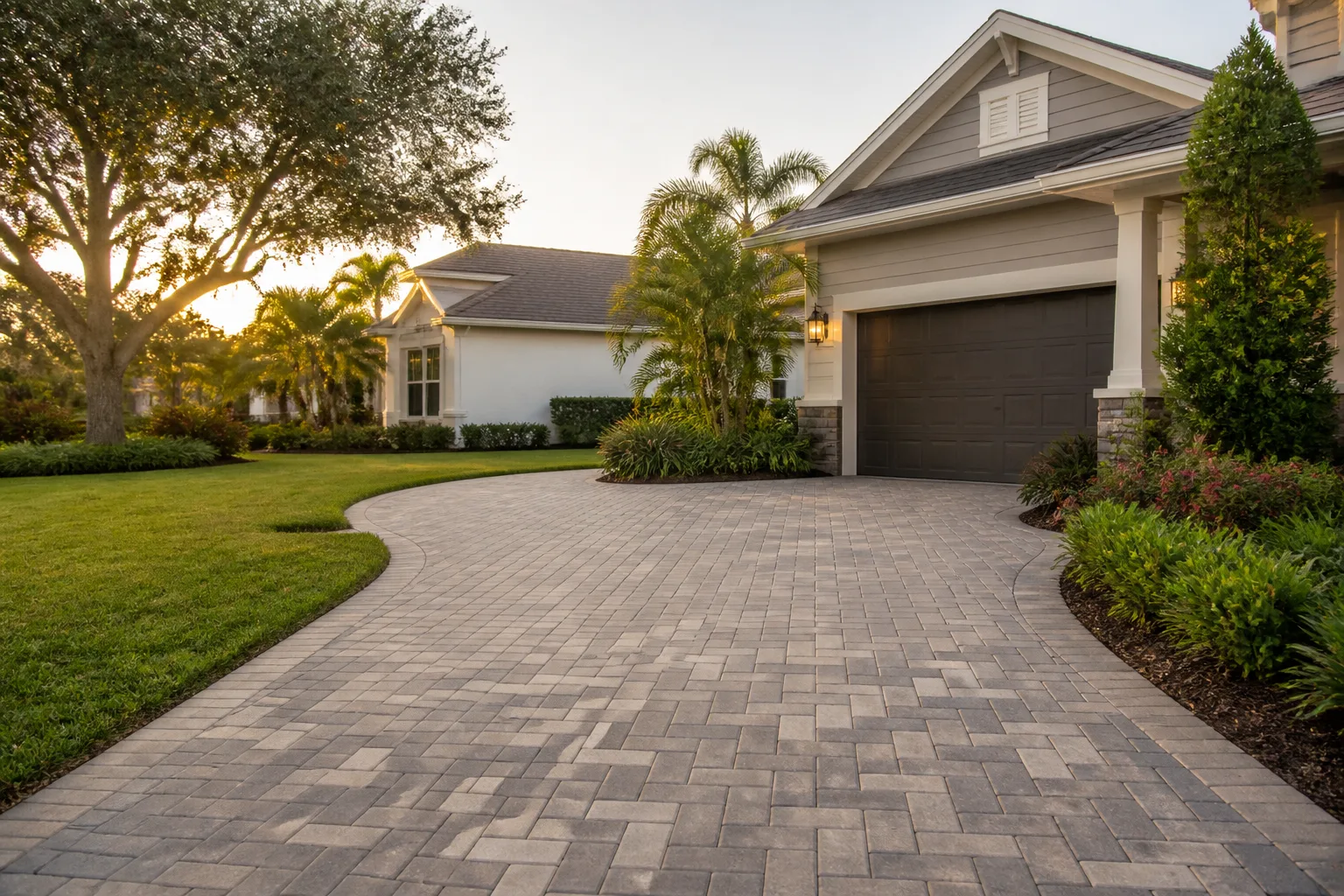
| Paver driveway installation | Flexible base with pavers, tolerates minor movement | $7,000-$18,000 |
| Driveway sealing | Protective sealer on a healthy surface | $250-$700 |
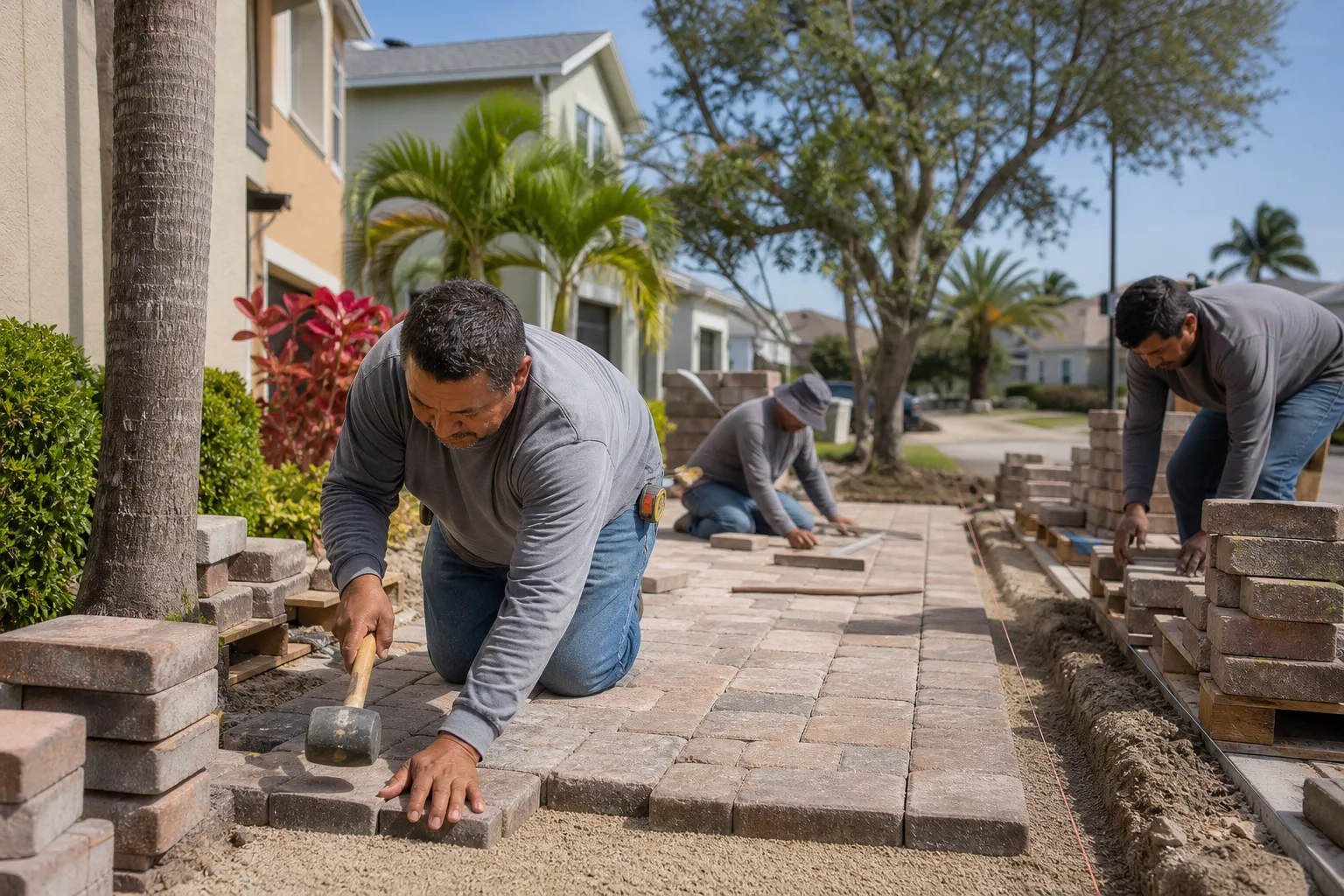
When the base is compromised, that resurfacing savings is money spent twice. Full replacement with a properly compacted flexible base is the only option that actually stops the cracking cycle. Our Driveway & Pavers page covers the full menu of materials and scope if you want to compare surfaces before you commit, and our team at Groundwork Construction Co. of Allen can walk you through what fits your specific drive.
Permits: The Step Out-of-Town Crews Skip
Allen’s permitting and inspection process is stricter than what you’ll find on the newer edges of McKinney and Frisco. That matters here, because the two paths aren’t treated the same:
- Resurfacing within the existing footprint generally doesn’t require a permit.
- Full replacement that changes the driveway apron at the right-of-way requires a permit and a city inspection.
Crews driving in from outside Allen regularly skip that permit step on replacements, and it lands on the homeowner later, often at resale. And in the HOA-heavy subdivisions, architectural-review pre-approval can apply before the city permit is even issued, so it pays to know which rules your neighborhood follows before work starts. Our home page lays out the rest of the services we cover across Allen, all handled under one contract.
How Groundwork Handles It
We put the diagnostic assessment and the recommended scope in writing, upfront, so you’re never sold a resurfacing job that fails and then upsold a replacement two years later. Upfront pricing means the number you see is the number you pay. Every project is covered by our 730-Day Done Right Promise, so if it’s not done right, we make it right. Calls are answered by a live person, 24/7. And the financing helps: 0% for 18 months, plus $1,000 off projects over $10,000, free estimate and design consult included. Our technicians have up to 12 years of experience, and they’re background-checked and arrive in uniform.
FAQs
Resurfacing costs roughly 30% to 50% less upfront than replacement, while full driveway replacement in Allen typically runs $5,000-$14,000 depending on size, base condition and access. The catch is that resurfacing only pays off when the base is sound. Call (888) 343-9048 for an exact quote – estimates are free.
Not reliably, and that’s the whole problem with the resurfacing-versus-replacement call. A visual inspection can spot surface cracks but can’t confirm base integrity or vertical displacement. Only a sub-base probe at the crack locations tells you what’s really happening under the slab. Call (888) 343-9048 to get one scheduled.
If the base is compromised, a bonded overlay in Allen’s blackland clay typically re-cracks along the original fracture lines within 12 to 24 months. If the base is solid and the cracks were surface-only, an overlay can hold up well. The probe result is what predicts which outcome you’ll get. Call (888) 343-9048 to find out which side of that line your drive is on.
Resurfacing is cheaper if the base is intact, and replacement is cheaper over the long run if it isn’t, because you avoid paying twice. Pouring a new slab with a rebuilt flexible base stops the cycle instead of postponing it. Call (888) 343-9048 for a no-pressure assessment and an honest recommendation.
If you’d rather have it looked at, Groundwork Construction Co. of Allen offers a no-pressure assessment in Allen – call (888) 343-9048. We’ll probe the cracks, show you what’s underneath, and tell you plainly whether you need an overlay or a full replacement.
Written by the team at Groundwork Construction Co. of Allen, serving Allen, TX.