Free written scope consultation - allowances, timeline, and change-order rules on paper before a single trade is scheduled
Styles & brands we work with
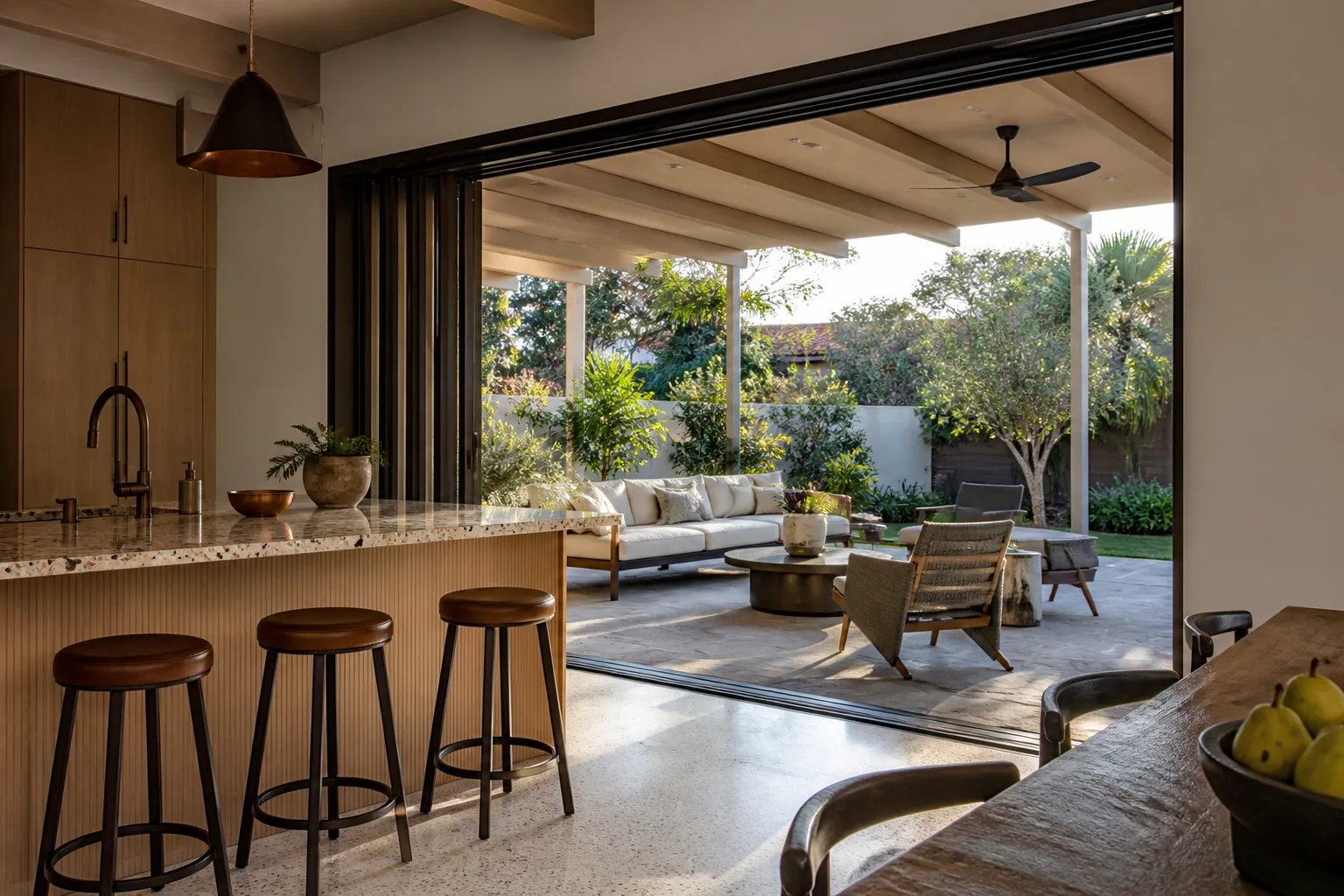
- Kitchen remodeling
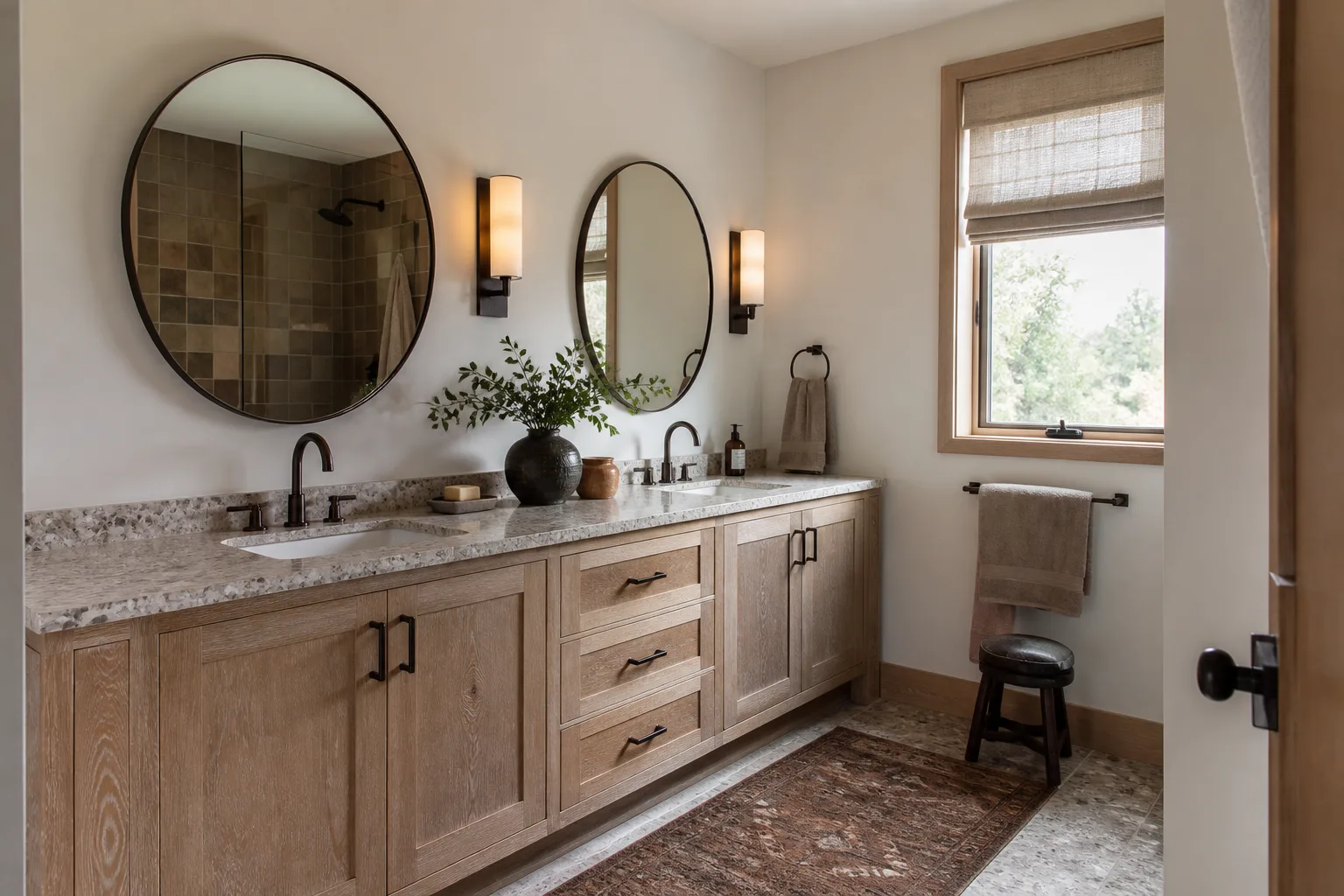
- Bathroom remodeling
- Home additions & ADU
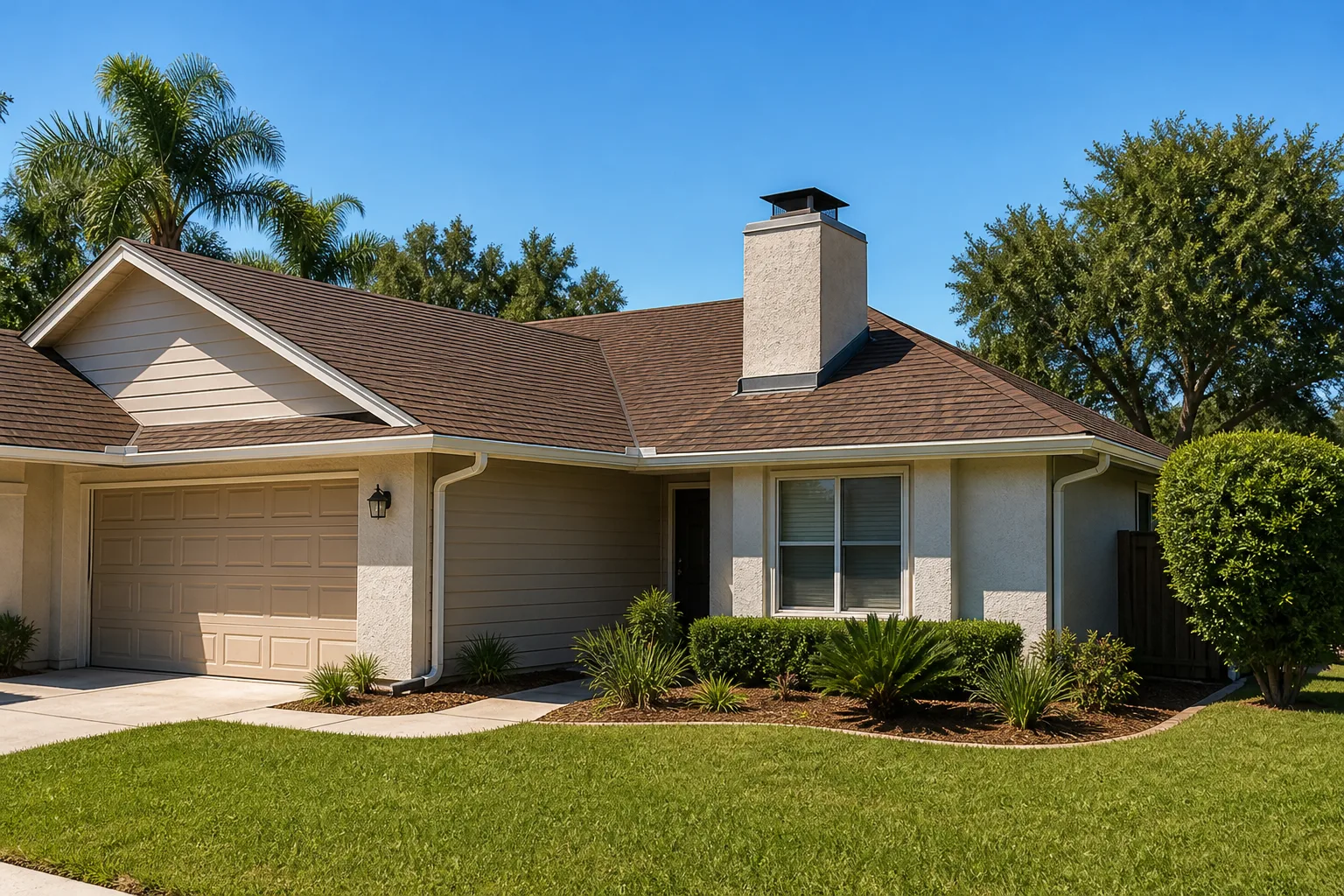
- Roofing
- Windows & doors
- Driveway & pavers
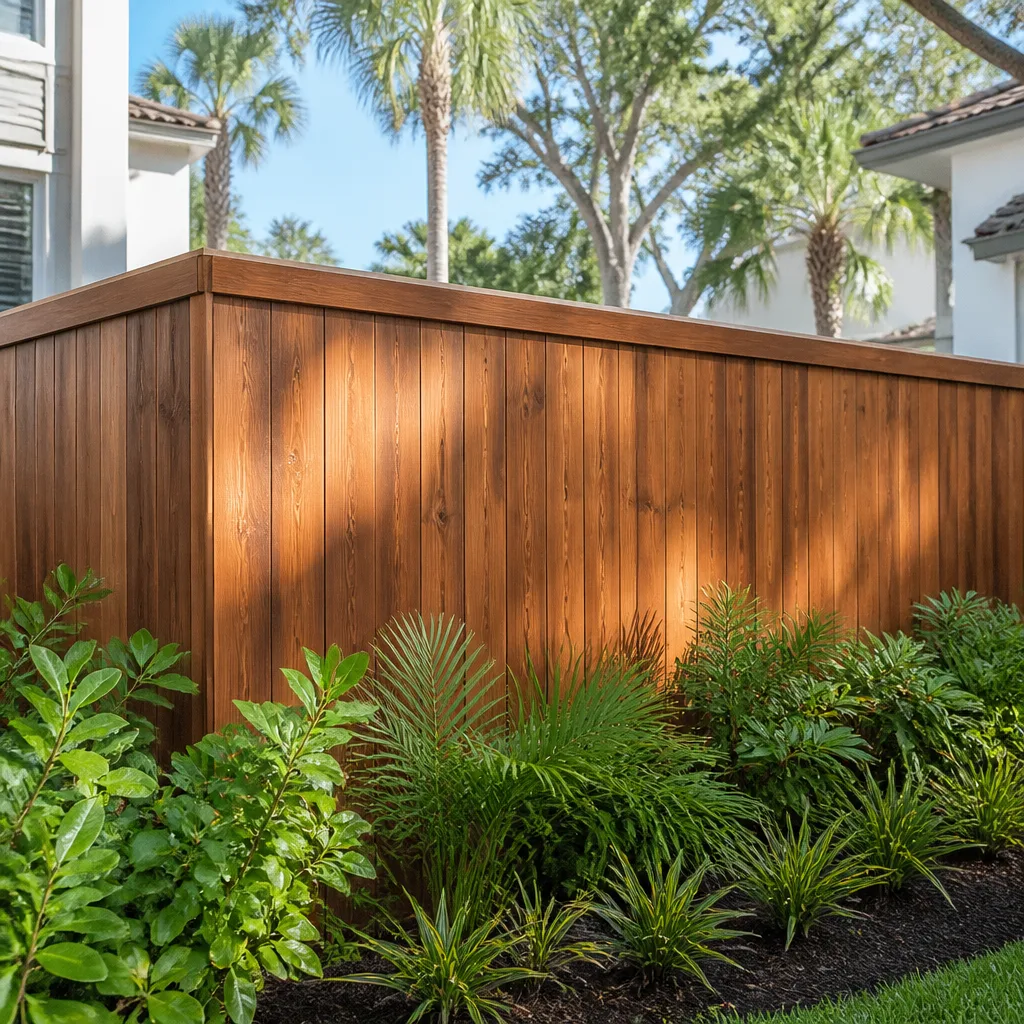
- Fence
See the difference
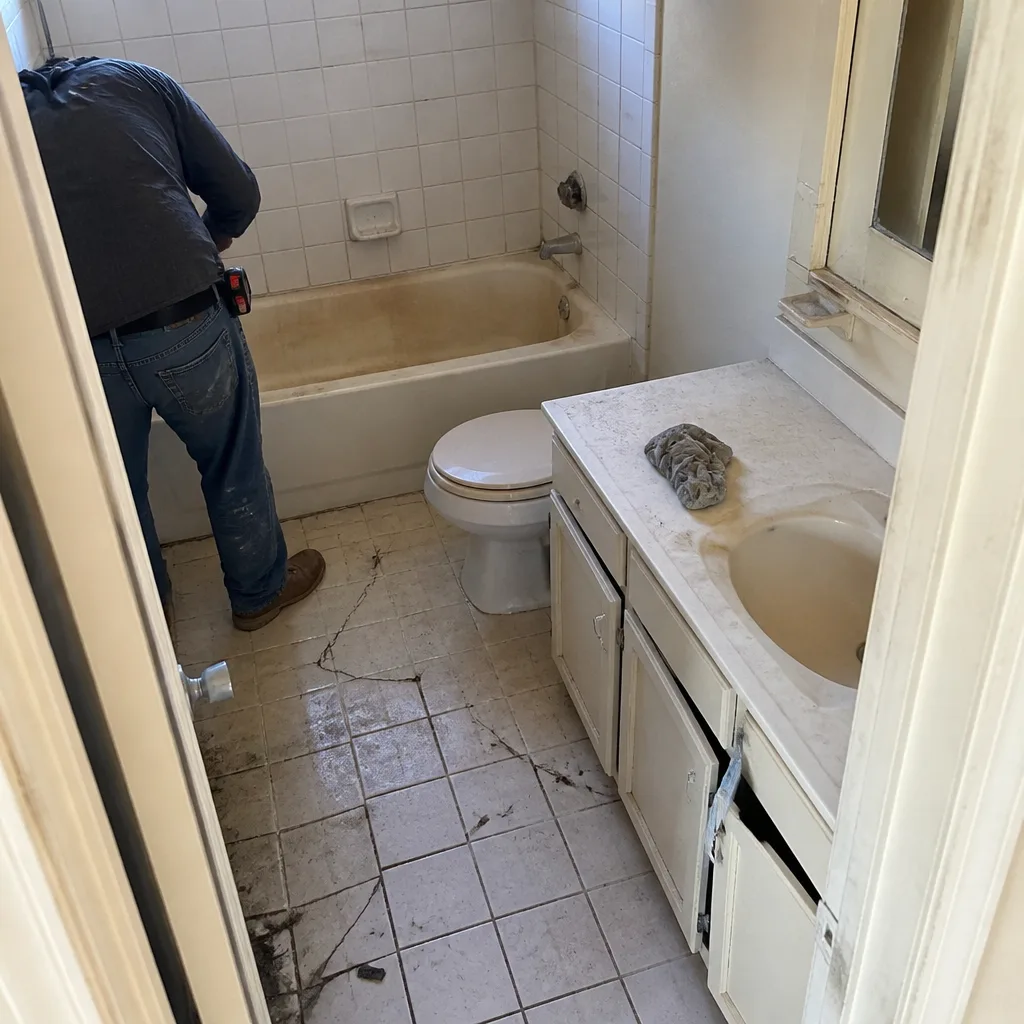 Before
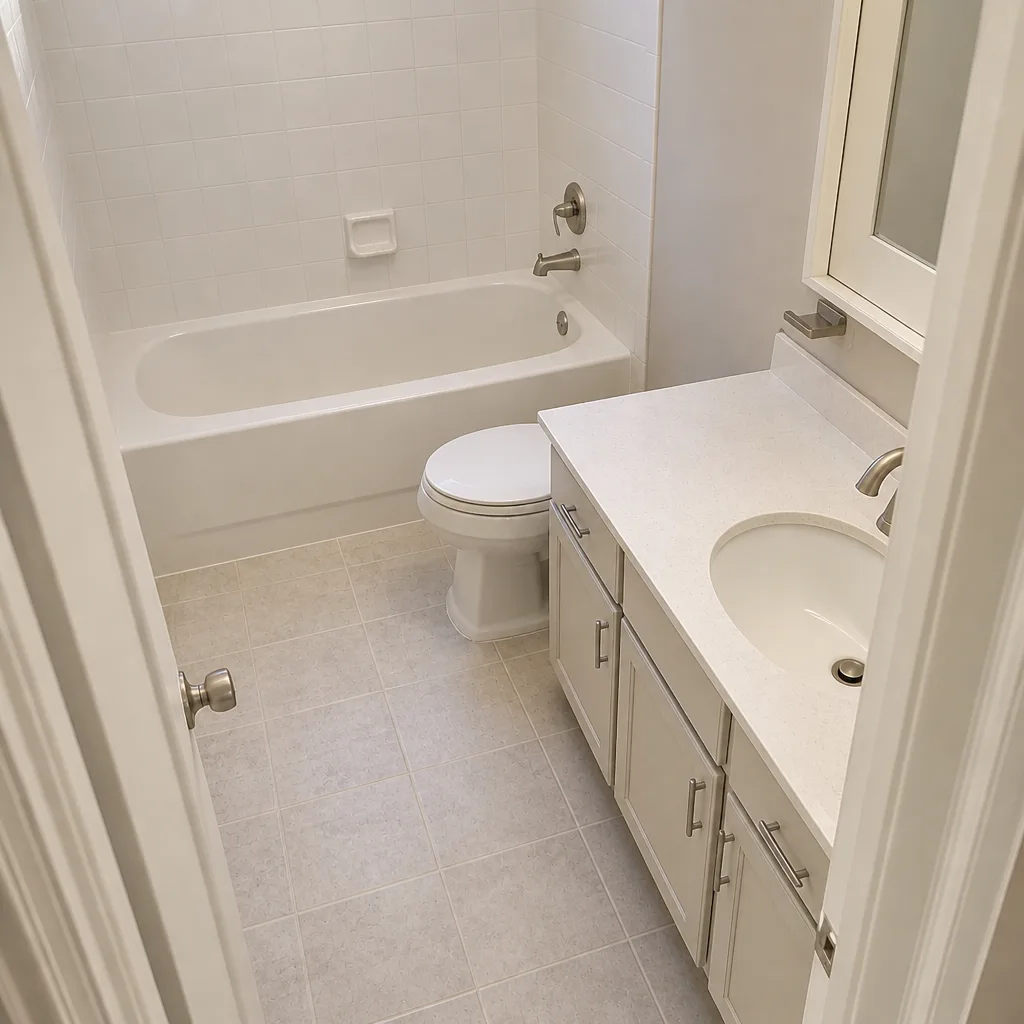 After
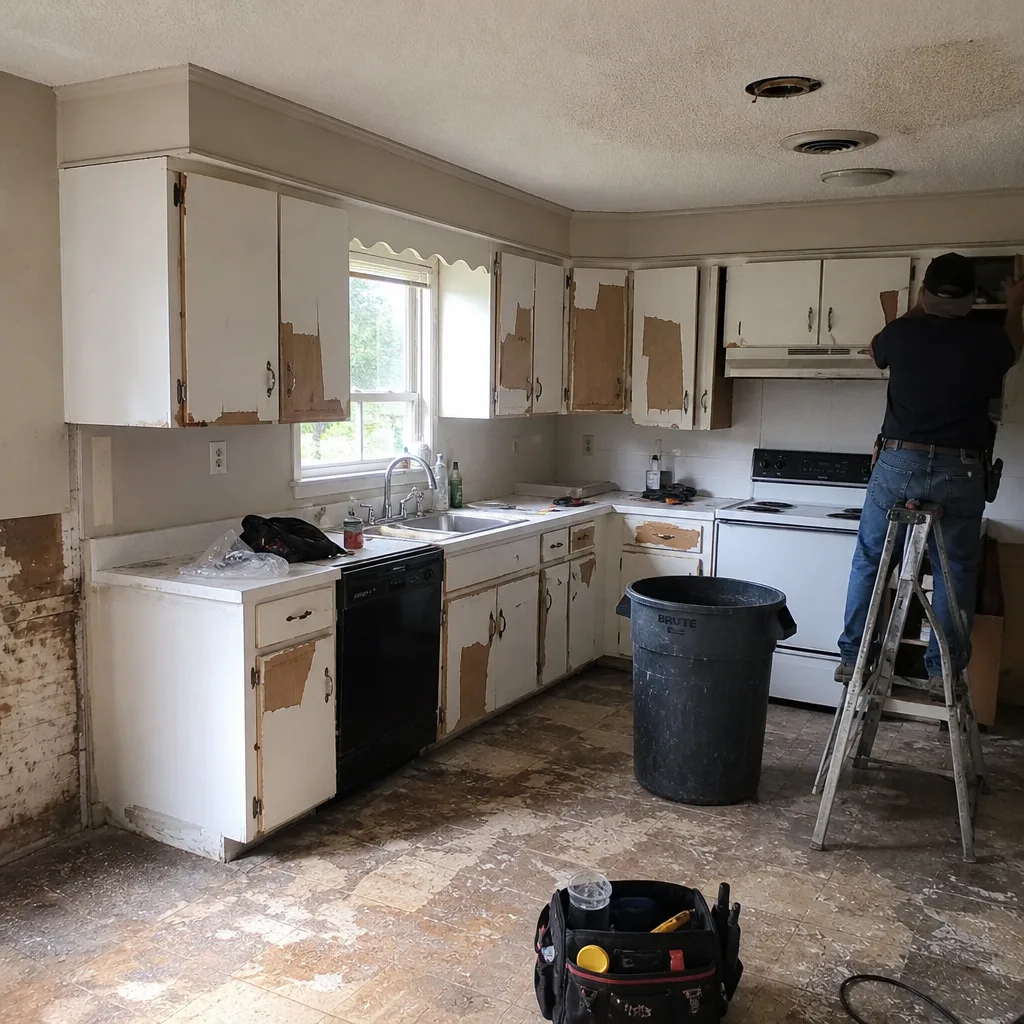 Before
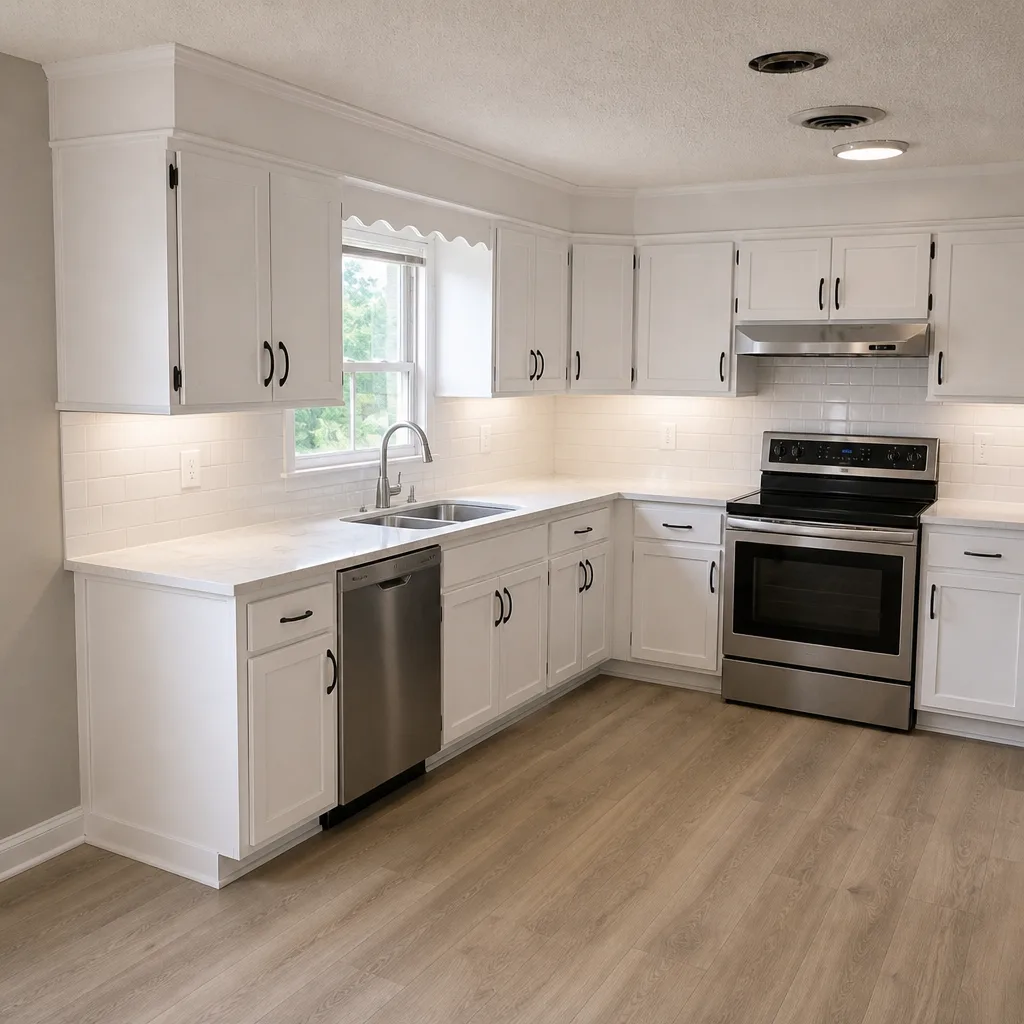 After
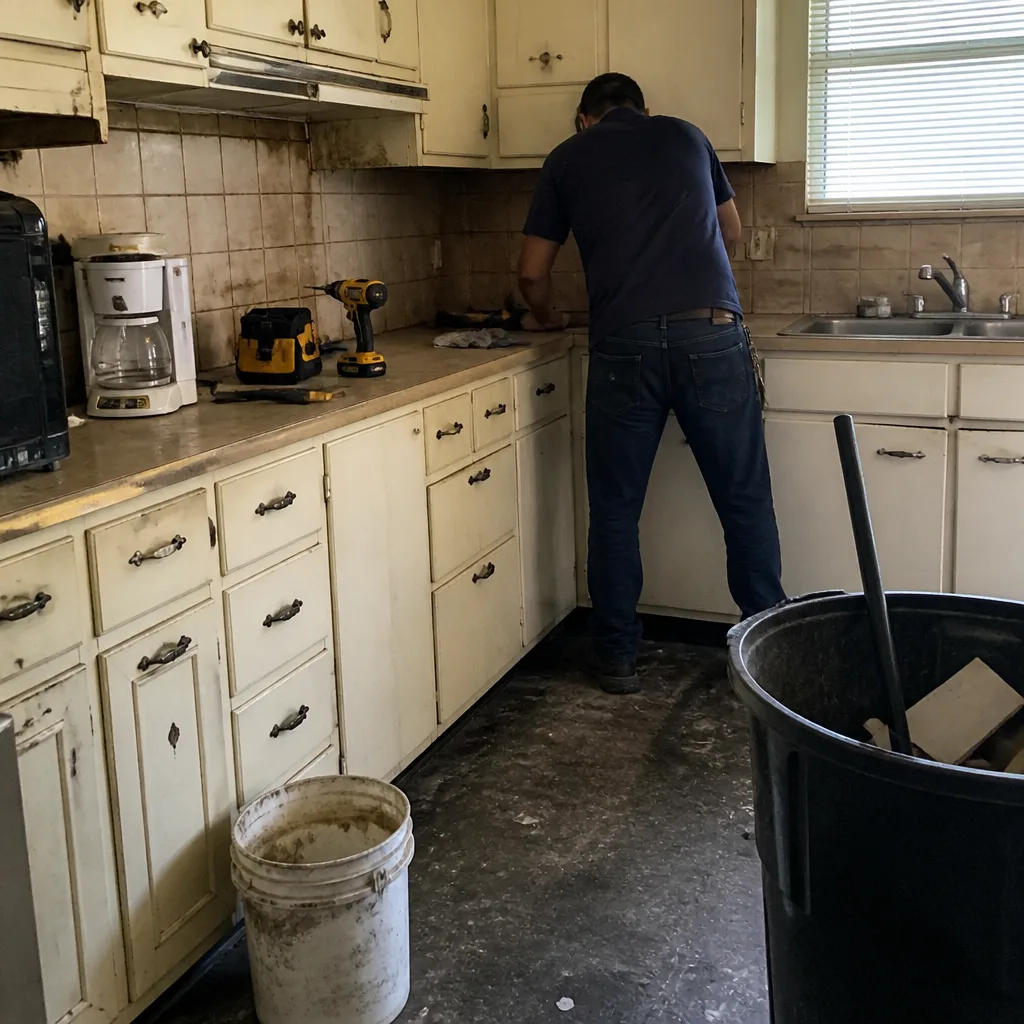 Before
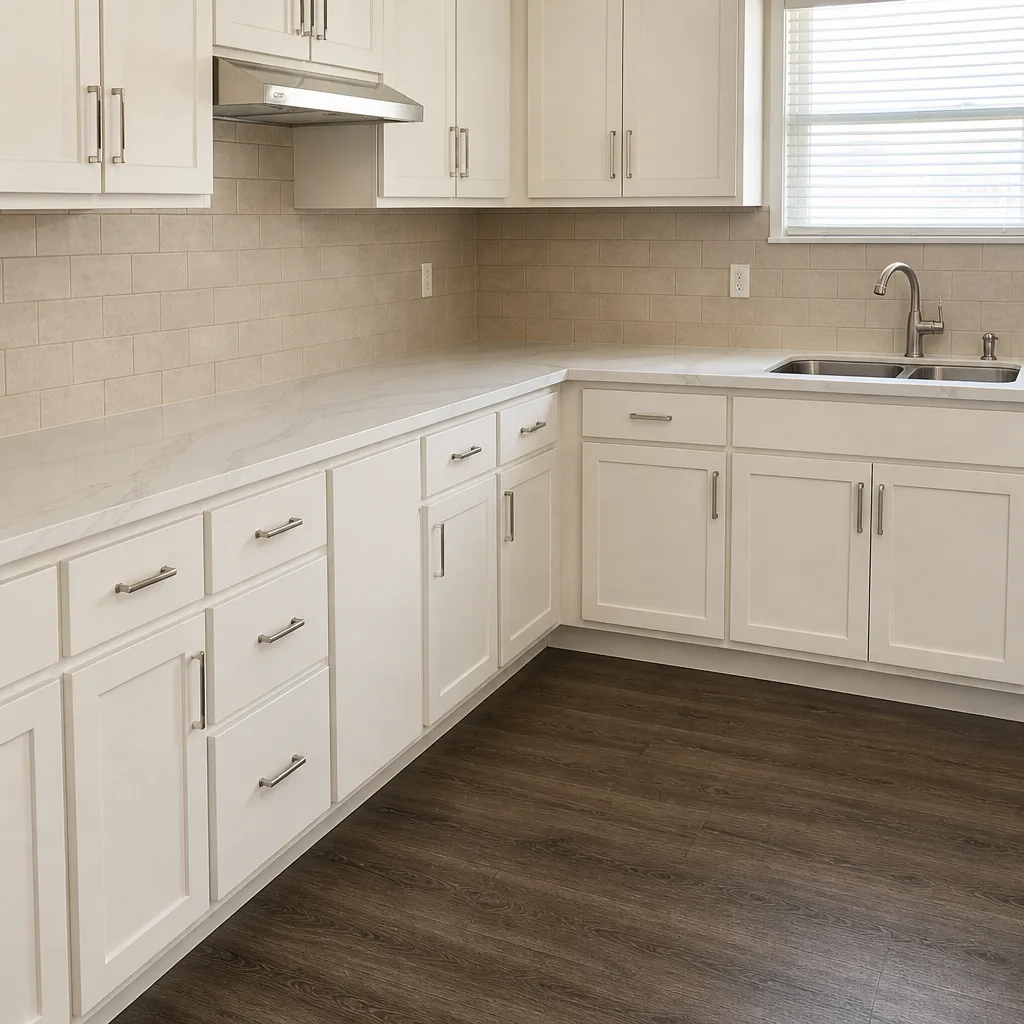 After
Junior ADU vs Standard ADU in Allen, TX: Which Approval Track Are You Actually On?
Choose a Junior ADU if you want rental income or a private suite for a family member without triggering HOA architectural review, and choose a standard ADU if you need real separation, more square footage, or a detached unit for higher rent. In Allen, TX, that decision comes down to one thing most homeowners don’t see on a brochure: which approval path your project unlocks. A Junior ADU usually clears at the city level because it makes no exterior changes beyond a door. A standard ADU almost always pulls in subdivision ARC review first. Call (888) 343-9048 and we’ll walk both tracks with you before you commit to either.
Key Takeaways
- A Junior ADU stays inside your existing footprint and caps at 500 sq ft; a standard ADU can reach 1,200 sq ft or more and can be fully detached.
- In Watters Crossing, Twin Creeks, and Bethany Ridge, a standard ADU triggers ARC review that can add 30 to 60 days before a city permit is even issued.
- Detached ADUs rent higher in the Collin County market ($1,200 to $1,800/month for 500 to 700 sq ft) than a JADU ($800 to $1,200/month), because tenants pay for private outdoor space and no shared-wall entry.
- Allen’s 1990s-2000s subdivision stock on small lots often leaves only one realistic path: the Junior ADU, because there’s no room for a detached structure.
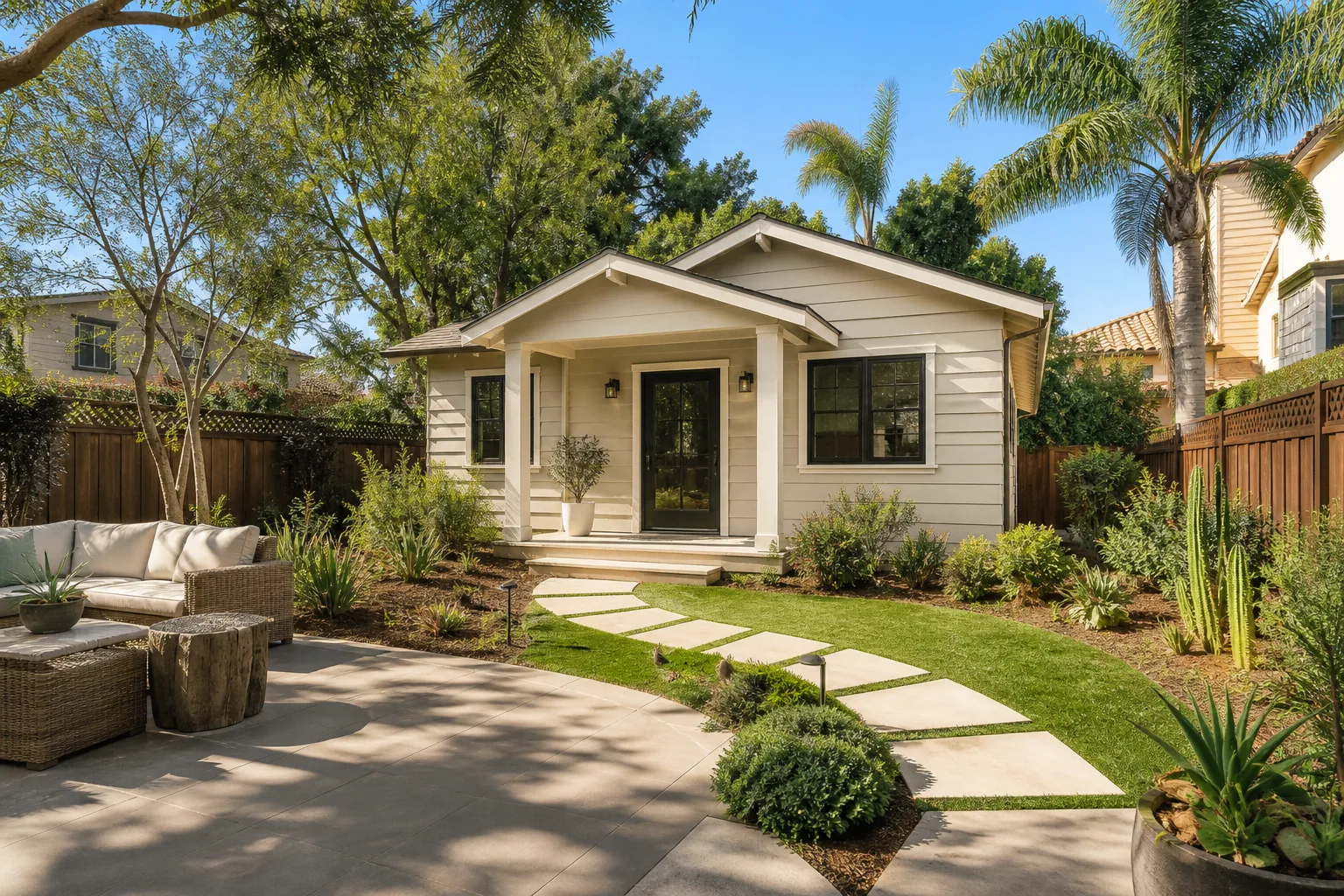
Why the Approval Track Matters More Than the Size
Most homeowners come to us comparing square footage and price per foot. That’s the wrong first question in Allen. The first question is whether your project changes the exterior elevation of your home, because that single fact decides whether you’re standing in line at the city or standing in line at the city and your HOA’s architectural review committee.
A Junior ADU lives inside the existing structure. It needs an exterior entrance, which in many cases is a modified existing window or door. No new walls go up. No roofline changes. In a large share of Allen HOA covenants, that falls below the threshold for ARC review because the exterior elevation is essentially untouched. That can save 30 to 60 days of approval time on the front end.
A standard ADU, whether attached as an addition or fully detached, is new construction or significant exterior modification. In Watters Crossing, Twin Creeks, and Bethany Ridge, that means a mandatory ARC approval sequence on roof color, siding, fence lines, and setbacks before the city will issue a permit. Crews from nearby towns routinely skip this step, then the project stalls for two months while the homeowner scrambles to resubmit.
Allen’s permitting and inspection process is unusually strict compared to the newer edges of McKinney and Frisco. Add HOA review on top and a standard ADU’s timeline gets long. Knowing that going in is worth more than any square-foot comparison.
Side-by-Side: Junior ADU vs Standard ADU in Allen
| Factor | Junior ADU (JADU) | Standard ADU |
|---|---|---|
| Location | Inside existing home footprint | Attached addition or fully detached structure |
| Max size | 500 sq ft | 1,200 sq ft or more, per local ordinance |
| Exterior changes | Door addition only (can modify an existing window) | New walls, roofline, foundation, utilities |
| HOA ARC review | Often below the review threshold | Almost always triggered |
| Added approval time | Minimal | 30 to 60 days, sometimes more |
| Typical rental income | $800-$1,200/month | $1,200-$1,800/month for 500-700 sq ft detached |
| Privacy for tenants | Shared walls and entry | Private entry and outdoor space |
| Typical project cost in Allen | Lower end of the $45,000-$130,000 range | Upper end of the range and beyond for detached |
That table is the honest summary. What it can’t show is how the choice plays out on your specific lot. Most Allen homes sit in builder-grade subdivisions from the 1990s through the 2010s: brick-veneer two-story traditional and Tudor-style homes on small lots. Yard space for a detached unit is often the binding constraint, not budget. If you’re already short on side-yard setbacks, the Junior ADU isn’t a compromise. It’s the only realistic option.
Where a detached unit fits, it earns its keep. Collin County renters pay a real premium for private outdoor space and a separate entrance, which is why a detached standard ADU out-earns a JADU by several hundred dollars a month.
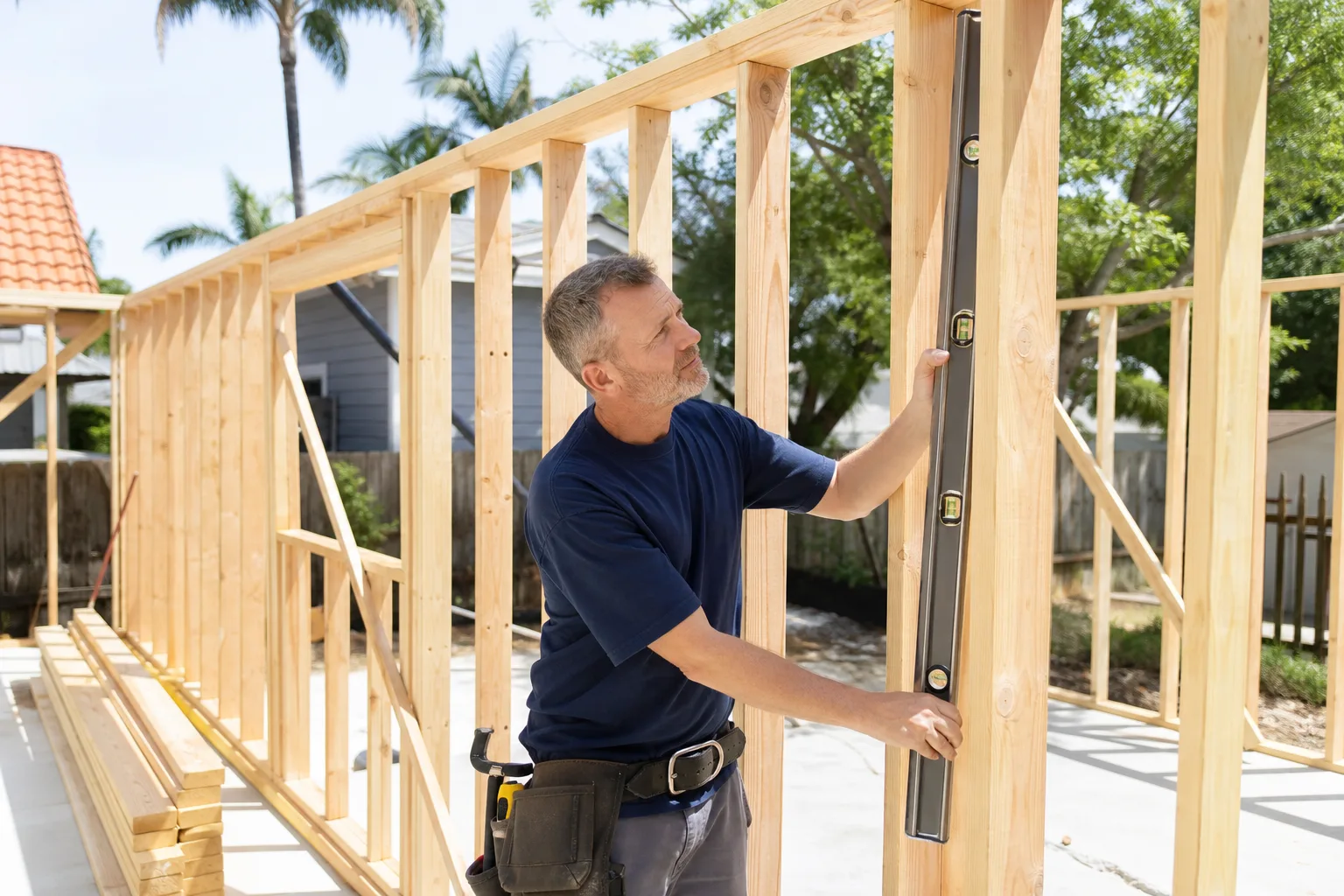
What Each Path Actually Costs in Allen
ADU construction in Allen runs $90,000 to $220,000, and home additions fall in the $45,000 to $130,000 range. A Junior ADU typically lands closer to the low end of that first number since you’re converting existing space rather than building new. A standard detached ADU with its own foundation, utilities, and roof lands toward the top.
For comparison, a garage conversion in Allen runs $30,000 to $80,000 and is a common middle path: it creates a private unit under an existing roof without new exterior walls, so it often sidesteps ARC review the way a JADU does. If your garage is oversized or you don’t park in it, it’s worth putting on the table.
We quote both paths side by side, with permit timelines, HOA exposure, and financing laid out before you commit. Upfront pricing means the number you see is the number you pay. Our Home Additions & ADU in Allen page covers the broader build process, and 0% financing for 18 months plus $1,000 off projects over $10,000 applies to either route.
How We Sequence Both Projects
Because Allen’s HOA subdivisions (Watters Crossing, Twin Creeks, Bethany Ridge) require architectural pre-approval on details as small as roof color, fence height, and shed placement, we front-load that work. Before a single permit is filed, we map which reviews your project triggers and in what order. For a JADU, that’s usually a short pass. For a standard ADU, it’s a sequenced plan so nothing gets rejected on a technicality and sent back to the end of the line.
- Lot and setback check first. We measure against Allen’s side-yard and rear-yard requirements before drawing anything.
- HOA covenant review. We pull your subdivision’s specific ARC requirements, not a generic template.
- Permit sequence. City permit and HOA review ordered correctly so neither blocks the other.
- Build. Background-checked, uniformed technicians on every job, with materials from vetted partners across every trade.
- 730-Day Done Right Promise. If it’s not done right, we make it right. That guarantee covers the work long after the final walkthrough.
The North Texas clay under Allen shifts foundations and hails the roof of every new structure, so we build ADU foundations and roofing to handle both. Fencing around a detached unit holds up longer when it’s built with a branded product like ActiveYards rather than builder-grade panels, which matters for the security of a rented space.
Which Should You Pick?
If your HOA is dense, your lot is tight, or you want income without a two-month approval detour, pick the Junior ADU. It stays inside your footprint, caps at 500 sq ft, and clears most Allen covenants without ARC review. If you need genuine separation for a tenant or family member, have the yard for a detached structure, and can absorb the longer timeline, the standard ADU earns you more each month and holds more long-term value.
Neither is “better” in the abstract. The right one is the one your lot, your covenant, and your timeline will actually allow. Groundwork Construction Co. of Allen guides that decision rather than pushing a single answer. We’ve spent years building through Allen’s permitting and HOA gauntlet, and our technicians bring up to 12 years of experience to each project. Our home page covers the full range of what we build.
FAQs
In many Allen HOA covenants, yes, because a JADU adds no new structure and makes no exterior elevation changes beyond a door, which often falls below the ARC review threshold. It still needs city approval, but skipping the HOA architectural sequence can save 30 to 60 days. Call (888) 343-9048 and we’ll confirm what your specific subdivision requires before you commit.
ADU construction in Allen generally runs $90,000 to $220,000, with a Junior ADU landing at the lower end of that range and a detached standard ADU at the upper end. A garage conversion ($30,000 to $80,000) is a common middle path. Call (888) 343-9048 for an exact quote – estimates are free.
A standard detached ADU rents for more: roughly $1,200 to $1,800 a month for 500 to 700 sq ft versus $800 to $1,200 for a JADU. Collin County tenants pay a premium for private outdoor space and a separate entrance. Call (888) 343-9048 and we’ll model the rental math against your build cost.
For a standard ADU in subdivisions like Watters Crossing, Twin Creeks, and Bethany Ridge, yes – ARC review on roof color, setbacks, and fence lines typically comes before the city issues a permit, which is why the order of approvals matters so much. Miss that sequence and the project stalls for weeks. Call (888) 343-9048 and we’ll map the order for your address.
If you’d rather have it looked at, Groundwork Construction Co. of Allen offers a no-pressure assessment in Allen – we’ll walk your lot, check your covenants, and lay out both paths with real numbers. Call (888) 343-9048 for a free estimate.
Written by the team at Groundwork Construction Co. of Allen, serving Allen, TX.