Last updated November 18, 2026
Free written scope consultation - allowances, timeline, and change-order rules on paper before a single trade is scheduled
DIY vs Professional Driveway & Pavers: What’s Safe to Do Yourself
Renting a plate compactor and laying pavers over a weekend is the easy part. The problem sits underneath: if the sub-base isn’t excavated to the right depth, compacted in the right lifts, at the right moisture content, no amount of beautiful surface work will save it. You won’t know it failed until about 18 months later, when the first Texas freeze-thaw cycle pushes a corner up and the pattern starts to wander. We’ve torn out DIY driveways in Allen where the pavers themselves were flawless and the base was dust. This guide draws the line at the step that matters, and it’s not the one most homeowners expect.
Quick Answer
You can safely handle pattern planning, material research, and swapping individual cracked pavers yourself. You cannot safely or durably handle the excavation, sub-base preparation, and compaction that determine whether a driveway lasts 5 years or 25. On Allen’s expansive clay soil, that base work needs professional equipment and moisture control, and it’s the one step where a mistake is irreversible without tearing the whole surface back out.
Styles & brands we work with
- Kitchen remodeling
- Bathroom remodeling
- Home additions & ADU
- Roofing
- Windows & doors
- Driveway & pavers
- Fence
Table of Contents
- Why the Base Is the Whole Ballgame in Allen
- What Allen’s Clay Soil Does to a Bad Base
- The DIY Tasks That Actually Make Sense
- The Base Prep Steps That Need Professional Equipment
- The Hidden Cost Math: Why DIY Can Cost 40% More
- Permits and HOA Approval in Allen: Who’s Responsible
- How to Verify a Contractor’s Base Prep Isn’t Cutting Corners
- When to Call a Professional
Why the Base Is the Whole Ballgame in Allen
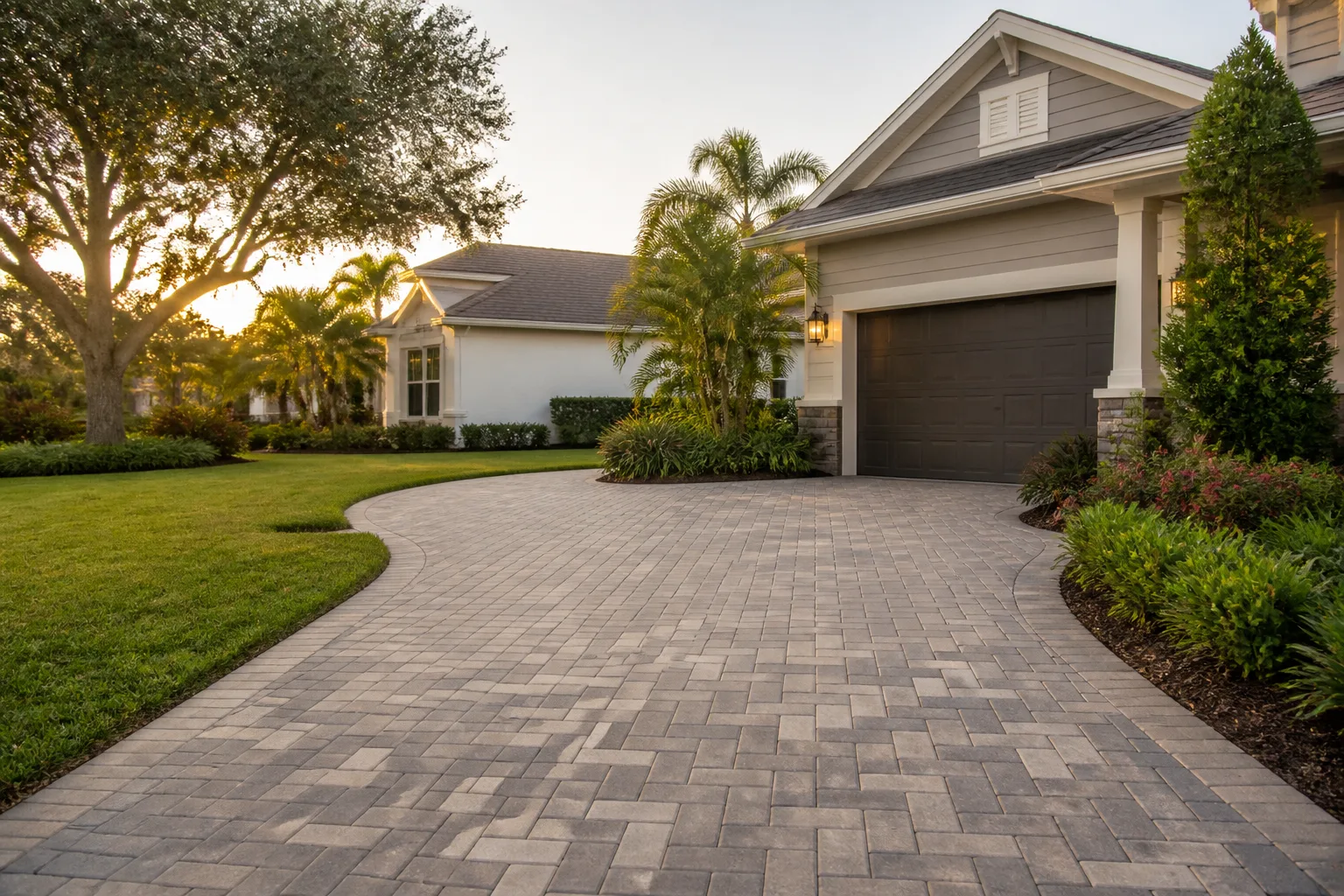
A paver driveway is a structural system, not a surface. The pavers are the visible 2-3/8 inches. Underneath sits a bedding layer of sand, then a compacted aggregate sub-base that’s typically 4 to 8 inches deep depending on load. Every one of those layers transfers weight downward, and the sub-base does the heavy lifting. Get it right and the surface holds for decades. Get it wrong and the pavers become a lid on a failing foundation.
Here’s the counterintuitive part: the failure is slow and invisible. A driveway installed over a poorly compacted base looks perfect on day one, and often on day 300. Then the soil beneath settles unevenly, water finds the low spots, and the pavers start rocking. Once a paver rocks, the bedding sand migrates out from under it, which makes it rock more. In Allen, where the ground can move noticeably between a wet spring and a dry August, that cycle runs faster than most homeowners expect.
We’ve seen this pattern across Allen neighborhoods, from the established streets near downtown to newer builds out toward Twin Creeks and Bethany Ridge. The pavers arrive from the same suppliers whether a pro or a homeowner buys them. The difference is entirely in what goes under them.
What Allen’s Clay Soil Does to a Bad Base
Allen sits on the Blackland Prairie soil series, which means expansive clay. This clay swells when it absorbs water and shrinks as it dries. Over a season, that movement can measure in inches, and it doesn’t happen evenly across a driveway. One section may heave while another settles, and that differential movement is what destroys a weak base.
Three things follow from this that a DIY approach usually misses:
- Drainage has to be engineered, not guessed. Allen gets intense spring storms that dump a lot of water in a short window. If the base doesn’t slope away from the house correctly and the sub-base doesn’t drain, water pools under the pavers and turns the clay to mush. We grade for a specific fall away from the foundation on every Allen driveway we build.
- Edge restraint is structural here. Loose clay edges let the whole field spread outward. A proper edge restraint set in concrete holds the pattern tight and keeps the base confined.
- Compaction moisture matters more than compaction force. You can run a plate compactor over bone-dry clay all day and it won’t reach proper density. The material has to be at the right moisture content, in the right lift thickness, or the compaction is theater.
None of this is meant to scare you off the material. Pavers are an excellent choice for an Allen driveway and they handle this climate well when the system is built correctly. The point is that the climate raises the stakes on the base work specifically.
The DIY Tasks That Actually Make Sense
There’s real work a homeowner can own on a paver project, and doing it well saves money without risking the structure. Here’s where DIY genuinely helps:
- Pattern and layout planning. Decide the herringbone, running bond, or basketweave you want before anyone orders material. Herringbone is strong and classic for driveways; running bond is simpler and cheaper to lay. This is a design decision, not a structural one, and it’s yours to make.
- Material selection research. Spend a Saturday understanding the difference between a 60mm and an 80mm paver, between tumbled and straight-edge finishes, and between concrete and clay pavers. We work with Belgard and similar hardscape brands because they hold up; knowing what you want going in makes the estimate conversation sharper.
- Measuring and marking the footprint. Rough out your driveway dimensions, the turn radius you need for a two-car garage, and where you want a walkway connection. Bring real numbers to the estimate.
- Individual paver replacement. A single cracked or chipped paver years down the road is a genuine DIY fix. Pop it, clean the bedding, reset a matching paver, and tap it level. This is maintenance, and it’s completely within reach.
- Sealing and routine cleaning. Sweeping, pulling weeds from joints, and applying a penetrating sealer on a proper schedule are homeowner tasks that extend the life of the surface.
Notice what’s missing from that list: excavation, base material, compaction, and screeding the bedding layer. That’s not an oversight. Those are the steps where amateur execution creates damage you can’t undo without starting over.
The Base Prep Steps That Need Professional Equipment
This is the section to read twice. Here are the base preparation steps, in order, and why each one calls for equipment and know-how most homeowners don’t have on a weekend rental:
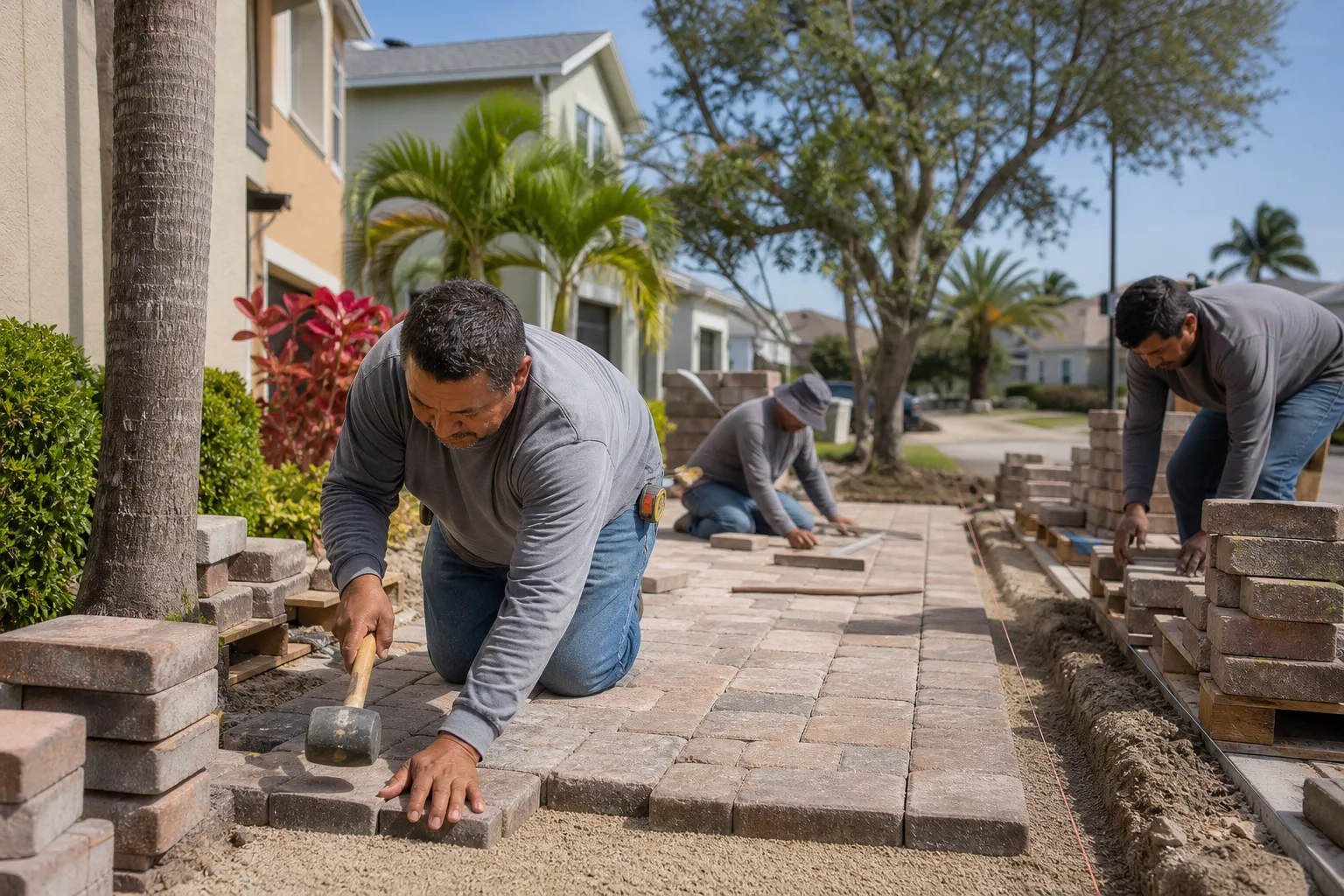
- Excavation to the correct depth. You’re removing enough soil to fit the sub-base, the bedding sand, and the paver thickness while keeping the finished surface at the right grade relative to the house and garage slab. Too shallow and the pavers sit proud of the slab; too deep and you’ve added cost and settling risk. On Allen clay, you’re often excavating deeper than a first-time installer expects.
- Subgrade preparation and proof-rolling. The native soil under the sub-base has to be leveled and compacted, and soft spots have to be identified and corrected before anything goes on top. Pros proof-roll with a heavy plate or roller to find the weak areas. You can’t feel those by eye.
- Placing aggregate in controlled lifts. Sub-base material goes down in layers, typically 2 to 4 inches per lift. Dumping the whole depth at once and compacting the top is one of the most common DIY failures, and it leaves the bottom loose.
- Moisture-conditioning each lift. Each layer needs to be at the right moisture content before compaction. Too dry and it won’t bind; too wet and it pumps and stays soft. This is where a homeowner without a moisture test and a feel for the material loses the battle no one can see.
- Compacting to density. A rented plate compactor will do a lot of work, but reaching proper density on a deep sub-base sometimes needs a heavier roller. Density is not something you can eyeball; it’s either there or it isn’t.
- Screeding the bedding sand. After the base is locked, a thin, perfectly even sand layer gets screeded to receive the pavers. Uneven bedding is the direct cause of rocking pavers.
- Laying, cutting, and edge restraint. Setting the field, cutting the borders with a wet saw, and pinning the edge restraint in concrete finish the structural system.
Steps 2 through 5 are the ones we won’t hand to a homeowner, and it’s not because of skill. It’s because the tools, the moisture control, and the ability to read the material are what separate a 25-year driveway from an 18-month problem. If you’re serious about a paver project, look at our Driveway & Pavers in Allen page for how we build it.
The Hidden Cost Math: Why DIY Can Cost 40% More
The math that trips people up isn’t the cost of the pavers. It’s what happens when the DIY install fails and needs professional remediation within three years. Here’s how that plays out on a typical Allen driveway:
- DIY materials and rental: Pavers, base aggregate, bedding sand, edge restraint, and weekend equipment rentals run a real number, and you buy them at retail without a trade discount. Add your weekends.
- Failure diagnosis: When pavers rock and joints open, someone has to figure out whether it’s bedding, base, drainage, or all three. That’s time and often a paid inspection.
- Remediation: A failed base usually means pulling up the field, re-excavating, rebuilding the sub-base correctly, and re-laying. You pay for the pavers once but for the labor nearly twice, and the pavers you lifted may not all survive the process.
- The 40% figure: In our experience, a DIY driveway that needs full remediation inside three years lands roughly 40% above what hiring it done correctly the first time would have cost. You paid for the project twice.
The flip side is that a correctly built driveway is a genuine long-horizon asset. With upfront pricing, no surprises, and a warranty in writing, the first-time cost is the whole cost. That’s the number worth comparing against the DIY gamble. If the project is part of a larger exterior plan, it’s worth pairing the driveway with a matching Fence Installation in Allen so the front of the property reads as one finished design.
Permits and HOA Approval in Allen: Who’s Responsible
This is the part homeowners most often miss: the permit and HOA responsibility doesn’t change just because you’re doing the work yourself. If your project touches the public right-of-way, changes drainage, or crosses a utility easement, the permit requirement applies to the property, not to the contractor. Most driveway replacements that stay within the existing footprint are straightforward, but widening a driveway, adding an approach, or altering grading near the street can trigger review through the City of Allen.
Many Allen neighborhoods also have HOA architectural review, and some are stricter than others about driveway material, color, and width. Approval is the homeowner’s job to secure, whether a crew or a homeowner is laying the pavers. Two practical rules:
- Get HOA approval in writing before you order material. The wrong color or pattern rejection after delivery is an expensive lesson.
- Ask who pulls the permit. A professional should pull the permit and pass the inspection. If a contractor asks you to pull it as the homeowner, that’s a reason to pause and ask why.
When we build in Allen, we handle the permit and inspection process and show you the paperwork. You shouldn’t be guessing about compliance on a project this permanent.
How to Verify a Contractor’s Base Prep Isn’t Cutting Corners
Here’s the uncomfortable truth: a contractor can cut the same corners a DIYer would, and the finished surface looks identical on handover. The way to protect yourself is to ask specific questions about the base before you sign, and to know what a good answer sounds like. Use this checklist:
- Ask for the sub-base depth and material. A real answer names the aggregate type and the depth in inches for your site, not a vague “whatever it needs.”
- Ask how many lifts. Good crews place aggregate in controlled lifts and compact each one. If the answer is “we do it all at once,” walk.
- Ask about moisture control. A pro will talk about conditioning the material before compaction. This question separates people who build for the long haul from people who lay pavers.
- Ask about drainage and slope. They should describe the fall away from the house and how water leaves the site.
- Ask about edge restraint. Concrete-set edge restraint is standard on a driveway; loose plastic edging alone is not enough on Allen clay.
- Ask for the warranty in writing. Ours is the 730-Day Done Right Promise: if it’s not done right, we make it right. That’s roughly two years of coverage on workmanship, backed in writing.
Groundwork Construction Co. of Allen brings background-checked, uniformed technicians and a live person answering the phone 24/7, so you can ask these questions and get real answers from the start. If your project grows into something bigger, like a detached garage or an addition that shares the driveway approach, see our Home Additions & ADU in Allen page to plan the whole scope together.
Common Mistakes to Avoid
- Compacting the top of a deep fill instead of building in lifts. The bottom stays loose, and the driveway settles unevenly within a season or two. This is the single most common DIY failure we see.
- Ignoring Allen’s clay movement and skipping drainage. Water trapped under the pavers turns the clay soft and the base fails from below.
- Using too little sub-base to save money on aggregate. The aggregate is cheap relative to the labor of a tear-out. Skimping on depth is a false economy.
- Ordering material before HOA approval. Rejected color or width after delivery means paying for material twice.
- Skipping the edge restraint or setting it loosely. On expansive soil, the field spreads outward and joints open across the whole driveway.
- Assuming a hand-tamped bedding layer is flat enough. Uneven bedding is the direct cause of rocking pavers, and rocking pavers migrate their sand out and get worse.
- Doing the whole install alone without a plan for cuts. Border cuts need a wet saw and a steady hand; a ragged edge is permanent.
See the difference
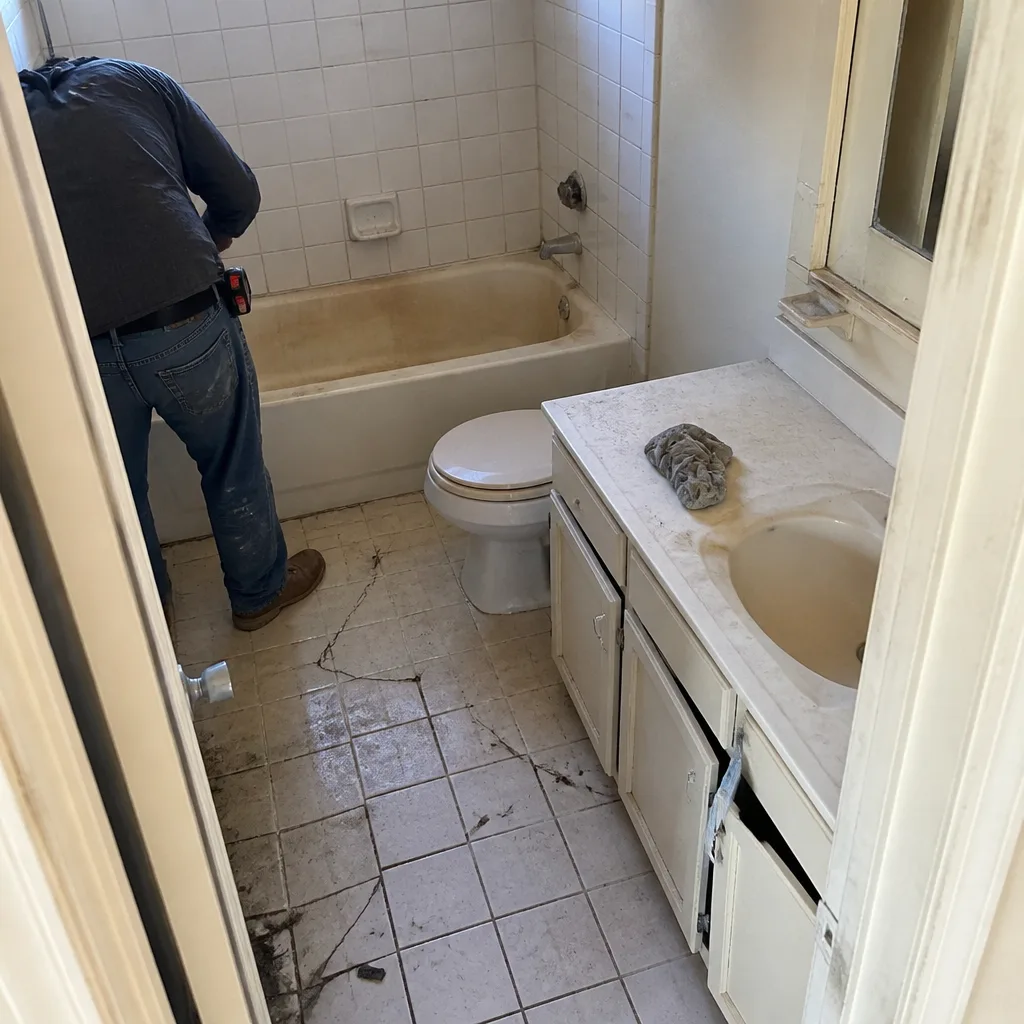 Before
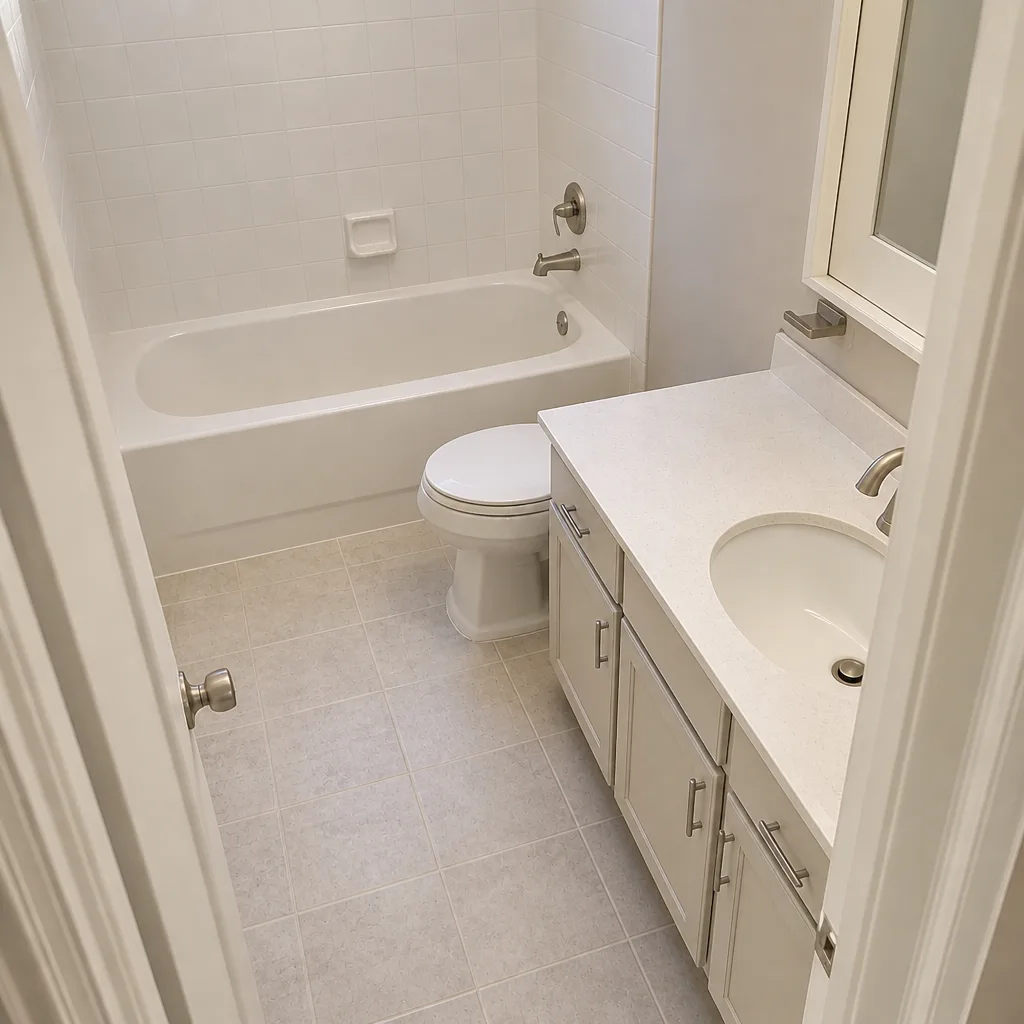 After
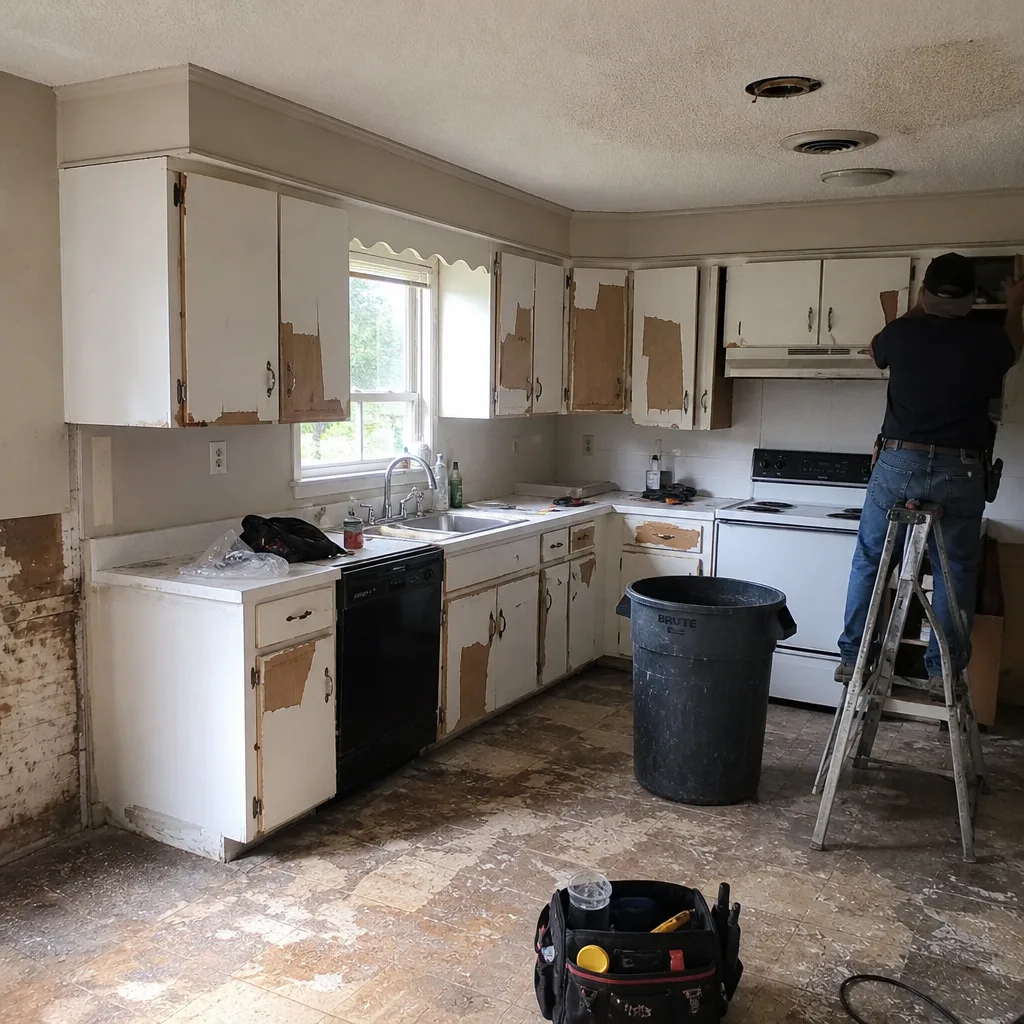 Before
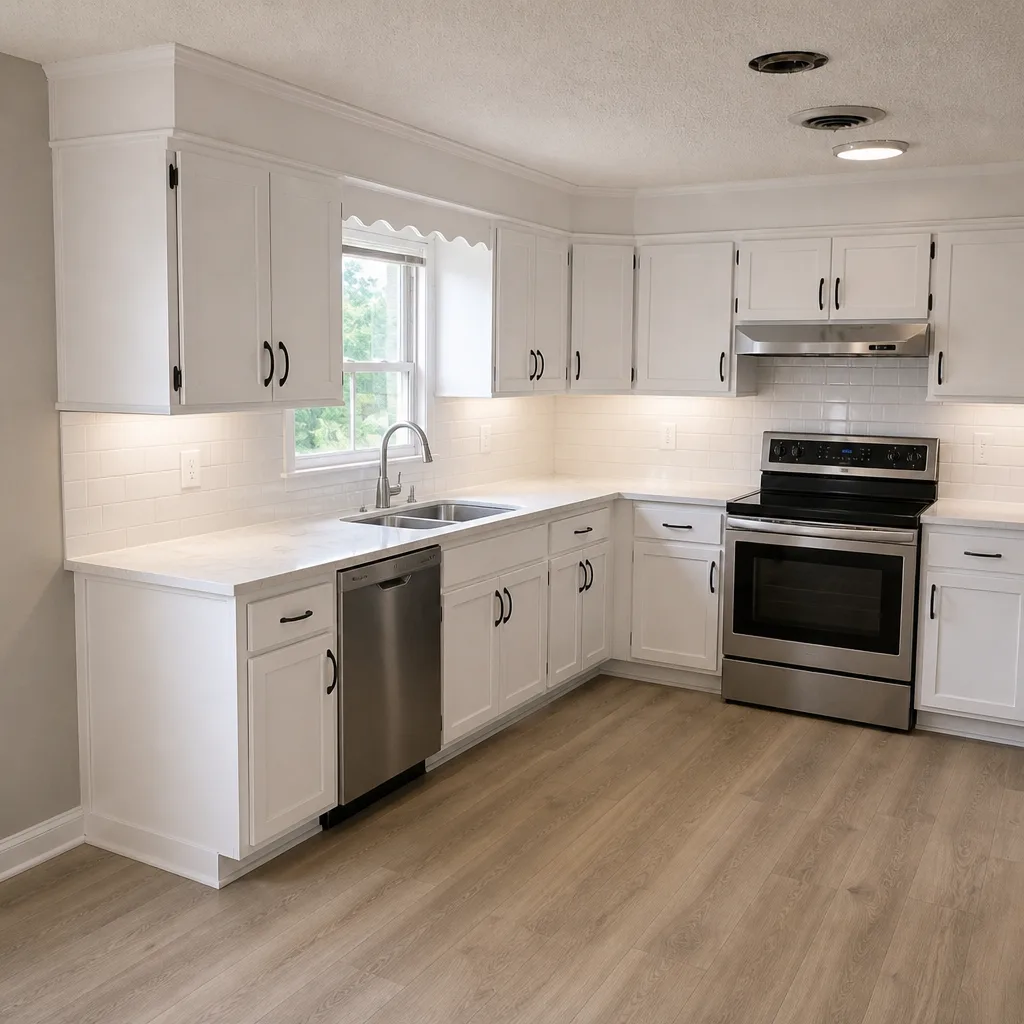 After
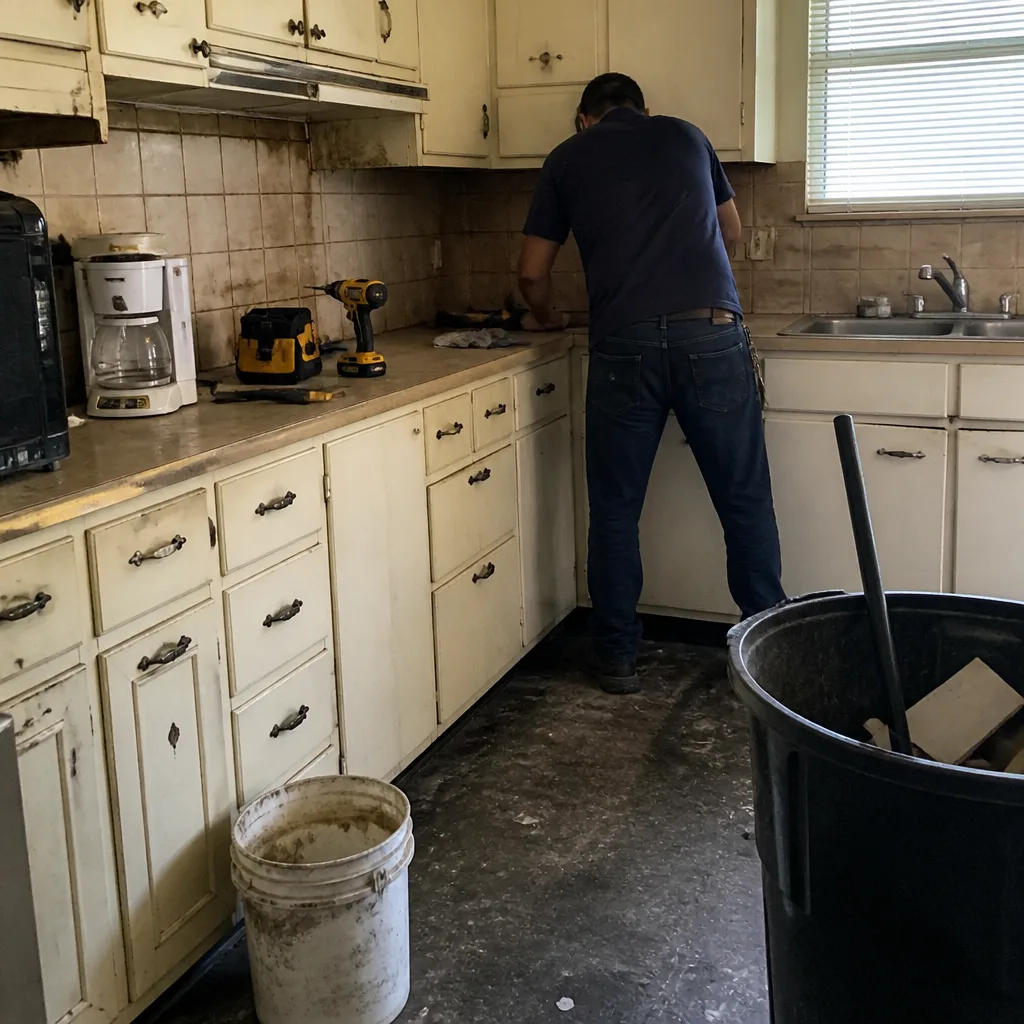 Before
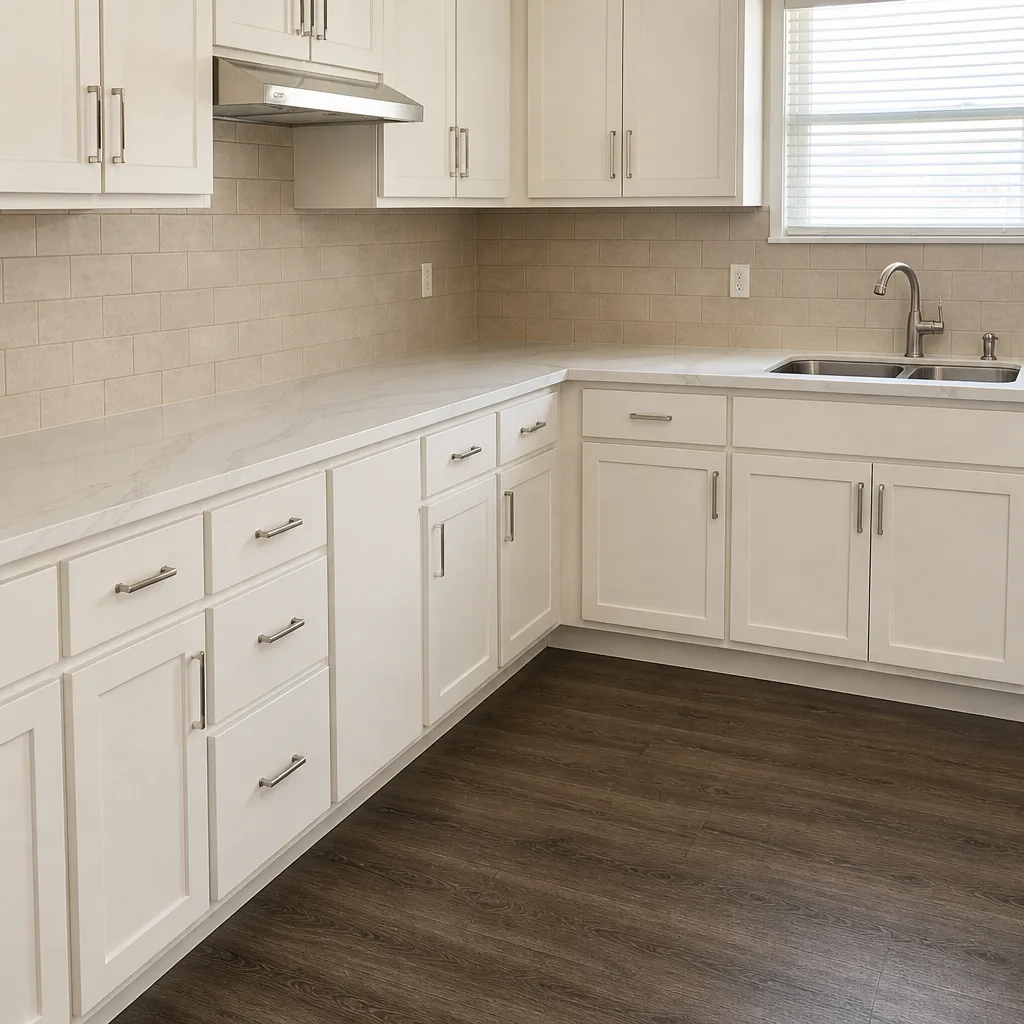 After
When to Call a Professional
Call a professional when the project involves a full or partial driveway replacement, any change to grading or drainage, a driveway wider than the existing footprint, or any site where the base is being rebuilt. Those are the scenarios where the base work is structural and where a mistake is expensive to reverse. Individual paver replacement, sealing, and design planning stay comfortably in your hands. If you’re near the edge of a project that touches utilities or the right-of-way, that’s also a professional call. Groundwork Construction Co. of Allen offers free estimates in Allen, with upfront pricing and no surprises, and you can reach us at (888) 343-9048. Start with a free project estimate and design consult, and we’ll walk the site and tell you honestly which parts you can keep.
Frequently Asked Questions
You can lay pavers yourself, but you shouldn’t build the base yourself on Allen’s expansive clay. The excavation, lift-by-lift compaction, and moisture control are what determine whether the driveway lasts, and those steps need professional equipment and experience. If you want to keep some of the work, own the design and material research and leave the base to a crew.
Paver driveway costs in Allen vary with size, material, and site conditions, and a failed DIY base needing full remediation often runs around 40% above a correctly built first-time install. The honest way to get a real number is a free, line-item estimate for your specific driveway. Call (888) 343-9048 for an exact quote; estimates are free.
A correctly built paver driveway over a properly compacted base can last decades in Allen’s climate, while a poorly based one can show failure within about 18 months. The difference is almost entirely the sub-base and drainage. Workmanship on ours is backed by the 730-Day Done Right Promise in writing.
Permit and HOA requirements depend on your project: a same-footprint replacement is usually simpler, while widening, new approaches, or grading changes near the right-of-way can trigger review with the City of Allen. HOA architectural approval is the homeowner’s responsibility regardless of who does the work. Get HOA sign-off in writing before ordering material, and confirm your contractor pulls the permit.
Pattern planning, material selection research, measuring the footprint, replacing an individual cracked paver, and routine cleaning and sealing are all safe and genuinely useful. The base work (excavation, aggregate lifts, moisture control, compaction, screeding) is the part to leave to a crew. That split saves you money without risking the structure.
Ask for the sub-base depth and material, how many lifts they place, how they control moisture before compaction, how they handle drainage and slope, and how the edge restraint is set. A pro answers all of it specifically. Ask for the workmanship warranty in writing too; ours is the 730-Day Done Right Promise. Call (888) 343-9048 to schedule a free estimate and ask these questions directly.
The Bottom Line
The honest answer to “can I install my own pavers” is: some of it, yes, and the part you shouldn’t is the part that decides whether the driveway lasts 5 years or 25. Design, material research, and single-paver repairs are yours. Excavation, lift-by-lift compaction with moisture control, and screeding the bedding layer are where amateur work causes damage you can’t undo, and Allen’s clay soil makes that margin thinner than most places. A DIY install that needs remediation within three years often costs about 40% more than hiring it right the first time. Build the base correctly once, back it in writing, and the surface takes care of itself. Explore our Groundwork Construction Co. of Allen home to see the full scope we handle from foundation to finish line.
Ready to price a driveway the right way? Call (888) 343-9048 for a free estimate with Groundwork Construction Co. of Allen. We answer with a live person 24/7, bring background-checked, uniformed technicians, quote upfront pricing with no surprises, and back the work with the 730-Day Done Right Promise. Financing at 0% for 18 months and $1,000 off projects over $10,000 are available to make the project fit your budget.
Written by the team at Groundwork Construction Co. of Allen.