Last updated November 18, 2026



Free written scope consultation - allowances, timeline, and change-order rules on paper before a single trade is scheduled
DIY vs Professional Fence Installation: What’s Safe to Do Yourself
The most expensive DIY fence mistake isn’t buying the wrong boards. It’s setting posts in clay soil without accounting for the moisture expansion that will slowly push them out of plumb, turning a weekend project into a full rebuild on year three. Allen sits on some of the most reactive clay in North Texas, and that single variable changes the entire DIY-versus-pro conversation. We’re not going to tell you to hire out everything. Some fence work is genuinely fine to do yourself, and we’ll say so clearly. But post setting in Allen’s soil is the part that quietly fails, and this guide shows you exactly why – plus what’s safe, what isn’t, and how to tell a crew that understands local soil from one running generic rules.
Quick Answer
Board replacement, staining and sealing, hardware swaps, and minor gate adjustments are safe, sensible DIY jobs. Post setting, full fence installation, and anything requiring depth-and-concrete decisions in Allen’s expansive clay soil are where DIY goes wrong – not immediately, but two to three years later when posts lean or heave. Permits and property line verification are your legal responsibility no matter who swings the hammer, so handle those yourself either way.
Styles & brands we work with
- Kitchen remodeling
- Bathroom remodeling
- Home additions & ADU
- Roofing
- Windows & doors
- Driveway & pavers
- Fence
Table of Contents
- Why Allen’s Clay Soil Breaks DIY Fences
- Post Setting: The Single Most Critical Variable
- What’s Genuinely Safe to DIY
- Permits and Property Lines: Your Legal Responsibility
- How to Evaluate a Contractor’s Post Method
- The Real Cost Comparison: DIY vs Professional
- Working With Clay: Depth, Concrete, and Drainage
- Common Mistakes to Avoid
- When to Call a Professional
Why Allen’s Clay Soil Breaks DIY Fences
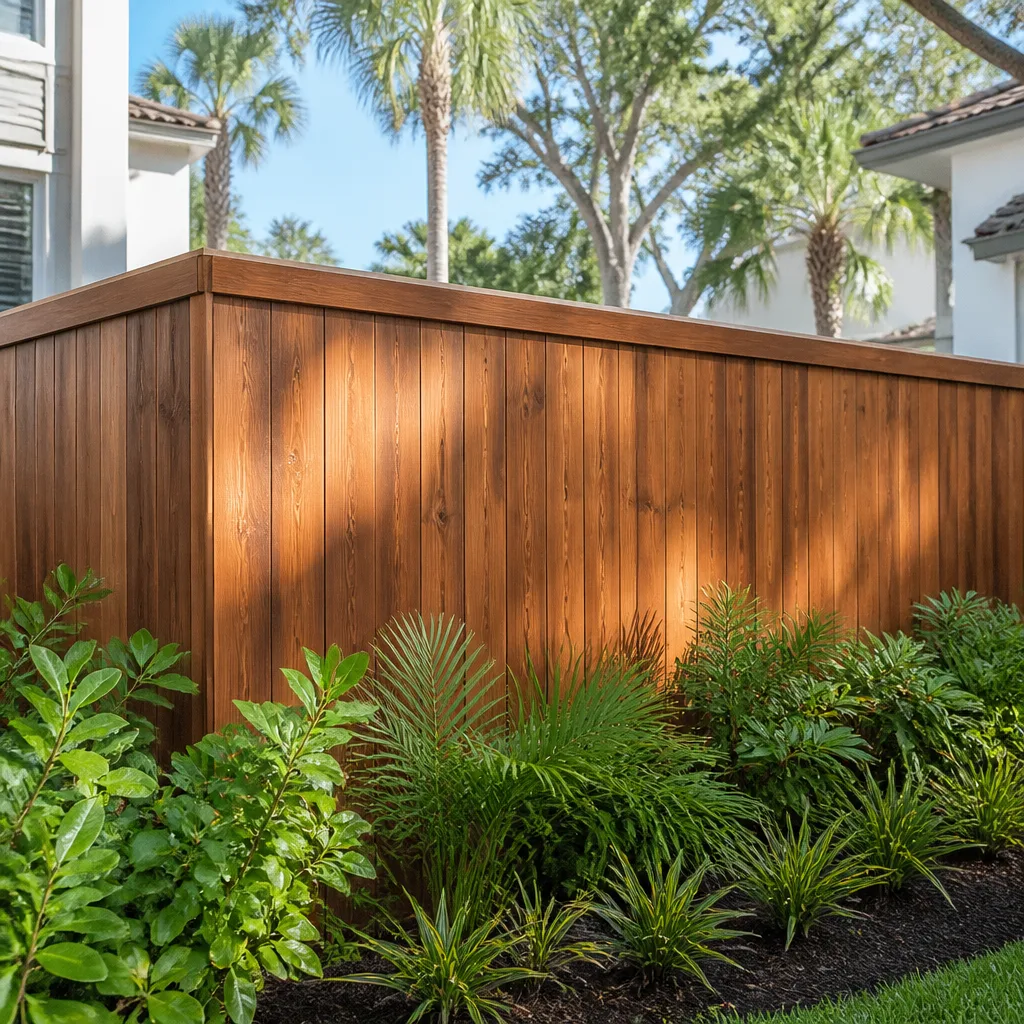
The blackland and expansive clay soil under much of Allen swells when it’s wet and shrinks when it dries. That movement is measured in inches, and it repeats every single year with our spring rains and summer drought cycle. A fence post is a vertical object driven into a material that physically pushes against it from all sides, season after season. When the ground expands, it grips the post and shoves it; when it contracts, the post is left loose in a widened hole. Repeat that cycle and you get the slow lean that makes North Texas fences look tired long before the wood gives out.
This isn’t a wood problem. It’s a foundation problem. A cedar fence on a poorly set post will fail just like a pine fence will. That’s why we’ve seen two-year-old fences in Allen neighborhoods like Twin Creeks and Bethany Ridge already out of plumb while a fifteen-year-old fence set correctly on deeper posts is still dead straight.
The soil also holds water against the post. Clay drains slowly. That means any wood post in direct contact with clay stays damp far longer than it would in sandy soil, which accelerates rot at the base. Stainless or galvanized hardware and proper post selection matter here, but the deep driver is moisture and movement together:
- Expansion: wet clay pushes out against posts, particularly in spring.
- Contraction: dry clay shrinks and leaves a void the post can wobble in.
- Cycling: annual wet-dry cycles compound the movement rather than resetting.
- Poor drainage: clay holds water against the base, speeding rot.
- Surface temperature: hot Texas summers dry the top few feet faster than the deeper clay, adding differential movement.
Generic fence advice written for the Midwest or the Pacific Northwest often assumes loose, well-draining loam. It simply doesn’t apply here. And this is exactly why home construction in Allen rewards local knowledge on every trade, from soil-bearing fence work to foundation-level additions.
Post Setting: The Single Most Critical Variable
Post depth in Allen needs to account for both the load the fence carries and the movement of the clay around the base. The generic “one-third of post length” rule gets repeated everywhere – a 8-foot post set about 2.5 feet deep. In our soil, that’s frequently not enough to resist the annual heave-push cycle, especially on the tall privacy fences common here.
There’s a second variable the rule ignores: concrete mix. Too little concrete and the post shifts in the surrounding clay; the wrong mix, or concrete poured against a post with no drainage consideration, can actually trap water against the wood. What we’d want a professional to do in Allen looks roughly like this:
- Verify total post height and fence wind load. A 6-foot privacy fence in a windy West Allen subdivision loads the post base differently than a 4-foot picket fence.
- Set depth to exceed frost line requirements and exceed the local clay movement zone. That usually means deeper than the generic one-third rule, particularly on tall privacy runs.
- Use the correct concrete for the soil and drainage conditions. Fast-setting mixes behave differently from standard mixes in wet clay; that choice isn’t a coin flip.
- Crown the concrete at the top. A slight dome sheds water away from the post rather than pooling around it.
- Consider additional drainage in low corners. Allen’s flat, clay-heavy lots pond in places, and a post in a ponded corner is a post that rots.
- Check plumb during cure, not after. A post set out of plumb won’t correct itself when the ground moves.
We won’t give step-by-step instructions for digging and pouring post footings here. The safety and cost of a bad post setting fall on the homeowner, and the work requires real judgment about the specific soil on your lot. But every one of the six items above is a legitimate question to ask a crew before they break ground.
What’s Genuinely Safe to DIY
A lot of fence work isn’t post setting at all, and this is where we’ll happily admit the DIY route makes sense. If you’re maintaining an existing fence, you can handle most of it.
Board replacement
Splitting, warping, or broken pickets can be swapped out with basic carpentry. You’ll want to match the board size and material, and a few hours with a pry bar and some galvanized nails will get it done. Where you’ll get in trouble is if the failure is in a nearby post being loose rather than the board itself – replacing boards on a leaning post just adds weight to a foundation that’s already failing.
Staining and sealing
Your fence needs a stain and seal on a cycle (roughly every two to four years in Allen’s sun and moisture swings) to slow weathering and rot. That’s straightforward DIY labor: clean, let it dry fully, brush or spray on. Follow the product’s instructions for temperature and moisture. Do it in fall or spring, not mid-summer, so the coat cures evenly.
Minor gate adjustments
Sagging gates are usually hinge, latch, or fastener problems. Tightening, shimming, or replacing a hinge is a good homeowner job. If the gate’s sag comes from a leaning post or a square gate opening that’s gone out of square, that’s a sign of structural movement, not a hardware fix.
Hardware replacement
Rusty hinges, latches, and fasteners are easy to swap. In Allen’s climate, use galvanized or stainless hardware to resist corrosion in the damp clay environment.
What’s not on this list
New fence installation, post replacement, post repairs, and any work on a fence that’s structurally failing. If a wind event has knocked a section down and the posts are loose, that’s not a DIY job, it’s a structural one.
If you’re planning broader yard and hardscape work alongside a fence refresh, our team handles Driveway & Pavers in Allen work in the same visit, which can cut down on site disruption.
Permits and Property Lines: Your Legal Responsibility
This is the part homeowners skip and regret. No matter who builds the fence, the homeowner is legally responsible for the permit and for verifying the property line. That’s not a courtesy – it’s the law.
In Allen, fences are subject to local height limits and placement rules. A privacy fence on a residential lot typically has a maximum height, and fence placement can’t encroach on a neighbor’s property or the public right-of-way. The exact figures depend on your lot and zoning, and the place to get them is the City of Allen – check with the permitting or code office before you buy a single board. Don’t rely on what a neighbor did, because rules differ by zone and setbacks vary by lot.
Property line verification
A fence built six inches onto a neighbor’s property is a legal problem you own. You need a survey, or at minimum a proper property line verification, before the first post goes in. Some homeowners have a recent survey from their home purchase; if that’s not available, order one. Cost now is tiny compared to a fence that has to come down.
HOA requirements
Many Allen subdivisions and HOAs have rules that go beyond the city code – materials, heights, colors, fence types. Review your HOA’s architectural guidelines before you finalize a plan. An HOA can require a fence that meets its standards even if it’s already permitted by the city.
Utility locators
Before digging any post hole, call 811 for utility locating. That’s free and required. Every post is a vertical excavation, and hitting a gas or electrical line in a backyard is rare but genuinely dangerous. Call, wait the required window, and confirm locations before digging.
If you’re planning a fence as part of a larger yard build-out – an ADU, a detached shop, a patio – a single contractor can coordinate the whole thing. Our Home Additions & ADU in Allen work often includes fence and hardscape scope around the structure, which simplifies permitting into one thread rather than three.
How to Evaluate a Contractor’s Post Method
This is the section that separates a real local contractor from someone applying a generic playbook. You can learn a lot in a fifteen-minute conversation. Here’s what to ask, and what a good answer sounds like:
Questions that reveal local knowledge
- “What post depth do you use in Allen’s clay soil, and why?” A crew that knows our soil will give you a specific depth and reference the movement of the ground. A crew that says “one-third of the post” without mentioning clay hasn’t thought about it.
- “What concrete mix, and why that one here?” The answer should reference soil and drainage. If they can’t justify the product choice, that’s a flag.
- “How do you handle drainage in a corner that ponds?” Allen’s flatter lots pond. A real answer includes grading, drain tile, or material choices that don’t leave posts sitting in water.
- “Who pulls the permit?” Some contractors pull permits on your behalf; some don’t. Either is fine, but you should know who’s doing it and how it gets to the city.
- “Do you verify property lines?” They may ask you to provide a survey, but they should care about the line before digging.
- “What’s your workmanship guarantee, and what doesn’t it cover?” The answer to this question tells you whether they fix things when they go wrong, or whether they point at the warranty fine print.
- “What material brands do you install?” A crew that works with a range of quality materials gives you more real options; a crew pushing one brand may be pushing inventory, not what’s best for your fence line.
We’ve seen real difference between crews who think about these details and crews who copy a method down the street. In our own work, our technicians have up to 12 years of experience and we back the whole job with our 730-Day Done Right Promise: if it’s not done right, we make it right. That guarantee is a real thing we can put in writing, which is what any homeowner should expect to see before signing.
The Real Cost Comparison: DIY vs Professional
Most cost comparisons stop at materials. The honest comparison includes remediation – the probability that a DIY post fails and has to be redone. In Allen’s soil conditions, that probability is meaningful, and it changes the math considerably. This isn’t a pitch to hire us; it’s what we’ve observed after thousands of local installs.
The two paths break down like this:
| Category | DIY | Professional |
|---|---|---|
| Materials | Full retail cost, one full run plus waste | Often less due to contractor purchasing; less waste |
| Tool rental | Auger, concrete mixer, post level, driver | Included |
| Labor | Your weekends, two to four weekends for a full privacy fence | One job, typically a defined schedule |
| Post failure risk | Elevated in Allen clay; realistic remediation backstop | Covered by workmanship guarantee |
| Remediation cost if posts heave/lean | Full re-set of failed posts, new concrete, new boards where damaged | Covered |
| Permit and survey | Your cost, your time | Coordination available |
| Warranty | None | 730-Day Done Right Promise |
| Concrete wall for a wall-style fence | Not typically DIY | In-house |
Where DIY often still wins: a single board replacement, a stain-and-seal refresh, or a hardware swap. Those jobs are low-risk and low-cost, and the DIY savings are real.
Where the math flips: any new install, any post replacement, and any structural repair. The cost of one post remediation isn’t just the post – it’s resetting boards and a concrete pour, and the collateral damage to a fence run that’s been pulled into misalignment.
For an exact number on your property, call (888) 343-9048 for a free estimate. Estimates are free and don’t obligate you to anything, and our representatives are live around the clock, so you don’t get a voicemail black hole.
Working With Clay: Depth, Concrete, and Drainage
There’s more to Allen soil than “clay” as a single word. The reactive clay interacts with three other factors on any fence job:
Depth needs to exceed the movement zone
The generic one-third rule targets storm resistance. It doesn’t target soil movement. In Allen, the wet-dry cycle moves clay through a depth that can shift posts over time; depth has to clear that zone or the post sits in a bellows that pushes and pulls on it seasonally. Taller fences load deeper, so a 6-foot privacy fence and a 4-foot picket fence aren’t the same install.
Concrete needs to account for drainage
Pouring concrete around a post without considering drainage can trap water against the wood base. The right approach varies based on the lot’s grade and whether the fence line ponds. In our own work, we typically use a crowned concrete top so water runs off, and we look at the grade in low corners before we set posts.
Post material choice ties to moisture
Wood posts in directly-damp clay require proper treatment ratings. Steel posts need corrosion consideration. Composite installation is different again. Choosing the right material for a clay-heavy lot is part of a real install, and the brands available matter – we work with a curated set of material partners and that includes fence-grade brands, so homeowner options are real rather than one-size.
Staining and sealing cycle
Fresh fence needs to breathe before staining, typically after the wood has seasoned. In Allen, plan refresh coats every two to four years. That maintenance schedule is the single most effective way to slow rot in our moisture environment, and it’s completely DIY-friendly.
If you’re building a new fence alongside other hardscape work, ask about coordinating with Driveway & Pavers in Allen so grade, drainage, and finish match across the property.
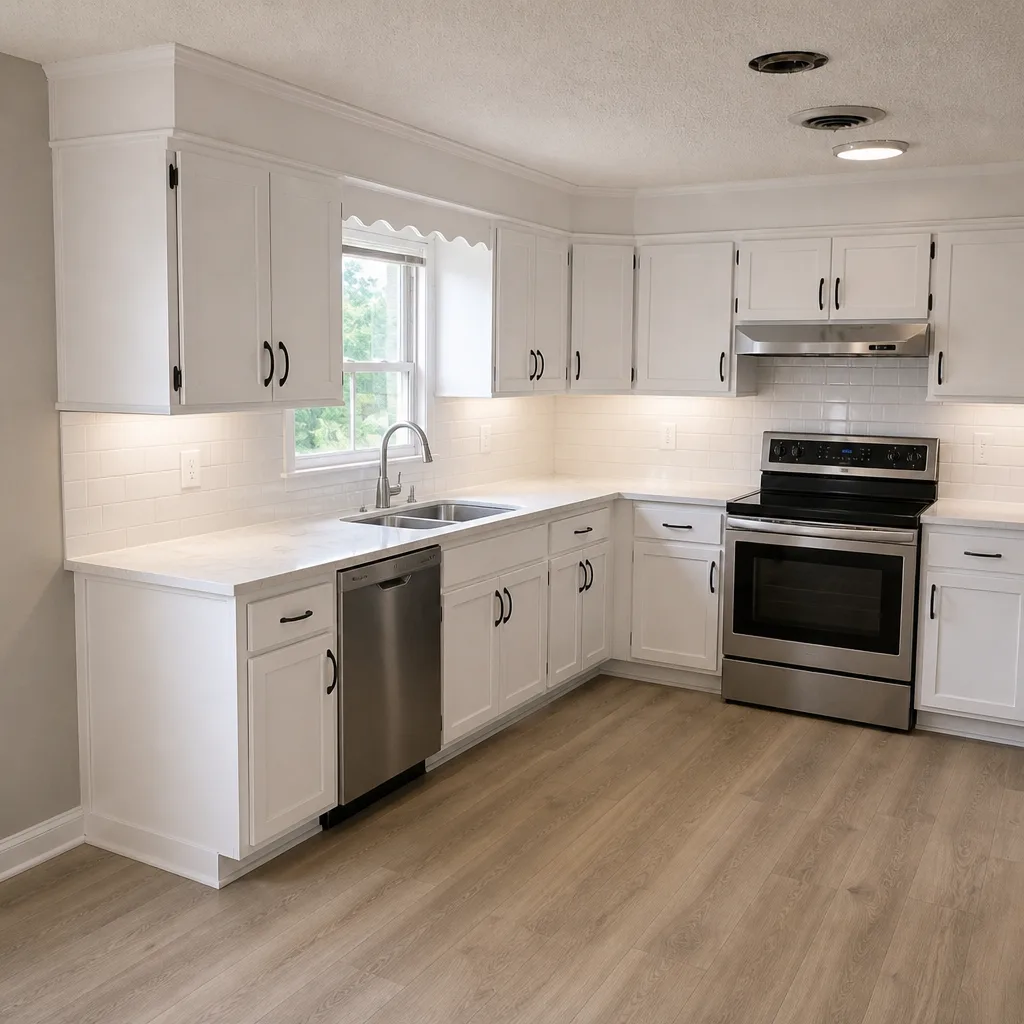
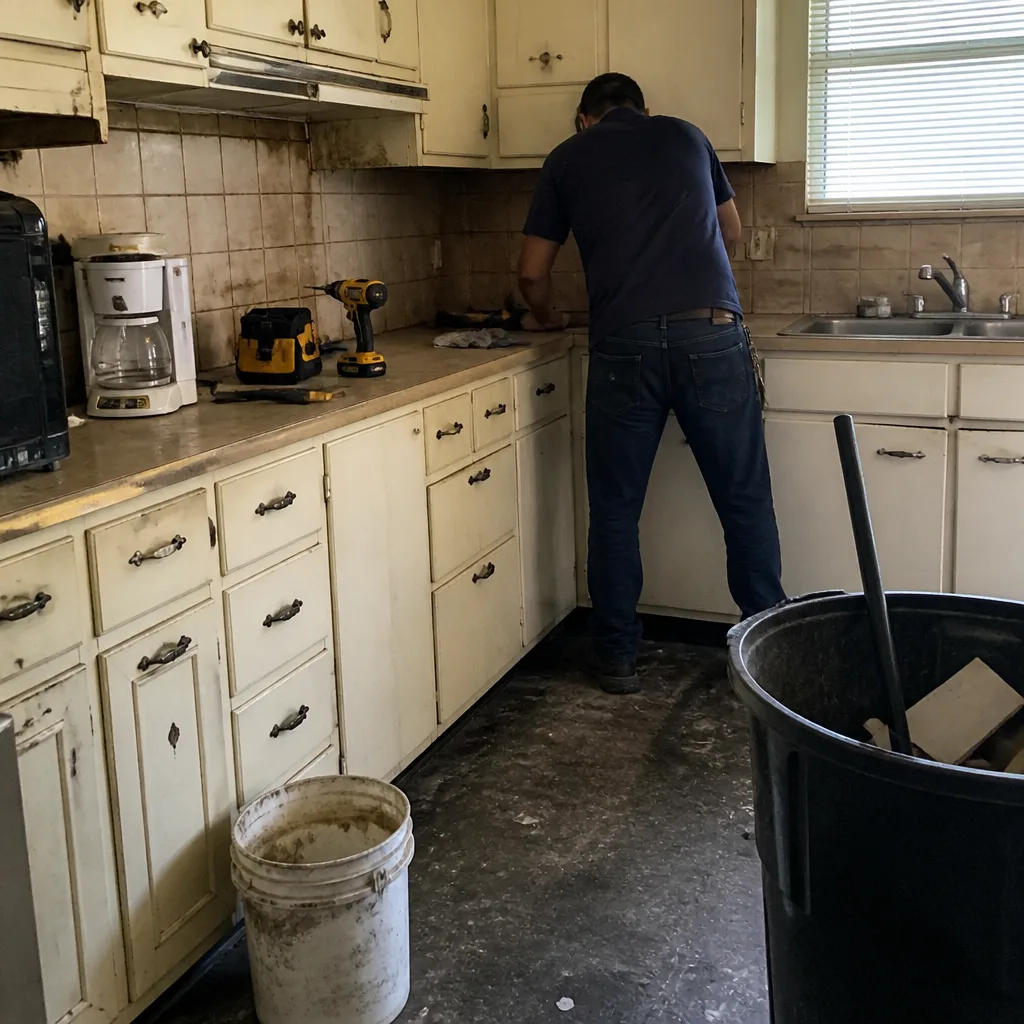
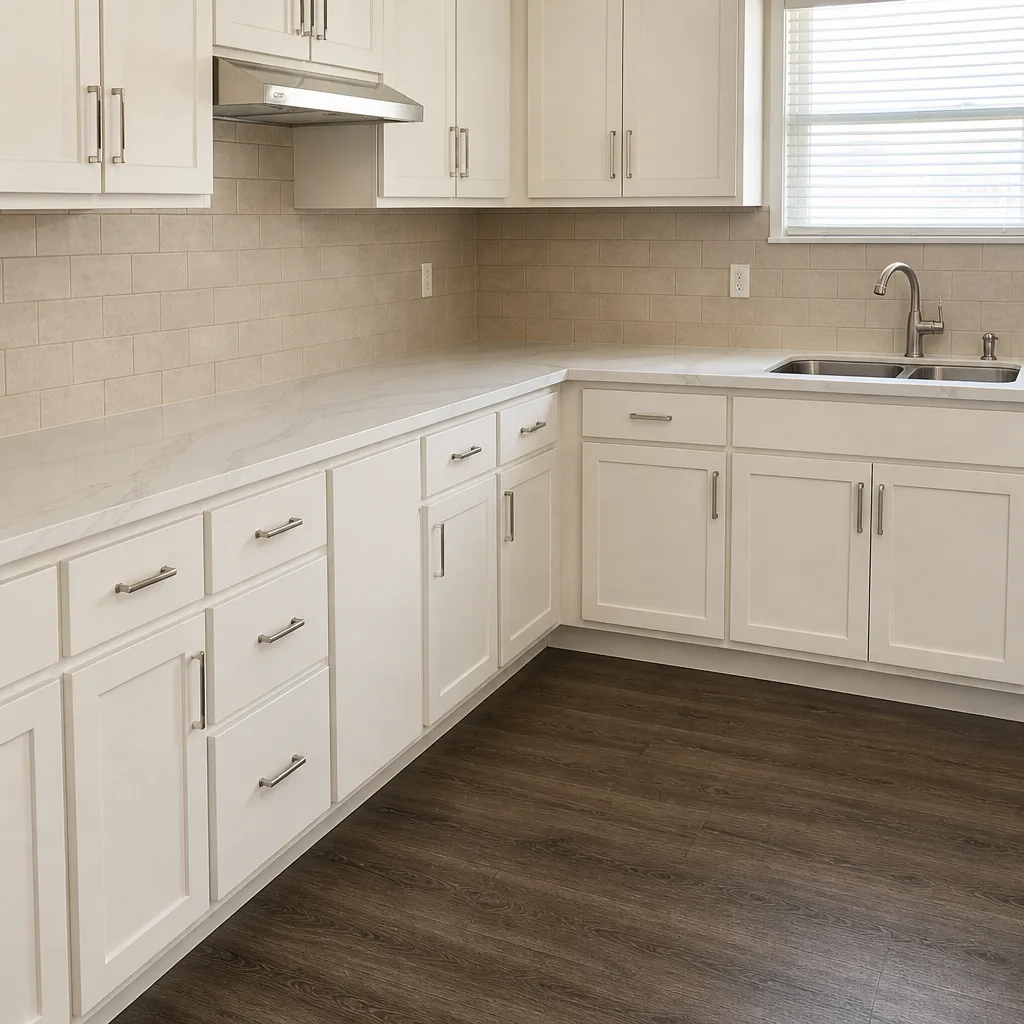
See the difference
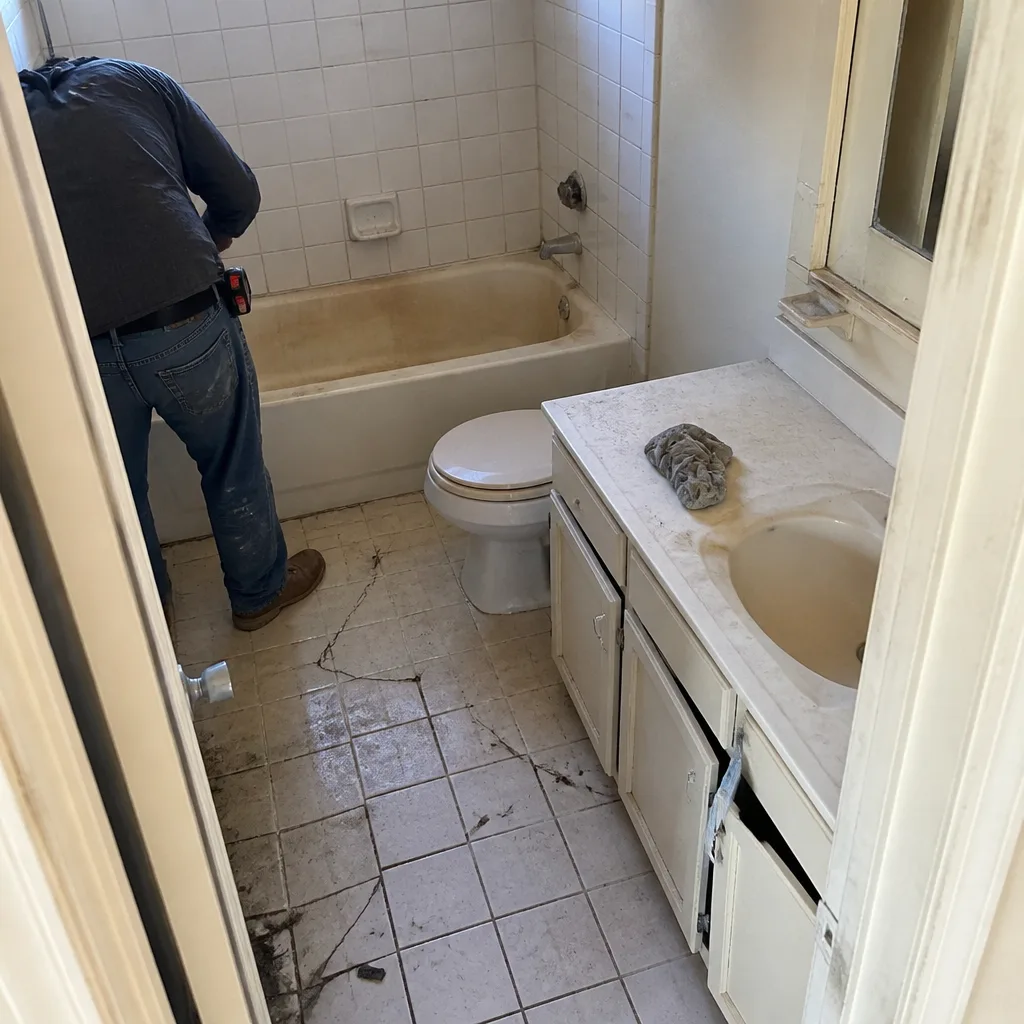 Before
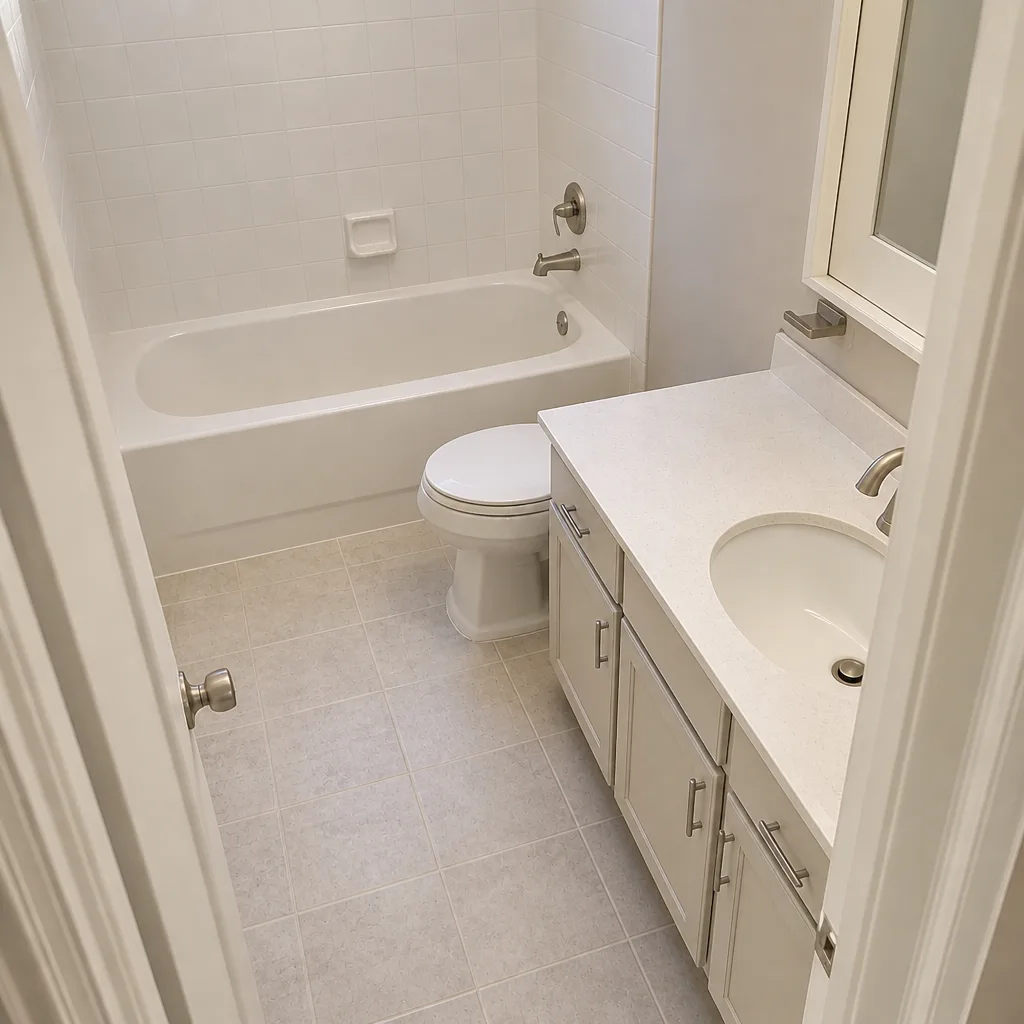 After
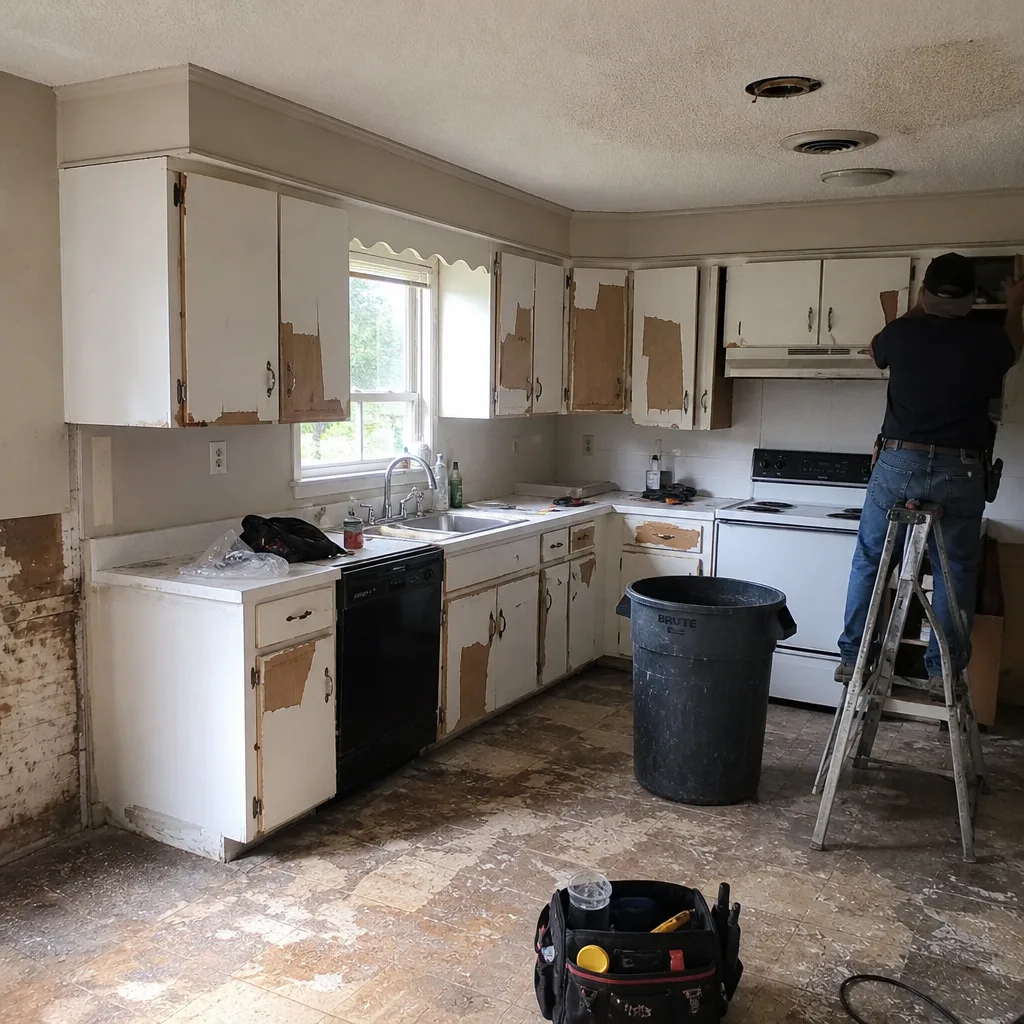 Before
 After
 Before
 After
Common Mistakes to Avoid
- Skipping the property line survey because you “know” where it is. Neighborhood greens and disturbed line markers are common, and line markers move. Always verify with a survey before digging – a fence a few inches off can require removal and a new install, and it’s the homeowner who pays for it.
- Using the generic one-third post depth rule in clay. The rule was written for loamy soil. In Allen, a post set to the rule can heave and lean within a couple of annual cycles, and by the time you see it, it’s already structural.
- Pouring concrete without a drainage plan. Trapped water against a post base is one of the leading causes of premature rot in North Texas. The top of the concrete should shed water, and low corners should be assessed for ponding.
- Starting work before pulling the permit. In Allen, fence permits and code reviews are real and the homeowner is responsible for compliance. Starting first means a stop-work and a redo.
- Staining a fresh fence too early. Wood needs to cure before stain adheres. Stained-too-early fences in Allen often have patchy sealant failure by year two.
- Choosing material based on price without asking about climate performance. The cheapest fence may have the shortest effective life in clay and Texas sun. Ask which materials perform in our moisture and heat cycle specifically.
- Assuming a sagging gate is a hardware problem. If the hinge tightened and the gate still sags, the posts are moving, and adding hardware makes the problem worse.
- Hiring on lowest price alone. A quote that doesn’t mention post depth, concrete mix, drainage, or a workmanship guarantee is a quote that will save on those items. Upfront pricing, no surprises is what we stand behind, and the number should be specific enough to compare.
When to Call a Professional
Every one of these situations is a sign to get a pro out. If the fence run is failing, posts are moving, or a structural repair is needed, that’s not amateur work in Allen’s clay – it’s specialty work. New fence installation, post replacement, post repair after storm or ground movement, concrete-wall or masonry fence installations, and any fence work that needs to pass inspection all sit here.
The other threshold is time. If a full privacy fence install would take you a month’s worth of weekends and you’d have to rent equipment and coordinate permits around a full schedule, handing it off is often the more economical choice even before you account for risk.
Groundwork Construction Co. of Allen offers free estimates in Allen – call (888) 343-9048. We answer calls live around the clock, and we’ll tell you honestly which parts of your fence project are fine to DIY – and where it makes sense to bring in a crew.
Frequently Asked Questions
Fence installation in Allen typically ranges from roughly $30-$60 per linear foot for a wood privacy fence, with vinyl and composite at the higher end and material choice driving most of the spread. The variables that move the number are post depth (deeper in clay), lot condition, permit and survey, and gate count. Call (888) 343-9048 for an exact quote – estimates are free.
You can install some fence work yourself, but not all of it. Board replacement, staining, hardware replacement, and minor gate adjustments are safe DIY jobs. New fence installation, post setting, and structural post repairs are where DIY fails in Allen’s clay soil – the failure is delayed and often appears two to three years in. If you’re doing a full install, get at least one professional estimate to compare against your own material cost.
Fence posts in Allen need to be set deeper than the generic one-third post length rule for clay soil – the one-third rule was written for well-draining soil and doesn’t account for the wet-dry cycle that heaves posts here. A taller privacy fence loads the post base more and requires more depth. Ask any contractor to justify their specific depth for your lot.
Often yes – fences in Allen are subject to local height and placement rules, and the homeowner is responsible for verifying whether a permit is required for the project. Check with the City of Allen permitting office before starting work, and check your HOA architectural guidelines if you’re in a subdivision.
Fence lifespan in North Texas depends mostly on post setting and maintenance. A properly set fence with staining and sealing every two to four years can last 15 years or more; a fence with poorly set posts in clay soil can start to lean within two to three years. Material choice (wood species, treatment rating, composite) matters, but post installation quality is the single biggest longevity factor.
A reputable contractor’s written line-item quote shouldn’t change mid-project due to conditions they should have spotted during the estimate. Groundwork stands behind upfront pricing, no surprises – the number you see is the number you pay. Call (888) 343-9048 to schedule your free estimate.
A typical residential privacy fence install in Allen takes one to three days of work once materials and permits are in hand, depending on linear footage, gate count, and site access. Custom gates, masonry, or work involving significant regrading extend the schedule. You’ll get a defined timeline with your written estimate.
The Bottom Line
DIY fence work is real, but it’s narrower than most people think. Boards, stain, hardware, and minor gate adjustments are fine to do yourself. Post setting and full installs are where Allen’s clay soil turns a weekend project into a rebuild – the failure is slow, the plumbing problems are expensive, and the workmanship risk falls on you. The honest rule: DIY what’s low-risk, hire the post work. Verify your property line, call 811, pull the permit, and get at least one professional quote before you commit to a full install. Every project we run at Groundwork carries the 730-Day Done Right Promise, so if something isn’t done right, we make it right.
Ready to price it out? Call (888) 343-9048 to schedule your free estimate – live person on the line, around the clock, no voicemail. Explore Fence Installation in Allen for our full service line, or start at the Groundwork Construction Co. of Allen home page to see how we handle everything from fence and pavers to additions.
Written by the team at Groundwork Construction Co. of Allen.