Last updated November 18, 2026




Free written scope consultation - allowances, timeline, and change-order rules on paper before a single trade is scheduled
Driveway & Pavers Maintenance Checklist for Allen Homeowners
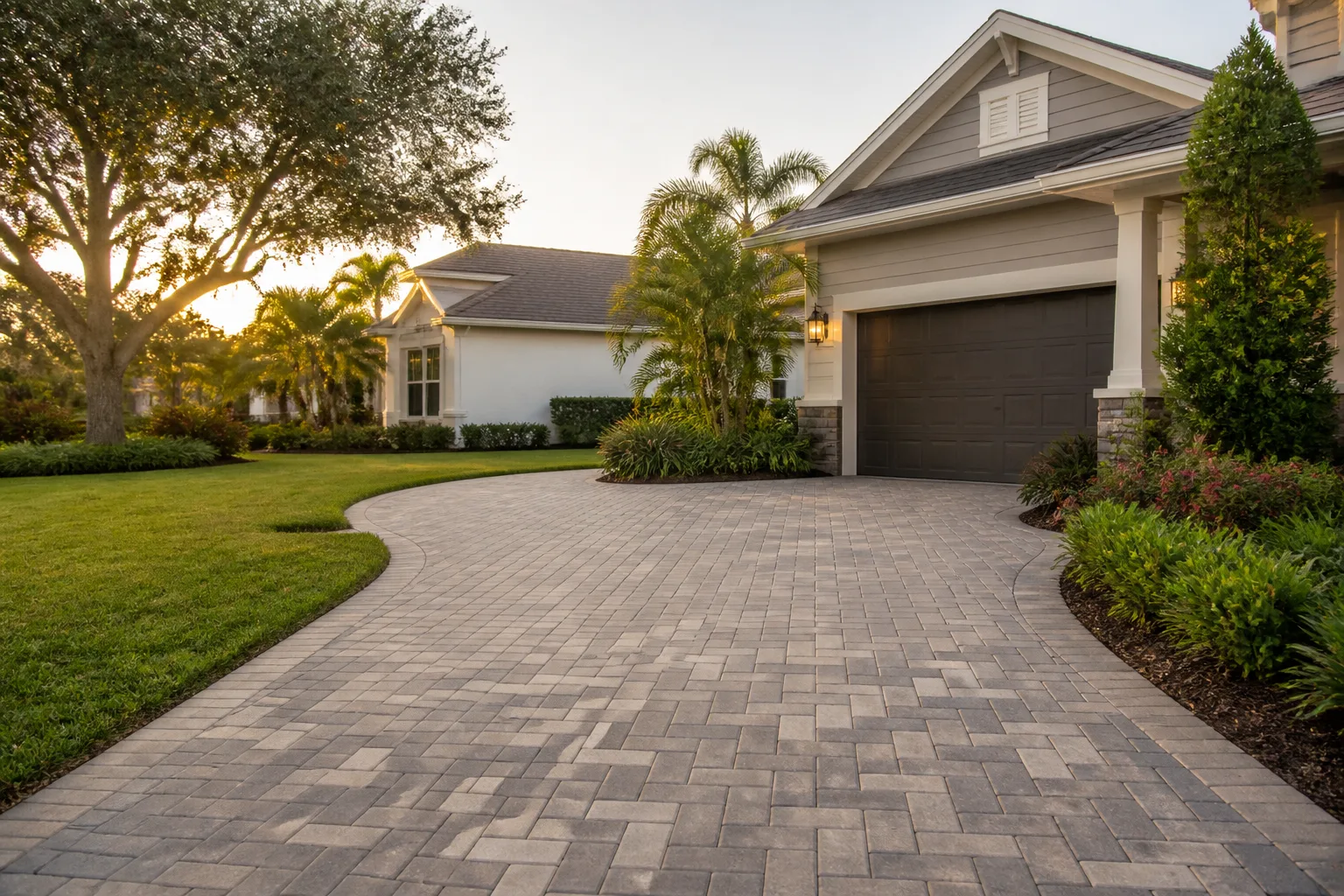
The most common paver failure in North Texas isn’t cracking under the weight of a truck. It’s heaving. The soil underneath shifts during dry summers and wet winters, and about 18 months after installation you start seeing the first ripples in what used to be a flat driveway. That’s roughly when the conversation with a contractor gets awkward, because the warranty usually covers the pavers and not the base that moved them. We’ve walked plenty of Allen driveways where the pavers themselves were perfectly fine and the problem was four inches below. This checklist gives you the maintenance rhythm Allen’s climate actually demands – clay soil, freeze-thaw cycles, months above 100°F, mature tree roots – so you catch movement while it’s still a weekend fix instead of a full rebuild.
Quick Answer
Driveway pavers in Allen need re-sanding of the joints once a year, a full seal every two to three years, and an inspection of the edge restraints every spring and fall. The two windows that matter most are late March through April and late September through October, when temperatures sit in the 60s and 70s and sealant cures properly. Anything loose, sunken, or wobbly beyond a quarter inch is a base problem, not a cosmetic one, and it’s worth a professional look before it spreads.
Styles & brands we work with
- Kitchen remodeling
- Bathroom remodeling
- Home additions & ADU
- Roofing
- Windows & doors
- Driveway & pavers
- Fence
Table of Contents
- Why Allen Driveways Fail Differently Than They Do Elsewhere
- Clay Soil, Joint Sand, and Edge Restraint: The Three-Legged Stool
- The Spring and Fall Windows When Sealing Pays Off
- Tree Roots and Paver Beds in Older Allen Neighborhoods
- Early Settling vs. Cosmetic Wear: How to Tell the Difference
- The Month-by-Month Allen Maintenance Calendar
- Cleaning, Weeding, and Stain Care for Allen Conditions
- When a Repair Is Worth Doing Yourself and When It Isn’t
Why Allen Driveways Fail Differently Than They Do Elsewhere
Most maintenance guides you’ll find online were written for climates with mild, wet winters and moderate summers. Allen gets neither. Collin County sits on expansive clay soils that swell when they’re wet and shrink when they’re dry, and that swing is the single biggest thing working against your pavers.
Here’s what that looks like in practice. A wet spring pushes the clay up. A dry July and August pulls it back down. By the time October arrives, the ground under half your driveway has moved two or three times in a single year. Pavers are rigid. The base under them isn’t perfectly rigid, and the soil under the base is barely rigid at all. Somewhere in that stack, movement has to happen, and it usually shows up as joint sand washing out, pavers rocking slightly, or the edge restraint pulling away from the concrete collar it’s anchored to.
Then there’s the heat. Allen regularly spends weeks above 100°F in July and August, and surface temperatures on a sun-exposed paver driveway run considerably hotter than the air. That cycle dries out the joint sand faster than in cooler markets and makes polymeric sand brittle if it wasn’t installed correctly in the first place.
Add the occasional hard freeze in January or February – Allen gets a handful most years – and you get a soil profile that moves year-round instead of settling into a stable rhythm. We’ve seen paver driveways in Allen that were installed to a high standard and still needed joint sand refreshed within two years. That’s not a bad install. That’s the local ground doing what it does.
Clay Soil, Joint Sand, and Edge Restraint: The Three-Legged Stool
A paver driveway holds together because three things work together: the compacted base, the joint sand locking the pavers to each other, and the edge restraint holding the whole field in place. Lose any one of them and the other two start taking on load they weren’t designed for.
Joint sand is the most neglected of the three. It’s the thin layer of sand between every paver, and its job is to transfer load from one paver to the next so no single unit takes the full weight of a vehicle. When it washes out – and in Allen it washes out faster on driveways with any slope toward the street – pavers start to rock. Rocking pavers abrade the bedding layer underneath, which makes them rock more. That’s the failure spiral, and it starts small.
Edge restraint is the aluminum or plastic channel along the perimeter, anchored into a concrete collar. Clay soil movement pushes against it constantly. If you can see daylight under the restraint, or if it’s lifted more than a quarter inch off the pavers, the field has lost its boundary and will start spreading outward, usually toward the street.
The base is the layer you can’t see and the one that matters most. A properly built base in Allen soil runs several inches of compacted crushed stone, installed in lifts and compacted between each one. If a driveway was built with a single thick lift or without adequate compaction, it will show movement within the first couple of seasons no matter how well you maintain the sand and edge.
To check all three in about ten minutes:
- Walk the full perimeter and look for gaps between the edge restraint and the pavers, or restraint that’s pulled away from the concrete collar.
- Press a screwdriver into the joints at several points. If it sinks easily more than an inch, joint sand is low.
- Stand on each corner and the center, shifting your weight. Any paver that rocks or clicks needs attention.
- Pour a cup of water on the surface and watch where it runs. Puddling in the middle of the field means the base has settled.
If you’re seeing widespread movement rather than a single low spot, that’s a sign the original installation may not have accounted for Allen’s soil. Our Driveway & Pavers in Allen work starts with base prep for exactly this reason.
The Spring and Fall Windows When Sealing Pays Off
Sealing a paver driveway in Allen is not a spray-it-anytime job. Sealant needs air temperatures between roughly 60°F and 80°F, no rain for at least 24 hours on either side, and a surface that’s fully dry. Miss that window and you get a cloudy finish, trapped moisture, or a coat that peels within a season.
In Allen, that narrows things to two reliable windows:
- Late March through April. Daytime temperatures settle into the 70s, the spring rains have mostly passed by mid-April, and the pavers have had winter to dry out. This is when re-sanding plus sealing does the most good, because you’re locking joint sand in before the summer heat starts pulling moisture out of the clay.
- Late September through October. The summer heat breaks, the ground is still warm from months of sun, and you have a comfortable stretch before the first freeze. Sealing in October protects the joints through the winter wet season, which is when Allen’s clay soil does most of its swelling.
The windows to avoid are obvious once you know them: July and August (too hot, sealant skins over before it penetrates), and December through February (too cold, and you risk trapping moisture that freezes). We’ve seen homeowners seal in August and end up with a milky haze that had to be stripped – an expensive lesson.
Re-sanding and sealing don’t have to happen on the same schedule. Joint sand often needs refreshing annually, especially after a wet spring. A full seal every two to three years is usually enough for a residential driveway in Allen. If your driveway sees heavy traffic or sits under a tree that drops debris year-round, lean toward every two years.
Tree Roots and Paver Beds in Older Allen Neighborhoods
Drive a few streets in the older parts of Allen and you’ll notice mature live oaks and pecans with canopies that reach well past the property line. Those trees are an asset until a root decides your paver bed is in the way.
Live oak roots run shallow and wide, often well beyond the drip line. In the clay soils around Allen, roots spread laterally because penetrating deep clay is hard work. A root the thickness of your wrist can lift a paver field a half inch over a couple of seasons, and it does it slowly enough that most homeowners don’t notice until the pavers are visibly crowned.
What to watch for:
- Pavers lifting in a line or curved pattern that traces back toward a tree trunk.
- A single area of the driveway that’s higher than the rest, especially within 15 to 20 feet of a mature tree.
- Joint sand pushing up rather than washing down in one localized spot.
- Cracks in the concrete collar along the edge nearest the tree.
If you catch it early, the fix is often a root barrier installed along the edge of the driveway, which redirects future growth without harming the tree. If the root has already lifted a section, the affected pavers come up, the root is dealt with carefully, the base is re-compacted, and the pavers go back down. Cutting a major root on a mature oak is a job for someone who knows how much the tree can take – get an arborist involved before anyone starts digging. In our experience, most root-related paver problems in Allen get worse faster than homeowners expect, because the root keeps growing while the driveway keeps settling around it.
Early Settling vs. Cosmetic Wear: How to Tell the Difference
Not every imperfection means your driveway is failing. Distinguishing between cosmetic wear and actual settling saves you money and keeps you from ignoring a real problem.
Cosmetic issues are surface-level and don’t affect how the driveway performs:
- Efflorescence – a white, powdery film on the paver surface. It’s mineral salt migrating out of the concrete, common in Allen’s wet springs, and it weathers away or washes off with a dilute vinegar solution.
- Faded color. UV exposure in our summers will lighten pavers over years. It’s normal and doesn’t affect structure.
- Small chips on paver edges from shovels or dropped tools.
- Weeds in the joints. Annoying, but a maintenance issue, not a structural one.
Settling issues affect how the driveway holds together:
- Pavers rocking underfoot or clicking when you walk on them.
- A depression more than a quarter inch deep that holds water after rain.
- Joint sand that keeps washing out of the same area no matter how often you refill it.
- Edge restraint separating from the pavers or the concrete collar.
- A visible ripple or wave pattern across the field.
One useful test: put a straight 8-foot board across the area in question and see how much gap shows underneath. A quarter inch or less over 8 feet is generally within tolerance for a residential driveway. More than that, especially in a localized area, is worth a closer look. If two or more settling signs are present, it’s time for a professional assessment – the earlier the better, because small base problems are affordable and large ones aren’t. If the settling turns out to be part of a bigger landscaping or hardscape plan, our team handles that alongside Fence Installation in Allen and other outdoor work.
The Month-by-Month Allen Maintenance Calendar
Generic four-season checklists don’t fit Allen. A season here is closer to six weeks than three months, and the maintenance rhythm has to match. Here’s the calendar we’d follow if this were our own driveway in Allen.
January. After any hard freeze, walk the driveway and check for new rocking or lifted pavers. Freeze-thaw movement is most visible right after the thaw. Don’t seal – too cold.
February. Clear any debris that’s collected over winter. Check the edge restraint along the street for damage from plows or winter runoff. Note problem areas for spring repair.
March. The first real maintenance month. Refill low joints with joint sand. Do a full perimeter inspection. If you’re going to seal this year, schedule it for late March or April.
April. Prime sealing window. Clean the surface thoroughly, re-sand, and apply sealant on a dry, mild day with no rain in the forecast. Check for weeds emerging in the joints and pull them before they establish.
May. Watch for efflorescence after spring rains. Check drainage – water should sheet off, not pool. Trim any tree branches that hang low enough to drop debris on the pavers.
June. Pre-summer inspection. Check that joint sand is still full before the heat arrives. Address any small cracks in the edge collar before they widen.
July and August. Hands off on sealing. Spot-check for heat-related issues – pavers can expand slightly in extreme heat, and tight joints may show minor movement. Keep the surface clear of yard debris. Water the adjacent lawn, not the pavers.
September. Second sealing window opens late in the month. Do the joint sand check again, since summer heat dries it out. This is also a good time to address any root-related lifting you noticed over the summer.
October. Best month for a full maintenance pass. Re-sand, seal if it’s been two to three years, clean out gutters that drain toward the driveway, and note anything that needs attention before winter.
November. Clear fallen leaves promptly – wet leaves stain pavers and hold moisture against the surface. Check the edge restraint one more time before the ground starts moving with winter moisture.
December. Light maintenance only. Sweep, inspect after any freeze, and plan the spring work. Don’t seal.
Print this out or keep it on your phone. The rhythm matters more than any single task – catching a problem in March costs a fraction of what it costs in October. If your project involves more than maintenance, like extending a driveway or adding a parking pad, the planning page for Groundwork Construction Co. of Allen home covers the full range of what we build.
Cleaning, Weeding, and Stain Care for Allen Conditions
Regular cleaning is the least glamorous part of paver ownership and the one that pays off fastest. In Allen, dust, pollen, and red clay tracking from lawn work are the main culprits, and they’re all manageable with simple routines.
Routine cleaning: Sweep or blow off the driveway once a week during pollen season (roughly March through May) and after any lawn mowing. A garden hose with a nozzle is enough for most buildup. For deeper cleaning once or twice a year, use a mild pH-neutral paver cleaner – never a harsh acid wash, which etches the surface and strips sealant.
Stain care: Three stains come up repeatedly in Allen driveways:
- Oil and grease. From vehicles. Blot immediately with an absorbent material, then apply a degreaser made for pavers. The longer it sits, the more it soaks into the porous surface.
- Rust. From lawn equipment or metal furniture. A commercial rust remover formulated for concrete pavers works on most cases; be careful, since some rust removers are acidic and can damage sealant.
- Organic stains. From fallen leaves and berries, especially under trees. Wet leaves left for a week can leave a tannin stain. Clear them promptly and treat any stain with a diluted oxygen bleach solution.
Weeding: Weeds in the joints mean the joint sand has thinned. Pull weeds by hand, refill the joint with fresh sand, and consider whether the driveway is due for resealing. Herbicides can work on stubborn weeds, but they’ll also damage surrounding landscaping if you’re not careful about runoff, which moves fast on a sloped Allen driveway.
Pressure washing deserves a specific warning. A pressure washer at high setting will blast joint sand out of every joint in a hurry and can etch the paver surface. Keep the pressure low (under 1,500 PSI), use a fan tip, and stay off the joints. Re-sand after any pressure wash.
When a Repair Is Worth Doing Yourself and When It Isn’t
Some paver repairs are genuinely homeowner-friendly. Others aren’t, and trying to save a few hundred dollars on the wrong job can cost several thousand.
Reasonable DIY projects:
- Refilling low joint sand. Buy the right sand (polymeric for locking joints, regular sand for a base layer under polymeric), sweep it into the joints, and mist it in.
- Pulling weeds, spot-cleaning stains, and routine sweeping.
- Replacing a single chipped or cracked paver that’s already loose. Lift it, clean the bedding, set the new one on fresh sand, and tap it level with the surrounding field.
- Re-securing a short section of edge restraint that’s separated by a quarter inch or less, using the correct fasteners into the existing collar.
Jobs to hand to a professional:
- Anything involving a lifted section of more than a couple of pavers, or visible base failure.
- Root-related lifting. Cutting a root on a mature tree without professional assessment can kill it, and tearing out a section of base to address the root means rebuilding the base after.
- Edge restraint failures along more than a few feet of perimeter, which usually signal the concrete collar itself needs repair.
- Any settling problem that’s appeared in more than one area, since that points to a base issue rather than a localized failure.
- Re-leveling or re-sloping a driveway that’s holding water in the middle.
A base failure in Allen is not a cosmetic problem. Our Home Additions & ADU in Allen projects regularly turn up driveways that need base reconstruction because the original install skimped on compaction, and the cost to fix it correctly is real. Getting a second set of eyes on a settling problem is almost always cheaper than the alternative.
Common Mistakes to Avoid
- Sealing in summer. Allen’s July and August temperatures cook sealant before it penetrates, leaving a hazy film and wasted money. Wait for the spring or fall windows.
- Pressure washing too hard. High-pressure washing strips the joint sand that holds the field together. Under 1,500 PSI, fan tip, and re-sand afterward.
- Ignoring the first rocking paver. One rocking paver abrades the bedding underneath it and loosens its neighbors. Fix it in week one and the job costs less than a hundred dollars; ignore it for a year and you’re looking at a section rebuild.
- Skipping the edge restraint check. Homeowners check joints and pavers and forget the perimeter, which is where field failures actually start in Allen clay soil.
- Laying pavers over un-compacted base. If you’re redoing a section, compact in lifts. One thick pour of crushed stone doesn’t compact into a stable base no matter how long you run the plate compactor.
- Planting trees too close. A live oak planted 8 feet from a driveway will eventually find it. Plan the distance at planting and save the root surgery later.
- Treating all stains the same. Oil needs a degreaser, rust needs a rust remover, and organic stains need oxygen bleach. Using acid on all three etches the pavers and strips sealant.
See the difference
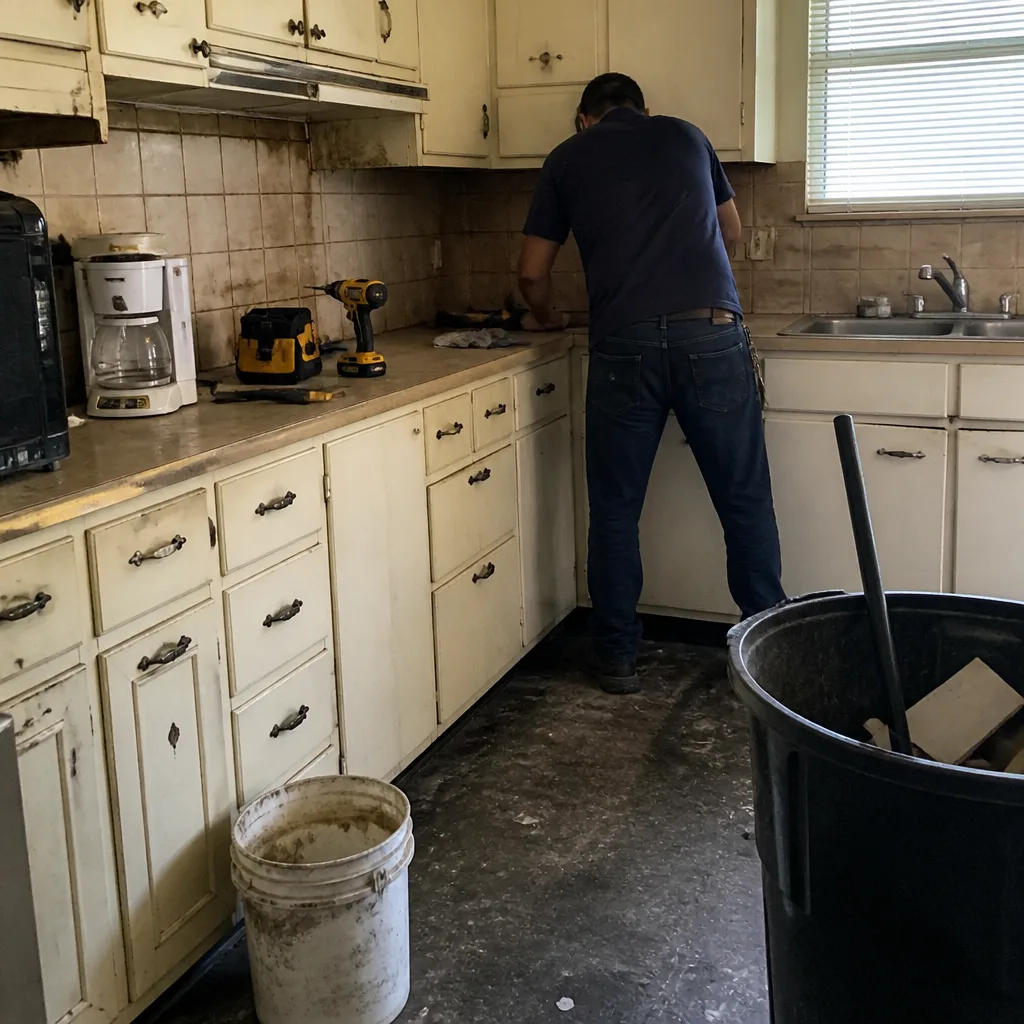
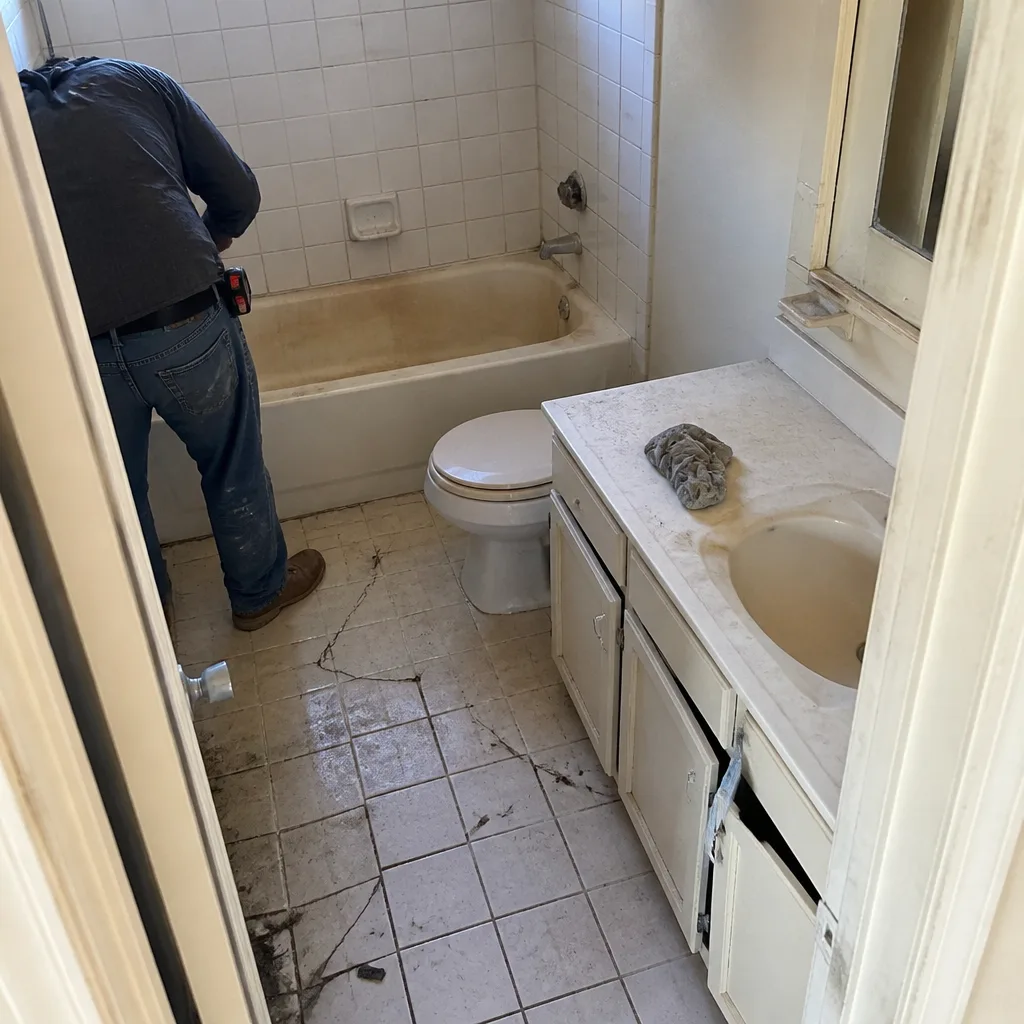 Before
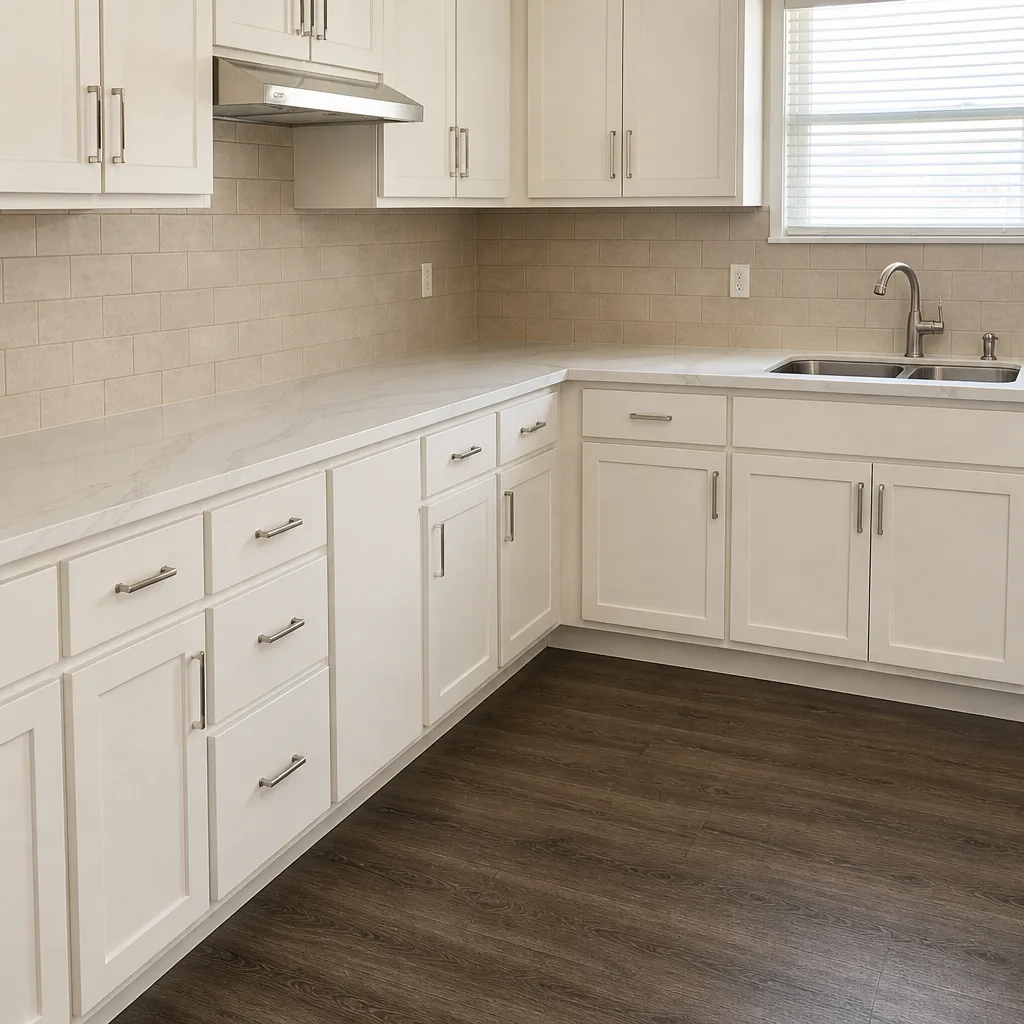
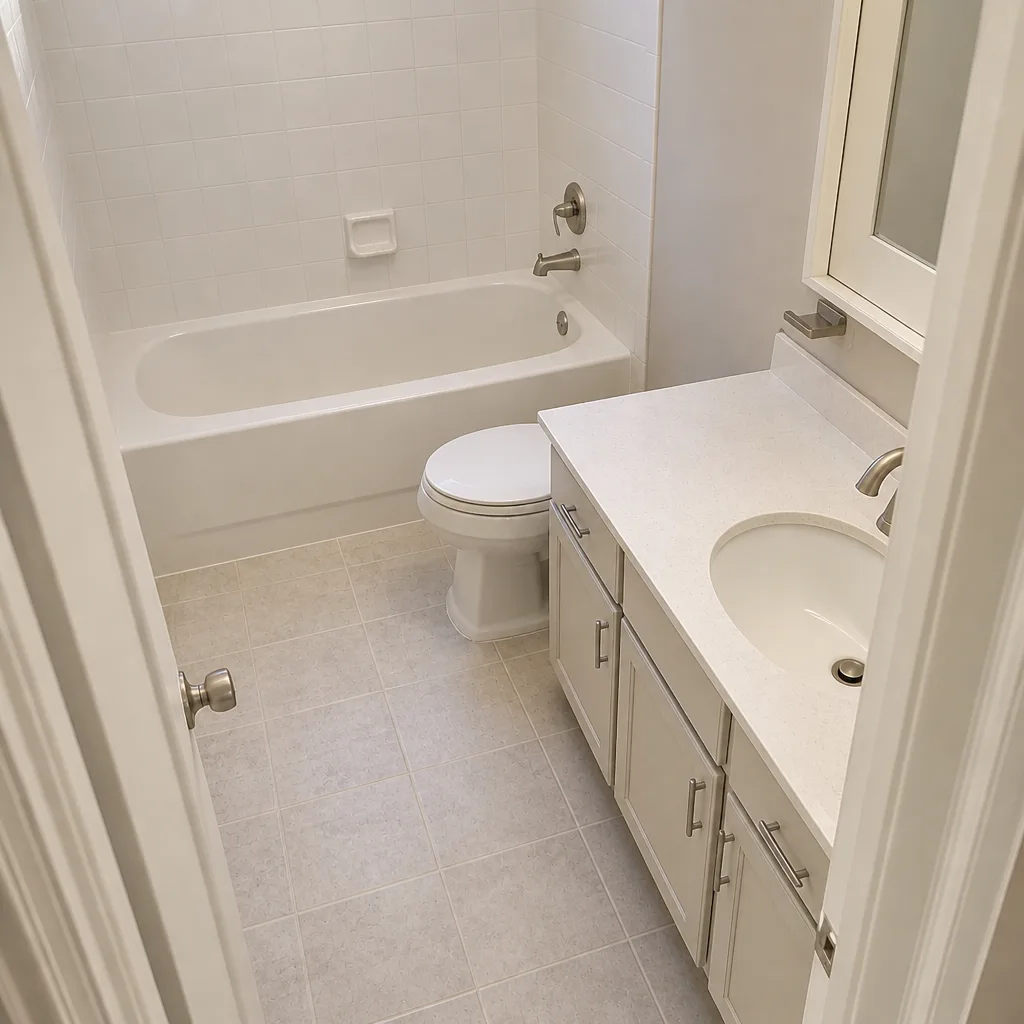 After
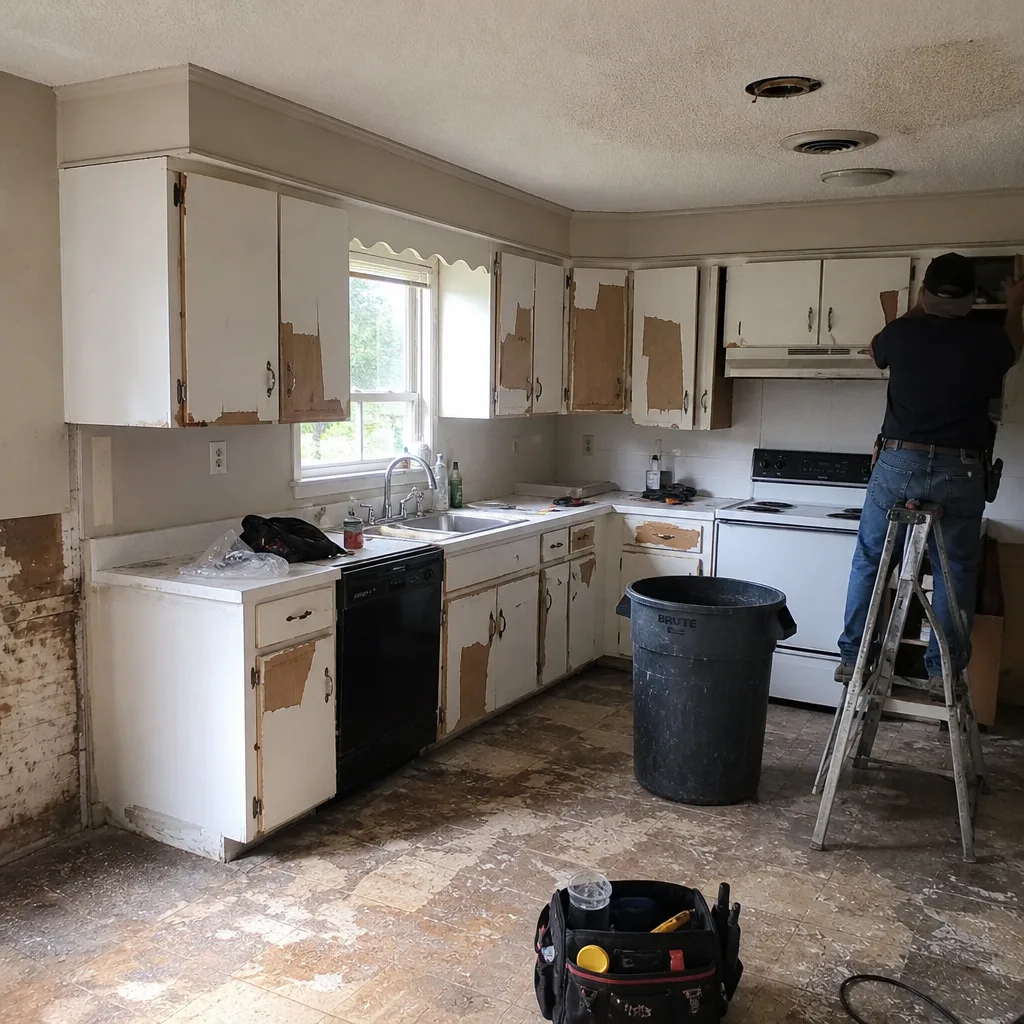 Before
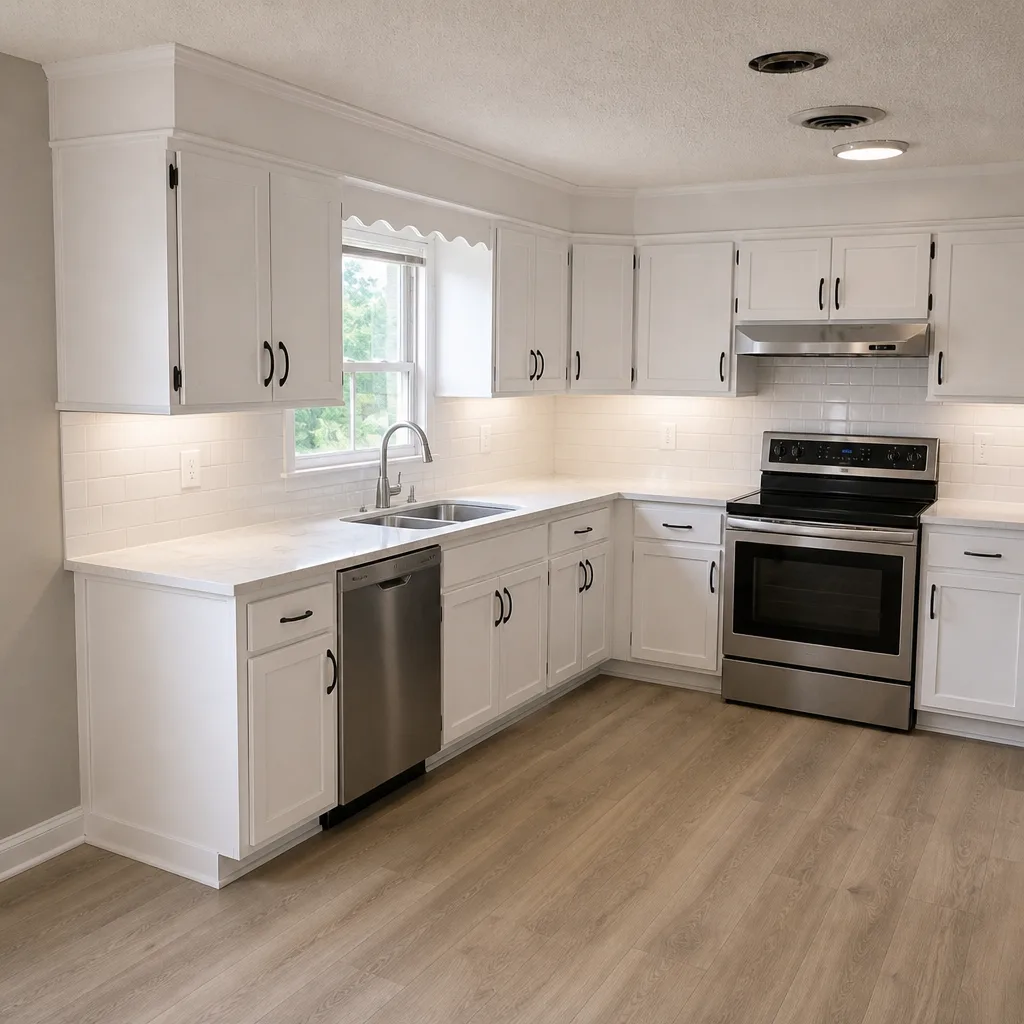 After
 Before
 After
When to Call a Professional
Some paver issues are maintenance. Some are structural, and a few of them get dramatically more expensive every month you wait. Call a professional when a section of pavers has lifted more than a quarter inch, when the same low spots keep reappearing after re-sanding, when the edge restraint has separated across more than a few feet, or when tree roots are visibly lifting the field. Also call when water pools in the middle of the driveway after rain, or when the driveway slopes toward the house instead of away from it – those are drainage problems that can turn into foundation problems, and Allen’s clay soil gives foundation issues a head start.
Groundwork Construction Co. of Allen offers free estimates in Allen. Every assessment comes with written line-item pricing, and any work we do is backed by the 730-Day Done Right Promise – if it’s not done right, we make it right. Call (888) 343-9048 and we’ll take a look.
Frequently Asked Questions
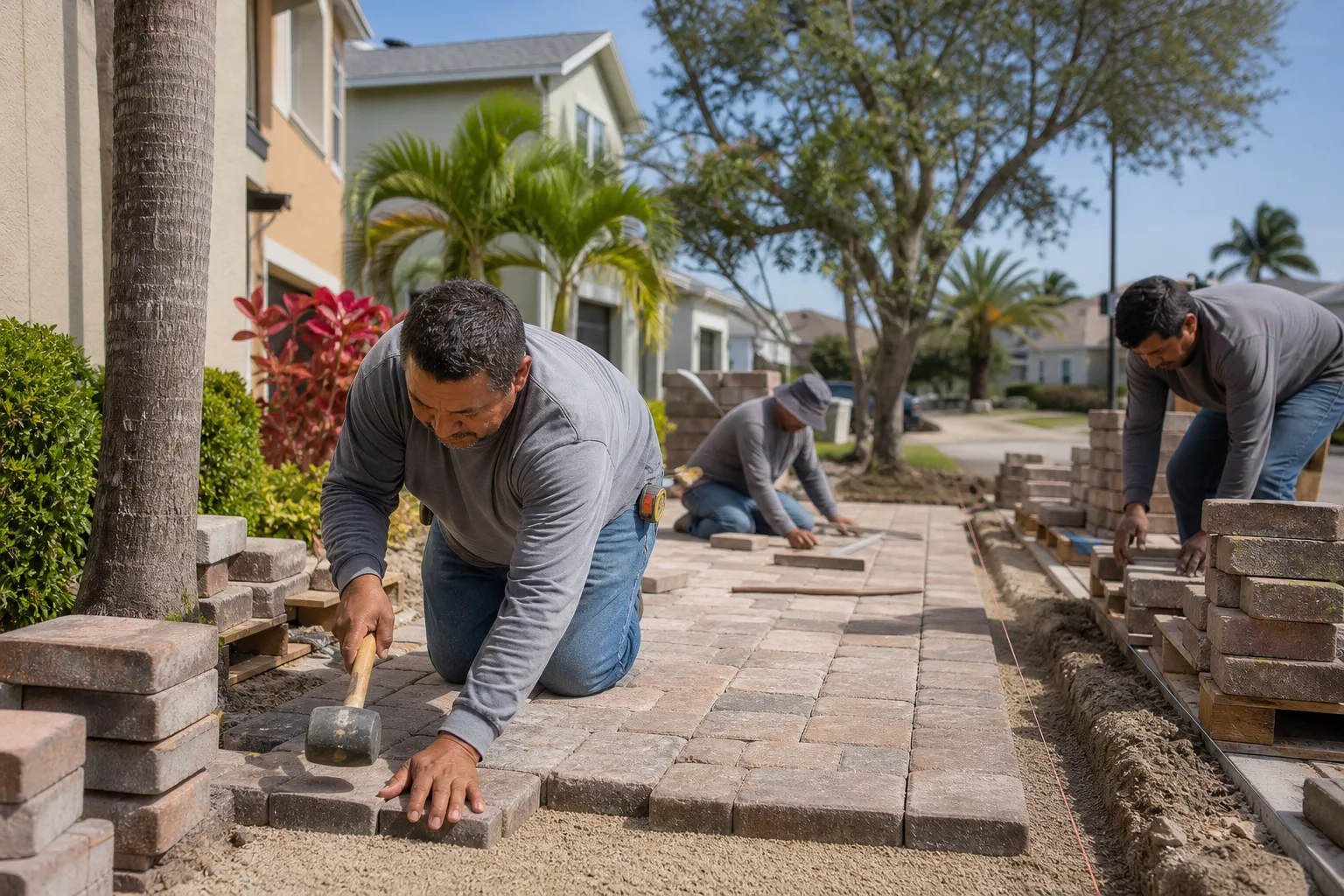
Re-sand the joints about once a year and seal every two to three years. Allen’s dry summers and wet winters work joint sand loose faster than in cooler markets, so an annual sand refresh is a good rhythm. Seal in late March through April or late September through October, when temperatures sit in the 60s and 70s. Call (888) 343-9048 for a free estimate if you’d rather not climb into the maintenance schedule yourself.
Heaving is almost always a soil problem, not a weight problem. Allen’s expansive clay swells when wet and shrinks when dry, so the base under your pavers moves regardless of traffic. If the paver field has lifted in a pattern or a single area, that’s the base settling or a root lifting from underneath. Call (888) 343-9048 – we diagnose the cause rather than just re-leveling over it.
Usually not, and that’s the awkward part. Most paver warranties cover the paver material against defects but not base movement caused by soil conditions. That’s why base prep matters so much in Allen. Any driveway or paver work we do is covered by the 730-Day Done Right Promise – if it’s not done right, we make it right – which is one of the longest workmanship guarantees in the residential construction space. Call (888) 343-9048 to talk through what’s covered.
Late March through April and late September through October are the two windows when sealant cures correctly in Allen. The 60°F to 80°F range is what sealant needs, and those two windows are the reliable stretches. Avoid July and August (too hot) and December through February (too cold). Call (888) 343-9048 to get on the schedule before the window closes.
Yes, but at low pressure – under 1,500 PSI with a fan tip – or you’ll strip the joint sand straight out. Re-sand the joints after every pressure wash. We’ve seen Allen driveways where a single high-pressure session undid two years of joint sand maintenance in an afternoon. If you need a deep clean and re-sand, call (888) 343-9048 – estimates are free.
A well-built paver driveway in Allen should last 25 to 30 years or more with regular maintenance. The single biggest factor is base prep – a properly compacted base with the right depth holds up through decades of freeze-thaw cycles. The second biggest is keeping joint sand and edge restraint in good shape. If your driveway is showing signs of early failure, call (888) 343-9048 for a free assessment.
The Bottom Line
Allen’s climate demands a specific maintenance rhythm – not a generic four-season checklist. Expansive clay soil, dry summers above 100°F, and wet winters work joint sand loose and push at edge restraint every year, and the two windows that matter for sealing are late March through April and late September through October. Watch for rocking pavers, low spots that reappear, and edge restraint separating from the concrete collar – those are settling issues, not cosmetic wear, and they get more expensive the longer they wait. Refill joint sand annually, seal every two to three years, keep the surface clear of debris and stains, and get a professional look when more than a couple of signs appear at once. The pavers themselves will outlast the maintenance you put into them – the base and the joints are what decide whether the job lasts.
If you need a closer look at your driveway this season, our team provides free written estimates and stands behind every project. Driveway & Pavers in Allen covers new builds and full rehabs, and our wider outdoor and hardscape work runs from fences to additions. Background-checked, uniformed technicians, live person answering the phone 24/7, and upfront pricing – the number you see is the number you pay.
Call (888) 343-9048 for a free estimate. We’ll walk the driveway, tell you what we see, and put the pricing in writing.
Written by the team at Groundwork Construction Co. of Allen.