Last updated November 18, 2026



Free written scope consultation - allowances, timeline, and change-order rules on paper before a single trade is scheduled
Fence Installation Warning Signs Every Homeowner Should Know
A fence looks fine the day it goes in. The problems most homeowners miss are the ones that only become visible 90 days later, which is exactly why the warning signs that matter most happen during installation, not after. By the time posts lean and gates sag, your contractor’s number often goes straight to voicemail. This guide gives you the specific, observable red flags to catch while the crew is still on site and you still have leverage. We’ve watched a lot of fences go up across Allen, and the failures almost always start the same way.
Quick Answer
The biggest fence installation warning signs are shallow posts, no utility locate before digging, concrete shortcuts around posts, an unlevel or eyeballed post line, and a contract that skips permits or demands full payment upfront. A fence that’s built right on day one stays straight for years; most failures show up at the 90-day mark. Catch these signs while the crew is still working in Allen, not after they’ve packed up.
Styles & brands we work with
- Kitchen remodeling
- Bathroom remodeling
- Home additions & ADU
- Roofing
- Windows & doors
- Driveway & pavers
- Fence
Table of Contents
- Why post depth matters more than anything else
- The eyeball test vs. a level test: why a straight fence leans by summer
- The concrete-around-posts shortcut
- Contract red flags before work even starts
- What an unlevel fence line means in Allen’s terrain
- What a proper installation schedule actually looks like
- How to inspect the job while it’s still happening
- Material and hardware warning signs
Why post depth matters more than any other single factor
Post depth is the one number that determines whether your fence stands or falls, and it’s the number most homeowners never check. The rule is simple: a third of the total post length should sit underground. A standard 8-foot post means roughly 2.7 feet of it belongs below grade. If a crew sets a 6-foot post only 18 inches deep, that fence is on borrowed time before it ever sees a stiff wind.
Why does depth matter so much? Because the post resists everything above ground. Wind load, gate swing, soil movement after heavy North Texas rain, and the simple weight of the fence panels all push against an 8-foot lever. A shallow post has too little counterweight and too little friction against the soil. The first hard storm loosens it, and from there it’s just leaning slowly enough that you excuse it until the gate won’t latch.
Allen’s clay-heavy soil is unforgiving. It swells when it’s wet and shrinks when it’s dry, and a shallow post has almost no purchase to resist that cycle. Every spring we see fences in neighborhoods like Twin Creeks and Bethany Ridge starting to cant, and it traces back to the same cause. Deep posts handle the movement; shallow ones lose to it.
How to verify depth without digging it up
- Watch the first two or three posts get set and measure the hole before it’s filled. A tape measure doesn’t lie.
- Ask the crew directly how deep they’re going and where the frost line and footing spec come from. A confident answer is specific.
- Check that the post hole is wider than the post itself, giving concrete room to grip.
- Note the post height above grade. If it’s a 6-foot fence and the posts don’t lose ground, ask why.
The eyeball test vs. a level test: why a fence leans by summer
A fence can look dead straight on day one and be visibly leaning by summer. That’s because straightness is not the same as plumb. Plumb means each post is perfectly vertical, checked with a level or a spirit line. A line of posts can look aligned while every one of them tilts a few degrees off vertical, and a few degrees adds up fast over eight feet.
The eyeball test is what a rushed crew does: stand back, squint, call it good. A real check uses a level on at least two faces of each post, then a string line down the run to confirm everything shares the same plane. Skipping that step is one of the quietest warning signs during installation because nothing looks wrong on the day. The lean shows up later, after settling, when the whole run has tipped together and the gate corner is out of square.
In our experience, most of the “my fence is leaning” calls that come in each summer trace back to plumb that wasn’t checked during install, not to bad materials. A level and a minute per post would have prevented the call.
What to watch for
- A crew setting posts by eye with no level in sight.
- Posts that look straight only when viewed from one angle.
- No string line stretched along the run to keep everything on the same plane.
- Posts set, filled, and capped before anyone checks them with a level.
The concrete-around-posts shortcut and what it costs you later
Concrete is expensive and slow, which is why a crew cutting corners will skimp on it. The shortcut looks like a thin splash of concrete at the top of the hole instead of a full footing, or a dry mix dumped in without water that never cures into a solid mass. The post feels solid for the first few weeks and then starts to wobble once the soil moves.
A proper footing fills the lower portion of the hole around the post, mixed to the right consistency, with the post held plumb while it cures. The cure window matters too. Concrete needs roughly a day or two to set well enough to lean on, and the fence shouldn’t be loaded or stressed before then. A crew that sets every post, hangs panels, and leaves in the same afternoon is telling you something about how the concrete was handled.
You don’t need to be an engineer to catch this. Ask how much concrete goes into each hole and watch one get poured. In Allen’s soil, a hollow post hole packed with dry rubble is a guarantee of a leaning fence within a season.
The concrete warning signs
- Barely enough concrete to cover the top of the hole.
- No bags of concrete on site, or bags that never got opened.
- Panels going up the same hour the posts are set.
- Holes filled with dirt or gravel around the post instead of a footing.
Contract red flags before work even starts
Most fence failures are set in motion before a single shovel hits the ground. The paperwork and the first conversation tell you a lot about whether the job will be taken seriously. Three flags come up again and again, and they’re worth walking away from.
- No mention of permits. A contractor who never brings up permits is a contractor who plans to skip them. In Allen, a homeowner is usually responsible for making sure the fence meets local setback and height rules, and a professional raises it before you sign.
- No utility locate confirmation. Before anyone digs, a locate request has to be called in so gas, water, and cable lines are marked. A crew that starts digging without a locate is risking a severed line and a bill you didn’t budget for.
- Full payment demanded upfront. A reasonable deposit to cover materials is normal. The full amount before work begins is not, because it removes every reason for the contractor to finish well. A schedule of payments tied to progress keeps everyone accountable.
Add the missing written scope and you’ve got the recipe for a job that grows change orders after the fact. “Upfront pricing, no surprises” isn’t a slogan; it’s a contract you can read and understand before anyone shows up. For a full scope-of-work example, our Fence Installation in Allen page lays out what a complete job should include.
What an unlevel fence line means in Allen’s terrain specifically
Allen’s terrain isn’t flat, and a fence line that ignores the grade will fight you for years. Many local properties have a gentle slope where drainage matters and where a yard drops off toward the back. If a crew levels every post to a single height above the ground rather than stepping the fence with the terrain, you end up with an uneven run, gaps at the bottom, and a gate that never sits right.
The gate is where the terrain problem hurts most. A gate hung on a run that shifts and settles is out of square before long, scraping at the bottom or swinging open on its own. Over a season, a poorly stepped line can make a gate drag against the ground, and that’s the call we get most often in the fall after a wet summer. Getting the line to follow the grade, with posts stepped and panels trimmed to fit, is a detail the best crews handle as a matter of course.
Flat-looking subdivisions aren’t exempt either. Lots in Allen often slope subtly enough that the eye misses it but the fence feels it. A crew that eyeballs the grade and sets everything to a single string height is setting you up for a gate that needs adjustment twice a year.
Questions to ask about grade
- How will you step the fence along my slope?
- How do you keep the gate square as the ground settles?
- Will you trim panels to fit the grade, or leave a gap at the bottom?
What a proper installation schedule actually looks like
A good fence project has a rhythm, and a crew that skips steps will show it in how fast the fence goes up. Here’s the sequence a professional job follows:
- Walk and stake the line. Confirm the property line and mark post locations.
- Call in the utility locate and wait for the marks before digging.
- Set posts at the right depth, checked plumb with a level on two faces.
- Pour and cure the footings before loading the posts.
- Hang rails and panels, stepping the line to follow the grade.
- Hang the gate last, checked for square and swing.
- Walk the finished job with you before anyone leaves.
When all of that happens in a few hours, something got skipped. The cure window alone means a proper job usually takes more than a single afternoon for anything but the smallest repair. Ask how long the job will take and watch whether the answer leaves room for the concrete to set. The schedule is a warning sign you can read before the first post goes in.
How to inspect the job while it’s still happening
The best time to catch a problem is while the crew is still on site and the cost of fixing it is theirs. Walk out mid-job rather than waiting until they’ve packed up and left. A few checks during the work protect you for years.
- Watch one post get set. Measure the hole depth before it’s filled and confirm roughly a third of the post goes underground.
- Check plumb with your own level. Bring a 4-foot level and test a couple of posts on two faces.
- Look at the footing. Confirm concrete actually fills the lower hole, not just the top inch.
- Look for the utility flags and paint. If there are none and digging has started, stop the crew and ask.
- Test the gate before the crew leaves. It should swing cleanly and latch without dragging.
This is the moment you have leverage. Once the crew is gone, fixing a plumb problem means pulling posts, re-digging, and re-pouring, and that conversation gets much harder. Catching it mid-job is a five-minute question. Catching it six months later is a rebuild.
Material and hardware warning signs
Materials are the other half of a fence that lasts. Skimping shows up over a few seasons, not a few weeks, so it’s easy to miss. The warning signs are visible if you know where to look.
- Thin pickets and rails. Lightweight spans feel springy and sag under their own weight over time.
- Screws and nails that snap or rust fast. Cheap fasteners corrode and back out. Galvanized or stainless hardware holds up.
- No brand or grade on the panel. Quality materials come from known makers. Brands like Boral and CGI show up on work built to last, and a contractor who can name what they’re installing has thought about it.
- No written material list. A reputable contractor tells you exactly what’s going into your fence, so the value is clear before you pay.
“Built to last, backed in writing” is the standard. If the contractor can’t tell you what brand or grade of material they’re using, that’s your answer about how much they’ve thought about the long haul.
Common Mistakes to Avoid
- Paying the full amount upfront. It leaves you with no leverage if the crew is slow or the work is sloppy and they have your money already. A materials deposit is fair; the whole ticket is a red flag.
- Not checking post depth during installation. If you don’t see it happen, you can’t verify it later, and shallow posts are the number one cause of a fence that leans by summer in Allen.
- Accepting the eyeball test for plumb. A fence can look straight on day one and tip together later. Watch for a level on the posts, not a squint.
- Skipping the utility locate. Digging blind risks severed gas or water lines and expensive repairs. Confirm the locate was called in before any digging.
- Ignoring the permit conversation. Allen has setback and height rules for fences, and a contractor who never mentions permits is one who plans to leave the problem with you.
- Forgetting to step the fence to the grade. A level run on sloped ground means gaps and a gate that drags. Ask how the line follows the terrain.
- Not testing the gate before the crew leaves. The gate is the first thing to fail on a bad install. Test it while there’s still someone there to fix it.
See the difference
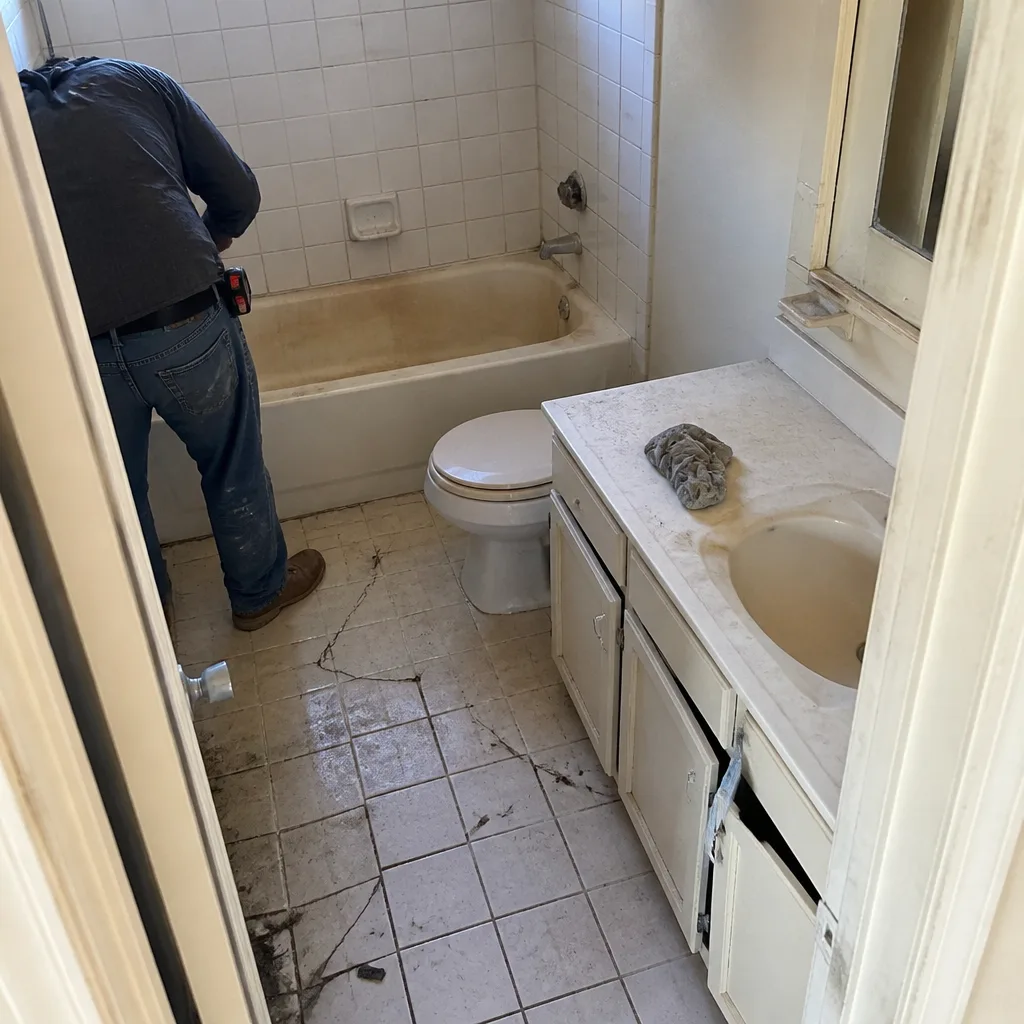 Before
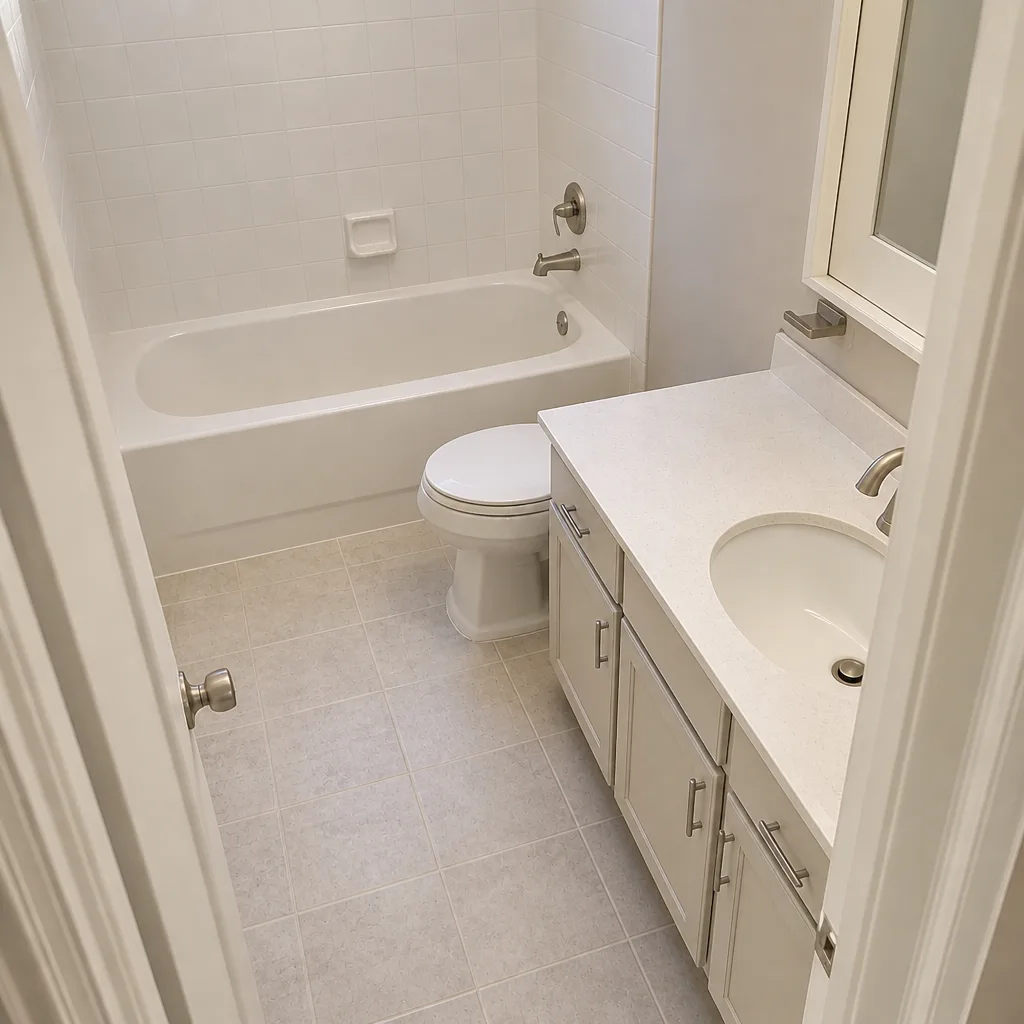 After
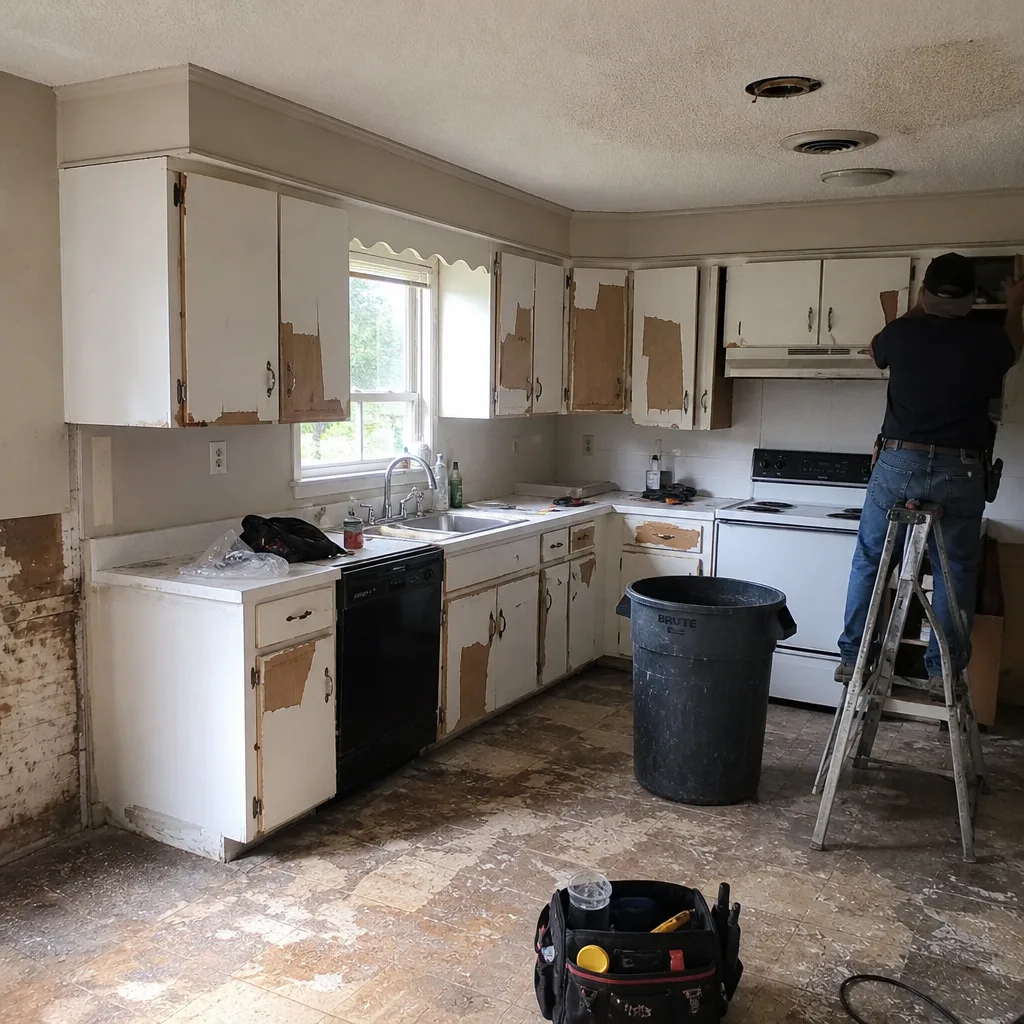 Before
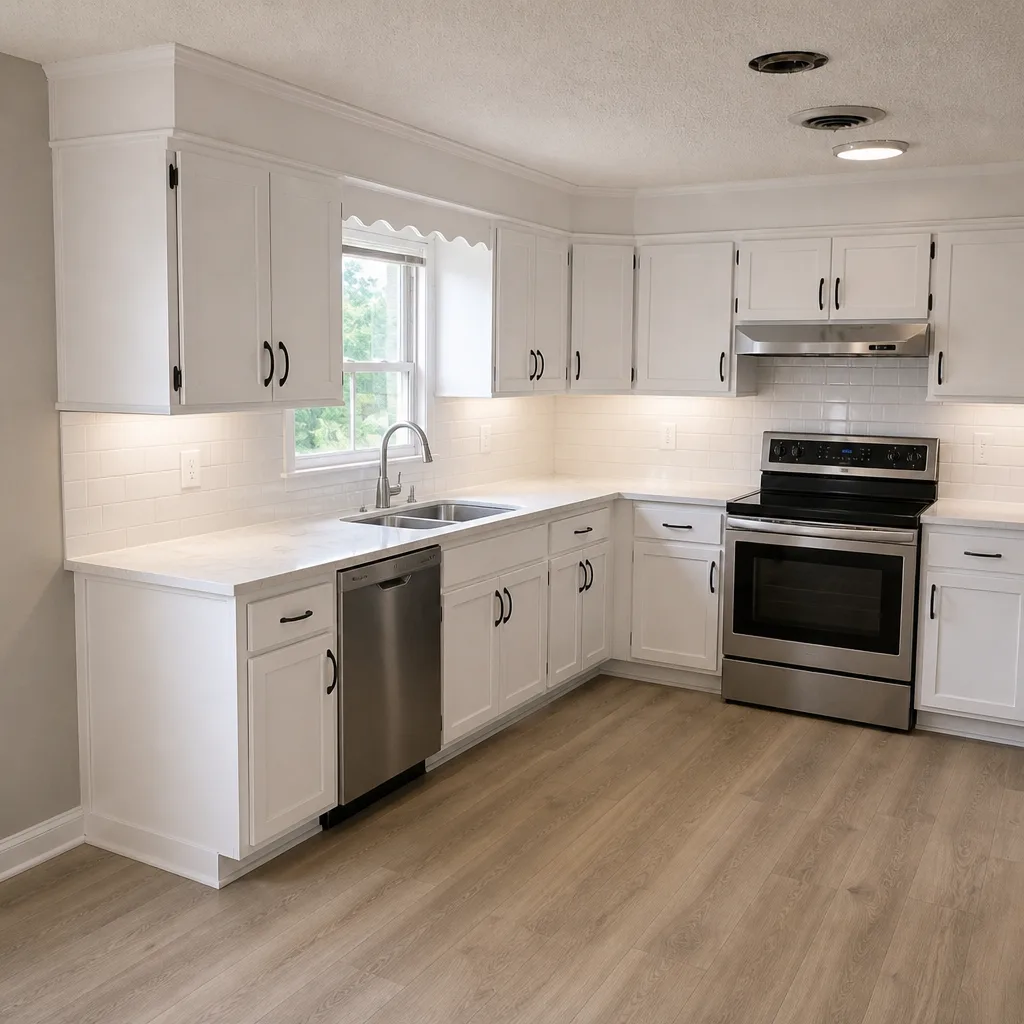 After
 Before
 After
When to Call a Professional
Some jobs are small enough to handle yourself. But a full fence installation isn’t one of them, and neither is fixing a fence that’s already leaning, sagging, or been set on shallow posts. If you’ve spotted more than one warning sign from this guide, it’s worth getting a professional pair of eyes on it before the problem gets worse. If you’re planning a new fence in Allen, a replacement after storm damage, or you’ve inherited a fence from a previous owner and want it built to last, that’s exactly the work a professional crew handles. Groundwork Construction Co. of Allen offers free estimates in Allen. Call (888) 343-9048 to schedule yours. Whether you’re pairing a fence with new hardscape, like a Driveway & Pavers in Allen project, or planning a yard overhaul around a new Home Additions & ADU in Allen, getting the fence right is the first step.
Frequently Asked Questions
Roughly one third of the post’s total length should sit underground, so an 8-foot post needs about 2.7 feet below grade. Allen’s clay-heavy soil makes depth even more important, since the ground moves with wet and dry cycles. Shallow posts are the single biggest cause of a fence that leans within a season. Call (888) 343-9048 if you want a free estimate on a fence built to stay straight.
The signs show up over time: posts that lean, a gate that drags or won’t latch, gaps along the bottom, or a line that’s tipped as a whole. If you catch them early, a professional can often re-set or brace the problem posts. If it’s been a year or more, the fix may mean replacing the affected section. Call (888) 343-9048 for a free assessment.
Many fence projects in Allen need to meet local setback and height rules, and some require a permit depending on height and location on the lot. A professional contractor raises this before you sign rather than leaving it to you after the fact. Call (888) 343-9048 and we’ll walk you through what applies to your property with a free estimate.
The most common reasons are shallow posts, thin or missing concrete footings, and plumb that was never checked with a level. In North Texas, the wet-and-dry cycle in clay soil makes all three worse. The good news is that the cause tells you what to fix. Call (888) 343-9048 to get a free estimate on getting it straightened out for good.
Most residential fence projects take more than a single afternoon because the concrete footings need time to set before the posts are loaded. A crew that finishes every post, panel, and gate in a few hours has likely skipped the cure window, and that’s a warning sign. Ask for the schedule up front so you know what to expect.
A written contract should cover the material list, post depth, a utility locate, permit responsibility, a payment schedule tied to progress, and a workmanship warranty. It should not demand the full price upfront. The number you see should be the number you pay. Call (888) 343-9048 to schedule a free estimate and see what an upfront, written scope looks like.
The Bottom Line
The fence that fails in a year almost always looked fine on day one. The real warning signs happen during installation: shallow posts, an eyeballed plumb line, a concrete shortcut, no utility locate, and a contract that skips permits or asks for the full payment upfront. Catch those while the crew is still on site and you keep every bit of leverage. In Allen, the clay soil and sloped lots make each one matter more. The honest takeaway: the fence you can trust is built by a crew that shows its work and backs it in writing, not the one that finishes fastest. If you want a fence built right from the first post, we can help you get a free estimate.
Groundwork Construction Co. of Allen is your full-scope partner across every trade, from fence and pavers to Home Additions & ADU in Allen projects and windows and doors, all backed by the 730-Day Done Right Promise. Calls are answered by a live person 24/7, technicians are background-checked and arrive in uniform, and every project comes with a free estimate and design consult. From foundation to finish line, Groundwork Construction Co. of Allen home has the crews and the brand partners across every category. Call (888) 343-9048 today for your free estimate.
Written by the team at Groundwork Construction Co. of Allen.