Free written scope consultation - allowances, timeline, and change-order rules on paper before a single trade is scheduled
Styles & brands we work with
- Kitchen remodeling
- Bathroom remodeling
- Home additions & ADU
- Roofing
- Windows & doors
- Driveway & pavers
- Fence
See the difference
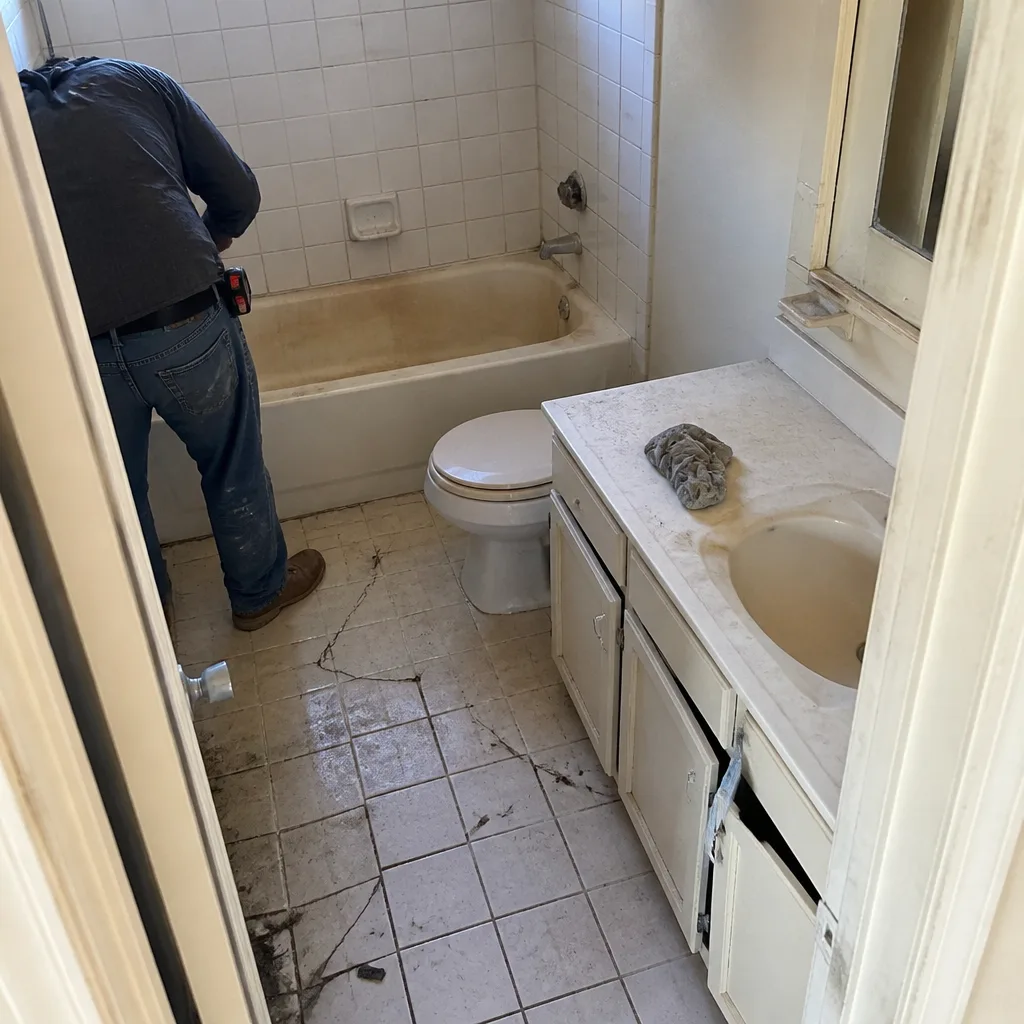 Before
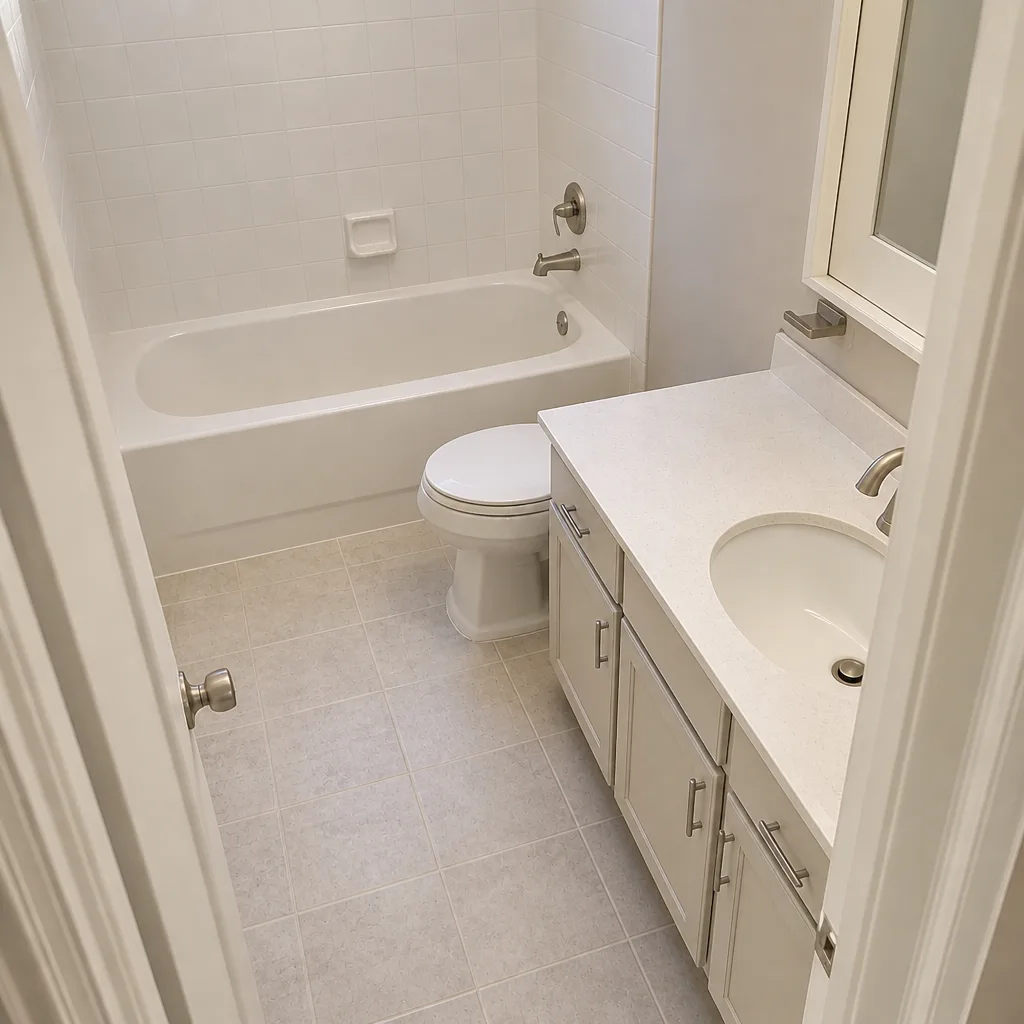 After
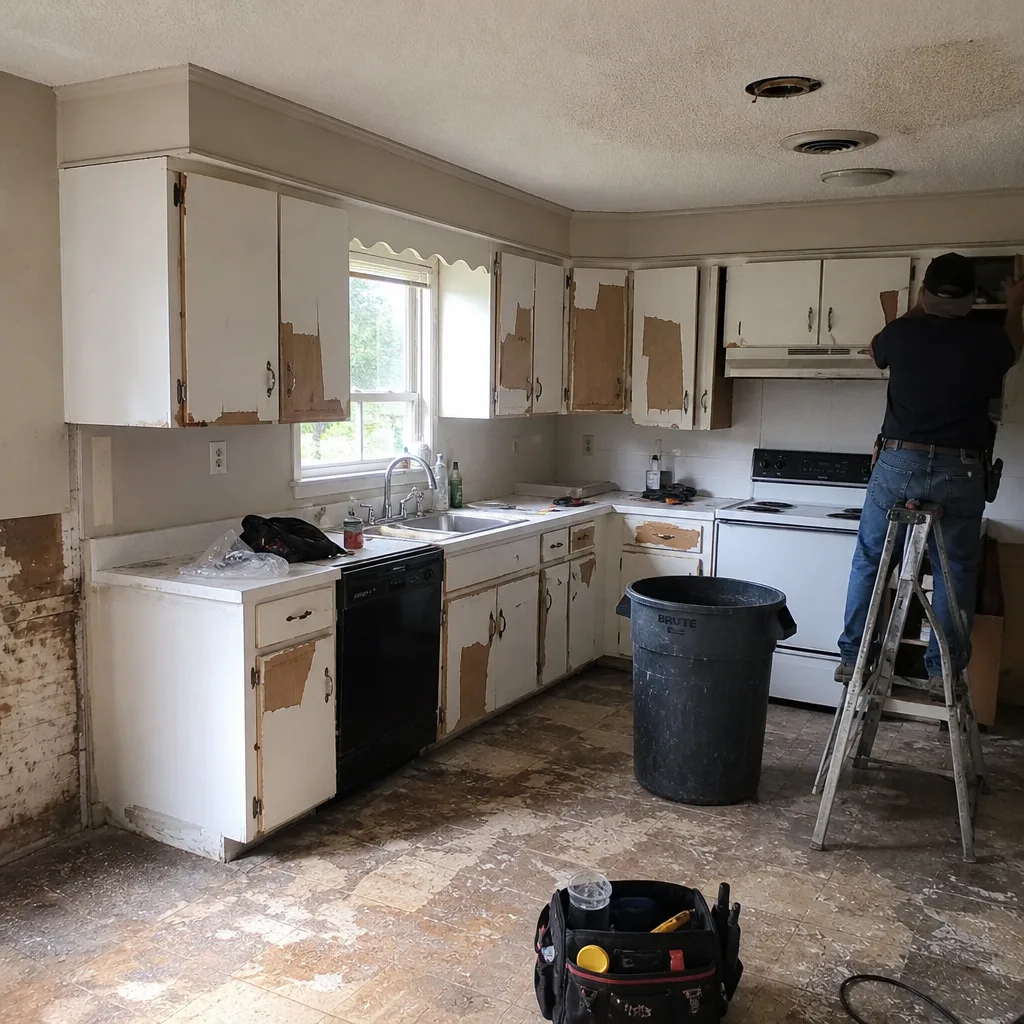 Before
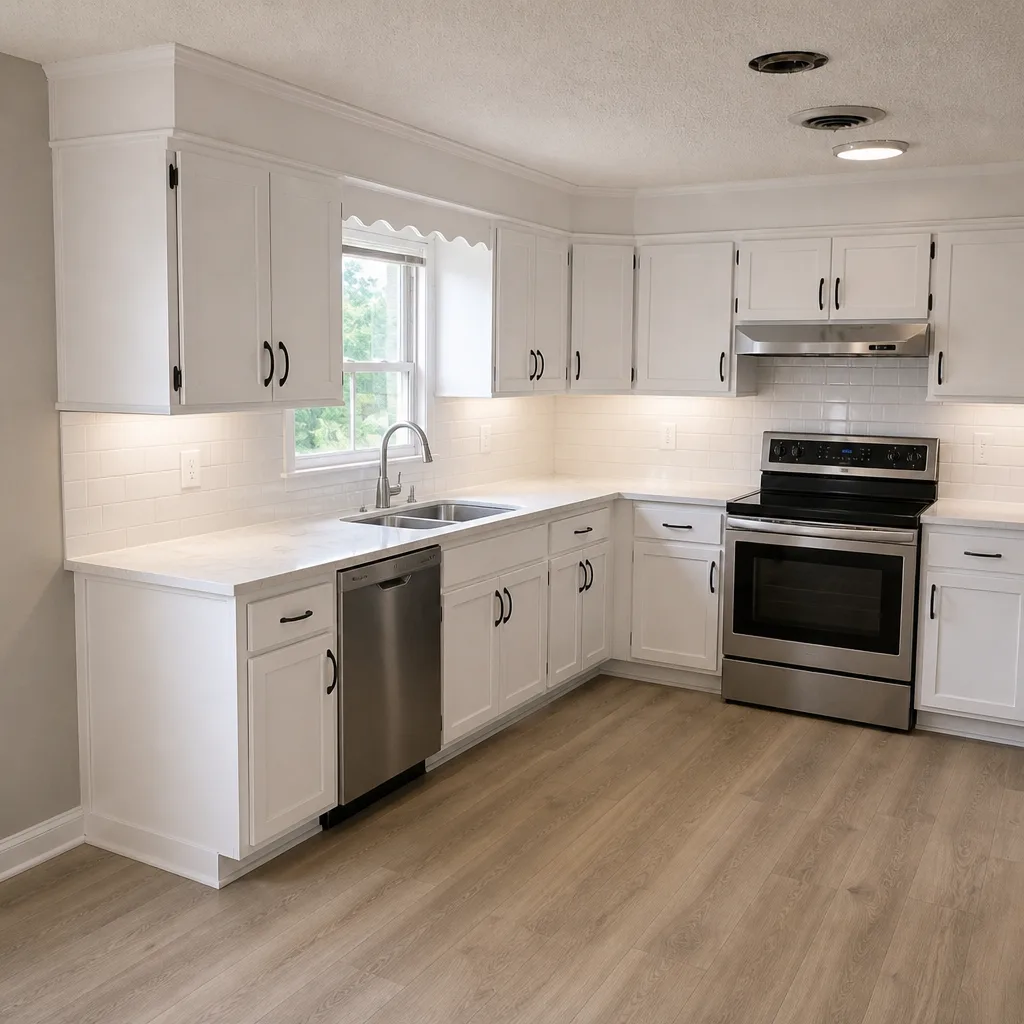 After
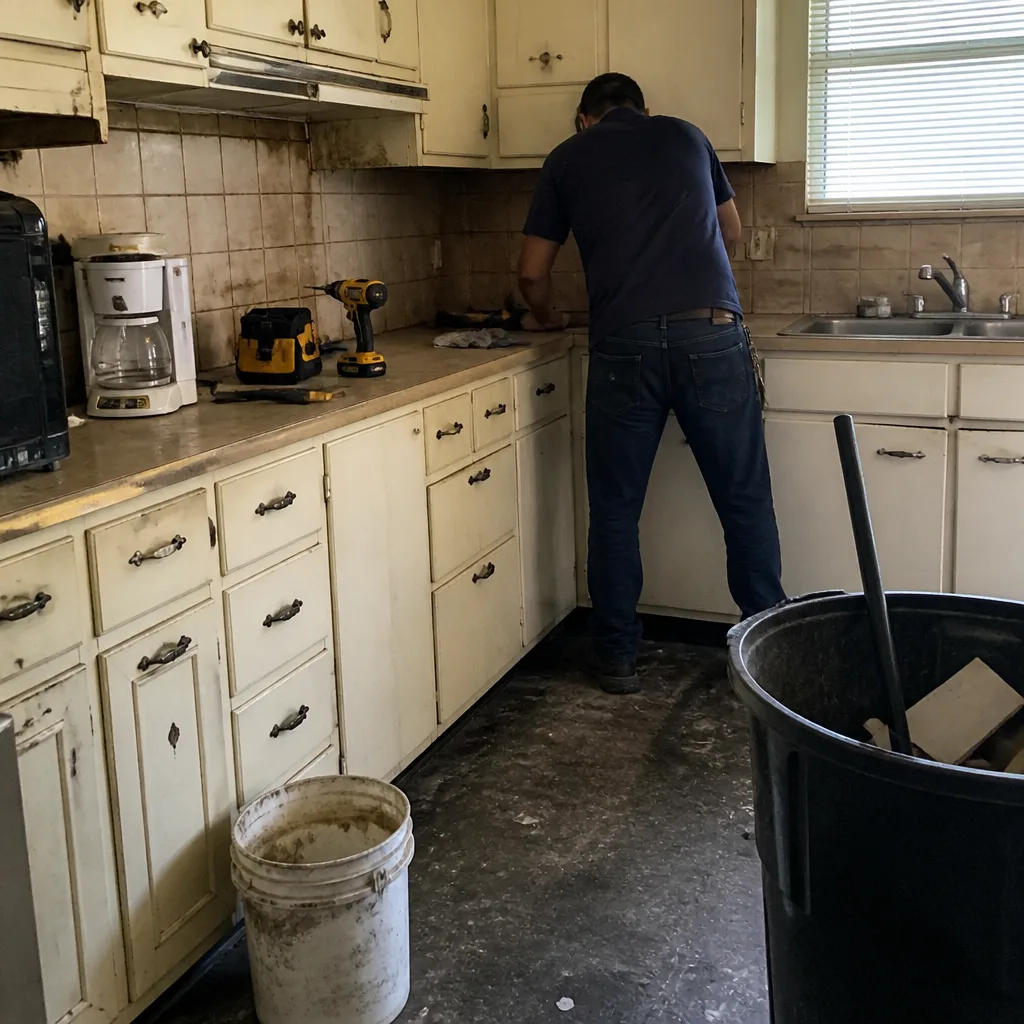 Before
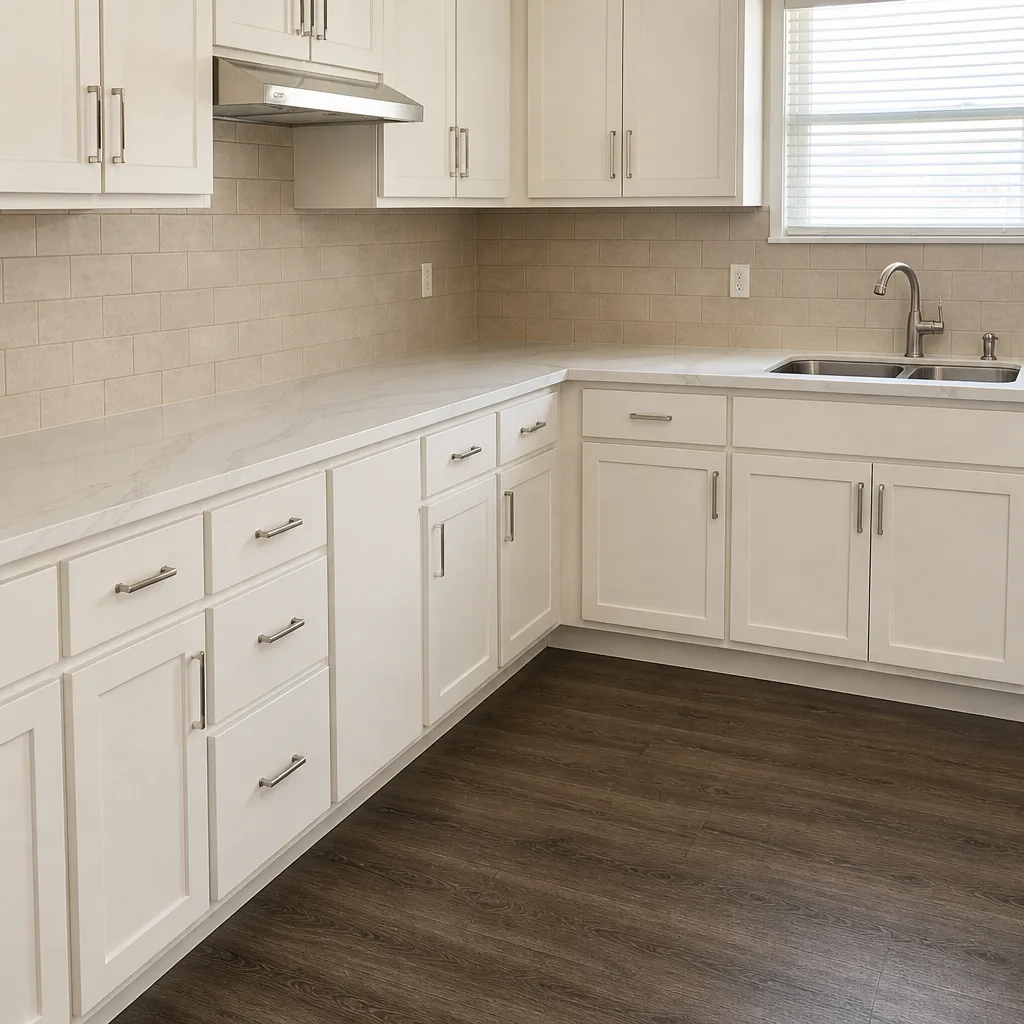 After
When to Seal a New Asphalt Driveway in Allen, TX: The Season-by-Season Answer
Seal a new asphalt driveway in Allen after 90 to 180 days, not a flat 90. The season your asphalt was poured decides the real number: a summer pour needs a 60-day mid-cure inspection before sealing, while a spring pour in North Texas should wait the full 90 to 180 days. The textbook “90-day” rule ignores what Allen’s blackland clay does underneath a fresh driveway. Get the timing wrong and you seal in stress cracks you never saw. Get it right and the surface lasts. If you’d like a second set of eyes on a new pour, call Groundwork Construction Co. of Allen at (888) 343-9048 for a free estimate.
New asphalt needs time to harden and to let trapped oils and moisture work their way out. Seal it too soon and you trap those oils, which softens the surface and turns the coat into a flaking mess. Wait too long in North Texas and the summer sun starts oxidizing the top layer before it’s ever protected. The 90-day rule is a decent midpoint, but it was written for cooler climates on stable soil. Allen isn’t that.
Why Allen’s Clay Makes the 90-Day Rule Incomplete
The soil here is blackland clay. It swells when it’s wet and shrinks and cracks when it dries. Allen summers do both within weeks: a soaking spring thunderstorm, then a month of 100°F days with no rain. That expansion and contraction happens under your driveway, and a fresh asphalt slab is thin and flexible enough that the movement telegraphs upward.
Competitor guides treat cure as a clock. In Allen it’s a relationship between surface cure and what’s happening below. The heat speeds up surface cure, but surface cure is only the top layer. Structural cure, meaning full-depth stability, takes longer and doesn’t care how hot it is at the surface. Under shifting clay, a driveway can look fully set while the base is still settling. Seal it during that window and you lock in cracks that were still opening.
Surface Cure vs. Structural Cure: Two Different Clocks
Surface cure is what you can test. Press a thumb into a shaded spot of new asphalt after a few weeks. If it leaves an imprint, it’s still soft and the oils are still working out. That’s a skin-level check.
Structural cure is what a seal-coat actually depends on, and you can’t feel it with a thumb. It means the full depth of the slab has stabilized and the subbase has stopped moving. On Allen’s clay, that’s where a 60-day visual inspection earns its keep. We look for hairline cracks, edges that are still settling against the forms, and low spots that hold water after a rain. A crack that’s just opening at day 60 is a warning sign, not a reason to delay forever, but it tells us the slab needs more time or a targeted repair before any seal goes down. This is the piece a national asphalt guide can’t give you, because it isn’t watching your specific slab over Allen’s specific soil.
Timing by Pour Season in Allen
The month your asphalt was poured sets the schedule. Here’s how we time a first seal-coat by season, using calendar days from the pour date:
| Pour season | When to seal | What to watch |
|---|---|---|
| Spring (March-May) | 90-180 days | Full wait. Rain and clay movement slow the subbase settling. Don’t rush the low end. |
| Summer (June-August) | Inspect at 60 days, seal 90-120 days | Thermal stress. Surface sets fast but the base hasn’t caught up. Check for hairline cracks before sealing. |
| Fall (September-November) | 90-150 days | Cooling temps slow cure. Watch for the first frost cycle closing the window. |
| Winter (December-February) | Wait for spring, then 90+ days | Cold slows cure. Sealing frozen or damp asphalt traps moisture. |
The June pour in our opening is the trickiest case. Three months of 100°F days put real stress on it, so a flat 90-day wait lands you in mid-September with a slab that’s been tested hard. We’d rather inspect it at 60 days, confirm the base has settled, then seal on a schedule that matches what the inspection shows. That’s a judgment call we make on-site, not a number we read off a calendar.
When it’s time for the first coat, sealing a new asphalt driveway in Allen typically runs $250-$700 depending on length and condition. That’s a small number compared to an asphalt driveway paving job, which runs $3,500-$9,000, or a driveway replacement at $5,000-$14,000. Protecting the new pour is the cheapest part of the whole project. You can read more about our full range of driveway services and how we handle new asphalt if you want the bigger picture. Our Driveway & Pavers guide covers material choices and what holds up on Allen clay over the long haul.
HOA Compliance: Why Timing the Seal Matters in Watters Crossing and Twin Creeks
Allen is heavily HOA-governed, and the 1990s-2000s subdivisions like Watters Crossing, Twin Creeks, and Bethany Ridge have architectural review committees that keep a close eye on curb appeal. A fresh driveway that starts to oxidize to gray, or picks up a stain and flakes along an edge, is exactly the kind of thing that draws a violation notice. North Texas “settling season,” the wet weather that pushes clay around in fall and spring, is when new cracks and stains tend to appear.
Timing your first seal before that settling season does two things: it shuts out the moisture that drives cracking, and it keeps the surface dark and clean so the curb-appeal look stays consistent. If your subdivision requires architectural pre-approval for exterior changes, a seal-coat is usually not a pre-approval item, but a repaved or widened driveway may be. We can tell you which matters for your HOA before you spend a dollar. For a full driveway install or replacement, our Driveway & Pavers in Allen page covers materials and local approval steps.
The Groundwork Promise on Seal-Coat Timing
Here’s where a local contractor beats a national guide. Our technicians have up to 12 years of experience reading Allen’s clay and heat, and every recommendation we give on seal timing is covered by the 730-Day Done Right Promise. If a seal-coat call we make fails within warranty, we come back and correct it. No generic asphalt article can offer that. We also answer the phone with a live person 24/7, so when you notice a hairline crack or a stain, you’re not leaving a voicemail and waiting until Monday.
Upfront pricing is part of it too. The number we quote for your seal is the number you pay. And on larger exterior projects, our 0% financing for 18 months and $1,000 off projects over $10,000 make it easier to handle the driveway and the rest of the exterior work in one pass. Our Driveway & Pavers page and the parent home page explain how a full-property project gets sequenced.
FAQs About Sealing a New Asphalt Driveway in Allen
No, 30 days is too soon for almost any new asphalt, and especially in Allen’s summer heat. Trapped oils and moisture haven’t finished curing out of the asphalt, and sealing over them softens the surface and leads to flaking within the first year. Wait a minimum of 60 days for a midsummer pour with an inspection, and 90 to 180 days for spring pours. Call (888) 343-9048 for an exact quote on a properly timed seal.
Driveway sealing in Allen typically runs $250-$700 for a residential driveway. The range depends on length, number of coats, and whether any crack-filling or edge repair is needed first. A new-pour seal is usually on the lower end because the surface is uniform. Call (888) 343-9048 for a free estimate - the price we give is the price you pay.
Allen’s blackland clay is the reason. It swells and shrinks dramatically with our wet-then-dry weather, and that movement passes up through a thin asphalt slab. Combined with 100°F summer sun, a new driveway here sees more thermal and soil stress in its first 90 days than a driveway on stable soil sees in a year. Call Groundwork Construction Co. of Allen at (888) 343-9048 to schedule an inspection before you seal.
Yes. A fresh seal coat keeps the surface dark and clean and slows the oxidation that turns asphalt gray, which is what triggers most HOA appearance notices in Watters Crossing, Twin Creeks, and Bethany Ridge. Timing the seal before fall settling season makes the most of that protection. Call (888) 343-9048 and we’ll check your HOA’s specifics before we schedule.
Get Your New Driveway Sealed at the Right Time
If you’d rather have it looked at, Groundwork Construction Co. of Allen offers a no-pressure assessment in Allen - call (888) 343-9048. We’ll check surface and structural cure, look for the early cracks Allen clay loves to cause, and tell you the right week to seal, not the textbook 90th day. Free estimates, upfront pricing, and the 730-Day Done Right Promise on the work.
Written by the team at Groundwork Construction Co. of Allen, serving Allen, TX.