Last updated November 18, 2026
Free written scope consultation - allowances, timeline, and change-order rules on paper before a single trade is scheduled
DIY vs Professional Home Additions & ADU: What’s Safe to Do Yourself
In Texas, a homeowner can pull their own building permit and legally act as their own general contractor on an addition or ADU. That right is real, and it comes with a clause most YouTube tutorials skip: you personally assume liability for every subcontractor you hire, every inspection you’re responsible for passing, and every defect that surfaces after the certificate of occupancy is issued. That’s not a scare tactic, it’s the actual statute and the way your insurance policy reads. We’ve watched Allen homeowners save $18,000 on a garage conversion and then spend $31,000 fixing it. This guide separates the tasks you can genuinely handle from the ones that will cost you more than you save.
Quick Answer
In Allen and across Texas, you can legally do painting, finish trim, landscaping, fixture selection, and non-structural demolition yourself. You cannot legally do electrical, plumbing, HVAC, or structural work without a licensed professional, and doing so exposes you to failed inspections, denied insurance claims, and a resale problem that can kill a sale. The DIY-able list is much shorter than most homeowners expect, and the savings are smaller than the risk.
Styles & brands we work with
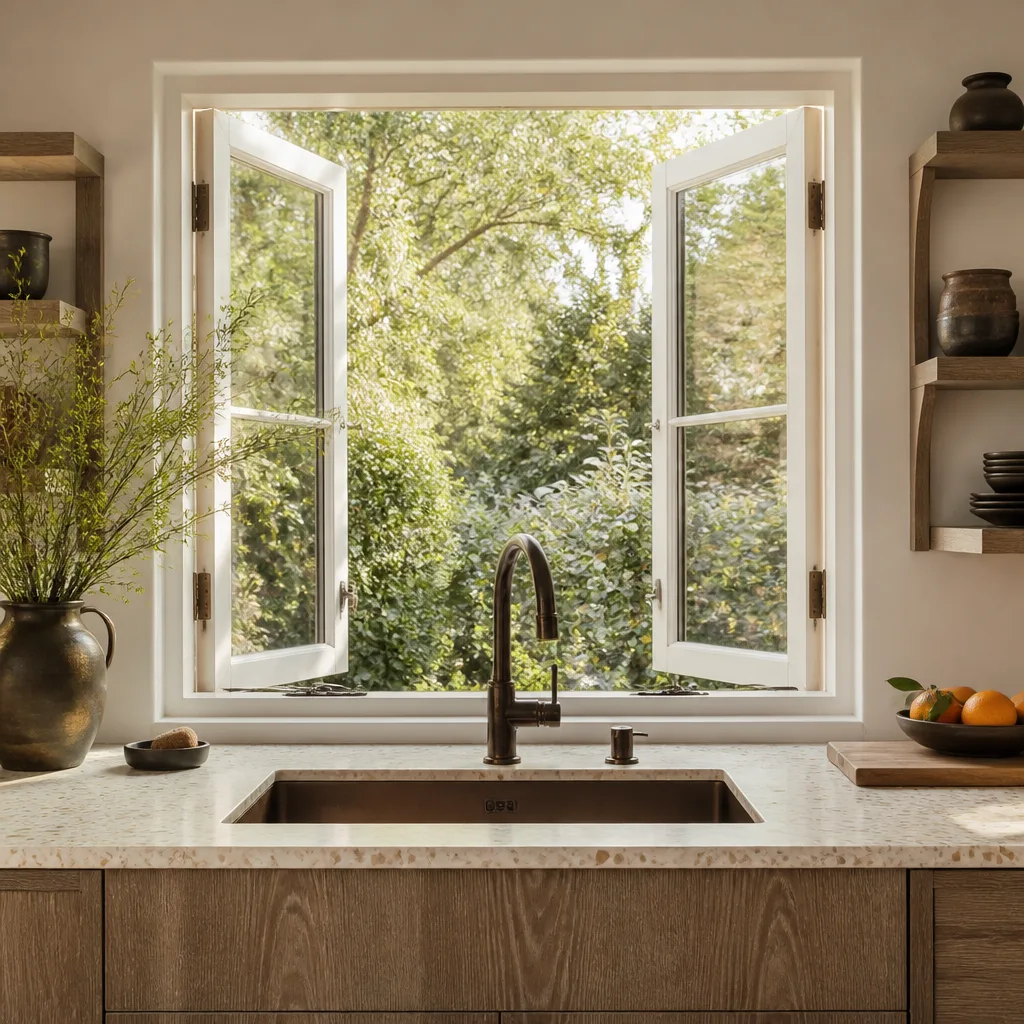
- Kitchen remodeling
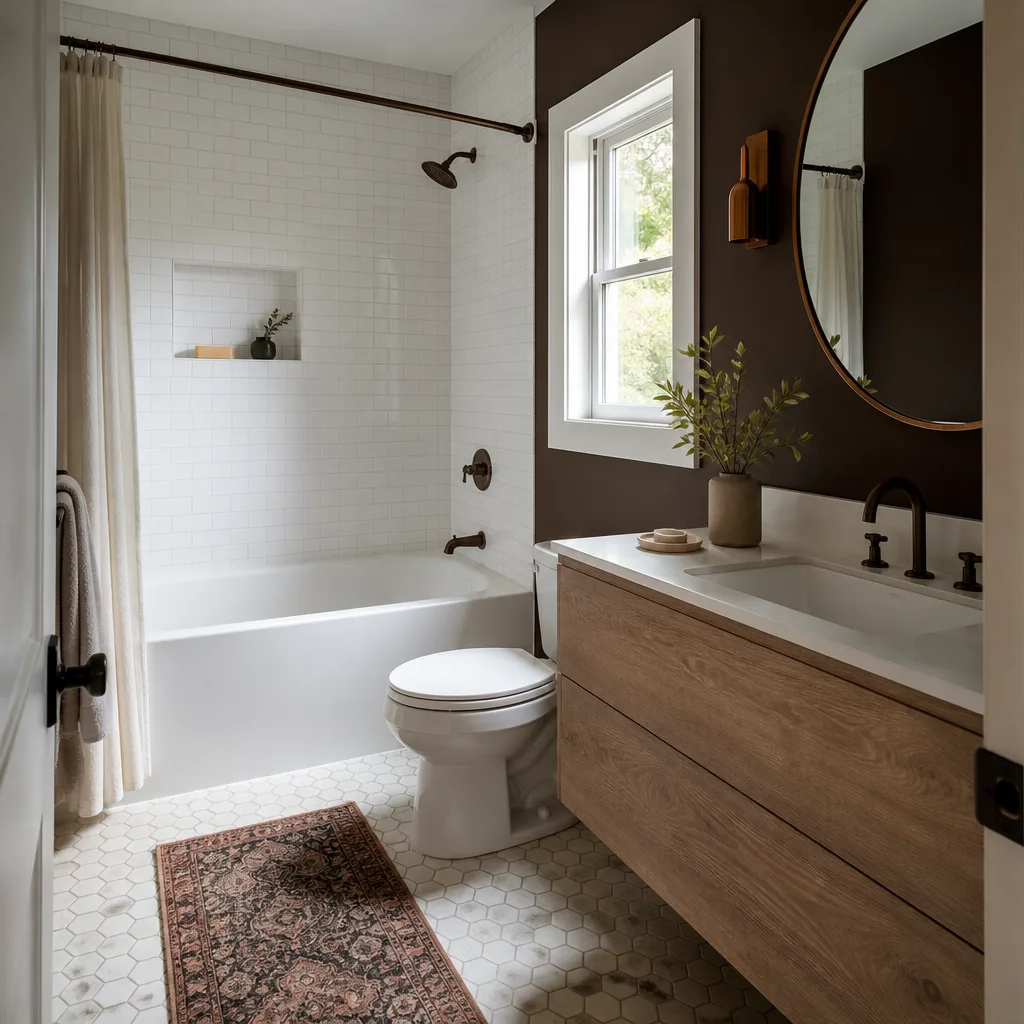
- Bathroom remodeling
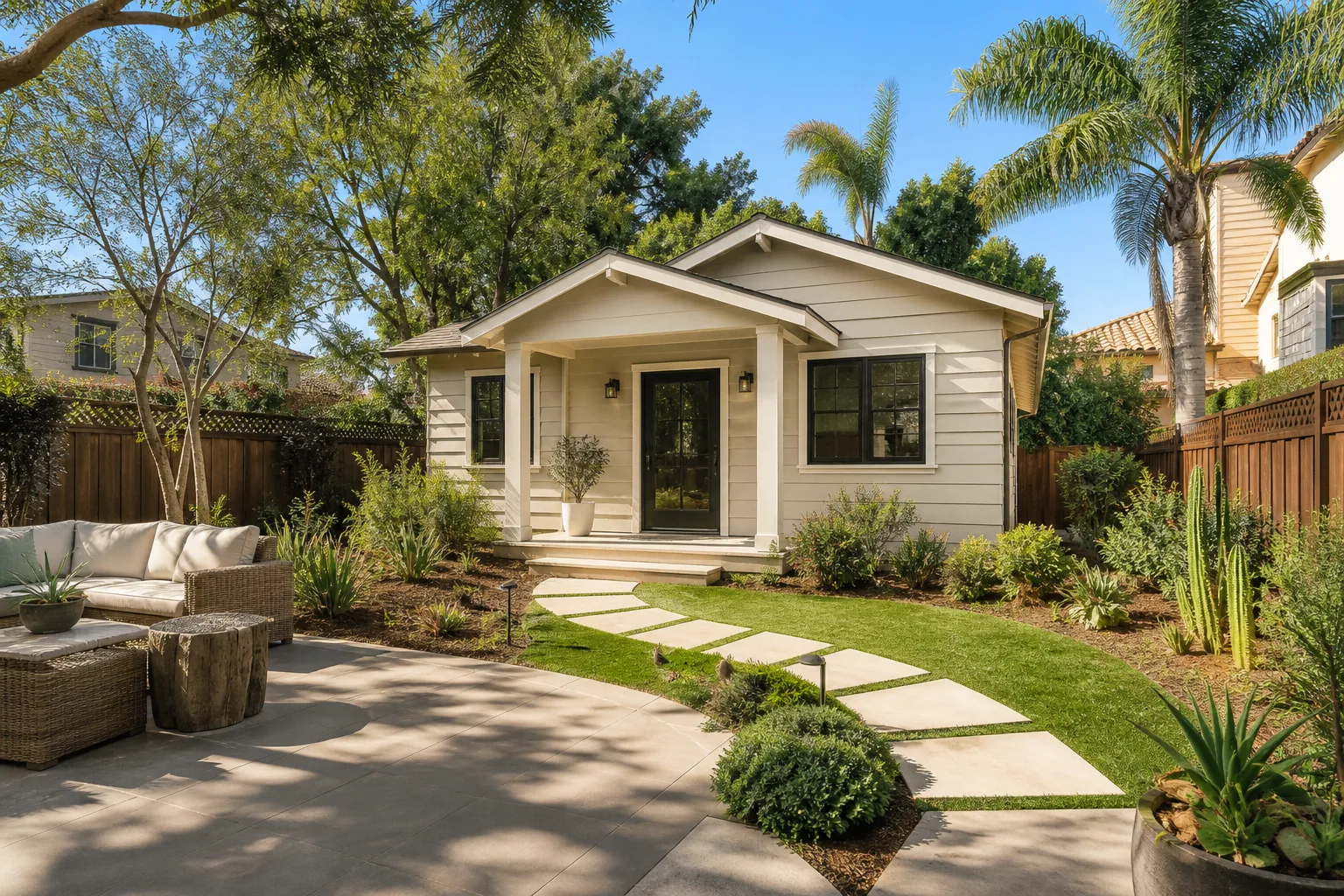
- Home additions & ADU
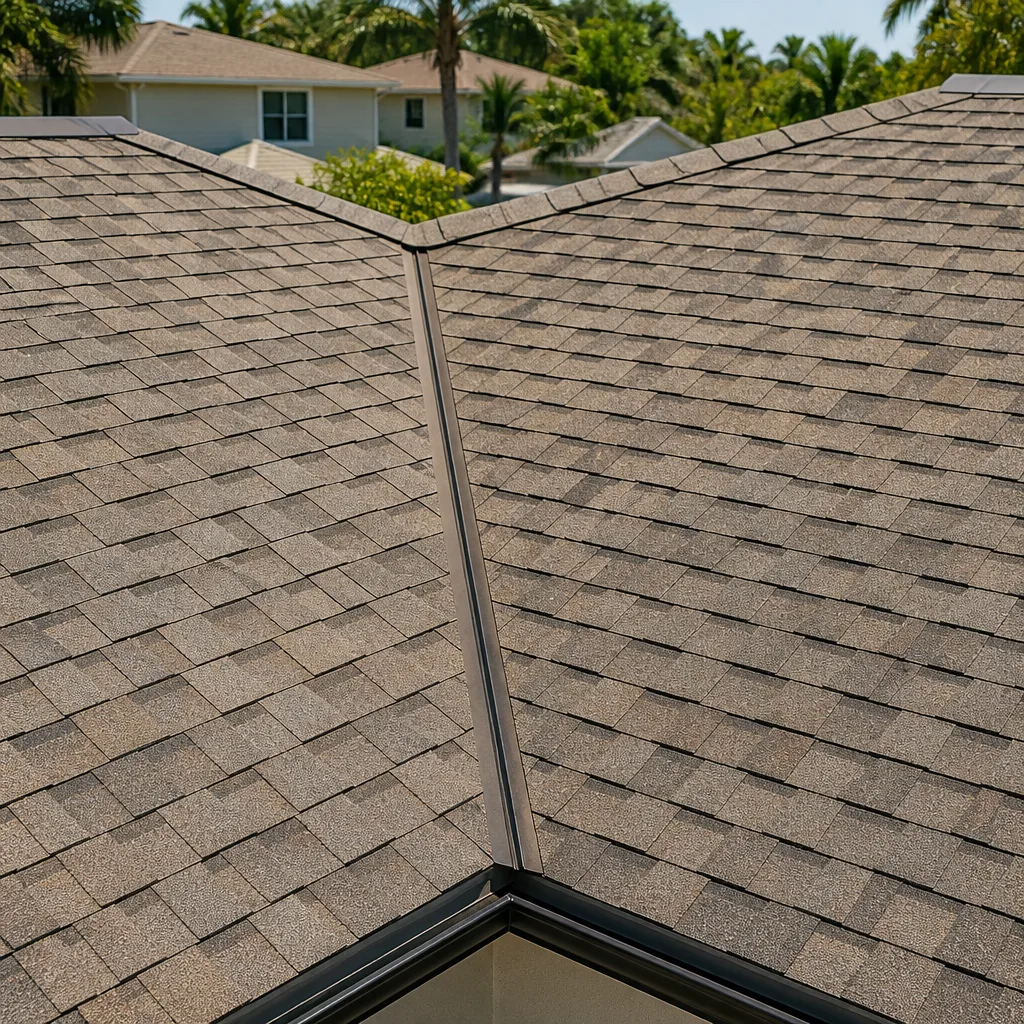
- Roofing
- Windows & doors
- Driveway & pavers
- Fence
Table of Contents
- What Texas Owner-Builder Permits Actually Allow (And What They Don’t)
- The Tasks Where DIY Is Legitimate and Low-Risk
- Where the Hard Line Sits: Electrical, HVAC, Plumbing, Structure
- What Unlicensed Work Does to Your Homeowner’s Insurance
- The Resale Reality: Appraisers, Inspectors, and Unpermitted Work
- A Realistic Cost Comparison: DIY vs Professional Bid
- ADU-Specific Rules in Allen You Need to Know
- How to Decide: A Step-by-Step Framework
What Texas Owner-Builder Permits Actually Allow (And What They Don’t)
Texas is one of the more permissive states for owner-builders. If you own the property and will occupy the structure yourself, you can apply for the building permit in your own name, hire your own subs, and serve as your own general contractor. The City of Allen issues these permits. The application requires a sealed set of plans from a Texas-registered design professional for anything structural, plus a plot plan, and the inspections happen on the same schedule as a contractor-led build.
Here’s what the permit doesn’t tell you. When you sign as owner-builder, you become the “responsible party” on the record. That means:
- You are legally on the hook for any subcontractor who doesn’t carry workers’ comp and gets hurt on your property.
- You are responsible for calling every inspection on the schedule, and a missed framing inspection can mean opening finished walls later.
- You assume the warranty obligations a general contractor would normally carry, including the implied warranty of good workmanship under Texas law.
- You are the point of contact if a neighbor files a complaint about silt fencing or construction noise, which happens more than you’d think in Allen’s tighter-lot subdivisions off Bethany Drive and Exchange Parkway.
We’ve worked with Allen homeowners who pulled their own permits and then called us mid-build when the plumbing rough-in failed the third inspection. They saved nothing. The permit process itself is not the hard part; owning the entire chain of responsibility is.
The Tasks Where DIY Is Legitimate and Low-Risk
We’re not going to pretend there’s no room for sweat equity. There is, and it’s meaningful. Here are the categories where we’ve seen Allen homeowners genuinely save money without creating liability or inspection risk:
- Interior painting. Walls, ceilings, trim, doors. Sherwin-Williams and Benjamin Moore both run contractor pricing for volume, but even at retail, paint is cheap and labor is the expensive part. Painting is 100% DIY-appropriate on a new addition once the drywall is primed.
- Finish trim and millwork. Baseboards, crown, door casing, closet shelving. This is finish work and has no bearing on structural or code compliance. If you’ve hung trim before, you can hang trim again.
- Landscaping and exterior hardscape finishing. Sod, mulch beds, planting, and the final touches around a new foundation. We’ve written about Driveway & Pavers in Allen and the same logistics apply: the excavation and base compaction need a pro, but the surface work after is fair game.
- Fixture selection and procurement. Choosing faucets, lighting, and hardware isn’t labor, but it’s where real budgeting happens. The homeowner picking the fixtures keeps the aesthetic intact and the budget honest.
- Non-structural demolition. Removing cabinets, tearing out carpet, taking down drywall on non-load-bearing walls (verified by an engineer, not a guess). Dumpster rental and demo belong to you if you have the time.
- Fence construction on existing posts. If you’re replacing pickets or a section of fence behind your new ADU, this is legitimate DIY territory. Materials from a brand like Master Halco or Bufftech are available at retail, and we’ve covered the tradeoffs in our guide to Fence Installation in Allen.
Add all of it up and you can realistically trim 8-14% off a typical addition budget. That’s a real number. It’s also the ceiling on your savings.
Where the Hard Line Sits: Electrical, HVAC, Plumbing, Structure
Texas law and the City of Allen’s building department draw a specific line: electrical, plumbing, mechanical (HVAC), and structural work must be performed by a licensed professional. The license requirement isn’t a suggestion. The permits for those trades must be pulled by the license holder, not by you as owner-builder. You cannot hire an unlicensed handyman for a panel upgrade and sign off on it yourself.
The danger here is dual: a genuinely serious safety risk and a code compliance problem that surfaces later. Electricity kills people and starts fires. Gas lines leak and cause explosions. A residential HVAC system designed by someone without Manual J load calculation training will run wrong from day one and you’ll blame the equipment. And structural work without a licensed engineer’s stamp on the plans will fail inspection on day one.
Here’s the pattern we see in Allen: a homeowner runs their own new circuit for a mini-split or a bathroom exhaust fan, the rough-in inspection fails because the wire gauge or box fill is wrong, and now they have to either tear open drywall or hire an electrician to fix it at a premium. Our team members have up to 12 years of experience and that experience doesn’t come from doing math once. It comes from learning the code that governs what the math needs to be. Hire licensed trades. Don’t negotiate on this one.
We’d flag one more safety caveat. If your addition includes a new panel, service upgrade, or anything touching the main electrical service, hire a licensed electrician with a master’s license. A panel isn’t a hobby project and it isn’t something a YouTube tutorial can right-size for a 400-square-foot ADU with its own service.
What Unlicensed Work Does to Your Homeowner’s Insurance
This is the part almost no DIY guide will tell you. Every standard homeowner’s policy in Texas contains language that limits or denies coverage for work performed in a way that doesn’t comply with code or by an unlicensed party, if that noncompliance contributes to the loss. Read that sentence twice. It doesn’t say “if the work is done badly.” It says “if the work isn’t code-compliant.”
If a fire starts in wiring you ran yourself and your adjuster determines the circuit was not to NEC, you’re looking at a claim denial. If your new bathroom’s plumbing fails and water damage follows, the same logic applies. These aren’t hypotheticals: carriers subrogate aggressively in Allen, Collin County, and across North Texas because the market is dense with additions and the claims are easy to investigate.
We’ve also seen carriers non-renew policies after a claim tied to unpermitted work. That’s the worst outcome of all: you lose coverage, you can’t switch carriers easily, and your mortgage servicer has questions. If you’re already thinking about a policy change for an ADU, talk to your agent before you pull a permit, not after.
When the build is documented and inspected throughout, your policy covers the work because the work is above board. That’s what the certificate of occupancy from the City of Allen actually buys you.
The Resale Reality: Appraisers, Inspectors, and Unpermitted Work
Allen’s housing market doesn’t forgive shade-tree work. Collin County appraisers pull permits as part of the sales comparison research. Home inspectors use permit history and tax records as their first checkpoint. Insurance carries a standard exclusion for unpermitted improvements. When you go to sell, you don’t get to decide whether the addition counts; the buyer’s lender does.
Here’s what typically happens at resale if the work was visibly DIY or never permitted:
- The appraiser won’t count the added square footage, so the price adjusts down to comps without the addition.
- The buyer’s inspector flags the finished electrical, the unpermitted panel, or the structural header, and the repair credit request arrives at the worst moment in the negotiation.
- The buyer’s lender refuses to originate the loan until the work is brought to code, which means the seller now has a buyer waiting and a permit waiting.
- The buyer can also simply walk, and the seller starts over with a disclosure obligation on the next listing.
We’ve seen this play out in Allen’s older neighborhoods off McDermott Drive where additions were built in the 1990s without pulls, and we’ve seen it on brand-new garage conversions elsewhere in Collin County. The pattern is always the same: the homeowner saved 10-15% during the build and lost 15-25% of value at resale. The math never works in favor of DIY structural work.
Even if you’re not planning to sell for a decade, the disclosure obligation is already there. You will have to tell the next buyer what you did, and if the record shows unpermitted work, you’ll pay for it either in price or in credit.
A Realistic Cost Comparison: DIY vs Professional Bid
Most DIY-vs-pro comparisons are dishonest because they compare the professional bid to a fantasy number that only counts the material. Here’s an honest accounting using a 500-square-foot garage conversion in Allen as the example. Numbers below are mid-range for Collin County in current market conditions.
- Pro bid, full scope, one contractor: $110,000-$145,000 (design, permits, trades, materials, inspections, warranty).
- DIY self-GC, full scope on a well-run build: $98,000-$125,000, before your own time. Subtract roughly $10,000-$15,000 for the trades you hire directly, and add $8,000-$15,000 in your own labor value.
- DIY self-GC, one code-required redo: Add $6,000-$18,000. Failed inspections, rework, tool rental for a one-time use, retail materials pricing, and a blown schedule that forces storage unit rental and a remodel extension.
- Retail tools and one-time specialty equipment: $900-$2,400 for a build this size beyond what you already own.
- Insurance premium increases on a converted structure: varies, but the ADU needs its own coverage line.
- Resale cost of unpermitted work: 15-25% of the added value, based on what we’ve seen at closing.
The honest net is this: a careful self-GC without any rework might save 5-10% on the total build. A self-GC with one redo loses 3-8%. Two redos and you’re upside down. The break-even point arrives faster than the tutorial videos suggest, and it doesn’t count the six months of your evenings.
We offer Home Additions & ADU in Allen with upfront pricing, no surprises, so your comparison isn’t against a number we can’t put in writing. Get a real bid to compare against your self-GC estimate. Estimates are free, and they include line-item scope that you can use as a DIY reference even if you do it yourself.
ADU-Specific Rules in Allen You Need to Know
Allen is a bit different from older Collin County cities. ADU rules here are tighter than Dallas’s urban core. As of recent ordinance language, detached ADUs are allowed on lots zoned for single-family residential with a minimum lot size, setback requirements, and a height limit that varies by district. Attached ADUs (in-law suites within the existing footprint) are more straightforward and require fewer variances, but they still trigger a full building permit and inspection schedule.
What this means for the DIY question: the plan review process for an ADU is more involved than a standard addition because the City of Allen asks for design professional drawings, utility connections to existing service, and typically an energy code compliance calculation. You can apply as owner-builder, but the plan set needs a designer or architect, and the permit submittal takes weeks longer than most homeowners estimate.
Two specifics that catch Allen homeowners:
- Tree preservation. Allen’s tree ordinance is strict and applies to add-on construction. If your ADU footprint overlaps with the root zone of a protected tree, you’ll need an arborist letter and possibly a mitigation plan. This comes up often in the neighborhoods near Watters Crossing.
- Drainage and grading. Your new ADU changes site drainage. The city will inspect for compliance on the grading plan, and a DIY grade that doesn’t hold water during a May storm will be a permit problem, not just a yard problem.
We’ve seen both of these delay builds by a month or more. Neither is something you want to negotiate for the first time on your own without someone who has done it in Allen before.
How to Decide: A Step-by-Step Framework
Use this framework before you pull a permit in Allen or anywhere in Collin County. It asks four questions, and if the answer to any one of them is uncomfortable, the DIY math stops working.
- Is the work structural or does it touch a licensed trade? If yes, the DIY list ends here. Full stop. Hire the professional.
- Does the project change the footprint, roof line, or utility service? If yes, the permit is complicated and the inspection schedule matters. This isn’t DIY territory for the GC role either.
- Can you honestly commit 400-600 hours over 6-9 months? Not “I’ll get to it on weekends,” but actual availability in writing on your calendar. If not, the schedule slips and the carrying cost eats the savings.
- Do you have existing relationships with licensed plumbers, electricians, and HVAC leads? A real one, with a track record, not a phone number from a Facebook group. If you don’t, you’re paying market or premium on every sub.
If the answer to every one is a confident yes, you might genuinely save 5-10% as your own GC, and the finish work stays yours after the trades leave. If not, the pro bid is the math that works. Our team at Groundwork Construction Co. of Allen home handles the full scope from foundation to finish line, backed by the 730-Day Done Right Promise, if it’s not done right, we make it right. That guarantee is one of the longest workmanship guarantees in the residential construction space, and it’s the specific thing you cannot create for yourself as an owner-builder.
Common Mistakes to Avoid
- Pulling a permit as owner-builder and then assuming the general contractor role is “just paperwork.” It’s not. It’s a liability transfer. You become the responsible party for every sub and every inspection, and the paperwork is the smallest part of what you’re signing up for.
- Using an unlicensed handyman for electrical because “it’s just a couple of outlets.” In Allen and across Collin County, that’s a failed rough-in and an insurance exclusion. It’s never just a couple of outlets.
- Buying materials at retail and thinking that’s the cost. Retail vs contractor pricing is real, but it’s a smaller factor than the labor and schedule lines. Comparing bid-to-retail-receipt is how homeowners underestimate by 30-40%.
- Starting work before the permit is issued. The City of Allen and Collin County will stop work and require the structure to be brought back to a state that can be inspected. That’s a full teardown on some scopes.
- Skipping the drainage and grading plan on a detached ADU. We’ve seen water intrusion into new foundations from an incorrectly graded site within the first rainy season. The grading is part of the build, not an afterthought.
- Skipping the initial insurance conversation. Coverage varies. Adding a dwelling on the same lot changes your policy. Your agent should know before you break ground, not after.
- Assuming the resale market will forgive the missing permit. Allen’s market is competitive enough that buyers and their agents aren’t cutting slack. Unpermitted work gets priced in every time, and the amount it costs in resale is usually higher than the amount it saved.
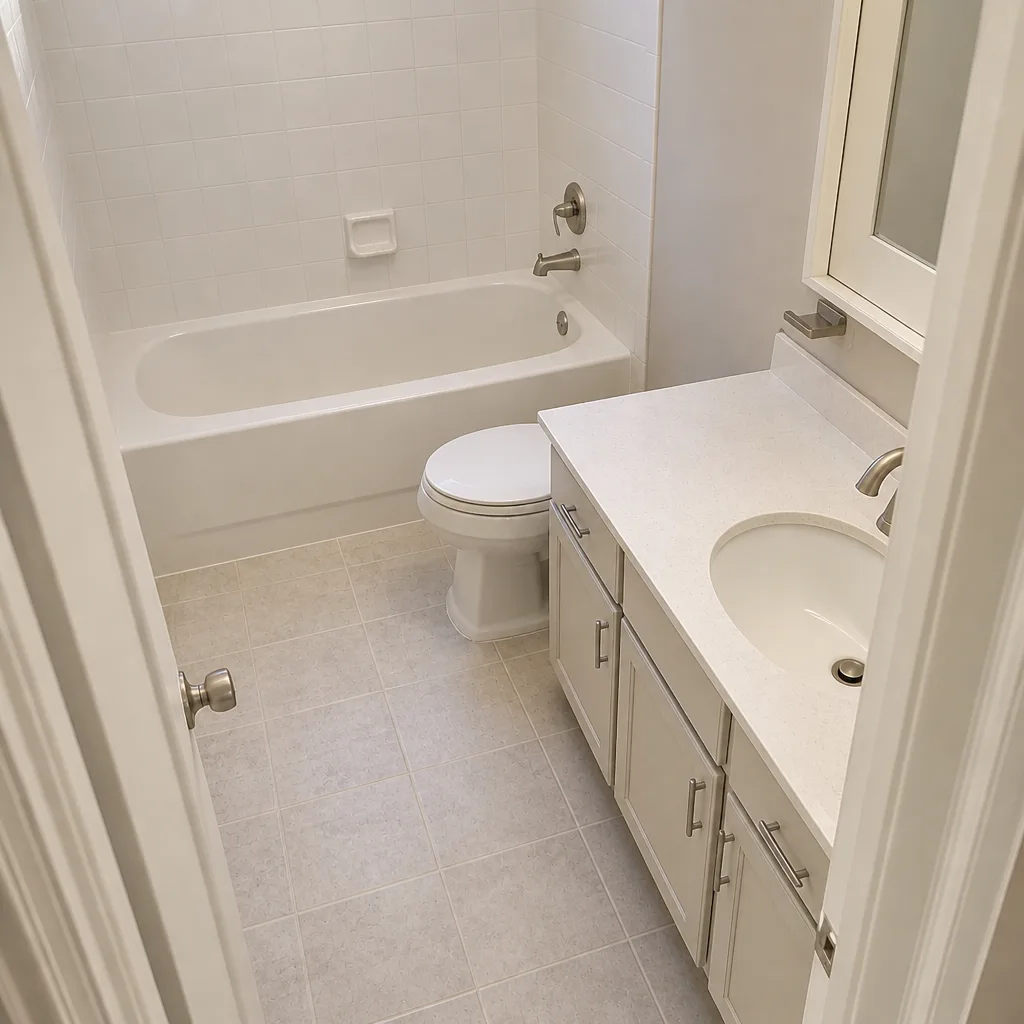
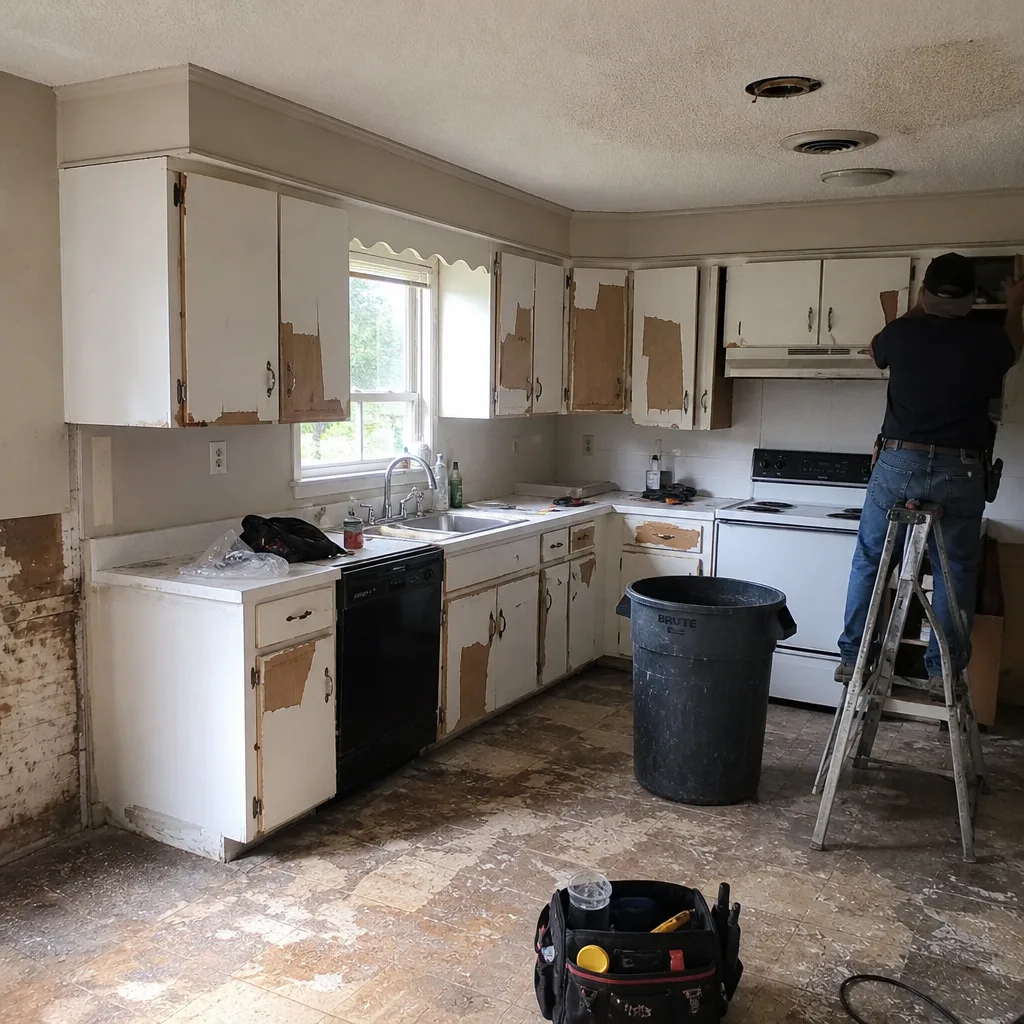
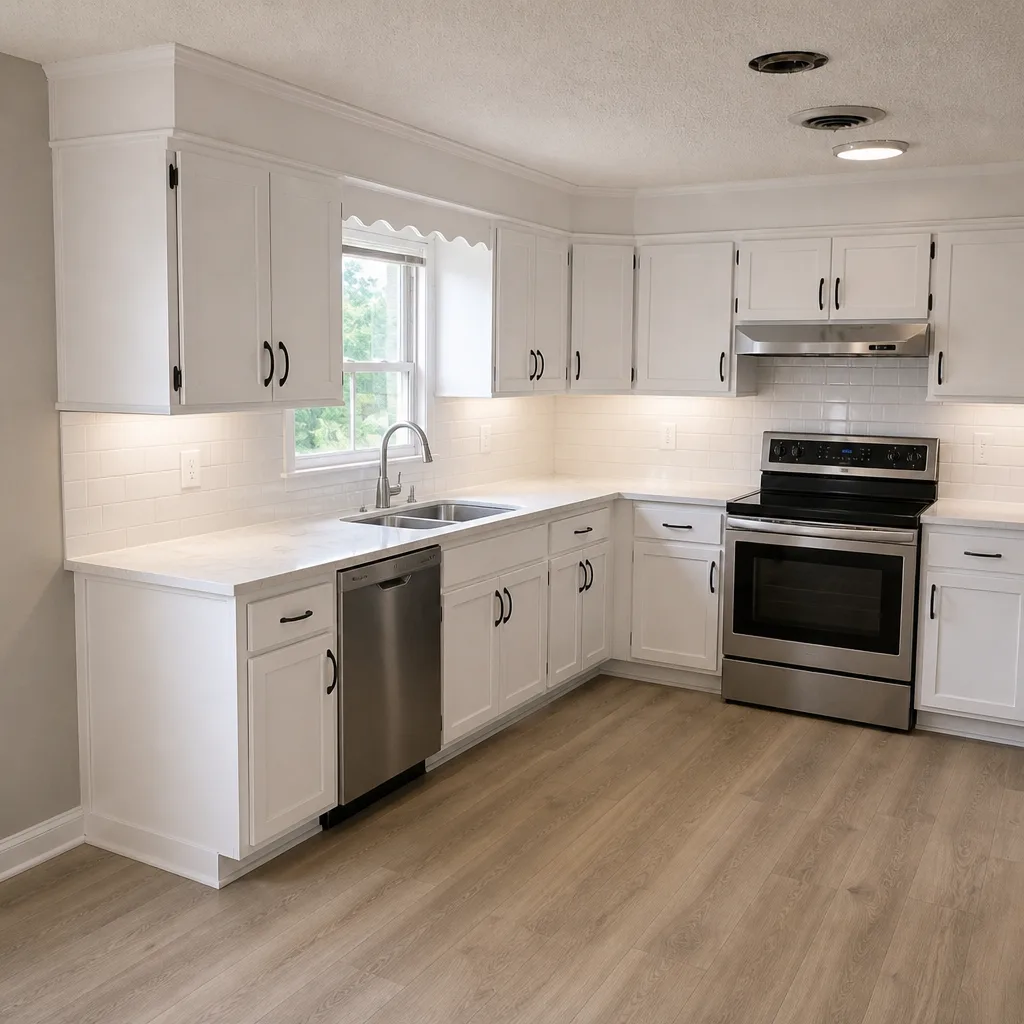
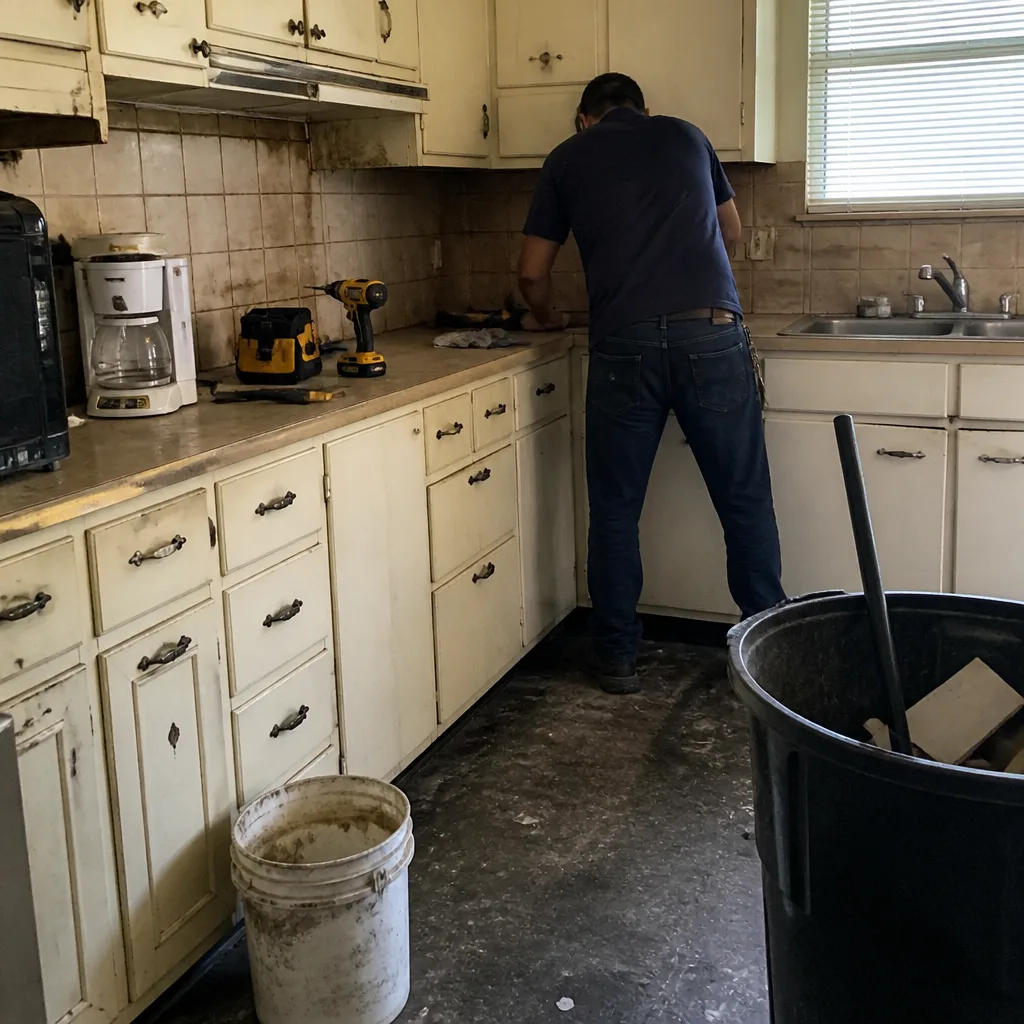
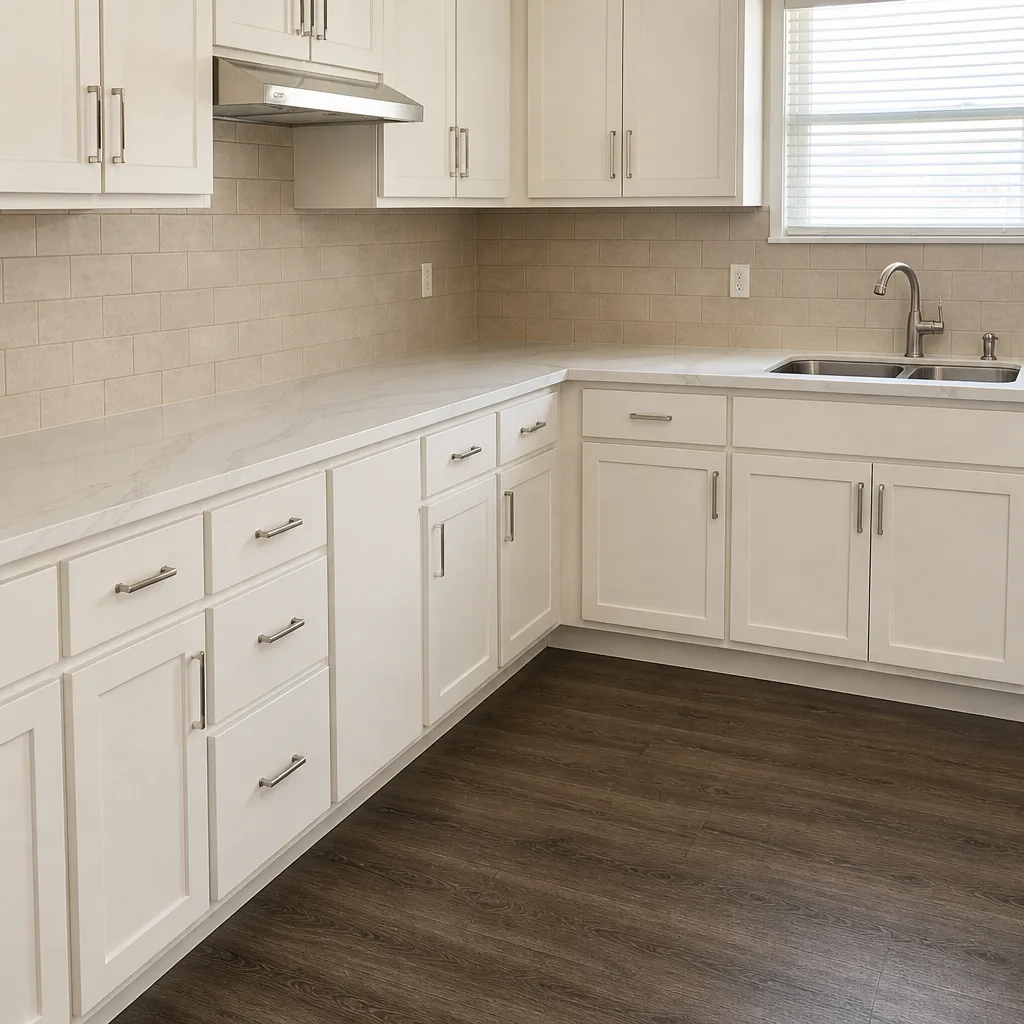
See the difference
 Before
 After
 Before
 After
 Before
 After
When to Call a Professional
Call a professional when the project touches a licensed trade (electrical, HVAC, plumbing), changes the structural footprint, or needs to pass inspection on a schedule you cannot personally manage. Also call when the addition or ADU is the primary thing you need fixed within a calendar year; a slow self-GC build has real carrying costs beyond materials. And call when your homeowner’s insurance or your lender is an active stakeholder in the outcome, because the fee you pay a licensed professional is the fee that keeps your coverage and your loan intact.
Groundwork Construction Co. of Allen offers free estimates in Allen, call (888) 343-9048. We’ll put the scope, the line-item costs, and the schedule in writing so you can decide with real numbers. If you decide the DIY math is right, our estimate is still a useful reference; if it isn’t, we’ll walk you through the 730-Day Done Right Promise and get the schedule moving.
Frequently Asked Questions
Yes, as owner-builder you can pull the permit and act as your own general contractor on an ADU you’ll occupy, provided you hire licensed professionals for electrical, plumbing, HVAC, and structural work. The owner-builder framework in Texas allows this, but you personally assume liability for every sub, every inspection, and every warranty obligation. Most Allen homeowners find that the legal right is genuinely available, and the liability burden it creates is heavier than they expected.
No. In Texas, electrical work requires a licensed electrician, the permit must be pulled by the license holder, and the City of Allen enforces this. Hiring an unlicensed person for electrical work exposes you to failed inspections, denied insurance claims, and a resale problem, even if the wiring happens to look right. For the exact quote on a fully scoped electrical rough-in and finish, call (888) 343-9048, estimates are free.
It means you are the legally responsible party for the entire build. If a subcontracted plumber damages a neighbor’s foundation, you’re on the hook. If an inspection is missed, you’re on the hook. If a defect surfaces after the certificate of occupancy is issued, you’re on the hook. The scope of that liability is not a scare tactic; it’s the way the statute and the standard Texas insurance policy read.
Most standard Texas policies exclude or limit coverage for work that isn’t code-compliant or was performed by unlicensed parties, and that exclusion applies in Allen the same as anywhere in Collin County. A claim tied to unpermitted work can be denied outright, and some carriers non-renew after a claim. Confirm with your agent before you build, and confirm the ADU has its own coverage line after.
Painting, finish trim and millwork, landscaping and hardscape finishing, fixture selection and procurement, verified non-structural demolition, and fence work on existing posts. Those are real, and the savings on a typical Allen addition run 8-14% of the total budget. Everything structural, and everything touching a licensed trade, is off the table. That’s the honest split.
A 500-square-foot addition typically runs 5-8 months from permit to certificate of occupancy. An attached ADU of similar size is often 4-7 months. A detached ADU runs 6-9 months, longer if the tree ordinance or the drainage plan triggers additional review. If you self-GC, add 2-4 months to each range for the schedule drag that comes from juggling subs and inspections yourself. Call (888) 343-9048 for a project-specific schedule estimate, free.
The Bottom Line
The DIY vs professional decision for a home addition or ADU in Allen comes down to a simple question: what are you willing to be personally liable for? You can pull a permit as owner-builder, that part is legal and available. You cannot legally do the licensed trades, and doing so will cost you at insurance, at inspection, or at resale. The legitimately DIY-able tasks (painting, finish trim, landscaping, fixture selection, some demo) save 8-14% and are worth doing. The GC role is not. Pull a real bid, put it next to your honest numbers, and decide with a line-item in front of you. That’s how you make this choice without regret.
When you’re ready to see what a properly scoped build actually costs, Groundwork Construction Co. of Allen is here. We handle the full scope from foundation to finish line, backed by verified brand partners like Andersen, Pella, GAF, James Hardie, and KraftMaid, and covered by the 730-Day Done Right Promise. Calls are answered by a live person, 24/7, and every job is delivered by uniformed technicians. We offer upfront pricing, no surprises, with 0% financing for 18 months and $1,000 off projects over $10,000, so a large addition is financially accessible without hidden costs. Call (888) 343-9048 to schedule your free estimate and design consult today.
Written by the team at Groundwork Construction Co. of Allen.