Last updated November 18, 2026





Free written scope consultation - allowances, timeline, and change-order rules on paper before a single trade is scheduled
Windows & Doors Troubleshooting: Common Problems and How to Fix Them
A door that won’t latch in July and latches fine in January isn’t a hardware problem. Replacing the lockset three times won’t fix it. The mechanism is fine. What moved is the frame, the hinge plane, or the slab itself, and every dollar spent on new hardware is a dollar spent on the wrong diagnosis. We’ve walked into Allen homes where a homeowner had already paid twice for the same sticky door and was about to pay a third time before anyone looked at the hinge screws. This guide maps the symptom to the actual root cause for the window and door problems we see most often, so you spend money once.
Quick Answer
Most window and door problems come from one of three root causes: seal failure (the glass unit itself), frame failure (the structure around the opening has moved or rotted), or installation failure (the unit was set wrong from day one). Diagnosing which of the three you’re dealing with before replacing hardware, glass, or the whole unit is what separates a permanent fix from paying for the same problem twice. In Allen, thermal expansion and foundation movement make frame failure the most misdiagnosed of the three.
Styles & brands we work with
- Kitchen remodeling
- Bathroom remodeling
- Home additions & ADU
- Roofing
- Windows & doors
- Driveway & pavers
- Fence
Table of Contents
- Symptom-to-Root-Cause Map: Start Here
- Seal Failure vs. Frame Failure vs. Installation Failure
- What Condensation Is Actually Telling You
- Door Troubleshooting Specific to North Texas
- Why Windows Stick, Drag, and Refuse to Lock
- Water Infiltration: Finding the Real Entry Point
- Hardware Failure and When It’s Not Hardware
- Warranty Repair, Maintenance, or Replacement Trigger?
Symptom-to-Root-Cause Map: Start Here
Before you call anyone or buy anything, match your symptom to its most likely source. In our experience across Allen, the visible problem is often two steps downstream from the real cause. This map saves you from treating a symptom.
- Draft you can feel around the edges: usually failed weatherstripping or a gap from frame movement, not a bad window. Test with a lit incense stick on a windy day to find the exact path.
- Condensation between panes: seal failure inside the insulated glass unit. The glass has to be replaced; the window frame doesn’t.
- Condensation on the room-side glass: usually a humidity problem in the house, not a window defect.
- Sticking or dragging operation: frame out of square, failed rollers on sliders, or swollen wood from water intrusion.
- Water inside during heavy rain: failed flashing, failed sealant at the exterior, or a window set without proper shimming and drainage.
- Hardware that won’t catch or latch: misaligned strike plate from frame shift, worn mortise, or a door slab that has warped.
- Door that swings open or closes itself: the house has settled and the hinge plane is no longer plumb.
- Foggy or hazy glass with no moisture: early seal failure or a failed low-E coating. Both are glass-unit issues.
Notice how few of those map back to “the window is bad.” That’s the whole point of this guide. If you live in Allen and your windows are less than fifteen years old, the odds are strong that you’re dealing with a fixable frame or installation issue rather than a unit that needs to come out.
If you’re weighing a repair against a full replacement, our team talks through that decision on every estimate for Groundwork Construction Co. of Allen home window and door projects. We’d rather tell you a repair will hold than sell you something you don’t need yet.
Seal Failure vs. Frame Failure vs. Installation Failure
These three failures look similar from inside the house and get treated identically by inexperienced hands. They aren’t the same, and each one responds to a completely different repair. Getting this wrong is the number one reason homeowners pay for the same problem twice.
Seal Failure
The insulated glass unit (IGU) is two panes bonded with a spacer and sealed at the edges. When that seal breaks, moisture gets between the panes and the unit fogs. The frame, the wall, and the installation may all be perfectly fine. The fix is a glass swap, not a window replacement, and it’s usually the least expensive of the three.
Frame Failure
The frame is the structure the glass sits in and the structure that meets your wall. In Allen, we see frame failure most often from two forces: thermal expansion and contraction cycling through North Texas summers, and foundation movement that racks the opening out of square. Symptoms include sticking sashes, gaps at the corners, visible cracks at the miter joints, and doors that latch in winter but not summer. Fixing the frame sometimes means reframing the rough opening, not just adjusting the window.
Installation Failure
The unit was set wrong from day one. Missing shims, no head flashing, sealant applied over an unprotected rough opening, or a window installed out of level. These problems can take years to show up, which is why they’re so often misread as “the window went bad.” The tell is usually that the failure is concentrated at one edge or one corner rather than evenly around the perimeter.
Here’s the honest truth about diagnosing all three: you can’t do it from the inside of the house. Water tests, a level on the frame, and a look at the exterior flashing are what separate the three. Any contractor who quotes a full replacement without looking at the exterior is guessing.
If the diagnosis points to a window that has to come out, that’s work we handle as part of our Home Additions & ADU in Allen and window replacement projects, and we set replacements the same way we set new construction windows: flashed, shimmed, and level.
What Condensation Is Actually Telling You
Condensation is the single most misunderstood window symptom we see in Allen. Where the moisture appears changes the diagnosis completely, and homeowners regularly call us convinced they need new windows when they need a bath fan.
Condensation Between the Panes
This is seal failure. The insulated glass unit has lost its seal and moisture is inside the unit. It’s a glass problem, not a frame problem, and the frame can usually stay. A window with fog between the panes that’s under ten years old is a warranty claim against the manufacturer, not a maintenance item. Document it with photos before you call anyone.
Condensation on the Interior Face of the Glass
This is almost always a house humidity problem, not a window problem. Allen summers run humid enough that interior moisture builds up in tight, well-sealed homes. When warm humid air hits cool glass at night, it condenses on the room-side surface. The fix is a bath fan, a kitchen exhaust, or a dehumidifier, not a window replacement. Replacing the window won’t stop it.
Condensation on the Exterior Face of the Glass
This is normal and it’s actually a good sign. It means the window is doing its job insulating, so the exterior glass stays cool enough to condense ambient moisture. High-performance low-E windows fog on the outside on cool humid mornings in Allen. If exterior condensation is your only complaint, you don’t have a problem.
Quick diagnostic list:
- Fog between panes: seal failure, glass-unit fix, likely warranty.
- Wet interior glass in the morning: home humidity, ventilation fix.
- Exterior glass fog: normal, working as intended.
- Wet interior frame or sill (not glass): water infiltration, keep reading.
That fourth one is where the real trouble lives. Wet wood at the sill or frame corners means water is getting past the exterior, and that’s the topic of a section further down.
Door Troubleshooting Specific to North Texas
Doors behave differently in Allen than they do in most of the country, and the local failure patterns are specific enough that they deserve their own section. Two forces do most of the damage: thermal expansion and foundation movement.
Thermal Expansion and Seasonal Sticking
Allen’s temperature swing between January and July routinely exceeds 70 degrees. Wood and vinyl move with those swings. A door that swells tight against the frame in summer and clears in winter is showing you thermal movement. That’s normal to a point. When the sticking is consistent and worsening year over year, it’s not weather. It’s a frame plane that’s shifted and the weather is just revealing it.
Foundation Movement and the Door Frame
North Texas clay soil expands when wet and shrinks when dry, and the Allen area sees both. That movement racks exterior door openings out of square. The telltale signs: the door drags at the top latch-side corner, the gap above the door is wider on one side than the other, and the strike plate no longer lines up. Replacing the lockset does nothing, because the problem is the opening, not the lock.
What to check, not fix yourself:
- Open the door half way and let it rest. If it swings on its own, the hinge plane isn’t plumb. That points to the frame.
- Look at the gap above the door at both corners. Even gap is good. Uneven gap means the header or the jamb has moved.
- Check the latch and strike alignment with the door closed. If the latch is catching the top of the strike, the door has dropped and the frame has moved.
- Look at the threshold and the exterior sill. Rot or a soft spot means water has been getting in, and the frame may be compromised.
If you’ve got a door that latches in February and floats free by June, don’t buy a new lock. Have someone look at the frame and the hinge plane. The door may need re-hanging, the jamb may need re-shimming, or the opening may need reframing. We’ve seen all three in Allen, and none of them involve replacing the lock.
Why Windows Stick, Drag, and Refuse to Lock
Windows that fight you are telling you something about the opening. The most common causes in Allen homes, in order of how often we see them:
- Failed rollers or slides on sliders: the window is fine, the hardware underneath has worn out. Usually a straight replacement of the moving parts.
- Frame out of square from settlement: the sash can’t travel in a frame that has racked. This is a frame fix, not a window fix.
- Swollen wood from water intrusion: wood sash windows absorb moisture at the frame and swell. The sticking is the symptom; the leak is the problem.
- Paint buildup in the channel: common on older Allen homes where a window has been painted shut or painted into the track. Careful prep and re-paint fixes it.
- Failed weatherstripping pushing against the sash: worn stripping bunches up and blocks travel. Cheap fix, high payoff.
- Lock mechanism misalignment: the window closes but won’t lock because the frame has shifted or the sash has dropped. Sometimes a lock adjustment; sometimes a frame fix.
If a window drags at one specific point as it travels, the cause is usually local: a bad roller, a bent track, or a piece of debris. If it drags the whole way, the frame is out of square or the sash has warped. Those two diagnoses lead to very different repairs, and the difference is worth a professional look.
Water Infiltration: Finding the Real Entry Point
Water shows up inside the window frame or at the sill, and the instinct is to reseal the window. Don’t. Water in most Allen window leaks doesn’t enter where you see the stain. It enters somewhere uphill and travels to the first opening it can find. Resealing the window from inside is like caulking the ceiling to stop a roof leak.
The actual entry points, in rough order of likelihood:
- Missing or failed head flashing above the window: water runs down the wall and behind the window if the flashing is absent, installed backwards, or covered in sealant.
- Failed sealant at the exterior perimeter: the caulk joint has cracked or pulled away. Texas sun destroys exterior sealant faster than most of the country.
- No sill pan or wrong slope at the rough sill: water that gets behind the window has nowhere to drain and comes inside.
- Roof or wall leak above the window: the window is innocent, but the stain shows up there because that’s where the water exits.
- Failed window unit seal: rare, but possible. The perimeter seal between the unit and the frame has failed.
Testing for the actual source takes a hose, a helper, and patience. We test from the bottom of the assembly up and watch for the first sign of water on the inside. That’s the only reliable way to find the entry point. If you see water inside during a heavy Allen storm and the window looks fine from the exterior, don’t replace the window. Find the flashing.
Hardware Failure and When It’s Not Hardware
Homeowners replace locksets, handles, hinges, and sliding door rollers far more often than they need to. The hardware is usually the victim, not the cause.
Real hardware failure looks like this:
- The handle turns but the latch doesn’t move: broken internal mechanism, usually from wear.
- The latch moves but the door doesn’t catch: strike plate or frame alignment issue.
- The door pulls open on its own: hinge plane out of plumb, often a frame symptom.
- A slider sticks along the full track: frame issue more often than roller issue, though rollers are the cheap thing to check first.
- Window crank spins freely without moving the sash: worn operator. A real hardware replacement.
We use hardware from established names like Therma-Tru on exterior doors and ViewLux on window components, because a lock that fails in three years is more expensive than the one that lasts fifteen. When we hand a door back to a homeowner in Allen, the hardware should still be tight when we see them again years later.
Here’s the test: if replacing the hardware fixes the problem, it was hardware. If the same problem comes back within a year, it was never hardware. Diagnostic dollars spent before a hardware swap almost always pay for themselves.
Warranty Repair, Maintenance, or Replacement Trigger?
This is the question we get asked most in Allen, and the honest answer depends on three things: the age of the unit, the failure type, and the cause. Here’s how we sort it.
Warranty Repair
Seal failure inside an insulated glass unit that’s still inside the manufacturer’s warranty window is almost always a warranty claim. Fog between the panes, a distorted low-E coating, or a failed sash balance on a premium window are all warranty candidates. Document everything with photos before you call, and locate your original paperwork. Brands like Andersen and Marvin have well-documented warranty processes, and clarity on those terms is one reason we work with them.
Maintenance Issue
Failed weatherstripping, hardened sealant at the exterior, worn rollers, paint buildup in a channel, and swelling wood from a small leak you caught early are all maintenance. None of those need a new window. Most don’t need a contractor beyond a good handyman. What you want is a repair that will last, which means diagnosing the actual cause rather than re-caulking the same spot every spring.
Replacement Trigger
The honest replacement triggers are: a frame that has failed structurally (rotted wood, cracked welds, warped beyond re-squaring), installation failure that can’t be fixed without removing the unit, water intrusion that has compromised the rough opening, or a home full of windows that have all reached the end of their useful life at the same time. Replacement is a legitimate answer when those conditions are met. It’s an expensive and wrong answer when they aren’t.
Here’s a rule of thumb we use in Allen: if the window is under fifteen years old and the frame is sound, the failure is almost certainly fixable without full replacement. If the window is over twenty-five and the frames are soft or the units have failed in multiple rooms, replacement is often the better economics over the next decade.
Common Mistakes to Avoid
- Replacing the lockset when the door won’t latch. The lock is almost never the cause. The frame, hinge plane, or strike alignment is. Buying a new lock three times over fixes nothing but empties your wallet.
- Resealing the interior of a leaking window. Water is coming in at the exterior. Caulking from inside traps the moisture and accelerates rot in the Allen climate.
- Replacing windows to fix condensation. Fog between the panes is a glass-unit fix. Wet glass on the room side is a humidity problem. Neither calls for new windows, and buying them won’t stop the fog.
- Replacing a single fogged pane with a new unit while ignoring the frame. If the frame caused the seal failure, the new unit fails the same way. Fix the cause, then fix the glass.
- Ignoring seasonal sticking in doors. A door that sticks only in summer is showing you foundation or frame movement. It doesn’t fix itself, and a twelve-month wait usually makes it worse.
- Skipping the exterior inspection before quoting a replacement. Any contractor who quotes a window replacement without looking at the flashing, sill, and rough opening is guessing at the cause and pricing a fix that may not hold.
- Assuming caulk is a permanent solution. North Texas sun destroys exterior sealant on a schedule. Homes in Allen need a sealant check every few years. Treat it as routine maintenance, not a one-time fix.
See the difference
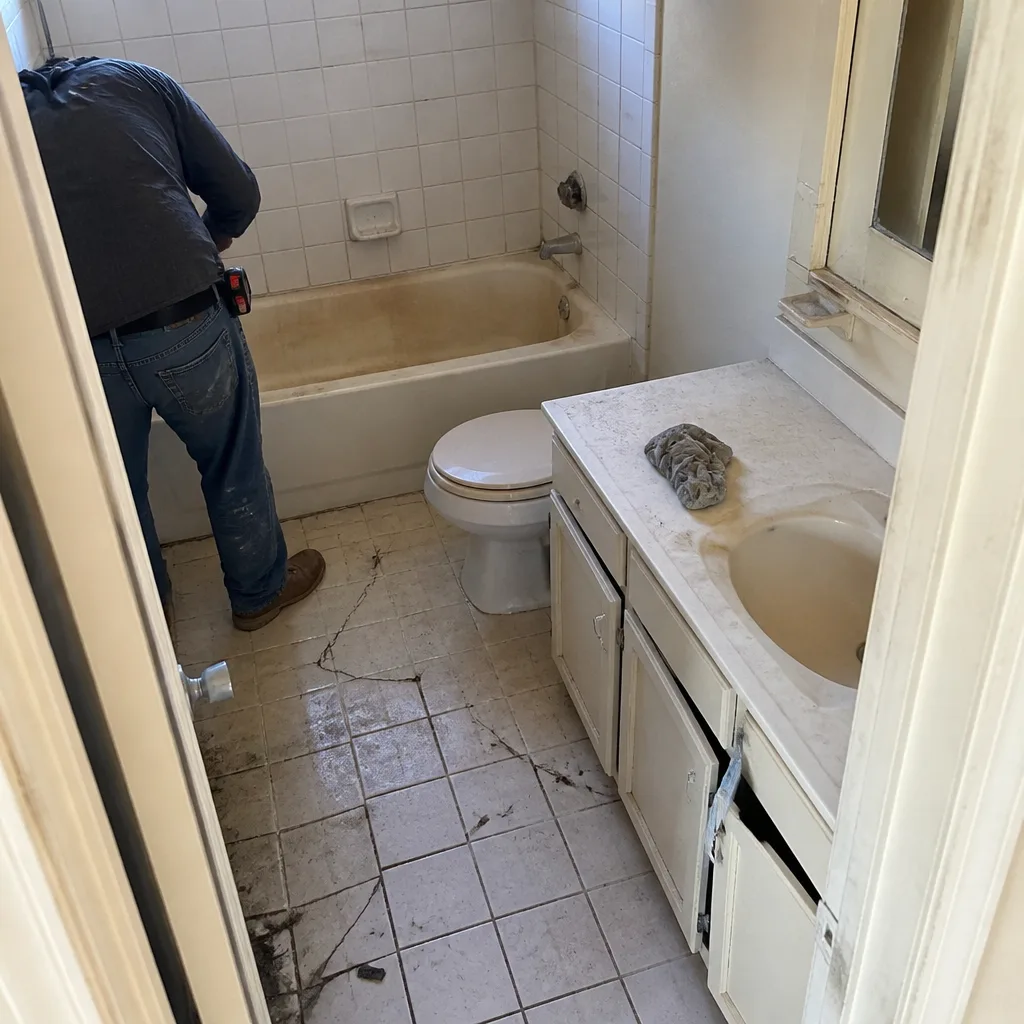 Before
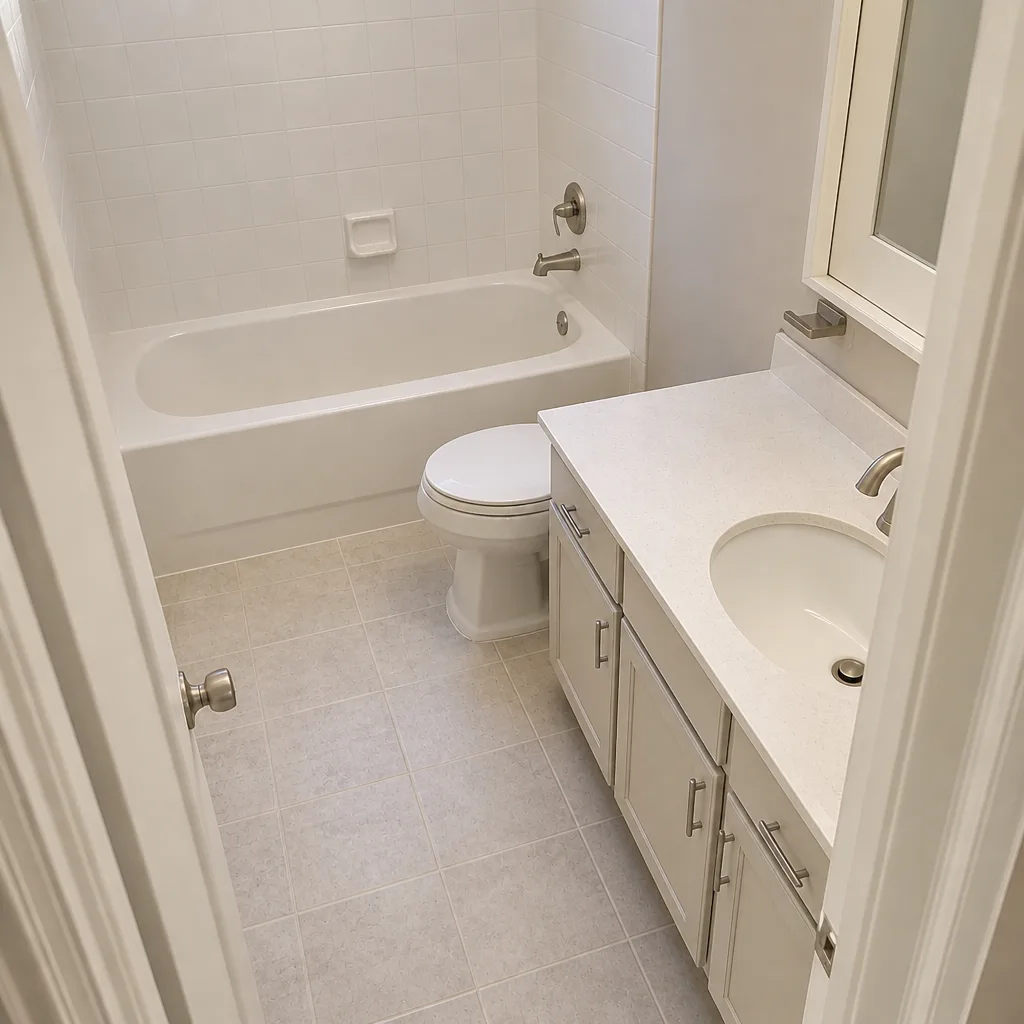 After
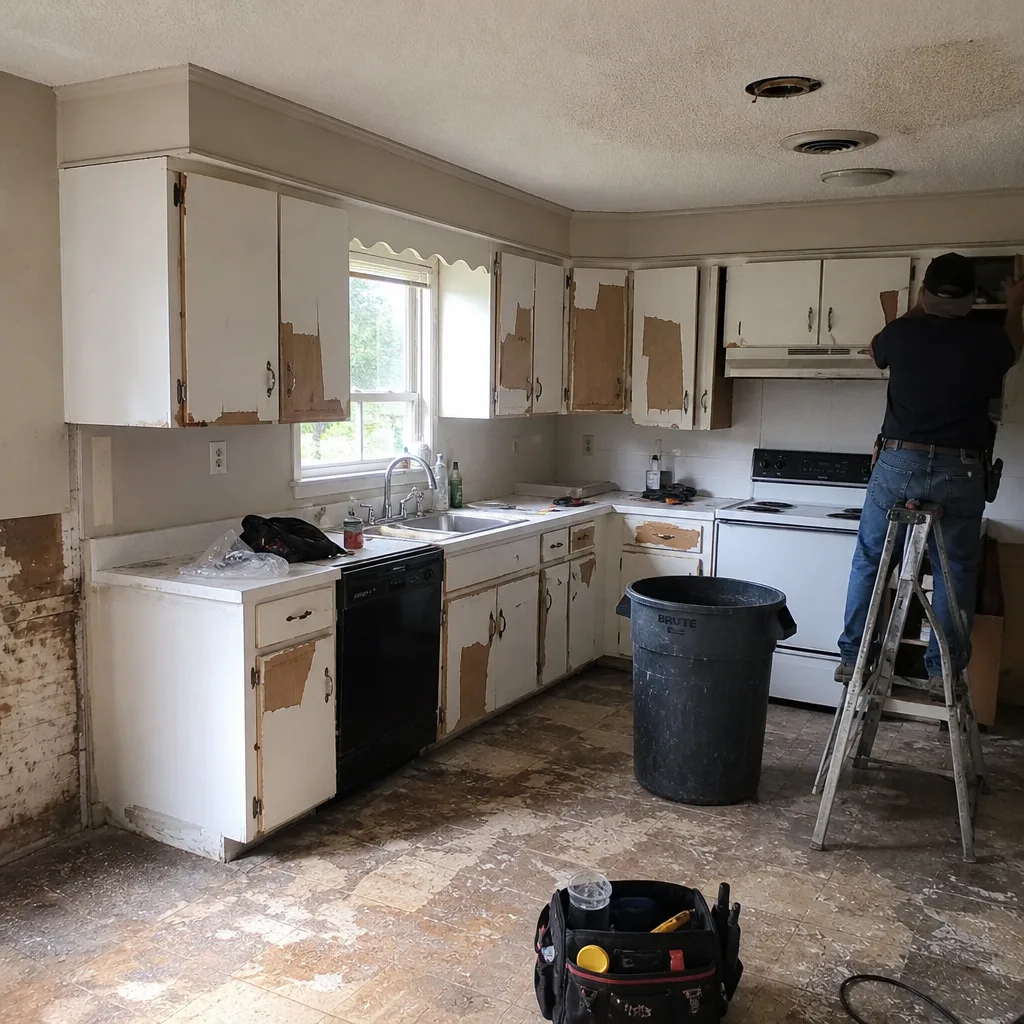 Before
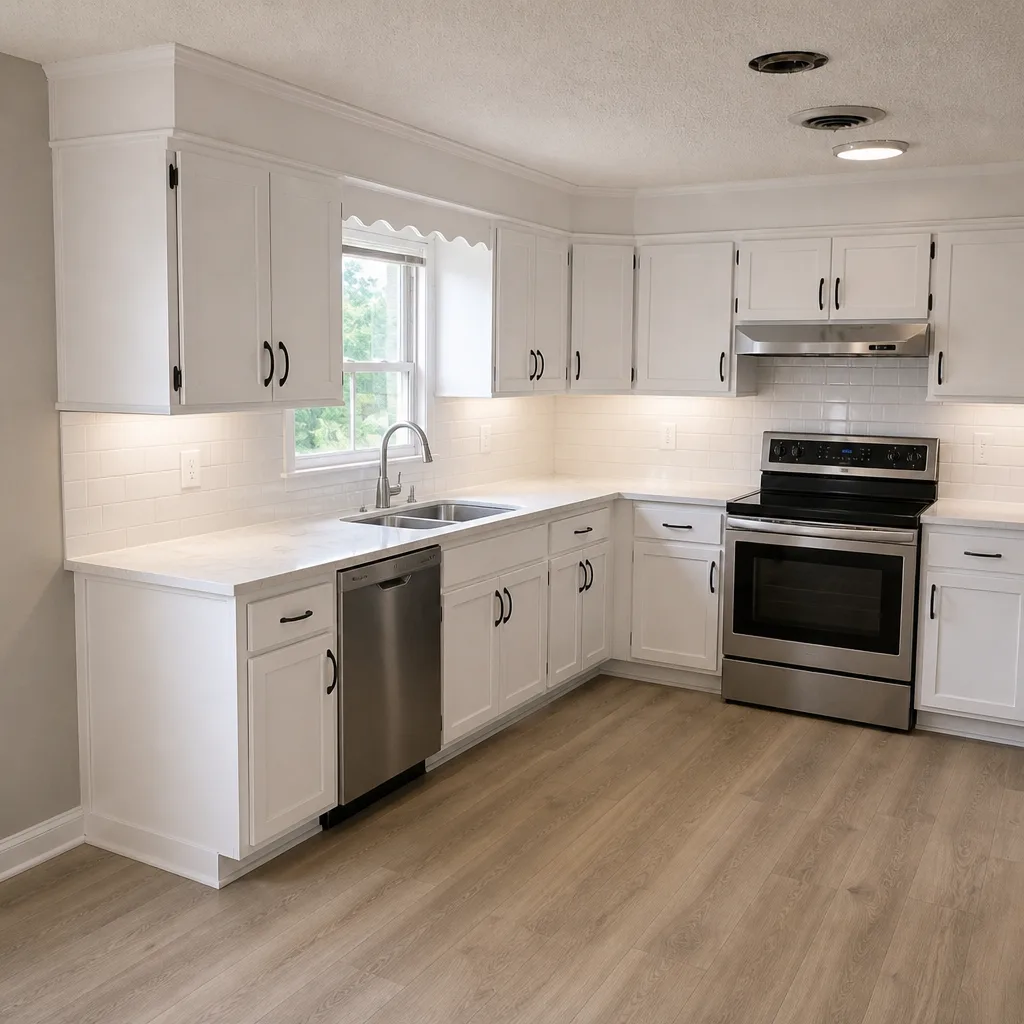 After
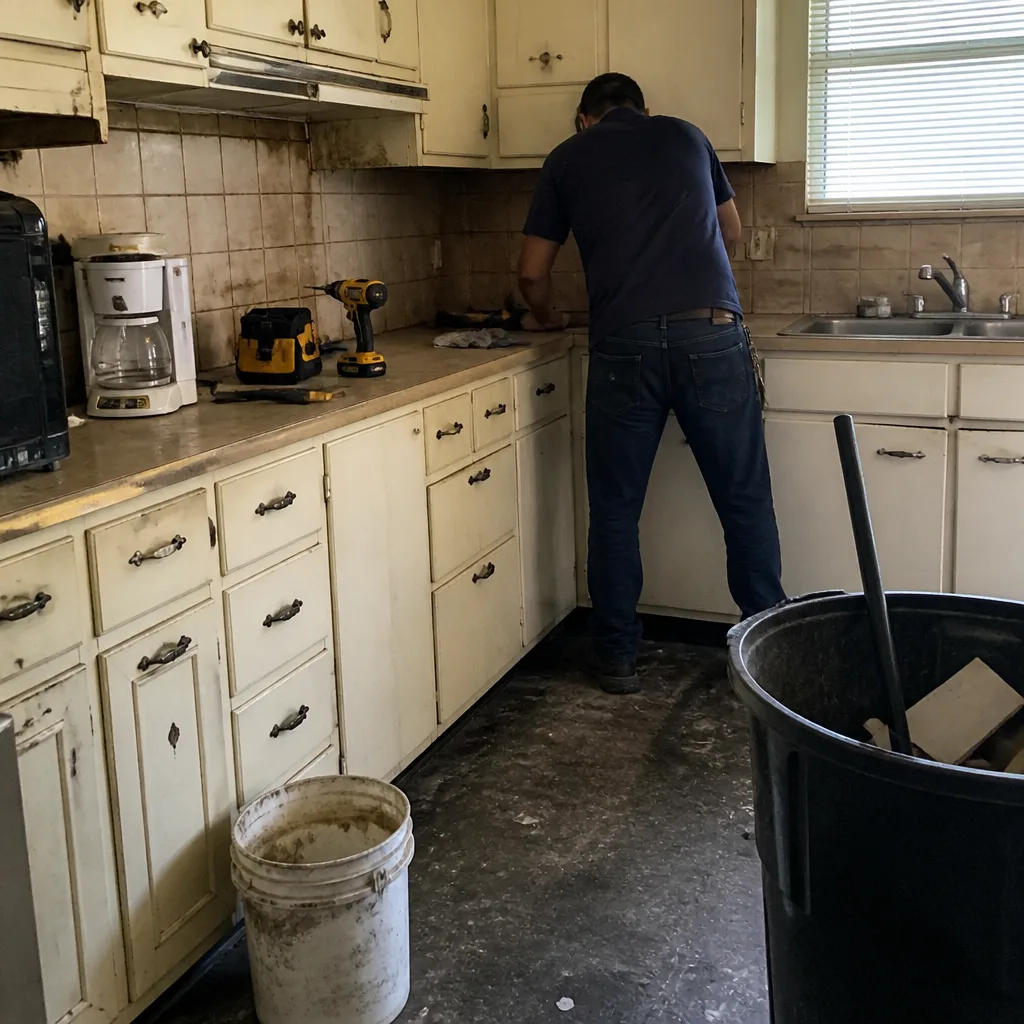 Before
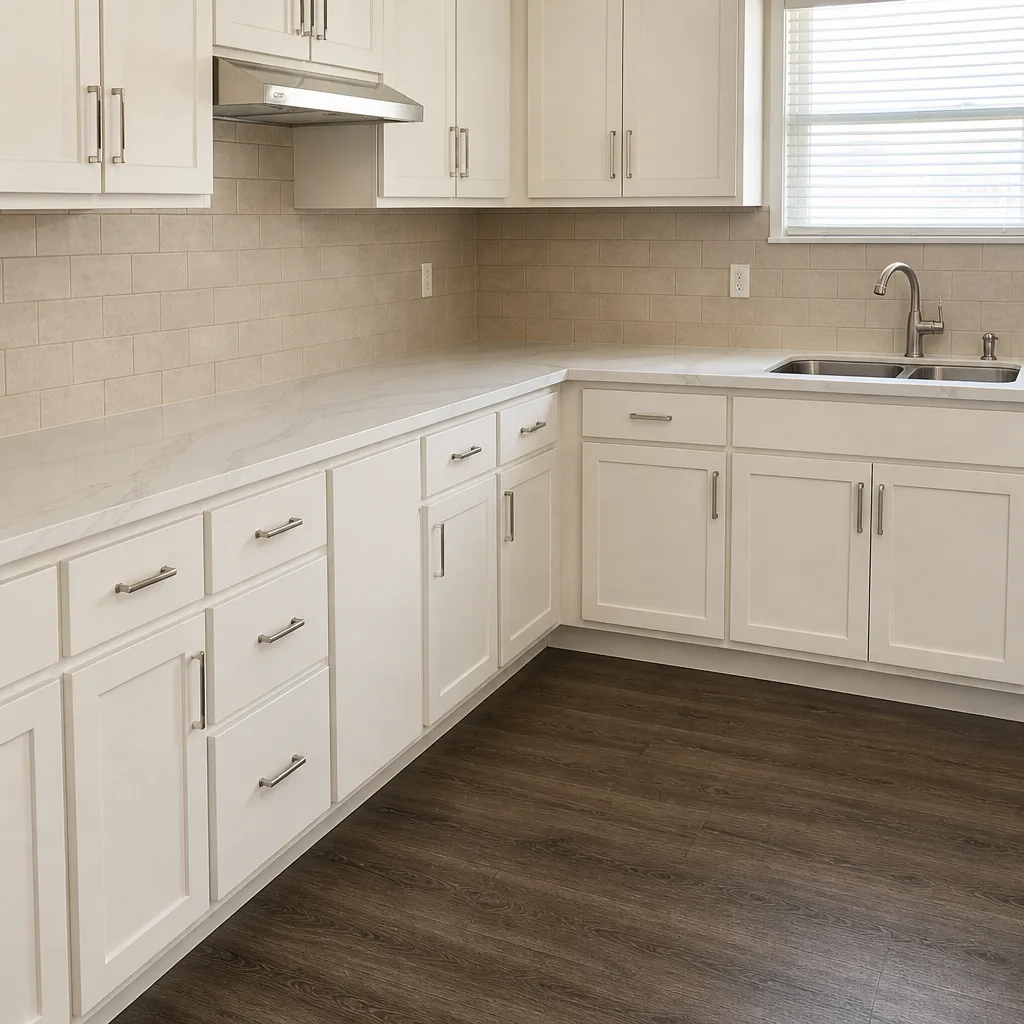 After
When to Call a Professional
Call a professional when the symptom shows up at the frame or the wall rather than at a moving part. That means: uneven gaps around a door, water at a window sill or under a frame, fog between panes on a window under warranty, a slider that sticks along the whole track, or any door that won’t lock because the strike no longer lines up. Those point to frame or installation issues that can’t be diagnosed from the inside and shouldn’t be diagnosed by replacement.
Also call when the fix you attempted last year didn’t hold. The same symptom coming back is a sign that the root cause was never addressed. It’s the single most reliable trigger to bring in someone who can test the assembly properly, pull the exterior apart, and put a diagnosis in writing.
Groundwork Construction Co. of Allen offers free estimates in Allen, and our technicians have up to 12 years of experience diagnosing window and door issues before deciding on a fix. Call (888) 343-9048 to schedule yours. We answer live, 24/7.
Frequently Asked Questions
Because the door and frame are moving with temperature, and in Allen that swing is large enough to close gaps on one side of the house and open them on another. Seasonal sticking that’s consistent and worsening is a sign of thermal expansion revealing a frame or hinge plane that has shifted. Call (888) 343-9048 for a diagnosis before you replace the hardware.
No, it’s a sign the insulated glass unit has failed, which is a glass replacement, not a window replacement. The frame can stay. If the window is still inside the manufacturer’s warranty, that’s the first thing to pursue. Call us if you want a second opinion on whether the frame is involved.
Often, yes. Most water infiltration we see in Allen comes from failed head flashing, cracked exterior sealant, or a rough sill that doesn’t drain, and all three are fixable without a new window. The key is finding the actual entry point with a proper water test. Resealing from inside won’t work.
Like-for-like replacements typically don’t require a permit, but changing the size of the opening or altering the structural frame almost always does. If your project involves enlarging an opening or reframing, the work needs a permit and an inspection to close it out. We pull permits when they apply and walk the inspection, so you’re covered either way.
Three signs point to foundation movement: the gap above the door is wider on one side than the other, the door both drags at the top corner and won’t clear the strike, and the same problem shows up in more than one exterior door on the same wall. Any of those means look at the house, not the door. Call for a professional diagnosis.
Not on a Groundwork project. Our pricing is upfront and the number you see is the number you pay, with no change orders added after the fact. If a hidden issue comes up that you should know about (rot at the rough opening is the most common one on window projects), we stop and show you before moving. Call (888) 343-9048 to schedule your free estimate.
The Bottom Line
Most window and door problems trace back to something other than the moving parts, and that’s the point of this guide. Match your symptom to the root cause before you spend money on hardware, glass, or replacement. Fog between the panes is glass, fog on the room side is humidity, wet sills are flashing, and doors that latch in winter but not summer are frames. In Allen, thermal expansion and clay soil foundation movement are behind more door and window problems than anything else, and getting that diagnosis right is what separates a fix from a repeat call. Groundwork Construction Co. of Allen does that diagnosis in writing before any work starts, and every project is covered by our 730-Day Done Right Promise. Built to last, backed in writing. If a fix has already failed once, that’s the sign to call us.
If your windows and doors project expands into an outdoor living space, our Driveway & Pavers in Allen and Fence Installation in Allen teams can handle the surrounding hardscape and fencing like Barrette and Master Halco options alongside the home improvements. Our technicians are background-checked and arrive in uniform. Pricing is upfront with no surprises, and current offers include $1,000 off projects over $10,000 and 0% financing for 18 months.
Call (888) 343-9048 for a free estimate. A live person answers, 24/7. From foundation to finish line, we handle the work and stand behind it in writing.
Written by the team at Groundwork Construction Co. of Allen.