Last updated November 18, 2026
Free written scope consultation - allowances, timeline, and change-order rules on paper before a single trade is scheduled
DIY vs Professional Construction: The Allen Homeowner’s Decision Guide
Some of the most expensive contractor calls we get come from homeowners who finished a DIY project, then discovered it triggered a permit requirement they didn’t know existed. Now they need a professional to both fix the work and navigate the City of Allen’s permit process, and the bill lands higher than if they’d hired out from the start. The DIY vs. professional question isn’t really about skill level. It’s about knowing which tasks in Allen’s regulatory and soil environment carry hidden downstream costs when done incorrectly, and which ones genuinely are homeowner-appropriate. This guide draws that line honestly, without pushing every task toward professional work.
Quick Answer
In Allen, DIY genuinely pays off for cosmetic work (painting, trim, fixture swaps, fence staining, paver sealing) and hands-on prep work, but it’s a losing bet for anything touching electrical panels, gas lines, structural framing, roofing, or the foundation-and-drainage equation that Allen’s expansive clay soil makes uniquely unforgiving. Texas law also draws hard lines: certain work legally requires a licensed contractor, and crossing that line can void your insurance and cloud your resale. The honest answer is hybrid – do the work you’re truly equipped for, hire out the licensed-trade scope, and factor in tools, waste, and the cost of fixing mistakes before you commit.
Styles & brands we work with
- Kitchen remodeling
- Bathroom remodeling
- Home additions & ADU
- Roofing
- Windows & doors
- Driveway & pavers
- Fence
Table of Contents
- Why Allen Is Different: Soil, Code, and Climate
- A Straight Table: Allen Projects Rated by DIY Viability
- The Projects Where DIY Genuinely Saves Money
- Where Texas Law Draws the Hard Line
- The Hidden Professional Cost Calculation
- How to Hybrid the Approach
- The Allen Permit Triggers Homeowners Miss
- When to Call a Professional
Why Allen Is Different: Soil, Code, and Climate
The general DIY advice you find online was written for a national audience, and it falls apart the moment it meets North Texas. Allen sits on the Blackland Prairie and its heavy, expansive clay soil. That soil swells and shrinks dramatically with moisture. It’s the reason a fence set in standard concrete can heave and lean within a couple of seasons, and why a paver driveway that wasn’t built on a properly compacted, engineered base will ripple and shift. What works in sandy or rocky ground often fails here.
Allen’s climate adds a second layer. We get torrential spring storms, hail that’s notorious across Collin County, and long dry summers that bake the ground. That cycle is brutal on anything exterior. A roof, a fence, or a driveway is a long-term structural system in Allen, not a weekend decoration. Getting the subsurface and the weather-resistance right matters more than how it looks on day one.
Then there’s the regulatory piece. The City of Allen enforces its own permitting and inspection schedule, and it’s tied to what your specific property is zoned for and how it’s platted. That’s why the same fence replacement that needed no permit in a neighboring town can require one on your lot, or why an interior wall removal needs documentation once it’s load-bearing. The neighborhood matters too. In established pockets like Twin Creeks and Watters Crossing, homes are now old enough that a “small” repair often reveals deferred work underneath. In newer west Allen subdivisions, HOA rules can layer on top of city code.
None of this is a reason to avoid DIY. It’s a reason to know the environment you’re working in. A homeowner in Allen who understands the clay, the storm cycle, and the permit triggers makes better decisions than one who follows generic advice.
A Straight Table: Allen Projects Rated by DIY Viability
Here’s the plain-language version we’d give a neighbor over the fence. Ratings factor in Texas licensing rules, Allen permit triggers, and soil-specific complexity – not just whether the task is hard.
- Interior painting: Highly DIY-friendly. No permit. Saves real money. No hidden downside.
- Cabinet refacing or painting: DIY-friendly with patience. No permit. Good return for the effort.
- Swapping light fixtures, outlets, and faucets: DIY-friendly only for like-for-like replacements on existing circuits and plumbing. New wiring or moving a water line is not.
- Fence staining and minor board replacement: DIY-friendly. Cheap, safe, no permit.
- Paver sealing: DIY-friendly. No permit, though the prep drives the result.
- Landscaping and beds: DIY-friendly, unless you’re regrading near the foundation (see below).
- Flooring (laminate, LVP over a flat slab): DIY-friendly on flat, dry slabs – which Allen’s clay soil doesn’t always give you. Check for moisture and level first.
- Building a fence from scratch: Difficult. Structural, exposed to Allen’s soil and storms, and often subject to HOA and height rules. Failures are expensive.
- Roof repair or replacement: Professional only. Hail climate, height, and code complexity. High injury risk.
- Full kitchen or bathroom remodel: Mostly professional. Multiple trades, permits, and inspection sequencing.
- Anything touching the electrical panel: Licensed professional only. Genuine fire hazard.
- Gas line work (ranges, water heaters, outdoor kitchens): Licensed professional only, per Texas law.
- Foundation leveling and drainage correction: Professional only. The clay makes this a specialty engineering problem.
- Home additions and ADUs: Professional only. Permits, engineering, and inspections are mandatory.
- Driveway replacement or major paver work: Professional only. Base preparation on expansive clay is the whole job.
Read that list and you’ll notice the split isn’t skill versus no skill. It’s about whether a mistake fails loudly later – on the foundation, the roof, or at the permit desk – or stays contained and fixable.
The Projects Where DIY Genuinely Saves Money
We’re not going to pretend every job needs us. There’s a real list of work in Allen where doing it yourself is smart, safe, and genuinely cheaper. If you’re reasonably handy and patient, these are fair game.
Painting is the clearest win. Interior paint has zero permit exposure and a modest failure cost. The labor is the expensive part, so a homeowner who does it well keeps most of the budget. The same goes for cabinet painting and refacing if you’re willing to prep properly – the results depend almost entirely on surface prep, not on special tools.
Like-for-like replacements are another honest DIY zone. Swapping a faucet, a light fixture, or an outlet for an identical or equivalent replacement on an existing circuit or water line is squarely homeowner work. The line to respect: the moment you’re running new wire, adding a circuit, or moving a water line, you’ve crossed into work that needs a licensed pro and, often, an inspection.
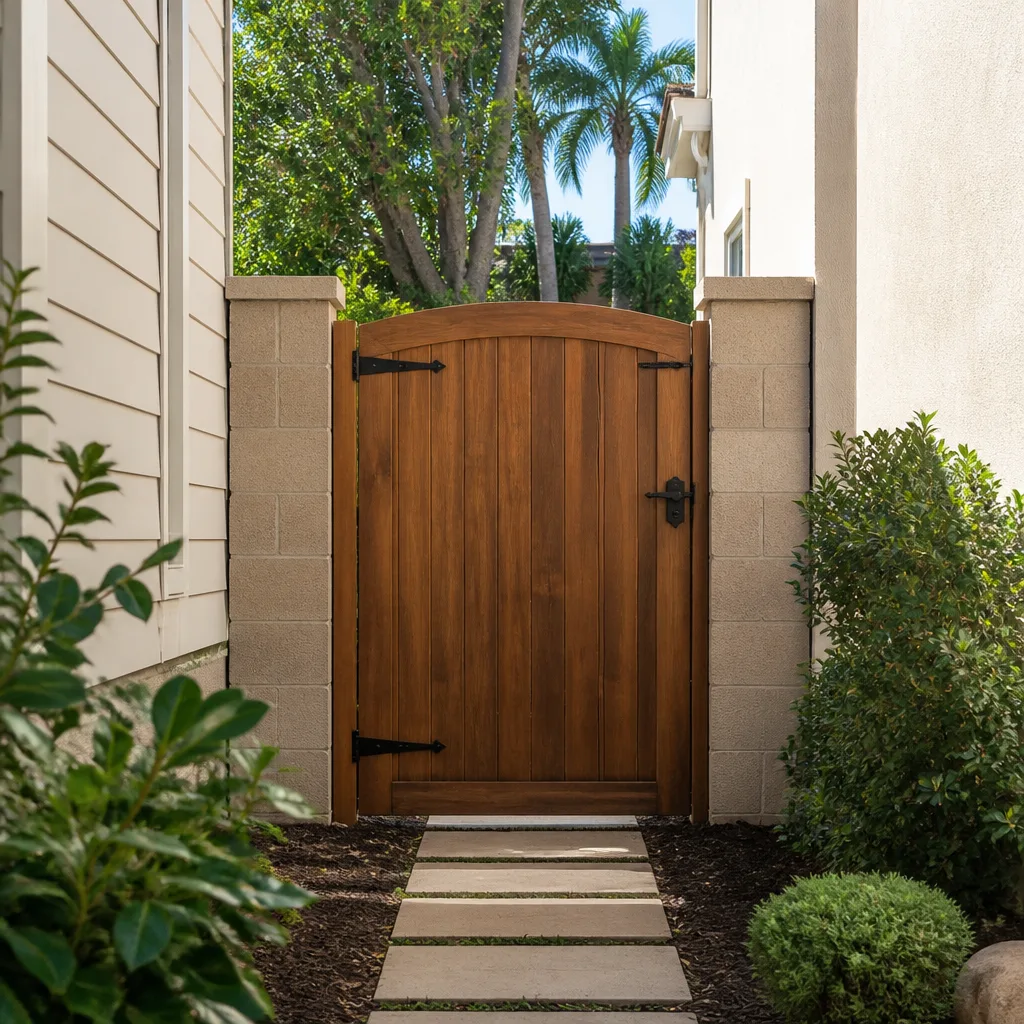
Fence upkeep is a real money-saver in Allen. Staining and sealing the boards, replacing a damaged picket here and there, resetting a loose gate – all fair game and worth doing. Storm damage occasionally knocks out a section of fence, and a homeowner who can safely replace a couple of boards saves a service call. What’s not a good idea is building a new fence from bare earth in Allen’s clay. That’s where posts heave and lines wander out of true.
Sealing a paver patio or walkway is DIY-friendly and costs little in tools. The prep – cleaning, re-sanding the joints, letting it dry – is the whole job, and it rewards patience. Same for landscaping and garden beds, with one caveat covered below: don’t regrade the soil near your foundation to “improve drainage” without understanding the slope, because in Allen’s clay you can make water problems worse instead of better.
Where Texas Law Draws the Hard Line
Here’s the part that surprises folks. Texas has real legal lines around certain work, and they’re not always obvious from a YouTube tutorial. Crossing them isn’t just a pride issue – it can affect your insurance and your ability to sell the home.
Electrical work beyond like-for-like replacement generally requires a licensed electrician and, in most cases, a permit and inspection. That includes new circuits, panel work, and anything involving the service entrance. Getting this wrong isn’t just a failed inspection – it’s a genuine fire risk, and insurers can deny claims tied to unpermitted, unlicensed work.
Gas work is a hard line. Connecting gas appliances, running new gas lines, and anything touching the gas system legally falls to a licensed professional in Texas. This is a safety matter first and a legal one second. We don’t recommend homeowners take on gas work under any circumstances.
Plumbing has similar boundaries. Swapping a faucet is homeowner work; moving supply or drain lines, installing a new water heater, or rerouting plumbing generally requires a licensed plumber and frequently an inspection. Structural work – removing a load-bearing wall, cutting into framing, altering the foundation – needs an engineer’s input and permitted inspections. And any work subject to a City of Allen permit must actually be permitted and inspected, regardless of who swings the hammer.
The risk of crossing these lines is concrete. Unpermitted work can surface during a home sale and force expensive remediation. It can void insurance coverage on a claim that traces to the work. And in the worst cases, it’s a safety hazard to your family. The line exists for a reason.
The Hidden Professional Cost Calculation
The most common DIY mistake we see is comparing a contractor’s bid to the cost of materials and stopping there. That’s not the real comparison. Here’s how to do the math honestly, because DIY often wins – but only after you’ve counted the full picture.
- Add tool and rental costs. A tile saw, a plate compactor, a scaffold, a nail gun, a concrete mixer – these aren’t in the material price. Price the rentals for the full duration, not an optimistic weekend.
- Add material waste. Experienced trades waste less because they’ve learned the cuts. Budget 10 to 15 percent waste on tile, lumber, and pavers. Buying a second batch rarely matches the first exactly.
- Value your own time. A job that takes you three weekends has a real cost, even if no one invoices you for it. Be honest about the hours and whether you’d rather have them back.
- Price the fix-it scenario. If a pro has to redo the work, you’re now paying for both attempts. For high-risk projects, that probability is the single biggest line item and the one homeowners skip.
- Add permit and inspection fees if the work triggers them. These apply to a licensed pro’s work too, but if you avoid a permit thinking DIY skips the requirement, you’ve just created a liability, not a saving.
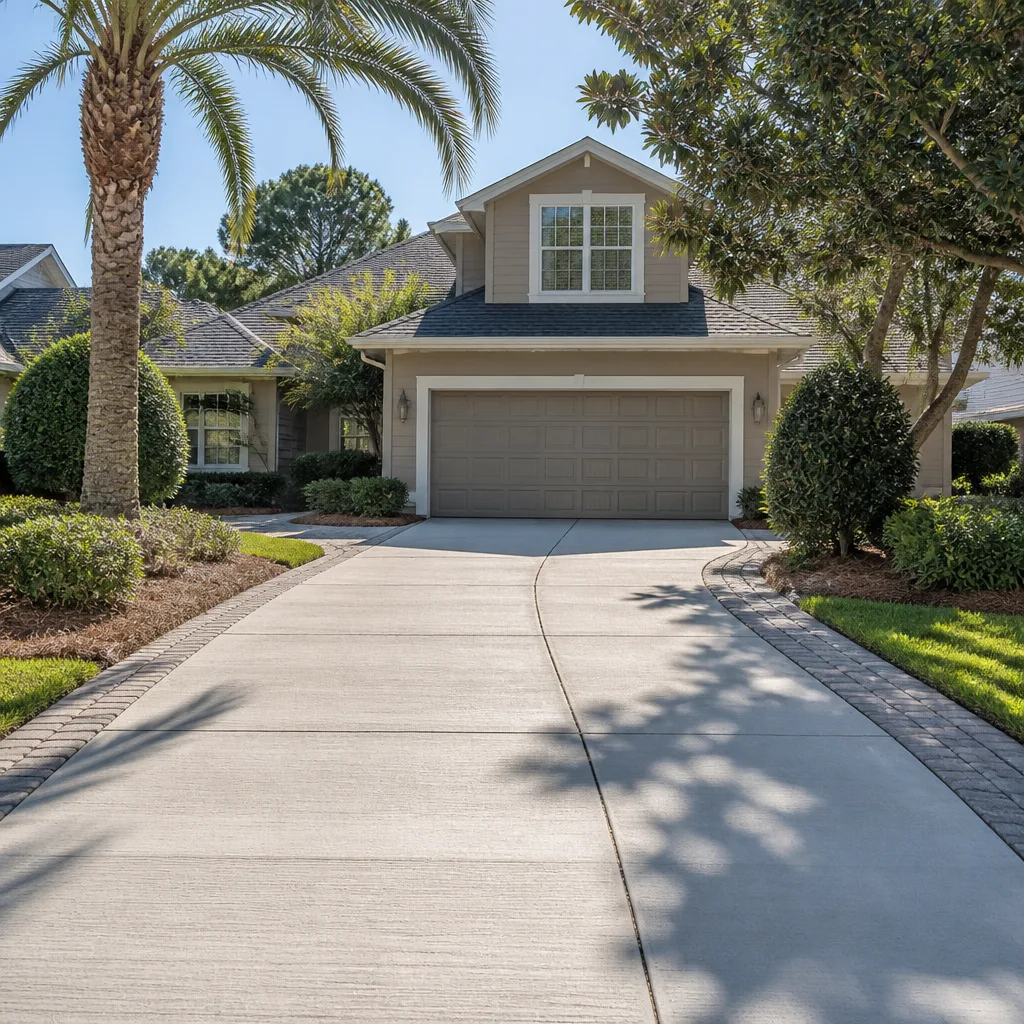
Run those numbers on painting or paver sealing and DIY usually wins big. Run them on a fence, a roof, or anything with a permit, and the professional bid often looks cheaper than the honest DIY number once waste, tools, and risk are counted. Our Driveway & Pavers in Allen work is a good example – the material looks affordable, but the engineered base on Allen’s clay is where the value lives, and skipping it turns a saving into a redo.
How to Hybrid the Approach
The best outcome for most Allen homeowners isn’t all-DIY or all-professional. It’s a clean split: you handle the prep and demo that doesn’t require a license, and a pro handles the scope that does. You save real labor dollars without touching liability or compliance.
Here’s how a hybrid typically breaks down on a remodel. Homeowners can demolish and haul out the old materials, pull out cabinets and fixtures, remove flooring and trim, stage the site, and handle the finish painting once the trades are done. That’s meaningful savings, and it’s all legitimate homeowner work. The licensed and technical scope – electrical, plumbing, gas, framing, drywall finishing, tile setting, anything needing an inspection – stays with people who are equipped and accountable for it.
The key to making a hybrid work is agreeing on the split in writing before work starts. A pro needs to know what you’re handling and when, because scheduling collisions are where hybrid projects go sideways. Be clear, put it in the bid, and build slack into the timeline. If you want a sense of the professional side of a hybrid project, our Home Additions & ADU in Allen pages show how the trades sequence, and why the licensed scope can’t reasonably be carved off. Hybrid is a way to trim cost on the work that’s genuinely yours – not a way to save by quietly doing someone else’s licensed trade.
A good rule of thumb: if the task can’t cause a permit failure, a safety hazard, or a warranty problem, it’s hybrid material. If it can, it stays on the pro side. Our Fence Installation in Allen work is a good case study – homeowners do the staining and minor repairs, and the build-from-scratch structural work is where the professional scope earns its keep in Allen’s soil.
The Allen Permit Triggers Homeowners Miss
The permit question is where DIY projects quietly turn into expensive contractor calls. Not because homeowners are careless, but because Allen’s permit rules depend on the specific property, what’s being built, and how it’s platted – not just the type of work. Here’s where people commonly get caught.
- Fences above the height limit, or on corner lots / easements. A fence that seems simple can require a permit and a site review. Corner lots and properties with utility or drainage easements have extra rules. Replacing a fence “in place” isn’t automatically exempt.
- Decks, patios, and covered structures. A deck or a covered patio beyond a certain size, or one that needs footings, can trigger a permit. In Allen’s clay, footing design is the whole game.
- Interior wall removals. A wall that turns out to be load-bearing flips an easy DIY job into an engineering and permit situation. You don’t know until the wall is open.
- Sheds, garages, and ADU-type structures. Size, placement, and utility hookups all affect whether a structure needs a permit and inspection. Hookups for plumbing or electrical almost always do.
- Retaining walls. A wall that holds back soil above a modest height typically needs a permit, and in Allen it also needs proper drainage. A failed retaining wall in clay can take a lot with it.
- Roofing and re-roofing. Permit requirements vary with the scope and the material. Skipping the permit on a re-roof can come back at resale.
- Anything electrical, plumbing, or gas beyond like-for-like. These almost always carry a permit and an inspection.
When in doubt, call the City of Allen’s permit office before you buy materials. If that call comes back with something you didn’t expect, that’s exactly the moment to bring in a pro – and our Groundwork Construction Co. of Allen home page is a reasonable place to start understanding how we handle Allen permits and inspections end to end.
Common Mistakes to Avoid
- Assuming no permit means no rules. Allen has permit triggers tied to your property’s zoning and platting, not just the type of project. What’s exempt on one lot can require a permit on another.
- Building a fence or deck without accounting for clay soil. In Allen, posts set in standard concrete in expansive clay heave and lean within a season or two. If you don’t build for the soil, you rebuild sooner.
- Comparing a pro’s bid to bare material cost. That’s not the comparison. Add tool rental, waste, your time, and the probability of a redo before deciding DIY is cheaper.
- Taking on panel, gas, or structural work yourself. This is a legal and safety line in Texas, not a skill test. Permits, licenses, and inspections aren’t optional.
- Regrading the lot to “fix drainage.” In Allen’s clay, a well-intended regrade near the foundation can push water toward the house instead of away, creating foundation problems that cost far more than the DIY saved.
- Going it alone on foundation leveling. Clay soil makes foundation movement a specialty engineering problem. Watch-and-learn is fine; DIY leveling is not.
- Not agreeing on the hybrid split in writing. If you’re doing the demo, put it in the bid with a schedule, so the trades and the inspections don’t collide with your work.
See the difference
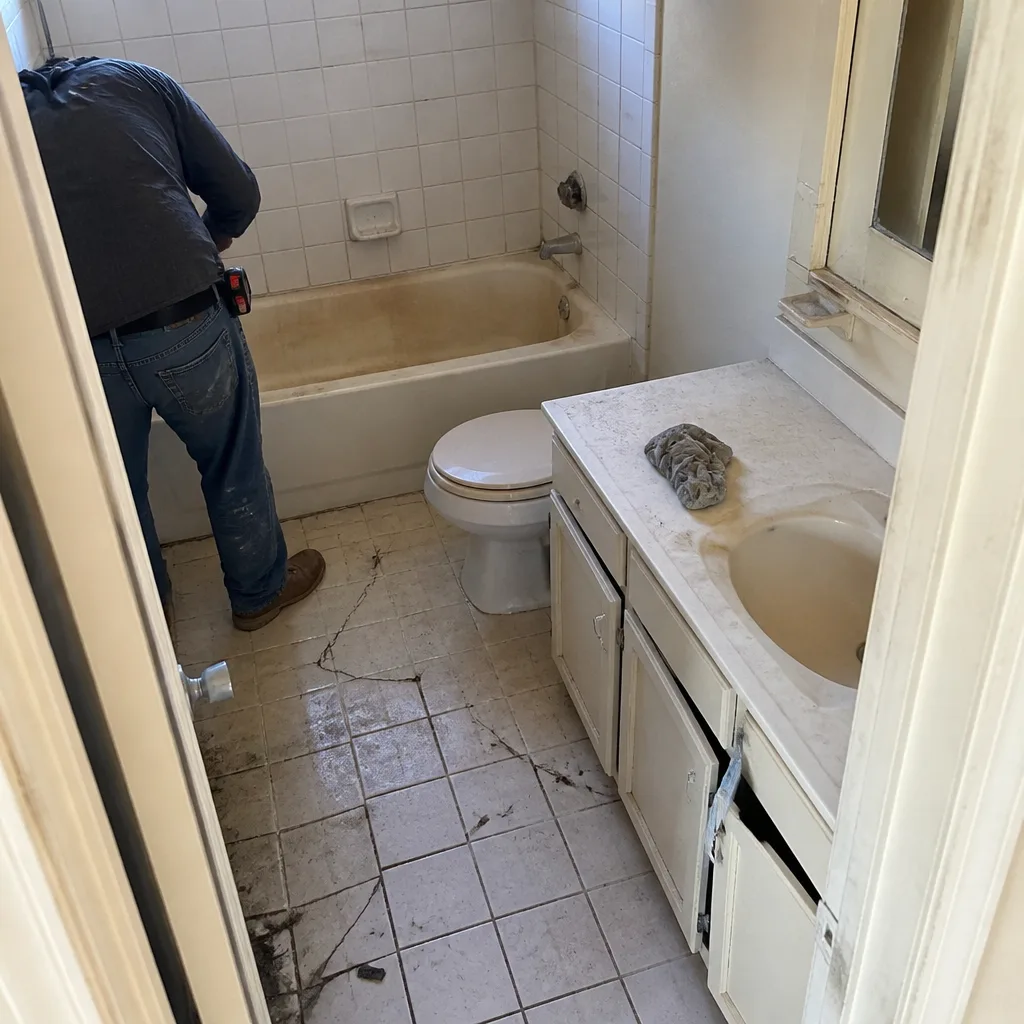 Before
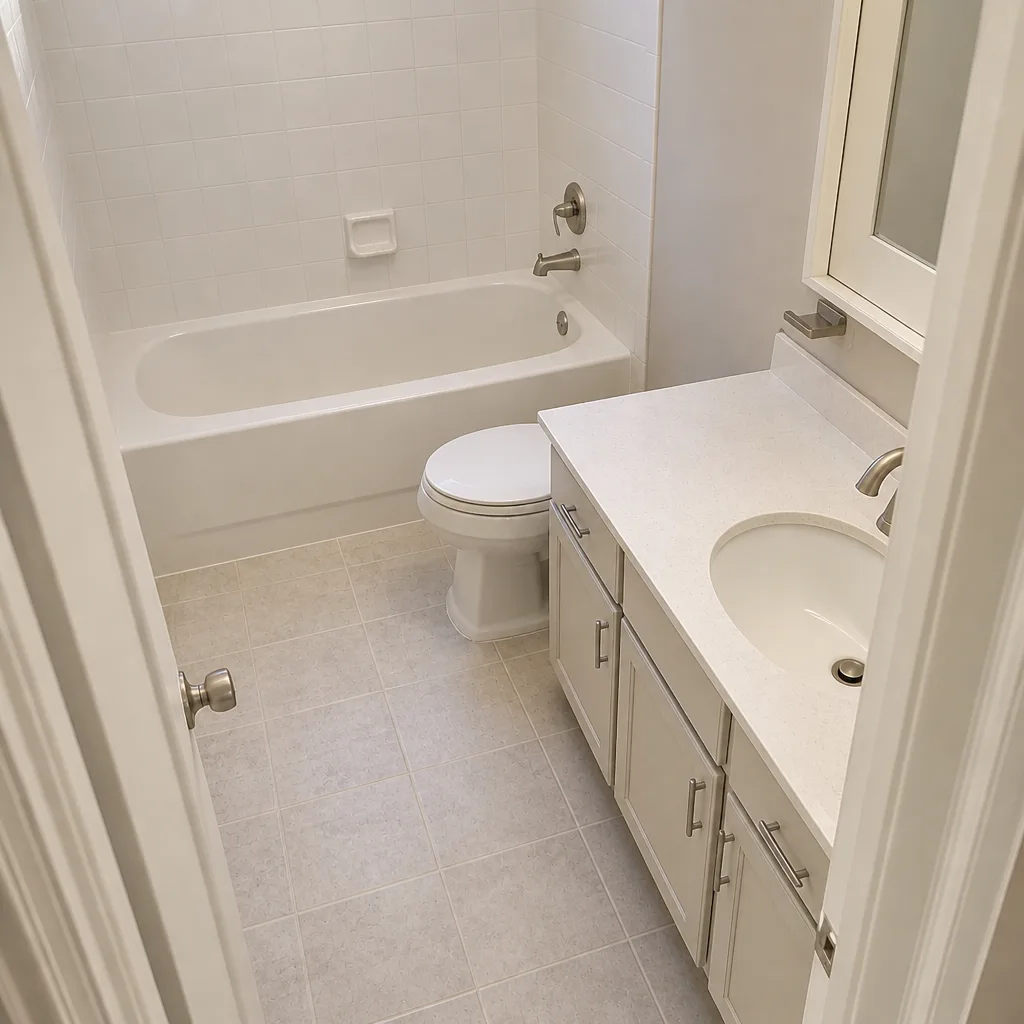 After
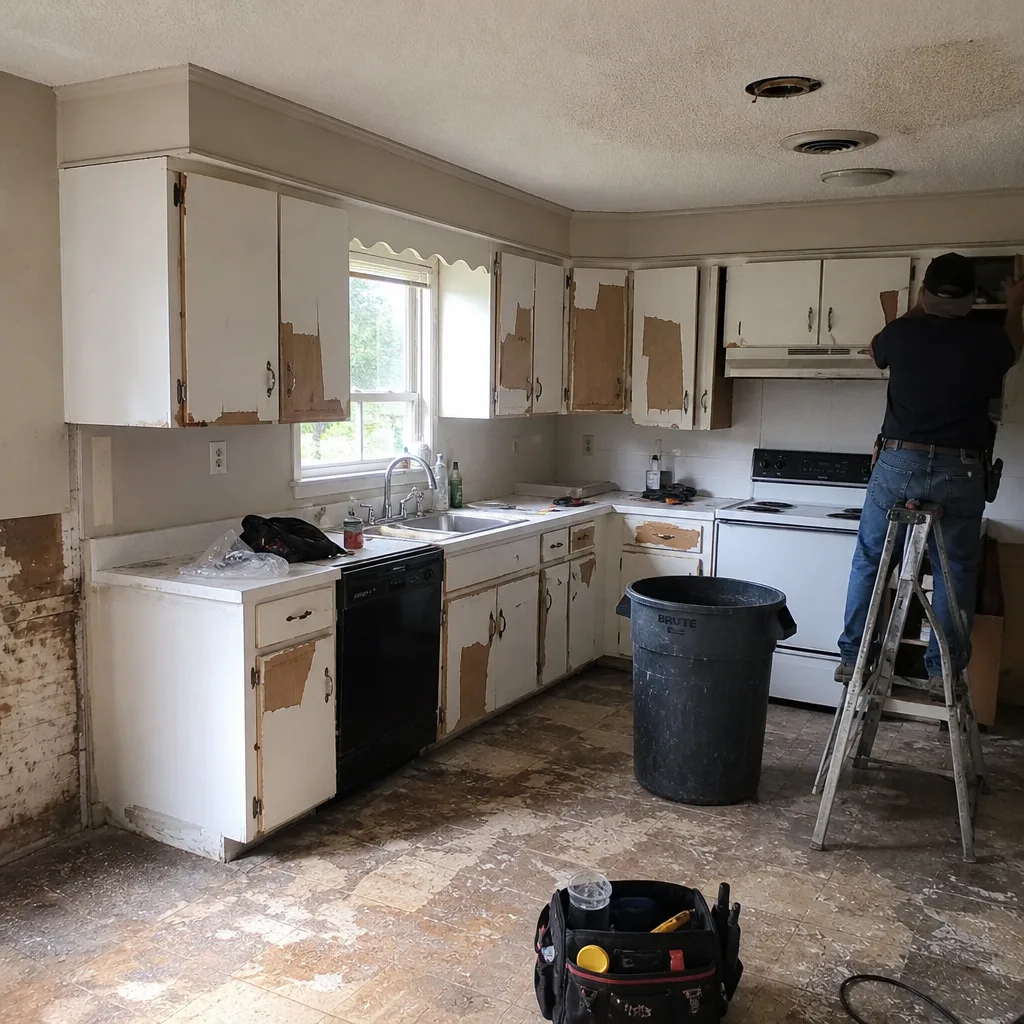 Before
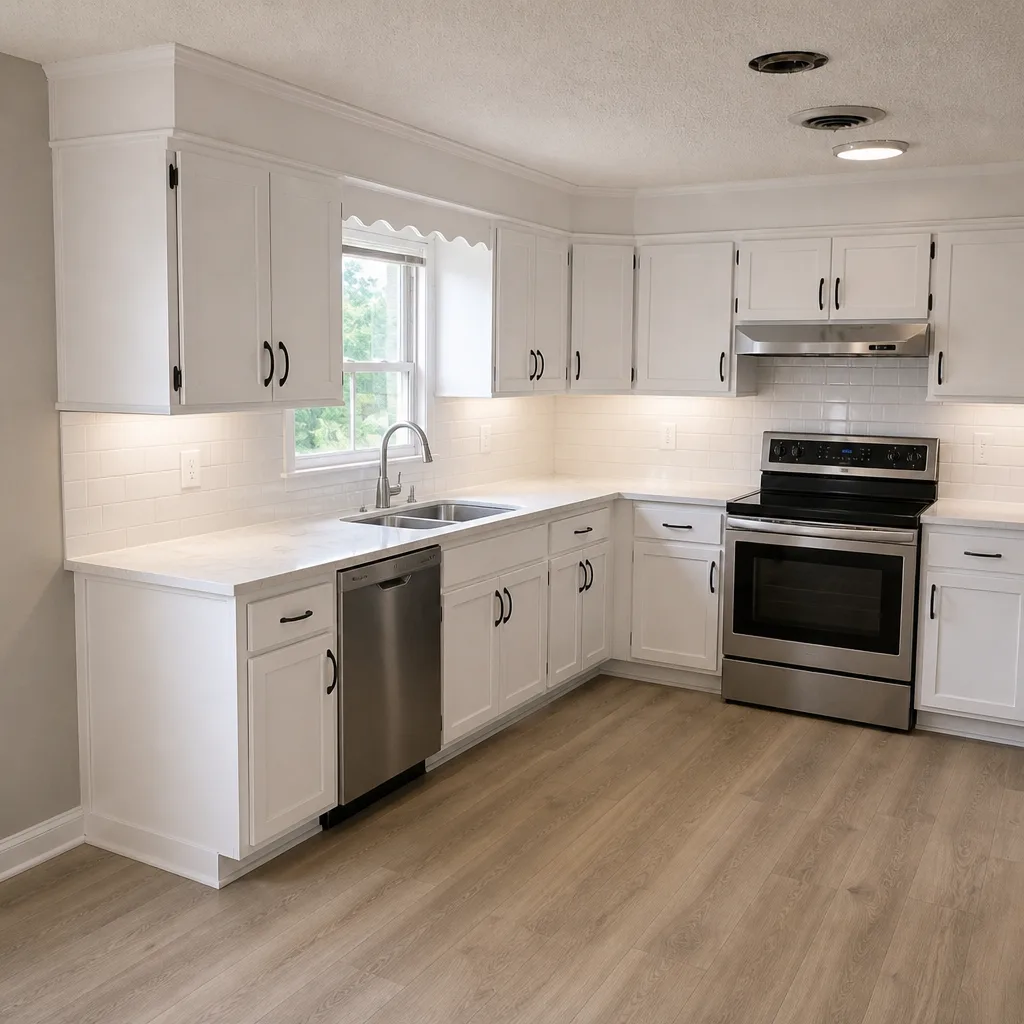 After
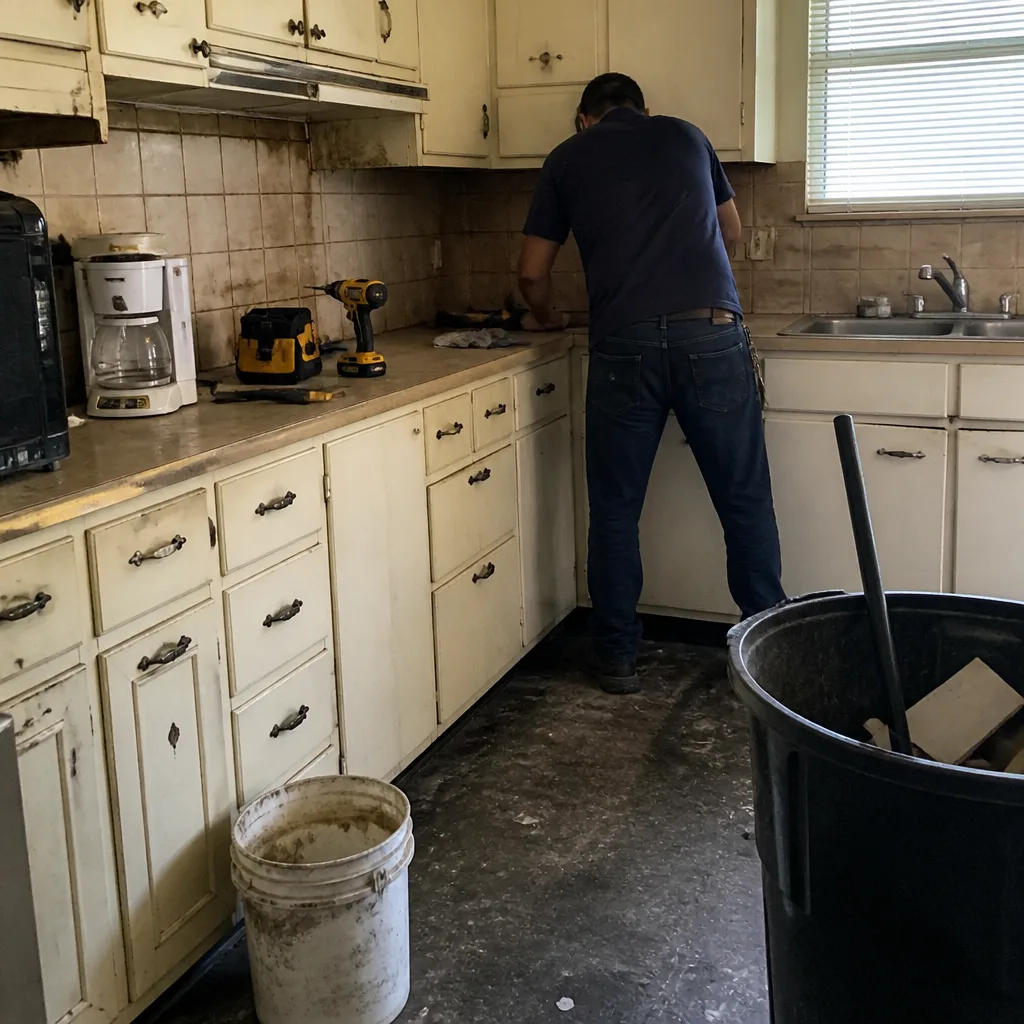 Before
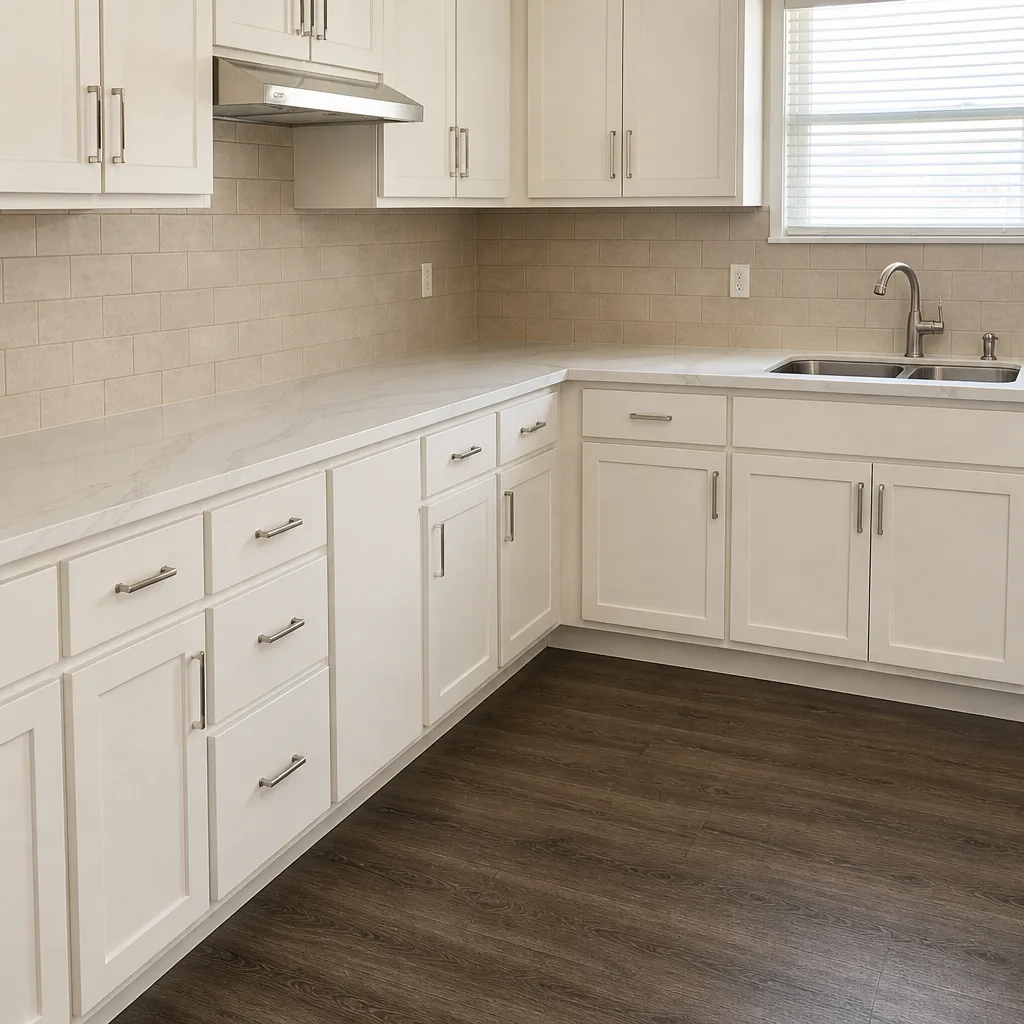 After
When to Call a Professional
Call a professional when the work touches a licensed trade, when it triggers a permit and inspection, or when a mistake would fail on your foundation, roof, or at resale. Concretely: anything on the electrical panel or new circuits, any gas work, structural or load-bearing changes, roofing in Allen’s hail and storm climate, foundation leveling and drainage correction, building a new fence or driveway on clay soil, and every home addition or ADU. Those aren’t skill challenges – they’re liability and safety lines. For anything inside those boundaries, you’re allowed to save money doing it yourself, and we’ll tell you so.
Groundwork Construction Co. of Allen offers free estimates in Allen, backed by our 730-Day Done Right Promise, upfront pricing with no surprises, and calls answered by a live person 24/7. Call (888) 343-9048.
Frequently Asked Questions

For cosmetic work like painting, trim, like-for-like fixture swaps, and fence staining, no permit is typically needed – but anything that changes a structure, adds or moves electrical, plumbing, or gas, or crosses Allen’s size and height thresholds generally requires one. The permit rules depend on your specific property and zoning. Call the City of Allen permit office before you start, or call us at (888) 343-9048 and we’ll point you in the right direction – estimates are free.
Like-for-like replacements on an existing circuit are homeowner work in Texas, but new circuits, panel work, and the service entrance require a licensed electrician and usually an inspection. Panel and wiring work is a genuine fire hazard, so we don’t recommend homeowners take it on. If you’re unsure which side of the line a project sits on, call us at (888) 343-9048 for a free estimate.
Interior painting, cabinet painting and refacing, like-for-like fixture swaps, fence staining and minor board replacement, paver sealing, and landscaping all save real money without permit or safety exposure. The key test is whether a mistake stays contained and fixable. When it can’t, or when a permit is involved, call us at (888) 343-9048 – estimates are free.
It can, if the work was unpermitted where a permit was required, or if it fails an inspection at sale. Unpermitted electrical, plumbing, structural, or roofing work is a common source of trouble in North Texas closings. Doing cosmetic DIY well helps resale; doing licensed-trade work yourself risks it. Call us at (888) 343-9048 if you’re unsure about a project before you sell.
It depends on height, placement, and whether your property is a corner lot or sits on an easement – those trigger permits and site review. Replacing a fence in place isn’t automatically exempt. Confirm with the City of Allen before you buy material; if the answer surprises you, call us at (888) 343-9048 and we’ll walk through what’s allowed.
The line runs where a mistake can cause a permit failure, a safety hazard, or a warranty problem – electrical beyond like-for-like, gas, plumbing relocation, structural changes, roofing, foundation and drainage, and any build-from-scratch exterior on Allen’s clay. If your project is inside that line, DIY is fair game. If it’s outside, call us at (888) 343-9048 for a free estimate – the number you see is the number you pay.
The Bottom Line
The right DIY vs. professional decision in Allen comes down to whether a mistake will fail on your foundation, roof, or at the permit desk later – not whether you’re handy. Do the work inside that line yourself: painting, cabinets, fixtures, fence upkeep, paver sealing, and finishing. Hire out the licensed and structural scope: electrical panels, gas, plumbing relocation, roofing, foundation and drainage, and any build-from-scratch exterior in clay. Run the hidden-cost math before you commit, and hybrid the rest by owning the prep and demo that trims labor without touching liability. Wherever the pro side begins, Groundwork Construction Co. of Allen backs the work with our 730-Day Done Right Promise and upfront pricing – call (888) 343-9048 for a free estimate and a straight answer on your project.
Written by the team at Groundwork Construction Co. of Allen.