Last updated November 18, 2026
Free written scope consultation - allowances, timeline, and change-order rules on paper before a single trade is scheduled
Construction Cost Breakdown: The Allen Homeowner’s Reference for 2026
Most cost guides hand you a range so wide it can’t be used for anything. “Fifteen to fifty dollars per square foot” is not a budget – it’s a shrug. When a contractor gives you a number without showing you the math, you have no way to evaluate whether you’re being priced fairly or priced as a mark. Transparent line-item pricing isn’t a luxury. It’s the minimum standard for making an informed decision on the biggest check most of us ever write. This guide breaks down what projects actually cost in the Allen market for 2026, trade by trade, line by line, and explains which variables push the numbers up or down.
Quick Answer
In Allen, a full kitchen remodel in 2026 typically runs $65,000 – $110,000, a roof replacement $14,000 – $26,000, and a concrete driveway $9,000 – $18,000 depending on size and finish. The largest cost swing in Collin County right now isn’t materials – it’s labor and subcontracted trade availability, which carries a real scheduling premium in a growth market. The guide below breaks every major project into its actual line items so you can see where the money goes.
Styles & brands we work with
- Kitchen remodeling
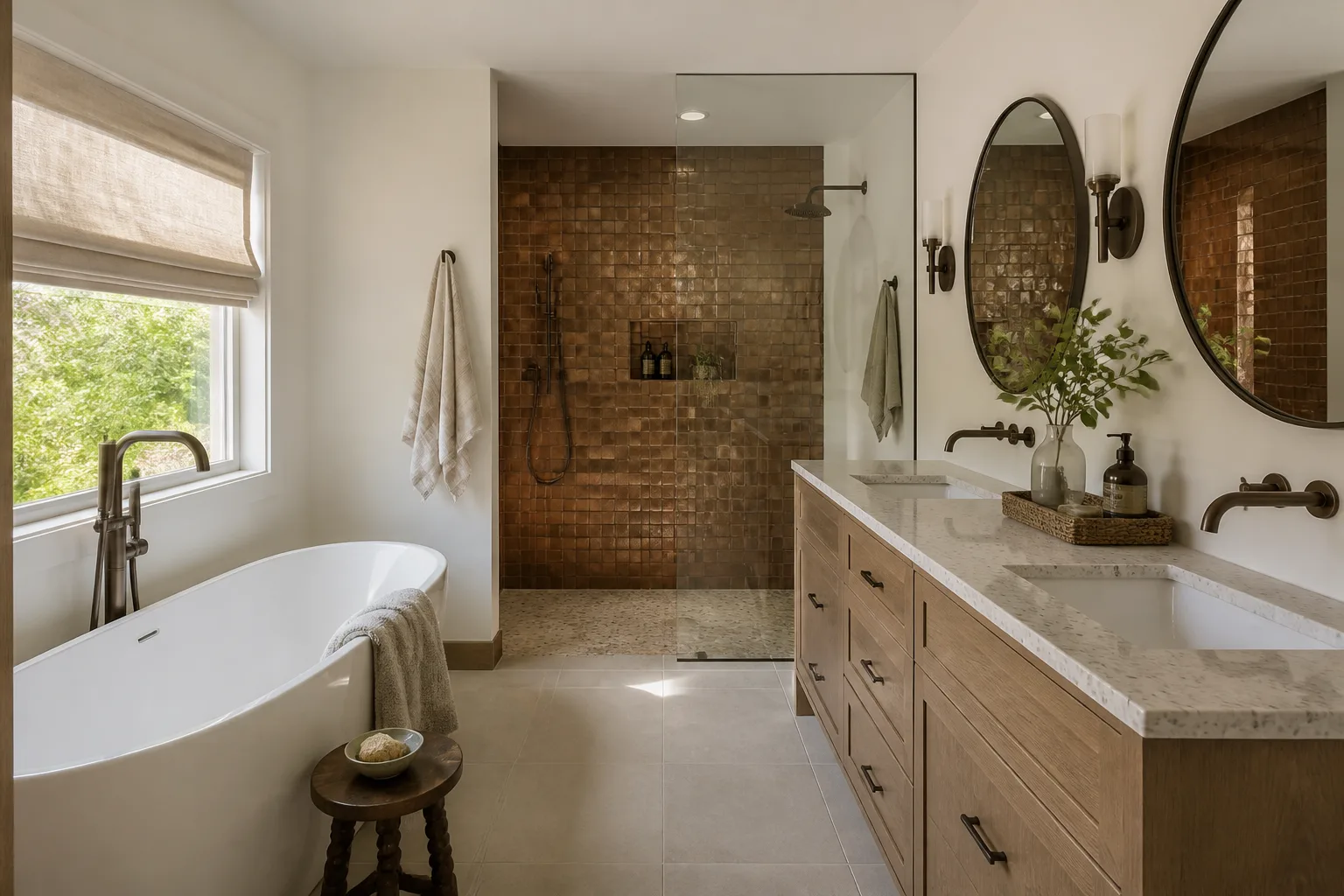
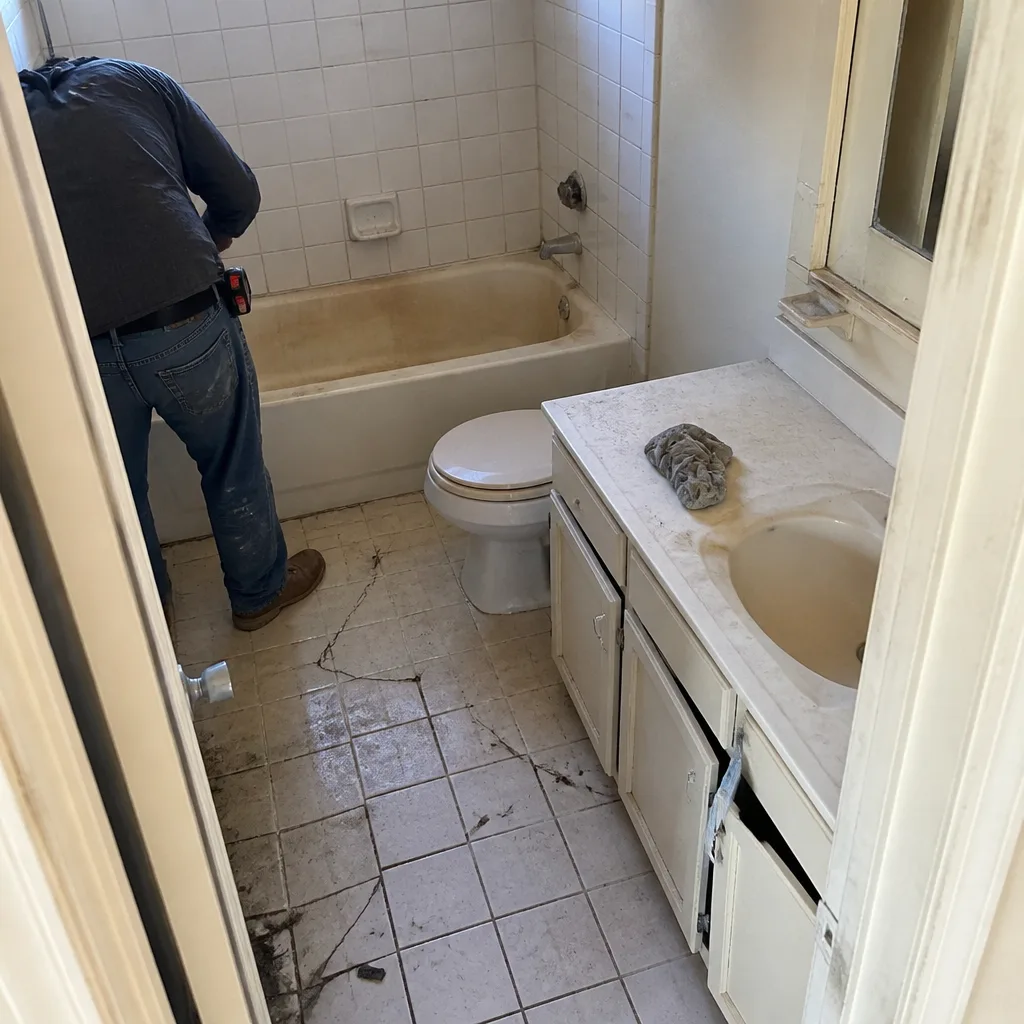
- Bathroom remodeling
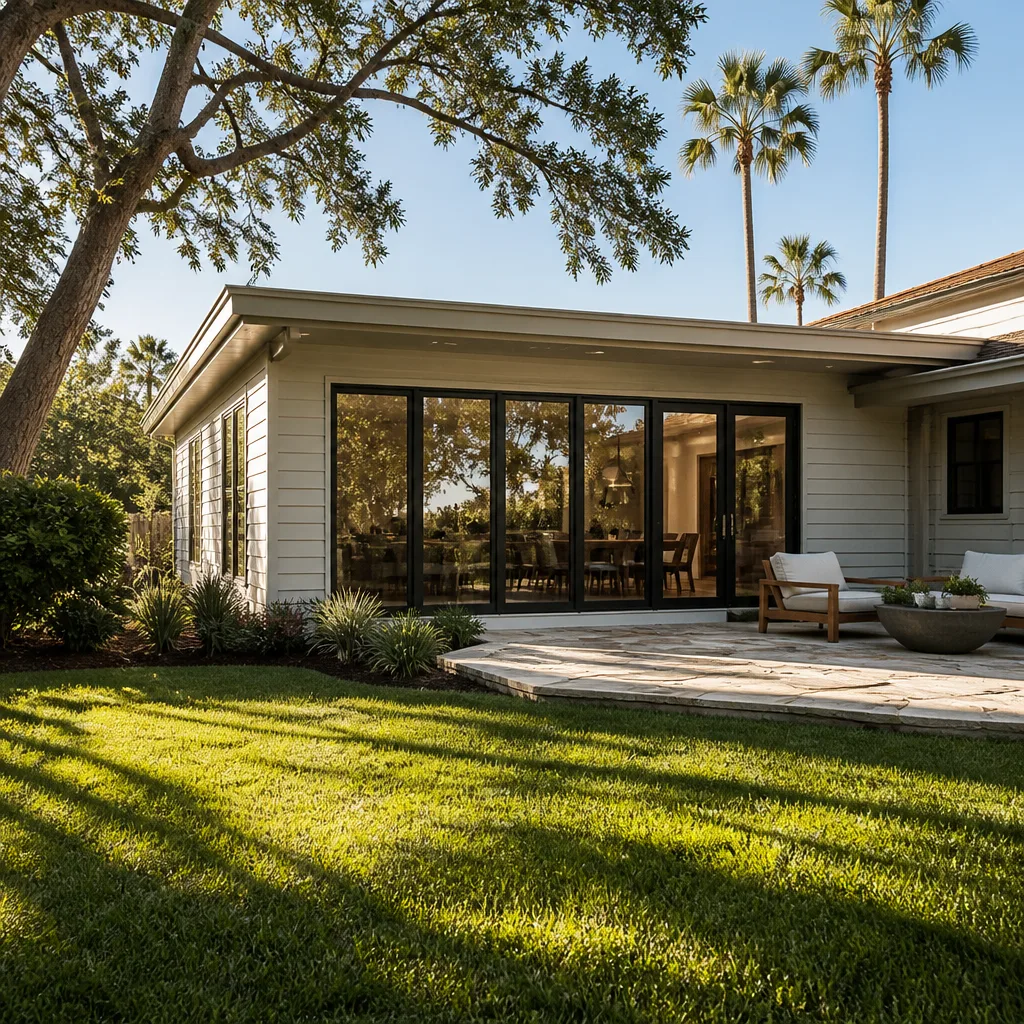
- Home additions & ADU
- Roofing
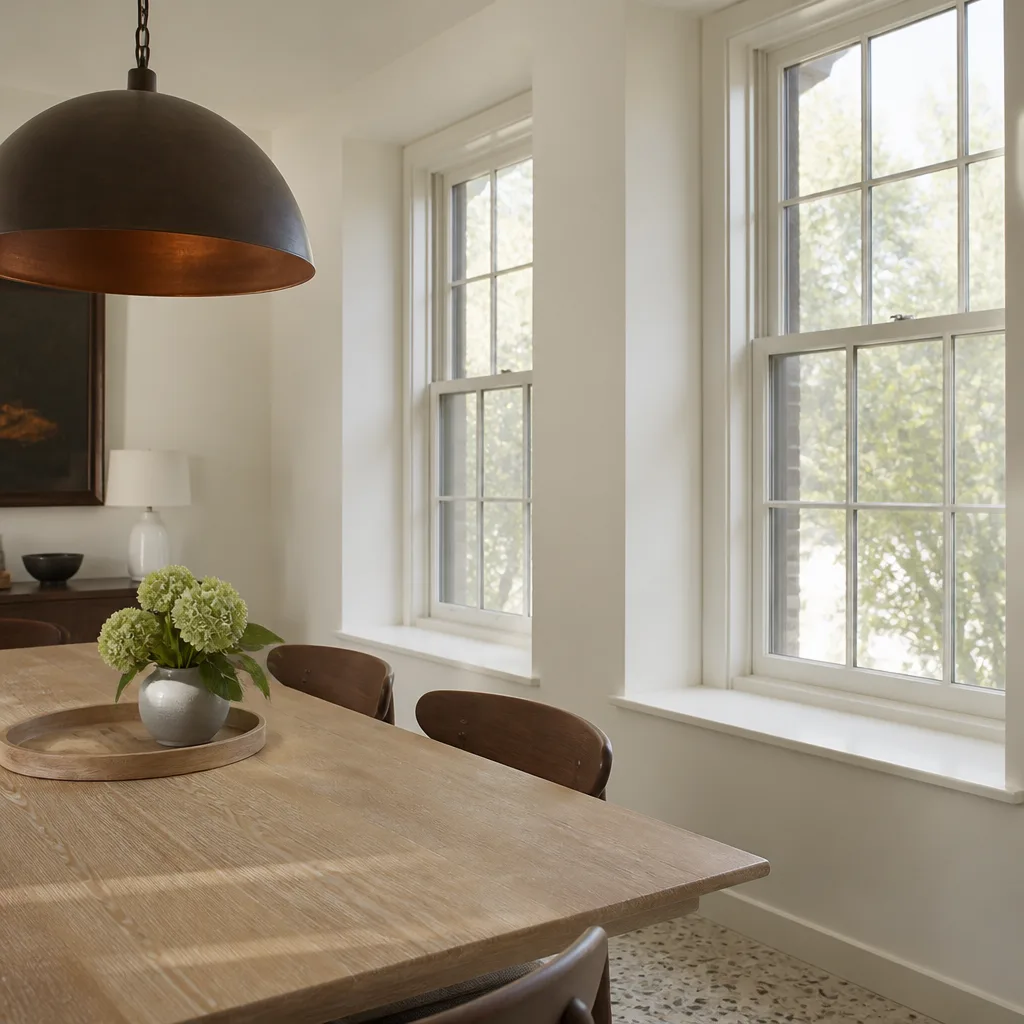
- Windows & doors
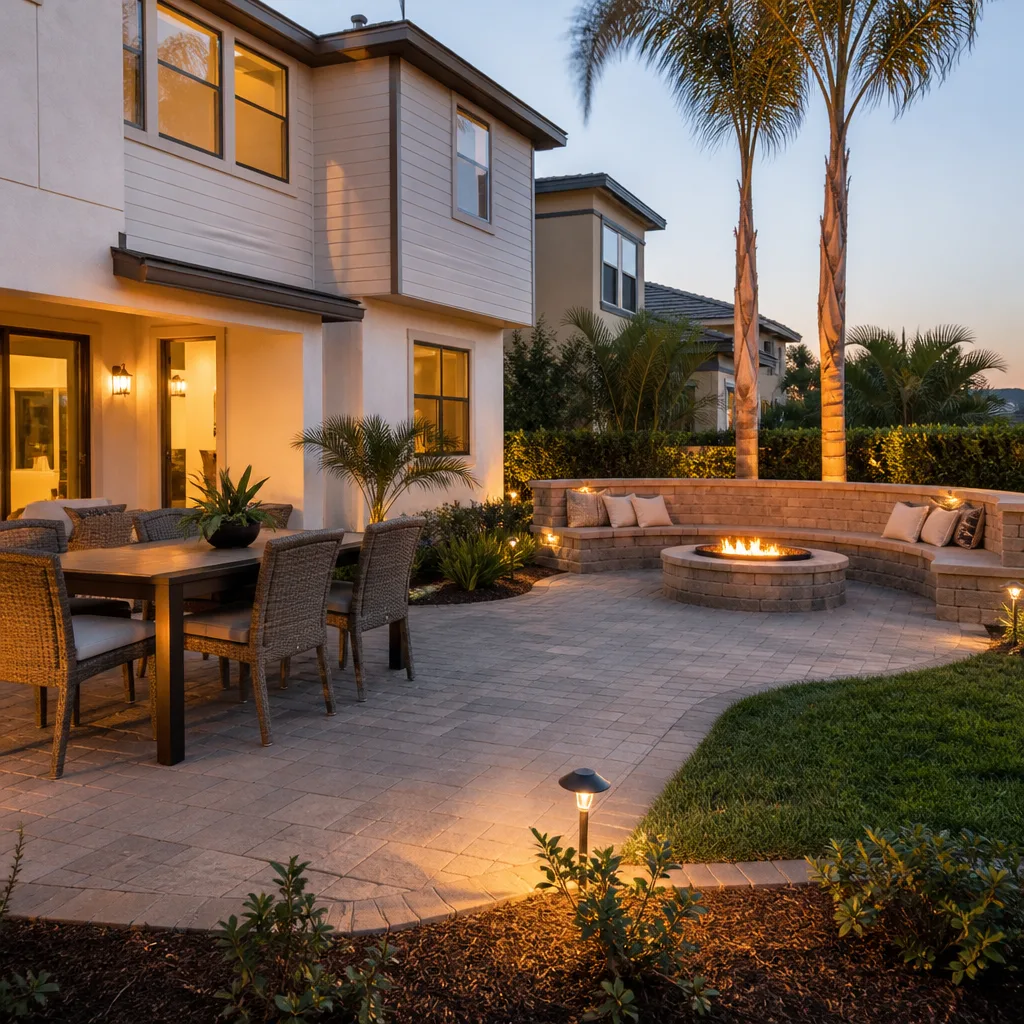
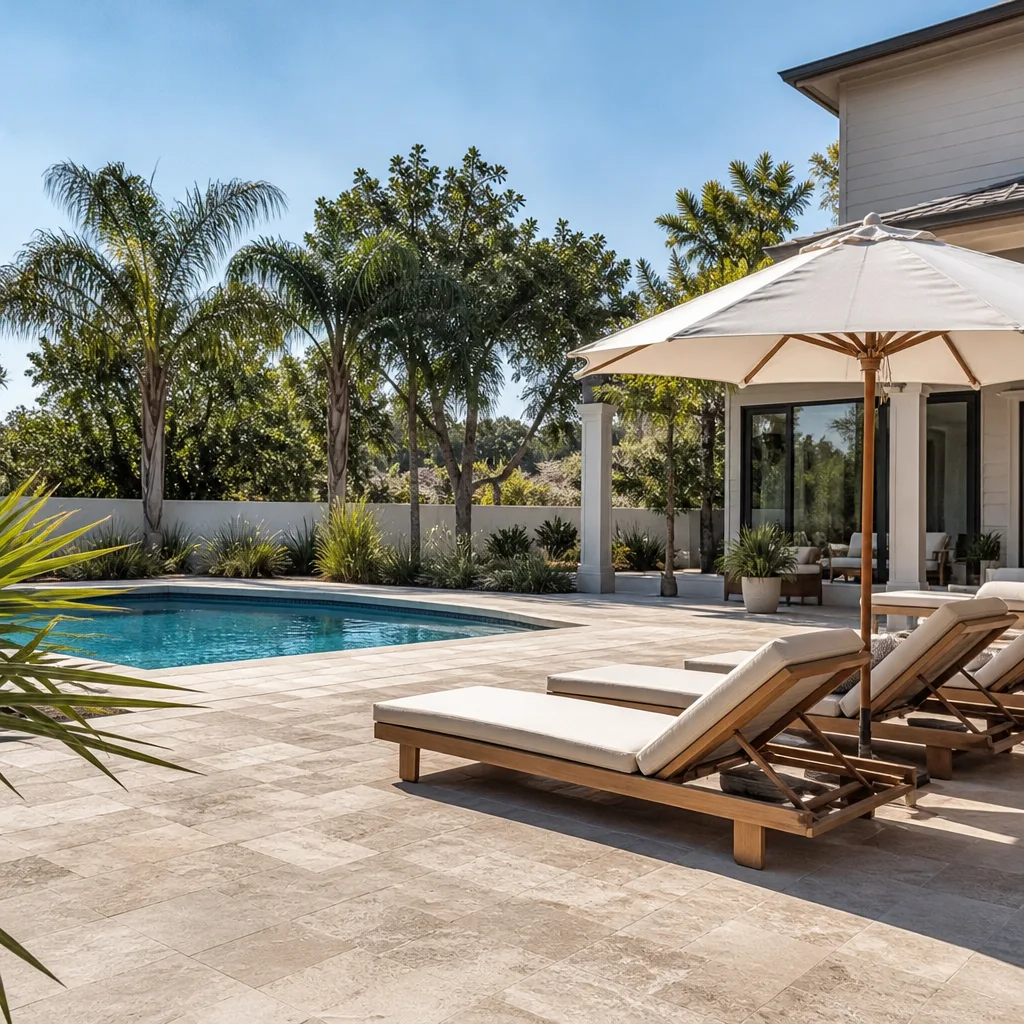
- Driveway & pavers
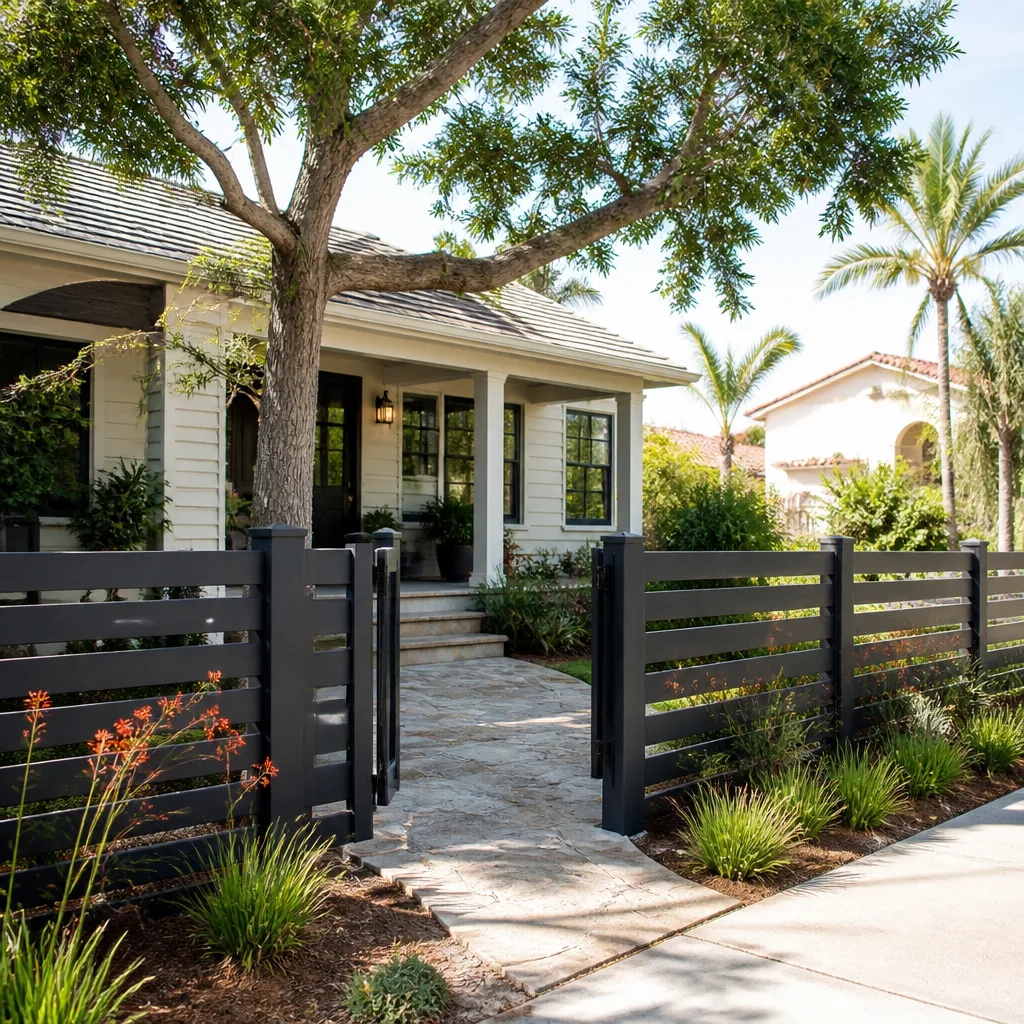
- Fence
Table of Contents
- 2026 Allen Labor Rates by Trade
- Material Cost Benchmarks for Allen Projects
- Permits, Inspections, and Engineering Reports
- How the Collin County Subcontractor Market Affects 2026 Pricing
- Line-Item Breakdowns for Four Common Allen Projects
- The Real Cost of Cutting Corners
- How to Budget a Project the Right Way
- Frequently Asked Questions
2026 Allen Labor Rates by Trade
Blended square-foot numbers hide the most important variable: labor is not one price. In Allen, the trades bill at meaningfully different rates, and a quote that doesn’t separate them isn’t giving you real information. Here’s where the market sits going into 2026 for residential work.
- Concrete (flatwork, driveways, slabs): $9 – $16 per square foot installed, including formwork, rebar, and finish. Decorative finishes and stamped concrete push toward the top and above.
- Masonry (brick, stone, retaining walls): $28 – $55 per square foot for veneer and wall work, with natural stone at the high end. Retaining walls with engineered footings bill higher than freestanding garden walls.
- Framing (rough carpentry): $12 – $22 per square foot of floor area for additions and structural work. Complex rooflines and second-story work add 15% – 25%.
- Finish carpentry (trim, cabinetry install, doors): $55 – $110 per linear foot for trim work, and $600 – $1,400 per cabinet run for installation alone.
- Roofing labor: $180 – $340 per square (100 sq ft) above material cost, driven by pitch, layers to tear off, and access.
- Electrical and plumbing rough-in: $110 – $185 per fixture or device rough-in; panel upgrades and gas line work bill separately.
Why does this matter for an Allen homeowner? Because when a bid gives you one number for the whole job, you can’t see whether the contractor is charging a fair framing rate and marking up concrete, or the reverse. Separate trade pricing lets you compare apples to apples across three bids. It also protects you from the change-order games that start the moment the first line item is ambiguous.
One more thing worth saying plainly: high-tension electrical work and gas line connections are not homeowner projects. We flag this in every guide because a licensed electrician is cheaper than a hospital visit, every single time.
Material Cost Benchmarks for Allen Projects
Materials are the other half of the equation, and in a growth market they move faster than most homeowners expect. Allen’s housing stock – a heavy mix of builds from the 1990s forward plus newer construction in communities like Twin Creeks and Watters Crossing – means most projects here are remodels and additions on established homes rather than raw new construction. That matters because remodel material costs are driven by matching existing finishes and the sometimes-ugly surprises behind the walls.
- Driveway replacement: Concrete runs $6 – $11 per square foot in material for a standard slab; stamped and colored concrete adds $4 – $9 per square foot. A three-car drive in Allen is common, which is why local driveway numbers run higher than national averages – there’s simply more square footage to pour. For the full picture on design and finish options, see our page on Driveway & Pavers in Allen.
- Additions and ADUs: Shell material (framing lumber, sheathing, roofing, windows) runs $95 – $160 per square foot. Windows are the single biggest variable – an Andersen or Marvin unit can run several times a builder-grade window, and the choice is usually the difference between a $180,000 addition and a $230,000 one.
- Retaining walls: Segmental block material runs $12 – $22 per square foot of wall face; natural stone $30 – $55. Wall height drives everything – anything over four feet typically needs engineering, and in Allen’s expansive clay soils that engineering often calls for a deeper, wider footing than a homeowner would guess.
- Roofing: Asphalt shingles $1.20 – $2.10 per square foot in material; upgraded architectural shingles toward the top. A GAF or CertainTeed system with proper underlayment and ventilation is where we steer Allen homeowners, because the summer heat here punishes cheap shingles faster than most of the country.
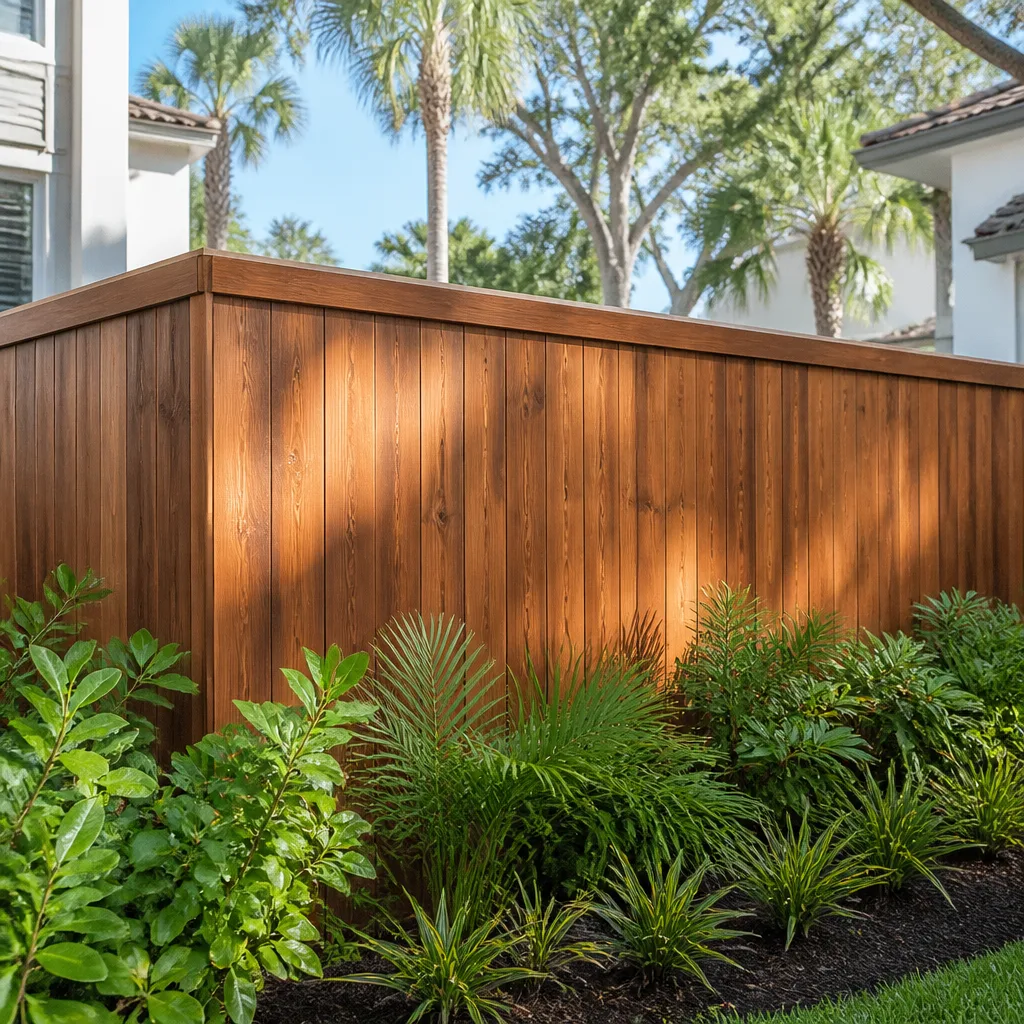
- Fencing: Cedar privacy fence material runs $18 – $32 per linear foot; composite and metal run higher. Hail and wind are the enemies here, so post depth and bracing carry more of the cost than the boards do. More on materials and layout on our Fence Installation in Allen page.
Brand matters more than the price tag alone. When a bid offers a Delta faucet in one line and an American Standard in another at the same price, ask which series. The brand name on a fixture is only half the story – the model is where cost lives.
Permits, Inspections, and Engineering Reports
Here’s the line item that quietly vanishes from budget bids, and it’s the one that turns a “cheaper” contractor into a more expensive one. Permits and required professional reports are not optional in Allen, and the cost of skipping them lands on you – in failed inspections, appraisal problems at resale, and rework.
- Building permit: For a typical addition or structural project in Allen, expect permit fees in the roughly $800 – $3,500 range depending on project valuation. Remodels that alter layout, electrical, or plumbing require permits; cosmetic work often doesn’t.
- Engineering reports: Projects touching foundations, retaining walls over four feet, or structural changes usually need a stamped engineering letter, typically $600 – $1,800. Expansive clay soil across Collin County is exactly why this step exists – an engineer who accounts for it saves you a cracked wall later.
- Inspections: Included in permit fees, but the scheduling and re-inspection time is a real cost. A failed inspection adds days and, sometimes, a re-inspection fee.
- Site plans and surveys: Additions and fences near property lines often require a plat or survey showing setbacks, $350 – $900 in most cases.
This is where upfront pricing earns its keep. A quote that excludes permits and engineering isn’t a lower bid – it’s an incomplete one. When work begins and those costs surface, they become change orders, and you’ve lost the ability to compare bids fairly. Ask every contractor to list permits, engineering, and inspection costs as separate line items before you sign anything. If the answer is “we’ll handle it,” get it in writing with a number attached.
The Department of Justice and consumer protection agencies have repeatedly flagged the same contractor warning signs – vague bids, no written scope, missing permit lines. None of that is exotic. It’s just easy to miss when you’re excited about the project.
How the Collin County Subcontractor Market Affects 2026 Pricing
Allen has grown fast, and that growth is still shaping what you pay. The practical effect for 2026 is a scheduling premium: the good concrete crews, framers, and roofers in Collin County are booked weeks out, and they know it. A subcontractor with a full calendar can either take your job at a higher price or not take it at all. That reality shows up in every bid you’ll compare.
What does that mean for your project?
- Book earlier than feels necessary. A project you want finished in spring should be in the pipeline in winter. The trades don’t squeeze in a good job because it’s convenient – they schedule the work that’s already committed.
- The lowest bid often belongs to the sub with open calendar space. That’s not automatically bad, but it is a signal worth examining. A crew with a full book can afford to walk away from a problem job. A crew starving for work can’t, and shortchanging materials or labor is how they recover the margin.
- Price stability is worth paying for. A fixed, written line-item price with no change-order games protects you from market volatility during the build. If concrete prices rise between bid and pour, an open-ended contract lets the contractor pass it to you. Ours doesn’t.
Allen’s position next to Frisco and McKinney also matters – contractors work across all three, so demand in the surrounding cities competes directly for the same crews. If you’re weighing projects, our guide to Home Additions & ADU in Allen covers how additions get scheduled and priced in this exact market, and what to expect when your project touches structural work.
Line-Item Breakdowns for Four Common Allen Projects
This is the section most cost guides skip. Here’s what a real line-item bid looks like for the projects Allen homeowners request most, with the variables that shift each one.
1. Kitchen Remodel – $65,000 – $110,000
- Design and planning: $2,500 – $6,000
- Demolition and disposal: $3,000 – $6,500
- Cabinetry (KraftMaid or comparable): $15,000 – $32,000
- Countertops (Cambria quartz or similar): $6,000 – $14,000
- Plumbing and electrical rough-in: $4,500 – $9,000
- Drywall, paint, and trim: $5,000 – $10,000
- Flooring: $3,500 – $9,000
- Fixtures and appliances (faucets, sink, lighting): $5,000 – $16,000
- Installation labor and project management: $15,000 – $30,000
In Allen, the biggest swing is whether the kitchen is a layout change or a finish update. Moving plumbing or a load-bearing wall adds $8,000 – $20,000 before a single finish is chosen.
2. Roof Replacement – $14,000 – $26,000
- Tear-off and disposal: $2,000 – $4,500
- Decking inspection and repair: $800 – $3,500
- Underlayment and ice/water barrier: $1,200 – $2,400
- Shingles (architectural): $5,000 – $9,000
- Flashing, vents, and ridge: $1,500 – $3,000
- Labor: $3,500 – $6,500
Allen hail seasons force most roofs to be replaced before the shingles wear out naturally. A two-layer tear-off costs more than a single layer, and roof pitch adds labor cost fast. Heights are a genuine safety issue – never let anyone but a trained, insured roofing crew work on a steep roof.
3. Concrete Driveway Replacement – $9,000 – $18,000
- Demo and haul-off: $1,200 – $2,500
- Base preparation and grading: $1,500 – $3,000
- Formwork: $1,000 – $2,000
- Concrete (standard): $4,000 – $8,000
- Rebar/mesh and finish: $800 – $2,000
- Decorative options: +$2,000 – $6,000
Three-car drives are common in Allen, which pushes square footage – and cost – above what a national guide assumes. Drainage and grading also carry more weight here because of the clay soil and heavy spring rain, and getting that wrong cracks a new driveway in the first year.
4. Home Addition or ADU – $180,000 – $350,000+
- Design and engineering: $8,000 – $20,000
- Permits and inspections: $1,500 – $5,000
- Foundation and slab: $18,000 – $38,000
- Framing: $28,000 – $55,000
- Roofing: $9,000 – $22,000
- Windows and exterior: $12,000 – $30,000
- Mechanical, electrical, plumbing: $20,000 – $45,000
- Insulation, drywall, finishes: $25,000 – $60,000
- Labor and management: $40,000 – $80,000
Additions carry the most variables of any project, which is exactly why the line items matter. Structural work and window upgrades swing the number by tens of thousands. For the scope and permitting side, the Groundwork Construction Co. of Allen home page lays out how full-scope projects are structured from foundation to finish.
The Real Cost of Cutting Corners
Every budget bid saves money by removing something. The question is what, and what it costs to put it back later. These are the rework expenses we see most in the Allen market, and each one generally exceeds the savings that created it.
- Skipped permits on an addition: A $2,000 permit saved can turn into $15,000+ in rework, plus appraisal and resale headaches, when unpermitted work is discovered.
- Thin concrete without proper base: Saving $1,500 on prep cracks a driveway in two to three years – a full $10,000+ replacement. Allen’s clay soil is unforgiving of shortcuts.
- Cheap shingles without adequate ventilation: A lower material price pushes spring hail and summer heat into premature failure, and you’re paying for the roof twice.
- Skimping on waterproofing under tile: A Schluter-class system is a small line item. Tearing out tile to fix water damage behind a shower wall runs many times the cost of doing it right the first time.
- No engineering on a retaining wall: A failing wall over four feet is a structural and safety problem, and replacement with proper engineering costs far more than the original build would have.
- Low-bid subcontractor who disappears: The most expensive contractor is the one who takes payment and leaves. A written guarantee and a completed-job track record are worth their weight in avoided losses.
This is why we lead with the 730-Day Done Right Promise. If it’s not done right, we make it right – and we put it in writing, because a warranty is only as good as the paper it’s printed on.
How to Budget a Project the Right Way
Here’s a numbered process for budgeting a construction project in Allen, starting from the number you can spend rather than the number you’re hoping to see.
- Set your real ceiling first. Not the dream number – the number you can spend without financing discomfort. Then add 15% – 20% as a contingency reserve, because every remodel on Allen’s older housing stock uncovers something behind the wall.
- Get three written, line-item bids. Same scope, same permit lines, same material series. If a bid isn’t broken down by trade and material, it isn’t a bid you can compare.
- Confirm the permit and engineering lines are included. Ask directly: “Is engineering and the permit fee in this number?” Get it in writing.
- Check the material brands and models. Delta vs. American Standard, GAF vs. off-brand, Andersen vs. builder-grade window – the model determines the price next to the brand.
- Read the warranty terms. One year is standard in this market. Anything longer and in writing is a real differentiator. Ours is 730 days and covers workmanship, not just defects in materials.
- Ask about financing and standing offers. These change the math on large projects significantly – 0% financing for 18 months and $1,000 off projects over $10,000 are standing offers, not seasonal gimmicks.
- Get the start and finish dates in writing. Scheduling matters most when you’re coordinating a family, a move, or a rental. A contractor who won’t commit to dates on paper isn’t ready to run your project.
Live-person support matters more than most people realize. When a decision comes up mid-build and you need an answer, a live call at 24/7 beats a voicemail that gets returned Monday. Ours is answered by a real human every day of the week, and every technician on your job is background-checked and arrives in uniform. That’s not marketing polish – it’s how a job site stays accountable.
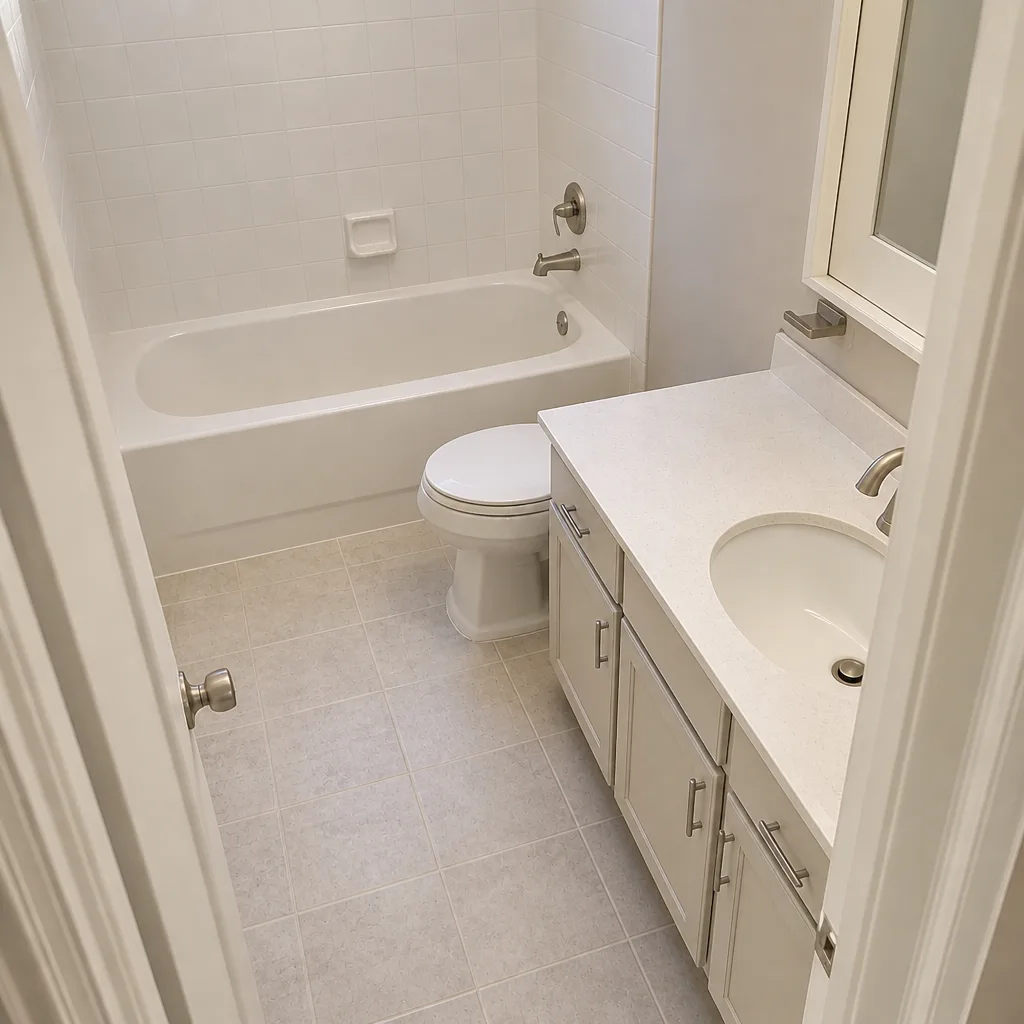
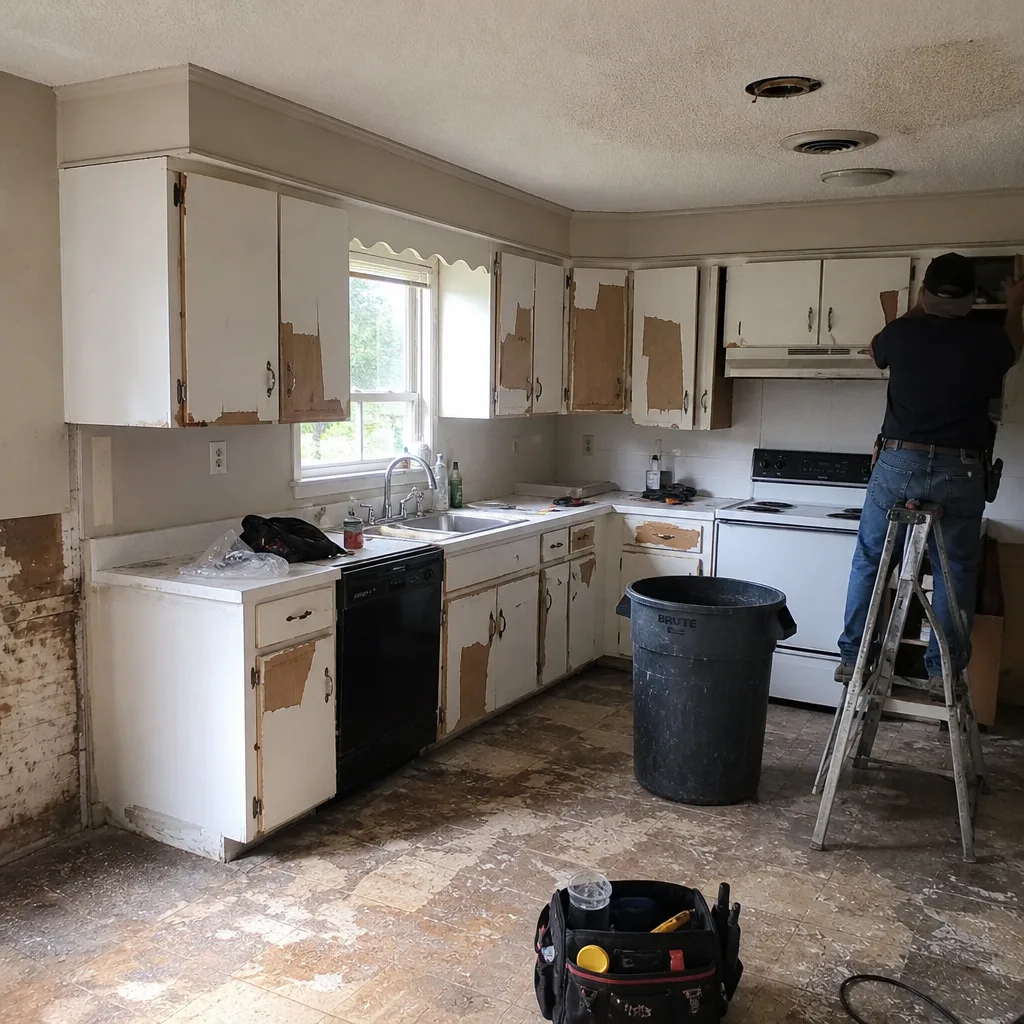
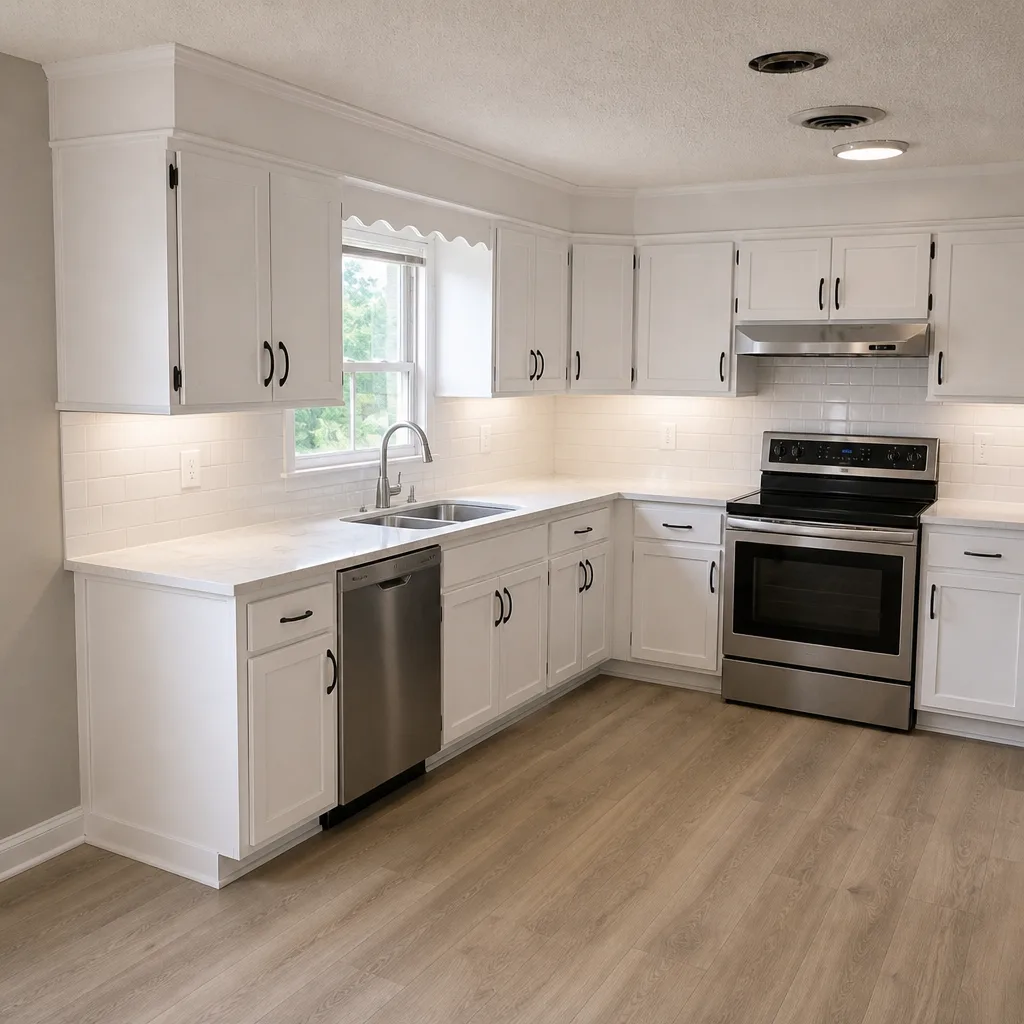
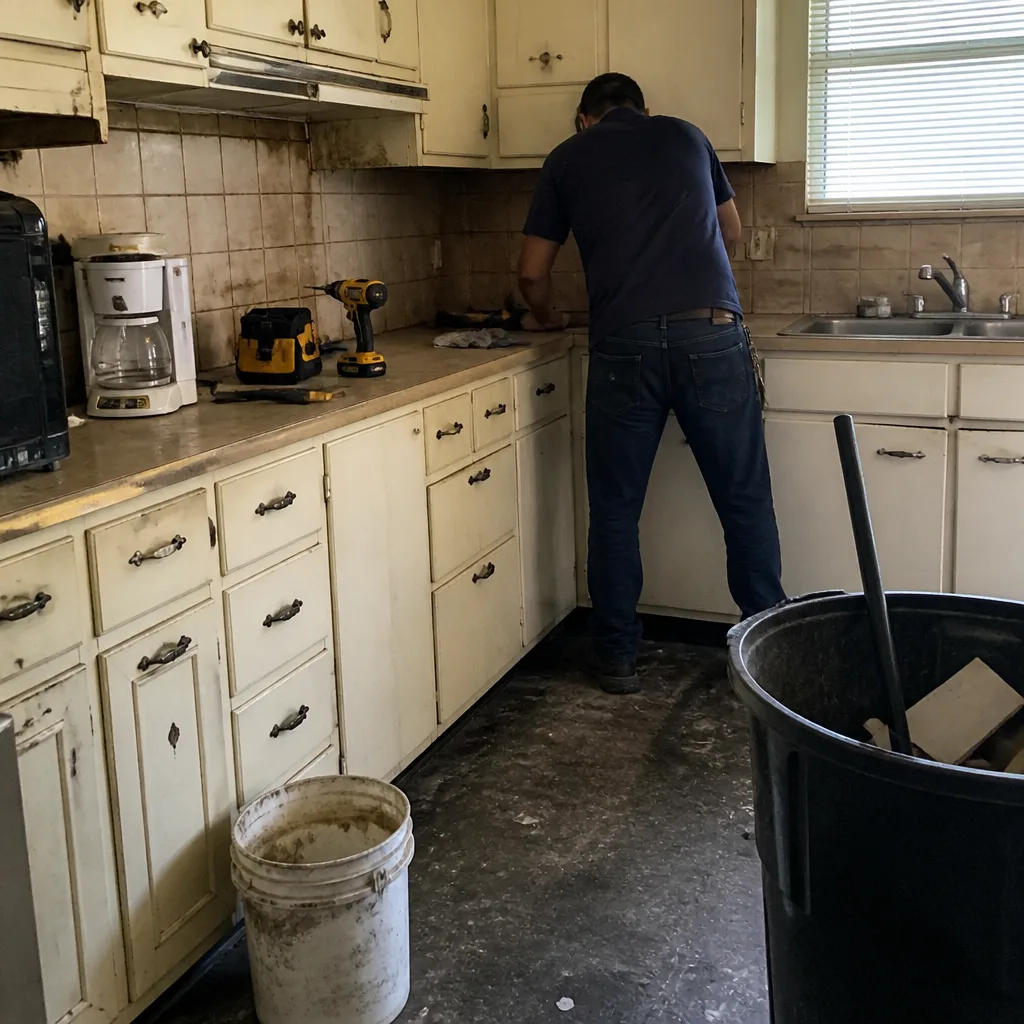
See the difference
 Before
 After
 Before
 After
 Before
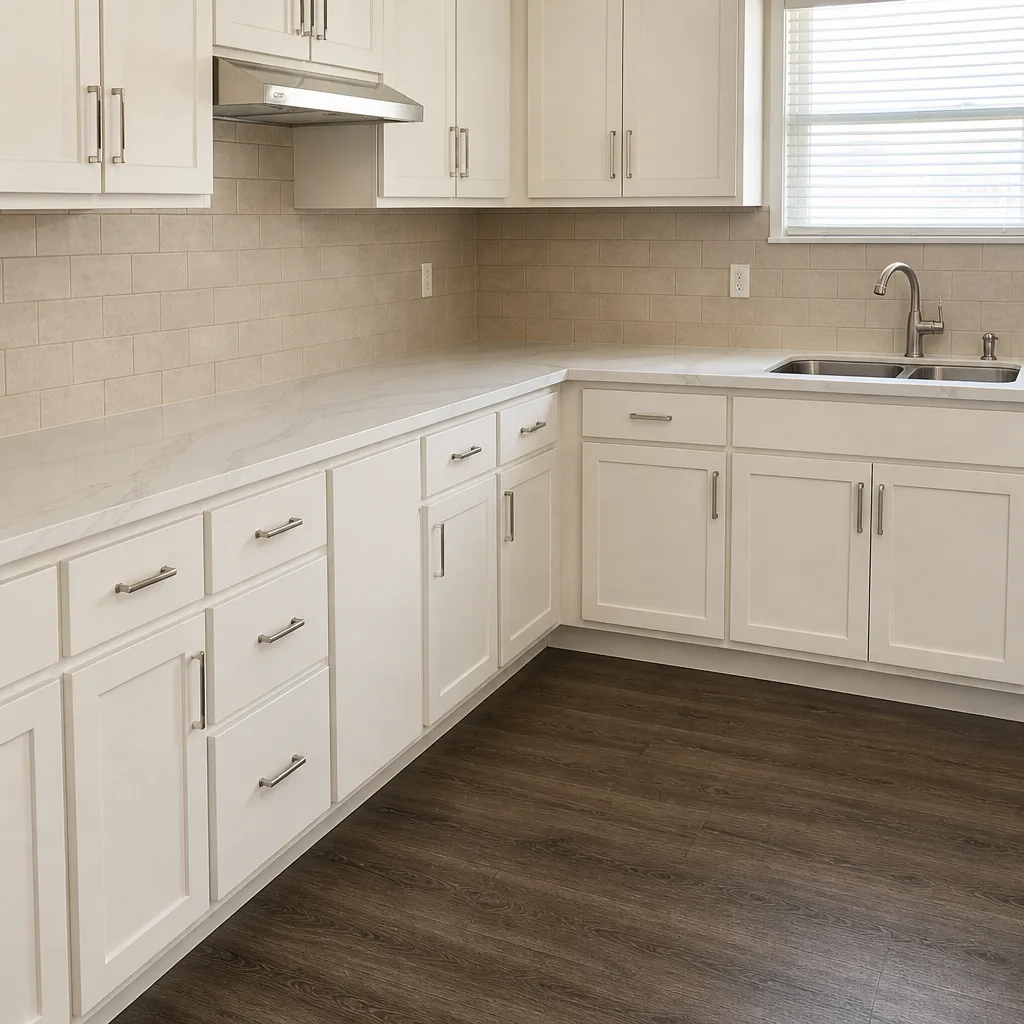 After
Common Mistakes to Avoid
- Comparing single-number bids. A total without line items tells you nothing about where a contractor is cheap and where they’re expensive. You can’t spot the weak bid without the breakdown.
- Skipping engineering on retaining walls or additions. Allen’s expansive clay soils shift and swell, and a wall that isn’t designed for that movement fails sooner than you’d think. The engineering fee is the cheapest insurance on the project.
- Choosing a roofer on price alone. Hail drives most roof replacements here, and a low bid often means thinner decking repair, cheaper underlayment, or a smaller crew. The cost shows up in the first big storm, not on the bid sheet.
- Forgetting that Allen’s three-car drives change the square-footage math. A national “average driveway” is smaller than what most Allen homeowners actually have. Budget for the square footage you own, not the average.
- Assuming a change order is the contractor’s fault. Good contractors price change orders fairly, but many arise from a vague original scope. Get the scope in writing before the first nail.
- Letting a permit line disappear. If a bid has no permit or engineering line item, ask why. It’s either included in a hidden markup or it’s missing. Neither is a clean answer.
- Waiting too long to book. Collin County trade crews fill up. A project you want done in spring needs to be scheduled in winter to command the price and crew you want.
When to Call a Professional
Some jobs are homeowner projects. Lots aren’t. Call a professional when your project touches structural framing, foundations, electrical panels, gas lines, or any roof work above a single-story low pitch. Call when a retaining wall is over four feet, when a permit is required (in Allen, that’s most of the structural and mechanical work), or when the scope is fuzzy and you need a written line-item breakdown before you commit. Call when a project has been half-started by someone else and you need a real assessment of what’s there. And call early – the crews worth hiring book well in advance in this market. Groundwork Construction Co. of Allen offers free estimates in Allen – call (888) 343-9048 to schedule yours.
Frequently Asked Questions
A full kitchen remodel in Allen typically runs $65,000 – $110,000 in 2026, with the biggest variables being layout changes, cabinet brand, and countertop material. A finish-only update (paint, hardware, countertops) can come in far lower, but moving plumbing or a wall pushes the number substantially. Call (888) 343-9048 for a line-item quote – estimates are free.
Allen’s housing stock, predominance of three-car driveways, expansive clay soils, and the surrounding Collin County growth market all push costs above national averages. Labor availability is the largest single factor: skilled trade crews are in high demand across Allen, Frisco, and McKinney, and that competition carries a real scheduling premium in 2026. Call (888) 343-9048 for market-specific pricing on your project.
Yes for most structural, electrical, plumbing, and mechanical work, and for any addition or new structure. Cosmetic work like paint, flooring, and cabinet refacing typically doesn’t require one. A reputable contractor lists the permit and inspection costs as separate line items on the bid, not buried in a markup. Call (888) 343-9048 to confirm what your specific project needs.
A fixed, written line-item quote won’t change for the work you approved – the number you see is the number you pay. Change orders should only arise from genuinely unforeseen conditions, and they should be priced in writing before any extra work begins. Vague original scope is the most common source of change orders, which is why line-item pricing matters. Call (888) 343-9048 for a written estimate.
Most home additions in Allen run four to seven months from permit approval to final walkthrough, with design and engineering adding one to two months before that. Scheduling availability with Collin County subcontractors is the largest swing factor, so booking early keeps timelines tighter. Call (888) 343-9048 for a project timeline based on your scope.
It covers workmanship on your project for 730 days from completion – if something isn’t done right, we make it right, in writing. That’s one of the longest workmanship guarantees in residential construction, and it’s included on every project, not an upgrade. Call (888) 343-9048 to talk through coverage on your specific scope.
The Bottom Line
Wide ranges don’t help you budget. Line items do. In Allen for 2026, expect a kitchen remodel at $65,000 – $110,000, a roof at $14,000 – $26,000, a driveway at $9,000 – $18,000, and an addition at $180,000 and up – and expect the biggest swings to come from labor availability, permits and engineering, and material model choices. Compare bids by their line items, not their totals. Keep the 15% – 20% contingency. Book early in the Collin County market. And put every promise in writing.
Groundwork Construction Co. of Allen offers free estimates, written line-item pricing, 0% financing for 18 months, $1,000 off projects over $10,000, and the 730-Day Done Right Promise on every job. Calls are answered by a live person 24/7, and we’re proud to serve local communities from foundation to finish line. Call (888) 343-9048 for your free estimate.
Written by the team at Groundwork Construction Co. of Allen.