
Last updated November 18, 2026






Free written scope consultation - allowances, timeline, and change-order rules on paper before a single trade is scheduled
Construction Permits, Codes & Inspections in TX: What You Need to Know
Texas is not a statewide building code state. We adopt model codes at the city level, which means your neighbor’s addition in McKinney went through a completely different inspection process than yours will in Allen, even though they live 8 miles away. That single fact trips up more homeowners than any other part of a remodel. A contractor who builds in Plano all year can walk into an Allen project and miss a local amendment that gets the whole job red-tagged. This guide decodes how permitting actually works in Allen, TX: which codes the city has adopted, where local amendments diverge from the base code, which projects homeowners routinely skip getting permitted, how the Development Services review cycles run, and what Allen inspectors flag most often. By the end, you’ll know exactly what to ask before you sign anything.
Quick Answer
Allen, TX requires building permits for most structural work, additions, and any project that changes a home’s footprint, and the city enforces its own adopted codes rather than a statewide standard. Plan review through Allen’s Development Services department typically runs a few business days to a couple of weeks depending on scope, and inspection sequences are set project by project. What’s required in Allen is not interchangeable with what’s required in Plano, McKinney, or Frisco, and treating those cities the same is exactly how projects get red-tagged and delayed.
Styles & brands we work with
- Kitchen remodeling
- Bathroom remodeling
- Home additions & ADU
- Roofing
- Windows & doors
- Driveway & pavers
- Fence
Table of Contents
- Why Codes Differ City by City in Texas
- What Codes Allen Has Adopted
- Project Types Homeowners Skip That Allen Actually Requires
- How Allen’s Development Services Process Works
- The Inspection Sequence for Common Projects
- What Allen Inspectors Flag Most Often
- How HOA Approvals and City Permits Interact
- The Resale Consequences of Unpermitted Work
Why Codes Differ City by City in Texas
Texas doesn’t have a statewide residential building code. That surprises people who move here from states like California or New York, where one code governs the entire jurisdiction. In Texas, cities adopt their own codes, and they can adopt different editions of the International Building Code (IBC) and International Residential Code (IRC), and they can amend those codes however they see fit. Allen, Plano, McKinney, and Frisco all pull from the same national model codes, but their local amendments diverge in ways that matter at inspection time.
What does that actually mean for you? It means the electrical rough-in that passes on a Monday in Frisco wouldn’t necessarily pass on a Tuesday in Allen. It means a retaining wall height threshold that triggers a permit in one city might be half a foot different in the next town over. And it means a general contractor who works across the metro has to know each city’s amendments by heart, not assume they transfer.
Three areas see the most local variation:
- Electrical – Each city adopts its own edition of the National Electrical Code (NEC), and some add amendments for panel clearances, meter heights, and exterior lamp requirements.
- Site work and grading – Drainage, impervious cover, and setback rules vary by city planner’s discretion.
- Structural and wind loading – North Texas sits in a high-wind region, and cities can tighten the base code on roof sheathing, anchoring, and framing.
Here in Allen, we’ve watched remodelers from out of town waste three weeks on a plan revision that a five-minute review of Allen’s amendments would have avoided. The rules are published, they’re just not the same rules as the next city over.
What Codes Allen Has Adopted
Allen bases its building regulations on the International Code Council family of codes, which includes the International Residential Code (IRC) for one- and two-family homes and the International Building Code (IBC) for commercial and larger multifamily projects. The city also adopts the International Energy Conservation Code, the International Plumbing Code, the International Mechanical Code, and the National Electrical Code, each with local amendments layered on top.
The practical takeaway: don’t ask “what’s the Texas code?” when you’re planning work in Allen. Ask which edition of the IRC Allen has adopted, and then ask for the local amendment list. That amendment list is what inspectors actually check against.
Where Allen’s Amendments Diverge
Local amendments tend to cluster around a handful of areas:
- Roof-to-wall connections and sheathing – In our experience, Allen enforces nailing schedules and sheathing thickness that sometimes exceed the base IRC tables. Roof replacements and additions get scrutinized here more than a typical interior remodel.
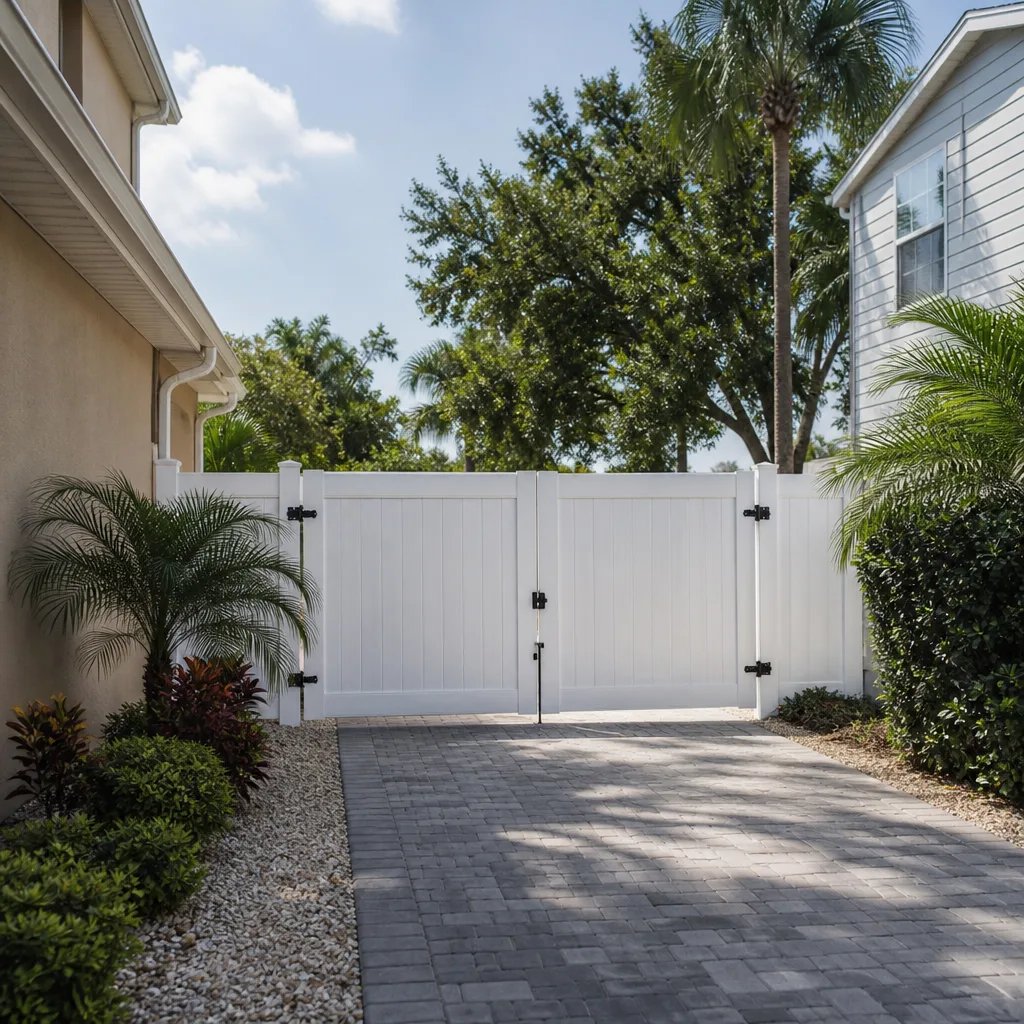
- Fence height and setback – Fence height maximums, corner lot sight triangles, and front-yard setbacks are amended locally. If you’re planning a fence in Allen, the type of fence and where it sits matter as much as how tall it is. See our guide to Fence Installation in Allen for the site-specific rules.
- Driveway approach and impervious cover – Allen regulates how much of your lot can be covered by hard surface, and driveway approach widths get checked against the street classification. This comes up on any paver or driveway replacement. Our page on Driveway & Pavers in Allen walks through the site plan triggers.
- Floodplain and drainage – Allen has mapped flood zones, and any addition or flatwork near a drainage easement triggers a review that a standard remodel doesn’t.
- Accessory structures and ADUs – Detached garages, sheds over a certain square footage, and accessory dwelling units require separate review paths. We cover this in detail on our Home Additions & ADU in Allen page.
One more thing homeowners miss: Allen updates its adopted code editions periodically. The edition in effect when your plans are submitted is the edition that governs the inspection. If you’re planning a big project, confirm the current edition before design starts, not after.
Project Types Homeowners Skip That Allen Actually Requires
The permit you don’t pull is the one that comes back to bite you. Title searches, insurance claims, and resale disclosures all surface unpermitted work, and Allen’s code enforcement responds to complaints and to permit history checks at point of sale. Here are the ones homeowners most often assume are exempt and aren’t.
- Fence replacement over the allowed height – Replacing like-for-like fences often gets a pass, but any height change or corner lot sight-triangle issue triggers a permit and a survey of property lines. Neighbors in Allen have been known to call in on this one.
- Driveway extensions and widenings – Any change to the driveway approach, widening, or impervious cover count needs approval. Pouring an extra apron without one can land you in a drainage review retroactively.
- Detached garages, carports, and sheds above the size threshold – Square footage thresholds catch people. A 10×12 metal shed might be exempt; a 12×20 might not be.
- Room conversions – Turning a garage into living space or an attic into a bedroom changes the home’s use and egress requirements. This is a permit every time.
- Patio covers and pergolas over a certain size – An attached structure with a roof, even an open one, usually triggers structural review.
- Retaining walls over the height threshold – Allen’s threshold matters, and so does whether the wall is retaining a slope near a property line or easement.
- Electrical service upgrades – Replacing a panel or upgrading service amperage requires an electrical permit and an inspection. This one surprises homeowners who assume the electrician handles it. Licensed electricians do pull it, but you should confirm before they start.
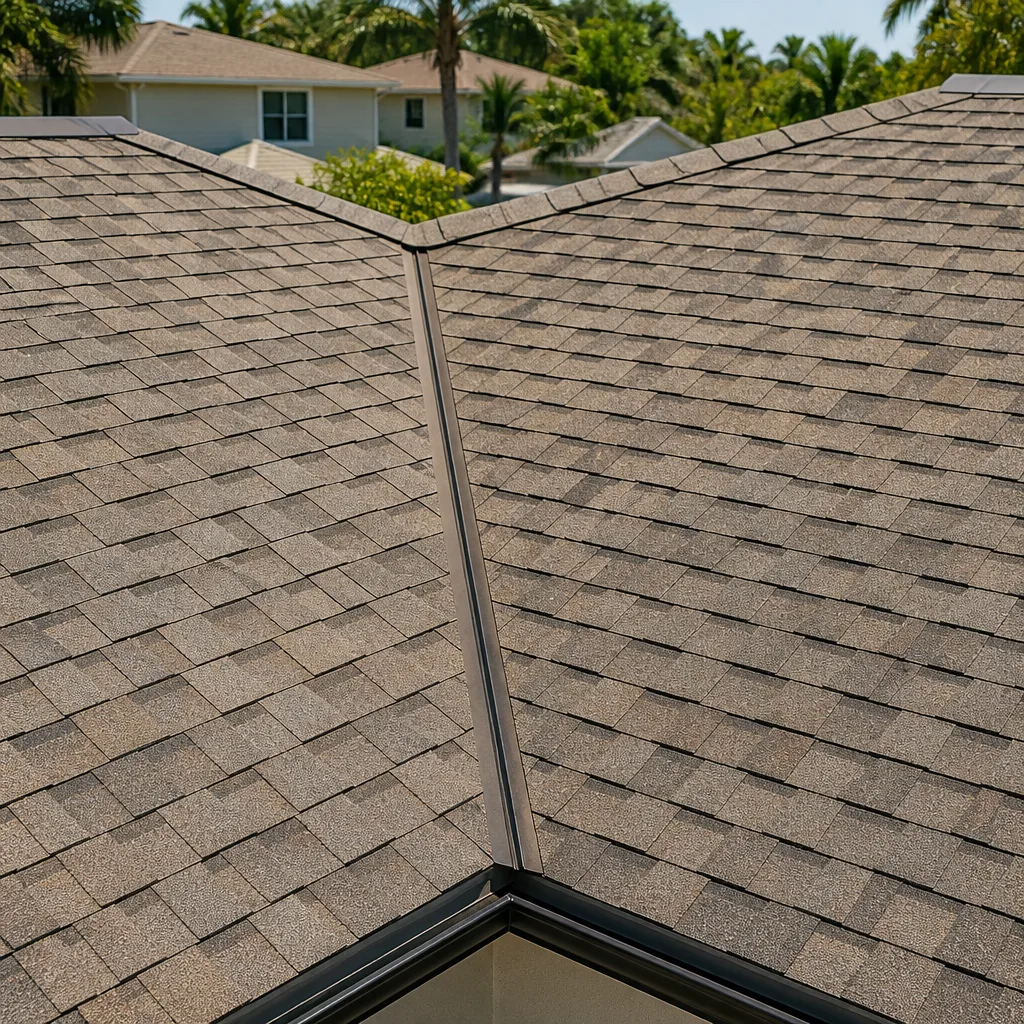
- Re-roofs – Allen requires a permit for re-roofing, and the inspection covers nailing, underlayment, and flashing. Roofers who tell you a permit isn’t needed for a re-roof are telling you something that isn’t true in Allen.
We pull permits on every job we take on in Allen. It’s the simplest way to keep a homeowner out of a title search headache five years down the line. If a contractor tells you a permit “isn’t necessary” for a structural change, ask them to put it in writing. That usually settles the conversation.
How Allen’s Development Services Process Works
Allen routes permits through its Development Services department. The department handles planning, zoning, building review, and inspections, and for residential work your main contacts are the permit counter (for submittal) and the assigned plan reviewer (for comments). The review process typically unfolds in four stages:
- Pre-application and zoning check – Before you submit plans, confirm the project’s zoning compatibility, setbacks, and any overlay district requirements. This is where HOA covenants intersect with city zoning, and where missteps get expensive.
- Plan submittal and completeness review – You submit plans, a survey, and the required application. Development Services runs a completeness check, which is where the clock starts.
- Plan review and comment cycles – Reviewers issue comments for corrections. Each revision cycle adds typically a few business days to a week or more, depending on the number of disciplines involved (structural, electrical, mechanical, plumbing, civil/drainage).
- Permit issuance and inspection scheduling – Once approved and fees paid, the permit is issued and the first inspection is scheduled.
Total review time for a simple residential permit might be a week. A home addition with engineered plans and a drainage review can stretch to several weeks, especially if the submittal is incomplete on the first pass. The single biggest cause of a drawn-out review cycle is a plan set that omits required sheets or surveys. Second-biggest: plans designed without reading Allen’s local amendments.
Our technicians have up to 12 years of experience with the plan review process across North Texas, and that experience is what usually turns a four-week cycle into a two-week one. The difference is knowing what the reviewer is going to flag before the reviewer sees it.
The Inspection Sequence for Common Projects
Inspections are scheduled in a specific order, and each one has to be signed off before the next can be requested. Here’s what the sequence looks like on the projects homeowners ask about most:
Home Additions and Remodels
- Foundation and footing inspection – Before any concrete is poured. This includes rebar placement, forms, and any termite pre-treatment documentation.
- Frame and rough-in inspection – After framing, electrical, plumbing, and mechanical rough-ins are in place, but before insulation or drywall. Often a combined inspection.
- Insulation and energy code inspection – Verifies insulation R-values and window U-values meet the adopted energy code.
- Final building inspection – Covers finished work, egress, smoke detectors, and any punch list corrections from prior stages.
Flatwork and Driveways
- Site and form inspection – Checks grade, setback, and impervious cover compliance before concrete is placed.
- Final flatwork inspection – Confirms finished elevations and any drainage provisions.
Retaining Walls
- Footing and base inspection – Verifies base preparation, compaction, and drainage material placement.
- Intermediate structural inspection – On walls above a certain height, checks geogrid placement or reinforcement before backfill.
- Final wall inspection – Verifies wall height, cap, and drainage outlets.
Every inspection has to be called in, scheduled, and accessed. If you’re doing the work through a contractor, they schedule; if you’re an owner-builder, that responsibility is yours. Missed inspection days cost real money in delay.
What Allen Inspectors Flag Most Often
In our experience building across Allen, inspectors here are reasonable and specific, and they tend to be predictable. The same handful of corrections show up again and again:
- Nailing patterns and sheathing on roof replacements – The decking nails get checked, and if they don’t match the schedule, the roof fails at final. Re-roofs with a permit are the norm here, and inspectors expect it.
- Electrical panel clearance and labeling – Panel clearances and a proper circuit directory are common punch items on remodels. Labeled breakers are required, and unlabeled ones get flagged.
- Missing fire-rated drywall at garage-to-house walls – A frequent correction on room conversions and garage remodels.
- Improper flashing at wall-to-roof intersections – Especially where a new addition or patio cover ties into an existing roof. Roof replacements here should use materials that hold up to North Texas hail and heat. That’s why we work with GAF and CertainTeed on our Allen roofing jobs; they’re tested to the local environment and backed by manufacturer warranties.
- Foundation drainage and grading – Allen’s expansive clay soils absorb water and then move. Inspectors check that site grading directs water away from foundations, and they flag flat or improperly graded yards.
- Egress and smoke detector placement – Every bedroom needs an egress window of the right size, and smoke detectors need to be placed per current code. In a room conversion, this is where plans get caught.
None of these are exotic. They’re the basics, but they’re the basics for a reason. They’re also the reason we build a punch list before the inspector does.
How HOA Approvals and City Permits Interact
In a lot of Allen neighborhoods, you need two approvals, not one. The HOA and the city operate in parallel tracks, and neither substitutes for the other. Here’s the short version of how they interact:
- Get HOA approval first when the project changes exterior appearance. Fence style, colors, materials, and additions almost always trigger HOA review. Submitting a city permit doesn’t require HOA approval, but starting the project without HOA approval can get the fence torn down, whatever the city permit says.
- Get the city permit before any work begins. HOA approval does not replace a city permit and never has. A fence approved by the HOA that exceeds Allen’s height limits still gets cited by the city.
- When they conflict, the stricter rule governs. If your HOA allows a taller fence than the city permits, the city limit wins. If the city allows something your HOA covenants prohibit, the HOA wins. You have to satisfy both.
- Save the paper trail. Keep your HOA approval letter and your city permit together. When you sell the house, that combination is what answers the title search questions.
Conflict between HOA and city rules is one of the most common causes of an Allen project getting stalled mid-build. Get both approvals before a shovel goes in the ground, and make sure the contractor pulling the permit can produce the HOA letter on demand.
The Resale Consequences of Unpermitted Work
Allen’s real estate market is competitive, and buyers and their agents are careful. Unpermitted work shows up in three places at resale: the seller’s disclosure form, the title search, and the buyer’s home inspection. Any of the three can trigger a request for documentation, and if the documentation doesn’t exist, you’re facing a few outcomes:
- The buyer asks for a permit retroactive-approval, at your cost. Retroactive approvals can be denied if the work doesn’t meet current code, which means the work has to be redone or removed.
- The value is negotiated downward. Unpermitted additions, converted garages, and enclosing patios are commonly discounted heavily or excluded from the valuation entirely.
- The lender refuses to fund. Conventional lenders and especially FHA and VA loans can refuse to finance an unpermitted structure, which can stall a sale.
- Your insurance can deny a claim. If a fire or water loss traces back to unpermitted electrical or plumbing work, the carrier’s investigation will find it. This is the one that doesn’t show up until it matters most.
The cheapest permit is the one you pulled before the work started. If you’ve inherited an unpermitted project from a previous owner, get a permitability check from Allen’s Development Services before you plan to sell. Better to know than to find out at the closing table.
Common Mistakes to Avoid
- Assuming Texas requires one statewide code. It doesn’t. Allen, Plano, and McKinney each adopt their own editions and amendments. A plan designed for Frisco isn’t automatically approvable in Allen.
- Letting a contractor “handle the permit later.” A permit that isn’t pulled before the work starts is a permit that can’t be. Retroactive approval is harder, slower, and sometimes impossible.
- Starting exterior work before HOA approval. A city permit doesn’t override HOA covenants. If a fence or addition gets flagged by the HOA after the fact, you can be required to remove it.
- Forgetting that re-roofs and driveway replacements need permits in Allen. These feel like maintenance, but they’re reviewed, and unpermitted versions come up at resale.
- Submitting incomplete plan sets. A missing survey or an omitted sheet restarts the review cycle. Time spent upfront on a complete submittal is the best time you’ll spend on the project.
- Ignoring North Texas clay and hail realities. Allen’s expansive clay soils move with water, and hail hits hard. Build for both, not just for what passes the first inspection.
- Assuming HOA and city permit are interchangeable. They aren’t, and the stricter rule governs when they conflict. Get both, keep both.
See the difference
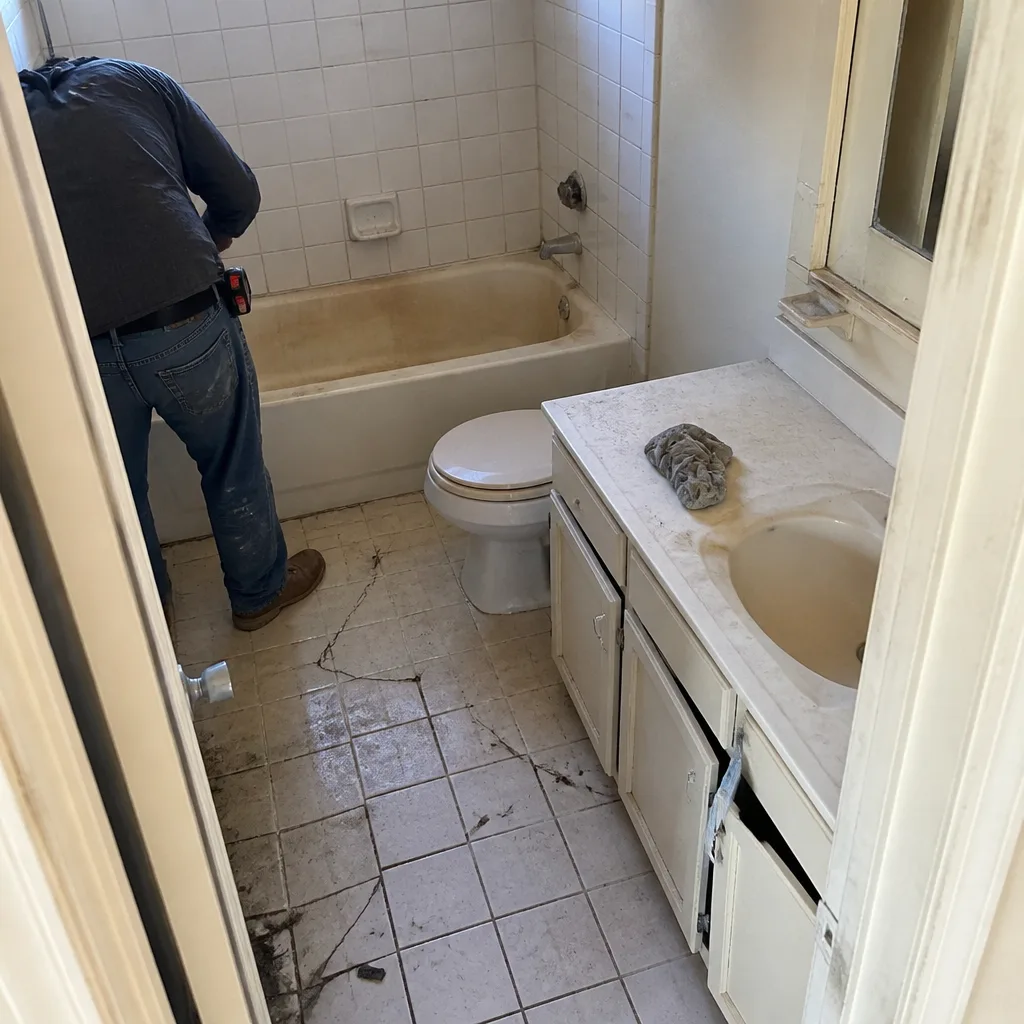 Before
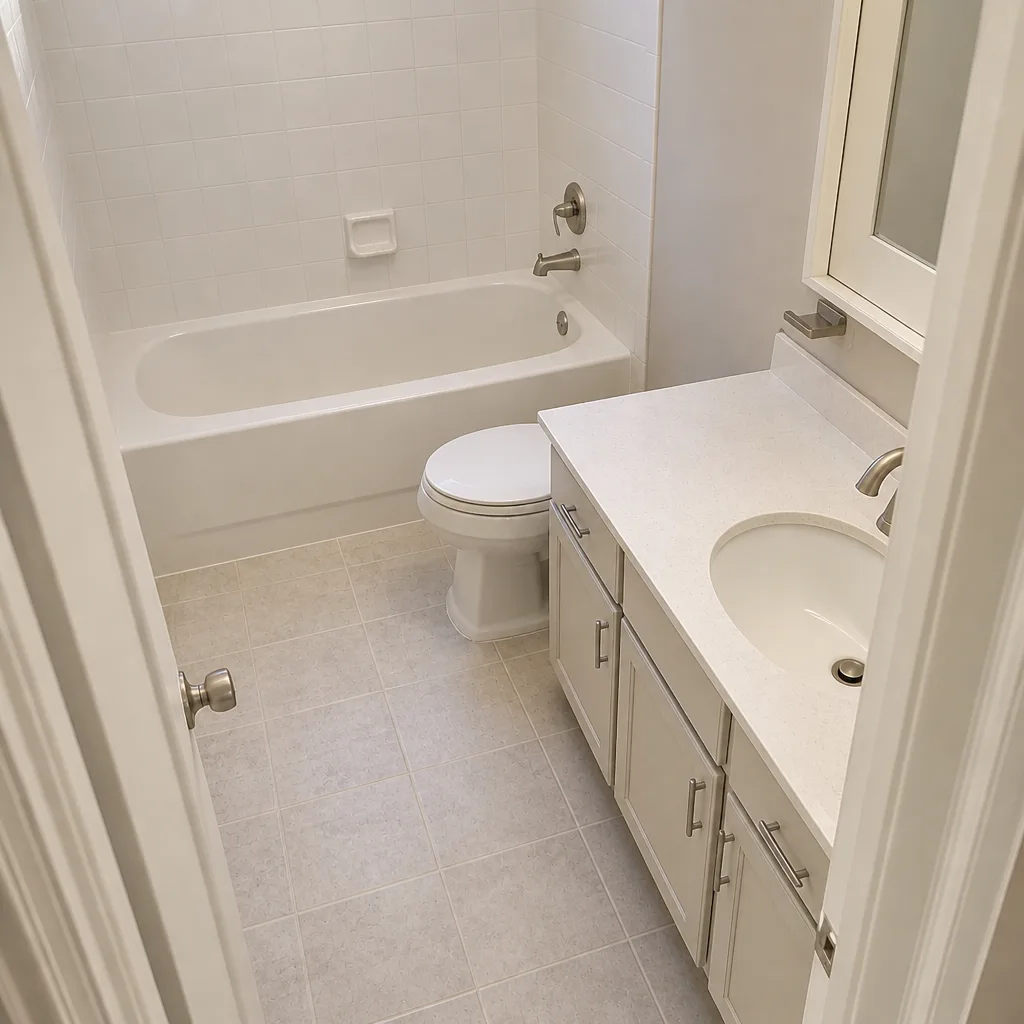 After
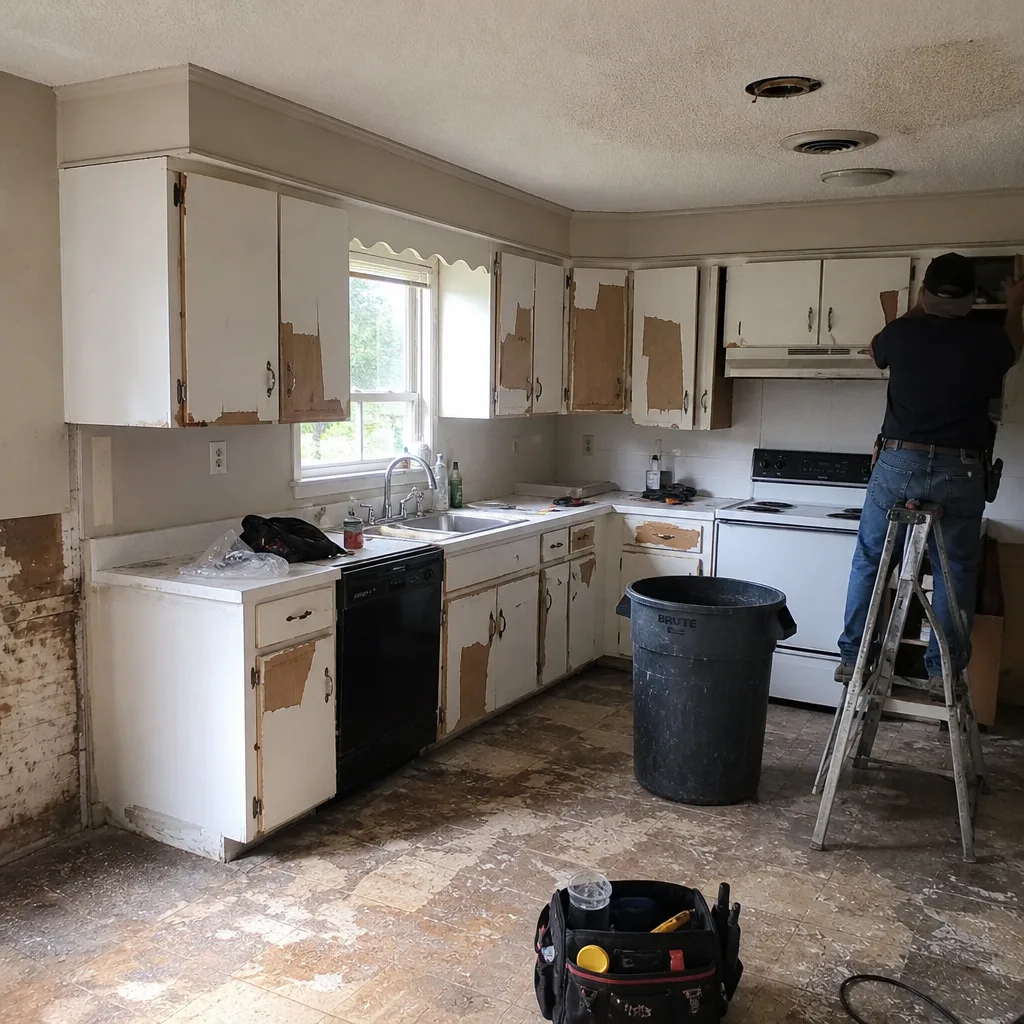 Before
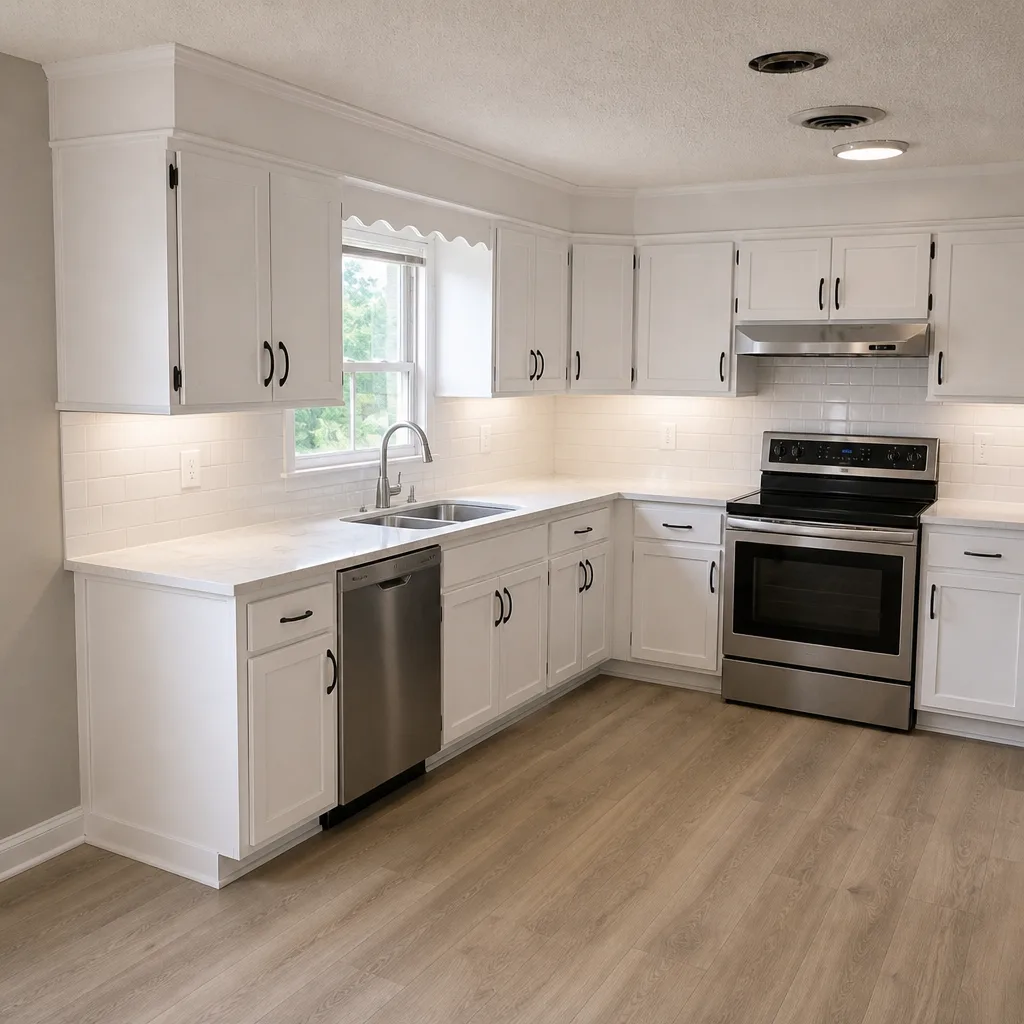 After
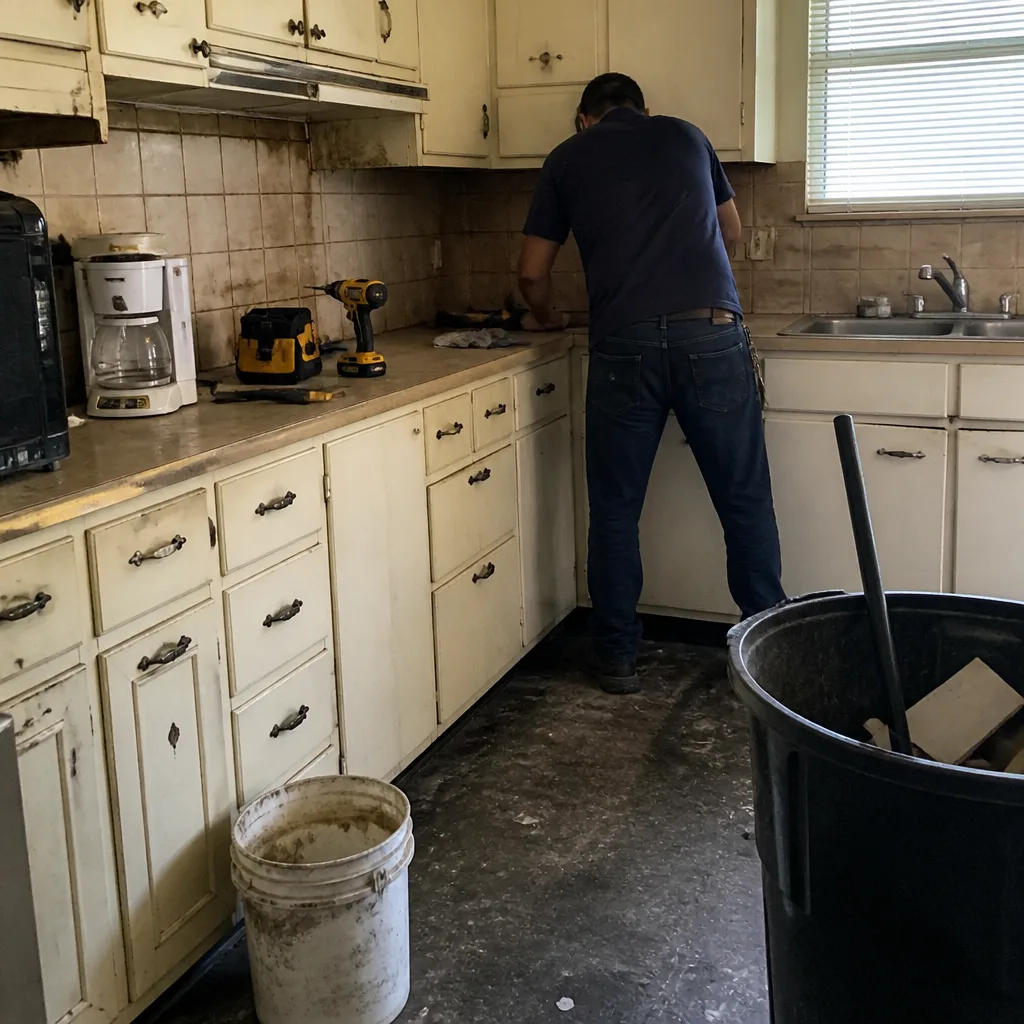 Before
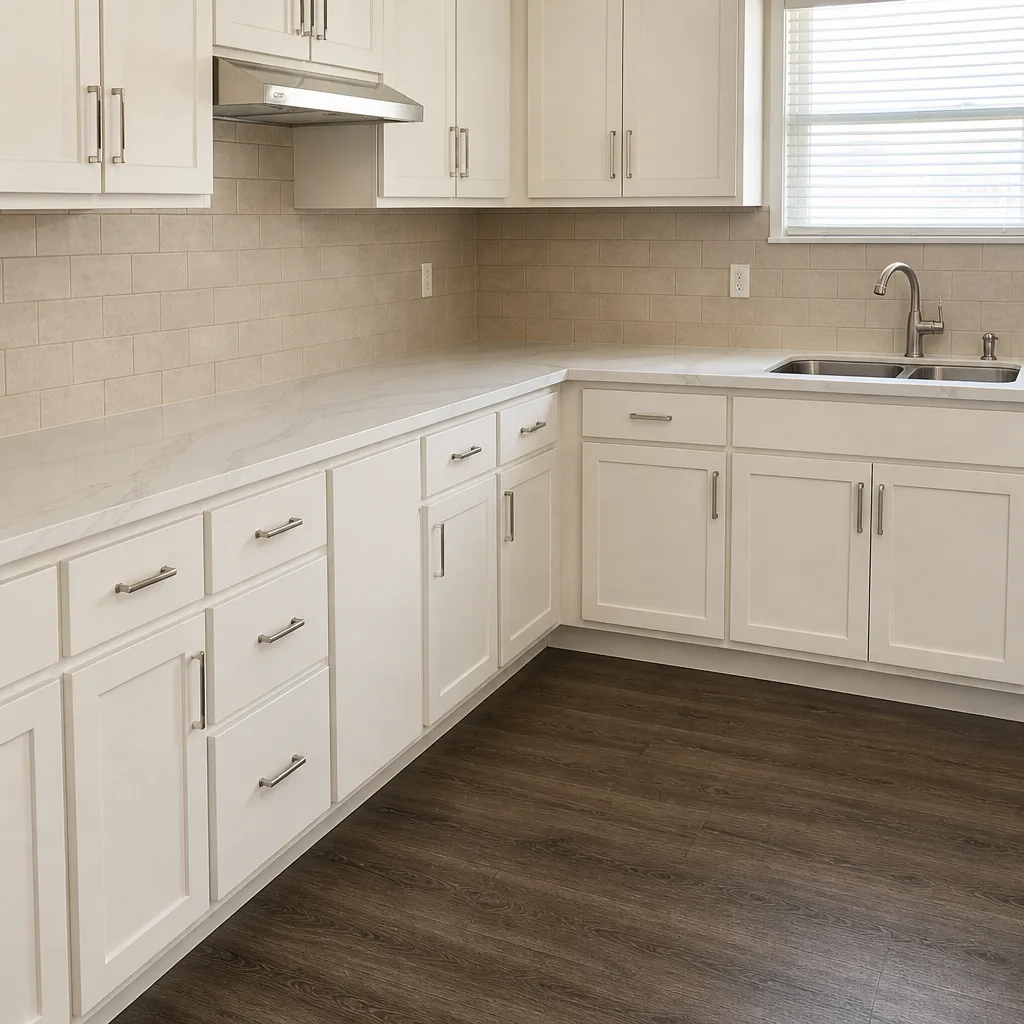 After
When to Call a Professional
If your project involves structural changes, electrical service upgrades, gas line work, or anything taller than a single-story wall, don’t run it yourself. The risk isn’t just code compliance; it’s safety. High-voltage panels, gas appliances, and roof framing over a certain height are dangerous to work on without the right experience and equipment, and the savings from doing it yourself evaporate the first time an inspection fails or a frame doesn’t hold.
Same goes for plan review. If you’re not sure whether Allen’s current code edition will trigger an amendment, or whether your HOA will approve what the city allows, that’s exactly the kind of question that gets answered cheaply before the work starts and expensively after. At Groundwork Construction Co. of Allen, we offer free estimates and free design consultations in Allen. Call (888) 343-9048 to schedule one, and bring your plans, your survey, and your HOA covenants. We’ll tell you what’s going to get flagged before you submit.
Frequently Asked Questions
Yes. Allen requires a permit for re-roofing, and the inspection covers nailing patterns, underlayment, and flashing. Permitless re-roofs show up at resale and can void the manufacturer’s warranty on GAF, CertainTeed, or IKO shingles. Call (888) 343-9048 for a free estimate and we’ll confirm the current Allen requirements before we start.
Plan review for a typical residential permit in Allen runs a week to a couple of weeks depending on scope, and additions with engineered plans and drainage review can stretch longer. Each revision cycle adds a few business days or more. If the submittal is complete on the first pass, review moves faster. Call (888) 343-9048 if you want to talk through the review path for your specific project.
Any fence that changes height, sits on a corner lot sight triangle, or is new construction generally requires a city permit in Allen, and any fence visible from the street also needs HOA approval. A city permit does not replace an HOA approval. Call (888) 343-9048 for a free estimate on fence work in Allen and we’ll walk you through both tracks.
Yes. Unpermitted additions and conversions surface at the seller’s disclosure, title search, and home inspection, and buyers, lenders, and insurers can all push back. FHA and VA loans often won’t finance unpermitted structures, and insurance carriers can deny claims tied to unpermitted work. Call (888) 343-9048 if you’ve inherited a project and want a permitability check before you list.
Get HOA approval first when the project changes exterior appearance, because a city permit doesn’t override HOA covenants. When Allen’s code and your HOA rules conflict, the stricter rule governs. Keep both approvals on file together. Call (888) 343-9048 and we’ll help you identify both sets of requirements before the work starts.
The most consistent differences show up in electrical amendments, roof sheathing and nailing schedules, fence height and sight triangles, and impervious cover rules for driveways and flatwork. Allen, Plano, McKinney, and Frisco each maintain their own local amendments to the IRC and NEC. The safest rule is to treat each city’s rules as separate. Call (888) 343-9048 for an Allen-specific review before you submit plans.
The Bottom Line
Texas doesn’t mandate a statewide code, which means the rules that govern your Allen project are set by Allen. The city adopts its own editions of the IRC and NEC, layers local amendments on top in electrical, structural, fencing, drainage, and accessory structures, and enforces them at plan review and inspection. Homeowners routinely skip permits they need (re-roofs, driveways, room conversions, fence height changes), and that omission surfaces at resale, at the lender, or at an insurance claim. Get the permit before the work, get the HOA approval first when exterior appearance changes, and treat Allen’s rules as separate from Plano, McKinney, and Frisco. Our team at Groundwork Construction Co. of Allen answers the phone live 24/7, brings uniformed, background-checked technicians to every project, and backs work with the 730-Day Done Right Promise. If it’s not done right, we make it right.
Groundwork Construction Co. of Allen is your construction partner for kitchen and bathroom remodels, roofing, windows and doors, fence and paver installation, and home additions and ADUs. Call (888) 343-9048 for a free estimate, a free design consult, and no-hassle upfront pricing: the number you see is the number you pay. Ask about 0% financing for 18 months and $1,000 off projects over $10,000. From foundation to finish line, built to last, backed in writing.
Written by the team at Groundwork Construction Co. of Allen.