Last updated November 18, 2026






Free written scope consultation - allowances, timeline, and change-order rules on paper before a single trade is scheduled
Construction Warning Signs: An Allen Homeowner’s Reference Guide
A 1/16-inch crack in a brick mortar joint costs around $200 to tuckpoint and seal. Leave that same crack through two Allen summers and a hard freeze cycle, and it becomes water intrusion behind the veneer, rusted ties, and a repair bill that starts at $4,000 and climbs. The warning sign was there the whole time. Nobody knew what to look for. That gap between “small and cheap” and “structural and expensive” is what this guide closes. We’ve walked Allen properties long enough to know the early signals most homeowners miss, and we’ll show you exactly where to look on your own house.
Quick Answer
The most reliable early construction warning signs in Allen are hairline cracks that widen after dry spells, soil pulling away from the foundation slab, water pooling against the house during heavy rain, and retaining wall joints that begin to separate. These signals typically appear 6 to 18 months before serious structural damage develops, which is your window to intervene while repair costs are still measured in hundreds rather than thousands of dollars. Read them as an early warning system, not a reason to panic.
Styles & brands we work with
- Kitchen remodeling
- Bathroom remodeling
- Home additions & ADU
- Roofing
- Windows & doors
- Driveway & pavers
- Fence
Table of Contents
- Reading Brick and Concrete Cracks: Blackland Clay vs. Normal Settling
- What Your Driveway, Patio, and Walkways Are Telling You
- Drainage Patterns Around the Foundation Before the Heavy Rain Arrives
- How to Read a Retaining Wall: Lean, Joint Separation, and Weep Holes
- Contractor Red Flags That Show Up During the Job, Not at Hiring
- The Seasonal Calendar: What to Inspect and When in Allen
- How to Document Warning Signs Before They Become Disputes
Reading Brick and Concrete Cracks: Blackland Clay vs. Normal Settling
Allen sits on Blackland Prairie clay, and that single geological fact explains more foundation and masonry movement here than any other cause. This clay expands when wet and shrinks dramatically when dry, so it moves throughout the year and pushes and pulls on whatever sits on top of it. The trick isn’t spotting cracks; almost every Allen home has a few. The trick is telling the harmless ones from the ones that mean the soil is moving enough to threaten the structure.
Normal settlement cracks tend to be thin, stable, and diagonal at the corners of window and door openings, and they don’t change from one season to the next. Clay-movement cracks behave differently. They appear or widen after the summer dry season, they run vertically or in a stair-step pattern through brick courses, and they open and close with the wet-dry cycle. When you can slide a business card into a crack and it stays there through a wet spring, that’s a signal worth a professional look.
Here’s how to tell them apart visually:
- Hairline, stable cracks under 1/16 inch: usually cosmetic, monitor once a year.
- Stair-step cracks following mortar joints: often clay movement pressing on brick; take photos and watch for growth.
- Vertical cracks through brick units (not the mortar): a stronger signal, since the brick itself is breaking rather than the joint.
- Cracks that mirror each other on opposite corners of a wall: a classic sign of differential movement, worth a call.
- Cracks paired with doors or windows that suddenly stick: the frame is telling you the wall moved.
Keep a dated photo log of any crack that worries you, and measure its width with a cheap crack gauge or a ruler. Growth over one full dry-to-wet year is what distinguishes an Allen clay problem from ordinary settling. If a crack widens noticeably, get an inspection before the next freeze, because water entering a crack and freezing is what turns a masonry issue into a water-intrusion and tuckpointing problem.
What Your Driveway, Patio, and Walkways Are Telling You
Concrete flatwork fails from the bottom up. By the time you see a broken slab surface, the subbase underneath has usually been losing support for a season or two. Allen’s heavy clay subgrade is the culprit. When it gets soaked and then dries hard, voids open under the slab, and the concrete bridges them until the weight finally wins. The surface problem is the last thing to happen, not the first.
That’s why we tell Allen homeowners to look at the seams and edges of their flatwork after the summer dry season, not at the faces of the slabs. The early signals show up where the concrete meets soil and where slabs meet each other:
- Gaps opening under slab edges. If you can see daylight or a shadow under the edge of your driveway or patio, soil has settled away and the slab is unsupported at the perimeter.
- Step-offs at control joints. A slab that has risen or dropped relative to its neighbor by a quarter inch or more is moving, and the subbase is losing the argument.
- Hairline cracks radiating from corners. Corner cracks often start at the weakest point of the pour and telegraph subbase movement.
- Ponding that wasn’t there before. A low spot that collects water means the slab has tilted, which points to the soil beneath it, not the concrete itself.
- Mud pumping at joints. After rain, if you see soil pushed up through joints, water is moving the fines out from under the slab.
Driveways are especially exposed in Allen because most face west or south and bake through July and August. Sun exposure accelerates drying on the sunny side, so the slab can tilt toward the shade, and the joints on that side open first. Watch the same side of your driveway and walkway each year. A joint that steps off gradually is a subbase signal. If you’re planning to replace failing flatwork, our Driveway & Pavers in Allen page covers how a proper base build prevents a repeat.
Drainage Patterns Around the Foundation Before the Heavy Rain Arrives
Allen gets its rain in bursts, not in gentle all-day soakers. A spring storm can drop two inches in an hour, and that volume has to go somewhere. The drainage problem isn’t always obvious during the storm. It shows up on the ground and the foundation after the water recedes, and it tells you whether your house is shedding water or absorbing it.
The right answer is simple: the soil should slope away from the house at roughly six inches of fall over the first ten feet, and gutters should discharge well clear of the foundation. When that fails, the symptoms are specific and readable:
- Soil pulled away from the foundation wall in a visible gap after dry weather. That gap becomes a funnel for rain straight down against the slab or stem wall.
- Standing water within three feet of the foundation hours after a storm ends. If it’s still there the next morning, the grade is holding it against the house.
- Downspouts dumping at the corner. A splash block that’s constantly displaced means the discharge is overpowering the spot, and water is soaking the clay right where you don’t want it.
- Efflorescence, the white powdery staining on brick or concrete. It’s salt drawn to the surface by water moving through the material, a clear sign moisture is getting in.
- Mulch washing out of beds and silt rings on the ground after heavy rain. That’s water running toward or along the foundation, not away from it.
In Allen, drainage problems around the slab are worth catching early because the same clay that shrinks in drought swells hardest when saturated. Wet clay pushes. Do a slow walk-around after the next big storm, when the water is still moving, and trace where it goes. You’ll learn more in ten minutes of that walk than in an hour of looking at a dry yard. If your property line is part of the water story, Fence Installation in Allen covers how to set posts and fencing without damming the flow.
How to Read a Retaining Wall: Lean, Joint Separation, and Weep Holes
A retaining wall is holding back soil and water weight, and it starts telling you it’s overloaded well before it fails. Allen’s expansive clay makes retaining walls harder-working than they look, because saturated clay is far heavier than dry clay, and it presses with real force after a wet spring. A wall that looks fine in August can be under serious load by April.
Read a wall in three passes. First, stand at one end and sight down the face of the wall. You’re looking for a lean. A well-built wall leans slightly back into the hill (about one inch per foot of height). A wall that’s vertical or leaning away from the hill is losing the fight. Second, look at the joints. Vertical joints between blocks or timbers should stay tight; when they open at the top and pinch at the bottom, the wall is rotating forward. Third, find the weep holes, the small drainage openings at the base.
- Check the weep holes for blockage. If water can’t drain out the base, it builds up behind the wall, and hydrostatic pressure is what actually pushes retaining walls over.
- Look for bulging in the middle of the wall face. A bowed section means the backfill load is concentrated and the wall is being pushed.
- Check the soil behind the top for settlement cones. If soil has sunk in bowls behind the wall, water is channeling down through those low spots.
- Inspect the base for erosion. A wall that’s lost footing soil at its base is one wet season from major movement.
- Look for rust stains or efflorescence running down the face. That’s water finding its way through, not around, the structure.
A retaining wall that’s leaning, bulging, or holding water is a structure that should be looked at by someone who builds them. We’d rather inspect one in the early years of a lean than rebuild it after a collapse. When a wall ties into a larger addition or grading plan, our Home Additions & ADU in Allen page covers how site work and structures get designed together.
Contractor Red Flags That Show Up During the Job, Not at Hiring
Most warning-sign advice is about spotting a bad contractor before you sign. The trouble is that many projects go sideways after the contract is signed, in ways the hiring checklist never caught. These are the mid-project signals we’ve seen turn into disputes, and they’re worth watching for whether you hired us or anyone else.
- Schedule slippage with no explanation. A crew that misses two scheduled start dates in a row without a written reason is telling you about their capacity or their cash flow.
- Change orders that arrive after work is done, not before. Legitimate changes are priced and approved in writing first. Retroactive billing is a red flag.
- Scope quietly shrinking. You notice something on the plan that got “value-engineered” out of the build, or materials swapped for cheaper ones without a conversation. Ask for the substitution in writing.
- The person who answers your calls changes every week. Turnover on the project management side usually means the job is being handed around, and nobody owns it.
- Payment requests that outrun progress. If you’re asked for the next draw before the milestone in the contract is actually complete, stop and reconcile against the schedule.
- No permit posted and no inspection schedule. Work that should be inspected and isn’t can mean a failed final inspection and costly rework.
- Site neglect that starts small. Debris, unprotected finished surfaces, and muddy tracking aren’t just messy; they often predict rushed work and corners cut where you can’t see.
What separates a project that stays on track from one that drifts is a contractor who answers the phone and puts commitments in writing. That’s part of why our calls are answered by a live person 24 hours a day; problems don’t wait for business hours, and neither should the person on the other end of the line. Upfront pricing and a written 730-Day Done Right Promise exist for the same reason: the agreement is on paper, so there’s no room for a surprise after the fact.
The Seasonal Calendar: What to Inspect and When in Allen
Warning signs in Allen follow a calendar, because the soil and the weather do. If you check your home at the right times, you catch movement while it’s still small. Here’s the inspection rhythm we’d suggest to any Allen homeowner, tied to the seasons that actually drive the movement:
- Late summer (August – September): The dry season is when clay cracks and pulls away from the slab. This is the best time to catch foundation and flatwork movement. Measure any new cracks and photograph the soil line around the perimeter.
- After the first big fall rain: Walk the yard while water is still moving, and trace where it goes near the house. Check the downspouts and the grade, and look for the soil that moved.
- First hard freeze (usually December – February): Check any masonry or concrete cracks you logged. Water trapped in a small crack and freezing is what widens it, so cracks that grew over winter tell you something important.
- Wet spring (March – May): The heaviest rains arrive and clay swells. Recheck retaining walls for new lean, look for fresh efflorescence, and check the weep holes for water running freely.
- After any major storm: Do a fast walk-around of flatwork, drainage paths, and walls, and note anything new.
Five check-ins a year, a phone camera, and a crack gauge cover most of it. What you’re looking for is change over time, not perfection on any one day. A slab that looks a little uneven in August and a little more uneven the next August is telling you a story; the same slab that hasn’t budged in five years is just doing its job. When a trend emerges, call someone.
How to Document Warning Signs Before They Become Disputes
The homeowner who wins a construction dispute is rarely the loudest one in the room. It’s the one holding a dated photo of the crack before the work started, a signed change order, and a copy of the contract with the milestone schedule. Documentation is what turns “I think that wall was already leaning” into a settled fact. It takes a few minutes a month, and it’s the cheapest insurance on the list.
Here’s a documentation routine that works for any Allen home, new or old:
- Start a home file, physical or digital. Keep the original contract, all change orders, permit copies, inspection records, and the warranty terms together. Your 730-Day Done Right Promise belongs in that file, in writing.
- Photograph with a scale. Hold a ruler or place a coin next to the crack so the width is measurable in the photo, and include a note with the date and the location.
- Take the same photo each season. Same angle, same spot, so growth is obvious when you compare side by side.
- Put every change in writing, even a verbal one. A quick email confirming what was discussed protects both sides and keeps the scope honest.
- Record a short walkthrough video of the property before big weather and before any project begins. It’s faster than photos and captures the layout in context.
We hold onto documentation for every project we take on because it protects the homeowner as much as the builder. If a sign turns out to be nothing, your file told you so. If it turns out to be the first sign of something structural, you’ve got a dated record that helps any professional diagnose it faster. The goal is simple: you should never be guessing about the condition of your biggest asset. Start from the Groundwork Construction Co. of Allen home page if you’re weighing which improvements come first.
Common Mistakes to Avoid
- Waiting for a dramatic failure before calling anyone. The whole point of early warning signs is that the quiet ones are the ones that cost you. A leaning wall or a widening crack is a reason to get an opinion, not to wait for it to crumble.
- Treating every crack as a crisis. Allen homes all have a few thin shrinkage cracks. A crack that hasn’t moved in five years is not a problem, and chasing it with a contractor wastes time and money. Track it and let the evidence decide.
- Fixing the surface and ignoring the base. Patching a cracked driveway slab or tuckpointing a crack without addressing the soil movement or drainage that caused it means the repair comes back, usually worse the second time.
- Ignoring small changes in doors and windows. A door that suddenly doesn’t latch or a window that’s hard to close is the wall telling you it moved. Most Allen homeowners write this off as the seasonal sticky-season and miss the signal.
- Letting drainage work wait for a convenient season. Water is working on the soil around your slab every time it rains. Regrading and gutter discharge fixes are cheapest done in the dry season, before the water finds its path.
- Skipping the file. Signing a contract and keeping the paperwork in a drawer is how disputes start. Put the promise, the schedule, the change orders, and the inspection records in one place, and refer to them.
- Making the call only after the project has already failed. A free estimate from a professional who builds in Allen can tell you whether a signal is a hundred-dollar watch item or a five-figure fix, and knowing which one it is changes how you plan the next year.
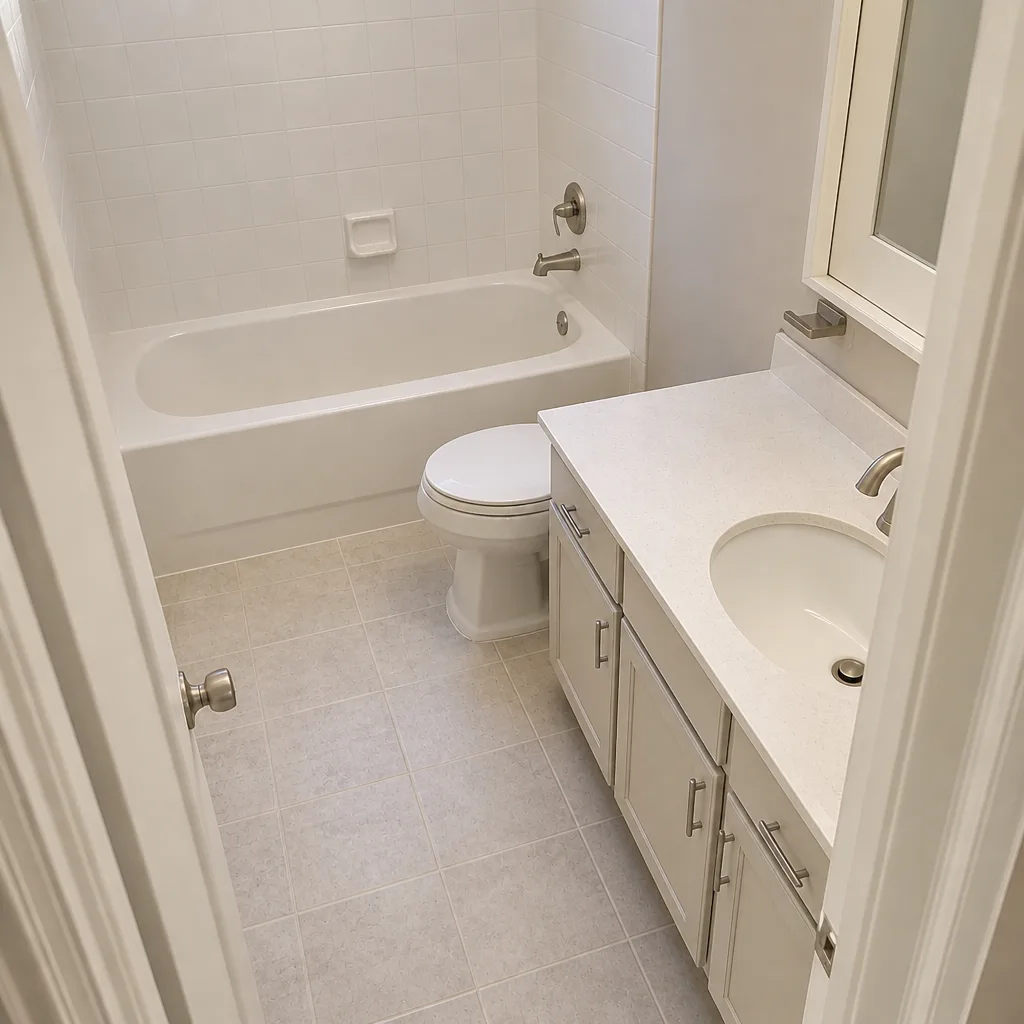
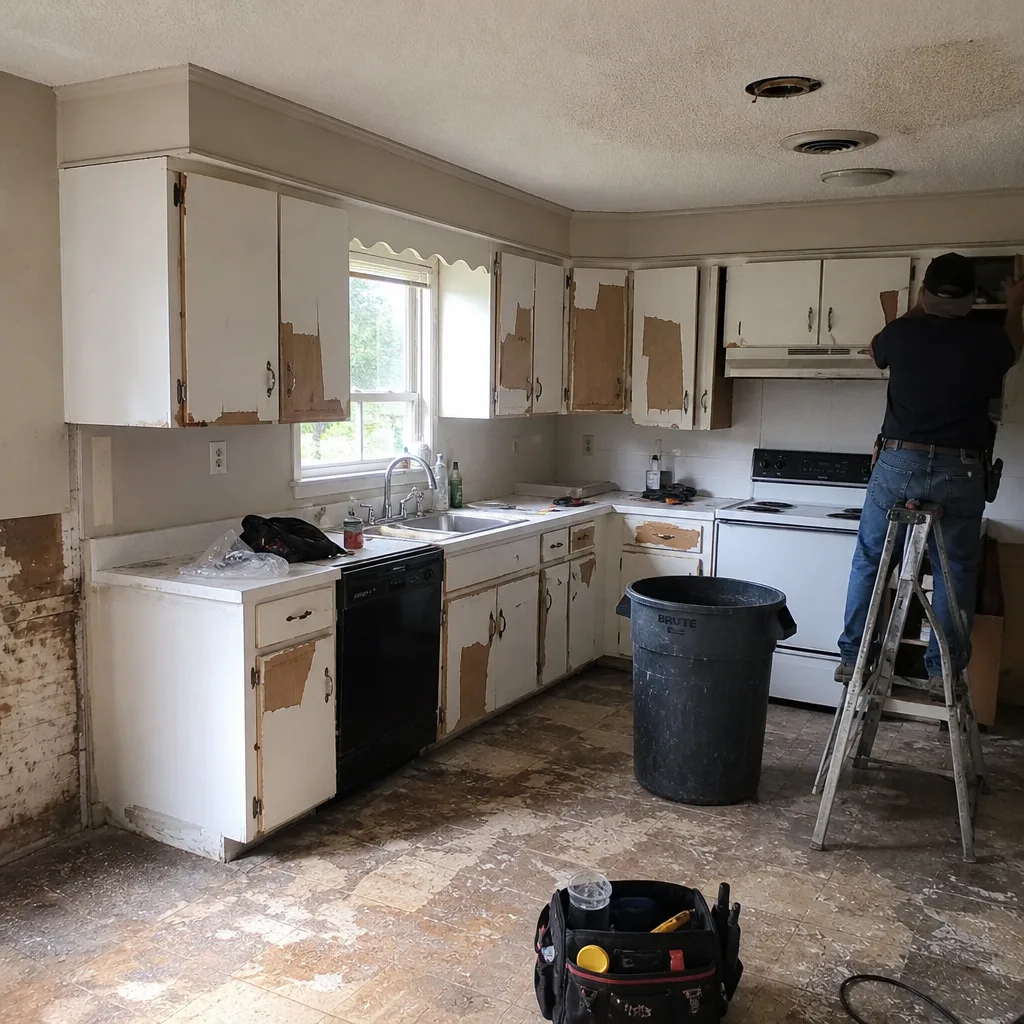
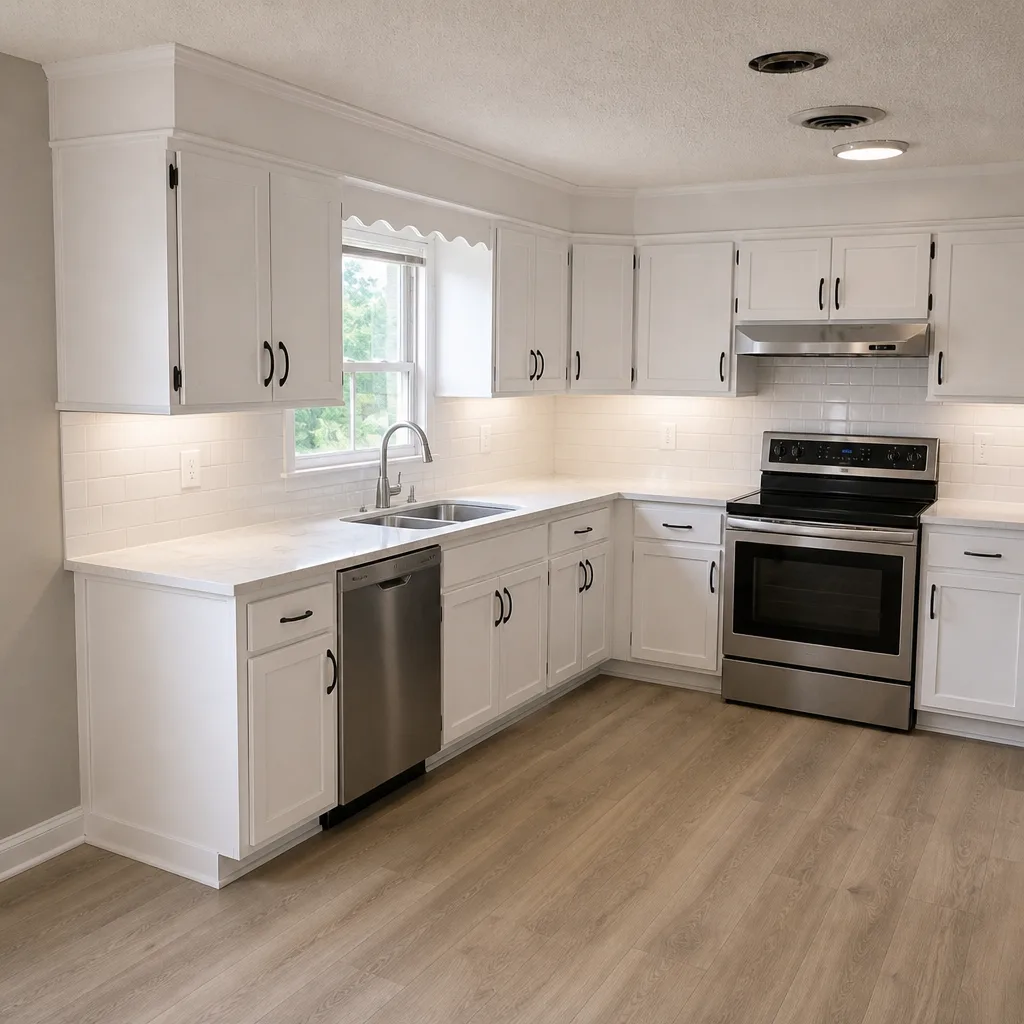
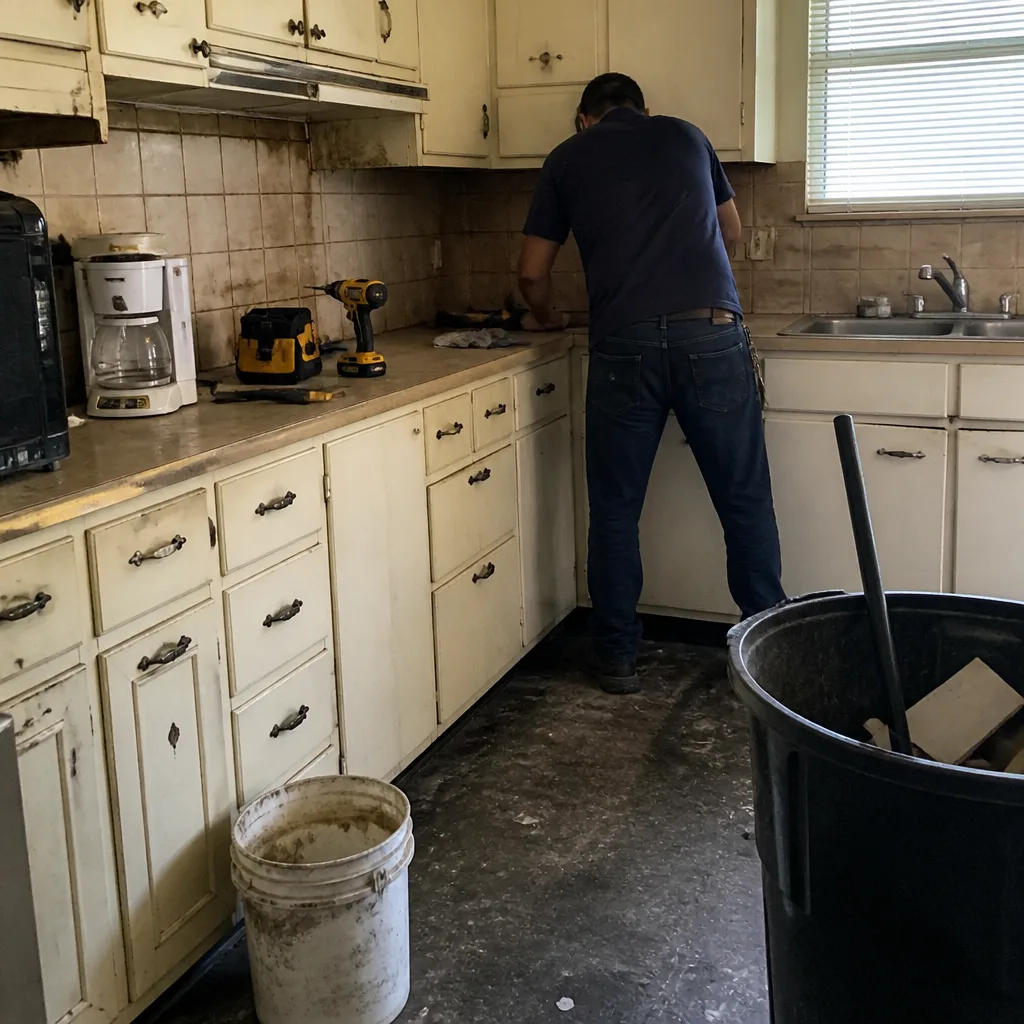
See the difference
 Before
 After
 Before
 After
 Before
 After
When to Call a Professional
Call if a crack widens noticeably over one season, if a retaining wall leans or bulges, if water pools against the foundation after a storm, or if doors and windows were fine last year and suddenly aren’t. Those are the scenarios worth a professional set of eyes, and the cost of a free estimate is far below the cost of a repair that waits too long. If the work falls within our services, the team at Groundwork Construction Co. of Allen offers free estimates, backed by upfront pricing and the 730-Day Done Right Promise. Call (888) 343-9048 to schedule yours. If it’s outside our scope, we’ll tell you, and you’ll still walk away knowing what you’re looking at and what to do next. Call us today to get the conversation started.
Frequently Asked Questions

A crack is serious when it grows over time, when it follows a stair-step pattern through brick mortar, or when it runs through the brick itself rather than the joint. Measure it once a year with a crack gauge and keep a photo log; a hairline crack under 1/16 inch that’s stable for years is usually cosmetic, while a crack that widens after each dry season points to clay movement and deserves an inspection. If a crack is paired with a sticking door or window, call for an assessment. Call (888) 343-9048 for a free estimate.
The Blackland Prairie clay under most of Allen expands when wet and shrinks when dry, and that cycle moves the ground throughout the year. The soil’s movement is normal; the problem comes when drainage sends water to the wrong place or when dry-season cracks open enough for water to get in and freeze. Managing grade, gutters, and downspouts is how Allen homeowners keep that movement within tolerable limits, and checking the soil line against the foundation after the dry season is the best early warning you have.
A wall that’s failing typically leans, bulges in the middle, or shows joints that open at the top and pinch at the bottom, and it often comes down to blocked weep holes holding water behind it. Sight down the face of the wall to check the lean, check the joints, and make sure the weep holes run freely. Saturated clay puts far more pressure on a wall than dry clay, so a wall that looks fine in dry weather can be under load in a wet spring. Any lean or bulge is a reason to bring in a professional now, not later.
Repair a slab when the subbase is still sound and the crack is stable; replace it when you see step-offs at joints, gaps under slab edges, or ponding that keeps returning in the same spot. Those latter signs mean the base underneath has failed, and patching the surface just hides the problem until it returns. A professional can tell the difference in person, and the decision usually hinges on the subbase, not the concrete. Call (888) 343-9048 for a free estimate and we’ll walk the flatwork with you.
The most common mid-project red flags are schedule slippage with no written explanation, retroactive change orders, silent material substitutions, and payment requests that get ahead of completed milestones. The fix is documentation: keep every change order and inspection record in one file, and confirm verbal agreements in writing. A contractor who answers the phone, prices the job upfront, and puts commitments on paper tends to be the one who keeps the project on track. Give us a call if you’d like help reviewing a project you’re already in the middle of.
Schedule an inspection after the summer dry season, after the first heavy fall rain, after the first freeze, and at the start of the wet spring, plus any time a storm produces new visible damage. Movement from clay soil and moisture is easiest to catch in its early stages when you check at those points and compare photos from year to year. If you notice a trend, don’t wait for your next scheduled check; call (888) 343-9048 for a free estimate and a professional opinion on what you’re seeing.
The Bottom Line
The expensive failures on Allen homes almost never start with a dramatic event. They start as a hairline crack, a gap under a slab edge, a little water standing where it shouldn’t, or a wall with a slight lean that gets checked too late. These signals show up 6 to 18 months before the repair bill multiplies, and all of them are visible if you know where to look and when. Inspect seasonally, keep a photo log, read your flatwork and walls the way this guide describes, and put every contractor commitment in writing. When a signal looks like a trend, call a pro while it’s still cheap. That’s the difference between a couple hundred dollars and a major repair, and it’s the habit we’d want in our own homes. Our technicians have up to 12 years of experience reading these exact conditions, and we’re happy to take a look at yours.
Call (888) 343-9048 for a free estimate and a no-pressure walkthrough of your Allen property. Calls are answered by a live person 24 hours a day, technicians are background-checked and arrive in uniform, and every project we take on is backed by our 730-Day Done Right Promise: if it’s not done right, we make it right.
Written by the team at Groundwork Construction Co. of Allen.