Last updated November 18, 2026






Free written scope consultation - allowances, timeline, and change-order rules on paper before a single trade is scheduled
Windows & Doors Warning Signs Every Homeowner Should Know
Peeling interior paint near a window frame isn’t a paint problem. It’s water getting in through failed flashing or a compromised sill, and by the time the paint starts to peel, the wall cavity behind it has usually been wet for a full season. That’s the thing about window and door failure: the warning signs show up years before the catastrophic version. Mold. Rotted framing. A failed inspection at resale. In Allen, TX, where summer heat runs hard and spring hail is a fact of life, we get called out to look at “a drafty window” and find sheathing that’s been softening quietly for two years. This guide teaches you to read the early signs and act while the fix is still small.
Quick Answer
Windows and doors usually signal that they need replacement (or that a previous installation was done wrong) through five early signs: condensation between panes, frames you have to fight to operate, daylight visible around the edges, water staining or soft wood near the frame, and a frame that’s no longer square. A spike in energy bills paired with any of these points to the window or door rather than the HVAC system. In Allen, storm damage from hail and wind adds a sixth category that needs documentation fast for insurance purposes.
Styles & brands we work with
- Kitchen remodeling
- Bathroom remodeling
- Home additions & ADU
- Roofing
- Windows & doors
- Driveway & pavers
- Fence
Table of Contents
- The Visible Warning Signs and What Each One Actually Means
- Energy Bill Warning Signs: Window Problem or HVAC Problem?
- Bad Installation vs. Product Failure: Why the Distinction Matters
- Structural Warning Signs in Door Frames
- The Allen, TX Hail Damage Checklist
- How to Assess Your Own Windows and Doors: A Step-by-Step Walkthrough
- Repair or Replace? A Decision Framework
- Common Mistakes to Avoid
- When to Call a Professional
- Frequently Asked Questions
The Visible Warning Signs and What Each One Actually Means
Every warning sign on a window or door is a symptom of something specific underneath it. Learning to read the sign correctly is the difference between patching a draft strip and catching failed flashing before it rots a header. Here’s the inventory we walk through with homeowners in Allen, and what each sign really points to.
- Condensation between the panes. Fog or water droplets trapped inside a double- or triple-pane window means the sealed glass unit has lost its seal. The insulated gas has escaped and the desiccant is spent. This is a product failure, not an installation problem, and it usually means that glass unit should be replaced.
- Condensation on the inside of the glass. Different story. Interior surface moisture points to high indoor humidity or a window that’s the coldest surface in the room. In an Allen summer, that can also flag an AC system pushing too much humidity into the house.
- Operational resistance. A window that used to glide and now needs two hands, or a door that catches on the strike plate, is telling you the frame has shifted or the hardware has worn. On an older single-hung, it can be a broken balance; on an aging vinyl unit, it can be a bowed sash.
- Light gaps. Hold a flashlight against the frame on a bright day, or check from inside after dark. Daylight around the edge means failed weatherstripping, a warped sash, or a frame that was never shimmed square. Light gaps are a direct line to your cooling bill in July.
- Water staining and soft wood. Brown rings on drywall below a window, discolored trim, or wood that yields to a screwdriver point to water intrusion. This is the most serious sign in the group because it often means the wall cavity is already wet.
- Frame deformation. A visibly bowed sill, a corner that’s separated, or a visible crack running through the frame means structural movement or long-term moisture damage.
In Allen, we regularly see the water-staining cluster on west- and south-facing windows that catch the worst of the afternoon sun and the driving rain that comes with spring storms. That exposure side is where we look first.
Energy Bill Warning Signs: Window Problem or HVAC Problem?
A jump in your electric bill is not, by itself, proof your windows are failing. Texas summers push AC bills up for a dozen reasons. The skill is knowing which pattern points to the envelope and which points to the equipment. Here’s the diagnostic logic we use before recommending anyone spend money on windows.
- Compare month over month, same season. A bill that’s meaningfully higher than the same month last year, with the same occupants and thermostat habits, is worth investigating. A bill that’s higher in August than in April is just August.
- Check the bill against outdoor temperature. Normalize for how hot it actually got. If your usage per degree-day has climbed, something in the house changed. Windows and doors are a common cause, but so is a failing AC capacitor or a dirty coil.
- Test room by room. If one or two rooms run noticeably hotter than the rest, and those rooms have the most glass or the oldest windows, the envelope is the likely culprit. If every room runs hot together, suspect the HVAC.
- Do the draft test. On a windy day, hold a thin tissue near the edges of doors and windows. Flicker means air exchange. Flicker at multiple openings is a window and door story, not an HVAC story.
- Feel the glass. A modern low-E window should feel only slightly warm to the touch in direct sun. Glass that’s uncomfortably hot on the inside surface is letting radiant heat through, which means an older or degraded coating.
If the pattern lands on the envelope, that’s when a window and door assessment makes sense. Allen homes built in the 1990s and early 2000s are hitting the age where original builder-grade windows and sliding doors have lost their seals and their efficiency together. If you’re weighing bigger envelope projects alongside this, our Groundwork Construction Co. of Allen home page lays out the full scope we work in.
Bad Installation vs. Product Failure: Why the Distinction Matters
This is the most important distinction in the entire guide, and it’s the one most homeowners never get explained. A window can fail because the product itself was defective, or because it was installed incorrectly. The two look similar on the surface and lead to completely different conversations about warranty, repair, and who pays.
Signs of a bad installation
- Water staining or rot concentrated at the top corners where flashing should sit
- Visible gaps between the frame and the rough opening that were filled with spray foam alone, with no flashing tape or sill pan
- Windows that sit visibly out of level or out of plumb when you check with a level
- Caulk lines doing all the waterproofing work, with no proper flashing behind them
- Multiple units in the same house failing in the same way at the same time, which usually means a shared installation flaw
- Rot in the sill or sheathing that starts inside the wall rather than at the glass
Signs of product failure
- Fogging between the panes on an otherwise sound, square, dry frame
- Broken balances or operators on a window that’s otherwise seated correctly
- Failed weatherstripping on a door that still swings true
- A single unit failing while its neighbors hold up fine
Why does the distinction matter for warranty? Because most window manufacturer warranties cover the product, not the installation. If the failure traces back to flashing or sealing done during the install, the manufacturer can reasonably decline the claim, and you’re left negotiating with whoever did the work. In Allen, we’ve seen this play out on homes where a prior “cheap window swap” was done without sill pans. The new homeowner inherits the problem years later with no paper trail.
The distinction also drives the repair-or-replace call. A product failure on an isolated unit can often be fixed by replacing that unit. An installation failure across a whole wall usually means pulling and redoing the affected openings, which changes the scope entirely. This is exactly where a clear-eyed upfront assessment saves money. Upfront pricing, no surprises, is the only honest way to quote a job like this, because the scope depends on what the inspection finds behind the trim.
When replacement is the right call, the material partner matters as much as the crew. Andersen and Marvin are the two window brands we keep in the portfolio because their warranties and their hardware hold up in Texas heat. On the siding side, James Hardie fiber cement is the product that keeps the envelope sound around a new window for the long haul. You can read more about how the whole exterior ties together in our guide to Fence Installation in Allen if you’re also thinking about the property line.
Structural Warning Signs in Door Frames
A door that sticks can be a hardware problem, a weather problem, or a foundation problem. The trick is telling them apart. Here’s what each pattern actually means, and why it’s worth knowing before you call anyone.
- One door sticking, the rest fine. Usually humidity swell, a loose hinge, or a strike plate that’s drifted. Low stakes, easy fix.
- Multiple interior doors sticking all at once. This is the pattern that points to foundation movement or a significant humidity swing. When it happens after a long dry spell in Allen, it’s often seasonal movement that settles back. When it happens suddenly and stays, it’s worth a foundation check.
- Out-of-square openings. Look at the gap between the door and the frame. A consistent gap around all four sides is normal. A gap that’s wide at the top and narrow at the bottom, or narrow on one side and wide on the other, is a parallelogram, and that means the opening is no longer square.
- Header sag. The top of a door opening that visibly bows down, or a door that drags hard against the head jamb, means the framing has settled or the header has deflected. On an exterior door, that can also mean a rotting header behind the trim.
- Threshold gaps. Daylight under an exterior door, or a threshold that no longer sits flat, tells you the sill has shifted. That’s water entry waiting to happen.
- Diagonal cracks radiating from door corners. This is the most serious sign on the list. Cracks running from the top corners of an interior door at roughly 45 degrees usually point to foundation movement, and they deserve a foundation inspection before anything cosmetic.
In Allen, we’ve walked through older neighborhoods where a combination of clay soils and long dry summers creates the kind of seasonal foundation movement that shows up first as a door that sticks in August and frees up in November. The seasonal version is usually benign. The permanent version is not, and the fix is rarely “adjust the door.”
If the diagnosis lands on foundation movement or a larger structural concern, the scope of work changes into the territory of home add-on and structural work. Our page on Home Additions & ADU in Allen covers the structural and permitting side of that conversation.
The Allen, TX Hail Damage Checklist
Allen sits in the heart of North Texas hail country, and windows and doors take the hit in ways most homeowners don’t register until months later. Storm damage on a window is rarely just broken glass. Here’s the full checklist to walk after a hail event, plus the insurance timing that matters.
- Check the glass for pitting and star fractures. A hailstone can leave a small crater in the surface of the glass that doesn’t break through but weakens the pane. Look at an angle to catch the light; pits show up as small bright dots.
- Check the screens. A dented or torn screen is often the first evidence of hail impact, and it’s the easiest thing to document for an insurance claim.
- Check the frames and cladding. On vinyl, look for cracks or gouges; on aluminum, look for dents; on fiberglass, look for surface chips. Any of these can compromise the seal.
- Check the seals and glazing beads. A hard impact can loosen the glazing bead and the perimeter seal without breaking the glass. That’s a slow leak waiting to reveal itself.
- Check the doors. Storm doors, sliding glass doors, and any painted steel or fiberglass door can take dents or finish damage that opens the door to rust or water absorption.
- Photograph everything before you touch it. Every damaged unit, with the date visible in the metadata. Insurance companies want the original state.
- File the claim within the insurer’s window. Most homeowner policies require prompt notice of a loss, and the practical window is usually a few weeks, not a few months. The Allen area sees multiple hail events per season, so documenting which event caused which damage matters.
One detail most homeowners miss: a hailstorm that dents your roof almost always hits the windows and doors on the same elevation. If you’re filing a roof claim, have a window and door assessment done at the same time. Bundling the scope into one documented event is far easier than trying to add windows months later.
If you’re also looking at exterior paving that took hail and storm damage, our Driveway & Pavers in Allen page covers what to look for and how to fold that into the same conversation.
How to Assess Your Own Windows and Doors: A Step-by-Step Walkthrough
You don’t need tools to do a useful first pass. You need a bright day, a flashlight, a level, and half an hour. Here’s the walkthrough we’d do ourselves.
- Start outside and walk the perimeter. Look at every window from the ground. Note any that are visibly out of square, any with cracked frames, any where the caulk line has separated from the siding.
- Check each window from inside on a sunny day. Look for light leaking around the edges. Note any fogging between panes. Look at the drywall and trim below the sill for water staining.
- Operate every window and door. Open and close each one. Note any that resist, grind, or don’t latch cleanly. This step alone catches most failing hardware.
- Do the tissue draft test. On a windy day, hold a tissue near the edges of each exterior door and window. Note any flicker.
- Run a level on the major frames. Check plumb on the sides and level on the sills of your largest windows and your exterior doors. Small deviations are fine; visible ones are not.
- Feel the glass. In direct sun, compare the inside surface temperature of older windows to newer ones. The difference tells you if your low-E coatings have degraded.
- Photograph and date every finding. Keep a log. When you do call a professional, a dated photo log shortens the assessment and often saves money on the estimate.
Do this walkthrough once a year, ideally in early spring before storm season. In Allen, the pre-storm baseline photos are gold if you do end up filing a claim.
Repair or Replace? A Decision Framework
The honest answer to “should I repair or replace” depends on the pattern, not on any single sign. Here’s the framework we use when we’re standing in a homeowner’s living room.
- Repair is usually the right call for a single failed sealed unit, a worn balance, a failing lock, or isolated weatherstripping. These are component-level fixes and they’re inexpensive.
- Replace is usually the right call when multiple units in the same house fail in the same way, when frames are visibly deformed, when water damage has reached the sheathing, or when the windows are 20+ years old and losing efficiency across the board.
- Installation rework is the call when the signs point to a bad install. This means pulling and redoing the openings that are compromised, not necessarily replacing every window in the house.
- Get a foundation inspection first when doors are sticking across the house or cracks radiate from door corners. Window and door replacement on a moving foundation is money thrown away, because the new units will rack and fail the same way.
The most expensive mistake in this whole decision tree is replacing good windows when the real problem is the install or the foundation. The second most expensive is repairing a failing envelope one component at a time for five years and never fixing the systemic issue. A single honest assessment up front is cheaper than either path.
See the difference
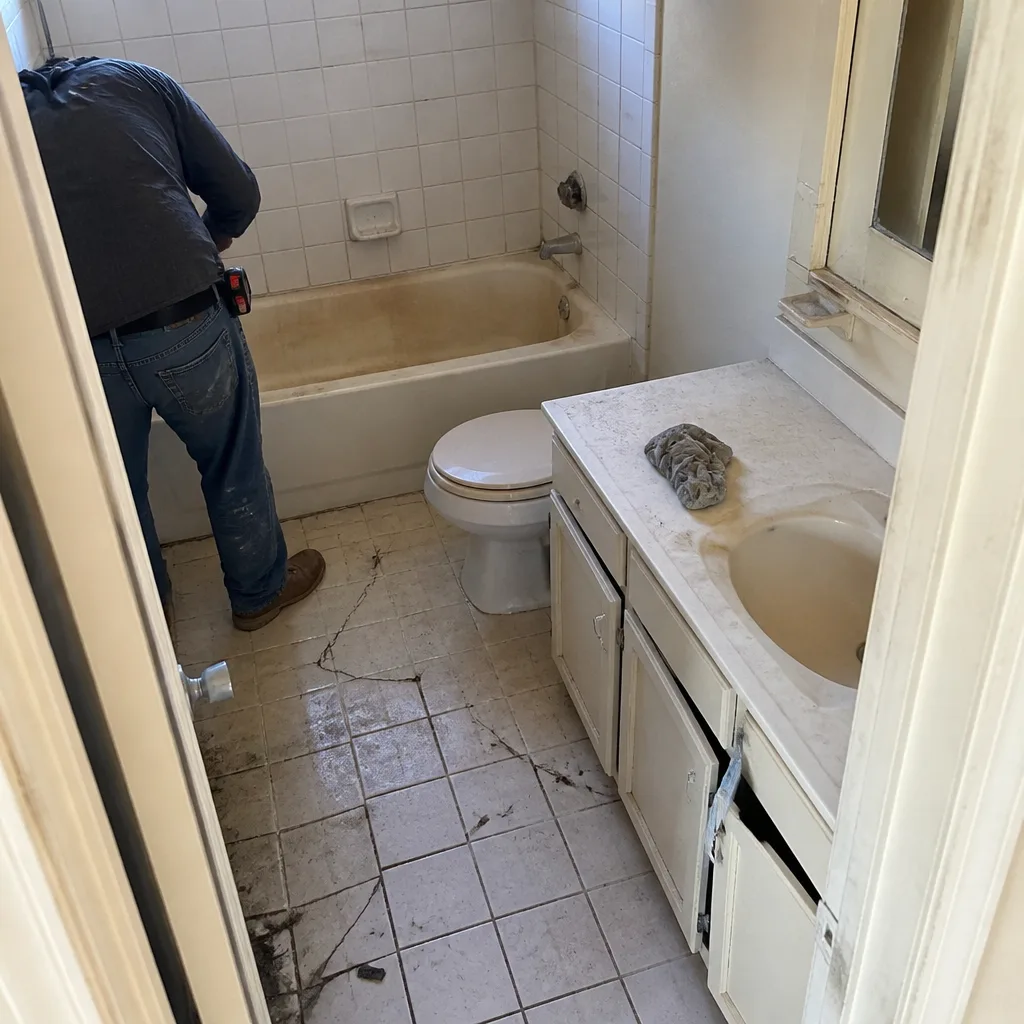 Before
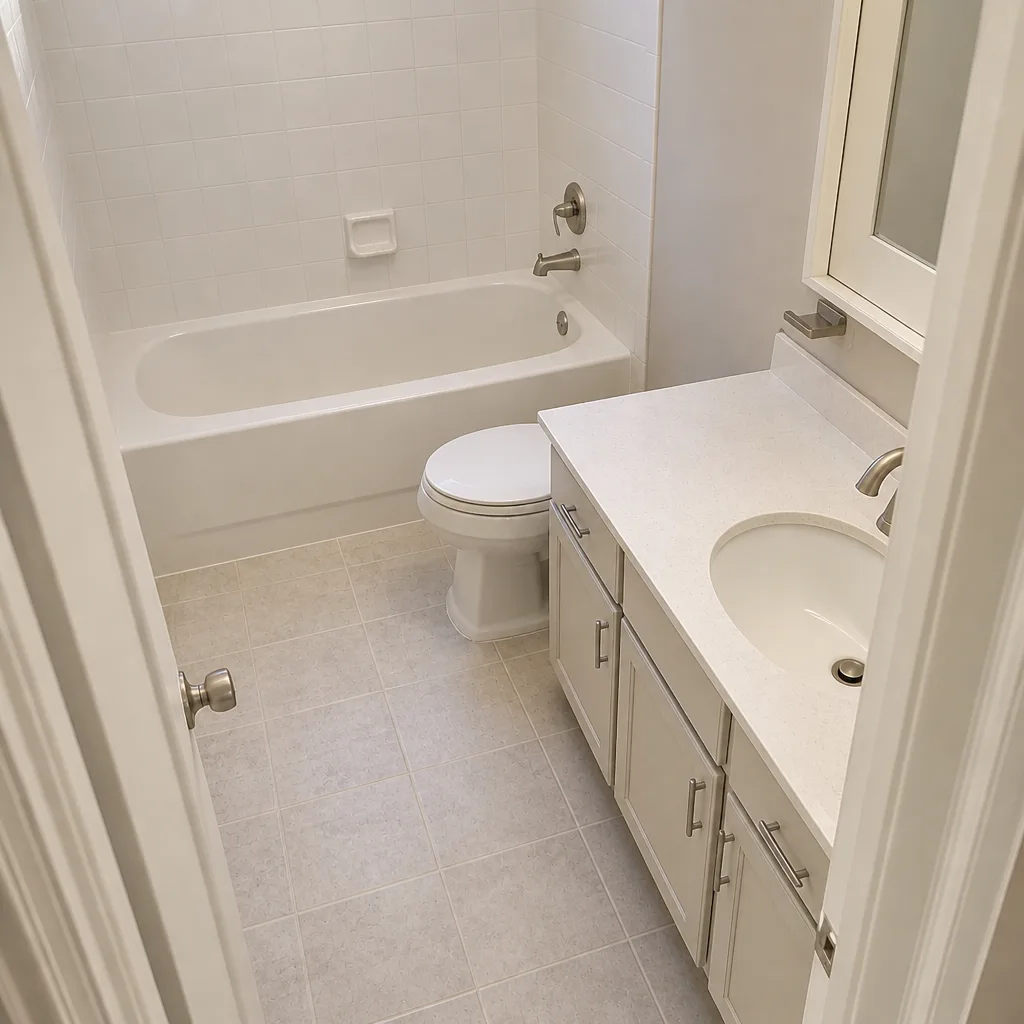 After
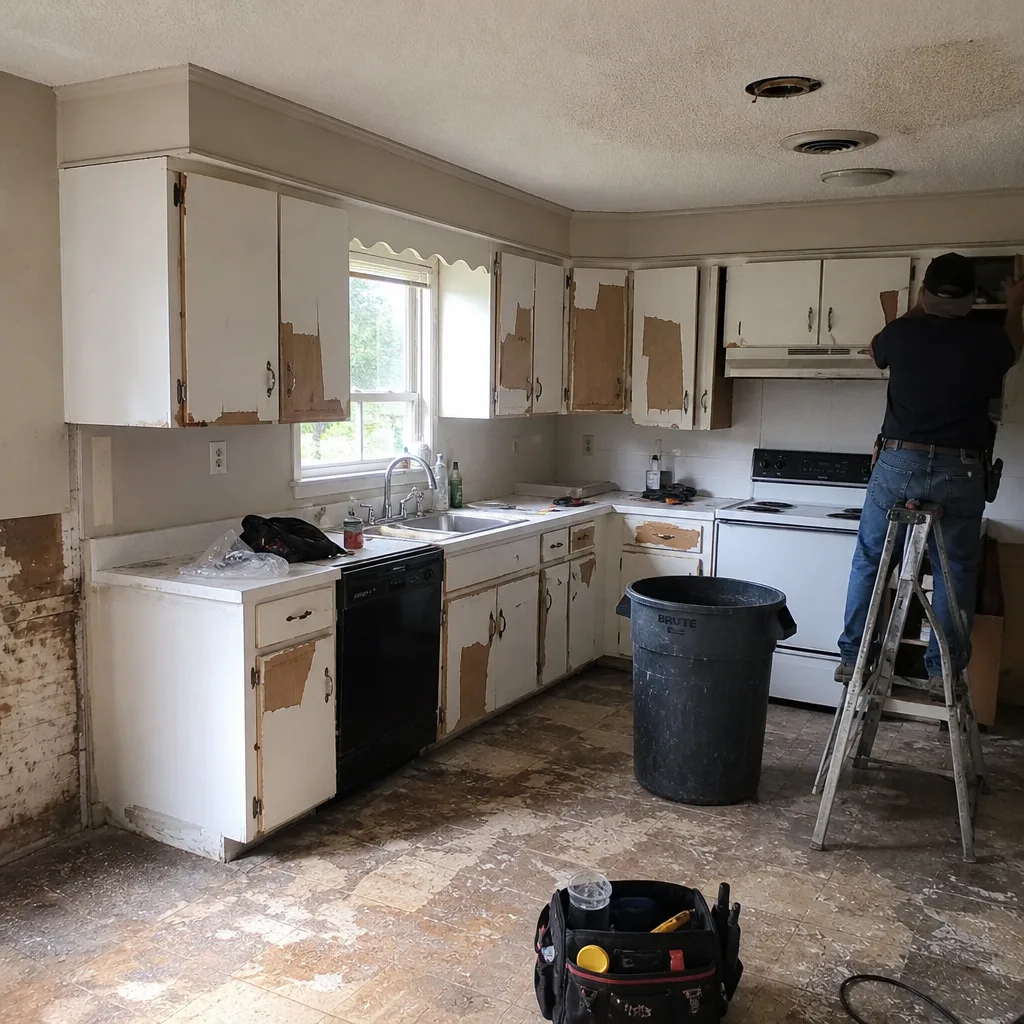 Before
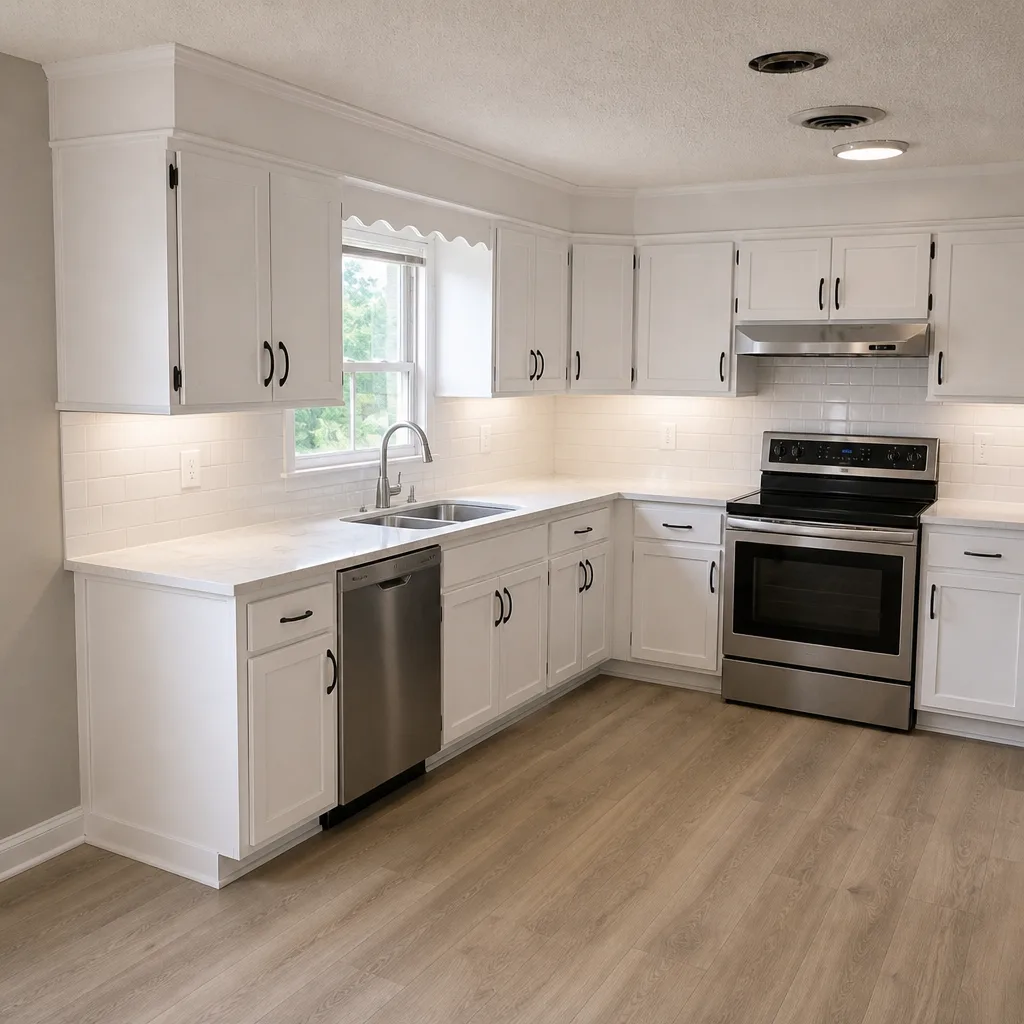 After
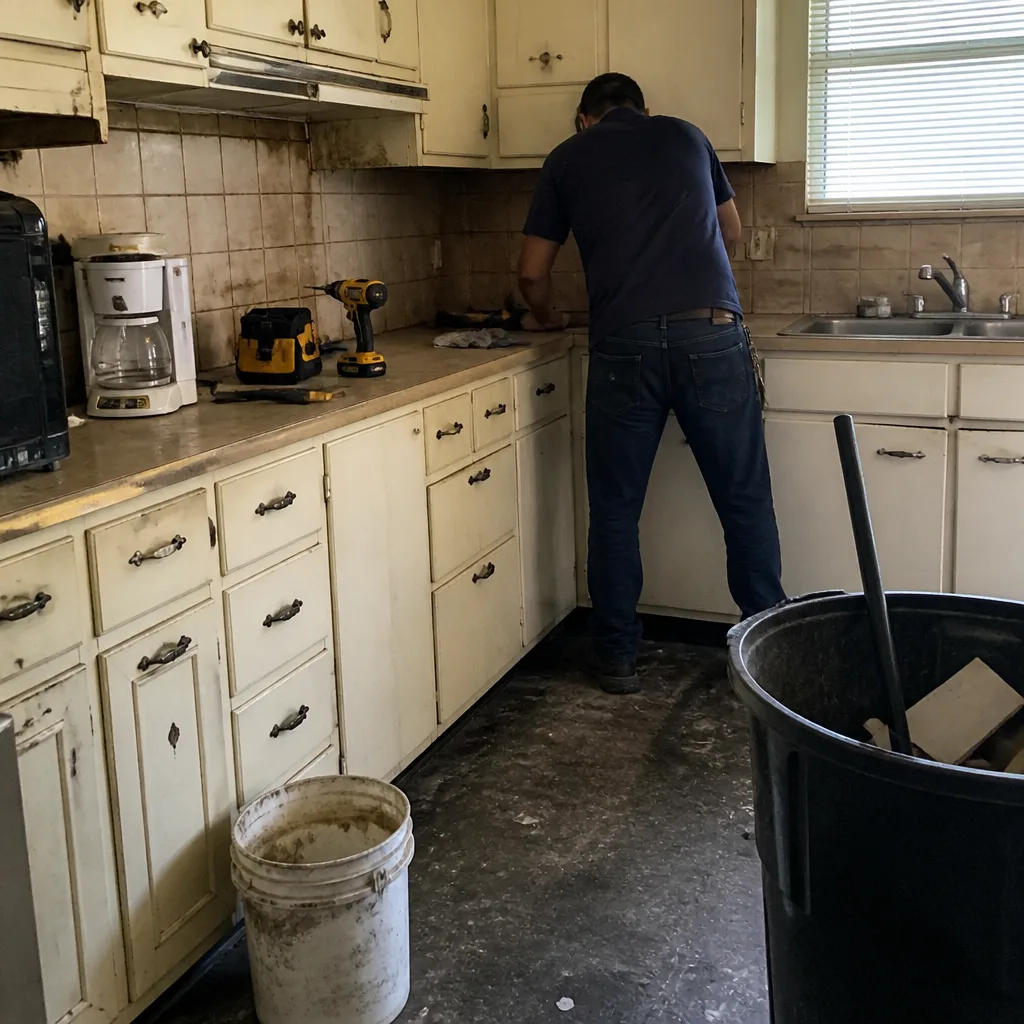 Before
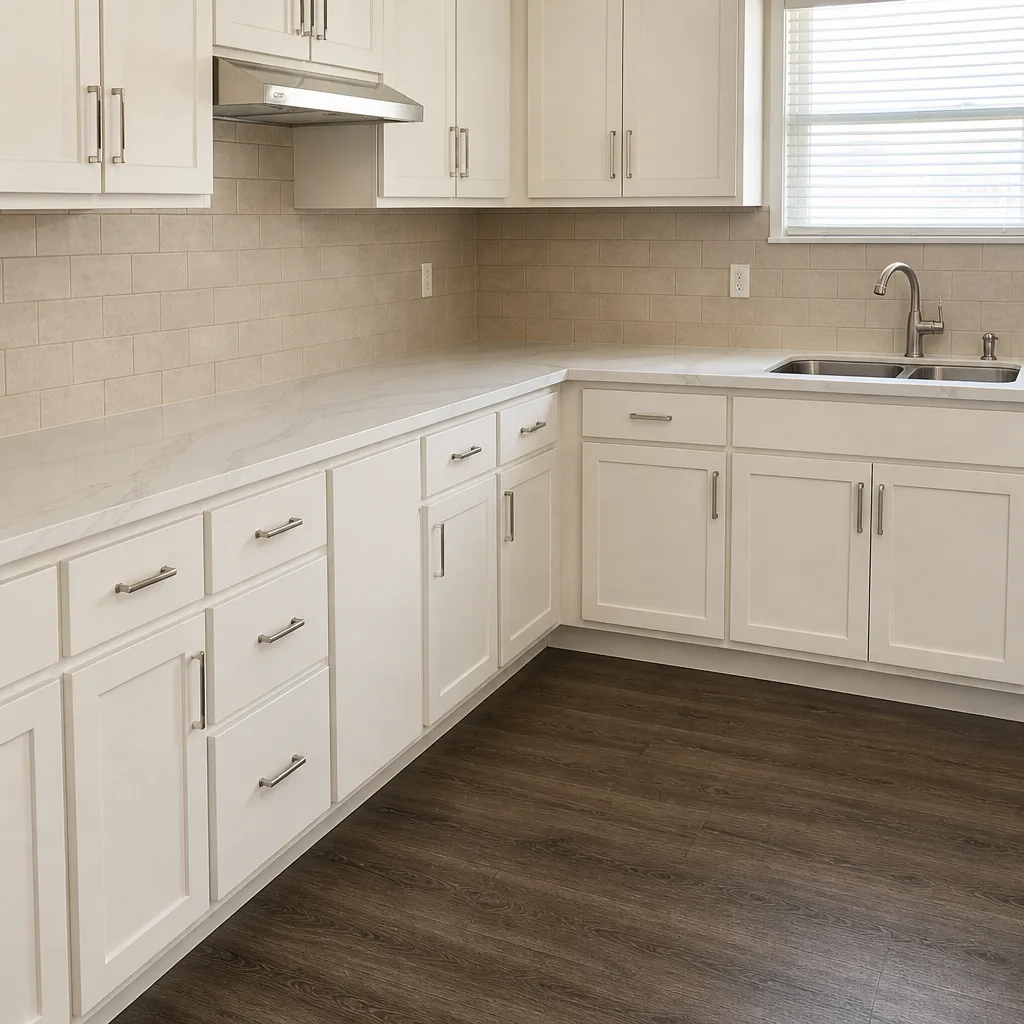 After
Common Mistakes to Avoid
- Painting over water staining without finding the source. Peeling paint near a window in an Allen home is a water problem, not a paint problem. Painting over it just hides the evidence while the wall cavity keeps getting wetter.
- Caulking the exterior as a “fix” for drafts. Caulk is a maintenance item, not a water management strategy. If your windows need caulk every season, the flashing or the install is failing underneath.
- Replacing windows before checking the foundation. On homes with active foundation movement, new windows rack and fail on the same timeline as the old ones. Get the foundation evaluated first.
- Assuming the manufacturer warranty covers the install. It usually doesn’t. If the failure traces to flashing or sealing from the original job, the manufacturer can decline the claim.
- Waiting to document hail damage until after a repair. Once someone fixes the damage, the insurance claim gets much harder. Photograph everything before anyone touches it.
- Hiring the cheapest window bid without a written scope. A low bid that doesn’t specify flashing, sill pans, and trim detail is a bid to redo the failure in five years.
- Ignoring one sticking door and assuming it’s seasonal. Seasonal movement is real in Allen, but a door that sticks permanently and stays stuck is telling you something structural.
When to Call a Professional
Call a professional when a sign on this list shows up in more than one place, when water staining has appeared on drywall or trim, when daylight is visible around a closed window or door, when multiple doors stick all at once, or when hail has hit your roofline and you want the windows and doors checked on the same elevation. Call sooner rather than later if you’ve got stains that have grown across a season, or a door frame that has visibly changed shape. These are the patterns where early detection saves the most money, and where waiting turns a repair into a replacement. Groundwork Construction Co. of Allen offers free estimates in Allen. Call (888) 343-9048 to schedule yours, and we’ll walk the whole envelope with you.
Frequently Asked Questions
Replace when multiple units in the same house fail in the same way, when frames are visibly deformed, or when water has reached the sheathing. Repair when the problem is isolated to a single unit, a worn balance, or weatherstripping that can be swapped. A free estimate in Allen will tell you which side of that line your windows are on, and the answer is usually clearer once someone looks at the flashing and the sill pan.
Condensation between the panes means the insulated glass unit has lost its seal and the gas between the panes has escaped. That’s a product failure, not an install failure. On a double- or triple-pane window that’s fogging or has water droplets trapped inside, the sealed unit needs replacement. Call (888) 343-9048 for a free estimate on that unit.
Interior doors stick in Allen summers because wood and engineered doors absorb humidity and swell, and because the clay soils under many Allen homes move seasonally with the weather. A door that sticks in August and frees up in November is usually humidity or seasonal movement and worth monitoring. A door that sticks permanently and stays stuck, especially when more than one door does it at once, is worth a foundation check before any window and door work.
Look for water staining or rot concentrated at the top corners where flashing should sit, visible gaps filled with spray foam alone, windows that are visibly out of level, and multiple units on the same wall failing in the same pattern. If the failures follow the installation details rather than the product, that’s an install problem, and the manufacturer warranty may not cover it. An inspection that includes pulling the trim is the only way to know for sure.
Most homeowner policies cover hail damage to windows and doors in Allen, but only if the damage is documented and the claim is filed within the policy’s notice window, which is usually a matter of weeks rather than months. Photograph every damaged unit before any repair. If you’re filing a roof claim, have the windows and doors on the same elevation inspected at the same time, because bundling the scope into one documented event is far easier than adding windows months later.
A typical whole-home window replacement takes one to three days depending on the number of units and whether any trim or sheathing repair is needed. Doors are usually a day per opening. If the assessment turns up water damage or an install rework, add time for the repair scope. Groundwork Construction Co. of Allen gives you a written, line-item scope before work starts, so the schedule you’re quoted is the schedule you get. Call (888) 343-9048 for a free estimate.
The Bottom Line

Windows and doors tell you they’re failing years before the failure gets expensive, and the signs are almost always readable if you know what to look for. Condensation between panes, light gaps, water staining, operational resistance, out-of-square door frames, and a bill spike that lands on the envelope rather than the HVAC. In Allen, add hail documentation to the checklist and photograph everything before anyone touches it. The two things that separate a cheap fix from a costly one are early detection and the willingness to find out whether the real problem is the product or the install. That’s the whole job: read the signs, get an honest assessment, act before the cavity is wet. Built to last, backed in writing. If the assessment lands on replacement, the 730-Day Done Right Promise means if it’s not done right, we make it right.
Ready to find out where your windows and doors actually stand? Call (888) 343-9048 for a free estimate in Allen. Live person, 24/7, and a written scope before any work begins.
Written by the team at Groundwork Construction Co. of Allen.