Last updated November 18, 2026
Free written scope consultation - allowances, timeline, and change-order rules on paper before a single trade is scheduled
Fence Installation Maintenance Schedule: What to Do and When
Most homeowners in Allen treat fence maintenance like a car wash. They get around to it when something looks bad. That’s a mistake with real money attached. A wood fence in North Texas that has never been sealed can lose about 30% of its moisture resistance each year it sits in full UV, quietly drying out and starting to rot at the base before anyone notices. We’ve pulled countless fence posts in Allen that fell apart in our hands – soft, crumbly, and barely five or six years old. The fence had looked fine, right up until a storm shoved it over. What follows is the seasonal schedule we actually use on projects across Allen – the inspections, treatments, and timing that separate a 15-year fence from a 7-year one.
Styles & brands we work with
- Kitchen remodeling
- Bathroom remodeling
- Home additions & ADU
- Roofing
- Windows & doors
- Driveway & pavers
- Fence
Quick Answer
A North Texas wood fence needs inspection twice a year (early spring before storm season and late fall after it), a full stain and seal every 3 – 4 years, and a quick check after every high-wind event. Post-storm inspection and soil-gap maintenance matter more in Allen’s clay soil and UV load than climate-friendly generic guides let on.
Table of Contents
- Why Fence Maintenance in Allen Is Different
- The North Texas Seasonal Fence Calendar
- How Often to Stain and Seal a Wood Fence in Allen
- Post-Storm Inspection: Structural vs. Cosmetic Damage
- The Soil-to-Wood Gap: Rot Prevention in Clay Soil
- Cedar vs. Pine vs. Composite
- Choosing the Right Treatment Products
- Common Mistakes to Avoid
- When to Call a Professional
- Frequently Asked Questions
Why Fence Maintenance in Allen Is Different
Allen sits in what landscape specialists sometimes call the “UV strip” of North Texas – an area where summer sunlight intensity runs noticeably higher than in temperate climates, and where clay soil cycles between wet and bone-dry more aggressively than almost anywhere else in the country. Both of those conditions are hard on wood fencing.
UV radiation doesn’t just fade your fence. It breaks down lignin, the natural glue in wood that holds fibers together. Every summer in Allen, we see boards that have gone silver-gray and started to check (split along the grain) because lignin has been cooked out of them. Once that happens, the wood absorbs moisture unevenly, warps, and loses structural strength.
Then there’s the clay soil. Allen’s black and grey clays swell when wet and shrink when dry, sometimes moving several inches over a season. A fence post set in that soil is in constant motion. The gap between the fence and the ground – or the lack of one – determines whether moisture gets trapped at the base. Trapped moisture combined with clay that never fully drains is the leading cause of post rot in Allen. And the storm belt that runs through Collin County brings high-wind events several times a year, each of which has the potential to stress a fence’s fasteners and posts.
Generic fence maintenance advice written for, say, a climate in the Pacific Northwest doesn’t account for any of this. The schedule in this guide is the one we use on Allen jobs – from the newer subdivisions out toward Bethany Ridge to established lots closer to the town core.
The North Texas Seasonal Fence Calendar
The single best way to extend a fence’s life in Allen is to work on the fence’s schedule, not yours. Here’s what to inspect and treat, and when.
Spring (March – April): The Big Inspection
Storm season in North Texas ramps up in April and peaks through May and June. The weeks before that are when you patch, tighten, and treat – not after a limb takes out a run of pickets. Spring checklist:
- Walk the entire fence line, then push hard on every post. Any post that moves more than a fraction of an inch is loose and needs attention.
- Rattle the rails and fasteners. Tighten or replace any nail or screw that has backed out.
- Look for rot at the base of posts and the bottom edges of boards – the places most likely to be damaged after a wet winter.
- Clean the fence with a garden hose and a mild detergent. If green algae or mildew is present, use an appropriate fence cleaner and let it dry fully before any stain goes on.
- Apply stain and seal if the previous treatment is 3 – 4 years old or if the fence has gone gray.
Ballpark for a well-maintained wood fence is that a spring inspection and spot repair takes two to four hours. Fall treatment plus fresh stain can run a full day for an average residential lot.
Mid-Summer (July – August): The Storm Check
This is when the high-wind season really starts paying attention. After any severe storm – the kind that knocks branches loose or sends patio furniture airborne – walk the fence within 24 hours. Check posts for lean, boards for cracks, and the fence line for gaps or displaced panels. Don’t wait for the next monthly check. Post-storm inspection catches problems while they’re still cosmetic.
Fall (October – November): Prepping for Temperature Swings
Allen’s temperature swings between October and March are significant – 80-degree afternoons drop to 40-degree mornings a few weeks later. Wood expands and contracts with those swings. This is the time to:
- Re-treat the wood if the spring stain has thinned or if you skipped spring staining.
- Check the soil-to-wood gap at every post. Fall is when clay has dried and shrunk from the base, opening gaps that let cold air (and moisture) into wood fibers.
- Trim any branches or shrubs that are pressing on the fence. Foliage holds moisture against wood and promotes mildew over winter.
- Inspect the fasteners one more time before freeze threatens, since freeze cycles loosen nails.
Winter (December – February): Light Watch
Fence maintenance slows in winter, but don’t ignore the fence entirely. After a hard freeze, look for popped boards and split rails. If you’re in an area with winter ice accumulation, check the rails where they meet posts – those connections take the load of any ice weight.
How Often to Stain and Seal a Wood Fence in Allen
This is where generic advice does real damage. If you’ve read that you should stain a wood fence “every 5 to 7 years,” that guidance was written for a climate with less UV. In Allen, 5 – 7 years is enough time for a fence to go from gray to structurally compromised before it ever gets treated.
The Allen cycle: every 3 – 4 years. A fence that gets stained on this schedule will last roughly twice as long as one treated every 6+ years. That’s the difference between paying for stain every three years versus paying for a whole new fence at year seven or eight.
When to Stain vs. When to Seal
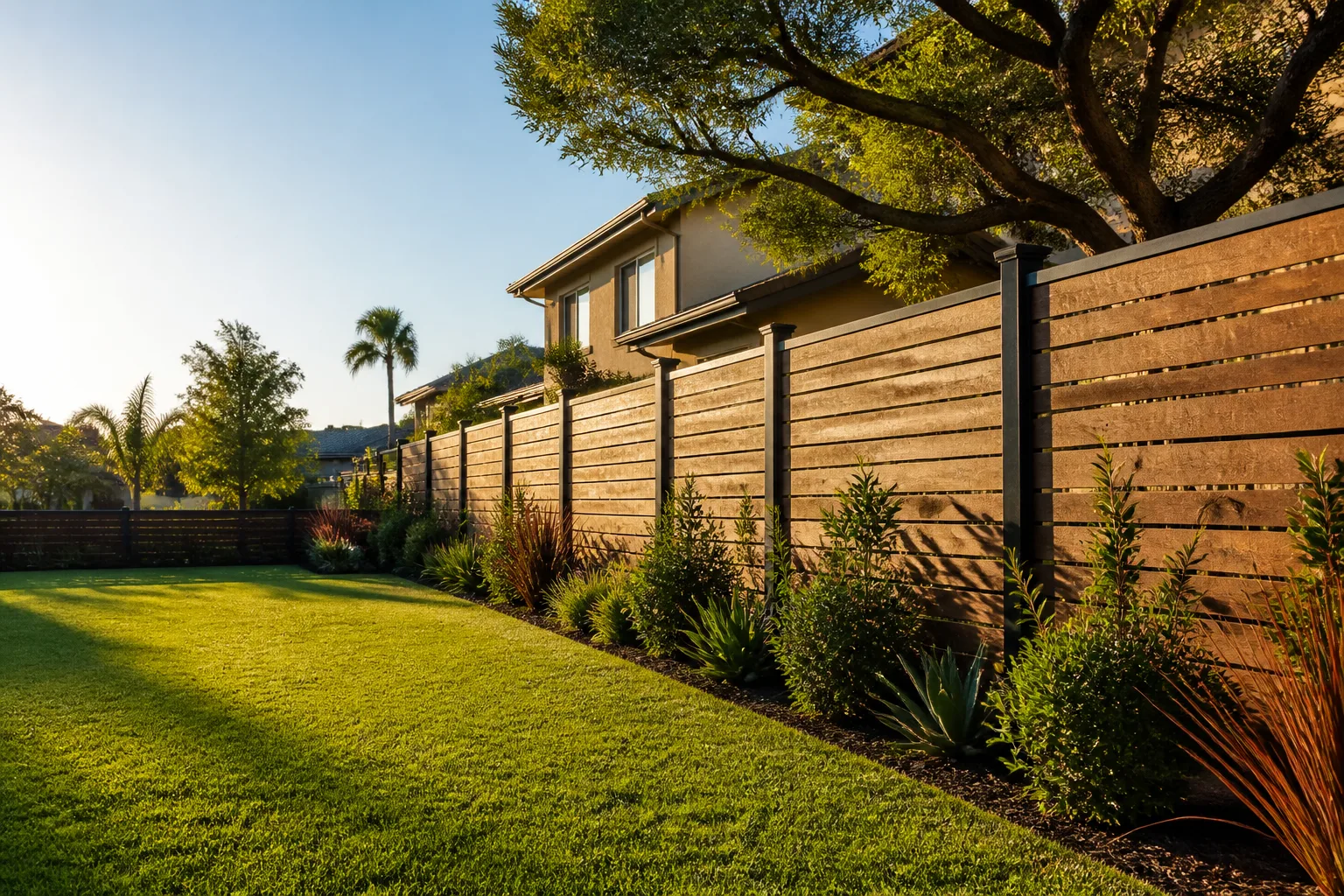
These aren’t the same job. Sealing (a clear finish) adds moisture resistance and UV protection on new or previously stained wood. Staining adds pigment that blocks UV and helps the wood tone look uniform. In Allen, a quality penetrating oil-based stain that includes UV blockers does the work of both. A pure sealer on gray, dry wood won’t rescue it – it’ll just lock moisture in.
Signs You’re Due for Stain Now
- The fence has turned a silver or gray tone over large areas.
- Water beads on the surface briefly, then absorbs quickly into the wood.
- You can press a thumbnail into a board and leave an indentation.
- It has been more than four years since the last treatment.
Signs You Can Wait Another Season
- Water beads off the surface as it would off a waxed car.
- The color is still reasonably consistent.
- There’s no visible checking, cracking, or mold.
Best Window to Apply Stain in Allen
Aim for early fall – October – when temperatures are moderate and humidity is moderate too. Avoid staining in July and August. Heat above 90°F causes stain to dry too fast and not penetrate, and afternoon storms can ruin a fresh application. Spring works too if you can find a dry 48-hour window before storm season.
Post-Storm Inspection: Structural vs. Cosmetic Damage
After a North Texas wind event, the question isn’t whether the fence has damage. It’s whether that damage is real. Here’s the protocol we use in the field.
The 60-Second Walk-Through
- Start at one corner and walk the full fence line, looking for leaning posts and any run of fence that has separated from a post.
- Push every post with your body weight, side to side. A post that flexes is a concern; a post that shifts at the base is structural.
- Look specifically at the ground around each post. Any washout, wide gap, or soil displacement means the post base has been compromised.
- Check rails for splits and boards for cracks that run the length of the grain. A crack that reaches the fastener is structural.
- Look at the fence top edge. Boards that have lifted or twisted out of alignment usually indicate a stressed rail.
Cosmetic Damage (Cosmetic = Can Wait)
- Faded or chipped stain or discoloration on the face of boards.
- One or two replaced pickets needed but the fence is standing square.
- Minor moss or mildew on the surface after rain.
Structural Damage (Address Now)
- Any post that leans more than a couple of degrees off vertical.
- Rails that have pulled away from posts or separated at the joint.
- Fence sections that are visibly out of plane with adjacent panels.
- Boards that have cracked fully through across their width.
- Metal fasteners that are pulled out, rusted through, or missing.
What to Photograph After a Storm
Take dated photos of every section with visible damage before you touch anything. If you’re going to file an insurance claim (some homeowners’ policies cover fence damage from certain storm events), the photos matter. They also give us – or any contractor – a clear picture of what needs repair before we arrive for a free estimate.
The Soil-to-Wood Gap: Rot Prevention in Clay Soil
Fence posts rot from the bottom up. That’s true almost everywhere. What’s different in Allen is how much the clay soil accelerates that process if you don’t manage the gap where the wood meets the ground.
Clay soil in Allen holds moisture against the bottom of the post for days or weeks after rain, then dries and shrinks, leaving the post unsupported and exposed to air. The wet-dry cycle is what does the damage: Wood that repeatedly gets wet and dries out rots faster than wood that stays consistently dry or consistently wet. In our experience, clay-soil posts in Allen rot out years faster than posts in sand or loam.
How to Maintain the Gap
- Keep the wood clear of the soil. The bottom of the fence board or bottom rail should sit a half-inch to an inch above finished grade. If you’ve added fill dirt or landscaping bark right up against the fence, pull it back.
- Grade the soil away from the fence. Any time soil piles up against the fence, moisture collects. The soil should slope away from the fence line.
- Don’t dig the post hole deeper than you need to. If you ever plant a new post, set the bottom of the post on a bed of gravel to allow drainage, and backfill with concrete or compacted gravel, not raw clay.
- Check the base quarterly. Push a screwdriver into the wood at the bottom of the post. If it slides in with little resistance, that’s rot in progress.
- Trim ground-level vegetation. Grass, ivy, and shrubs trap moisture against the base. Give the fence a “drip edge” of clear ground at least 6 inches from the boards.
Signs a Post Has Failed Even Though the Fence Looks Fine
- The post is wobbly but the fence line looks straight – the failure is underground.
- You can push the top of the post and see the fence panel flex at the base.
- There’s a visible gap between the post and the surrounding soil when it’s dry.
- The bottom 12 inches of the post are discolored, spongy, or covered in white fungal growth.
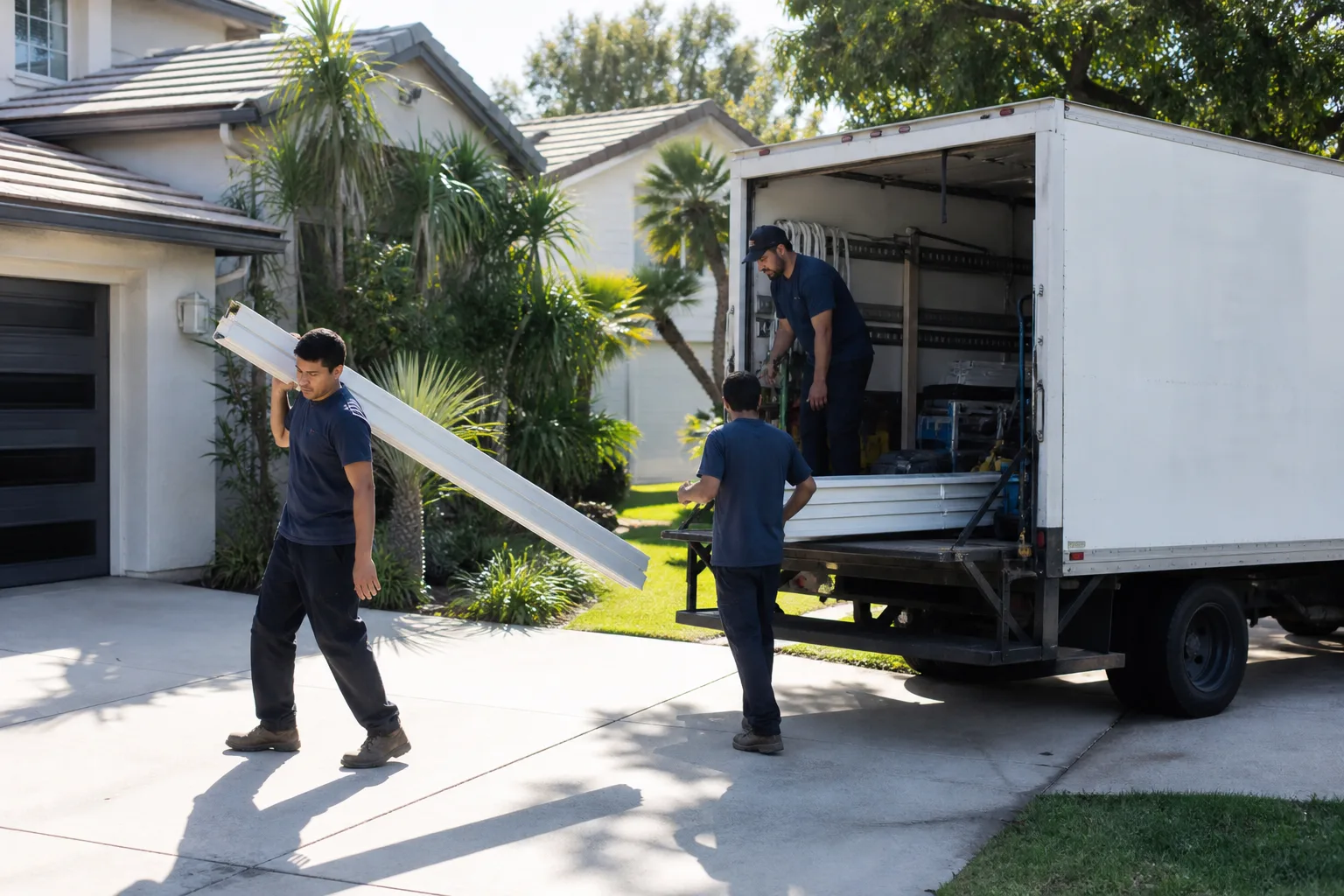
When a post has failed, it needs to come out. Patching around it – adding more nails, bracing the fence with a stake – buys a season at most. For a full replacement scope, our Fence Installation in Allen team handles post removal, proper drainage, and full replacement in the same day for most standard residential runs.
Cedar vs. Pine vs. Composite
Applying the wrong treatment to the wrong material wastes money and can actually reduce lifespan. Here’s how to maintain each fence type.
Cedar Fences
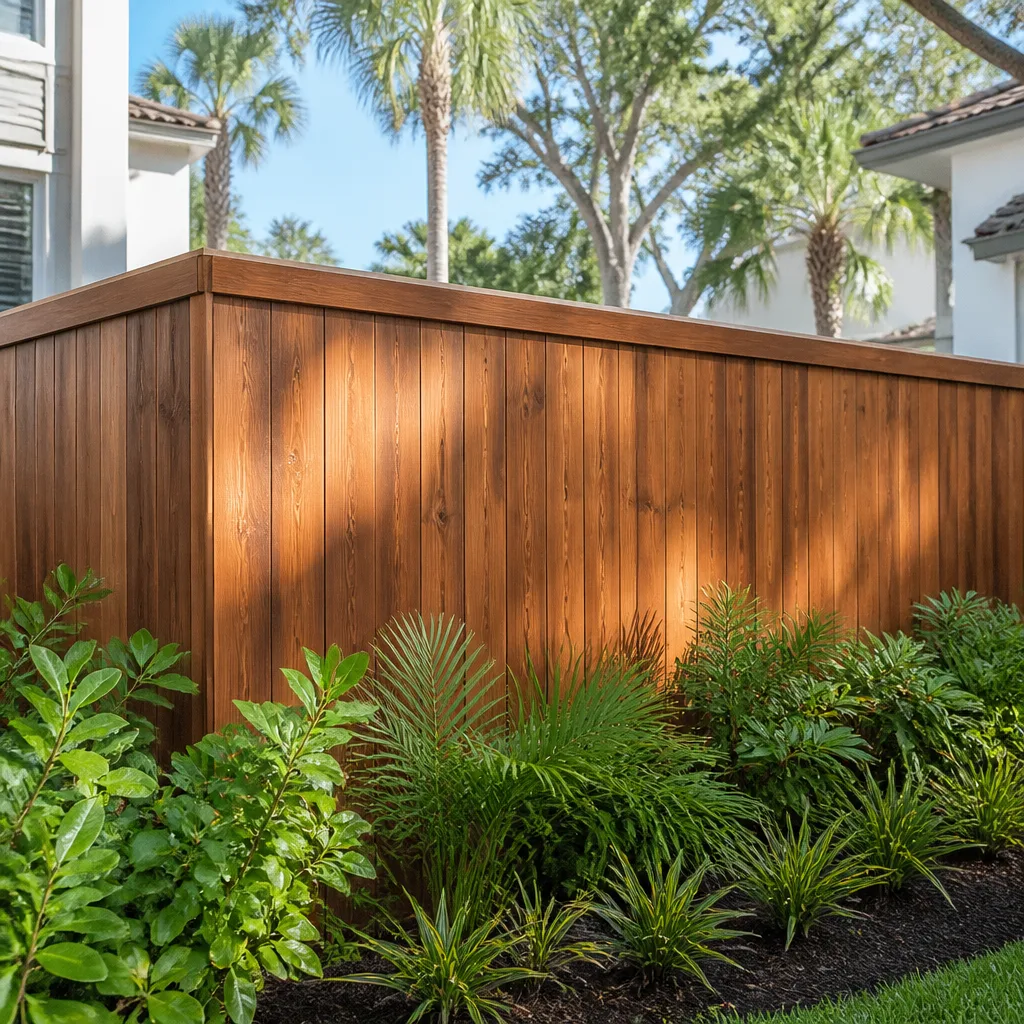
Cedar is naturally rot-resistant thanks to oils in the wood, which is why it’s the most common fence material in Allen’s nicer neighborhoods. Cedar needs less maintenance than pine – but it still needs staining every 3 – 4 years in Allen’s UV load. Cedar’s natural oils fade with sun exposure, so a UV-blocking penetrating stain keeps the wood tone and protects the fibers.
- Do: Use a penetrating oil-based stain made for cedar. Clean gently with a soft brush.
- Don’t: Use a heavy film-forming sealant. It traps moisture and peels on cedar.
- Watch for: Cedar’s natural color variations and the “character” graying that happens fast in Allen summers without UV-blocking stain.
Pine Fences
Pine is less rot-resistant than cedar. It’s often used in Allen for budget-conscious builds, and it needs more attention. Pine absorbs moisture more aggressively and is more prone to rot at the base.
- Do: Stain every 2 – 3 years, not every 3 – 4. Inspect the base more often.
- Don’t: Skip stain even on newer pine. Bare pine in Allen UV is at risk within the first two summers.
- Watch for: Sap bleeding – a sign of stress – and faster deterioration at the soil gap.
Composite Fences
Composite fences are increasingly common in newer Allen subdivisions. Composite is low-maintenance compared to wood – no staining – but “low maintenance” doesn’t mean “no maintenance.”
- Do: Wash the fence annually with a hose and mild detergent. Check fasteners yearly.
- Don’t: Pressure-wash at high pressure. It can mar the surface finish.
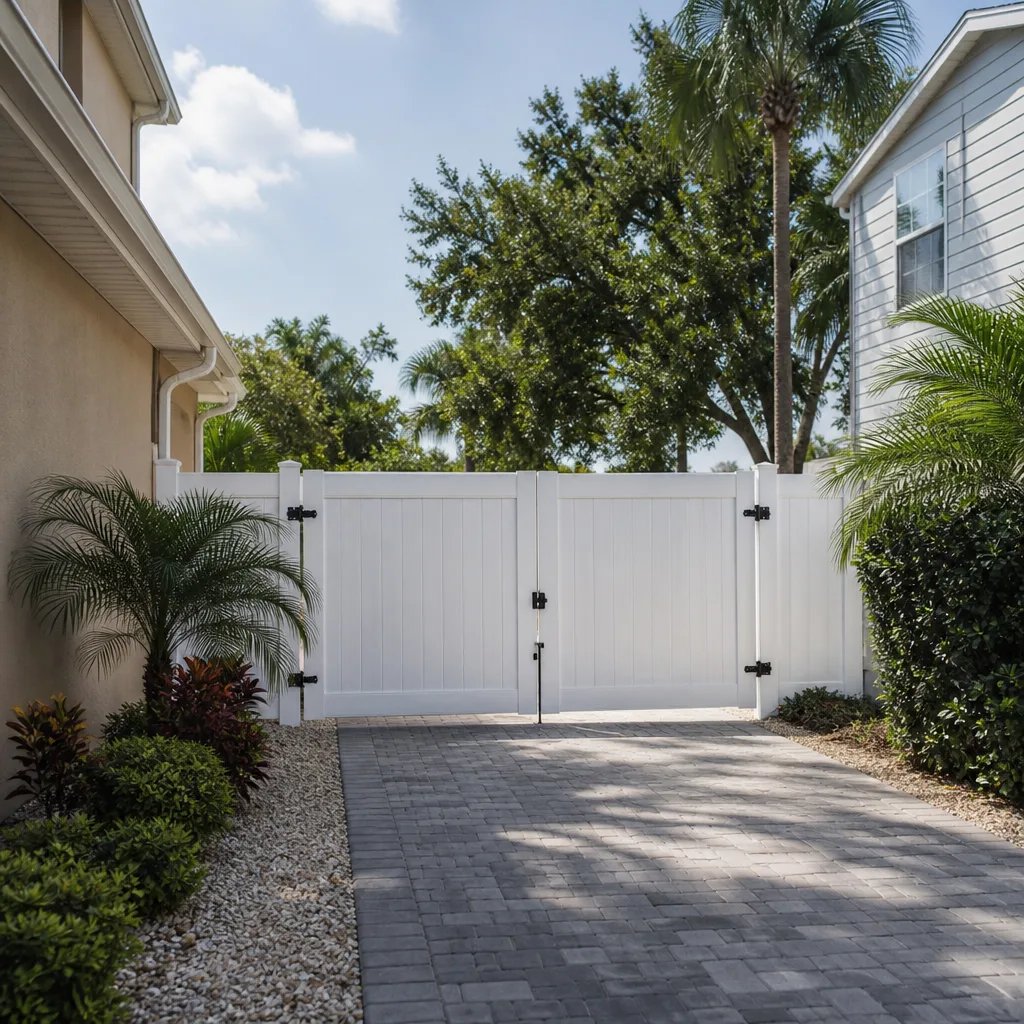
- Watch for: Fading on the sun-facing side, which becomes noticeable after 8 – 10 years in Allen’s UV load, and any places where fasteners have backed out during wind events.
Galvanized Chain-Link and Ornamental Metal
Metal fences still need light maintenance. Check for rust spots, especially at ground level where moisture sits against the metal, and touch up any rust spots before they grow. For ornamental iron, inspect for rust and touch up paint annually.
Choosing the Right Treatment Products
The product you choose matters as much as the timing. In Allen’s heat, a stain that would work fine in a mild climate can fail in 12 months.
What to Look For
- A penetrating oil-based stain with UV blockers – this is what actually protects against Allen’s summer sun.
- A product labeled for exterior wood and for the specific species you’re treating (cedar-specific vs. pine-specific formulations vary).
- Coverage rates listed on the can (typical is 150 – 250 square feet per gallon per coat, but you’ll use more on weathered or rough-cut wood).
- A warranty or performance claim in writing – not “lasts 10 years” on the label but “resists graying for X years” backed by the manufacturer.
What to Avoid
- Clear sealers with no UV blockers on gray or dried wood.
- Water-based stains applied in temps above 90°F – they dry too fast and don’t penetrate.
- Products without manufacturer documentation – if you can’t find a data sheet, don’t use it.
When we install a fence through our Fence Installation in Allen service, we recommend and use products we’ve tested in local conditions, backed by material brand partners we trust. When the scope of your project involves more than a fence – a new patio, a full yard remodel, or a new addition – the same care with materials carries through our Driveway & Pavers in Allen and Home Additions & ADU in Allen teams.
Common Mistakes to Avoid
- Waiting until the fence looks bad to stain it in Allen. By the time the fence has gone gray, ultraviolet damage has already happened. The schedule is every 3 – 4 years, not every time you notice a problem.
- Staining in July or August. Allen’s 95-degree afternoons degrade the stain before it penetrates, and an afternoon thunderstorm can wash a fresh coat off. Fall is the window.
- Letting soil or mulch pile up against the fence base. This is the single most common cause of premature post rot in Allen’s clay soil. Keep the wood clear of soil by at least half an inch.
- Using clear sealer on gray wood. A clear sealer locks in whatever damage is already there. Gray wood needs a penetrating pigmented stain that includes UV blockers.
- Ignoring the post base after a wet year. After heavy rain, the base of the post gets a fresh wet-dry cycle. That’s when rot starts. Check post bases early spring.
- Waiting for months after a major storm to inspect the fence. Damage that’s cosmetic in week one can become structural by week six. Inspect within 24 to 48 hours after a severe event.
- Assuming a composite fence needs no attention at all. Composite fences in Allen still benefit from an annual wash and fastener check. Skipping that is how small issues grow.
When to Call a Professional
Some maintenance you can handle. A pressure-wash, a fresh coat of stain, and a spring walk-around are within reach for most homeowners. Here’s when we suggest bringing in a team.
- Any post that has failed or is loose at the base. Post replacement is a two-person job with equipment, and doing it wrong in Allen’s clay soil just trades one failed post for another.
- Multiple storm-damaged panels. Rebuilding 20 or 30 feet of fence is faster and more accurate with a pro crew.
- Full-fence staining at the 3- or 4-year mark. A full stain job on a typical Allen residential lot runs 150 to 300 linear feet of wood. Getting the timing, product, and coverage right saves a fence.
- Rot at multiple posts. If you’re finding rot at three or more posts, the fence needs evaluation, not patchwork.
- Any replacement or significant repair scope. Our Fence Installation in Allen team handles full repair and replacement, and we back every job with the 730-Day Done Right Promise – if it’s not done right, we make it right.
Groundwork Construction Co. of Allen offers free estimates in Allen. Call (888) 343-9048 to schedule yours. Calls are answered by a live person 24/7, and our technicians arrive on time, in uniform, and ready to work.
Frequently Asked Questions
Every 3 – 4 years. That’s the schedule we recommend in Allen because UV exposure here breaks down stain faster than in more temperate climates. Most fences treated every 6+ years need replacement around year 7 or 8 instead of year 14 or 15. Call (888) 343-9048 for a free estimate on full-fence staining or repair.
Walk the line within 24 hours and check every post for lean and flex, every rail for separation, and every board for cracks that reach the fastener. Any post that shifts at the base or rail that has pulled away is structural. Cosmetic damage – faded stain, one chipped board – can wait. Call (888) 343-9048 for a post-storm inspection estimate.
Allen’s clay soil holds moisture against the wood at the base, then shrinks and dries, cycling the post through repeated wet-dry stress. Maintaining a half-inch to one-inch gap between the bottom of the fence and the soil is the single most effective protection. If you’re seeing rot at multiple posts, the fence needs an evaluation. Call (888) 343-9048 to schedule a free estimate.
In Allen’s UV load, a penetrating oil-based stain with UV blockers does both jobs in one product. A pure clear sealer on gray or dried wood traps moisture and doesn’t restore the wood. Staining every 3 – 4 years with a quality product gives the best wood protection and longest lifespan. Call (888) 343-9048 for a free estimate.
Yes, but at low pressure and only on truly dirty surfaces – high-pressure washing forces water into wood fibers and can leave fuzzy, damaged grain on cedar and pine. Use a household detergent and a soft-bristle brush for most cleaning. Call (888) 343-9048 if the fence has mold, mildew, or rot that needs professional treatment.
Early fall (October) is the ideal window – temperatures are moderate, humidity is lower, and you’re between storm season and freezes. Spring (March – April) is the second-best window. Avoid July and August, when Allen heat causes stain to dry before it penetrates. Call (888) 343-9048 to schedule a fall staining estimate.
Yes. Every fence installation and repair through Groundwork Construction Co. of Allen is covered by our 730-Day Done Right Promise – if it’s not done right, we make it right. Combined with transparent upfront pricing, our customers come back to the same fence for a decade-plus. Call (888) 343-9048 for a free estimate.
The Bottom Line
A wood fence in Allen isn’t a set-and-forget investment. The UV load, the clay soil, and the storm frequency here mean a fence needs specific seasonal attention – a spring inspection and stain, a mid-summer storm check, and a fall prep for temperature swings. Stain every 3 – 4 years, not every 5 – 7. Keep the soil clear of the wood at the base. Inspect post bases after rain. Do these things and you get the 15-year fence you paid for. Skip them and you get the 7-year fence that looks fine until it doesn’t. If your fence is due for maintenance, replacement, or you’d like a professional walk-through – our team is here. Groundwork Construction Co. of Allen has been in business since 2014, proudly serving local communities with a 730-Day Done Right Promise, upfront pricing, and technicians with up to 12 years of experience. Call (888) 343-9048 for a free estimate on fence repair, installation, or a full maintenance plan.
Written by the team at Groundwork Construction Co. of Allen.
See the difference
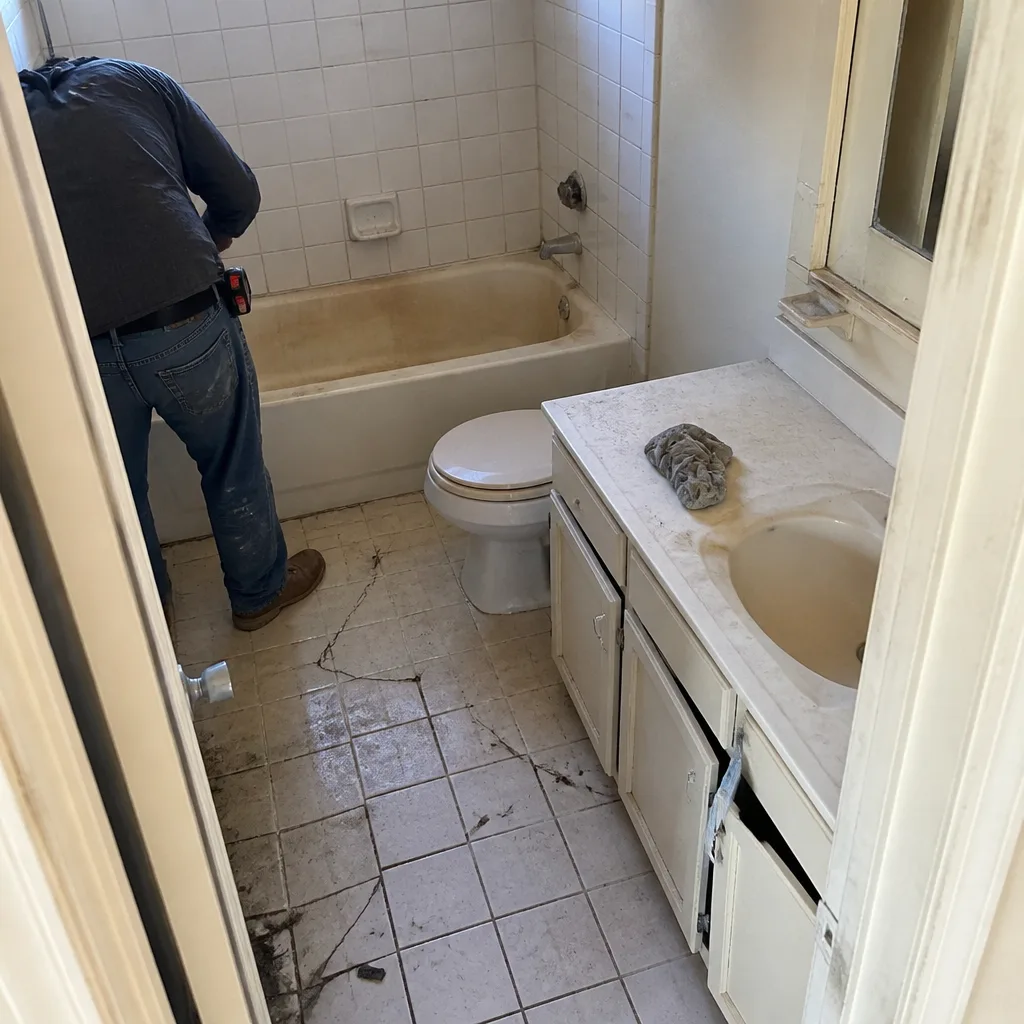 Before
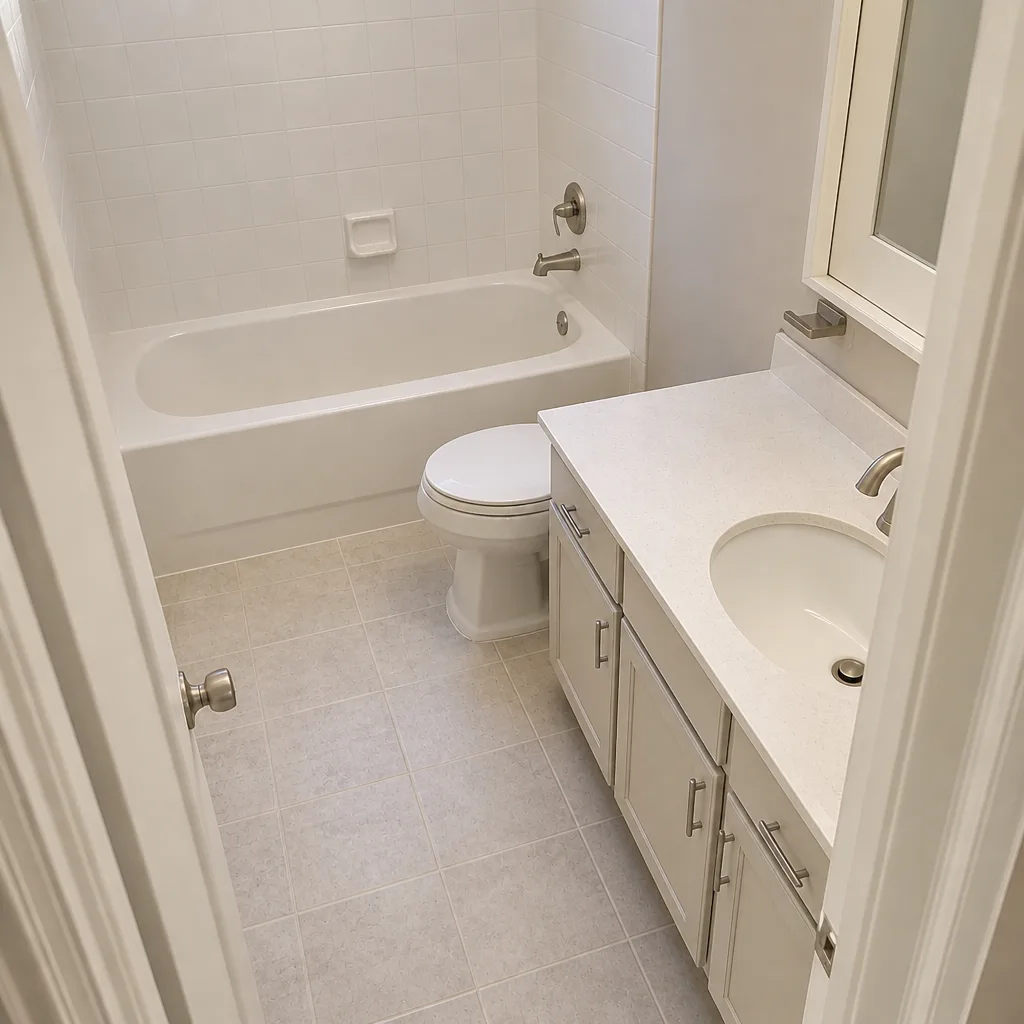 After
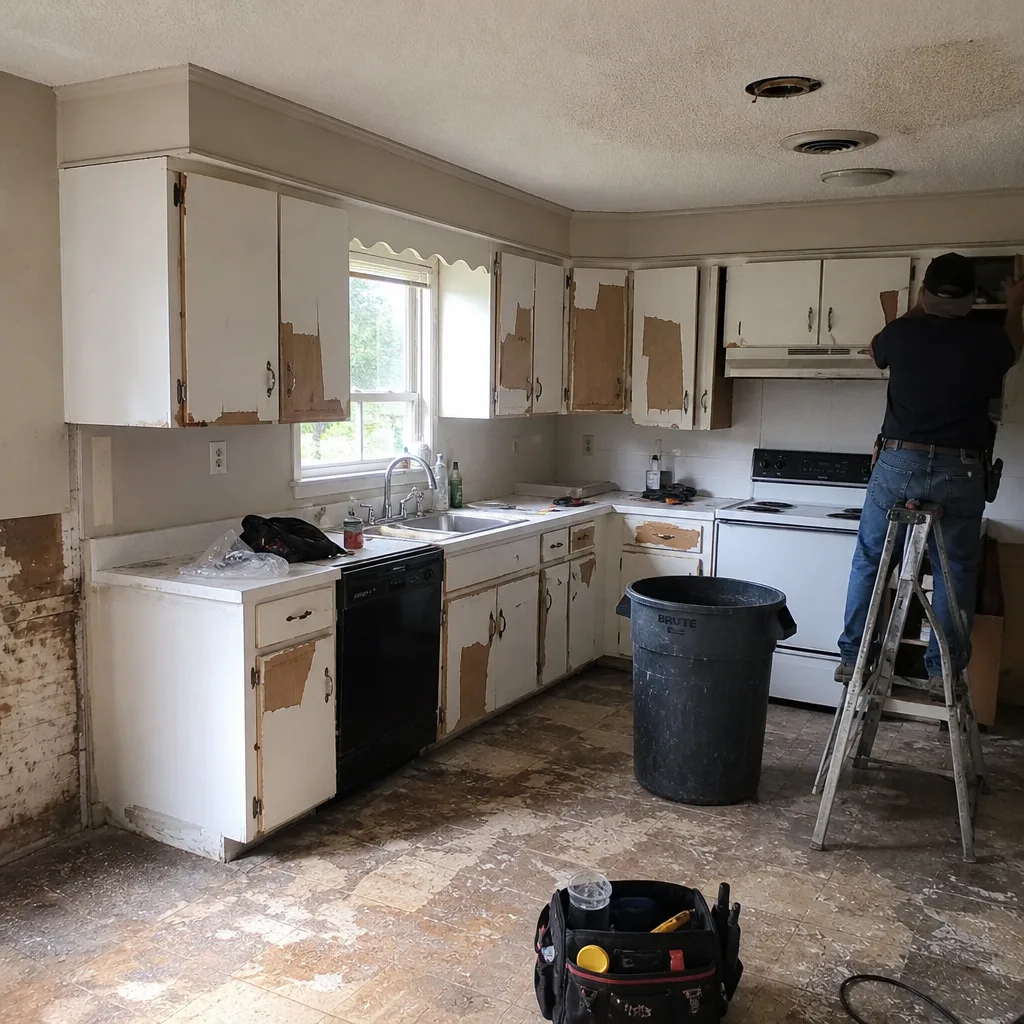 Before
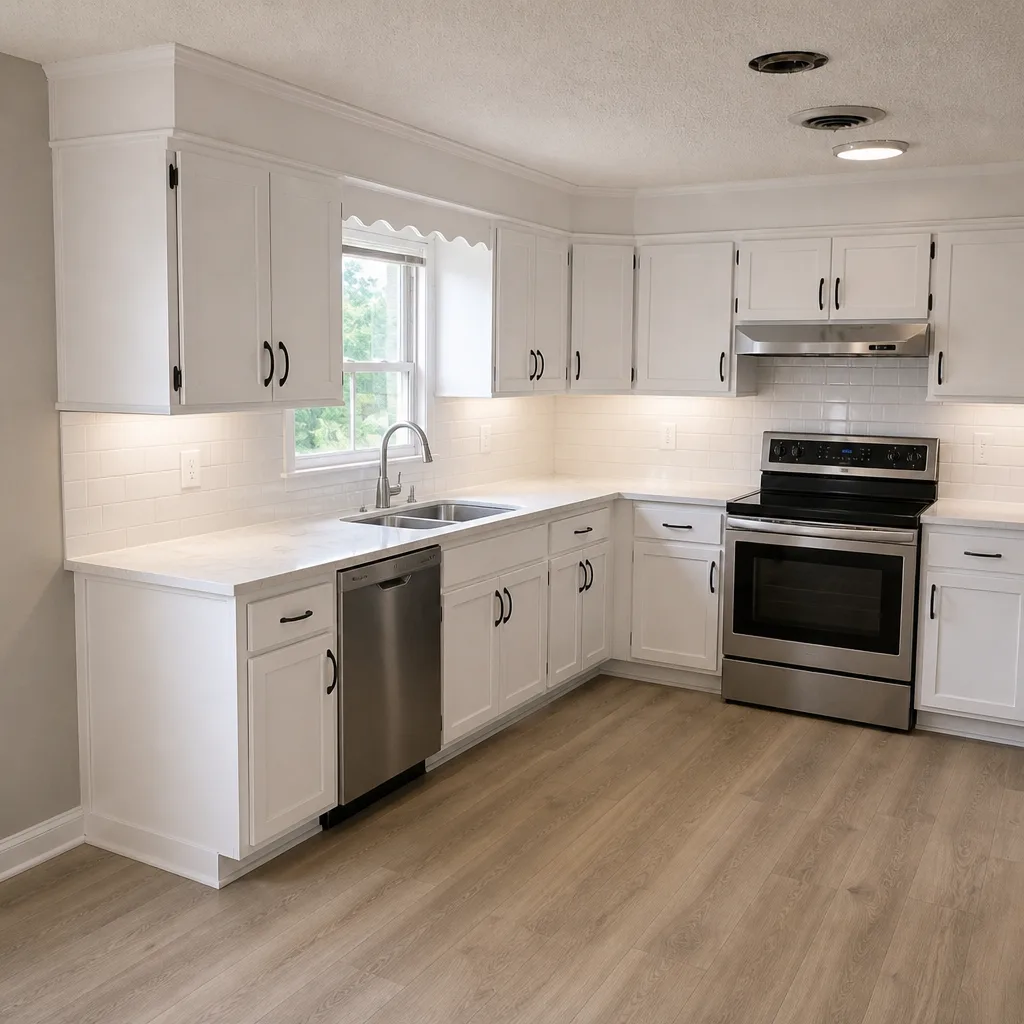 After
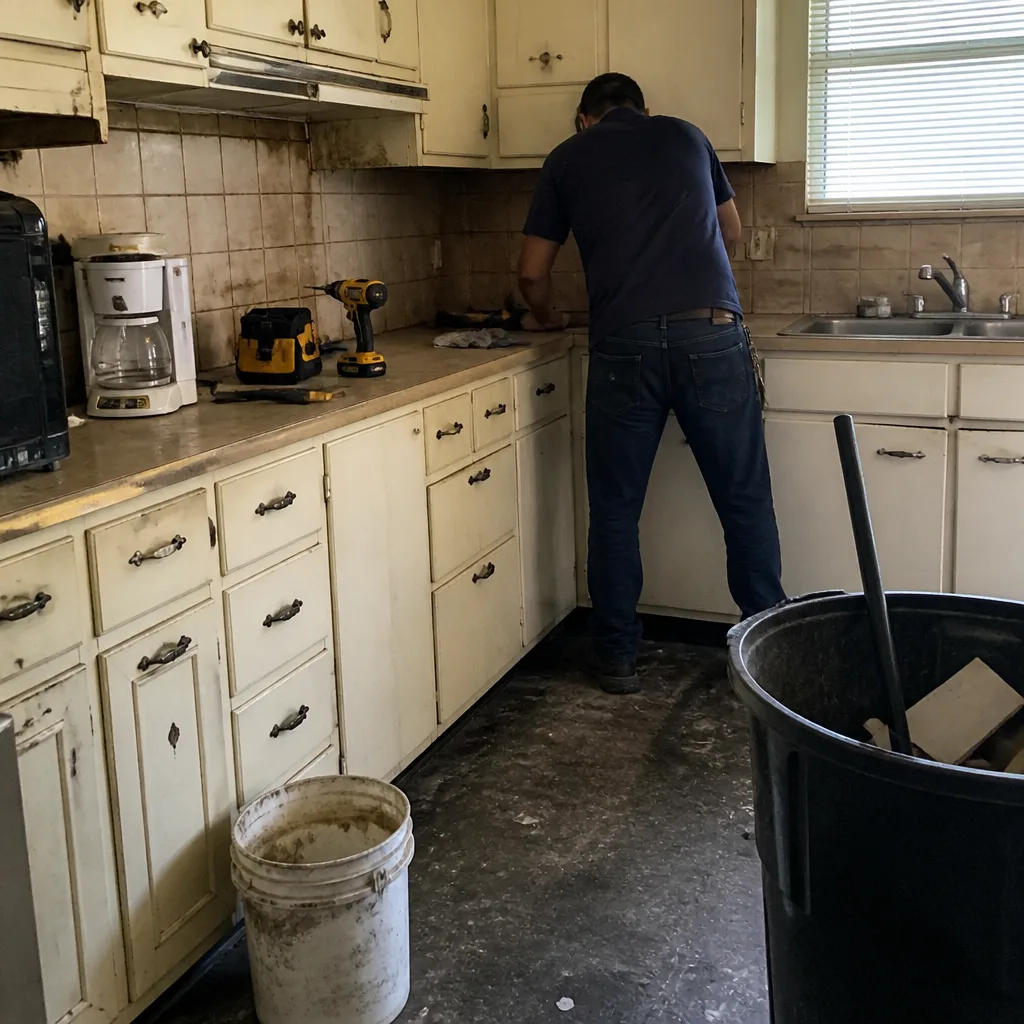 Before
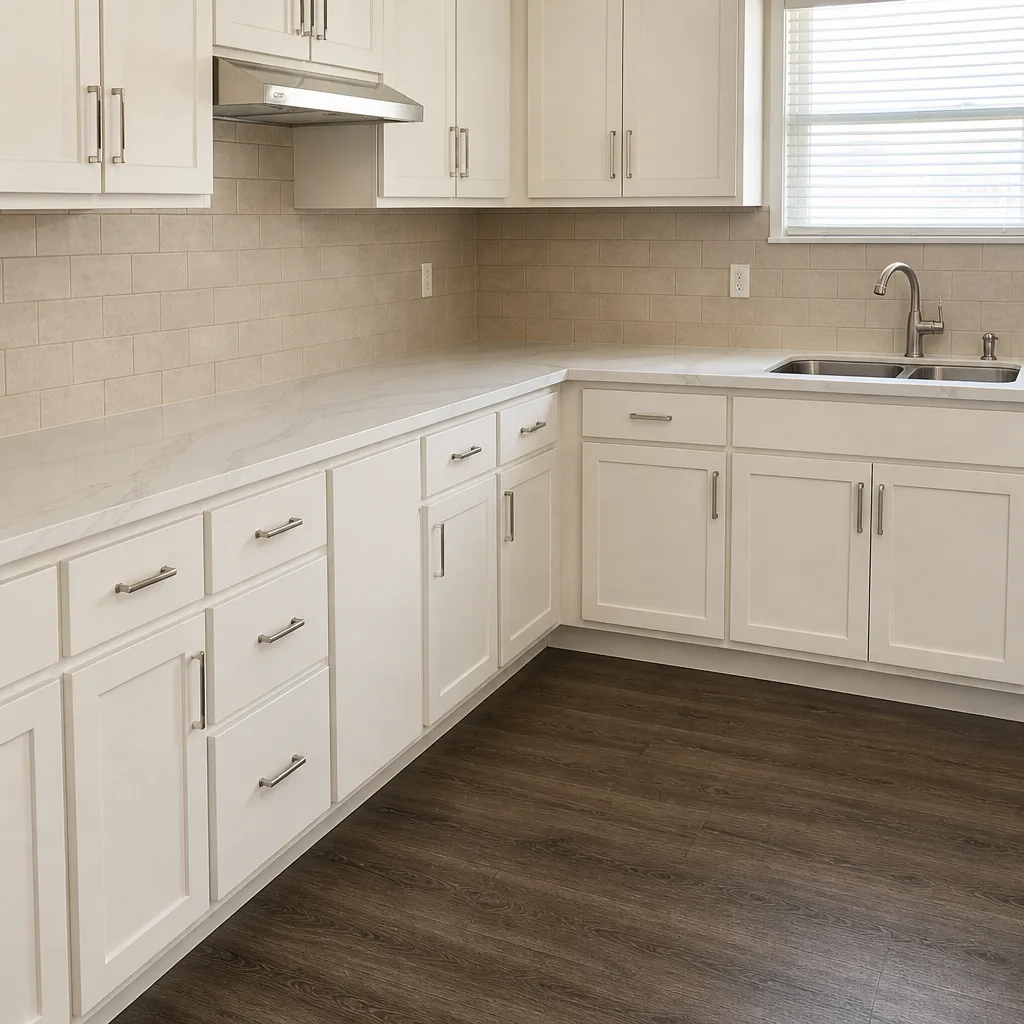 After